Why Your Face Serum Is Not Working: 10 Mistakes Most People Make
Even the most expensive face serums can fail if used incorrectly. These 10 common skincare mistakes quietly block results, and fixing them can transform how your serum actually performs. Explore reasons why your face serum isn't working and how to fix them.

Top 10 Face Serum Mistakes That Prevent Even Expensive Ones From Working.
Face serums enjoy superstar status in skincare routines. Lightweight, fast-absorbing, and packed with active ingredients, they promise everything from brightening to wrinkle repair. Many people save up to buy premium serums, expecting visible changes within weeks. When nothing happens, frustration sets in, followed by the belief that the product simply does not work. So, understand why your face serum is not working - here are 10 mistakes most people end up making.

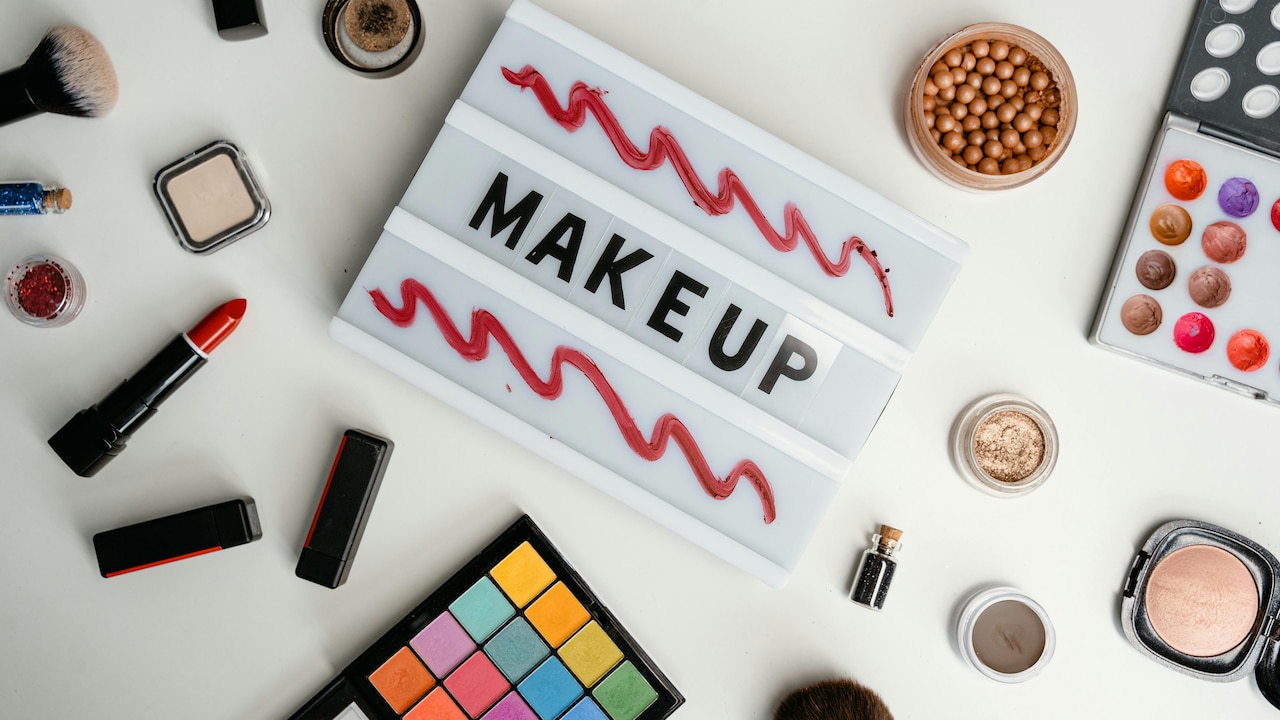
Explore all about why your face serum isn't working and top tips to make it effective; Photo Credit: Pexels
The truth sits elsewhere. Skincare works like teamwork. Even the best serum cannot perform if the skin environment resists it. Climate, lifestyle, layering mistakes, and timing all play key roles. In a country where humidity, pollution, heat, and hectic schedules shape daily life, skincare demands a little extra thought.
Understanding how to use a serum correctly often makes more difference than upgrading to a pricier one. These ten mistakes show how good products lose power and how small corrections can turn an average routine into an effective one.
Also Read: How to Layer Face Serums in Winter Without Causing Breakouts
Why Your Face Serum Isn't Delivering Results: No Matter the Price
1. Applying Serum on Dry, Dehydrated Skin
Many people apply serum after washing their face and drying it completely. This feels logical but quietly weakens performance. Slightly damp skin absorbs ingredients far better than dry skin. When skin lacks moisture, it struggles to pull in active ingredients, no matter how advanced the formula looks.
Think of skin like a sponge. A dry sponge resists water at first, while a damp one soaks it up instantly. Serums behave the same way. Applying them on skin that still holds a hint of moisture allows ingredients to travel deeper and work faster.
This mistake often happens during rushed mornings before the office or school. The towel comes out, the face gets rubbed dry, and serum follows. Instead, pat the face gently, leave it slightly damp, and then apply the serum. That tiny pause makes a noticeable difference over time.
Ignoring hydration also leads to patchy absorption. Some areas glow, others remain dull. Balanced moisture creates even results and helps justify every rupee spent on skincare.
2. Using Too Much Product
More serum does not mean more results. This belief drains wallets faster than it improves skin. Serums contain concentrated actives designed to work in small amounts. Applying extra often leads to waste, clogged pores, or irritation.
A pea-sized amount or two drops usually suffice for the entire face. When serum pools on the skin or takes ages to absorb, that signals overuse. Excess product often sits on the surface, attracting dust and pollution, especially in busy cities.
Overapplication also interferes with layering. Moisturisers and sunscreen struggle to sit properly on overly slick skin. This leads to pilling, greasiness, and the urge to wash everything off and start again.
Using the right amount ensures better absorption and longer product life. That ₹2,500 bottle suddenly lasts months instead of weeks. Skincare thrives on consistency, not excess. Treat serum like a potent spice, not a base ingredient.
3. Mixing Incompatible Ingredients
Layering skincare products without understanding ingredient compatibility remains a common mistake. Certain actives clash when used together and cancel each other out or irritate the skin.
For example, combining vitamin C with strong exfoliating acids in the same routine often leads to redness rather than radiance. Using retinol alongside benzoyl peroxide usually dries the skin without delivering results. These combinations sound powerful but often overwhelm the skin barrier.
This mistake often stems from enthusiasm. Multiple concerns demand multiple solutions, so everything gets applied at once. Unfortunately, skin prefers a calmer approach. Overloading it causes sensitivity, breakouts, or dullness.
Understanding basic ingredient pairings helps immensely. Use vitamin C in the morning, retinol at night, and acids on alternate days. This approach allows each ingredient to perform without interference. Expensive serums then show results instead of triggering regret.
4. Skipping Moisturiser After Serum
Serums deliver active ingredients, but they do not seal moisture. Skipping moisturiser leaves skin vulnerable, especially in air-conditioned offices or dry weather. Without a moisturiser, the serum evaporates or loses effectiveness faster.
Many people with oily skin avoid moisturiser, fearing greasiness. This backfires. Dehydrated skin produces more oil to compensate, leading to breakouts and shine. Even lightweight gel moisturisers help lock in serum benefits without heaviness.
Think of serum as treatment and moisturiser as protection. One works inside, the other guards the surface. Removing either disrupts balance. Skin may feel temporarily smooth, but soon looks tired again.
Applying a suitable moisturiser after serum ensures ingredients stay where they belong. It also improves texture, comfort, and long-term results. A complete routine always beats an expensive shortcut.
5. Expecting Overnight Results
Patience runs thin when skincare costs ₹4,000 and promises visible changes in weeks. When results fail to appear in days, disappointment takes over. This unrealistic expectation leads many to abandon good products too soon.
Skin renewal takes time. Most serums need at least four to six weeks to show noticeable improvement. Pigmentation, fine lines, and texture issues rarely disappear overnight. Advertising often exaggerates timelines, but biology follows its own pace.
Constantly switching serums resets progress. Skin never adjusts, and results remain elusive. This cycle wastes money and creates frustration.
Consistency wins every time. Applying the same serum regularly, protecting skin from sun exposure, and supporting it with proper cleansing and moisturising gradually pays off. Results may arrive quietly but tend to last longer. Skincare rewards patience, not impatience.
Do not expect overnight results, even from the most expensive and best serums; Photo Credit: Unsplash
6. Ignoring Sunscreen During the Day
Using a powerful serum without sunscreen equals pouring water into a leaking bucket. Sun exposure reverses progress made by brightening, anti-ageing, and repair serums. Pigmentation returns, collagen breaks down, and irritation increases.
Many serums increase skin sensitivity to sunlight, especially those containing acids or retinol. Without sunscreen, these products do more harm than good. Even cloudy days and indoor lighting contribute to damage.
Skipping sunscreen often feels harmless, especially during short commutes or winter months. Unfortunately, cumulative exposure adds up quickly. Skin remembers every unprotected moment.
Applying a broad-spectrum sunscreen every morning locks in serum benefits and prevents new damage. This simple habit often makes the biggest difference in results. No serum can outwork the sun without backup.
7. Using the Wrong Serum for the Skin Type
Choosing a serum based on trends rather than skin needs leads to disappointment. A product that works wonders for a friend may fail miserably on a different skin.
Oily skin struggles with heavy oil-based serums. Dry skin feels unsatisfied with watery formulas lacking nourishment. Sensitive skin reacts badly to strong actives, even if they promise miracles.
This mistake often comes from marketing hype. Buzzwords like “glass skin” or “instant glow” distract from practical suitability. Skin then reacts with breakouts, redness, or dullness.
Understanding skin type and concerns helps narrow choices. Reading ingredient lists, not just claims, improves success rates. A modestly priced serum that suits the skin often outperforms a luxury one that does not. Skincare works best when personalised, not popular.
8. Applying Serum in the Wrong Order
Order matters in skincare. Applying serum after thick creams or oils blocks absorption. Active ingredients struggle to penetrate when heavier products sit underneath.
Serums should follow cleansing and toning, before moisturisers and facial oils. This order ensures maximum contact with the skin. Mixing up steps reduces effectiveness and wastes product.
This mistake often happens at night when tiredness sets in. The routine gets rushed, and products go on randomly. Skin then receives partial benefits at best.
Following a simple rule helps: lightest to heaviest. Water-based products first, oils last. This structure allows each layer to perform its role. Correct order transforms an average routine into a reliable one.
9. Storing Serum Incorrectly
Serums dislike heat, light, and air. Storing them near windows, in bathrooms with steam, or without properly closing lids degrades active ingredients quickly.
Vitamin C serums oxidise faster when exposed to light and air. Retinol loses potency when stored improperly. Even expensive packaging cannot fully protect against careless storage.
This mistake shortens product life and reduces effectiveness long before the expiry date. The serum still looks fine, but it works poorly.
Keeping serums in a cool, dark place preserves their strength. Some benefit from refrigeration, especially during hot months. Proper storage protects the investment and ensures consistent performance till the last drop.
10. Neglecting Lifestyle Factors
Skincare does not work in isolation. Poor sleep, dehydration, stress, and diet sabotage even the best routines. Expecting serum alone to fix everything sets unrealistic standards.
Late nights, screen exposure, and pollution strain the skin daily. Without adequate water intake and rest, repair slows down. Serums then struggle to compensate for lifestyle damage.
This mistake often goes unnoticed. Focus stays on products rather than habits. Skin reflects internal health just as much as topical care.
Supporting skincare with balanced meals, hydration, and sleep enhances results dramatically. Serums amplify good habits but cannot replace them. When lifestyle improves, skincare suddenly starts delivering visible changes.
Products Related To This Article
1. Minimalist Niacinamide 10% Face Serum For Regulates Sebum
2. Hyphen 18% Brightening + 20% Collagen Double Serum with 5% Niacinamide for Dark Spots
3. Chemist at Play 10% Vitamin C Face Serum
4. Deconstruct Deconstruct 10% Vitamin C Serum Non-Irritating + Non-sticky
5. Pilgrim 10% Niacinamide Face Serum with Zinc PCA & White Lotus
6. FoxTale 12%Niacinamide Serum with AzelaicAcid for Oil Control & Brightening
7. Himalaya Dark Spot Clearing Turmeric Face Serum
Face serums promise a lot, but they demand cooperation. Most failures stem not from poor formulations but from everyday mistakes that block results. Applying products correctly, understanding skin needs, protecting against sun damage, and maintaining realistic expectations turn even modest serums into effective tools.
Skincare does not need constant upgrades or inflated budgets. Thoughtful use, patience, and consistency often matter more than price tags. When these ten mistakes disappear, serums finally get the chance to do what they were designed to do: support healthy, glowing skin without drama.
(Disclaimer: This article may include references to or features of products and services made available through affiliate marketing campaigns. NDTV Convergence Limited (“NDTV”) strives to maintain editorial independence while participating in such campaigns. NDTV does not assume responsibility for the performance or claims of any featured products or services.)