Smart Home Debate: Are Video Doorbells Real Security Essentials or Overhyped?
Video doorbells promise safety, control and peace of mind. But do they truly prevent crime, or simply record it? A closer look at whether this smart gadget is essential security or clever marketing.
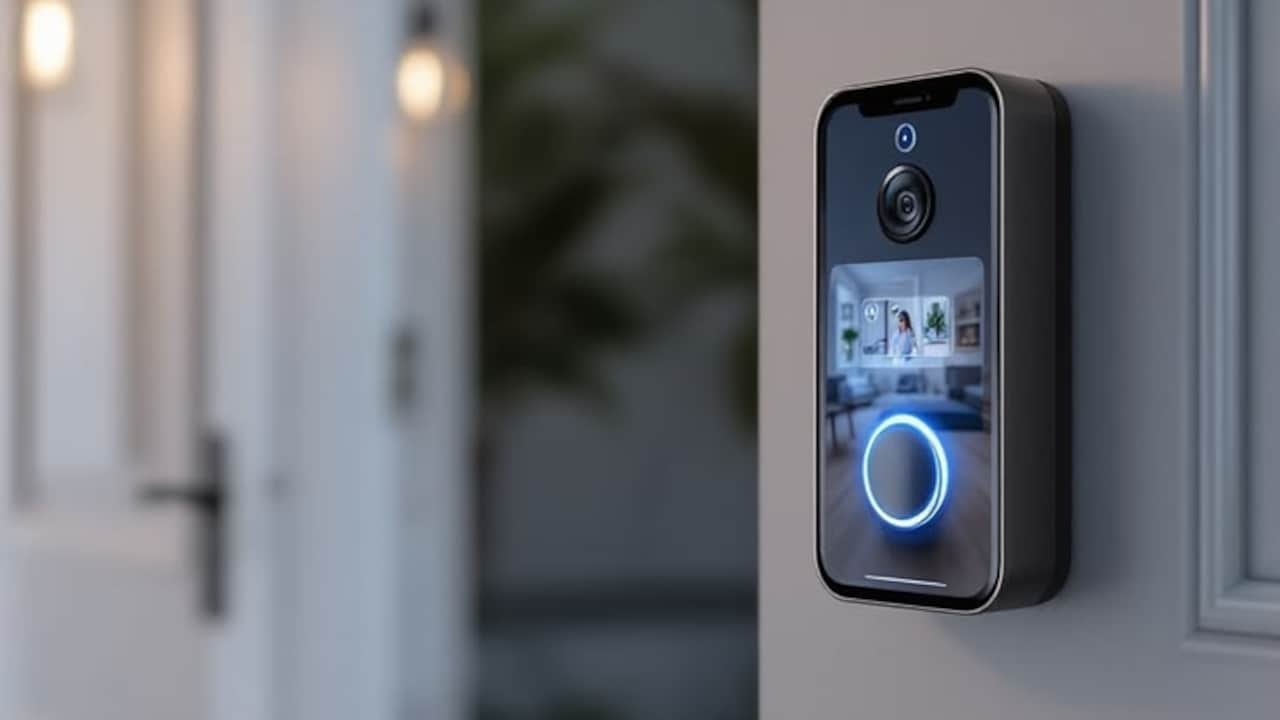
Are Video Doorbells Worth It? Security Benefits, Costs And Real-World Drawbacks Explained.
Doorbells once played a simple role. A visitor pressed a button. A chime rang. Someone opened the door. That quiet ritual has changed. Now, a small lens watches every movement near the gate. Alerts ping at odd hours. Delivery executives wave at cameras. Neighbours discuss night-time footage in lift lobbies.
Smart living has moved from luxury villas to mid-range flats priced at ₹60 lakh and above. As families invest in digital locks, CCTV systems and app-controlled lights, video doorbells often appear as the first upgrade. Sales spike during online mega-sales, with prices ranging from ₹4,999 to ₹18,000. The pitch feels irresistible: see who stands outside, speak without opening the door, record suspicious activity.
Yet questions linger. Does a camera actually prevent crime? Or does it simply record it? Does it offer reassurance, or does it fuel anxiety? This article explores both sides of the argument, with a grounded look at real-life concerns, everyday practicality and cultural context.
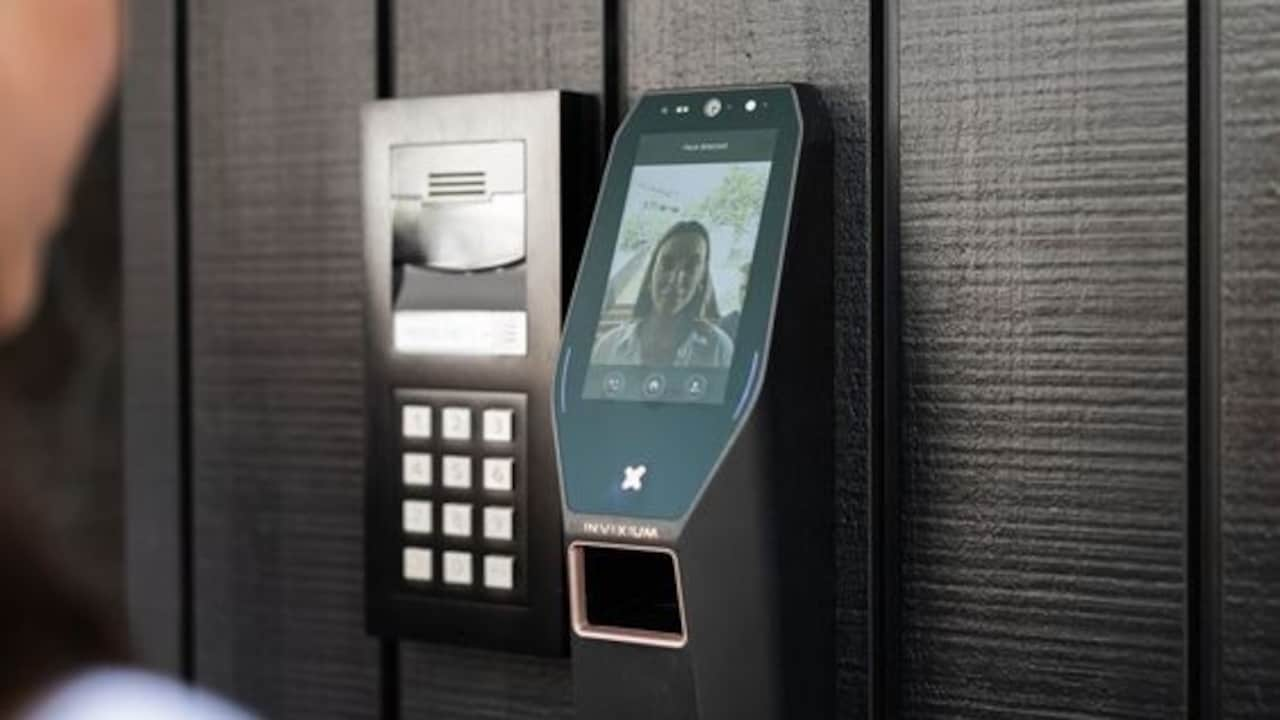
Smart Home Debate: Are Video Doorbells Security Essentials or Overhyped?; Photo Credit: Pexels
The Arguments On Both Sides Of The Smart Door
The Promise Of Instant Vigilance
Marketing campaigns present video doorbells as digital guardians. Companies such as Ring and Google Nest showcase crisp night vision, motion alerts and two-way audio. The message sounds clear: the door never sleeps.
In bustling cities, where domestic staff, couriers and maintenance workers move in and out daily, this feature feels practical. A quick glance at a smartphone reveals who waits outside. Parents at work can check if the children reached home safely. Elderly residents avoid opening the door to strangers. In theory, that control brings comfort.
Yet constant vigilance also changes how households behave. A buzzing notification during dinner draws attention away from conversation. A shadow passing the corridor at midnight triggers unease. The camera sees everything, including harmless moments that once went unnoticed. While instant awareness sounds powerful, it demands emotional energy. Not every household feels prepared for that trade-off.
The Delivery Culture Effect
Online shopping has reshaped doorstep interactions. Parcels arrive daily, sometimes twice a day during festive sales. Video doorbells fit neatly into this delivery-heavy lifestyle. A resident stuck in traffic can instruct a courier through the app. A working couple can ask the delivery executive to leave a package with security.
For homes where theft of unattended parcels remains a concern, the recording feature provides evidence. A missing ₹12,000 phone accessory suddenly feels less risky when the camera logs every visit.
However, this convenience relies heavily on stable internet and app reliability. When the Wi-Fi drops, the “smart” bell becomes a regular button. In smaller towns where connectivity fluctuates, the promise loses its shine. Moreover, many apartment complexes already employ guards and CCTV systems. In such cases, a video doorbell duplicates existing infrastructure rather than strengthening it.
The delivery culture certainly fuels demand, but the benefit depends on how often households truly face doorstep disputes.
Also Read: 5 Best Smart Doorbells With Camera Under ₹20000 That Let You Screen Visitors Safely
Fear Versus Reality
Security sells. News headlines about burglaries spread rapidly on messaging apps. Residents share CCTV clips in housing society groups. In that climate, installing a camera feels responsible.
But data across many cities shows that most burglaries occur when homes stand empty for extended periods, not during brief doorbell encounters. A video doorbell records the doorstep, not the back balcony or open window. It acts as a narrow lens, not a complete shield.
Some households believe that the visible presence of a camera deters criminals. That belief holds partial truth. Opportunistic thieves may avoid homes with obvious surveillance. Yet seasoned offenders often disguise faces or scout properties beyond camera range.
So the debate sharpens: does the device prevent crime, or simply document it? For some, documentation offers psychological relief. For others, prevention matters more than footage.
Privacy In A Closely Knit Society
In tightly packed apartment corridors, privacy carries weight. A video doorbell often captures neighbours walking past, children playing, or domestic workers chatting. Not everyone feels comfortable appearing in someone else's footage.
In several housing societies, committees now discuss rules around camera angles and data storage. Who owns the recordings? How long do they stay saved? Can footage circulate on social media without consent?
Companies like Amazon stress encrypted storage and user control. Yet digital leaks and hacking incidents across various platforms remind users that no system guarantees absolute safety.
Security at the cost of privacy raises ethical questions. A camera designed to protect one family may unintentionally monitor an entire floor. That tension makes some residents cautious, especially in communities where social harmony matters as much as safety.
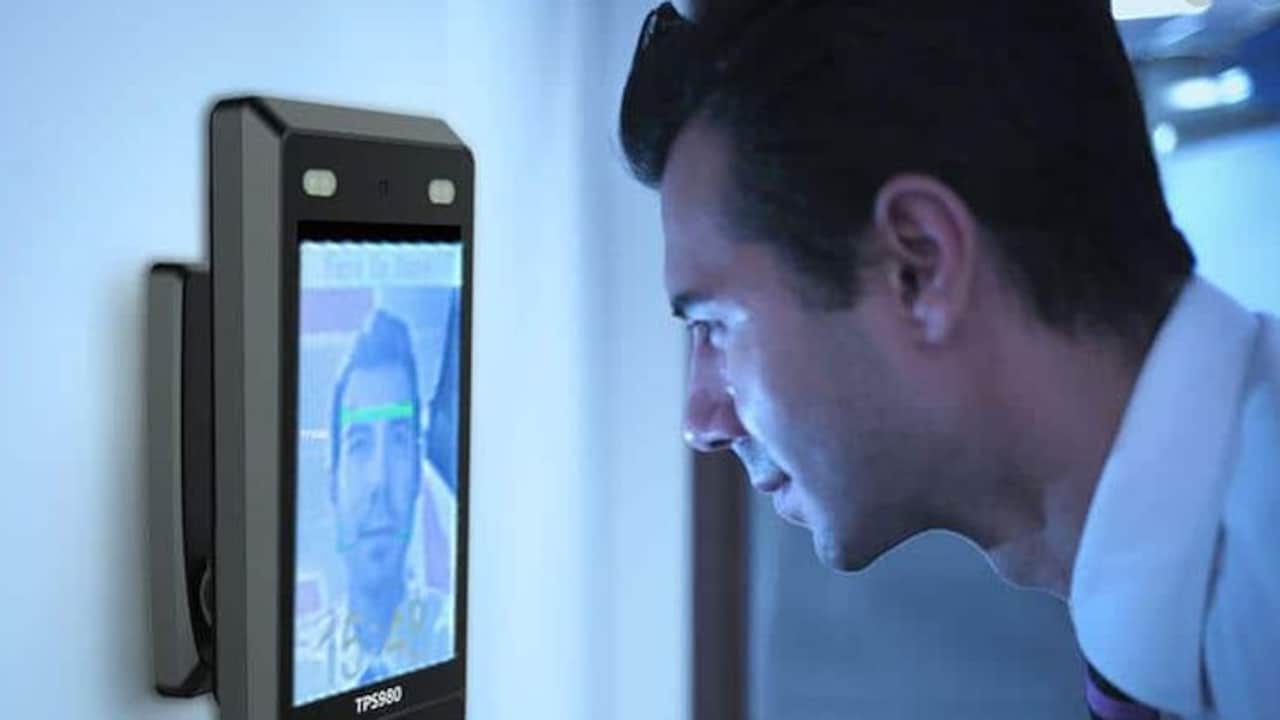
Smart Home Debate: Are Video Doorbells Security Essentials or Overhyped?; Photo Credit: Pexels
The Cost Of Peace Of Mind
A basic video doorbell costs around ₹5,000. Advanced models with cloud storage subscriptions can cross ₹15,000 over a couple of years. For a middle-class household budgeting school fees, EMIs and rising grocery bills, that amount demands justification.
Add installation charges and occasional maintenance, and the expense grows. Some brands require monthly cloud fees to store recordings beyond a short period. Without a subscription, users may lose older footage.
Yet compare that to the emotional cost of a single security scare. After a theft incident in the neighbourhood, many families rush to install cameras without bargaining. Peace of mind rarely carries a fixed price.
Still, financial prudence matters. A society with 24-hour guards, access cards, and CCTV might not need individual door cameras. In standalone homes without layered security, the same device could offer tangible value. Context determines worth.
Smart Homes And Social Signalling
Technology often doubles as a status symbol. A sleek doorbell with HD video signals modern living. Guests notice it. Conversations start around smart locks, app-controlled lights and voice assistants.
Brands such as Xiaomi have made these gadgets more affordable, widening their appeal beyond luxury segments. The shift has democratised smart home features.
However, social signalling can blur practical judgement. Some buyers install devices to match trends rather than solve specific problems. The thrill of unboxing fades quickly when notifications become routine.
In metropolitan areas, owning a video doorbell increasingly feels normal. In smaller cities, it may still appear aspirational. Whether that aspiration reflects genuine need or lifestyle marketing remains part of the debate.
Technology Reliability And Everyday Frustrations
No gadget works flawlessly. Video doorbells rely on power supply, internet stability and app compatibility. A power cut can disable the system unless backed by a battery. A software update may cause temporary glitches.
Users sometimes complain about delayed notifications. By the time the alert appears, the visitor may have left. False motion alerts triggered by stray cats or swaying plants also irritate.
Two-way audio can lag, leading to awkward conversations with delivery personnel. In high-rise buildings with thick walls, Wi-Fi signals weaken near the entrance.
These practical hiccups remind households that technology enhances security but does not replace human judgment. A vigilant guard, attentive neighbour or strong community network still plays a crucial role.
Psychological Comfort Or Digital Anxiety?
For many families, seeing the doorstep in real time reduces anxiety. Elderly parents living alone feel safer when children can check in remotely. That reassurance holds real value.
At the same time, constant monitoring may heighten worry. Every unfamiliar face prompts suspicion. Night-time motion alerts disturb sleep. The boundary between awareness and paranoia can blur.
Technology shapes behaviour. A camera encourages people to review footage repeatedly, even when nothing unusual occurs. That habit may not suit everyone.
Balanced usage becomes essential. Notifications can be customised. Motion sensitivity can be adjusted. When configured thoughtfully, the device supports calm rather than fueling fear. But that balance requires deliberate effort.
Legal Awareness And Accountability
Video footage can assist in disputes. In cases of doorstep theft or harassment, recordings provide evidence. Police often accept such clips during investigations. That accountability strengthens the argument for installation.
However, users must handle footage responsibly. Sharing clips publicly without consent may violate privacy norms. Housing societies increasingly discuss internal policies to prevent misuse.
As smart devices multiply, legal frameworks continue to evolve. Residents must stay informed about data protection guidelines and local regulations. Responsible ownership matters as much as technological capability.
When used ethically, a video doorbell can support transparency. When misused, it can create friction within communities.
Products Related To This Article
1. Delitech Smart Wireless Video Doorbell Pro 3k
2. Qubo Smart Wi-Fi Video Doorbell Pro 2K
3. TP-Link Tapo D230S1 2K 5Mp/1920p Smart Wireless Security Video Doorbell
4. Anchor by Panasonic Wireless Doorbell
5. Costar Door Bell - Calling Bell Wireless with 24-Hour Time Display
So, are video doorbells essential security tools or overhyped gadgets? The answer resists a simple label. In standalone homes without layered security, a video doorbell can add a meaningful layer of awareness. For elderly residents or frequently travelling professionals, remote access offers tangible reassurance. In high-rise apartments with guards and CCTV, the benefit may feel incremental rather than transformative.
Marketing amplifies fear, but real-life needs vary. A camera at the door does not replace community vigilance, sturdy locks or common sense. It complements them. For some households, that complement feels indispensable. For others, it becomes another notification competing for attention.
Ultimately, the value lies not in the lens itself but in how thoughtfully households integrate it into daily life. Smart living should simplify routines, not complicate them. When chosen with clarity rather than impulse, a video doorbell can serve as a helpful tool. When purchased purely for trend or anxiety, it risks becoming an expensive ornament.
The smart home debate continues, but one truth stands firm: security starts with awareness, not gadgets alone.
(Disclaimer: This article may include references to or features of products and services made available through affiliate marketing campaigns. NDTV Convergence Limited (“NDTV”) strives to maintain editorial independence while participating in such campaigns. NDTV does not assume responsibility for the performance or claims of any featured products or services.)