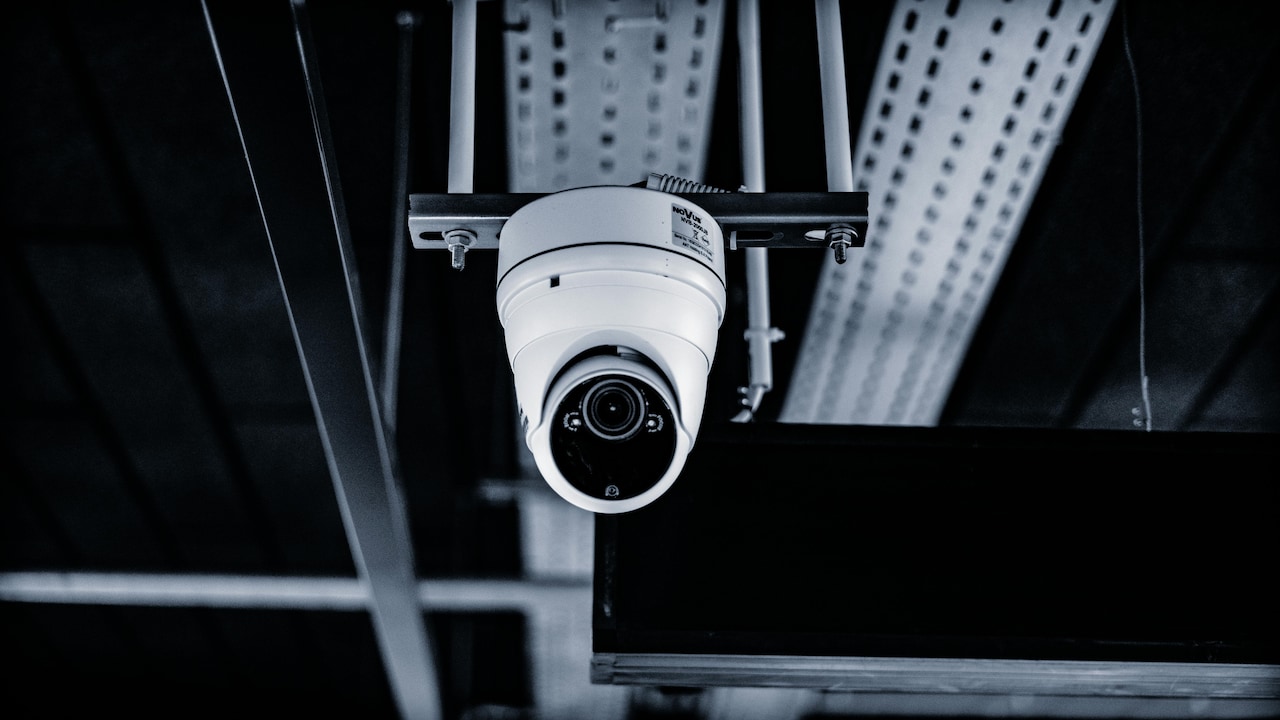
Why Cheap CCTV Cameras Miss Footage And What Features Matter
Cheap CCTV cameras often miss critical moments due to poor resolution, weak night vision, and unreliable storage. This is what causes these failures and the key features that ensure you never lose important footage again.
Why Cheap CCTV Cameras Miss Footage And What Features Matter
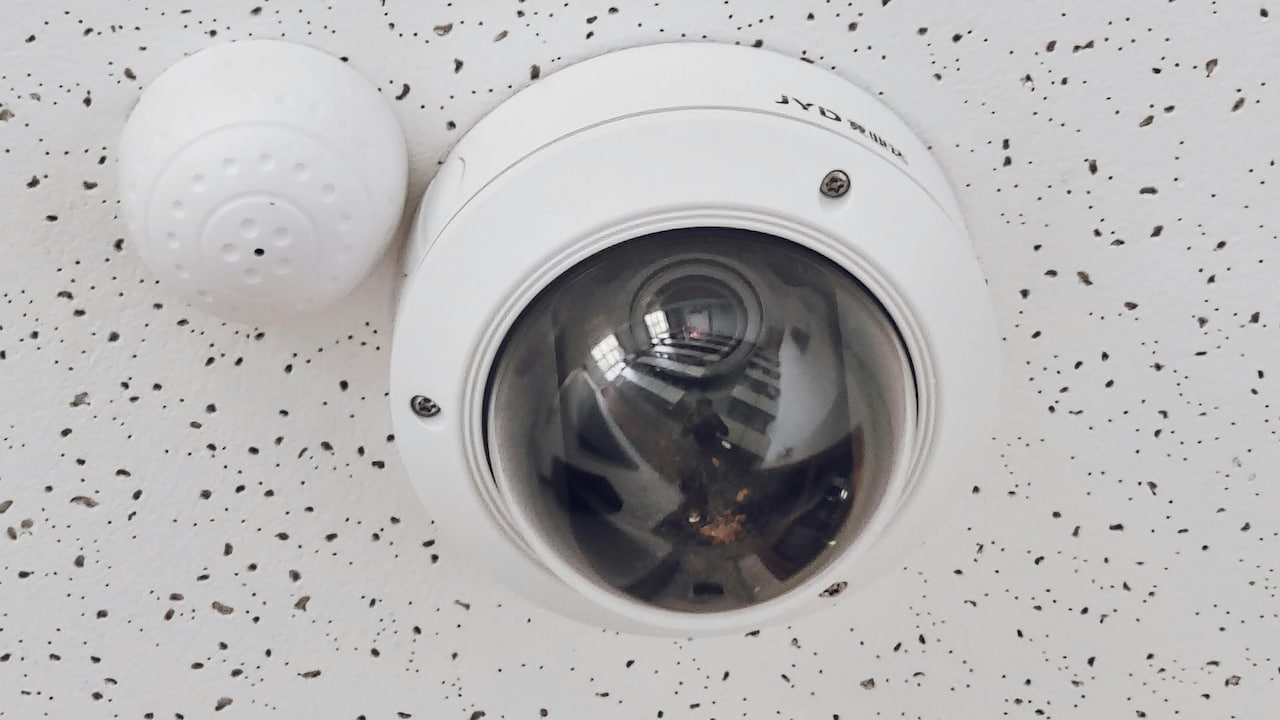
A CCTV camera often feels like a silent guardian. It sits in a corner, blinking patiently, offering reassurance that everything stays under watch. Yet, many discover its shortcomings only after something goes wrong. A missing package, a scratched car, or an unfamiliar face captured in a blur, these moments reveal an uncomfortable truth. Not all cameras protect equally. The market overflows with low-cost options. Attractive prices, flashy packaging, and promises of “HD recording” make them hard to resist. For someone setting up security at home or for a small shop, saving a few thousand rupees seems sensible. But beneath that bargain often lies compromise. Missed footage, corrupted recordings, poor night visibility, and delayed alerts become common frustrations. Understanding why cheaper cameras fail is not about dismissing affordability. It is about recognising what matters when safety sits at stake. A well-informed choice can bridge the gap between cost and reliability. The aim here is to explore where these devices fall short and what features deserve attention before making a purchase.
Why Cheap CCTV Cameras Miss Footage And What Features Matter
Photo Credit: Pexels
Where Cheap CCTV Cameras Fall Short And What To Look For Instead
Low Resolution Means Lost Details
Cheap CCTV cameras often boast “HD quality,” but the reality rarely matches the claim. A camera might record at 720p or use poor-quality sensors that fail to capture clear images. Faces appear smudged, number plates blur into unreadable patches, and small but crucial details vanish.
In everyday scenarios, this lack of clarity turns a useful tool into a decorative gadget. Imagine a situation where someone tampers with a parked scooter. The footage exists, but identifying the individual becomes impossible because the image lacks sharpness. The difference between 720p and 1080p, or even higher resolutions, can decide whether a video becomes evidence or mere background noise.
Better cameras invest in superior sensors and processing. They capture more light, handle motion better, and retain detail even when objects move quickly. Spending a little more ensures the footage remains usable, not just viewable. Clarity, after all, forms the foundation of any security system.
Poor Night Vision Limits Protection
Most incidents occur after dark. Yet, many budget cameras struggle precisely when visibility matters the most. They rely on basic infrared LEDs that create uneven lighting, producing grainy, ghost-like visuals. Shadows stretch awkwardly, and objects merge into indistinct shapes.
A dimly lit street or a poorly lit parking area becomes a blind zone. Even if movement gets recorded, recognising what actually happened proves difficult. Cheap cameras often exaggerate brightness, resulting in washed-out images where details disappear.
Advanced systems use improved infrared technology or colour night vision. They balance exposure, enhance contrast, and maintain clarity even in low light. Some even adapt automatically to lighting conditions. A camera that performs well during the day but fails at night offers only partial protection. True reliability means capturing events clearly at any hour.
Limited Storage Leads To Missing Clips
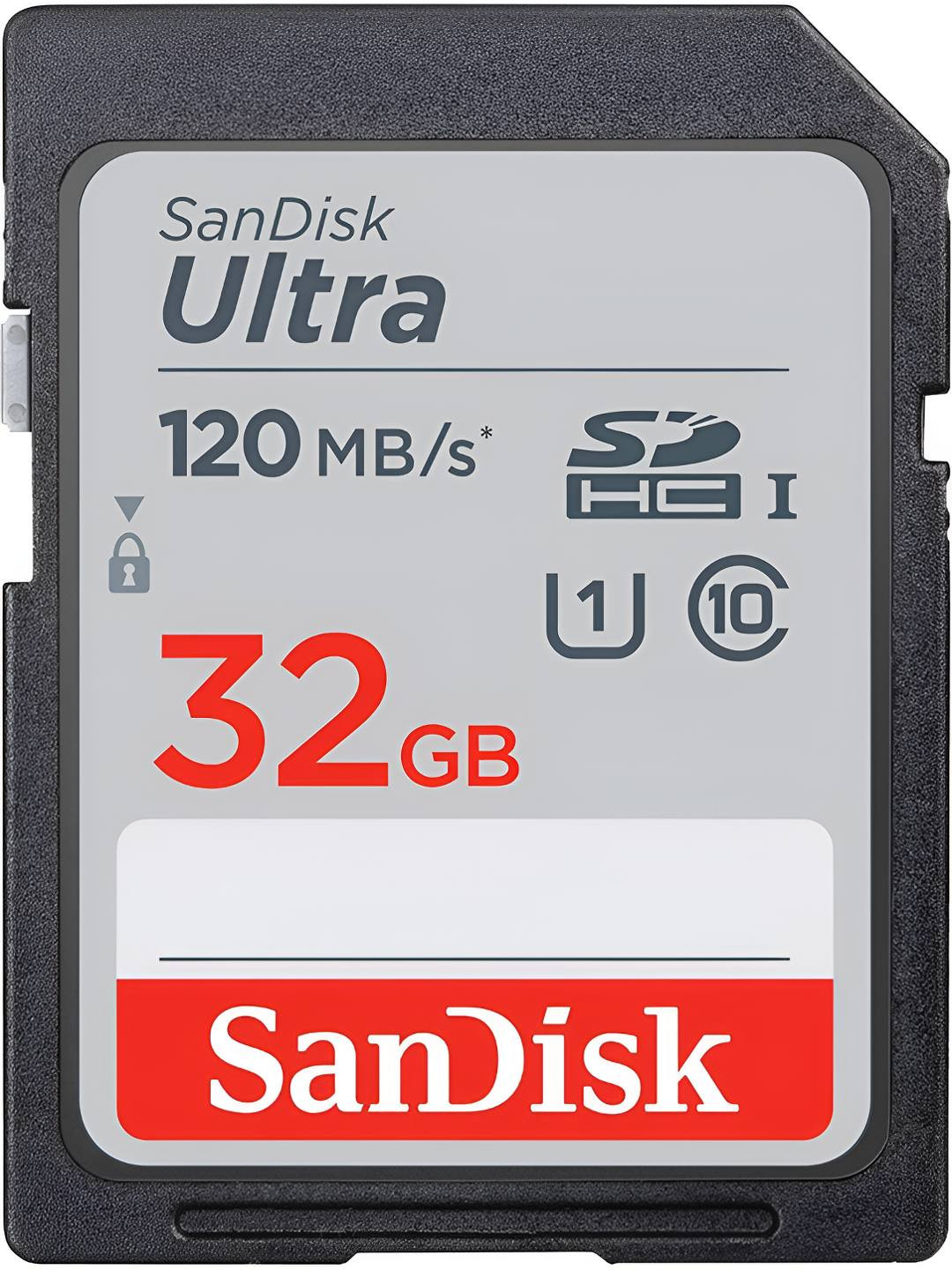
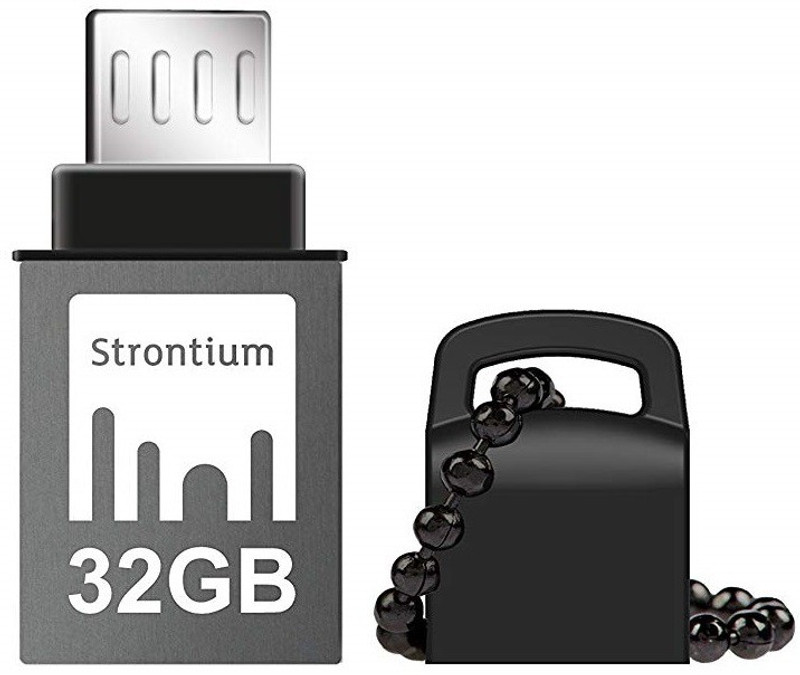
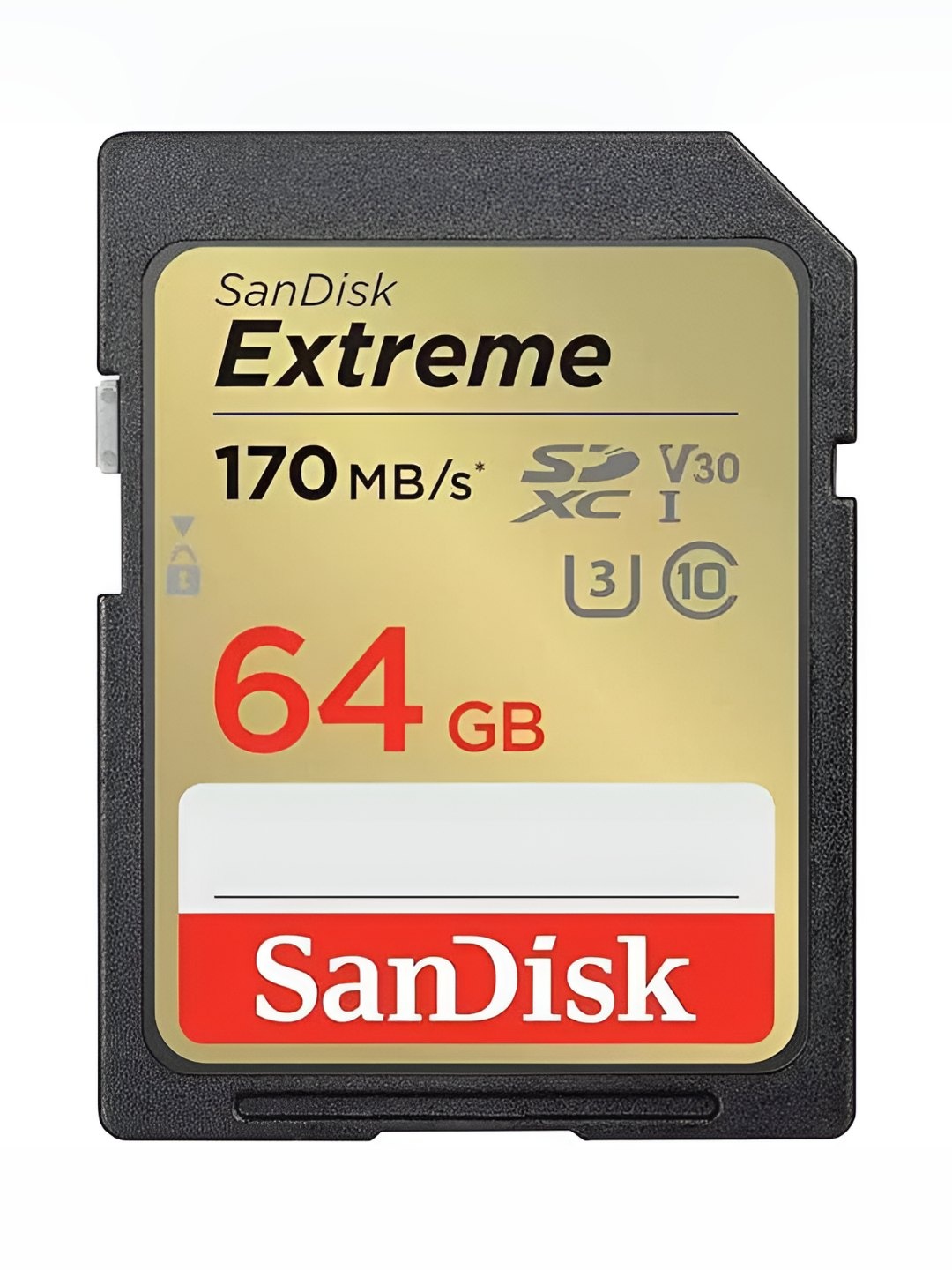
Storage plays a crucial role in CCTV performance, yet it often gets overlooked. Budget cameras typically support limited storage capacity or rely on low-quality memory cards. As a result, footage gets overwritten quickly or corrupted without warning.
Imagine checking recordings after an incident only to find the relevant clip missing. The camera may have overwritten it within a day or two due to insufficient space. In some cases, faulty storage devices fail altogether, leaving gaps in the timeline.
Reliable systems offer flexible storage options such as cloud backup or larger local storage with better management. They retain footage for longer periods and ensure consistent recording. Investing in proper storage safeguards against losing critical moments. After all, a camera that records but cannot preserve footage defeats its purpose.
Weak Connectivity Causes Recording Gaps
Many affordable CCTV cameras depend heavily on unstable Wi-Fi connections. When the signal drops, even briefly, the camera may stop recording or fail to upload footage. These interruptions create gaps that go unnoticed until it is too late.
In areas with fluctuating internet speeds or frequent outages, this becomes a serious issue. A delivery arrives, a visitor enters, or an unexpected event occurs during a network hiccup, and the footage simply does not exist.
High-quality systems handle connectivity more intelligently. They continue recording locally even if the internet fails and sync data once the connection returns. Some models support wired connections for greater stability. Strong connectivity ensures continuous monitoring without silent interruptions.
Slow Motion Detection Misses Critical Moments
Motion detection sounds impressive on paper. In practice, cheaper cameras often lag behind real-time events. They either trigger too late or fail to detect subtle movements altogether. This delay results in incomplete footage where only fragments of an incident appear.
For instance, a camera may start recording after someone has already entered and left the frame. The most important part of the action gets missed entirely. False alerts also become common, triggered by passing shadows or stray animals.
Better cameras use advanced algorithms that detect motion accurately and respond instantly. They distinguish between meaningful activity and background noise. Faster response times ensure complete recordings, capturing events from start to finish rather than in broken segments.
Narrow Field Of View Leaves Blind Spots
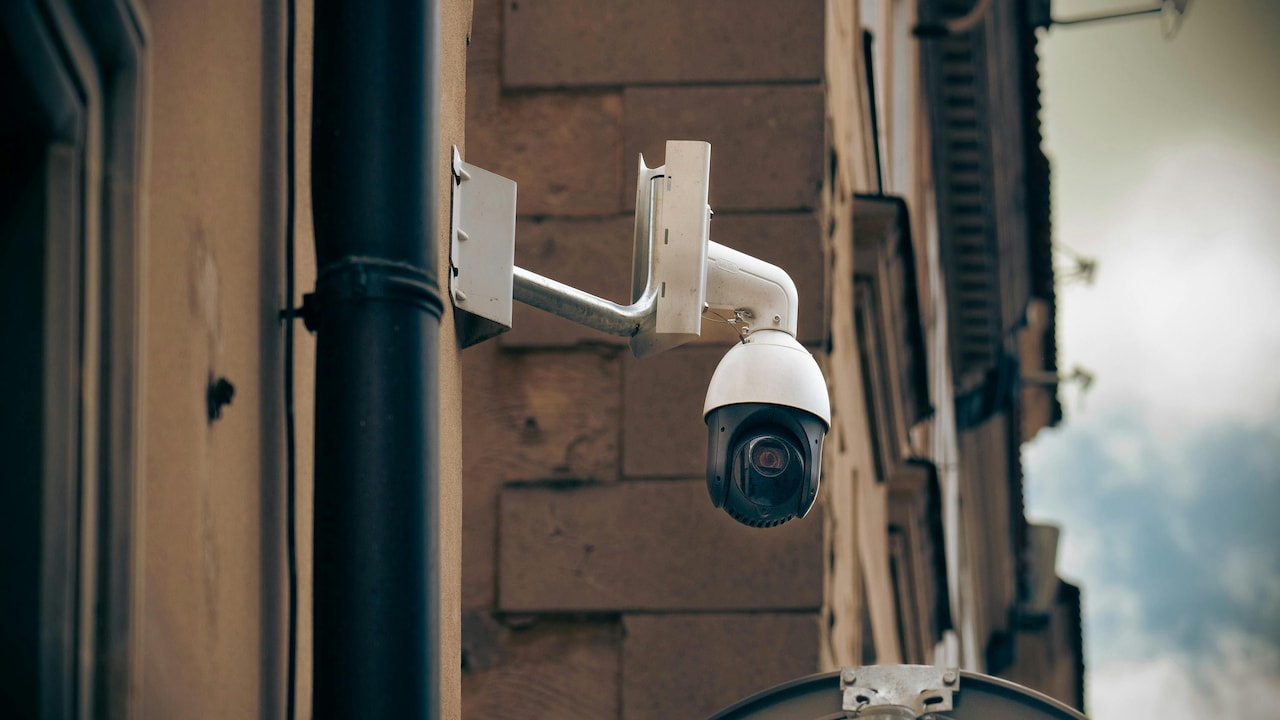
A common issue with low-cost cameras lies in their limited field of view. They cover a smaller area, leaving unseen corners where activity can occur unnoticed. This creates a false sense of security.
In a typical setup, a single camera might monitor an entrance. However, if the angle remains too narrow, someone can approach from the side without being recorded. Blind spots reduce the effectiveness of the entire system.
Wider-angle lenses or multi-camera setups provide better coverage. They minimise hidden areas and ensure a more comprehensive view. A slightly higher investment can eliminate these gaps, turning partial visibility into full awareness.
Why Cheap CCTV Cameras Miss Footage And What Features Matter
Photo Credit: Pexels
Low Build Quality Reduces Lifespan
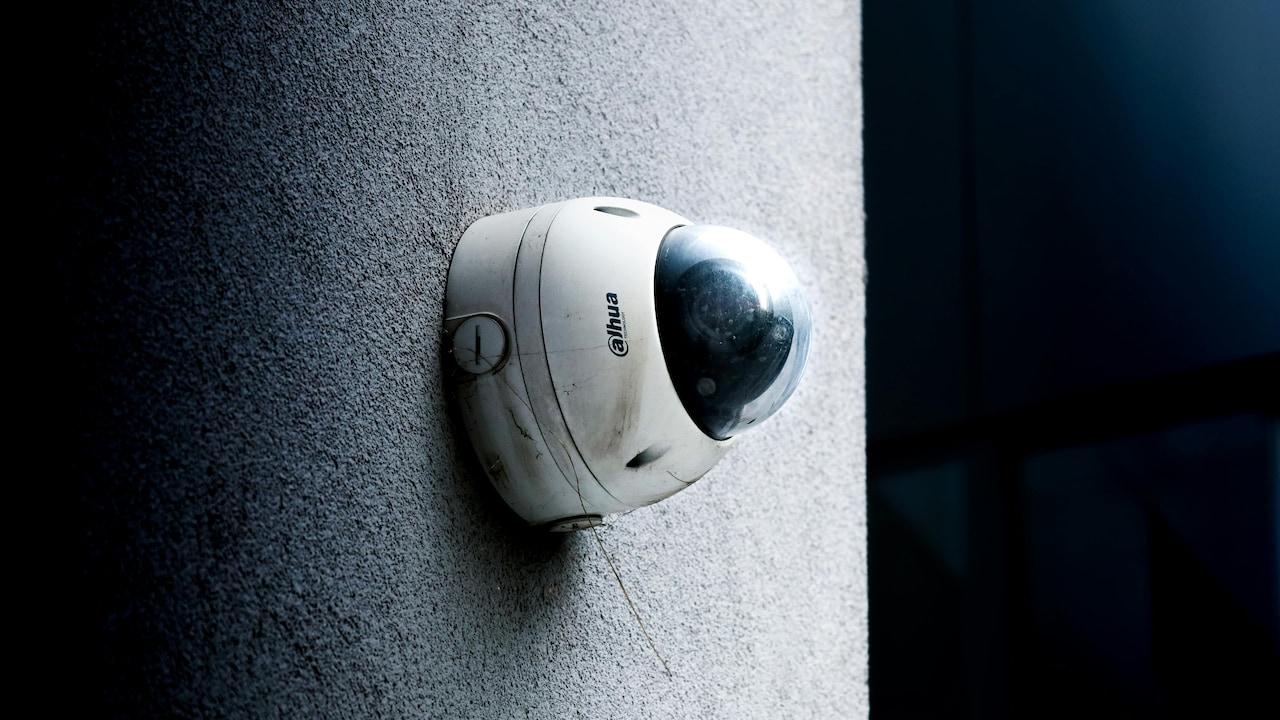
Budget cameras often cut costs through materials and construction. Plastic casings, weak seals, and poor heat management lead to quicker wear and tear. Exposure to dust, rain, or heat can degrade performance over time.
Outdoor cameras face especially harsh conditions. A sudden monsoon shower or prolonged sunlight may damage internal components. Once performance declines, footage quality suffers, and reliability drops.
Durable cameras use weather-resistant materials and better internal design. They withstand environmental challenges and maintain consistent performance. Longevity matters, as replacing faulty devices repeatedly can cost more than investing wisely at the start.
Lack Of Smart Features Limits Usability
Modern CCTV systems offer smart features that enhance usability. Cheap models often skip these capabilities or implement them poorly. Notifications may arrive late, apps may crash, and controls may feel clunky.
Imagine receiving an alert minutes after an event has already occurred. The opportunity to respond immediately disappears. A confusing interface further complicates access to recordings when needed.
Advanced systems provide real-time alerts, smooth app integration, and intuitive controls. They allow remote access, quick playback, and easy configuration. Smart features turn a passive camera into an active monitoring tool, improving both convenience and effectiveness.
Also Read: 5 Reverse Parking Cameras That Make Tight Parking Easier
Inconsistent Power Supply Interrupts Recording
Power stability often gets ignored when setting up CCTV systems. Cheaper cameras may lack proper backup solutions, leading to interruptions during power cuts. Recording stops exactly when it might matter the most.
In many areas, brief outages remain common. Without a backup system, the camera simply shuts down. Once power returns, gaps remain in the footage timeline.
Reliable setups include battery backups or connect to uninterrupted power sources. They continue recording even during outages, ensuring continuous coverage. Consistent power supply forms a crucial part of dependable surveillance.
Poor Audio And Video Synchronisation
Audio may not always seem essential, but it can add valuable context. Budget cameras often struggle with synchronisation, where sound and video fail to align properly. Conversations become confusing, and important cues get lost.
Even video alone can suffer from lag or frame drops. Movements appear choppy, making it difficult to follow events clearly. These issues reduce the usefulness of recordings.
Higher-quality cameras maintain smooth video playback and proper synchronisation. They capture events as they happen, without distortion or delay. Clear, continuous footage improves understanding and strengthens evidence when needed.
Why Cheap CCTV Cameras Miss Footage And What Features Matter
Photo Credit: Pexels
Products Related To This Article
1. Qubo Smart 360° 3MP [2K] CCTV Camera
2. CP Plus 2.4MP IR Wired Bullet Outdoor Camera
3. Camate Stellar Duo 4+4MP 4G SIM Based Wireless Outdoor CCTV Camera
4. IFITech 1080p HD Smart Wi-Fi CCTV Home Security Camera
5. WiFi Camera Security Camera for Home Outdoor High HD Focus Magnet
Choosing a CCTV camera involves more than comparing price tags. While budget options may appear appealing, they often compromise on the very features that define effective security. Missed footage, unclear visuals, and unreliable performance turn a protective measure into a weak link.
A thoughtful approach focuses on essentials, resolution, night performance, storage, connectivity, and durability. Each feature contributes to the overall reliability of the system. Spending a little more upfront can prevent larger losses later.
Security does not demand luxury, but it does require dependability. A camera that captures every moment clearly, consistently, and without interruption delivers true peace of mind. In the end, the value lies not in how much gets saved during purchase, but in how much gets protected when it matters most.
(Disclaimer: This article may include references to or features of products and services made available through affiliate marketing campaigns. NDTV Convergence Limited (“NDTV”) strives to maintain editorial independence while participating in such campaigns. NDTV does not assume responsibility for the performance or claims of any featured products or services.)