How Smart Lighting Affects Your Sleep: Science-Backed Tips For Better Rest
Smart lighting does more than enhance ambience. From regulating melatonin to reducing blue light exposure, it directly impacts sleep quality, helping create healthier night-time routines and more restful mornings.

10 things to know about smart lighting and how it affects your sleep
Step into any modern home, and lighting tells a story. A warm yellow glow hints at relaxation, while crisp white lights signal productivity. Over the past decade, lighting has moved beyond switches and bulbs. Smart systems now adjust brightness, colour, and timing with a tap or voice command. Yet beneath the convenience lies something more profound. Light quietly dictates how the body winds down, when the mind stays alert, and how deeply one sleeps. Late evenings often stretch longer than planned. One more episode, one more scroll, one more message.
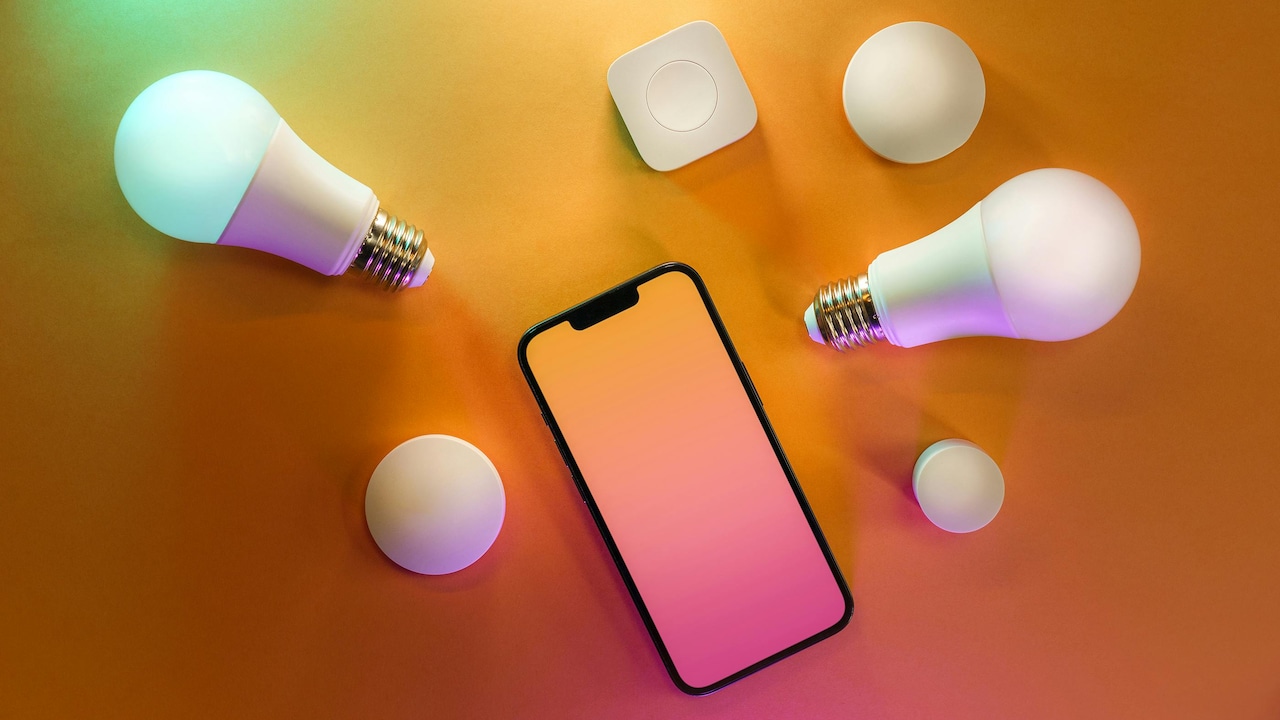
Understand how smart lighting systems can affect and improve sleep; Photo Credit: Pexels
Meanwhile, bright lights continue to signal daytime to the brain. Sleep feels delayed, mornings feel heavier, and the cycle repeats. Smart lighting, when used thoughtfully, offers a way out of this loop. It aligns indoor environments with natural rhythms, helping the body rediscover balance.
Understanding how lighting affects sleep is not just for tech enthusiasts or interior design lovers. It matters for anyone who has stared at the ceiling at 2 am or woken up groggy despite a full night in bed. The connection between light and sleep runs deeper than aesthetics, shaping health in subtle yet powerful ways.
Also Read: Save Power And Boost Security: Why Motion Sensor Lighting Is The Smartest Upgrade For Your Home
Understanding The Link Between Lighting And Sleep
The Science Of Light And The Body Clock
The human body runs on a built-in schedule, often called the circadian rhythm. This internal clock responds primarily to light. Bright light in the morning signals wakefulness, while darkness cues the body to produce melatonin, the hormone responsible for sleep.
Modern lifestyles, however, disrupt this natural cycle. Artificial lighting extends daytime well into the night. Fluorescent tubes in kitchens, LED panels in bedrooms, and screens everywhere blur the line between day and night. The body struggles to interpret signals correctly.
Smart lighting attempts to restore this balance. By mimicking natural light patterns, it gently nudges the body into a healthier rhythm. For example, lights that gradually brighten in the morning can ease the transition from sleep to wakefulness. Evening settings that dim and warm up prepare the mind for rest.
Think of it as syncing indoor life with the sun, even when surrounded by concrete and glass. The change may feel subtle at first, but over time, better alignment with natural rhythms often leads to deeper sleep and more energetic mornings.
Blue Light: The Hidden Sleep Disruptor
Blue light often gets a bad reputation, and not without reason. It plays a crucial role during the day by boosting alertness and focus. However, exposure at night can interfere with sleep by suppressing melatonin production.
Most modern lighting, especially cool white LEDs, emits a significant amount of blue light. Add to this the glow from phones and laptops, and evenings become surprisingly bright environments. The brain reads this brightness as a signal to stay awake.
Smart lighting systems tackle this issue by shifting colours throughout the day. During the evening, lights transition to warmer tones with less blue light. This creates a softer, more relaxing atmosphere that encourages the body to wind down.
Picture a typical late evening. Instead of harsh white light reflecting off walls, the room glows in gentle amber hues. It feels calmer, almost like sitting under a sunset. Such small changes can reduce eye strain and help the mind slow down, making it easier to drift into sleep.
Brightness Matters More Than You Think
Brightness often goes unnoticed, yet it plays a vital role in sleep quality. Even if the colour of light feels warm, excessive brightness can still keep the brain alert. Many homes use high-intensity lighting well into the night, especially in living areas where families gather.
Smart lighting allows gradual dimming as the evening progresses. Instead of an abrupt switch from bright to dark, lights slowly reduce intensity, mirroring the natural fading of daylight. This gradual change helps the body prepare for rest without sudden transitions.
Imagine sitting down for dinner under softer lighting compared to the bright glare of midday. Conversations feel calmer, the atmosphere feels more relaxed, and the body begins to unwind naturally. Over time, such cues become signals for the brain to shift gears from activity to rest.
This approach also proves helpful for late-night movements. A dim pathway light in the hallway prevents the shock of bright light during midnight trips, allowing a quick return to sleep without fully waking up.
Morning Lighting And Easier Wake-Ups
Waking up often feels like a battle, especially when alarms ring before sunrise. Darkness signals the body to continue resting, making early mornings particularly challenging.
Smart lighting systems address this by simulating sunrise. Lights gradually increase in brightness before the alarm goes off, creating a gentle waking experience. The body begins to transition naturally from sleep to wakefulness.
This method reduces grogginess and improves mood in the morning. Instead of being jolted awake by a loud sound, the body wakes gradually, much like it would with natural sunlight filtering through curtains.
In homes where natural light is limited, this feature becomes especially valuable. It recreates the experience of dawn, even in enclosed spaces. Over time, mornings feel less rushed and more manageable, setting a positive tone for the day.
The Role Of Colour Temperature In Relaxation
Colour temperature refers to the warmth or coolness of light. Cool white lights resemble daylight, while warm lights mimic the soft glow of traditional lamps.
Evenings benefit from warmer tones. These tones create a cosy environment that encourages relaxation. In contrast, cooler lights stimulate alertness, making them better suited for daytime tasks.
Smart lighting allows easy transitions between these settings. A workspace may use cooler lighting during the day for focus, while the same room can switch to warmer tones in the evening for relaxation.
Think about the comfort of a softly lit living room compared to a brightly lit office. The difference lies not just in brightness but in colour temperature. Warmer light wraps the room in a sense of calm, making it easier to disconnect from daily stress.
Such flexibility ensures that lighting supports different activities throughout the day, rather than working against natural rhythms.
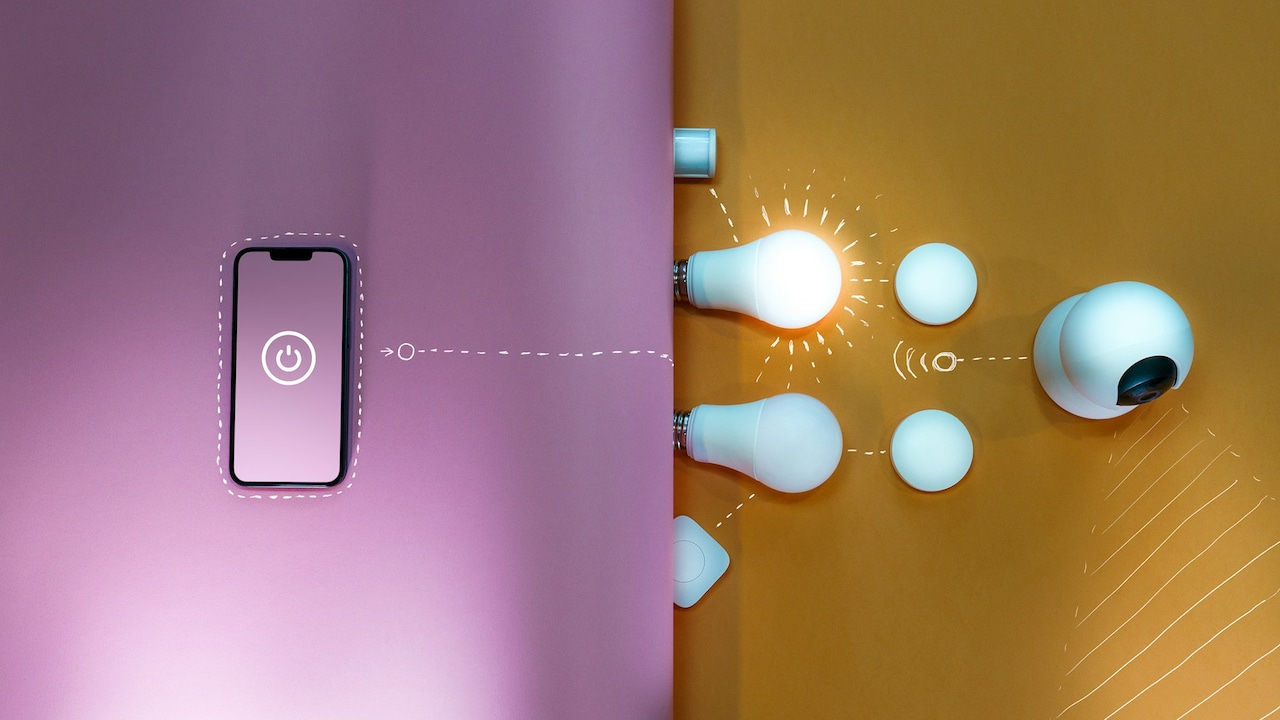
Smart lighting let you switch between cool and warm tones to set the overall mood; Photo Credit: Unsplash
Sleep-Friendly Lighting In Bedrooms
Bedrooms often serve multiple purposes, from working late to watching shows. Unfortunately, bright and cool lighting in these spaces can interfere with sleep.
Smart lighting helps create a dedicated sleep environment. Pre-set modes can dim lights and shift colours at bedtime, signalling the brain that it is time to rest. Over time, this routine becomes a powerful cue for sleep.
Consider replacing harsh ceiling lights with layered lighting. Bedside lamps with warm tones, dimmable settings, and subtle ambient lights create a soothing atmosphere. Smart controls make it easy to adjust without getting out of bed.
The goal is to make the bedroom a sanctuary for rest rather than an extension of daytime activity. Even small changes in lighting can transform how quickly one falls asleep and how restful the night feels.
Late-Night Screen Use And Smart Lighting Solutions
Evenings rarely pass without screens. Whether catching up on messages or watching videos, screens remain a constant companion. Their bright blue light can delay sleep, even when the intention is to relax.
Smart lighting cannot eliminate screen use, but it can reduce its impact. By lowering ambient light and shifting to warmer tones, the contrast between the screen and the room decreases. This reduces strain and makes the environment less stimulating.
Some systems even sync with devices to adjust lighting based on usage patterns. For example, lights may dim automatically when a television turns on, creating a more balanced visual environment.
While reducing screen time remains ideal, realistic solutions matter. Smart lighting offers a middle ground, helping maintain comfort without completely changing habits overnight.
Energy Efficiency Meets Better Sleep
Smart lighting often appeals due to energy savings. Automated schedules, motion sensors, and remote controls help reduce unnecessary usage. However, these features also contribute to better sleep.
Lights that switch off automatically at night prevent prolonged exposure. Scheduled dimming encourages consistent bedtime routines. Over time, these small adjustments support healthier sleep patterns.
Consider the added benefit of cost savings. Reduced electricity usage lowers monthly bills, making smart lighting a practical investment. Spending ₹10,000–₹20,000 on a basic setup may seem significant, but the long-term benefits extend beyond finances.
Energy efficiency and wellbeing rarely get discussed together, yet smart lighting bridges this gap effectively. It proves that comfort and sustainability can go hand in hand.
Emotional Wellbeing And Lighting Atmosphere
Lighting influences mood more than most realise. A brightly lit room may feel energetic, while a dim, warm space feels calming. These emotional cues directly affect how easily the mind transitions into sleep.
After a long day filled with traffic, deadlines, and endless notifications, stepping into a softly lit room feels like a gentle exhale. The environment signals safety and relaxation, allowing stress to fade.
Smart lighting enhances this effect by offering personalised settings. One may prefer a golden glow for reading, while another may enjoy a slightly brighter setting for evening chores. The ability to customise creates a sense of control over the environment.
Over time, these emotional associations strengthen. The body begins to link certain lighting conditions with relaxation, making it easier to unwind at night.
Creating A Personalised Lighting Routine
No two households function the same way. Some prefer early mornings, while others stay active late into the night. Smart lighting adapts to these differences, offering customised routines.
A typical routine may start with bright, cool lighting in the morning, transition to neutral tones during the day, and shift to warm, dim lighting in the evening. Automation ensures consistency without requiring constant adjustments.
Setting up such routines does not require technical expertise. Most systems offer simple apps with intuitive controls. Once configured, the lighting adjusts automatically, blending seamlessly into daily life.
Personalisation turns lighting into a supportive tool rather than a passive feature. It aligns the home environment with individual habits, making daily transitions smoother and more natural.
Products Related To This Article
1. wipro 9-Watt B22 WiFi Smart LED Bulb with Music Sync
2. Havells Glamax 9W B22 WiFi LED Smart Bulb with Music Sync Function
3. Philips WiZ Neo 12W B22 Wi-Fi & Bluetooth LED Smart Bulb with Music Sync
4. Wipro Wipro Next Smart Wi-Fi 20W CCT LED Batten
5. VazzLox Night Lamp for Bedroom 4PCS Smart Sensor Automatic ON/OFF Dim LED Light Energy
Lighting shapes more than how a room looks. It quietly influences how the body feels, how the mind relaxes, and how well one sleeps. Smart lighting takes this influence a step further by offering control, adaptability, and alignment with natural rhythms.
From reducing blue light exposure to creating calming evening environments, the benefits extend beyond aesthetics. Better sleep leads to improved mood, sharper focus, and greater overall wellbeing.
In a world where routines often feel rushed and sleep gets compromised, small changes can make a big difference. Adjusting lighting may seem minor, yet it holds the power to transform nights and, by extension, days.
A thoughtfully lit home does more than look beautiful. It supports rest, restores balance, and creates a space where both body and mind can truly unwind.
(Disclaimer: This article may include references to or features of products and services made available through affiliate marketing campaigns. NDTV Convergence Limited (“NDTV”) strives to maintain editorial independence while participating in such campaigns. NDTV does not assume responsibility for the performance or claims of any featured products or services.)