Why Bass-Heavy Speakers Often Disappoint In Small Rooms
Bass-heavy speakers often sound muddy and overwhelming in small rooms. Limited space distorts low frequencies, reducing clarity and balance. Understanding room acoustics helps achieve better sound without excessive bass.

10 things to know about deep bass speakers before using them in a small room
A new speaker set arrives, glossy and impressive, promising deep bass that shakes the walls. Expectations soar. Music plays. Within minutes, excitement fades into confusion. Vocals sound buried, instruments lose clarity, and the bass feels less like a rhythm and more like a stubborn cloud that refuses to settle. This experience rings familiar in many homes where space feels cosy rather than expansive. Marketing often celebrates booming bass as the gold standard of sound quality, yet real-world listening tells a different story. Small rooms have their own quirks, and low frequencies rarely respect them.

Read the common reasons for bass heavy speakers feeling insufficient in small rooms; Photo Credit: Pexels
Understanding this mismatch can save both money and frustration. Rather than chasing louder bass, the smarter path lies in appreciating how sound behaves within four walls, especially when those walls sit quite close together.
Also Read: 7 Best Compact Deep Bass Bluetooth Speakers Under ₹10,000 for Small Rooms and Shared Apartments
The Real Reasons Bass-Heavy Speakers Struggle In Small Rooms
The Room Dictates The Sound
Sound does not exist in isolation. It interacts with the room long before reaching the ears. In smaller spaces, sound waves bounce rapidly between walls, floors, and ceilings. Low frequencies, in particular, stretch across longer wavelengths, which means they travel further and collide more often.
This constant bouncing creates areas where bass feels exaggerated and others where it nearly disappears. A sofa might vibrate heavily, while a nearby chair sounds oddly hollow. Such inconsistency ruins the listening experience.
Large speakers designed for open spaces struggle here because they produce bass that needs room to breathe. Without that space, the sound compresses and builds up in awkward ways. The result feels less like rich depth and more like clutter.
Instead of filling the room evenly, the bass ends up dominating certain spots. The listener sits in a pocket of booming resonance, wondering why the sound feels off despite expensive equipment.
Bass Needs Space To Develop
Low-frequency sound waves require distance to fully form. In larger rooms or halls, bass has the space to expand, creating that satisfying depth people often associate with live concerts or cinemas.
In a compact bedroom or living room, those waves hit a wall before they can settle. They reflect back too quickly, overlapping with incoming waves. This overlap causes distortion and muddiness.
Rather than hearing a clean bass note, the ear receives a jumble of overlapping vibrations. The music loses its structure. Drum beats feel bloated instead of punchy, and bass guitars sound indistinct.
This limitation explains why smaller speakers often perform better in confined spaces. They produce bass that suits the room rather than overwhelming it. Bigger does not always mean better, especially when space cannot support the sound's natural behaviour.
Standing Waves Create Chaos
One of the biggest culprits behind disappointing bass lies in standing waves. These occur when sound waves reflect between parallel surfaces and reinforce each other at certain points.
In small rooms, this effect becomes far more pronounced. Certain frequencies amplify dramatically, while others cancel out completely. This creates peaks and dips in the sound.
Imagine listening to a song where one note suddenly booms loudly while another disappears entirely. That unevenness breaks immersion. It also makes fine-tuning audio nearly impossible.
Bass-heavy speakers tend to exaggerate these standing waves. Instead of delivering balanced sound, they highlight the room's flaws. Listeners often blame the speaker quality, unaware that the room itself shapes much of what they hear.
A modest speaker in the same room might actually sound more balanced simply because it avoids triggering extreme standing wave issues.
Furniture And Walls Add Their Own Character
Rooms rarely come empty. Sofas, wardrobes, curtains, and shelves all influence how sound behaves. In smaller spaces, these elements sit closer together, intensifying their effect.
Hard surfaces like tiles or bare walls reflect bass strongly. Soft furnishings absorb some frequencies but often fail to handle deep bass effectively. This uneven absorption leads to unpredictable results.
A cupboard may resonate slightly, adding an unwanted hum. A window might reflect sound sharply, creating a harsh echo. Even decorative items can vibrate subtly.
Bass-heavy speakers push more energy into the room, which means these interactions become more noticeable. Instead of enjoying music, the listener becomes aware of rattles and distortions.
A balanced speaker setup works with the room's natural characteristics rather than fighting them. It allows furniture and surfaces to complement the sound rather than distort it.
Volume Escalates The Problem
Turning up the volume often seems like the easiest fix. When the bass feels unclear, the instinct is to increase power. Unfortunately, this approach makes things worse in smaller rooms.
Higher volume amplifies the same acoustic problems. Standing waves become stronger, reflections grow harsher, and distortions intensify. What begins as mild muddiness quickly turns into overwhelming noise.
Neighbours might not appreciate the experiment either. Thin walls carry low frequencies easily, often leading to complaints long before satisfaction arrives.
Even the ears tire faster under excessive bass. Listening becomes exhausting rather than enjoyable. Music should invite relaxation, not demand endurance.
A moderate volume paired with well-balanced speakers often delivers a far richer experience. Clarity, not sheer loudness, creates lasting enjoyment.\
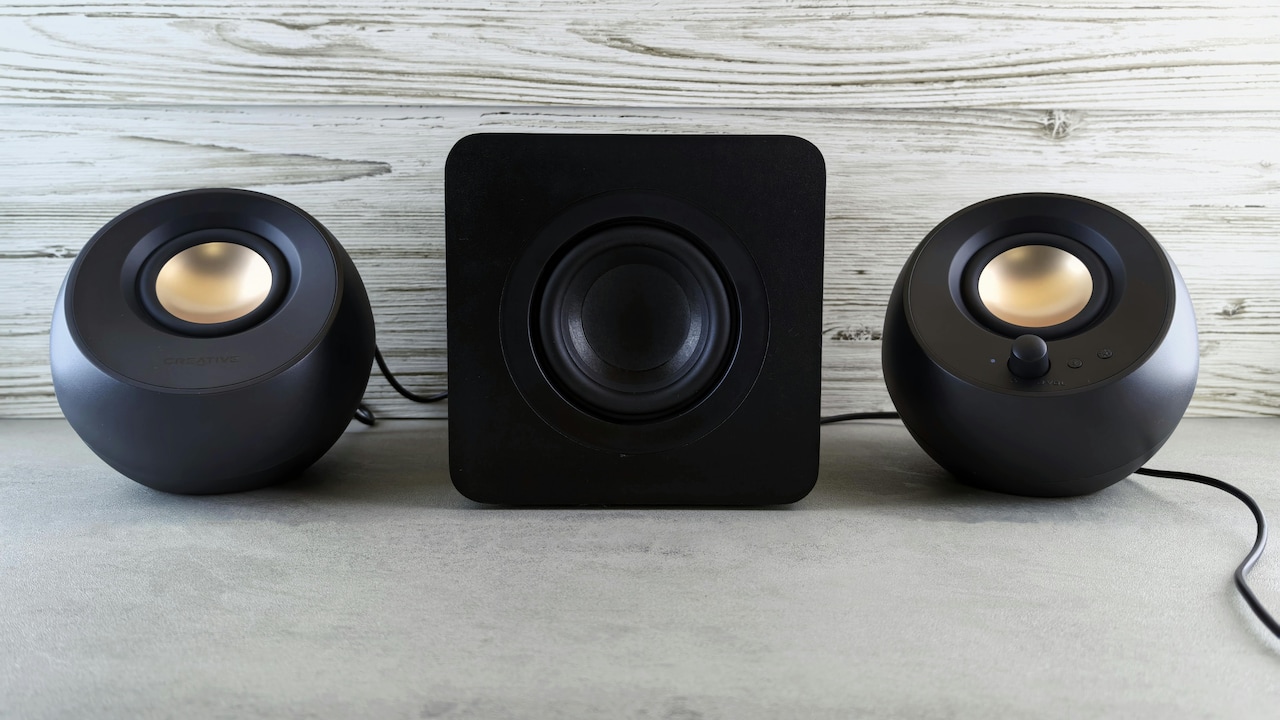
Always use a moderate volume level to get clear sound quality; Photo Credit: Pexels
Marketing Versus Reality
Audio marketing thrives on bold promises. Words like “deep bass” and “powerful subwoofer” dominate advertisements. These claims appeal to the desire for cinematic sound at home.
However, such features often target larger environments. When placed in compact rooms, these same features become liabilities rather than strengths.
Shoppers sometimes equate bass with quality. A speaker that shakes the floor feels impressive during a quick demo. Yet long-term listening reveals the downsides.
A ₹10,000 speaker with controlled bass might outperform a ₹20,000 bass-heavy system in a small room. The difference lies in suitability rather than price.
Understanding this gap between marketing and reality helps buyers make smarter choices. The goal shifts from chasing specifications to finding harmony with the listening space.
Placement Becomes Tricky
Speaker placement matters greatly, especially in smaller rooms. Bass-heavy speakers demand careful positioning to avoid excessive reflections and resonance.
Placing them near walls often boosts bass artificially. Corners amplify this effect even more, creating a boomy and uneven sound. Moving the speaker slightly can change the entire listening experience.
However, small rooms offer limited flexibility. Furniture, layout, and practical constraints restrict ideal placement options.
This limitation makes bass-heavy speakers harder to manage. Achieving balanced sound requires constant adjustment, which can feel frustrating.
Compact speakers with moderate bass prove far more forgiving. They adapt better to different positions and deliver consistent performance without endless tweaking.
Listening Fatigue Sets In Quickly
Heavy bass might impress initially, but prolonged exposure tells a different story. The ears grow tired when low frequencies dominate the sound spectrum.
In small rooms, this effect intensifies. The constant pressure from reflected bass creates a sense of heaviness. Music loses its lightness and detail.
Vocals become harder to distinguish, and subtle instruments fade into the background. The listening experience shifts from engaging to draining.
After a while, even favourite songs feel less enjoyable. Turning off the music brings relief rather than disappointment.
Balanced sound prevents this fatigue. It allows each element of a track to breathe, keeping the listener engaged for longer periods without discomfort.
Clarity Often Takes A Back Seat
Bass-heavy systems prioritise low frequencies at the expense of midrange and treble clarity. In smaller rooms, this imbalance becomes more noticeable.
Vocals may sound muffled, as bass masks the frequencies where voices sit. Dialogue in films becomes harder to follow, reducing overall enjoyment.
Instruments lose definition. A guitar riff blends into the bass line instead of standing out. Complex tracks feel flattened and less dynamic.
This lack of clarity frustrates listeners who expect detail from modern audio systems. The richness of music lies in its layers, not just its depth.
Speakers with balanced frequency response ensure that every element remains audible. They create a more immersive and satisfying experience, even at lower volumes.
Smarter Alternatives Exist
Instead of chasing booming bass, many listeners find better results with well-tuned bookshelf speakers or compact sound systems. These options suit smaller spaces far more effectively.
Some modern systems include adjustable bass settings, allowing users to tailor sound to their room. This flexibility proves valuable in achieving balance.
Room treatments, such as rugs or curtains, can also improve acoustics. Even simple changes make a noticeable difference.
Spending ₹5,000 on minor acoustic adjustments might deliver more improvement than upgrading to a more powerful speaker. The key lies in understanding the room rather than overpowering it.
Choosing equipment that complements the environment leads to better sound, greater comfort, and longer-lasting satisfaction.
Products Related To This Article
1. GOVO GOSURROUND 900
2. Tribit Updated Version XSound Go Wireless Bluetooth 5.3 Speakers with Loud Stereo Sound & Rich Bass 16W
3. PHILIPS Audio TAS1400BK Wireless Bluetooth Speaker with Deep Bass
4. Mivi SuperBox Classic 120W Portable Bluetooth Speaker
5. Portronics Iron Beats IV 250W Party Speaker with Dual 6" Subwoofer
The allure of bass-heavy speakers remains strong. The promise of deep, room-shaking sound feels irresistible. Yet in smaller rooms, that promise often falls short.
Acoustic limitations, reflections, and space constraints turn powerful bass into a source of frustration. What sounds impressive in a showroom rarely translates well into compact living spaces.
Better sound does not come from more power but from better balance. Understanding how a room shapes audio leads to smarter choices and richer experiences.
Rather than chasing the loudest boom, focusing on clarity, control, and compatibility creates a setup that truly satisfies. In the end, good sound feels effortless, not overwhelming.
(Disclaimer: This article may include references to or features of products and services made available through affiliate marketing campaigns. NDTV Convergence Limited (“NDTV”) strives to maintain editorial independence while participating in such campaigns. NDTV does not assume responsibility for the performance or claims of any featured products or services.)