Why Cheap Power Banks Damage Your Phone Battery Faster Than You Think
Cheap power banks may save money upfront, but unstable voltage, overheating, and poor components can quietly damage your phone battery, leading to faster drain, reduced lifespan and costly repairs.
Why Cheap Power Banks Damage Your Phone Battery Faster Than You Think
A low battery warning often arrives at the worst possible moment, during a cab ride, an important call, or while scrolling through late-night reels. Power banks step in as everyday lifesavers, especially during long commutes or unpredictable power cuts. With countless options flooding local markets and online platforms, the temptation to grab a cheaper option feels almost irresistible. After all, if it charges the phone, how different could it be?
That assumption, however, hides a serious problem. Not all power banks treat devices with the same care. Beneath the plastic casing of a low-cost unit, there may be compromises in safety, efficiency, and design. Over time, these compromises start affecting the phone's battery, often without immediate warning signs. The result? Faster battery degradation, unexpected shutdowns, and eventually, costly repairs.
This piece explores the subtle but damaging ways cheap power banks impact battery health, breaking down the science and the everyday reality behind this common mistake.
Why Cheap Power Banks Damage Your Phone Battery Faster Than You Think
Photo Credit: Pexels
What Really Happens When You Use A Cheap Power Bank
Inconsistent Voltage Output
A phone battery thrives on stability. It expects a consistent voltage supply while charging. Cheap power banks, however, often struggle to maintain that consistency. Fluctuations in voltage may seem minor, but they create stress on the battery's internal chemistry.
Imagine filling a glass with water where the flow keeps changing, sometimes too fast, sometimes barely trickling. Over time, that unpredictability causes wear and tear. Similarly, unstable voltage disrupts the charging cycle, forcing the battery to constantly adjust.
In many budget models, the internal circuitry lacks proper regulation mechanisms. This means the power output may spike or drop without warning. While modern smartphones include safeguards, these protections are not foolproof against repeated exposure.
The result often shows up as reduced battery capacity within months. A phone that once lasted a full day may struggle by afternoon. This decline rarely gets linked to the power bank, but the connection is very real. Consistency matters more than most people realise, and cheap devices rarely deliver it.
Poor Quality Battery Cells
At the heart of every power bank sits its battery cells. High-quality models use reliable lithium-ion or lithium-polymer cells with strict safety standards. Cheaper alternatives often cut corners here, opting for lower-grade cells that degrade quickly.
These cells may not store or deliver energy efficiently. They also generate more heat during charging and discharging cycles. Heat, as it turns out, is one of the biggest enemies of battery health.
A phone connected to such a power bank experiences uneven energy flow. The charging process becomes less efficient, leading to longer charging times and higher internal temperatures. Over weeks and months, this repeated stress begins to damage the phone's battery structure.
In local markets, many unbranded power banks advertise high capacities like 20,000 mAh at unbelievably low prices. In reality, the actual capacity may be far lower, and the cells inside may already be near the end of their lifecycle.
Choosing a power bank is not just about capacity. The quality of the cells plays a far bigger role in protecting a phone's longevity.
Also Read: 5 Power Banks That Actually Deliver Their Promised Capacity
Lack Of Safety Mechanisms
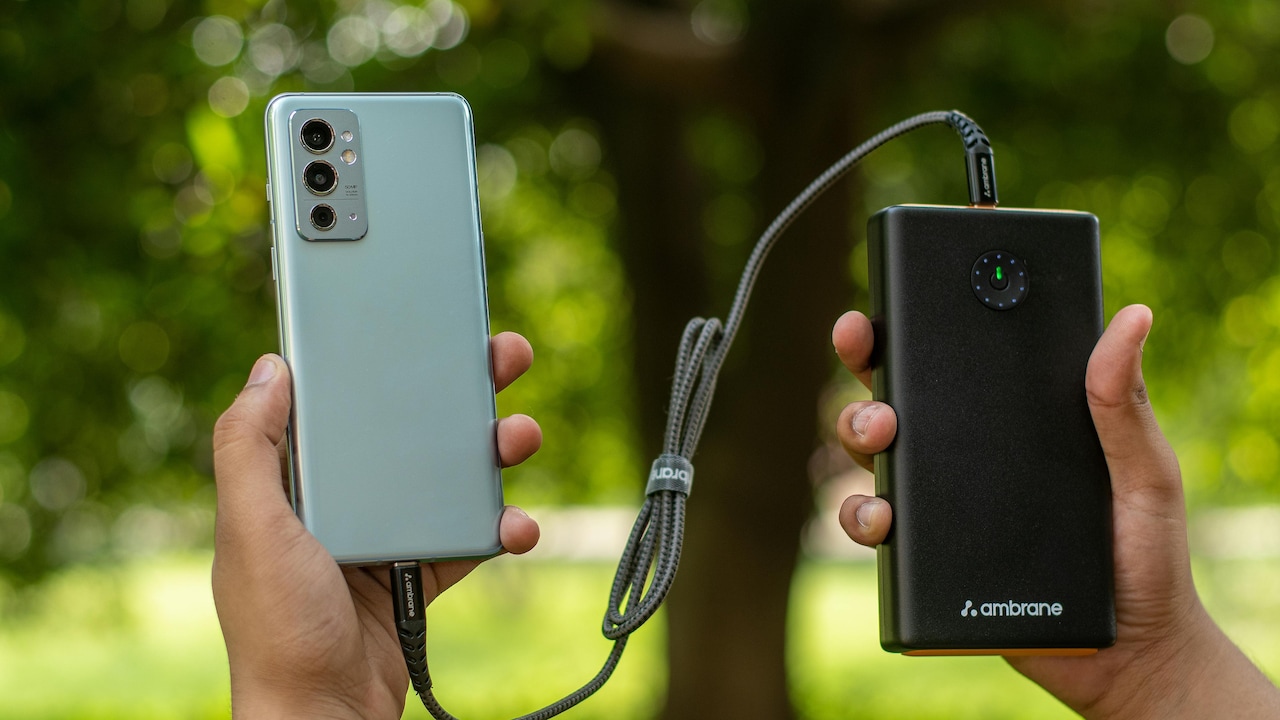
Reliable power banks include multiple safety features, overcharge protection, short-circuit prevention, temperature control, and surge protection. These systems work quietly in the background, ensuring the phone receives safe and controlled power.
Cheap power banks often skip these safeguards to reduce costs. Without these protections, even a minor fault can escalate quickly. Overcharging, for instance, can push a phone battery beyond safe limits, accelerating chemical breakdown.
Short circuits pose another risk. A sudden surge of current can damage not just the battery but also the phone's internal components. In extreme cases, this can lead to permanent failure.
Many users assume the phone itself will handle these risks. While smartphones do include safety features, they rely on stable input from the charger. When that input becomes unpredictable, the phone's defences get overwhelmed.
Spending ₹500 less on a power bank may seem harmless, but the absence of basic safety mechanisms can turn that saving into a costly mistake later.
Overheating Issues
Heat quietly destroys batteries. It reduces efficiency, shortens lifespan, and increases the risk of permanent damage. Cheap power banks tend to heat up more due to inefficient components and poor design.
During charging, energy conversion generates heat. In high-quality devices, this heat gets managed through better materials and internal layouts. In cheaper units, heat often builds up without proper dissipation.
A warm phone during charging might not raise immediate concern. However, repeated exposure to elevated temperatures weakens the battery over time. Chemical reactions inside the battery speed up, leading to faster wear.
Consider long train journeys or bus rides where a phone remains plugged into a power bank for hours. If the device heats up consistently, the cumulative damage becomes significant.
Overheating does not always show dramatic symptoms. Instead, it quietly reduces battery life, making the phone less reliable day by day. That slow decline often traces back to the charging source.
Fake Capacity Claims
A power bank labelled 20,000 mAh at ₹699 sounds like a great deal. Unfortunately, such claims often lack accuracy. Many low-cost models exaggerate capacity figures to attract buyers.
Actual usable capacity may be much lower, sometimes even half of what's advertised. This forces the power bank to work harder and longer to charge a phone, increasing stress on both devices.
Extended charging sessions mean prolonged heat exposure and inefficient energy transfer. The phone battery undergoes repeated micro-cycles, which gradually reduce its lifespan.
Users often notice that their power bank drains quickly or fails to fully charge the phone even once. This inconsistency creates frustration, but more importantly, it contributes to battery wear.
Accurate capacity is not just about convenience. It directly affects charging behaviour. Reliable brands invest in honest specifications, while cheaper ones often prioritise marketing over performance.
Inferior Charging Circuits
Charging circuits act as the brain of a power bank. They regulate current flow, manage energy conversion, and ensure safe operation. Inexpensive power banks typically use basic or outdated circuits.
These circuits lack precision. They may deliver uneven current, fail to adjust based on the phone's needs, or struggle with modern fast-charging protocols. As a result, the charging process becomes inefficient.
A phone battery prefers controlled, adaptive charging. When the circuit fails to provide that, the battery experiences unnecessary strain. Over time, this leads to reduced capacity and slower charging speeds.
Many users notice their phones charging more slowly with certain power banks. This is often due to poor circuitry rather than cable issues. The problem goes deeper than it appears.
Investing in better circuitry ensures smoother charging cycles. It protects not just the phone but also the overall user experience.

Why Cheap Power Banks Damage Your Phone Battery Faster Than You Think
Photo Credit: Pexels
No Support For Smart Charging
Modern smartphones rely on smart charging technologies. These systems adjust voltage and current dynamically, preventing overheating and overcharging.
Cheap power banks rarely support such features. They deliver a fixed output regardless of the phone's requirements. This mismatch creates inefficiencies and potential risks.
Smart charging helps extend battery lifespan by reducing stress during critical phases. Without it, the battery may charge too quickly at times or too slowly at others, both of which can cause damage.
For example, overnight charging with a basic power bank can lead to unnecessary exposure to high voltage. Over time, this reduces battery health significantly.
Compatibility matters more than many realise. A power bank should work with a phone's charging system, not against it. Ignoring this aspect often leads to long-term consequences.
Cheap Materials And Build Quality
The outer casing of a power bank may look similar across price ranges, but the materials inside tell a different story. Low-cost models often use substandard components that affect performance and safety.
Thin wiring, weak connectors, and low-grade insulation can all contribute to inefficient energy transfer. These flaws increase resistance, which in turn generates more heat.
A flimsy build also increases the risk of physical damage. A minor drop or pressure inside a bag can compromise internal components, leading to unstable performance.
Users may notice loose ports or inconsistent charging connections. These small inconveniences often signal deeper issues within the device.
Durability plays a crucial role in maintaining consistent charging quality. Investing in better materials ensures reliability and reduces the risk of battery damage over time.
Faster Wear And Tear On Your Phone Battery
Repeated exposure to poor charging conditions accelerates battery ageing. Each charging cycle contributes to wear, but unstable conditions make that process faster.
Cheap power banks create an environment where the battery constantly adjusts to irregular input. This leads to micro-damage within the battery cells.
Over time, this damage accumulates. The phone may start losing charge quickly, shutting down unexpectedly, or taking longer to charge fully.
Battery replacement costs can range from ₹1,500 to ₹5,000 depending on the device. Compared to this, investing in a reliable power bank seems like a smarter choice.
The impact may not be immediate, but it becomes noticeable within months. A once dependable phone gradually loses its reliability, often without an obvious cause.
Hidden Costs Of Going Cheap
Saving a few hundred rupees upfront often leads to higher expenses later. Cheap power banks may need frequent replacement, and the damage they cause can extend to the phone itself.
Frequent charging issues, reduced battery life, and potential repairs all add up. What seemed like a budget-friendly choice turns into a recurring cost.
There's also the inconvenience factor. A phone that dies quickly or charges unpredictably disrupts daily routines. Whether navigating traffic, attending meetings, or staying connected, reliability matters.
Investing in a trusted power bank ensures peace of mind. It supports the phone's performance rather than compromising it.
Value lies not just in price but in longevity and safety. A slightly higher investment often delivers far better returns over time.
Why Cheap Power Banks Damage Your Phone Battery Faster Than You Think
Photo Credit: Pexels
Products Related To This Article
1. Ambrane 20000mAh Small Pocket Size Powerbank
2. DailyObjects Loop Universal Aluminium Power Bank
3. Spigen ArcPack 30000mAh Power Bank
4. Portronics Luxcell B 10K 10000 mAh 22.5W Fast Charging Power Bank
5. URBN Power Bank 20000mAh Fast Charging
Power banks have become essential companions in a world that rarely pauses. They promise convenience, mobility, and uninterrupted connectivity. However, not all power banks deliver on that promise in a safe or sustainable way.
Cheap options may seem appealing, especially when budgets feel tight. Yet, the hidden risks, from inconsistent voltage to overheating, can quietly damage a phone's battery. The effects may not appear overnight, but they build steadily, reducing performance and reliability.
Choosing a power bank should involve more than comparing prices. Quality, safety features, and compatibility matter just as much, if not more. A well-made device protects the phone, ensures efficient charging, and lasts longer.
In the end, the real question is simple: save a few rupees today or avoid bigger expenses tomorrow. A reliable power bank does more than charge a phone, it preserves its life.
(Disclaimer: This article may include references to or features of products and services made available through affiliate marketing campaigns. NDTV Convergence Limited (“NDTV”) strives to maintain editorial independence while participating in such campaigns. NDTV does not assume responsibility for the performance or claims of any featured products or services.)