Mirrorless Vs DSLR: Which Is Better For Shooting A Wedding
Buying a camera to shoot a wedding this season? This guide compares mirrorless and DSLR over long functions, along with 8 cameras and accessories on Amazon.
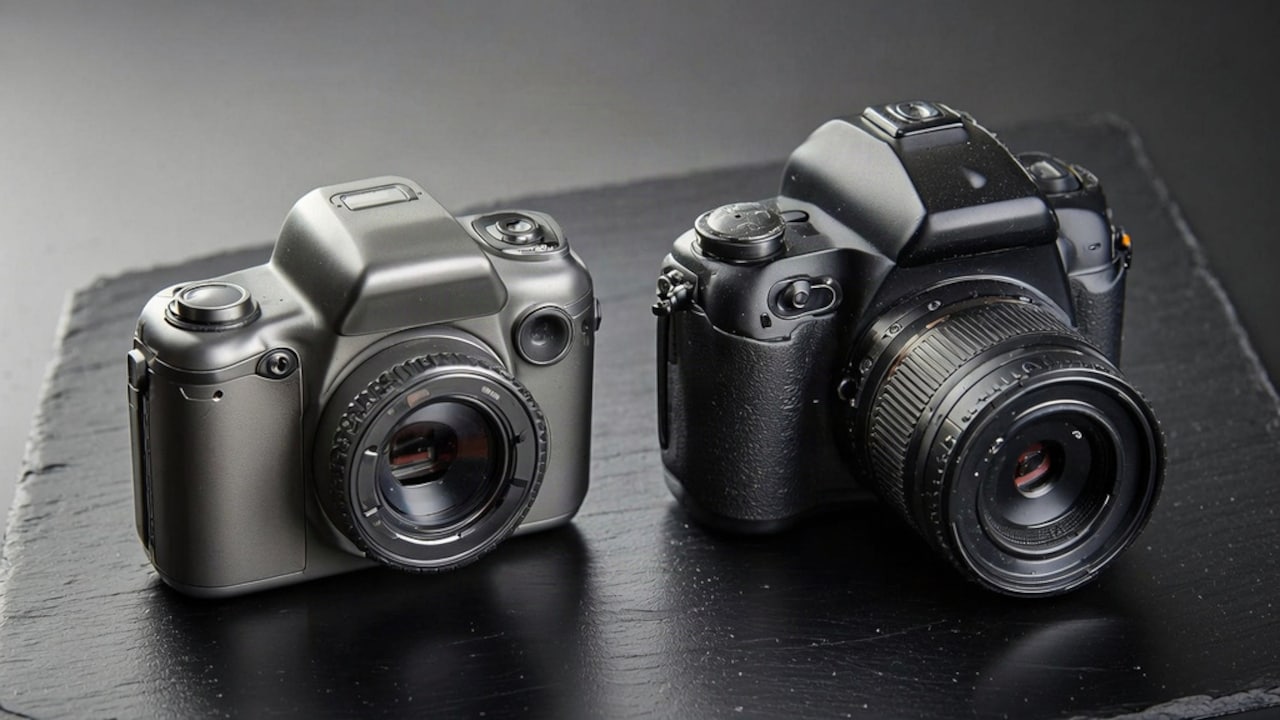
Mirrorless Vs DSLR: Which Is Better For Shooting A Wedding
A lot of people end up buying their first proper camera in the weeks before a family wedding. There's normally a hired photographer for the big moments. The rest, like aunts dancing or kids running around, gets shot on whoever's phone is handy. Phone photos look fine on the screen, though they tend to fall apart in the dim light of a sangeet. A camera with interchangeable lenses handles that far better. Then comes the part where you can't decide between mirrorless and DSLR. Amazon has both kinds listed, plus lenses, flashes, and cards to go with them.
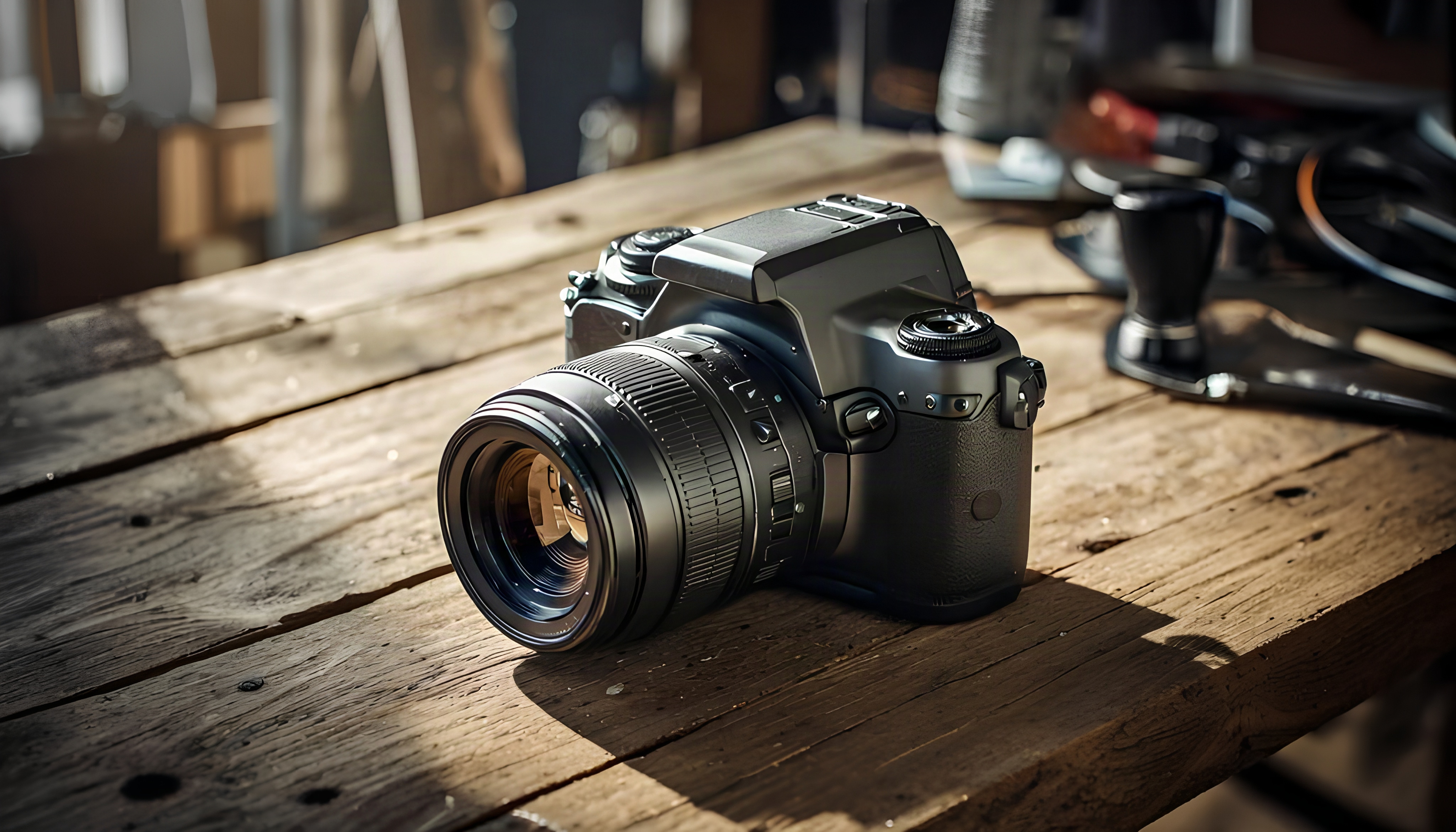
Mirrorless Vs DSLR: What's Actually Different
Photo Credit: iStock
The truth is, either one will give you good wedding photos. Where they differ is over long hours and in light that keeps changing. Weight matters more than people expect at a shaadi, and so does battery life. This article takes both cameras through a full day of functions. It also looks at what should decide your pick, and most of it applies to smaller family functions at home too. You will find 8 cameras and accessories from Amazon at the end.
Mirrorless Vs DSLR: What's Actually Different
A DSLR has a little mirror sitting behind the lens, and it flips light up into the viewfinder. So when you put your eye to it, you're looking at the real scene and not a screen.
A mirrorless camera does away with that mirror. The sensor feeds a tiny screen in the viewfinder instead. It's handy because what you see there is pretty much the photo you'll get.
Taking the mirror out also makes the body smaller and lighter. Canon, Sony, Nikon and Fujifilm have mostly stopped bringing out new DSLRs, so shops now stock mainly mirrorless.
You can swap lenses on either, and both shoot RAW if you plan to edit. Image quality has more to do with sensor size than with which type you buy.
Which One Is Actually Better For A Wedding?
Mirrorless, for most people today. The eye-tracking autofocus on newer models keeps faces sharp even when people are moving around. There is also a silent shutter, which is useful during the pheras. Video tends to be better on mirrorless as well, and a lot of wedding photographers have already moved over for that reason.
Battery life is where it falls behind, since the screen in the viewfinder draws power all day. It is worth carrying two extra batteries for a full day of shooting. Most of the new lenses coming out are also being made for mirrorless mounts.
How Each One Holds Up Through A Real Wedding Day
A single wedding day can move from bright sun to near darkness in a few hours. The camera has to keep up with all of it. Here is roughly how the day tends to go.
1. Shooting The Haldi And Mehendi
These are usually held outdoors in the daytime, and neither camera has much trouble with them. If you can get there early, the morning light is kinder on faces.
With mirrorless, you can see straight away in the viewfinder if the sun is washing everyone out. A DSLR user has to look at the screen after each shot to check. Turmeric tends to fly around at a haldi, so a lens cloth in the pocket is a sensible idea.
2. Low Light At The Sangeet
Lighting at a sangeet is usually dim and coloured, and this is where mirrorless cameras, especially the newer ones, pull ahead on focus
With a DSLR, the flash will have to come out more often. An external flash helps either camera, and pointing it at the ceiling gives a much softer light than firing it straight. Keeping the ISO from going too high stops the photos from turning grainy.
3. Quiet Moments During The Pheras
The pheras go on for quite a while, and the room is mostly quiet. Every shot on a DSLR comes with a loud click from the mirror.
Mirrorless can be set to shoot without any sound, and people don't even notice you're clicking. You can stand quite near the mandap, and the pandit won't give you a look. Smoke from the havan can throw the autofocus off, though, so it is worth taking a few extra frames.
4. Carrying It Through A Long Day
It is not unusual for a wedding day to run 12 to 14 hours. Carrying a heavy DSLR with a big lens for that long gets tiring.
A mirrorless body is noticeably lighter, and you will be glad of it by the time the vidaai comes around. DSLR batteries do last longer, it has to be said. A comfortable strap makes a real difference, and a padded bag keeps the camera safe between functions.
What Should Actually Decide Your Choice
What you'll actually do with the camera counts for more than the spec sheet. Go through these four before you hit buy.
1. Check Your Budget For Lenses Too
The body is only part of what you will spend, because a good lens for weddings can cost nearly as much again. A 50mm prime makes a sensible first lens for portraits and is not expensive. Kit lenses do the job in daylight but tend to struggle once it gets dark.
2. Do You Already Own Lenses
Older Canon and Nikon DSLR lenses still hold their value. With the right adapter, many of them will fit a mirrorless body, which can save quite a bit of money. Do check on the listing that the adapter works with your lenses before ordering.
3. How Much Video You'll Shoot
For reels and wedding videos, mirrorless is clearly the better option. The autofocus stays smooth while recording, which most DSLRs find hard to manage. If the speeches matter to you, look for a microphone input.
Also Read: Which DSLR Camera Type Matches Your Photography Style?
4. How Comfortable You Are With Menus
A DSLR has simple physical buttons, and some beginners find that easier to learn on. On mirrorless, a lot of the settings sit inside menus on the screen instead. Whatever you get, spend a week playing with it before the wedding. YouTube has beginner videos for nearly every model.
So, Mirrorless Or DSLR For A Wedding
For most people shooting at a wedding today, mirrorless is the better choice. It's lighter, it doesn't click, it handles dim halls better, and the video is good too.
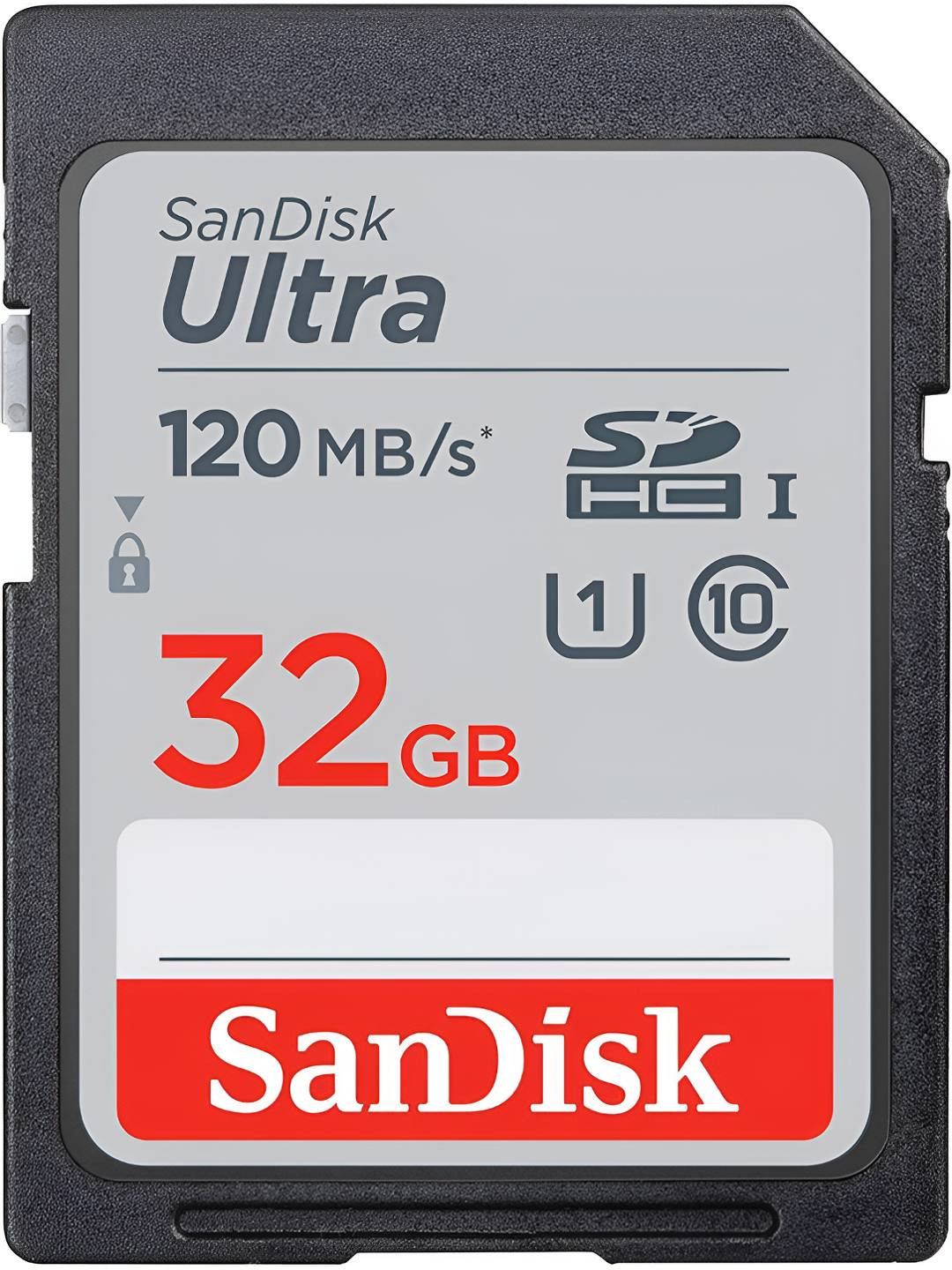
A DSLR is still fine if there are old Canon or Nikon lenses lying around at home. It also works if money is tight and you find one in stock. With either camera, take spare batteries and a flash along with a speedy memory card. Copy the photos to a laptop every night. Both options will perform much better than a phone, and the eight Amazon picks below include cameras, accessories, and more.
Some Products You May Like
Photo Credit: iStock
Some Products You May Like
1. Canon EOS R50 Mirrorless Camera with RF-S 18-45mm Lens
2. Sony Alpha ILCE-6100X Mirrorless Camera with Twin Lens Kit
3. Nikon Z50II Mirrorless Camera with 16-50mm Lens
4. Fujifilm X-T30 III Mirrorless Camera with 13-33mm Lens
5. Canon EOS Rebel T7 DSLR Camera with 18-55mm Lens
6. Godox TT560II Wireless Camera Flash Speedlite
7. Lexar Blue Plus 128GB microSD Memory Card with SD Adapter
8. Digitek DTR-550 LW Camera Tripod Stand
Winter often means relying more on heaters to stay comfortable, but it can also lead to a noticeable increase in electricity bills if you're not careful. The good news is that a few simple habits can help you stay warm without driving up energy costs. Setting your heater to a moderate temperature, closing doors and windows to prevent heat loss, using draft stoppers, and warming only the rooms you use most can make a significant difference. Layering up with warm clothing and blankets can also reduce the need to run the heater continuously.
Frequently Asked Questions (FAQs)
1. Is mirrorless better than DSLR for wedding photography?
For most people it is, yes. It's lighter and silent, and the focus holds up better in low light. If you've got DSLR lenses at home, though, stick with a DSLR.
2. Can a beginner shoot a wedding with a kit lens?
Yes, for the daytime functions at least. In the evening, a flash or a 50mm prime lens will help a lot. Get some practice in first, and open the aperture as wide as it goes.
3. How many batteries should I carry for a wedding?
Take three for mirrorless. A DSLR can usually get by on two. Charge the lot the night before, and in winter keep them in an inner pocket so the cold doesn't drain them.
4. Do I need an external flash?
Mostly yes, as sangeet and reception halls tend to be quite dim. Point it up at the ceiling, and the light comes out much softer. Spare AA batteries for it are worth packing too.
5. What memory card is best for wedding shoots?
A fast 128GB card marked V30 will work for most cameras. It is good to have a spare one as well, and photos should never be deleted while the event is still on.
(Disclaimer: This article may include references to or features of products and services made available through affiliate marketing campaigns. NDTV Convergence Limited (“NDTV”) strives to maintain editorial independence while participating in such campaigns. NDTV does not assume responsibility for the performance or claims of any featured products or services.)