How To Choose A Smart Door Lock For An Indian Apartment
Choose a smart door lock for an Indian apartment, comparing unlock methods, security features, battery, installation and smart home compatibility before buying.
How To Choose A Smart Door Lock For An Indian Apartment
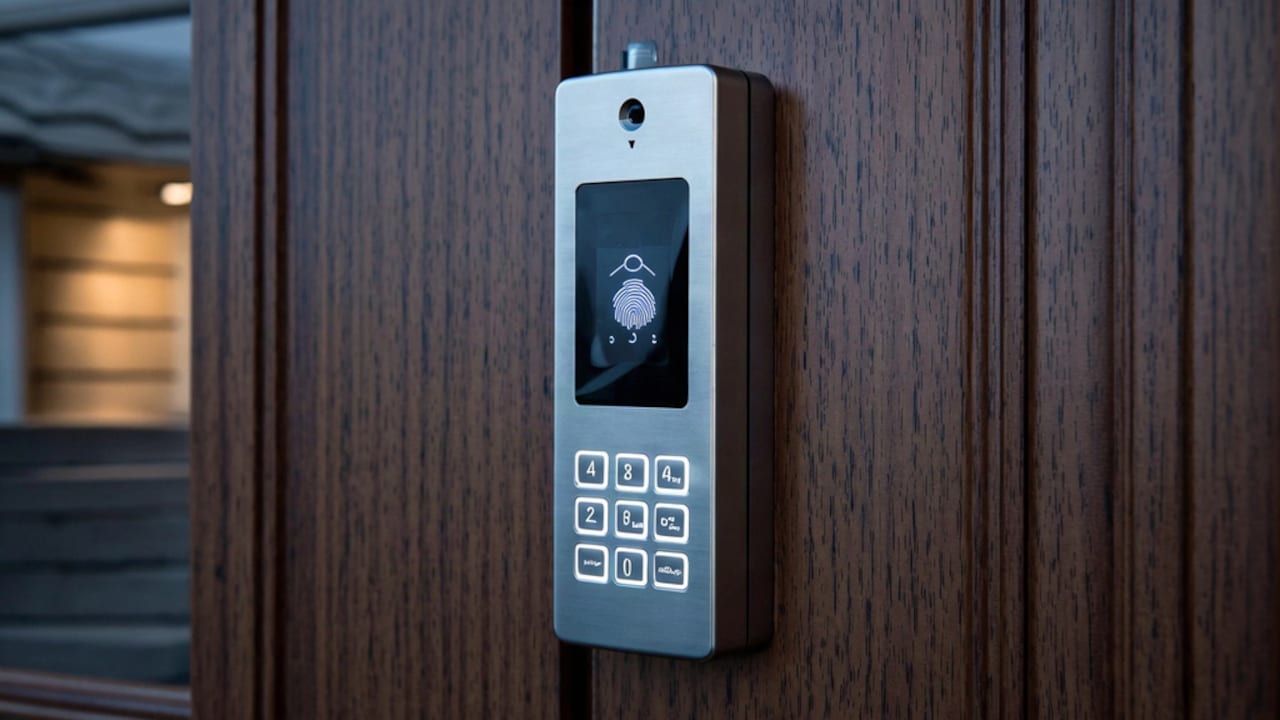
A smart door lock makes it easier to enter your apartment and adds another layer of security. Homeowners have a range of alternatives to traditional keys, depending on the model, including PIN codes, fingerprints, RFID cards, smartphone applications or physical keys. These locks are particularly useful in Indian apartments where access is required by family members, domestic help, guests and delivery personnel at different times. But picking out a smart door lock is about more than just picking the latest model.
What To Consider When Purchasing A Smart Door Lock?
Photo Credit: iStock
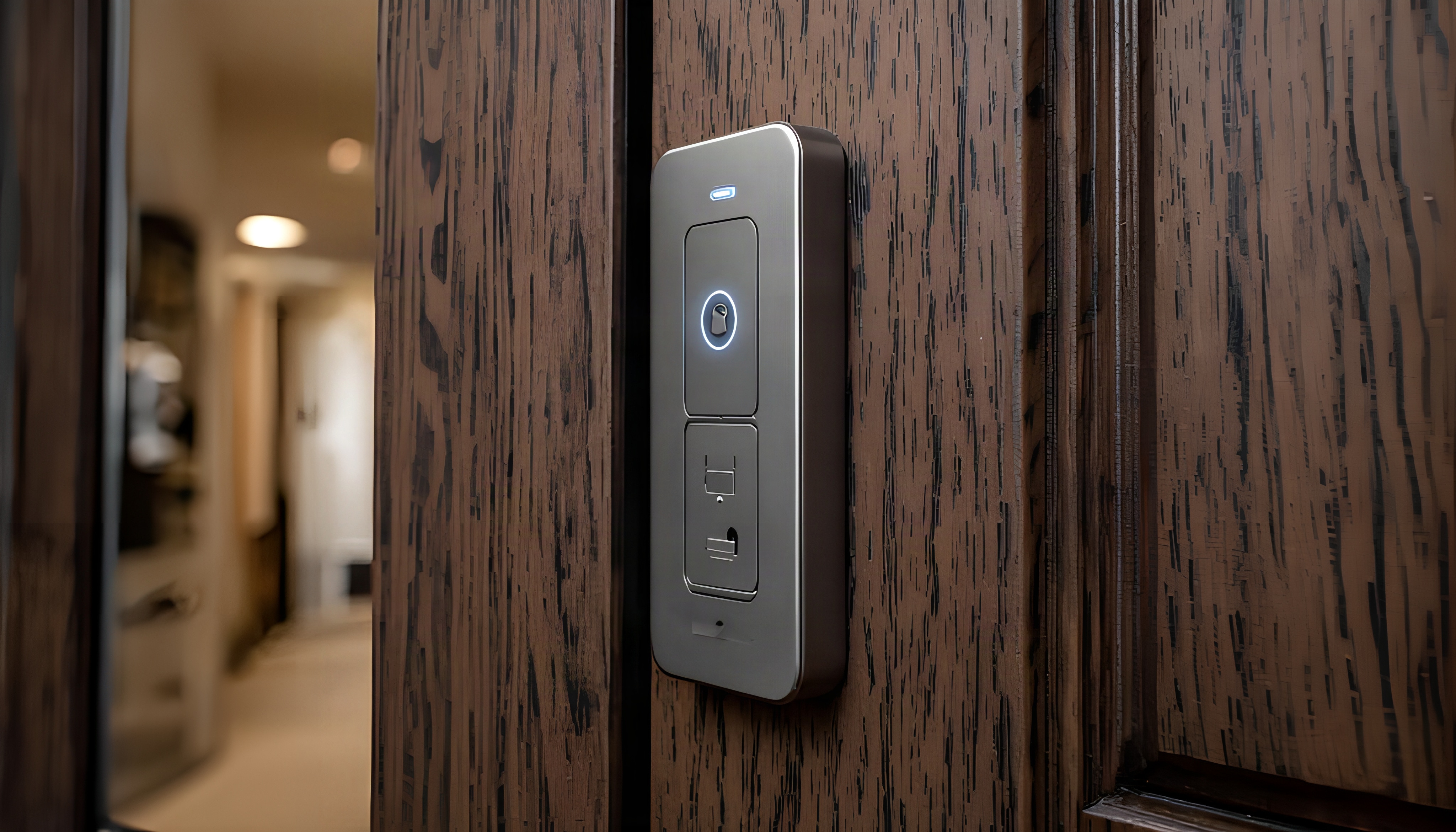
The material of the main door of the apartment, lock compatibility, security requirements, power backup, internet connectivity and installation costs also matter. A feature-rich lock is not necessarily the right choice if it does not fit the existing door or provides limited protection against unauthorised access. Before you buy one, it's important to understand the unlocking methods available, the safety features that are essential and the maintenance requirements. This beginner's guide to buying a smart door lock for an Indian flat explains what to consider before making a purchase.
What To Consider When Purchasing A Smart Door Lock?
Smart door locks do not have a traditional mechanical key but instead use electronic means of authentication. Depending on the model, it can be done by fingerprint scanner, PIN code, RFID card, Bluetooth connection, Wi-Fi or smartphone application.
1: Check The Material Of The Main Door And Its Compatibility
First, you need to check that the smart lock will fit the main door of the apartment. Common Indian homes have wooden, metal, and engineered wooden doors, but not every smart lock works with every type of door.
2: Choose An Unlocking Method That's Convenient For Daily Use
Smart door locks feature a range of access methods to pick from. Fingerprint recognition, PIN code, RFID cards and smartphone control are included, and fingerprint access is convenient for regular household members, while PIN codes are useful for trusted visitors or temporary access.
3: Look For Important Security Features
A good smart door lock should offer benefits beyond simply being a convenient way to unlock, as well as features such as incorrect-password alarms, anti-tamper alerts, auto-locking and protection against unauthorised access, which can enhance everyday security.
4: Think About Battery Life And Emergency Access
Since most electronic locks are powered by batteries, battery performance is important to consider. Check the type of battery, expected battery life, and low-battery warning system before buying.
5: Test Wi-Fi, Bluetooth And App Connection
The more connectivity the lock has, the more control the owner has over the lock while away from the home, and locks that have Bluetooth usually unlock when the smartphone is within a supported range, and locks that have Wi-Fi enable users to remotely unlock their doors and monitor access through an application.
6: Verify Installation Warranty And After-Sales Service
Smart locks need to be installed accurately so that their bolts, sensors and electronic parts work properly. Before buying, check if professional installation is included in the price and if the company has authorised technicians in the city of the flat.
How To Choose A Smart Door Lock: A Step-By-Step Process
Step 1: Measure The Front Door
First, measure the door thickness and check the material, and make note of the type of lock you have, the location of the handle and the space available to fit the electronic unit.
Step 2: Determine Who Should Have Regular Access
Think about how many people are going to use the lock regularly, and fingerprint access, PIN codes and RFID cards could be useful for families with children, the elderly and domestic helpers.
Step 3: What Features You Must Have
Make a list of features that are actually needed. Fingerprint recognition, PIN access, mechanical key backup, low-battery alerts and auto-locking are all good starting points.
Step 4: Compare The Cost Of Installation
Look at what the purchase actually costs, rather than just the advertised discount. Include installation charges, additional Wi-Fi accessories, replacement batteries and any changes to the door that may be needed.
Step 5: Test The Lock Before You Trust It
Once installed, check all the ways of unlocking and check that the door locks well, and create individual user profiles, turn on security alerts, and understand the emergency unlocking procedure.
Also Read: Welcome To Smart Living: Our Top 5 Must-Have Digital Locks For A Truly Keyless Life
What Mistakes Should You Avoid With Smart Locks?
1. Same PIN For All
Sharing a single permanent PIN with family members, domestic helpers and visitors may weaken the access control. If the code is known to an unauthorised person, then it may be necessary to change it for everybody.
2. Overlooking App Security And Privacy
Smart locks that connect to an app also require a secure digital account. Unnecessary security risks can be posed by weak passwords, shared accounts and out-of-date applications.
3. Ignoring Flat And Rental Restrictions
Before installing a smart lock, be sure to check with your apartment's housing society or landlord for any restrictions on modifications to the main door. Some buildings have the same design of doors, safety requirements or rules about drilling and external modifications.
Products To Consider From
Photo Credit: iStock
Products To Consider From
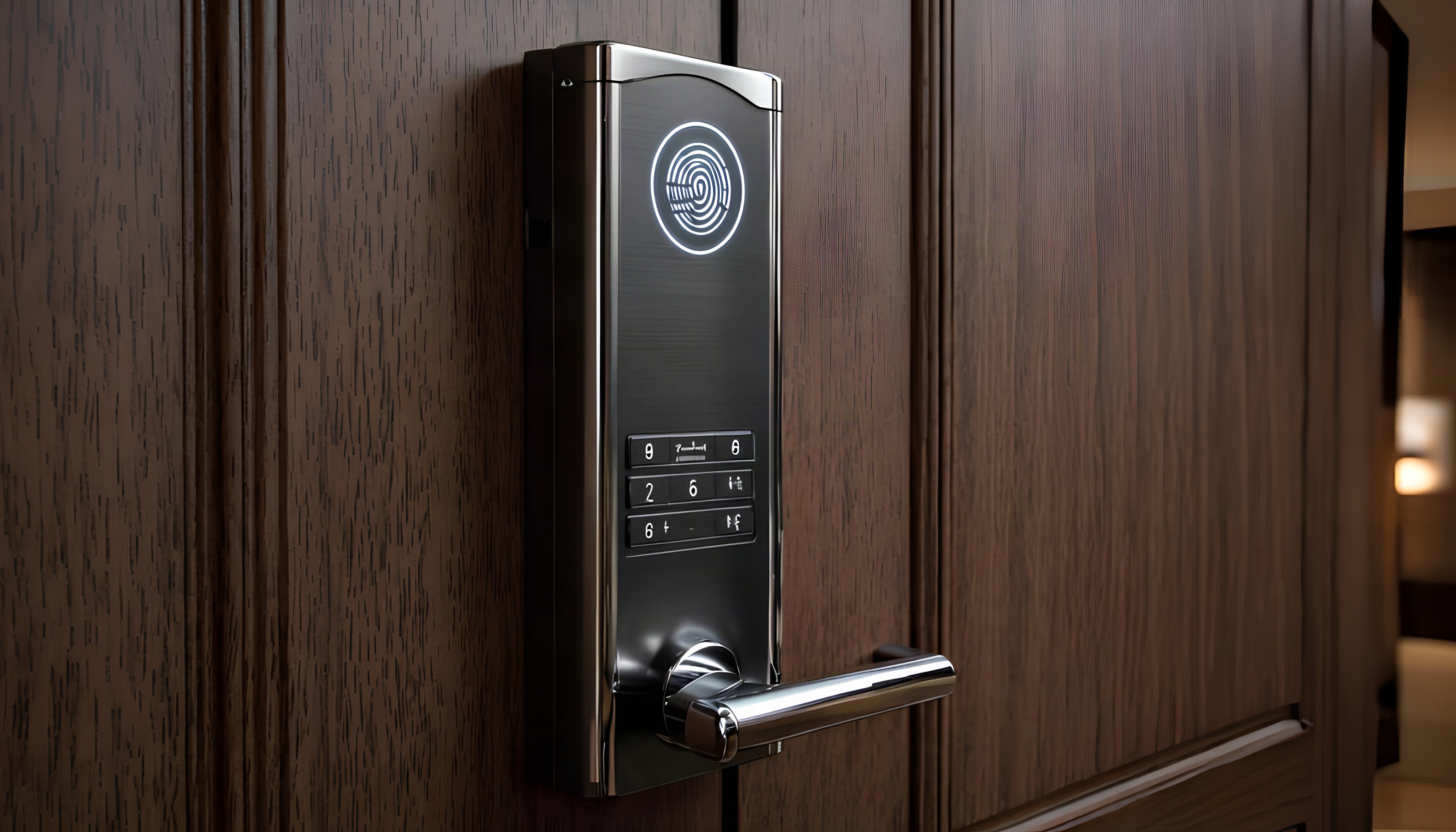
1. Mygate Smart Door Lock SE
2. Native Lock Ultra by Urban Company
3. Godrej 'New Launch' Smart Lock
4. LAVNA Digital Smart Door Lock
5. Atomberg Azhero Smart Door Lock
6. QUBO Smart Door Lock Essential
7. Yale YDME 100 NxT, Smart Door Lock
8. Golens X95 Luxury Smart Door Lock
Choosing the right smart door lock for an Indian apartment involves balancing security, convenience, and compatibility with your existing door setup. Features like multiple unlocking methods, strong encryption, emergency backup access, and reliable customer support can make a significant difference in everyday use. It is also important to consider factors such as power backup, Wi-Fi connectivity, and installation requirements before making a purchase. By assessing your security needs and lifestyle, you can invest in a smart lock that not only enhances safety but also brings greater peace of mind and convenience to your home.
Frequently Asked Questions (FAQs)
1. What is the best smart door lock for Indian apartments?
A smart lock with fingerprint, PIN code and a mechanical key backup would be a practical solution for most apartments. Thus, it provides practical day-to-day access and a backup unlocking method in case of an electronic failure.
2. Does a smart door lock need Wi-Fi?
Yes. Most smart locks can be opened with a fingerprint, PIN, or RFID and don't have to be connected to the internet in real time, and remote unlocking and some application features may require Wi-Fi or other connectivity.
3. What if the battery of your smart door lock dies?
Most models will warn you of a low battery before it dies. Depending on the design, the door can be opened with a mechanical key or an external emergency power connection. Always do what the manufacturer tells you to do.
4. Are smart locks compatible with wooden and metal doors?
Compatibility depends on the model. Most popular smart locks are for wooden doors, but some models also work with other types of doors, and before purchasing, check door thickness, locking mechanism and installation requirements.
5. Is fingerprint access safer than PIN access?
Either way has advantages: fingerprint entry makes individual access easy, while PIN access can be shared or refreshed as required. The lock also has several authentication modes that give you more flexibility.
(Disclaimer: This article may include references to or features of products and services made available through affiliate marketing campaigns. NDTV Convergence Limited (“NDTV”) strives to maintain editorial independence while participating in such campaigns. NDTV does not assume responsibility for the performance or claims of any featured products or services.)