Arijit Singh Takes A Break: 5 Songs That Redefined Fashion For Men In Bollywood
Arijit Singh stepping back from playback singing marks the end of an era where songs shaped not just emotions but the way Bollywood's male leads dressed. From Bunny's layered calm to Aditya's worn-down reality, these tracks turned fashion into storytelling
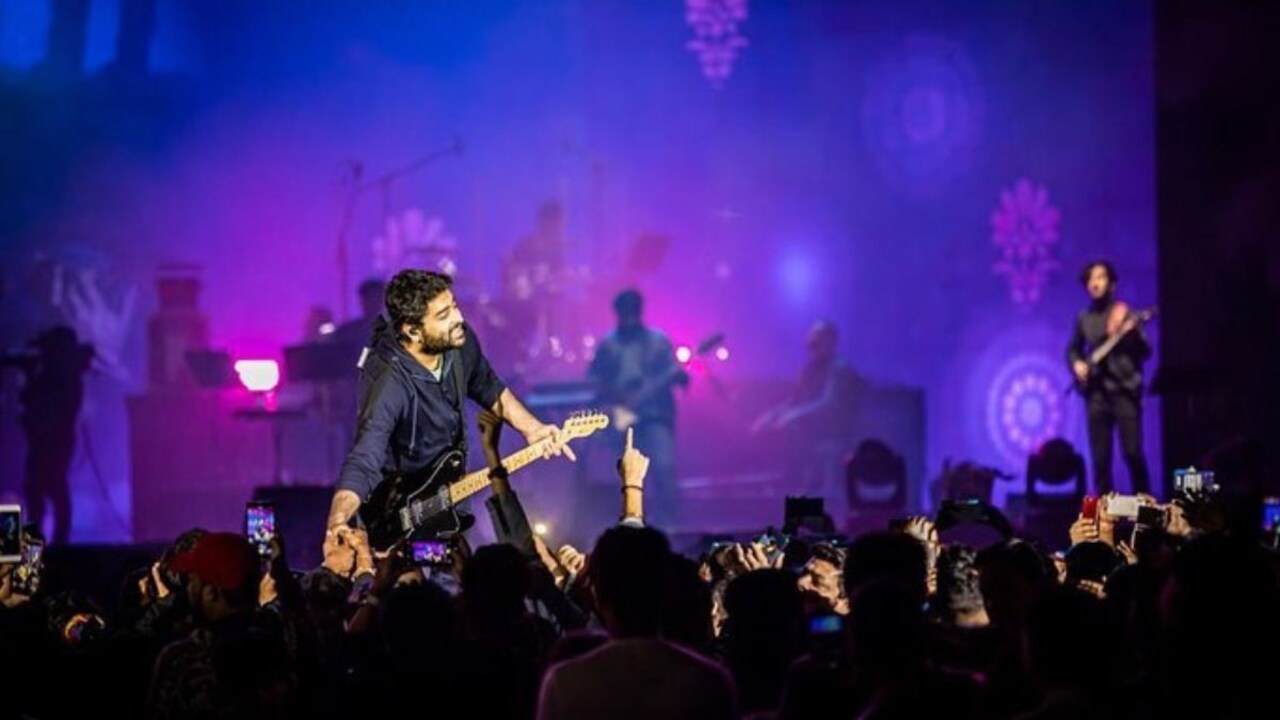
Which of the song is your all time favourite by Arijit Singh?
There was a time when a song didn't just play in the background; it quietly shaped how a generation dressed, walked, and carried heartbreak. A guitar slung over the shoulder, a worn jacket during a night walk, a kurta that felt both festive and fragile. Bollywood's male leads stopped dressing to impress and started dressing to feel. Each outfit became an extension of emotion, matching the rise, fall, and pauses of love, ambition, and loss. These moments didn't shout style; they whispered it, through songs that stayed long after the screen faded to black.
Now, with Arijit Singh stepping back from playback singing, that era feels like it has reached a quiet turning point. His voice didn't just define soundtracks; it shaped characters and the clothes they wore. From carefree travellers to broken lovers and silent rebels, his songs turned fashion into storytelling. Looking back at five iconic tracks reveals how his music helped define Bollywood's modern male style not through trends, but through emotion.
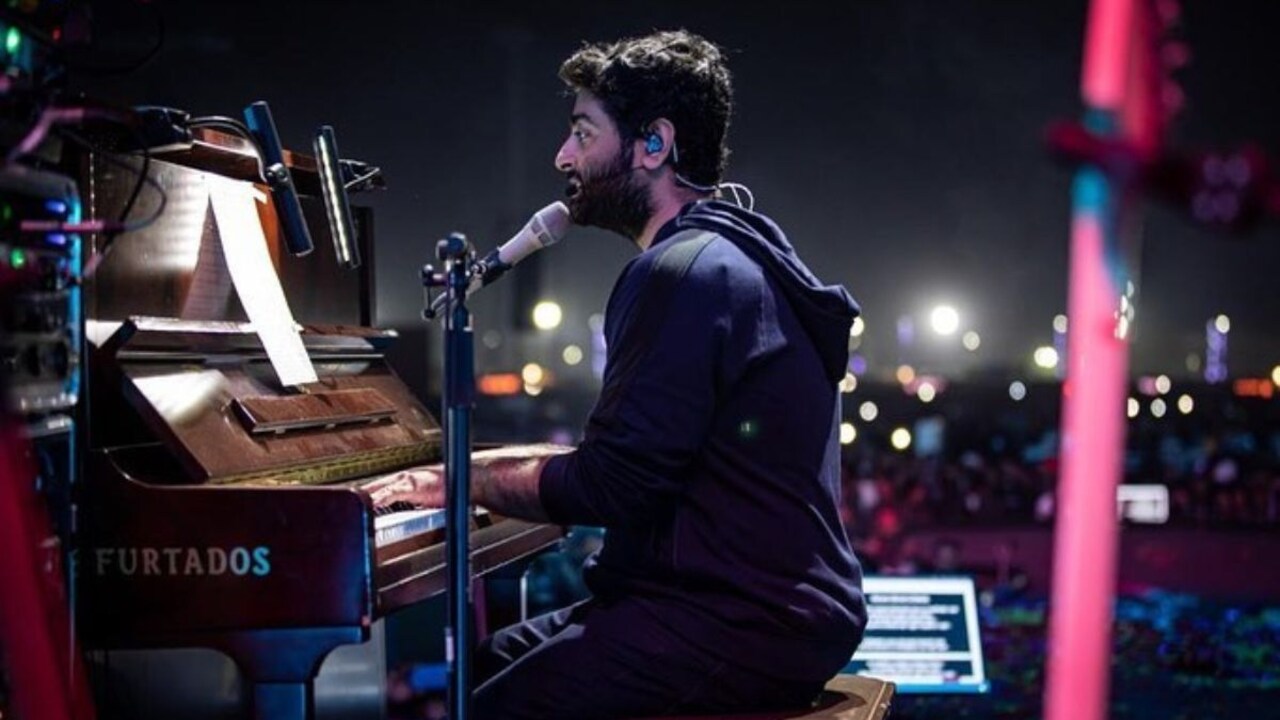
Which of the song is your all-time favourite by Arijit Singh? Photo Credit: Instagram/@arijitsingh
Arijit Singh's Songs: The Heartbeat of Bollywood Emotion
Arijit Singh's songs have never been just melodies; they are emotional landscapes where every note carries a story. In Bollywood, his voice has defined heartbreak, joy, and celebration, giving life to characters beyond the dialogue on screen. Whether it's the quiet ache of lost love, the thrill of new beginnings, or the bittersweet pauses between decisions, his songs translate inner worlds into sound. From romantic ballads to energetic anthems, the music doesn't just complement a scene; it becomes its heartbeat, guiding not only emotions but also the way characters dress, move, and carry themselves. His departure from playback singing marks more than the end of a voice; it signals a shift in the soundtrack of how Bollywood men express feeling through fashion and presence.
Also Read: Planning A Sufi Night Date? 5 Outfit Ideas To Match The Magical Vibe
Arijit Singh Songs That Turned Bollywood Characters Into Style Icons for an Entire Generation
1. Yeh Jawani Hai Deewani - Song: Kabira (Character: Bunny)
The song arrives when travel slows down and emotions finally catch up. Bunny stands between who he was and who he is becoming. The kurta feels familiar and rooted, while the casual jacket hints at the restlessness that never fully leaves. The outfit doesn't try to stand out; it mixes into the moment, just like Bunny tries to mix his freedom with responsibility. As Kabira plays, the clothes quietly reflect acceptance rather than rebellion.
2. Aashiqui 2 - Song: Tum Hi Ho (Character: Aditya Jaykar)
The room feels smaller, the nights longer. Tum Hi Ho plays not as a performance, but as a confession. Aditya's clothes look worn because they are. Hoodies hang loose, jackets stay unbuttoned, and colours fade into the background. Nothing changes from day to day, just like his emotional state. The outfit becomes a habit, something worn out of comfort, not care, mirroring a love that has consumed everything else.
3. Jawan - Song: Chaleya (Character: Azad Rathore)
Movement here is controlled and deliberate. When Chaleya begins, the character isn't chasing love he's carrying it quietly. The outfit is clean, structured, and balanced. No excess layers, no loud details. Every line feels intentional, much like the character himself. Strength doesn't need to announce itself, and softness exists without explanation.
4. Ae Dil Hai Mushkil - Song: Channa Mereya (Character: Ayan Sanger)
“Channa Mereya” doesn't just narrate heartbreak; it dresses it. The song moves like a slow, emotional unwinding, and Ayan's (Ranbir Kapoor's) outfit mirrors that inner collapse with deliberate precision. His cream‑gold sherwani looks like it is almost like a burden he's trying to carry with grace. The embroidery doesn't shine; it absorbs light, just as Ayan absorbs pain without speaking out publicly. The saffron turban becomes the one jarring note, echoing the dissonance of loving someone he can't have. Even the way Ranbir wears it slightly loose and slightly drooped feels symbolic, a quiet rebellion against the celebration he's forced to participate in.
5. Befikre - Song: Nashe Si Chadh Gayi (Character: Dharam Gulati)
Everything moves fast here: the city, the music, and the mood. Nashe Si Chadh Gayi doesn't wait for depth. The outfit is sharp, modern, and built for motion. Leather jackets, fitted silhouettes, and playful styling reflect a character who refuses to be emotional. The clothes aren't meant to last forever; they're meant to live in the moment, just like the song.
Arijit Singh's voice didn't follow fashion; it gave it feeling. These five songs show how male lead styling evolved from polished looks to emotional realism. As playback singing enters a new phase, these characters remain reminders of a time when clothes carried heartbreak, hope, and quiet strength. The music may pause, but the impact on Bollywood's style language stays timeless. So why wait? Grab the outfits from Amazon and show your love for Arijit Singh.
Frequently Asked Questions (FAQs)
1. Why do these songs still influence men's fashion today?
Because they didn't sell trends, they sold emotions. Viewers didn't copy outfits; they copied the feeling behind them.
2. How did music shape character styling in these films?
Songs created emotional pauses, and styling filled those pauses by showing what the character couldn't say aloud.
3. Why are the outfits mostly simple in these songs?
Simplicity allowed emotions to lead. Loud fashion would have distracted from the story unfolding through music.
4. What makes Bunny's style memorable in Kabira?
It balances freedom and grounding, showing growth without erasing the past.
5. Why does Aditya's wardrobe repeat in Tum Hi Ho?
Repetition reflects emotional stagnation when life stops moving forward.
(Disclaimer: This article may include references to or features of products and services made available through affiliate marketing campaigns. NDTV Convergence Limited (“NDTV”) strives to maintain editorial independence while participating in such campaigns. NDTV does not assume responsibility for the performance or claims of any featured products or services.)