Baby Clothing Sets: Snaps, Zips Or Buttons? Practical Closure Guide For New Parents
Choosing between snaps, zips, or buttons for baby clothing sets? This practical guide helps new parents compare comfort, safety and convenience for everyday dressing and nappy changes.
Snaps vs Zips Vs Buttons: Choosing The Right Closures For Baby Clothing Sets.
Baby clothes bring joy long before the baby arrives. Tiny socks, soft cotton vests, and adorable co-ord sets often fill wardrobes weeks in advance. Yet, once the baby comes home, practicality quickly takes centre stage. At odd hours, with one eye open and a crying newborn, the smallest detail can make a big difference. Closures matter more than prints, and convenience often beats cuteness. Snaps, zips, and buttons dominate baby clothing sets across price ranges, from budget-friendly ₹399 packs to premium organic cotton outfits priced above ₹2,000.
This guide explores closures through everyday parenting situations. No jargon, no rigid rules, just honest insights, relatable moments, and practical tips to help new parents choose wisely. Here is a practical guide to baby clothing set closures - snaps, zips or even buttons.
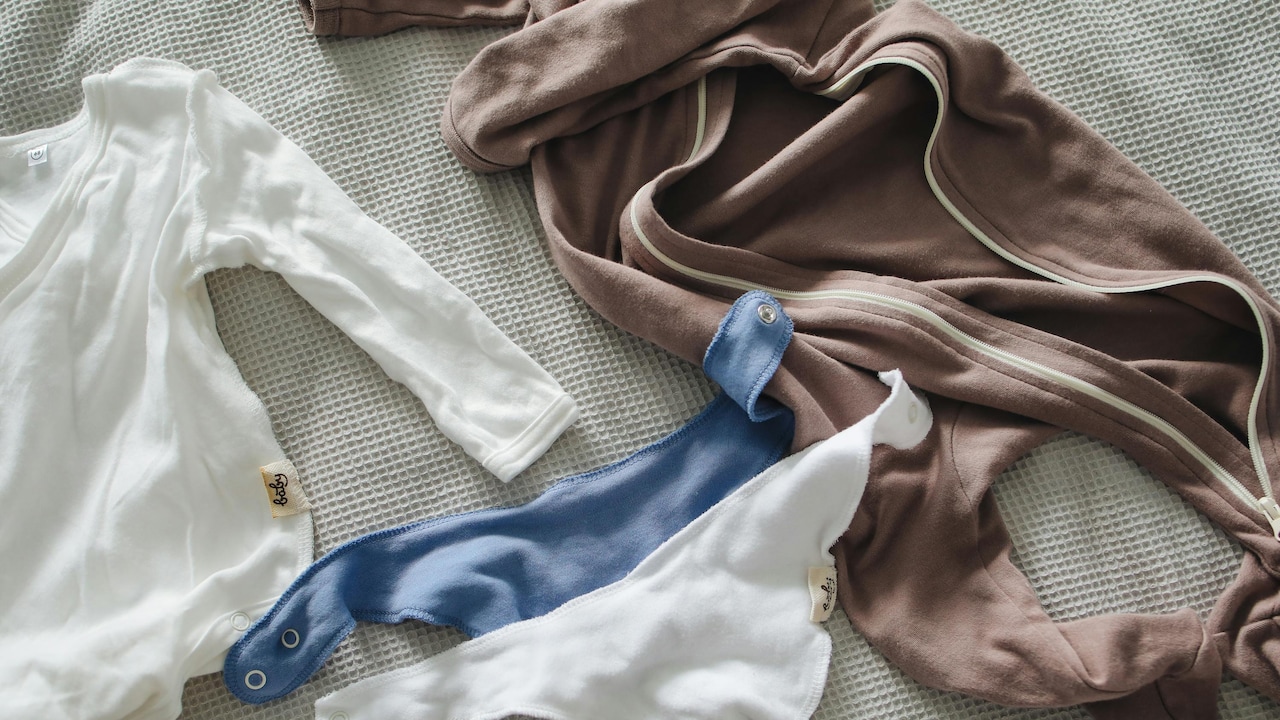
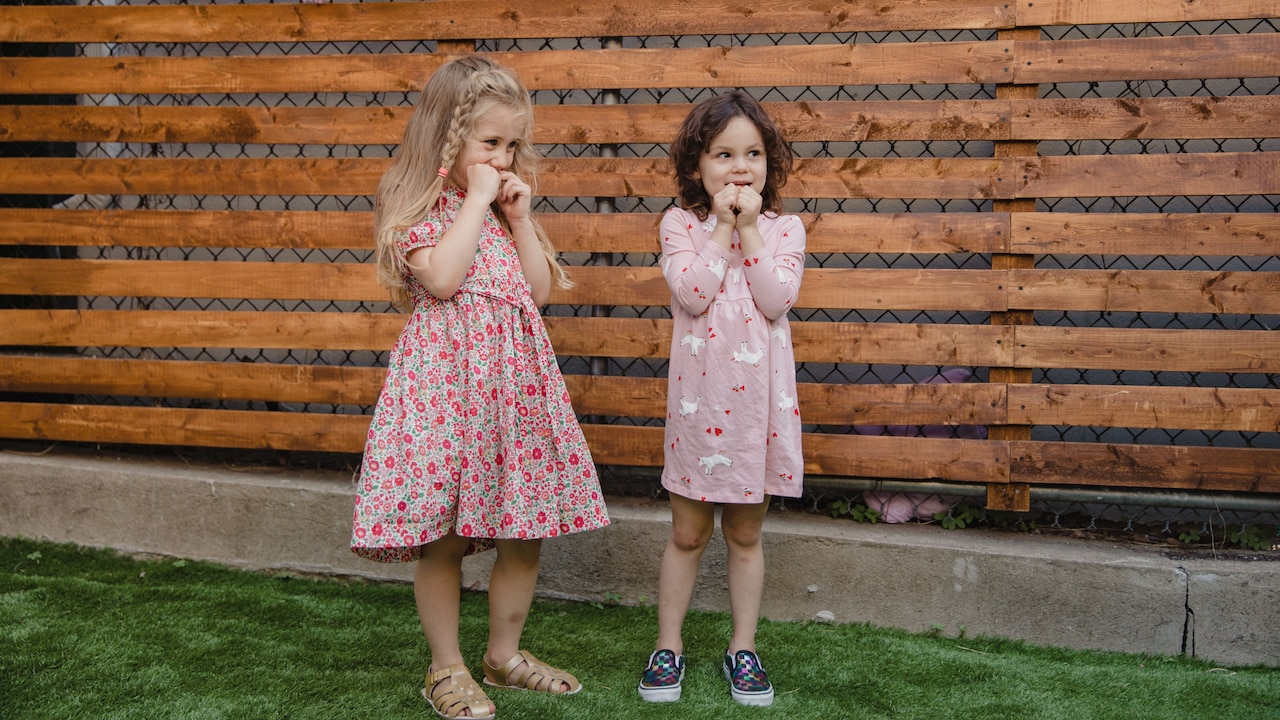
Snaps, Zips Or Buttons? A Practical Guide To Baby Clothing Set Closures
Photo Credit: Unsplash
A Closer Look At Snaps, Zips And Buttons In Everyday Babywear
1. Why Closures Matter More Than Cute Prints
At first glance, closures seem like minor design details. In reality, they shape daily routines. A baby outfit may look charming on a hanger, but usability defines its true value. During frequent nappy changes, especially in the early months, closures decide whether dressing stays calm or turns chaotic.
Snaps, zips, and buttons influence how quickly clothes come off and go back on. They affect how much a baby gets disturbed during sleep and how comfortable the garment feels against delicate skin. Poorly placed closures can dig into the neck, press against the tummy, or scratch sensitive areas.
Weather adds another layer. In humid conditions, fewer steps and faster changes matter. During cooler months, full coverage without fuss helps keep babies warm. Closures also determine how well clothes grow with the baby, saving money over time.
Parents often learn this lesson the hard way, after struggling with tiny buttons while the baby kicks impatiently. Choosing closures thoughtfully can turn dressing into a smooth routine rather than a daily challenge.
2. Snaps: The Familiar Favourite
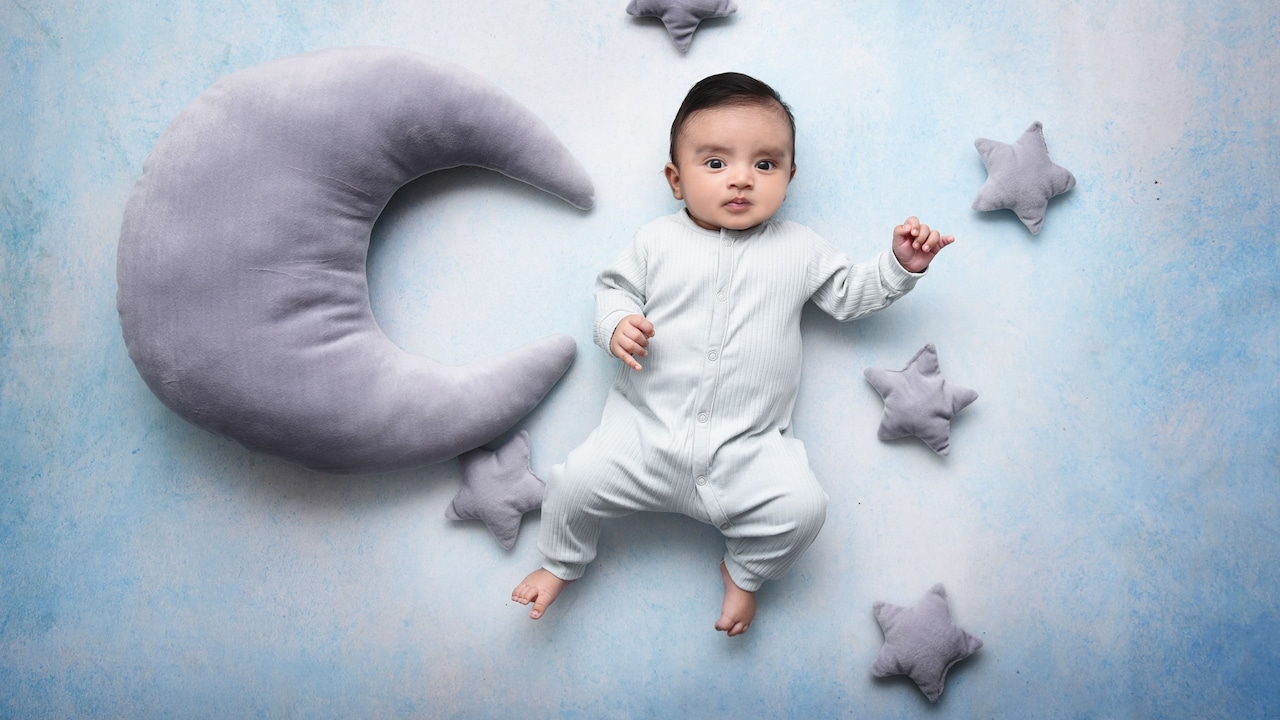
Snaps dominate baby clothing racks for good reason. They offer flexibility, safety, and ease, especially for newborns. Most bodysuits, sleepsuits, and co-ord sets rely on snap buttons along the crotch or full length of the outfit.
Snaps allow partial opening, which proves helpful during quick nappy changes. Only the lower half needs opening, keeping the baby warm and settled. For parents learning the ropes, snaps provide control without rushing.
However, snaps require patience. Aligning multiple fasteners at 3 am tests coordination and calm. Lower-quality snaps may loosen after repeated washes, causing unexpected openings during playtime.
On the upside, snaps distribute pressure evenly and avoid bulky hardware. They suit soft cotton fabrics and gentle designs. Many budget-friendly clothing sets under ₹700 use snaps effectively, offering value without compromising comfort.
Snaps work best for the early months and everyday wear. They may not win speed contests, but they score high on comfort and reliability.
3. Zips: Speed Meets Modern Design
Zips bring speed into baby dressing routines. A single motion can open or close an entire outfit, making it a favourite for parents juggling feeds, naps, and errands. Sleepsuits with front zips feel especially convenient during nighttime changes.
Modern baby zips often feature fabric guards at the neck and base to prevent skin irritation. Two-way zips add another layer of ease, allowing access from the bottom without fully undressing the baby.
Despite the advantages, zips come with considerations. Rigid metal zips may feel uncomfortable against soft skin if poorly designed. Plastic zips fare better but still require careful stitching. In hot weather, zips can trap heat, especially in synthetic fabrics.
Price-wise, zippered outfits often cost slightly more, ranging from ₹900 to ₹2,500, depending on fabric quality. They suit parents who prioritise speed and minimal handling.
Zips shine during night routines and travel. With thoughtful design, they combine modern style with practical efficiency.
Also Read: How To Buy A Breast Pump: A Complete Guide For First-Time Parents
4. Buttons: Traditional But Tricky
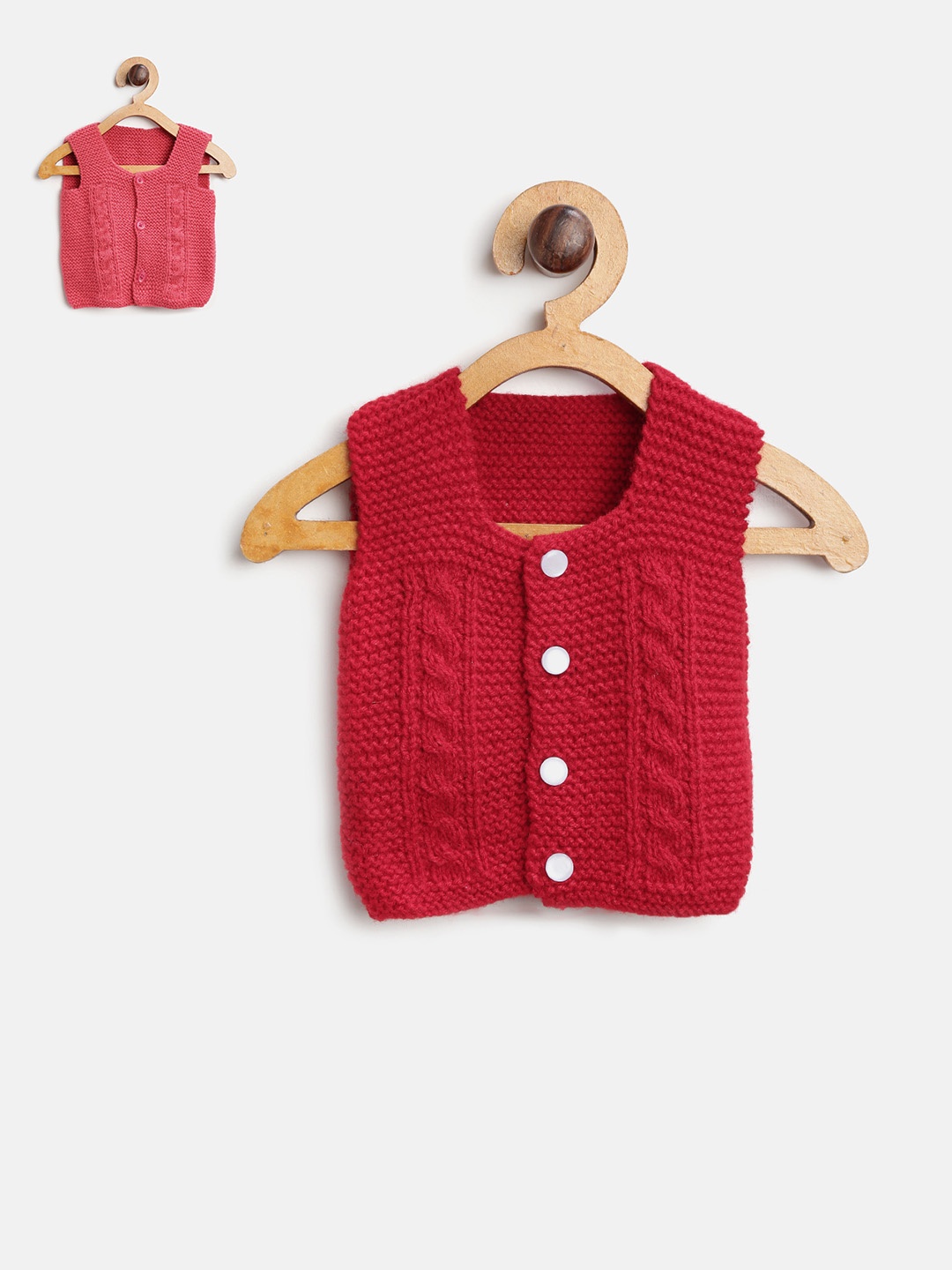
Buttons evoke nostalgia and charm. They often appear on festive baby clothing sets, jackets, and layered outfits. Wooden or fabric-covered buttons add visual appeal and suit special occasions.
Functionally, buttons demand time and dexterity. Fastening several small buttons on a wriggling baby tests patience, especially during urgent changes. Buttonholes may stretch over time, leading to uneven fits.
Safety matters too. Poorly secured buttons pose choking risks if they loosen. High-quality stitching reduces this concern, but caution remains essential.
Buttons work best for older babies who move less during dressing or for short durations. They suit cooler weather when layered dressing takes precedence over quick changes.
Though not ideal for daily wear, buttons still hold a place in wardrobes. They shine in photographs, celebrations, and outings where appearance matters more than speed.
5. Comfort Against Delicate Skin
A baby's skin reacts to the smallest irritations. Closures directly touch areas like the chest, neck, and tummy, making comfort non-negotiable. Smooth finishes, soft backing, and thoughtful placement matter more than closure type alone.
Snaps usually feel gentler due to their flat design. Fabric-covered snaps reduce friction further. Zips need guards at both ends to prevent rubbing, especially during tummy time. Buttons require smooth edges and secure stitching to avoid scratches.
Fabric choice amplifies or reduces discomfort. Organic cotton and bamboo blends complement any closure style. Synthetic fabrics may cause sweating, making closures feel more intrusive.
Parents often notice discomfort through fussiness or red marks after wear. Checking closure placement before purchase helps avoid these issues.
Comfort transforms dressing into a bonding moment rather than a struggle. When clothes feel good, babies stay calmer, and routines flow better.
6. Night-Time Changes and Sleep Disruptions
Night routines define early parenting experiences. Minimal disturbance keeps babies sleepy and parents sane. Closures play a starring role during midnight changes.
Zips lead the pack here. One smooth movement replaces multiple snaps or buttons. Two-way zips allow access without fully opening the outfit, preserving warmth.
Snaps still perform well when placed strategically. Fewer snaps mean quicker changes. Full-length snap rows slow things down but offer flexibility.
Buttons struggle in low light. They require precision and patience, both scarce at 2 am.
Choosing the right closure for sleepwear can reduce crying and speed up returns to sleep. Many parents invest in dedicated zippered sleepsuits priced around ₹1,200 for this reason alone.
Better sleep benefits everyone. Thoughtful closures quietly support those precious extra minutes of rest.
7. Climate and Seasonal Considerations
Weather influences clothing choices more than trends. In warm, humid conditions, quick changes and breathability matter. Snaps and lightweight zips paired with cotton fabrics suit the summer months.
During cooler seasons, full coverage helps retain warmth. Zips excel here, sealing outfits efficiently. Buttons layered under jackets add insulation but slow changes.
Monsoon months bring frequent outfit changes due to spills and dampness. Durable closures that withstand repeated washing become essential. Snaps often outlast zips in this scenario.
Seasonal sales tempt bulk buying, but closure suitability should guide purchases. A ₹1,500 winter set with a poorly placed zip may see little use.
Matching closures to climate ensures comfort year-round and prevents wardrobe waste.
8. Durability, Washing, and Long-Term Use
Baby clothes face frequent washing. Milk spills, diaper leaks, and food mishaps demand resilience. Closures must survive repeated cycles without failing.
Snaps generally age well. High-quality metal snaps maintain grip even after months of use. Cheap plastic snaps may weaken faster.
Zips depend on build quality. Reinforced stitching and rust-resistant materials extend lifespan. Poor-quality zips jam or break, rendering outfits unusable.
Buttons require secure stitching. Loose threads signal trouble. Regular checks prevent mishaps.
Considering durability saves money. Investing ₹1,800 in a sturdy set often outperforms replacing multiple ₹600 outfits.
Long-term usability matters, especially for hand-me-downs. Strong closures keep clothes functional across siblings and seasons.
9. Dressing on the Go: Travel and Outings
Outings introduce unpredictability. Changing rooms vary, and patience runs thin. Closures that simplify dressing shine outside the home.
Zips win again for travel. Quick changes in cars, malls, or parks feel manageable. Snaps follow closely, offering flexibility without full undressing.
Buttons lag behind. They demand time and stable surfaces, rarely available during outings.
Compact diaper bags benefit from clothes that fold easily. Snaps and zips create flatter folds compared to bulky buttons.
Parents often reserve zippered outfits for travel days. Spending ₹1,000 extra for convenience feels worthwhile when handling public changes calmly.
On-the-go dressing tests design claims. Closures that perform well here earn lasting loyalty.
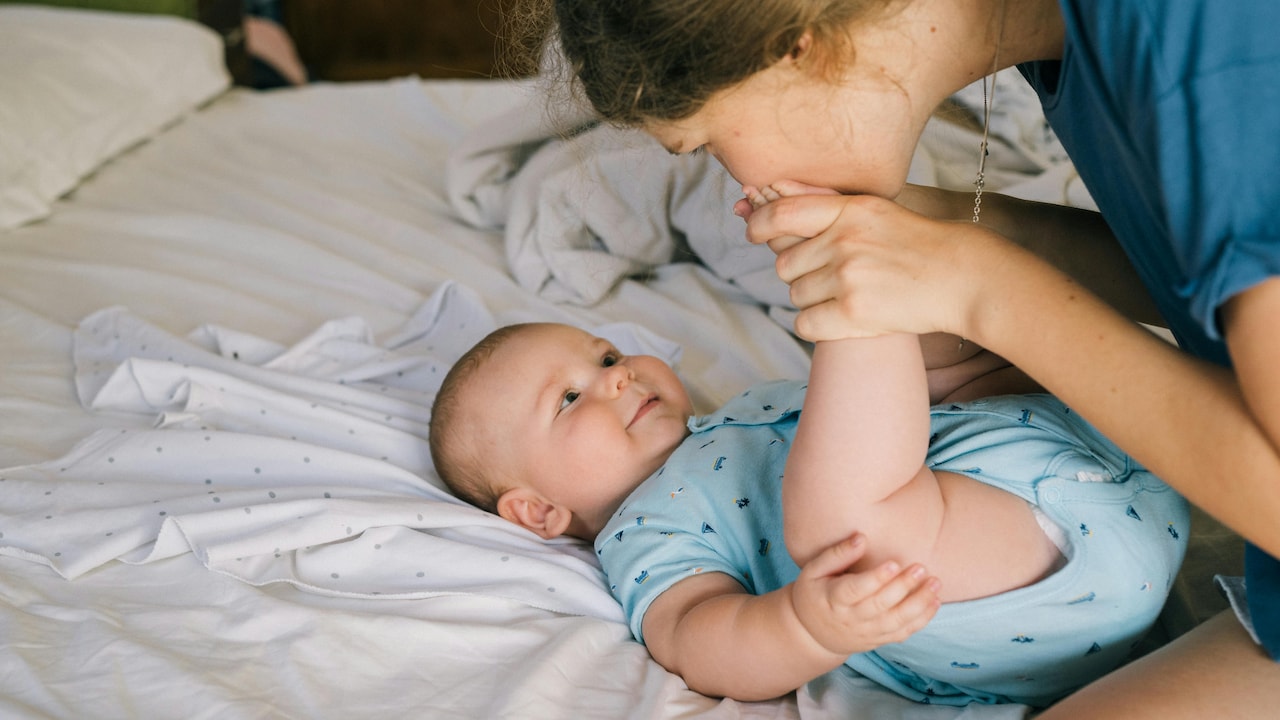
Snaps, Zips Or Buttons? A Practical Guide To Baby Clothing Set Closures
Photo Credit: Pexels
10. Balancing Style, Safety, and Sanity
Every parent seeks balance. Clothes should look good, feel safe, and simplify life. Closures influence all three.
Snaps offer reliability and comfort. Zips deliver speed and modern appeal. Buttons bring charm and tradition. No single option suits every situation.
Building a mixed wardrobe works best. Snaps for daily wear, zips for sleep and travel, buttons for special occasions. This approach spreads costs and covers needs.
Safety checks remain essential. Secure stitching, smooth finishes, and quality materials outweigh brand names.
Ultimately, sanity matters most. When dressing feels effortless, parents focus on cuddles, smiles, and milestones. Closures may seem small, but they quietly shape daily joy.
Products Related To This Article
1. BabyGo Baby Boys Casual T-shirt Pyjama
2. ELPIXIE FASHION Baby Boys & Baby Girls Casual T-shirt Track Pants
3. Fly Step Baby Boys & Baby Girls Casual Dress
4. Mars Infiniti Baby Girls Casual Top Capri
5. Dreamz Baby Boys & Baby Girls Casual T-shirt Track Pants
6. Iffat collection Baby Girls Casual Sweatshirt Sweatshirt
7. GESICA FASHION Baby Boys & Baby Girls Casual Sweatshirt Pyjama
Baby clothing sets tell stories beyond colours and prints. Closures, often overlooked, shape everyday experiences in subtle yet powerful ways. Snaps provide gentle reliability, zips offer swift efficiency, and buttons add timeless charm. Each serves a purpose when chosen thoughtfully. The best wardrobe grows with the baby and adapts to life's rhythms. With practical closures and mindful selection, dressing becomes less about struggle and more about connection.
(Disclaimer: This article may include references to or features of products and services made available through affiliate marketing campaigns. NDTV Convergence Limited (“NDTV”) strives to maintain editorial independence while participating in such campaigns. NDTV does not assume responsibility for the performance or claims of any featured products or services.)