Best T-Shirts That Don't Twist After Wash: Top Fabric Blends That Hold Shape
Stop buying T-shirts that twist after two washes. Learn which fabric blends hold shape, keep seams straight, and stay looking new for longer.
Best T-Shirts That Don't Twist After Wash: Here Are The Fabric Blends for Long-Lasting Shape Retention.
Everyone has that one T-shirt that used to fit perfectly. Then, after a couple of washes, it starts behaving strangely. The hem tilts. The side seams creep. The neck looks tired. Suddenly, the tee feels like it's been through an emotional breakup and is taking it out on your wardrobe.
Twisting after washing is one of the most common complaints with everyday T-shirts, especially in warm-weather cities where tees get washed often. Between sweat, heat, hard water, and the reality of busy laundry routines, a fabric gets tested quickly. And while it's tempting to blame the washing machine, the truth usually begins much earlier: at the fibre choice, yarn twist, and knit construction stage.
A T-shirt that does not twist is not magic. It is the result of stable fibres, balanced yarns, and blends that resist torque. The right blend can keep seams aligned, prevent the body from spiralling, and help the tee stay looking “new” long after the first wear.
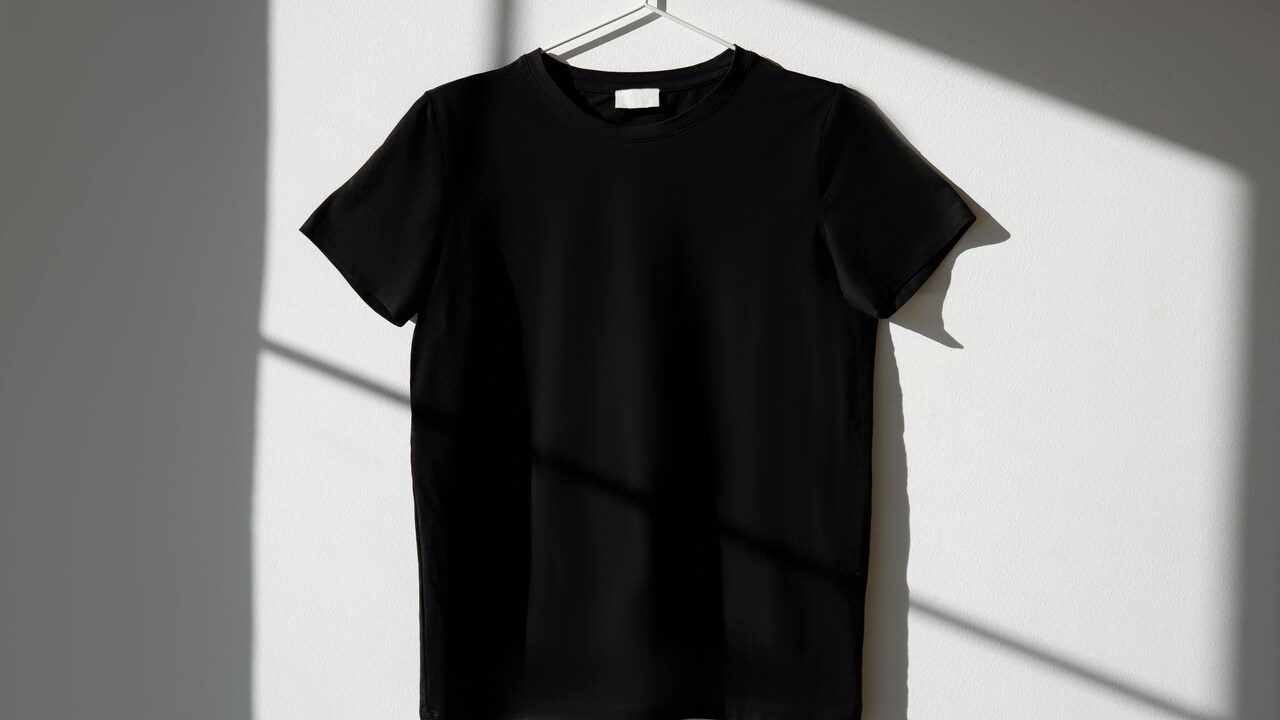
How To Choose A T-Shirt That Doesn't Twist After Washing
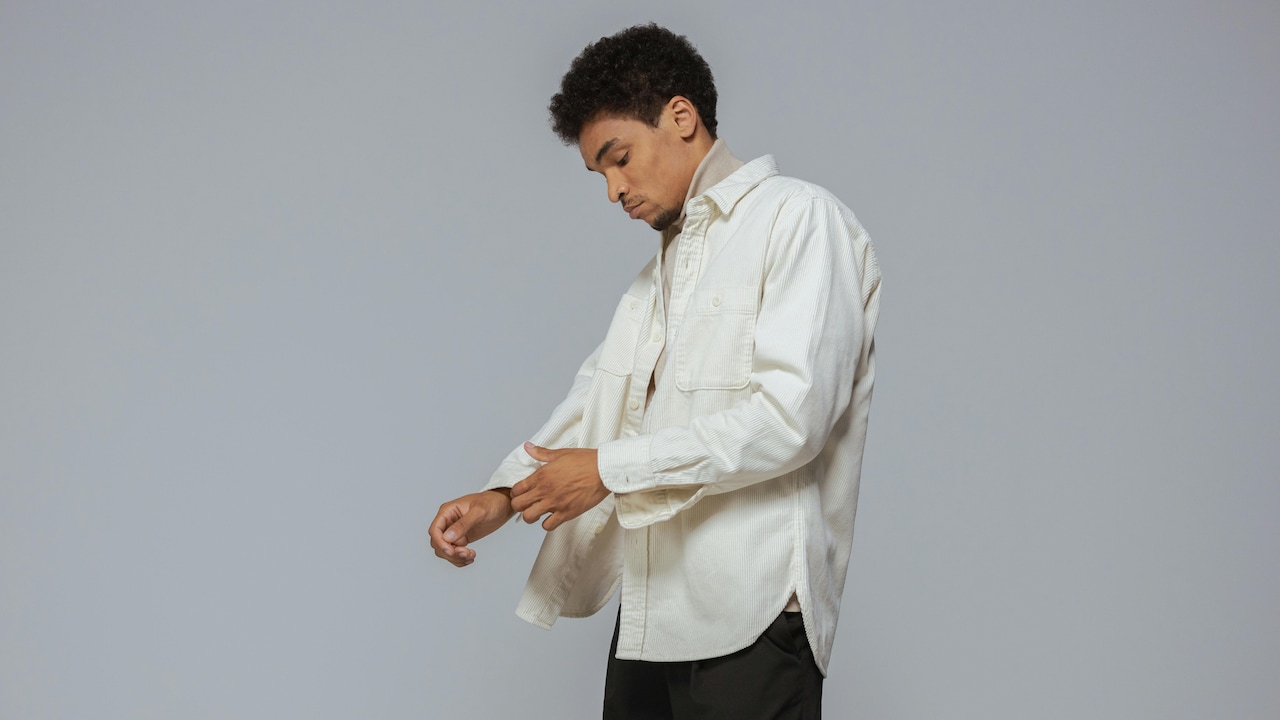
Photo Credit: Pexels
10 Fabric Choices That Prevent Twisting, Shrinking And Warping
1) Why T-Shirts Twist After Wash (and Why It's Not Your Fault)
T-shirt twisting often looks like the garment has rotated around your torso. The side seams stop sitting on your sides and start drifting towards the front. The hemline slants. The whole tee feels slightly off, even when the size remains the same. This usually comes down to torque in the yarn and imbalance in the knit.
Most T-shirts use single jersey knit. It is soft, breathable, and perfect for daily wear. But single jersey can also show distortion when the yarn carries too much twist. During production, yarn gets twisted to hold fibres together. If the twist remains unbalanced or the fabric does not get properly heat-set, the garment tries to “relax” after washing. That relaxation shows up as spiralling seams.
Low-cost tees often skip stabilising steps like proper compacting, enzyme treatment, or controlled finishing. That does not make them evil. It makes them vulnerable. Add hard water, aggressive spin cycles, and drying under direct sun, and the tee loses its straightness quickly. The result feels like the garment is gaslighting you: “No, no, the seams were always like this.”
The fix is not just gentler washing. It starts with choosing fabric blends and constructions that naturally resist twisting and recover their shape.
2) 100% Cotton: Soft, Classic, but Not Always Twist-Proof
Cotton is the default choice for T-shirts for a reason. It breathes well, feels comfortable in heat, and works for everything from office casual Fridays to roadside chai runs. But cotton also has a personality. It absorbs water easily, swells during washing, and then shrinks as it dries. That movement stresses the knit structure.
When cotton yarn is not well-balanced, twisting becomes more likely. Carded cotton, which uses shorter fibres, can produce fuzzier yarn with more uneven tension. Combed cotton uses longer fibres and removes impurities, making it smoother and stronger. That alone improves shape retention.
However, even high-quality cotton can twist if the fabric is not properly finished. Lightweight single jersey cotton tees are the biggest offenders. They feel airy and drapey, but they also distort faster. Heavier cotton, especially in a tighter knit, holds shape better but may feel warmer.
Cotton is not a bad choice. It just needs support. If the goal is a tee that stays straight wash after wash, pure cotton works best when it is combed, compacted, and made with balanced yarn. Otherwise, it may look charmingly lived-in… until it starts looking unintentionally crooked.
3) Cotton + Polyester: The Workhorse Blend That Keeps Its Act Together
If there's one blend that quietly solves the twisting problem for most people, it's cotton-polyester. This blend gets unfairly judged because polyester has a reputation for feeling “plastic” in cheap garments. But modern polyester, when used well, is not the villain. In fact, it is the stabiliser.
Polyester fibres resist shrinkage and hold their shape through repeated washing. When blended with cotton, polyester reduces the swelling-and-shrinking drama that cotton goes through. That means the knit structure stays more stable, and seams remain aligned.
A cotton-poly tee also dries faster, which is a big advantage in humid climates and during monsoon months when laundry takes forever. Less time damp means less stretching under the weight of water. That alone improves long-term shape retention.
The key is balance. A blend around 60/40 or 52/48 cotton/poly often feels like cotton but behaves more reliably. It keeps the tee from twisting, reduces pilling compared to low-grade cotton, and helps the fabric bounce back after wear.
For daily use tees that go through frequent washing, this blend is one of the smartest, most practical choices. It is the “no drama” friend of the wardrobe.
4) Cotton + Modal: Smooth, Drapey, and Surprisingly Stable
Modal is one of those fibres that feels luxurious without shouting about it. It comes from beechwood pulp and belongs to the rayon family, but it behaves differently from cheap viscose. Modal is softer, smoother, and stronger when wet, which matters a lot for laundry.
When blended with cotton, modal adds fluid drape and a silky feel. It also reduces the stiffness that some cotton tees develop over time. But the best part? Modal helps the fabric recover better after washing. It holds dye well, so colours stay richer, and it resists the “tired” look that cotton sometimes gets.
In terms of twisting, cotton-modal blends often perform better than pure cotton because modal fibres are more uniform. That uniformity helps yarns stay consistent, reducing uneven tension across the knit.
A cotton-modal tee is ideal for people who want comfort that feels premium without moving into delicate, high-maintenance territory. It suits everyday wear, travel, and even layering under shirts.
The only caution is that very lightweight cotton-modal tees can still distort if the knit is too loose. Choose medium-weight and a well-finished fabric, and the tee stays smooth, straight, and flattering for longer.
5) Cotton + Elastane: The Shape-Retention Cheat Code (When Used Lightly)
Elastane, also known as spandex, is not meant to dominate a T-shirt. It is meant to quietly do the hard work in the background. Even 3% to 5% elastane can transform how a tee behaves.
Cotton-elastane blends stretch with movement and then return to shape. That snap-back effect helps prevent sagging at the neck, elbows, and hem. It also reduces the chance of twisting because the fabric has more recovery and less permanent distortion.
This blend works brilliantly for fitted tees, ribbed styles, and pieces designed to look clean and structured. It is also a lifesaver for people who hate when a tee becomes baggy after a few wears. With elastane, the garment remembers its original shape better.
But there is a line. Too much elastane can make the tee feel clingy and warmer. It can also show sweat more easily in some colours. And if the fabric quality is poor, elastane can degrade faster in harsh heat and strong detergents.
For everyday use, a cotton tee with a small percentage of elastane is one of the best options for long-term shape retention, especially if the goal is a neat, polished look.
6) Tri-Blend (Cotton + Polyester + Rayon): The Softest Option That Still Behaves
Tri-blend T-shirts have a cult following for a reason. They feel incredibly soft, almost like the fabric has already been “broken in” for years. A typical tri-blend combines cotton for comfort, polyester for durability, and rayon for drape.
This blend often resists twisting better than pure cotton because polyester stabilises the structure. Rayon contributes softness and flow, which makes the tee flattering. It also reduces the stiff, boxy look that some tees develop after repeated washes.
The result is a T-shirt that feels light and breathable, which suits warm climates. It also packs well for travel and tends to wrinkle less than pure cotton.
However, tri-blends can vary wildly in quality. Cheap versions may pill quickly, especially if the polyester is low-grade. Rayon also requires decent finishing, or the fabric may stretch out if dried incorrectly.
A good tri-blend, though, is one of the most comfortable options for people who want softness without sacrificing stability. It is the T-shirt equivalent of a perfectly made butter chicken: rich, smooth, and satisfying, without falling apart halfway through.
7) Bamboo Blends: Cooling Comfort with Better Dimensional Stability
Bamboo fabric often gets marketed as a miracle. The truth is more nuanced. Most bamboo textiles are actually bamboo viscose or bamboo rayon, meaning the bamboo is processed into a regenerated cellulose fibre. That does not automatically make it bad. It just means it behaves like other rayon-type fibres.
Bamboo blends feel cool and smooth, which is a blessing in high heat. They also absorb moisture well, making them comfortable for long days. When blended with cotton or polyester, bamboo viscose can offer decent shape retention and reduced twisting, especially when the fabric has been properly finished.
The twist resistance comes from the uniform fibre structure and the way bamboo viscose drapes. It does not fight the knit as aggressively as some cotton yarns do. That reduces the stress points where twisting starts.
Still, bamboo blends can be delicate if they are too lightweight. They may stretch if hung dripping wet. They also dislike harsh detergents and very high heat drying.
For people who prioritise coolness and softness but still want a tee that stays aligned, bamboo-cotton or bamboo-poly blends can be a strong option. Just treat them like a good kurta: wear often, wash thoughtfully.
8) Interlock Knit and Double-Knit Fabrics: Structure That Refuses to Twist
Not all T-shirts are made equal, even when they use the same fibre blend. Knit structure matters as much as fibre content. A single jersey is common, but it is also the most prone to twisting. Interlock knit, on the other hand, is a double-knit construction that feels smoother and more stable.
Interlock fabric looks the same on both sides. It has a denser, more balanced structure, which naturally resists torque. That means fewer spiralling seams and better shape retention over time. Even a 100% cotton interlock tee tends to stay straighter than a 100% cotton single jersey tee.
Double-knit tees also feel more premium. They drape better, hold their form, and often resist pilling. The downside is that they can feel warmer, especially in peak summer, because the fabric is thicker.
If twisting drives you mad, choosing an interlock knit tee can solve the issue even without changing fibre blends. Pair interlock with cotton-poly or cotton-modal, and you get a tee that behaves like it has been trained in discipline.
This is one of those underrated wardrobe upgrades that feels small but changes everything.
9) Compact Cotton and Pre-Shrunk Finishes: The Hidden Labels That Matter
Fabric blends matter, but finishing processes often decide whether a T-shirt stays straight or turns into a twisty noodle. Compact cotton is a key term worth knowing. Compacting is a finishing process that reduces shrinkage and stabilises the fabric before it becomes a garment.
Pre-shrunk cotton is another helpful sign. It means the fabric has been treated to reduce shrinkage during home washing. That does not guarantee a tee will never shrink, but it reduces the drastic movement that causes twisting.
Enzyme washing can also improve fabric feel and reduce fuzz, which helps prevent pilling and uneven tension. Silicone finishing adds softness and reduces friction. All these processes influence how the fabric behaves over time.
Many people focus only on GSM (fabric weight). GSM matters, but it is not everything. A low-GSM tee can still be stable if it has been compacted and made with balanced yarn. A high-GSM tee can still twist if the yarn twist is poorly managed.
The trick is to look beyond the front label. When a brand mentions compact cotton, pre-shrunk fabric, or anti-twist construction, it often signals better control over the fabric's long-term behaviour.
In short: the boring words on the tag often matter more than the fancy branding on the chest.
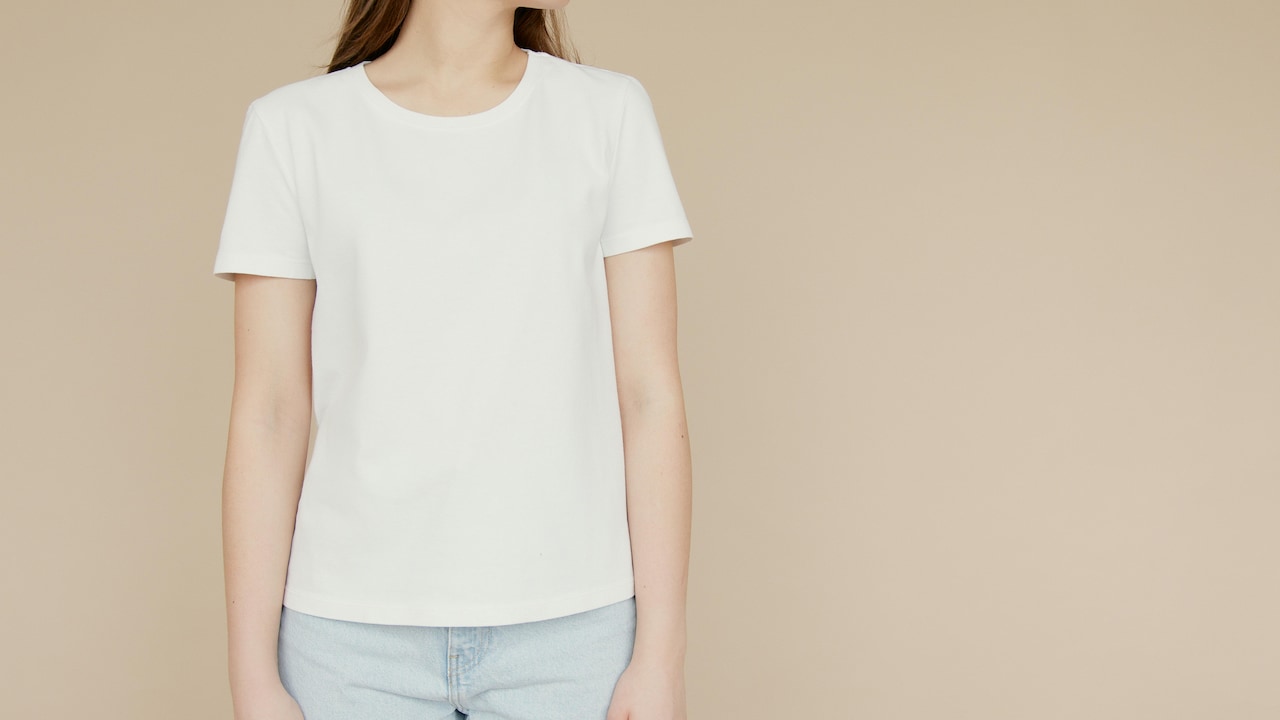
How To Choose A T-Shirt That Doesn't Twist After Washing; Photo Credit: Pexels
10) How to Wash T-Shirts So They Stay Straight (Without Babysitting Laundry)
Even the best fabric blend can suffer if laundry habits are rough. But the solution does not need to be complicated or time-consuming. Small changes make a big difference.
First, avoid overloading the washing machine. When tees get crushed and twisted during the cycle, seams get stressed. Second, use a mild detergent and skip excess powder. Too much detergent leaves residue that stiffens fabric and increases friction.
Washing in cold or cool water helps prevent shrinkage and fibre stress. Hot water is not evil, but it accelerates cotton shrinkage and elastane breakdown. If the tee has elastane, high heat is basically a slow betrayal.
Drying also matters. Hanging a dripping wet tee from the shoulders can stretch it. Instead, gently shake it out, align the seams, and dry it flat when possible. If drying on a line, fold it over the rope at the mid-body rather than clipping at the shoulders.
Ironing is optional, but a quick press can reset the shape of a tee, especially for cotton-modal and cotton-poly blends. Think of it as giving your tee a polite reminder of who it used to be.
With the right fabric blend and a few sensible habits, T-shirts stop twisting and start behaving like the dependable basics they were meant to be.
Products Related To This Article
1. Pepe Jeans Men Crew Neck Relaxed Fit Lounge Tshirt
2. Lux Cozi Polo Collar Lounge Tshirts
3. Parcel Yard Men Striped Polo Collar Pockets T-shirt
4. U.S. Polo Assn. Men Pure Cotton Comfort Fit Lounge T-Shirt
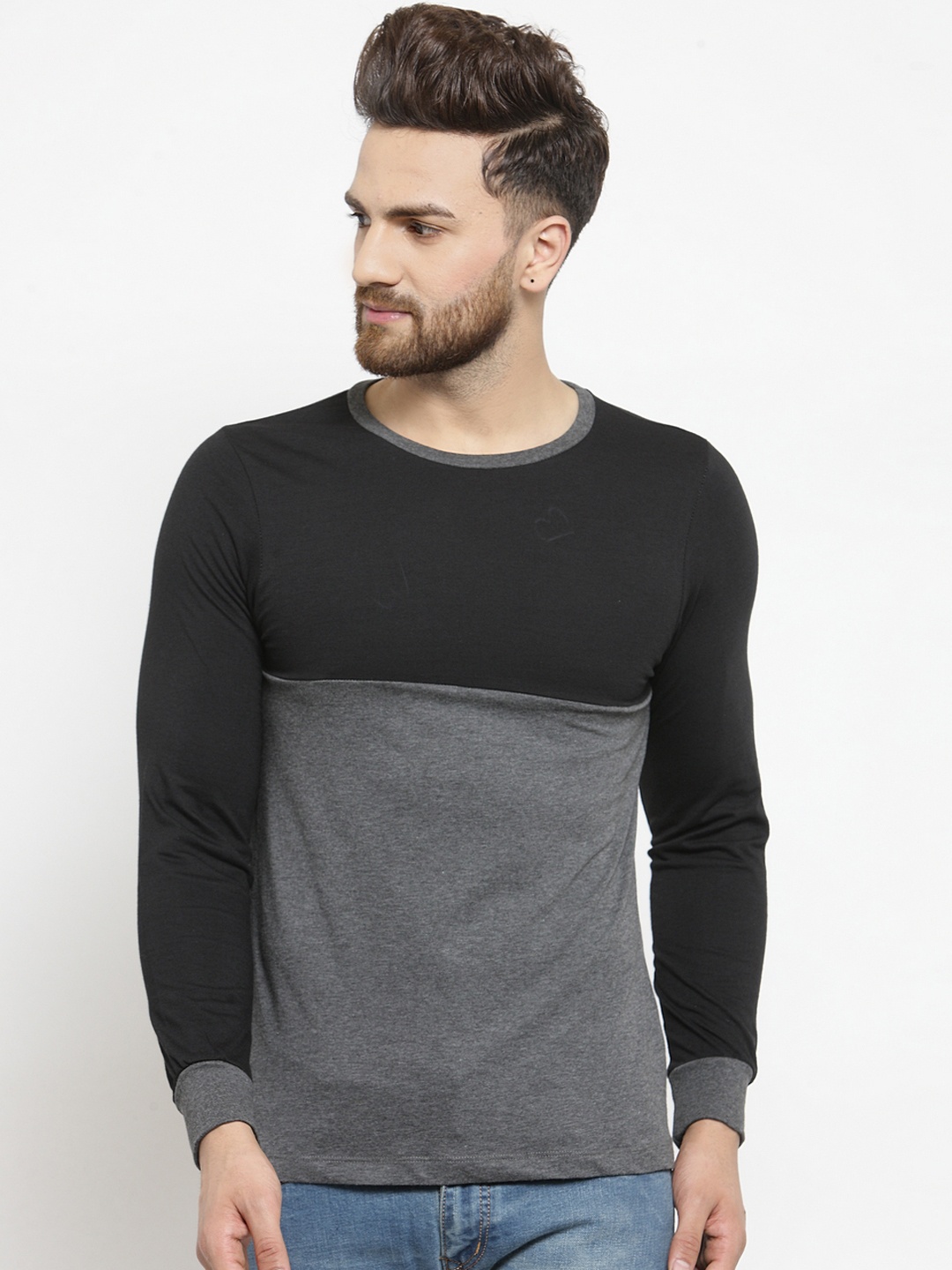
5. WROGN Men Pure Cotton Solid Round Neck Slim Fit T-shirt
A T-shirt that twists after washing feels like a tiny everyday disappointment. It is not dramatic, but it is persistent. It turns a simple outfit into something slightly awkward, like wearing a collar that refuses to sit straight.
The good news is that twisting is not mysterious. It is a predictable result of yarn torque, unstable knits, and fabrics that shrink unevenly. Once the cause is understood, the fix becomes surprisingly straightforward: choose blends that stabilise the structure and look for knits and finishes that support long-term shape retention.
Cotton-poly is the most reliable all-rounder. Cotton-modal adds softness with stability. Cotton-elastane offers clean shape recovery. Tri-blends balance comfort and durability. Interlock knits bring structure that resists twisting even before blends enter the picture. And compact, pre-shrunk finishes quietly do the heavy lifting.
The next time a tee stays perfectly straight after wash number ten, it feels like a small win. And in a world full of bigger problems, a T-shirt that behaves is honestly a joy.
(Disclaimer: This article may include references to or features of products and services made available through affiliate marketing campaigns. NDTV Convergence Limited (“NDTV”) strives to maintain editorial independence while participating in such campaigns. NDTV does not assume responsibility for the performance or claims of any featured products or services.)