Casual Shoes For Wide Feet: Learn To Spot A Narrow Toe Box When Shopping Online
Wide feet and online shoe shopping don't mix, unless you know what to look for. Learn how to spot a narrow toe box using photos, descriptions and reviews, so your next casual shoe buy actually feels comfortable. Find the right casual shoes for wide feet using these 10 simple tips.
Wide Feet Shopping Guide: Spot 10 Clear Signs Your Online Shoes Have a Narrow Toe Box.
Online shoe shopping feels like a blessing until the box arrives and reality hits. The shoes look great, the colour matches perfectly, but the toes feel trapped like rush-hour commuters in a local train. For people with wide feet, this scenario feels all too familiar. The main culprit often hides in plain sight: a narrow toe box.
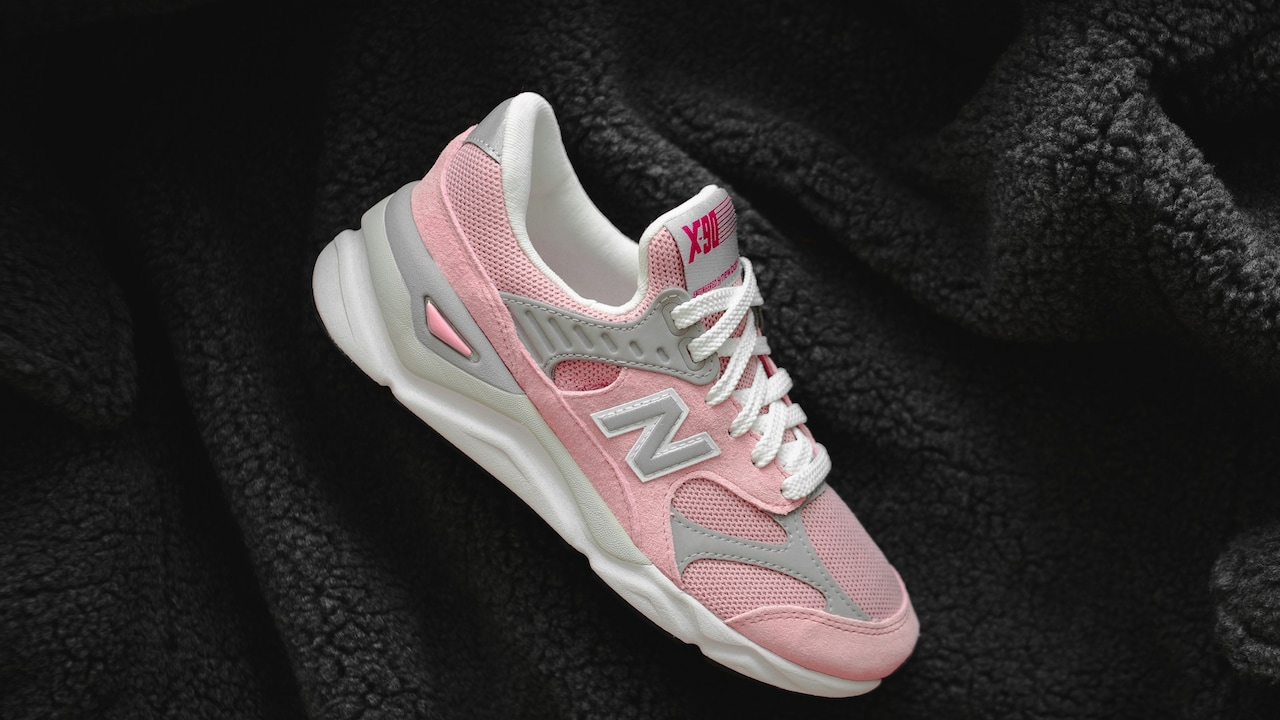
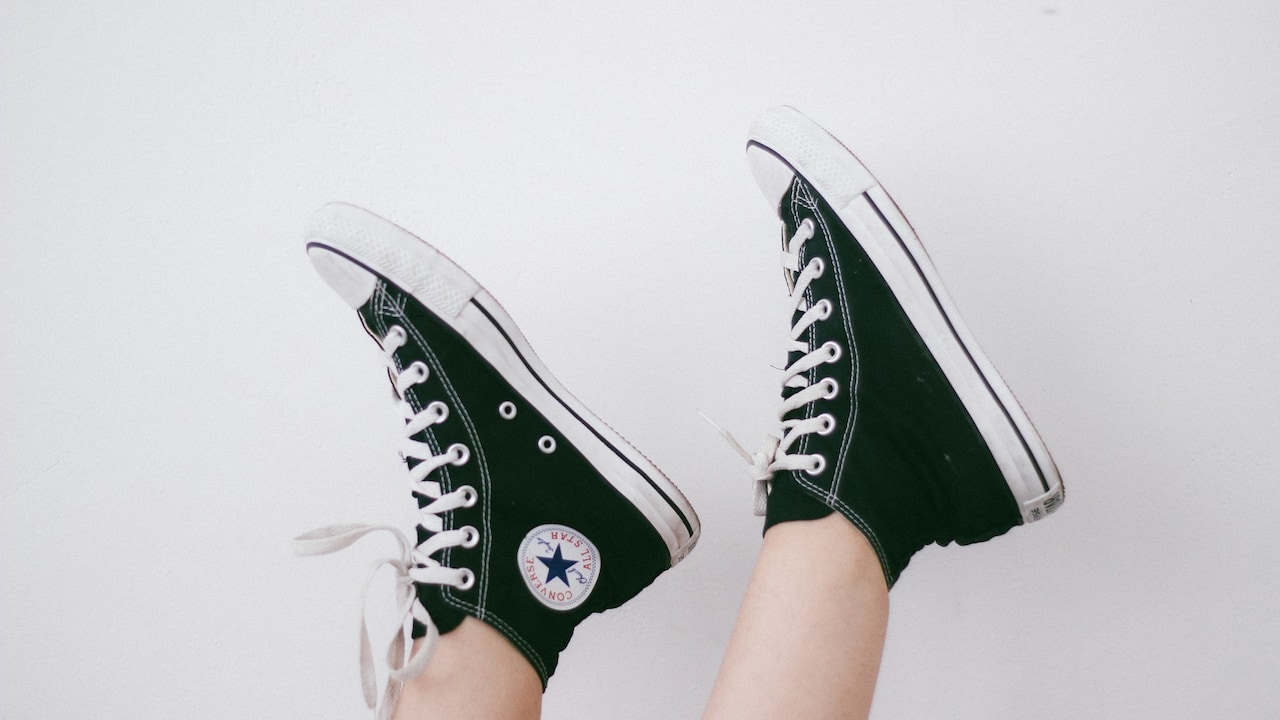
Try these tips to buy casual shoes for wide feet and enjoy style with a comfortable fit; Photo Credit: Unsplash
Most casual shoes are designed with average foot shapes in mind. Wide feet rarely get a proper invitation to the design table. The result? Pinched toes, rubbed skin, and shoes that end up gathering dust. Shopping online makes this trickier, since there's no chance to try before buying.
Learning to spot a narrow toe box online saves money, time, and foot health. This article dives into practical ways to identify warning signs, understand product descriptions, and shop smarter. No medical jargon, no fancy footwear lectures. Just clear, friendly guidance rooted in everyday experience.
Also Read: Comfort Meets Function: A Complete Guide To 7 Daily Wear Footwear Styles For Women
10 Easy Ways to Spot a Narrow Toe Box Before You Buy
1. Why the Toe Box Matters More Than Shoe Size
Many shoppers believe the size number solves everything. Sadly, that's only half the story. The toe box shapes how toes spread, rest, and move through the day. A narrow toe box squeezes toes together, even when the shoe length feels correct.
Wide feet need space at the front, especially during long walks, office hours, or weekend errands. Feet swell slightly by evening, making narrow toe boxes feel even tighter. This often leads to blisters, corns, or a quiet vow to never wear that pair again.
Casual shoes should feel forgiving, not restrictive. Trainers, loafers, and slip-ons often hide narrow fronts behind flexible uppers. The material stretches a little, but the toes still lack proper room. Paying attention to toe box width ensures comfort lasts beyond the first wear.
2. Understanding Common Toe Box Shapes Online
Toe boxes usually fall into three shapes: pointed, almond, and round. Pointed toes almost always signal trouble for wide feet. They may look sleek on screen, but style comes at the cost of comfort.
Almond-shaped toes offer slightly more room but still taper inward. These work only if the brand already runs wide. Round toe boxes provide the safest bet. They allow toes to spread naturally and reduce pressure points.
Product images often exaggerate slimness for style appeal. A shoe photographed from the side may hide how narrow the front really is. Looking at top-down images reveals far more. If toes appear squeezed even on a model foot, that's a clear warning sign.
3. Decoding Product Descriptions Like a Pro
Product descriptions drop subtle clues if read carefully. Words like 'sleek', 'streamlined', or 'sharp silhouette' often hint at narrow designs. These shoes prioritise looks over foot space.
On the flip side, phrases such as 'roomy fit', 'rounded front', or 'all-day comfort' suggest a more forgiving toe box. Mentions of 'wide fit' help, but many brands skip this label altogether.
Material descriptions matter too. Stiff materials like faux leather or coated synthetics stretch very little. Soft mesh, knit fabrics, or premium leather adapt better to foot shape. Still, material alone cannot fix a narrow toe box. Shape always comes first.
4. The Power of Customer Reviews and Photos
Reviews act like honest neighbourhood advice. Shoppers often mention tight toes even when they love everything else about the shoe. Phrases like 'snug at the front' or 'fine after sizing up' translate to narrow toe box warnings.
Photo reviews help even more. Real feet tell real stories. Wide feet spill over narrow soles quite visibly. A shoe that looks comfortable on multiple foot shapes usually offers decent toe space.
Ignoring reviews saves time but costs comfort. Spending five extra minutes scrolling can prevent spending ₹3,000 on regret. Patterns matter. One complaint could be personal. Ten similar comments reveal a design issue.
5. Sole Shape and Footprint Clues
The sole shape offers strong hints about toe box width. Shoes with tapered soles almost always mean tapered toe boxes. A wide, rounded sole suggests better front space.
Zooming into product images helps. Look at where the sole curves inward. If it narrows sharply near the toes, comfort takes a back seat. Flat, broad soles support wide feet far better.
Casual shoes meant for daily wear should balance flexibility and width. Thin soles paired with narrow fronts often create pressure points. A slightly wider footprint improves stability and reduces toe crowding during long walks or standing hours.
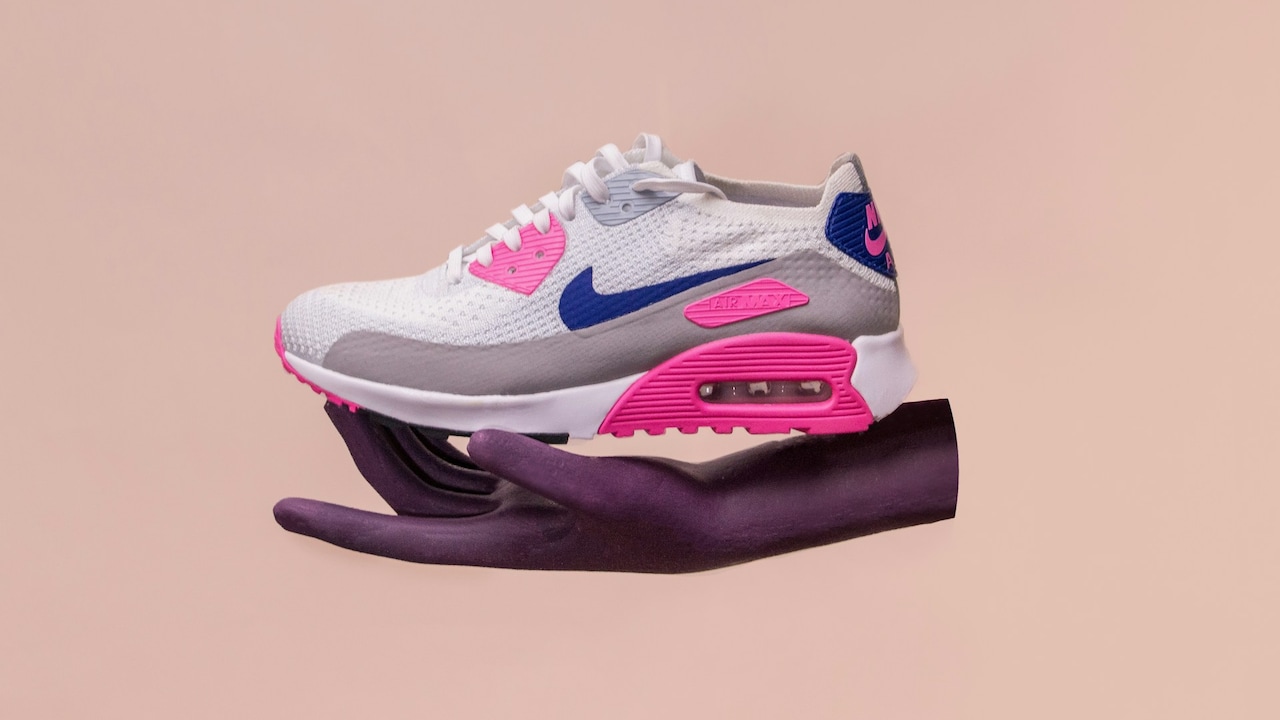
Always consider the sole shape and product reviews when shopping for casual shoes online; Photo Credit: Unsplash
6. Why Sizing Up Rarely Solves the Problem
Many wide-footed shoppers size up, hoping for relief. Sadly, this rarely works. Extra length does not equal extra width. Toes still feel cramped, just with extra space at the tip.
Sizing up can cause heel slippage, awkward walking, and faster wear. Shoes bend at the wrong point, leading to discomfort across the foot. It becomes a trade-off nobody wins.
A proper toe box width supports natural foot movement. Shoes should match foot shape, not force feet to adapt. Choosing brands known for generous fits beats playing guessing games with sizes.
7. Casual Shoe Styles That Often Run Narrow
Some styles carry a higher risk for wide feet. Minimalist trainers, fashion-forward loafers, and slim slip-ons often prioritise aesthetics. Their clean lines come from narrow designs.
Canvas shoes with flat fronts sometimes hide tight toe boxes under flexible fabric. Ballet-style flats and moccasins also tend to squeeze toes unless specifically designed wide.
Chunkier trainers, casual walking shoes, and relaxed loafers usually offer more room. Styles aimed at comfort-focused wearers understand real-world foot shapes better. Trendy doesn't always mean practical, especially for everyday wear.
8. Materials That Make or Break Comfort
Material choice influences how forgiving a shoe feels. Soft leather adapts gradually to foot shape. Knit uppers stretch with movement, offering relief for wide toes.
Hard synthetics trap feet in their original mould. Even after weeks, they resist stretching. Combined with narrow toe boxes, they create constant pressure.
Breathable materials reduce swelling during hot days, which helps wide feet stay comfortable. Shoes that heat up internally feel tighter by evening. Comfort depends on both space and airflow, especially during long days out.
9. Measuring Feet at Home for Smarter Choices
Feet change over time. Weight shifts, age, and daily habits affect width. Measuring feet at home helps reset expectations. A simple paper outline shows true width better than old size memories.
Measuring both feet matters. One foot often runs wider. Shoes should fit the larger foot comfortably. Choosing based on the smaller foot invites discomfort.
Checking measurements before shopping online creates a reference point. Comparing foot width against sole width in product images gives clearer insight. This small step saves repeated returns and unnecessary spending.
10. Smart Online Shopping Habits for Wide Feet
Successful online shopping relies on patterns, not impulse. Sticking with brands that fit well reduces risk. Once a comfortable model appears, noting its shape helps future choices.
Return policies matter. Flexible returns provide peace of mind. Trying shoes indoors on clean floors ensures easy returns if needed.
Patience pays off. Rushing sales often leads to compromises. Spending ₹4,000 on the right pair beats spending ₹2,000 twice on discomfort. Comfort builds confidence, posture, and daily mood. Feet carry the body through every plan, errand, and celebration.
Products Related To This Article
1. Red Tape Boldstep Women Sneakers
2. ASIAN Men Colourblocked Round Toe Mid-Top Sneakers
3. Froh Feet Women Loafers
4. Puma Women Robbin Sneakers
5. Skechers Women SUMMITS Sneakers
6. AMIFAA Men Sneakers
7. Metro Men Textured Leather Espadrilles Shoes With Buckles
Wide feet deserve comfort without compromise. Spotting a narrow toe box online takes practice, but it becomes second nature with the right approach. Understanding shapes, reading reviews, and trusting visual clues turn online shopping into a smoother experience.
Casual shoes should support daily life, not interrupt it with pain. With mindful choices, wide-footed shoppers can enjoy style, comfort, and durability together. The next unboxing should bring relief, not regret.
(Disclaimer: This article may include references to or features of products and services made available through affiliate marketing campaigns. NDTV Convergence Limited (“NDTV”) strives to maintain editorial independence while participating in such campaigns. NDTV does not assume responsibility for the performance or claims of any featured products or services.)