Your Wardrobe Has 30% Dead Clothes: This Is How To Identify And Fix It
About 30% of your wardrobe goes unworn. Learn how to spot these “dead clothes”, clear the clutter, and build a wardrobe that actually works for your everyday life, without guilt or overwhelm.

30% Of Your Wardrobe Is Dead Clothes: How To Identify And Fix It
Open any wardrobe on a rushed weekday morning and a familiar scene unfolds. Hangers crammed tight, shelves spilling over, yet somehow, nothing feels right to wear. It's not a lack of options; it's the illusion of abundance. Hidden within that crowded space lies a surprising truth, nearly 30% of those clothes have already retired from active duty.
These pieces linger for different reasons. Some hold emotional value, like that kurta worn at a cousin's wedding. Others wait for a “someday” that never arrives, those jeans that will fit again, that blazer saved for a formal event that keeps getting postponed. Over time, these clothes stop serving a purpose but continue occupying space, both physically and mentally.
This isn't just about decluttering. It's about reclaiming clarity, reducing daily decision fatigue, and building a wardrobe that genuinely works. The idea of “dead clothes” may sound harsh, but recognising them can feel oddly liberating. Think of it as editing a story, removing what no longer adds value so what remains can shine.
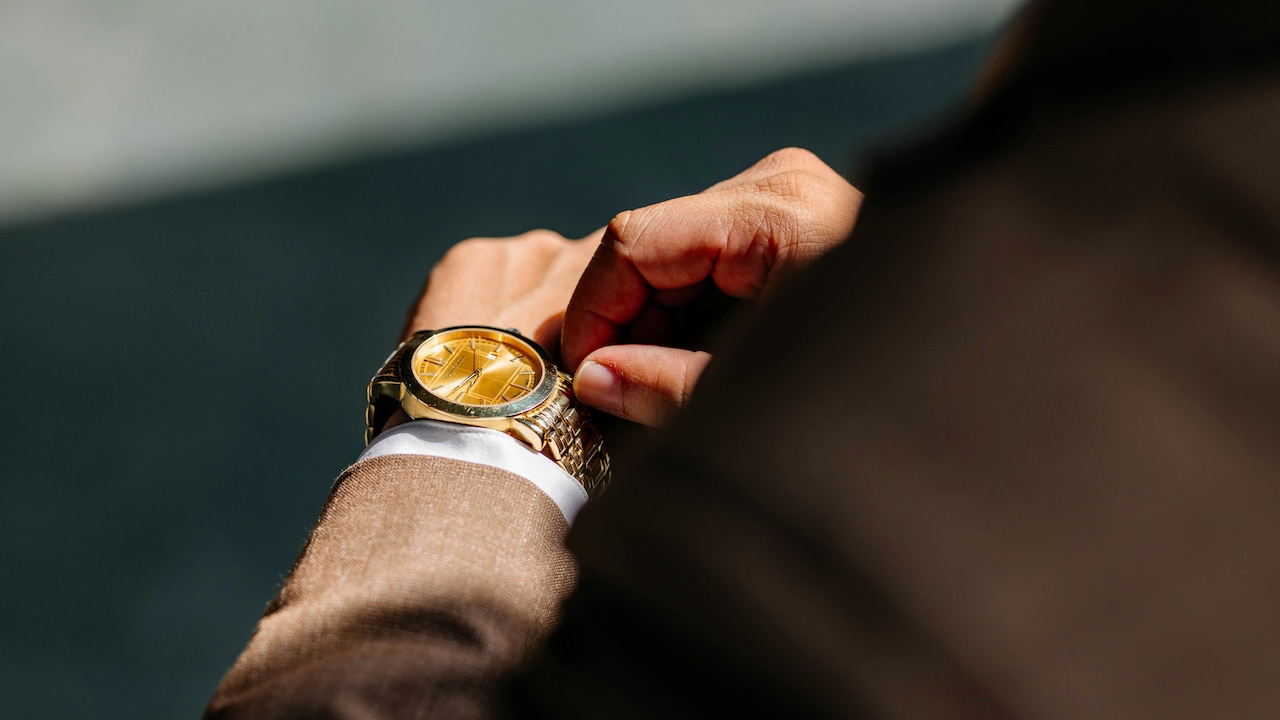
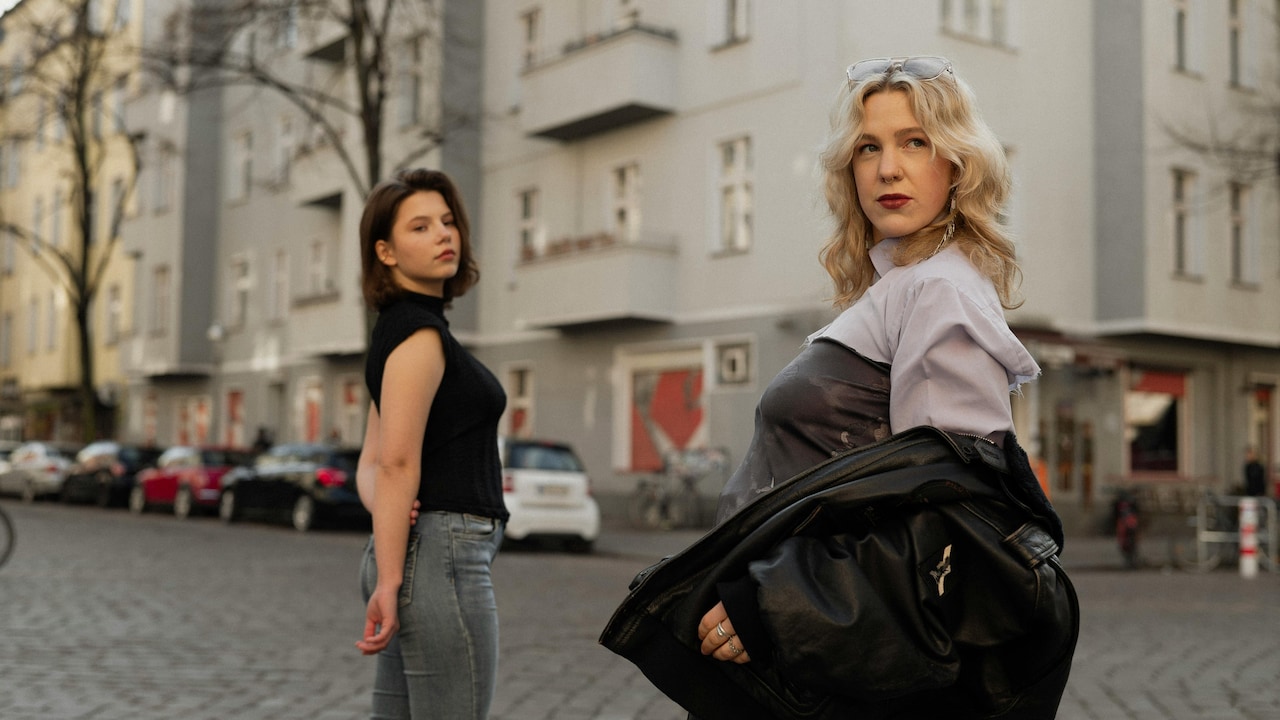
30% Of Your Wardrobe Is Dead Clothes: How To Identify And Fix It; Photo Credit: Pexels
How To Identify And Fix Dead Clothes In Your Wardrobe
Understanding What Dead Clothes Really Are
Dead clothes are not necessarily old, torn, or unfashionable. They are pieces that no longer align with current life, style, or comfort. A crisp shirt bought during a phase of office meetings may now sit untouched in a remote-work lifestyle. A bright party dress might feel out of place after tastes shift towards simpler silhouettes.
The tricky part lies in recognising them. They blend in with functional clothes, creating visual noise. Often, they carry emotional weight, making it harder to let go. That ₹2,500 dress bought during a festive sale may feel like an investment worth preserving, even if it hasn't been worn in two years.
Understanding dead clothes requires honesty. It's less about judging the clothes and more about assessing their role today. A wardrobe should reflect present needs, not past identities. Once this distinction becomes clear, the process of identifying what stays and what goes becomes far less overwhelming.
The “Last Worn” Test That Never Lies
Memory can be unreliable when it comes to clothing habits. A top may feel recently worn, yet a closer look reveals months of neglect. The “last worn” test cuts through this confusion with simplicity. Ask one question, when was this last worn?
If the answer stretches beyond six months, or even a year, the garment likely belongs to the dead zone. Exceptions exist for seasonal wear, but even then, relevance matters. A heavy jacket untouched for multiple winters signals disconnection rather than necessity.
This test works because it relies on behaviour, not intention. Many pieces remain in wardrobes due to imagined future use. However, patterns tell a clearer story. If something hasn't been chosen repeatedly, it likely doesn't resonate anymore.
The beauty of this method lies in its practicality. It avoids overthinking and focuses on real usage. Over time, applying this lens sharpens decision-making, helping curate a wardrobe that aligns with everyday life rather than occasional fantasies.
Also Read: Monsoon-Friendly Western Outfits Every Woman Needs Right Now
Emotional Attachments: The Silent Space Killers
Some clothes carry memories more than utility. A saree gifted during a milestone, a college hoodie, or an outfit linked to a cherished moment, these pieces often resist decluttering efforts. Letting them go can feel like erasing a part of personal history.
However, memories do not reside in fabric alone. Keeping every sentimental piece creates clutter that dilutes their significance. Instead of honouring memories, it traps them in overcrowded spaces.
A thoughtful approach can help. Select a few meaningful items and store them separately as keepsakes. This preserves emotional value without burdening the daily wardrobe. For instance, a wedding outfit may hold deep significance, but it doesn't need to compete with everyday wear for space.
Acknowledging emotional attachment without letting it dominate decisions creates balance. It allows space for new experiences while respecting the past. Clothes should support life, not anchor it in nostalgia.
The “Someday” Trap And Why It Fails
Almost every wardrobe contains a “someday” section. Clothes waiting for weight changes, special occasions, or a sudden shift in lifestyle. These pieces often come with silent expectations, adding subtle pressure rather than comfort.
The idea of someday feels hopeful, but it rarely translates into action. Those jeans that will fit after a fitness phase often remain untouched. The elaborate outfit saved for a grand event gathers dust as simpler choices take precedence.
Holding onto these clothes can create unnecessary guilt. Each glance becomes a reminder of unfulfilled plans. Instead of motivation, they generate stress.
A more practical approach involves setting realistic boundaries. If a piece hasn't been worn in over a year due to “someday,” it may be time to let it go. Alternatively, keep a small, clearly defined section for such items, ensuring they don't dominate the wardrobe.
Letting go of the someday mindset opens up space for what works now. It shifts focus from imagined futures to present comfort and confidence.
Fit And Comfort: The Non-Negotiable Factors
Clothes that pinch, pull, or require constant adjustment rarely see consistent use. Yet, many wardrobes hold onto them, hoping they will become comfortable over time. The truth is simple, comfort dictates frequency.
A well-fitted kurta or pair of trousers naturally becomes a go-to choice. In contrast, ill-fitting pieces stay hidden behind more reliable options. Over time, they transition into dead clothes without notice.
Comfort goes beyond size. Fabric, cut, and ease of movement all play a role. A shirt that looks stylish but feels restrictive often loses out to something more breathable and forgiving.
Reassessing clothes through the lens of comfort can transform wardrobe choices. If something doesn't feel good to wear today, chances are it won't tomorrow. Prioritising comfort doesn't mean compromising on style; it means choosing pieces that support both.
This shift simplifies decisions and ensures that every item earns its place through regular use.

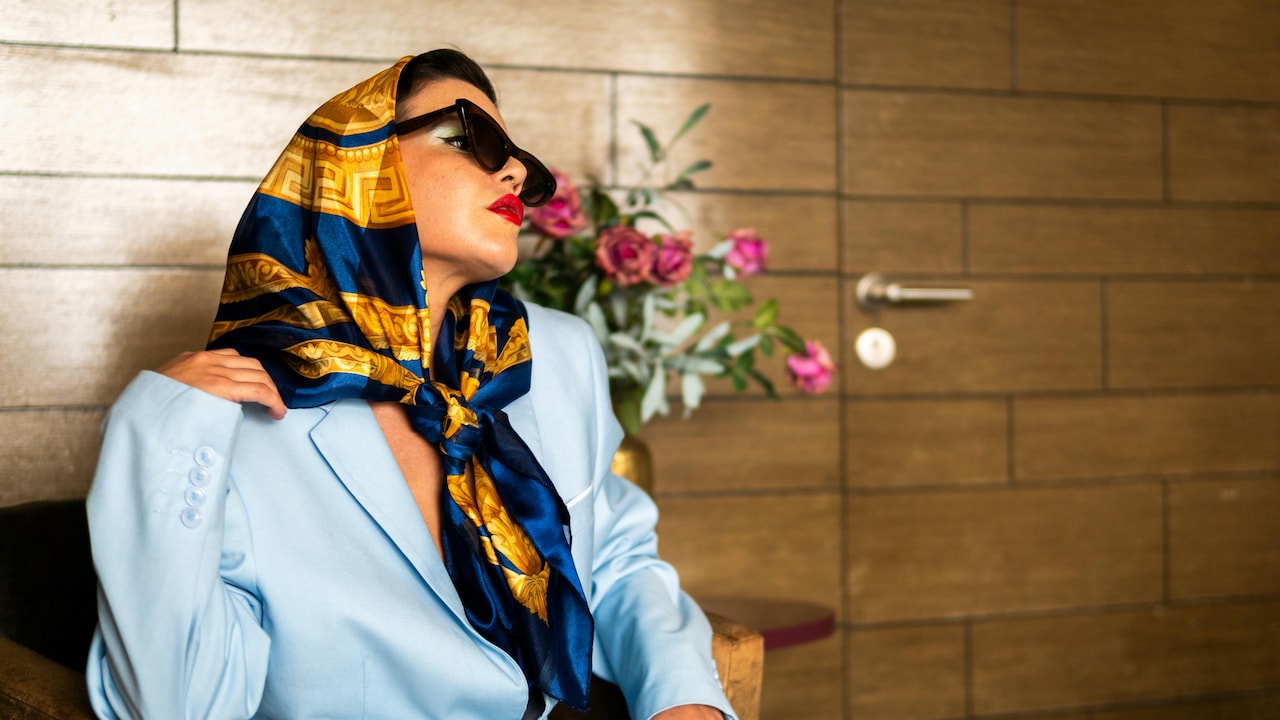
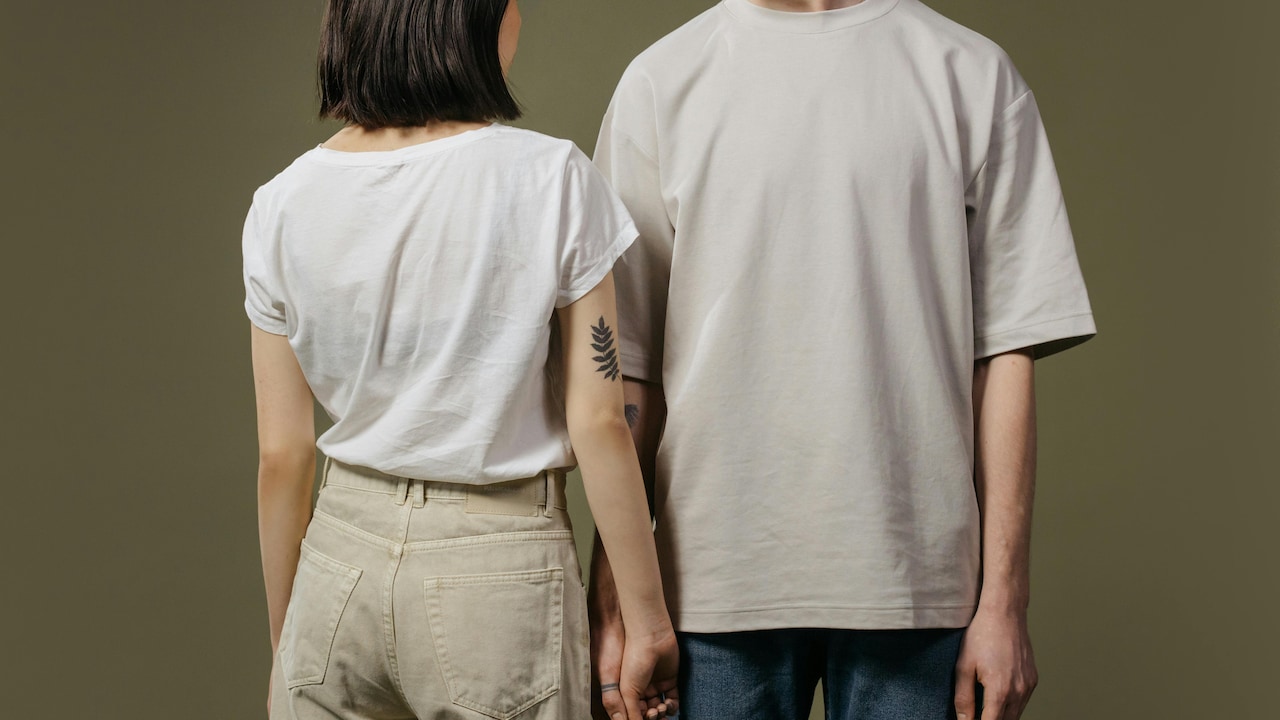
30% Of Your Wardrobe Is Dead Clothes: How to Identify and Fix It; Photo Credit: Pexels
Style Evolution: When Taste Moves On
Personal style evolves quietly. What felt exciting five years ago may now seem outdated or mismatched with current preferences. Yet, wardrobes often hold onto these older versions of self, creating a disconnect.
A once-loved graphic tee may no longer align with a preference for minimal designs. Bright, experimental outfits may give way to calmer, neutral tones. These changes reflect growth, not loss.
Holding onto outdated styles can clutter visual space and confuse outfit choices. It creates a mix of identities rather than a cohesive wardrobe.
Recognising style evolution allows for intentional curation. It doesn't require discarding everything old but encourages alignment with present taste. A few timeless pieces may still fit seamlessly, while others may need to go.
This process sharpens personal expression. Instead of a crowded collection, the wardrobe becomes a reflection of who one is today, not who one used to be.
Quality Check: When Clothes Have Truly Expired
Not all clothes deserve a second chance. Some have simply reached the end of their lifecycle. Faded colours, stretched fabrics, or worn-out seams signal that a garment has done its job.
These pieces often linger out of habit. A favourite T-shirt may stay long after it loses shape because it feels familiar. However, wearing worn-out clothes can affect overall appearance and confidence.
A periodic quality check helps identify these items. Look for signs of wear that cannot be fixed. Minor issues like loose buttons are repairable, but extensive damage often isn't worth the effort.
Replacing worn-out essentials with fresh alternatives doesn't mean overspending. Even setting aside ₹1,000–₹2,000 occasionally for wardrobe updates can make a noticeable difference.
Letting go of expired clothes creates room for better-quality pieces that elevate everyday dressing. It's not about excess but about maintaining standards that support both comfort and presentation.
The Duplicate Dilemma: Too Much Of The Same
Sales and convenience often lead to duplicates. Multiple black T-shirts, similar blue shirts, or identical jeans fill wardrobes quickly. While having favourites makes sense, excess repetition can limit variety.
Duplicates become dead clothes when only a few get regular use. The rest remain untouched, serving no real purpose. This often happens when purchases happen without assessing existing items.
A simple exercise can help: group similar items and identify favourites. The ones consistently chosen deserve their spot. Others may be redundant.
Reducing duplicates doesn't mean eliminating preferences. It means refining them. Keeping two or three well-loved versions instead of five similar ones creates balance.
This approach frees up space and introduces diversity. It allows room for experimenting with new styles while retaining trusted favourites. A wardrobe should feel dynamic, not repetitive.
Fixing The Problem Without Overwhelm
Decluttering can feel daunting, especially when faced with a packed wardrobe. The key lies in starting small. Instead of tackling everything at once, focus on one section, perhaps shirts or trousers.
Set a manageable goal, like reviewing ten items at a time. This reduces decision fatigue and builds momentum. Gradually, the process becomes easier and even enjoyable.
Creating categories helps streamline decisions. Keep, donate, repair, or repurpose; each item finds a clear path. This prevents second-guessing and speeds up the process.
It's also helpful to revisit the wardrobe after a few weeks. Sometimes, initial decisions may feel uncertain, but clarity improves with time.
The aim isn't perfection but progress. Even reducing dead clothes by 10–15% can create noticeable relief. Over time, consistent small efforts lead to a well-curated wardrobe that feels both functional and satisfying.
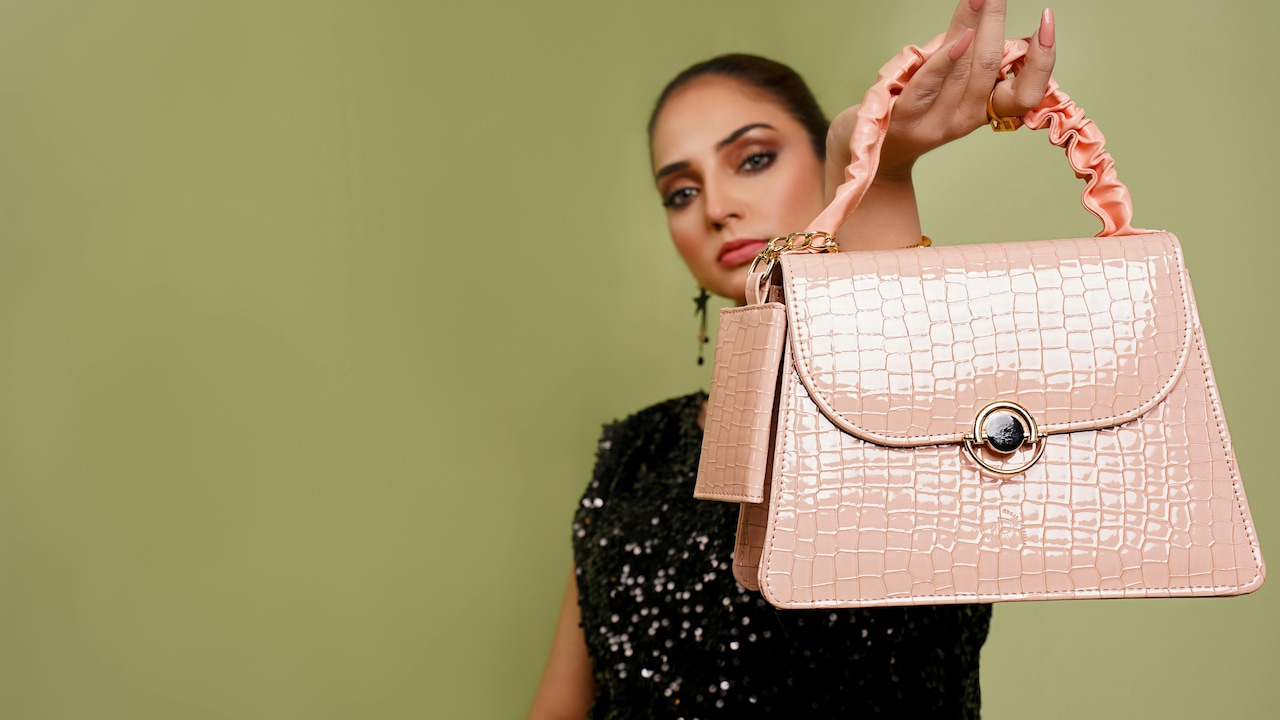
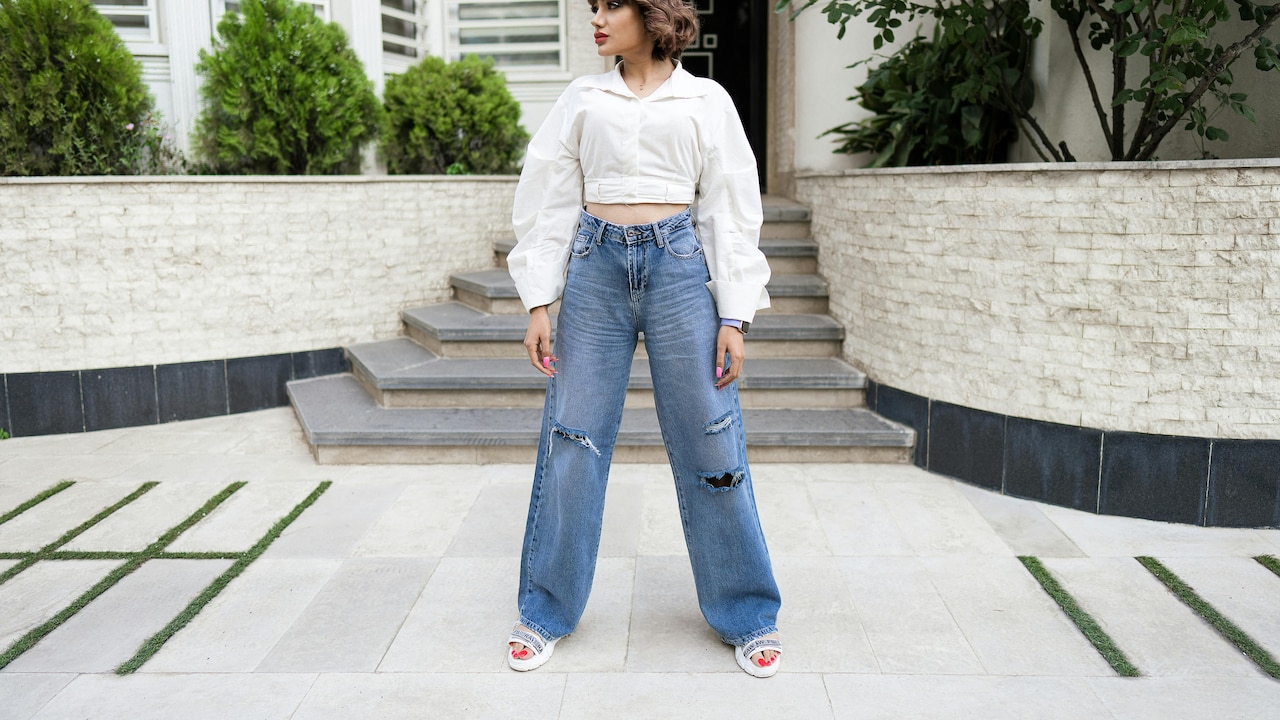
30% Of Your Wardrobe Is Dead Clothes: How To Identify And Fix It; Photo Credit: Pexels
Giving Clothes A Second Life
Letting go doesn't mean waste. Clothes that no longer serve one person can still be valuable to someone else. Donating usable garments can make a meaningful difference, especially when done thoughtfully.
Local donation drives, community groups, or organisations often accept clothes in good condition. Ensuring they are clean and wearable shows respect for the next user.
Repurposing offers another creative option. Old T-shirts can become home wear, cleaning cloths, or even DIY projects. A slightly outdated kurta can be altered into a fresh design with minor tailoring.
Selling gently used clothes through online platforms can also recover some value. Even earning ₹500–₹1,000 per piece can feel rewarding while freeing up space.
These alternatives transform decluttering into a positive experience. Instead of loss, it becomes an opportunity to contribute, create, and circulate value.
Building A Wardrobe That Stays Alive
Once dead clothes are cleared, the focus shifts to maintaining a functional wardrobe. Mindful buying plays a crucial role. Before purchasing, consider versatility, comfort, and frequency of use.
Impulse buying often leads to future clutter. Pausing to evaluate whether a piece fits existing style and needs can prevent unnecessary additions.
Adopting a “one in, one out” approach can also help maintain balance. For every new item, consider removing one that no longer serves a purpose.
Regular mini-checks keep the wardrobe in shape. A quick review every few months ensures that dead clothes don't accumulate again.
A well-maintained wardrobe doesn't need to be large. It needs to be intentional. When every piece earns its place, getting dressed becomes easier, quicker, and more enjoyable.
Products Related To This Article
1. Sangria Women Lightweight Open Front Shrug
2. Rumour Clothing Men Printed Hooded Sweatshirt
3. Marks & Spencer Flared Jeggings
4. Silver Moon Clothing Men Printed T-shirt
5. CLOTHING VEDA Mandarin Collar Roll-Up Sleeves Kurta
6. Roadster Striped Oversized Casual Shirt
7. GAP Brand Logo Applique Detail Hooded Sweatshirt
A wardrobe filled with dead clothes doesn't just take up space; it creates friction in daily life. Decisions become harder, mornings feel rushed, and the sense of having “nothing to wear” persists despite abundance.
Recognising and addressing this hidden clutter offers more than just physical space. It brings clarity, confidence, and ease. Each item left behind serves a purpose, making the wardrobe feel lighter and more aligned with present needs.
The process doesn't require drastic changes or perfection. Small, consistent steps can transform how clothes are viewed and used. Over time, the wardrobe evolves into a space that supports rather than complicates.
In the end, it's not about having more clothes. It's about having the right ones, pieces that feel good, fit well, and reflect who one is today.
(Disclaimer: This article may include references to or features of products and services made available through affiliate marketing campaigns. NDTV Convergence Limited (“NDTV”) strives to maintain editorial independence while participating in such campaigns. NDTV does not assume responsibility for the performance or claims of any featured products or services.)