Scarves In Indian Weather: Practical Or Just Aesthetic?
Scarves are everywhere, but are they truly useful in changing weather, or just a style choice? This piece explores how scarves balance comfort, protection, and fashion in everyday life.
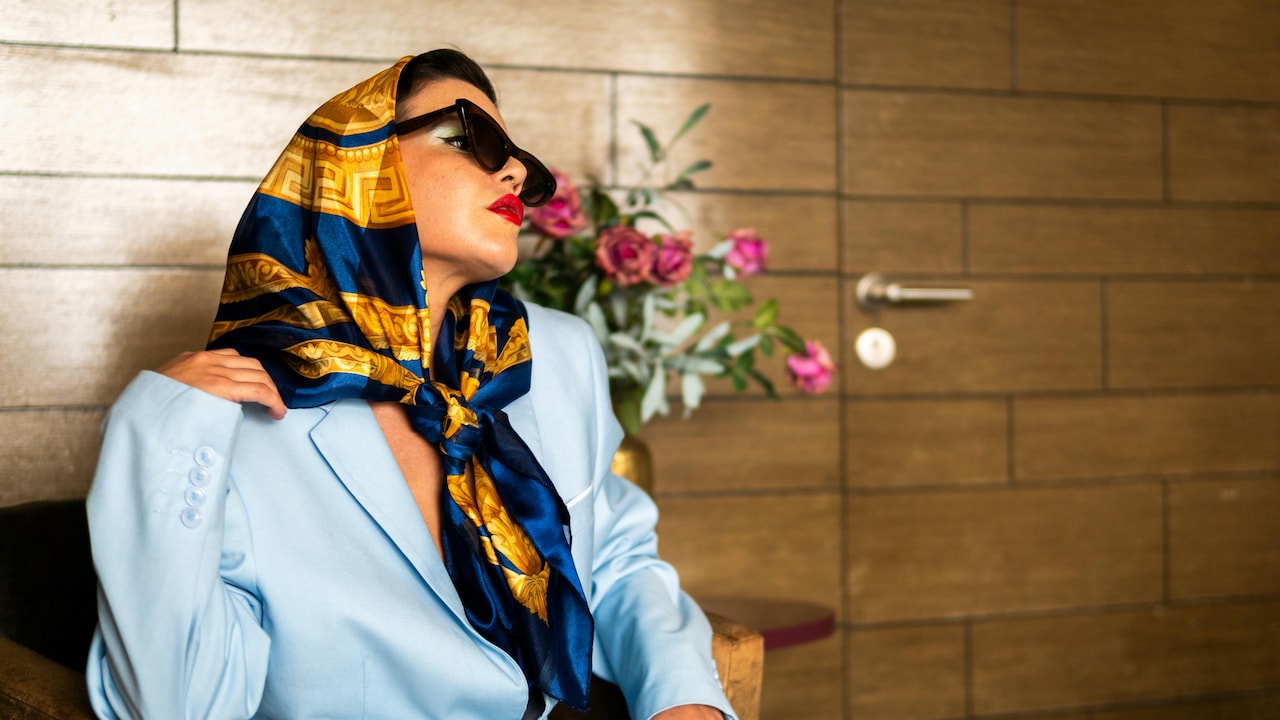
Are Scarves Practical In Changing Weather Or Just A Style Trend?
Step out on any given morning, and the sight feels familiar. A student loops a soft cotton scarf around the neck while waiting for a bus. A biker wraps a long dupatta across the face to shield against dust. A corporate professional pairs a silk scarf with a crisp shirt, adding just the right hint of flair. Scarves appear everywhere, slipping effortlessly into daily routines.
Yet, a lingering question remains. Are scarves truly practical in this varied climate, or do they lean more towards aesthetic indulgence?
Weather across the subcontinent refuses to stick to one script. Summers scorch, monsoons drench, and winters, though mild in some regions, bite sharply in others. In such a setting, clothing often serves multiple roles. Comfort matters, but so does adaptability. Scarves, with their lightweight nature and versatility, seem to sit right at this intersection.
Still, the answer is not as simple as yes or no. The story of scarves unfolds through habits, geography, and even emotion. It touches on tradition, modern fashion, and the everyday juggle between looking good and feeling comfortable.
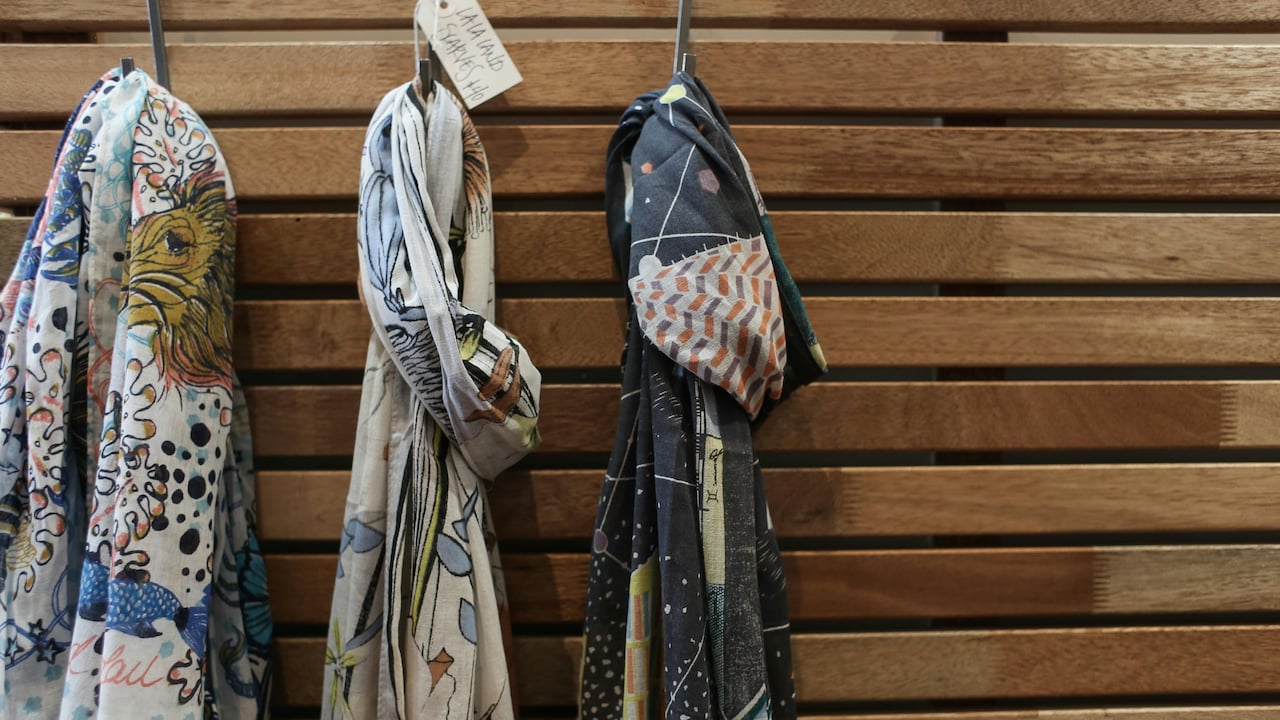
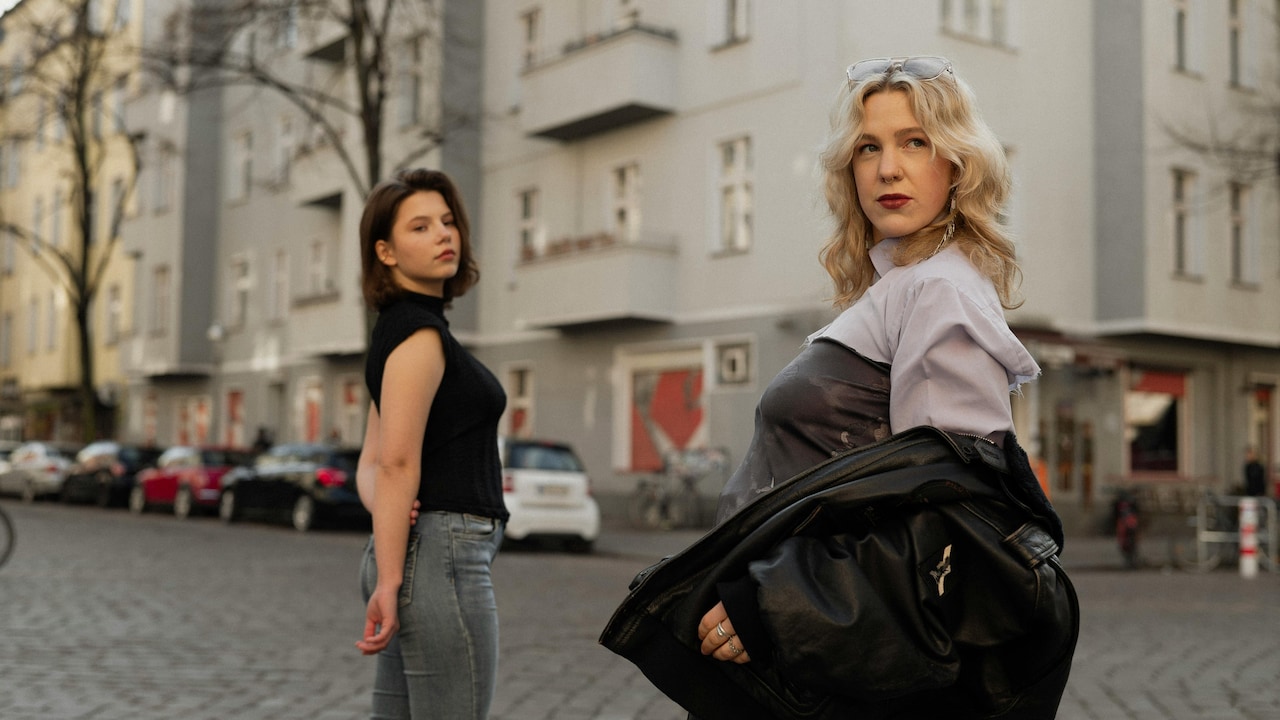
Are Scarves Practical In Changing Weather Or Just A Style Trend?; Photo Credit: Pexels
Breaking Down The Purpose Of Scarves Across Seasons
The Summer Shield: More Than Just A Style Statement
Summer heat does not hold back. Streets shimmer, and stepping out without protection often feels like a challenge. In this scenario, scarves quietly prove their worth. Lightweight cotton scarves act as a barrier against harsh sunlight, especially for those commuting on two-wheelers or walking long distances.
Many wrap them around the face and neck, leaving only the eyes visible. It may look dramatic, but the purpose remains simple: to avoid sunburn and reduce exposure to dust. The fabric absorbs sweat and prevents that uncomfortable sticky feeling that clings to the skin throughout the day.
At the same time, scarves add a subtle layer of personal style. Bright prints, soft pastels, or even quirky patterns bring life to otherwise simple outfits. A plain kurta or T-shirt suddenly feels more put-together with a well-chosen scarf.
So, while fashion plays a role, practicality dominates during summer. Scarves become less about aesthetics and more about survival, just with a touch of flair.
Monsoon Moments: A Tricky Relationship With Fabric
Rain changes everything. Roads turn unpredictable, humidity rises, and clothing choices demand careful thought. Scarves, in this season, occupy a slightly confusing space.
On one hand, they offer protection. A light scarf can shield hair from sudden drizzles or help wipe away raindrops. It also adds warmth when the breeze turns unexpectedly cool after a downpour. On the other hand, wet fabric quickly becomes uncomfortable.
Nobody enjoys a damp scarf clinging to the neck, especially when the air already feels heavy. Synthetic blends sometimes solve this problem, as they dry faster than cotton. Yet, they may not feel as breathable.
Despite these challenges, scarves continue to appear during monsoon days. Perhaps habit plays a part. Or maybe the accessory feels too essential to abandon entirely. The trick lies in choosing the right material and knowing when to let practicality take precedence over style.
Also Read: How To Wear A Scarf: 7 Trendy Styling Ideas For Every Occasion
Winter Layers: Subtle Warmth Without Bulk
Winters across different regions vary widely. In some places, the chill remains gentle. In others, early mornings and late nights demand extra layers. Scarves step in as a perfect middle ground.
Unlike heavy jackets, scarves offer warmth without adding bulk. A soft woollen scarf can make a noticeable difference, especially during those breezy evening walks or early commutes. It wraps easily around the neck, trapping warmth and keeping the cold at bay.
At the same time, scarves allow for easy adjustment. If the day warms up, one can simply loosen or remove the scarf without disrupting the entire outfit. This flexibility makes them incredibly practical.
Colour choices also come into play. Deep tones, earthy shades, and textured fabrics often dominate winter wardrobes. A scarf ties everything together, both literally and visually. In this season, practicality and aesthetics walk hand in hand.
The Dust Factor: Urban Living And Everyday Protection
City life brings its own set of challenges. Dust, pollution, and traffic create an environment where protection becomes necessary. Scarves, in this context, act almost like a shield.
Many use them to cover the face while travelling, especially on crowded roads. It helps reduce exposure to pollutants and keeps the skin from direct contact with grime. For those with sensitive skin or respiratory concerns, this small step can make a noticeable difference.
Interestingly, this use of scarves often prioritises function over appearance. Yet, over time, even this practical habit has developed its own style language. Coordinated colours, neat wraps, and clever tying techniques turn necessity into something visually appealing.
Scarves, therefore, become part of urban armour, simple, effective, and surprisingly stylish.

Are Scarves Practical In Changing Weather Or Just A Style Trend?; Photo Credit: Pexels
A Cultural Echo: Scarves Beyond Modern Trends
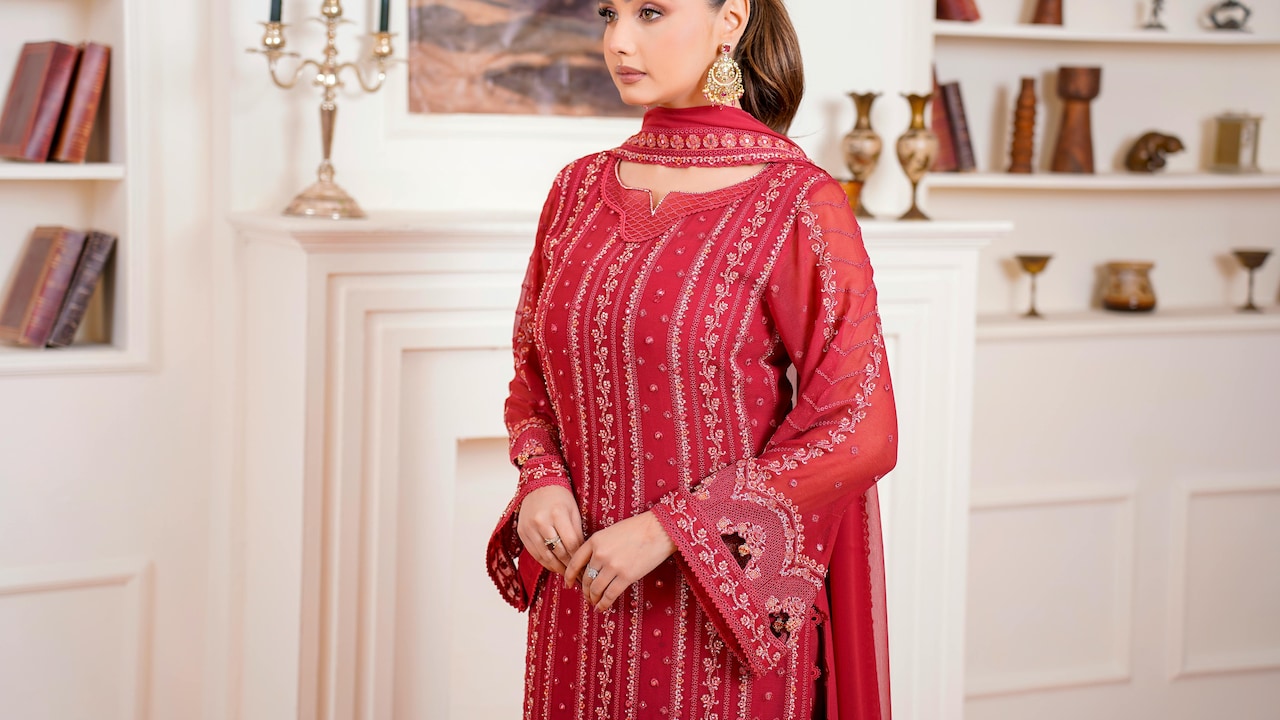
Scarves are not a recent addition to wardrobes. They carry a long cultural history, woven into everyday life across generations. Dupattas, odhnis, and stoles have always held significance, both functional and symbolic.
Traditionally, they served multiple purposes, modesty, protection, and even identity. Different regions showcased unique fabrics, embroidery styles, and draping techniques. These garments told stories without uttering a single word.
Today, while fashion evolves rapidly, echoes of these traditions remain. A scarf may now pair with jeans instead of a traditional outfit, yet its essence stays intact. It continues to offer comfort and expression.
This blend of old and new adds depth to the debate. Scarves are not merely accessories; they carry meaning shaped over time. That alone makes them far more than just aesthetic choices.
The Office Look: Polished Yet Effortless
Workwear often leans towards minimalism. Clean lines, neutral colours, and understated elegance dominate professional spaces. In such settings, scarves emerge as a quiet hero.
A well-chosen scarf can elevate a simple outfit without appearing overdone. It adds texture and interest while maintaining a polished look. Silk scarves, in particular, lend a refined touch that works well in formal environments.
Beyond appearance, scarves also serve a practical role in air-conditioned offices. The sudden shift from outdoor heat to indoor chill can feel uncomfortable. A scarf provides just enough warmth to bridge that gap.
It is this balance that makes scarves appealing in professional settings. They enhance style without compromising comfort, proving that practicality and aesthetics can coexist seamlessly.
Travel Companion: Light, Versatile, And Reliable
Travel often demands smart packing. Every item needs to justify its place in the bag. Scarves, with their versatility, easily earn that spot.
A single scarf can serve multiple purposes. It acts as a light blanket during long journeys, a head cover when needed, or even a makeshift pillow. It also adds an extra layer when temperatures drop unexpectedly.
Beyond function, scarves help refresh outfits without requiring additional clothing. Changing the way a scarf is styled can create a completely different look, which comes in handy during trips.
This adaptability makes scarves a favourite among frequent travellers. They offer comfort, convenience, and style, all in one compact piece of fabric.
Fashion Influence: Trends That Keep Evolving
Fashion never stands still. Trends shift, styles change, and accessories adapt accordingly. Scarves, however, manage to stay relevant through it all.
From oversized statement pieces to delicate neck scarves, the variety keeps expanding. Influencers and designers continuously experiment with new ways to style them, making scarves feel fresh and exciting.
Interestingly, even as trends evolve, the core appeal remains unchanged. Scarves continue to offer a blend of comfort and expression. They allow individuals to personalise their look without making drastic changes.
This ability to adapt ensures that scarves never fade into obscurity. They remain a staple, constantly reinventing themselves to suit changing tastes.
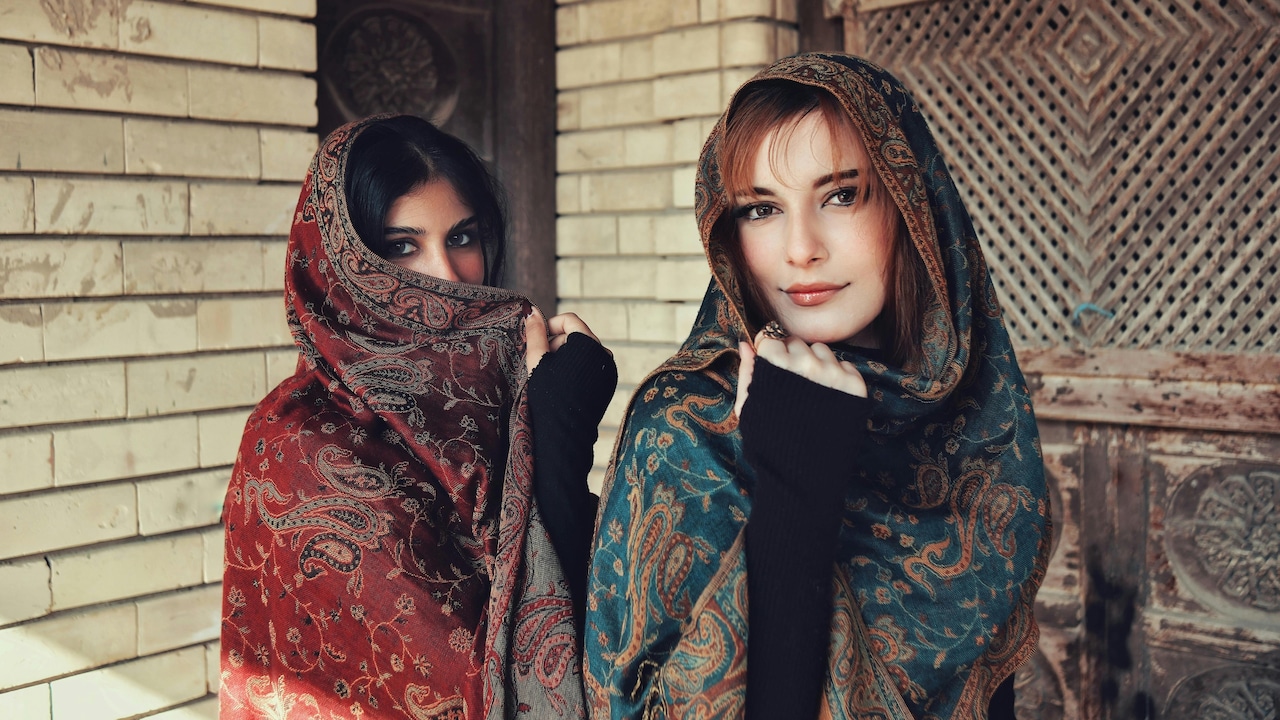
Are Scarves Practical In Changing Weather Or Just A Style Trend?; Photo Credit: Pexels
Personal Expression: A Reflection Of Mood And Identity
Clothing often reflects personality, and scarves provide a unique canvas for expression. The choice of fabric, colour, and style can reveal subtle details about one's mood or preferences.
A bright, printed scarf may signal a cheerful outlook, while a muted tone suggests calm and simplicity. Some prefer bold patterns, while others lean towards understated elegance. Each choice tells a story.
Scarves also allow experimentation without commitment. Trying a new style feels less intimidating when it involves an accessory rather than an entire outfit. This flexibility encourages creativity.
In this sense, scarves go beyond practicality. They become tools for self-expression, adding depth and individuality to everyday dressing.
The Comfort Factor: Small Detail, Big Impact
Sometimes, the simplest things make the biggest difference. A scarf may seem like a small addition, yet it can significantly impact comfort throughout the day.
It protects against sudden weather changes, offers warmth when needed, and even provides a sense of familiarity. Wrapping a scarf around the neck often feels reassuring, almost like carrying a piece of comfort along.
This emotional aspect often goes unnoticed. People may reach for a scarf out of habit, without consciously thinking about why. Yet, that habit speaks volumes about its importance.
Comfort, after all, remains a key factor in clothing choices. Scarves deliver that comfort quietly, without demanding attention.
Products Related To This Article
1. POSHAMPAA Printed Chiffon Women Multicolor Scarf, Stole, Fancy Scarf
2. Furuux Enterprise Printed Rayon Girls Brown Scarf, Fancy Scarf
3. Fashage Printed Polycotton Women Multicolor Scarf
4. mss FASHION Printed Chiffon Women Multicolor Scarf, Stole, Fancy Scarf
5. Furuux Enterprise Printed Pure Cotton Women Multicolor Fancy Scarf
So, are scarves practical or merely aesthetic? The answer refuses to settle on one side.
They shield against sun and dust, provide warmth in cooler weather, and adapt to changing conditions with ease. At the same time, they enhance style, reflect personality, and carry cultural significance.
Perhaps the real charm of scarves lies in this duality. They do not force a choice between function and fashion. Instead, they embrace both, offering a seamless blend of practicality and beauty.
In a land where weather shifts quickly and lifestyles remain dynamic, such versatility feels invaluable. Scarves may appear simple, but their role runs deeper than it seems.
And maybe that is why they continue to stay, quietly relevant, endlessly adaptable, and always just within reach.
(Disclaimer: This article may include references to or features of products and services made available through affiliate marketing campaigns. NDTV Convergence Limited (“NDTV”) strives to maintain editorial independence while participating in such campaigns. NDTV does not assume responsibility for the performance or claims of any featured products or services.)