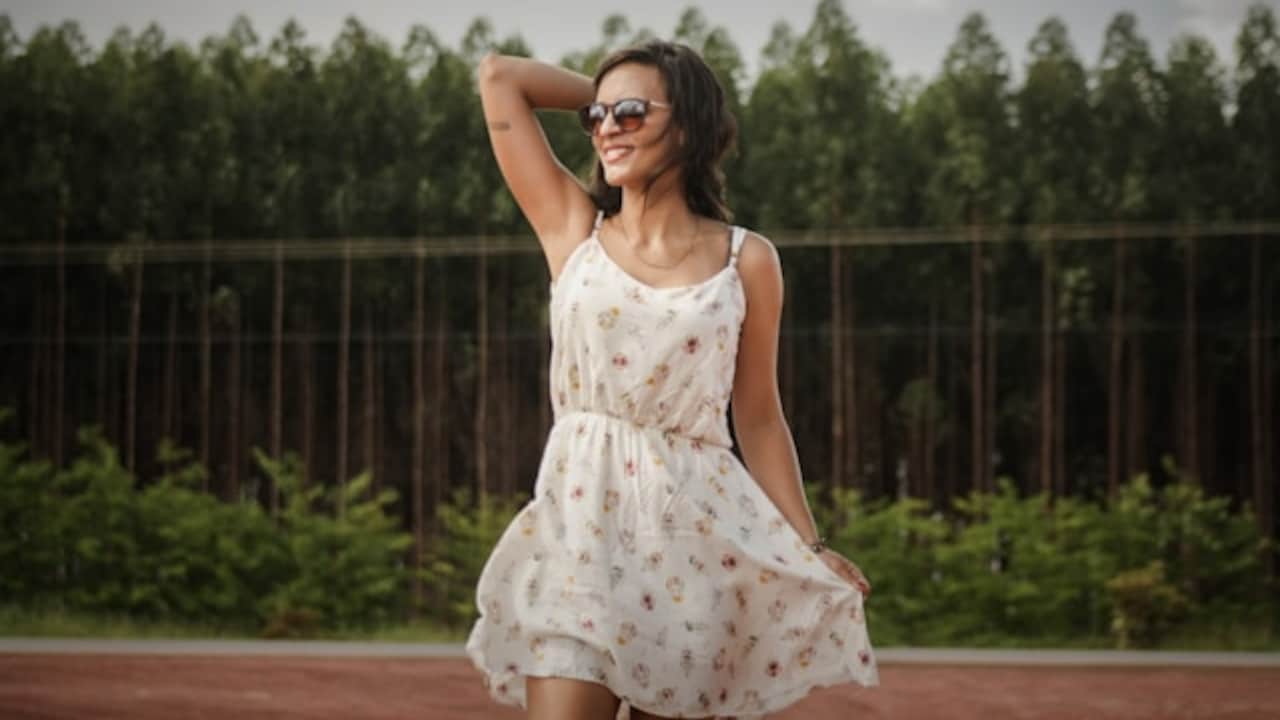
Why Do Some Outfits Look Expensive Even When They Are Not?
Some outfits look expensive without costing much. The secret lies in fit, fabric, colours, and styling choices, not price. Here’s how small details create a polished, premium look on any budget.
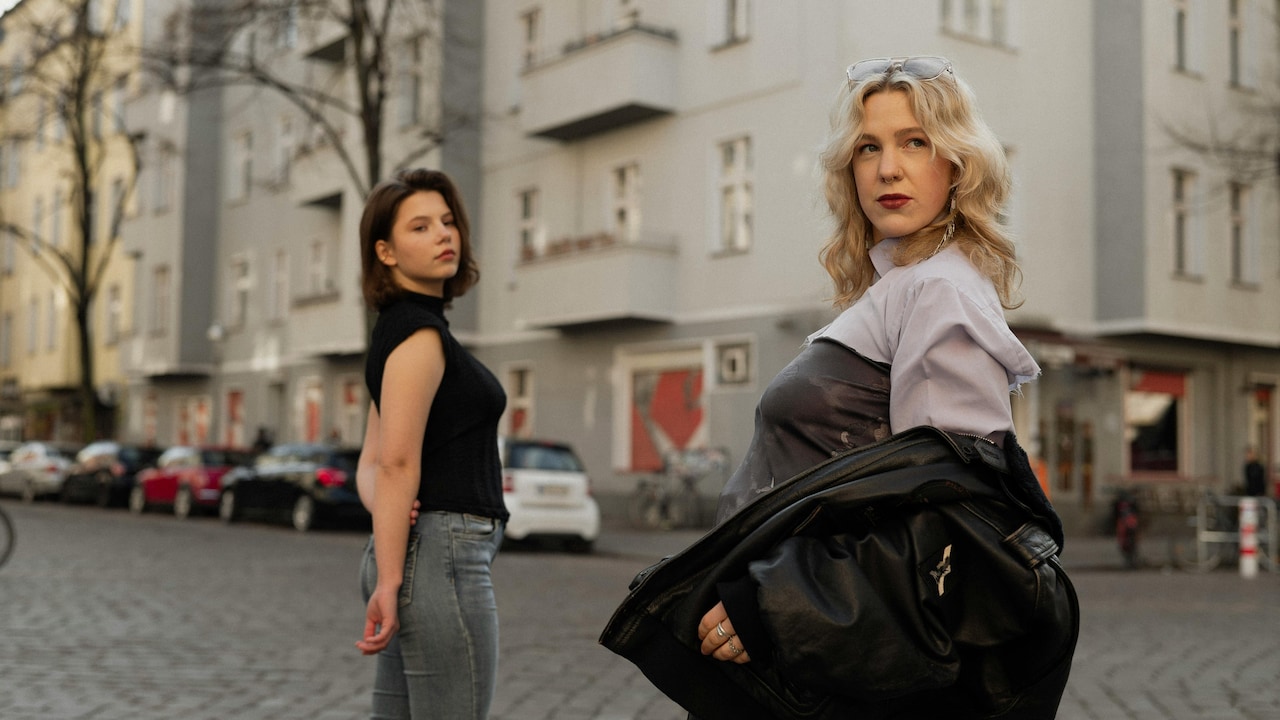
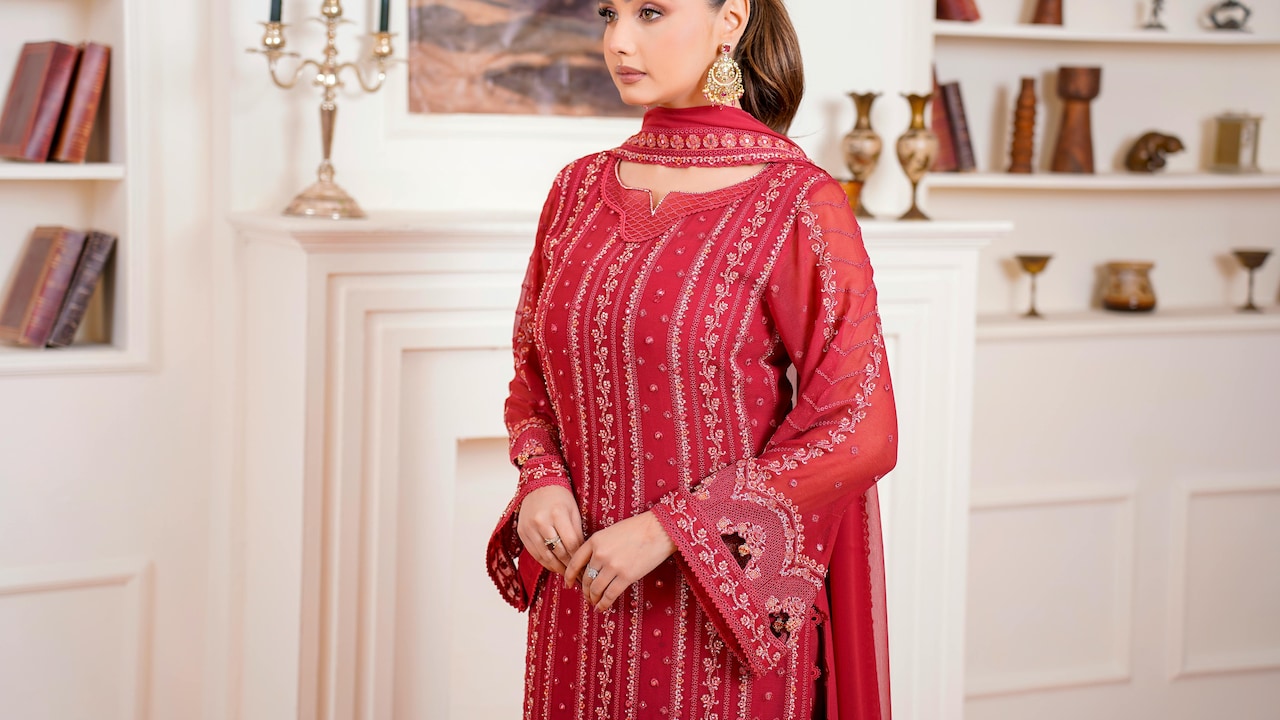
Make any outfit look expensive with these simple fashion tips
A crisp kurta that looks straight out of a designer studio but costs less than a weekend dinner. A simple black dress that draws compliments at every gathering. It happens more often than expected. Some outfits carry an air of quiet luxury without demanding a hefty price.
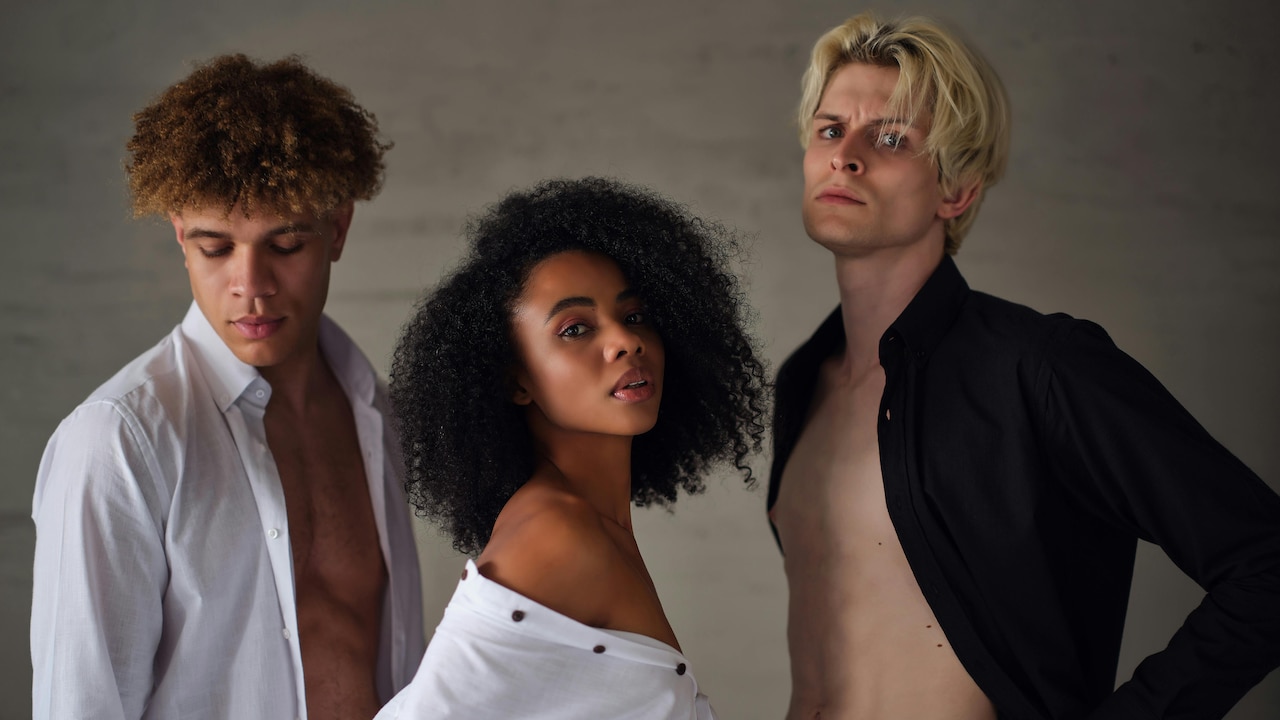
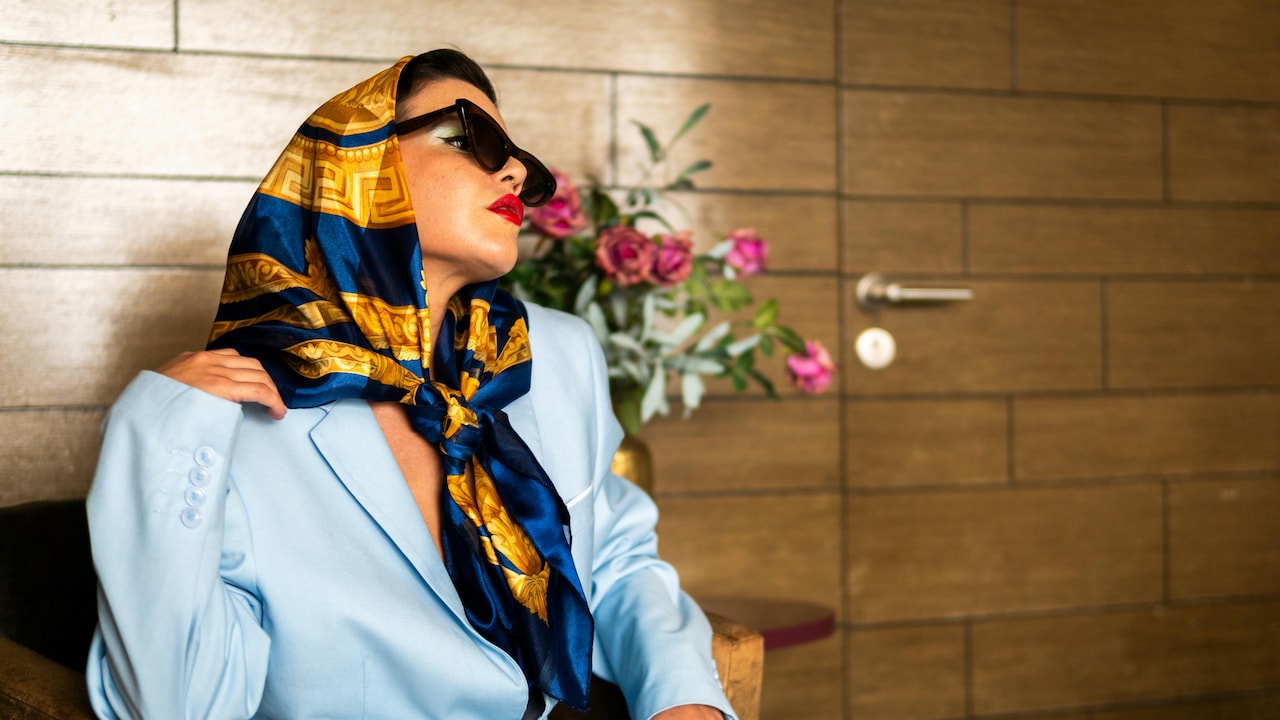
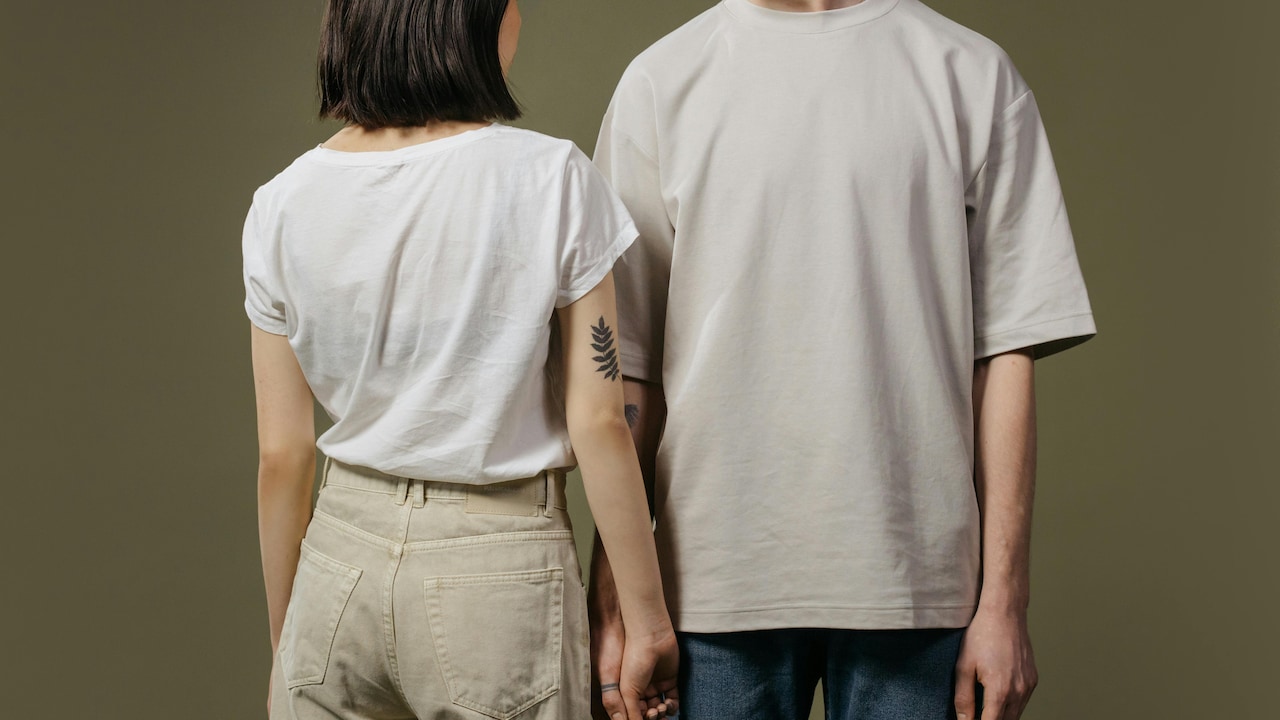
Quick tips to make your outfits look expensive on a budget; Photo Credit: Pexels
The truth feels both comforting and slightly surprising. Expensive-looking style has less to do with money and more to do with thoughtful choices. The right fabric, the perfect fit, and a few clever styling tricks can transform even a modest purchase into something that feels premium.
Fashion, after all, tells a story before a word gets spoken. And sometimes, that story whispers elegance rather than shouting wealth.
So what creates that illusion of luxury? Let's explore the subtle yet powerful reasons behind it.
Also Read: Outfit Ideas For Women Who Travel For Business But Pack Light
How Everyday Outfits Get A High-End Appeal
The Power Of Fit And Tailoring
Nothing elevates an outfit faster than a perfect fit. Clothes that hug the body in the right places, without clinging or sagging, instantly appear more refined. Even a ₹800 shirt can rival a ₹8,000 one when it fits like it was made for the wearer.
Off-the-rack clothing often misses that magic touch. Sleeves run too long, shoulders droop, or trousers bunch awkwardly at the ankles. A quick visit to a local tailor changes everything. Minor adjustments like shortening hems or tapering sides create a polished silhouette.
There's something almost cinematic about a well-fitted outfit. It moves naturally, sits comfortably, and looks intentional. People rarely notice the tailoring itself, yet they always notice the difference.
The real charm lies in how effortless it appears. A well-fitted outfit doesn't try too hard, and that's exactly what makes it look expensive.
Neutral Colours And Timeless Shades
Bright prints and loud colours have their place, especially during festive seasons. But when it comes to creating an expensive look, subtle tones often steal the spotlight.
Shades like ivory, beige, charcoal, navy, and soft pastels carry a quiet sophistication. They feel calm, composed, and effortlessly stylish. These colours don't fight for attention; they earn it.
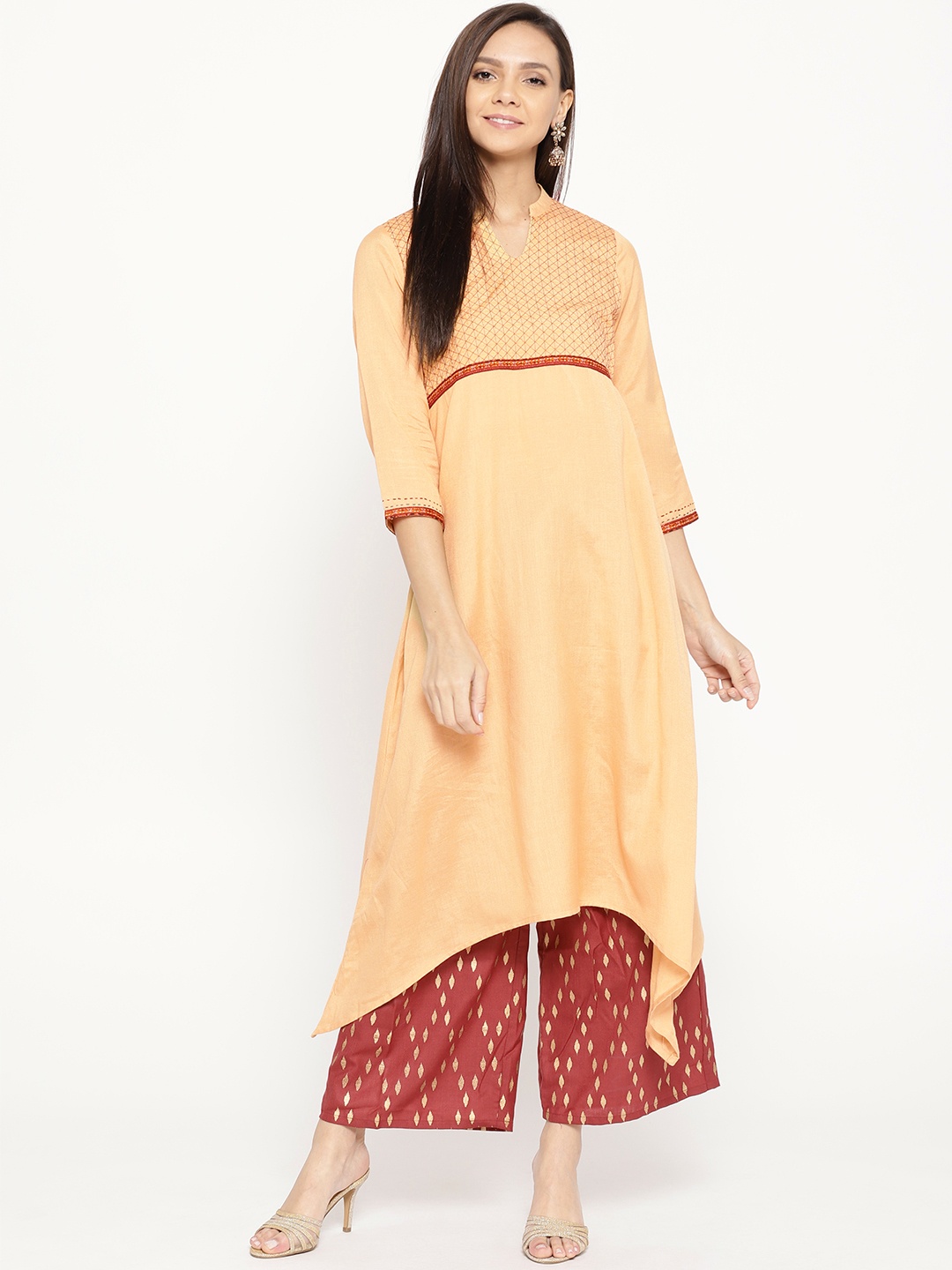
Think of a well-ironed beige kurta paired with classic white trousers. The simplicity speaks volumes. It avoids the clutter that sometimes comes with bold patterns and instead creates a clean visual appeal.
Neutral tones also blend easily with other pieces, allowing outfits to look coordinated without much effort. The result feels curated rather than thrown together.
In fashion, restraint often signals confidence. And confidence, more than anything else, gives an outfit that expensive aura.
Quality-Looking Fabrics Without The Price Tag
Fabric plays a silent yet powerful role in how clothing gets perceived. Certain materials naturally look richer, even when they aren't costly.
Cotton blends with a smooth finish, structured linen, and soft viscose can mimic the elegance of high-end fabrics. They drape well, hold their shape, and reflect light subtly.
On the other hand, overly shiny or flimsy materials can make even an expensive outfit look cheap. Texture matters more than brand names.
There's also something about how fabric feels against the skin. Comfortable clothing often translates into confident body language, and that confidence enhances the overall look.
Markets and local boutiques often stock hidden gems. With a bit of patience, one can find pieces that look luxurious without crossing ₹2,000.
The trick lies in touching, observing, and choosing wisely. Good fabric doesn't have to shout; it simply feels right.
Minimalism Over Excess
Luxury rarely screams. It whispers.
An outfit overloaded with embellishments, logos, or accessories can quickly lose its charm. Simplicity, on the other hand, creates space for elegance to breathe.
A plain kurta with clean lines, paired with understated footwear, often looks far more refined than something heavily decorated. The absence of clutter draws attention to the overall look rather than distracting details.
Minimalism also gives room for personal style to shine. Instead of relying on flashy elements, the focus shifts to silhouette, colour, and fit.
There's a quiet confidence in wearing something simple and letting it speak for itself. It feels deliberate, not desperate.
In many ways, less truly becomes more. And in that “less,” an outfit finds its most expensive version.
Well-Maintained Clothes Make A Difference
Even the most expensive outfit loses its charm if it looks worn out. Wrinkles, loose threads, and faded colours can bring down the entire look.
On the flip side, well-maintained clothes feel fresh and polished. A neatly ironed shirt, clean shoes, and lint-free fabric instantly elevate appearance.
Care doesn't require luxury tools. A basic iron, careful washing, and proper storage go a long way. Folding clothes neatly or hanging them properly keeps them in shape.
There's also a subtle psychological effect. Wearing something clean and well-kept changes posture and attitude. It adds a layer of self-assurance.
An outfit doesn't need to be new to look expensive. It just needs to be cared for. And that care shows, quietly but unmistakably.
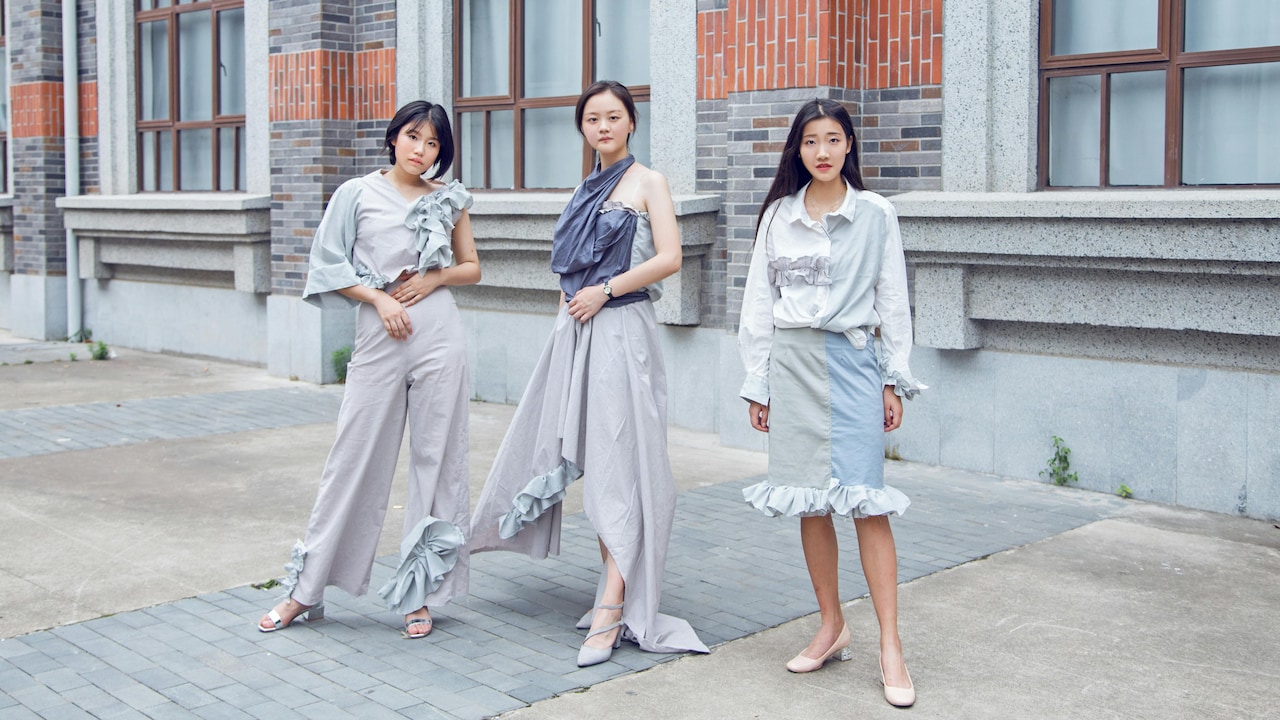
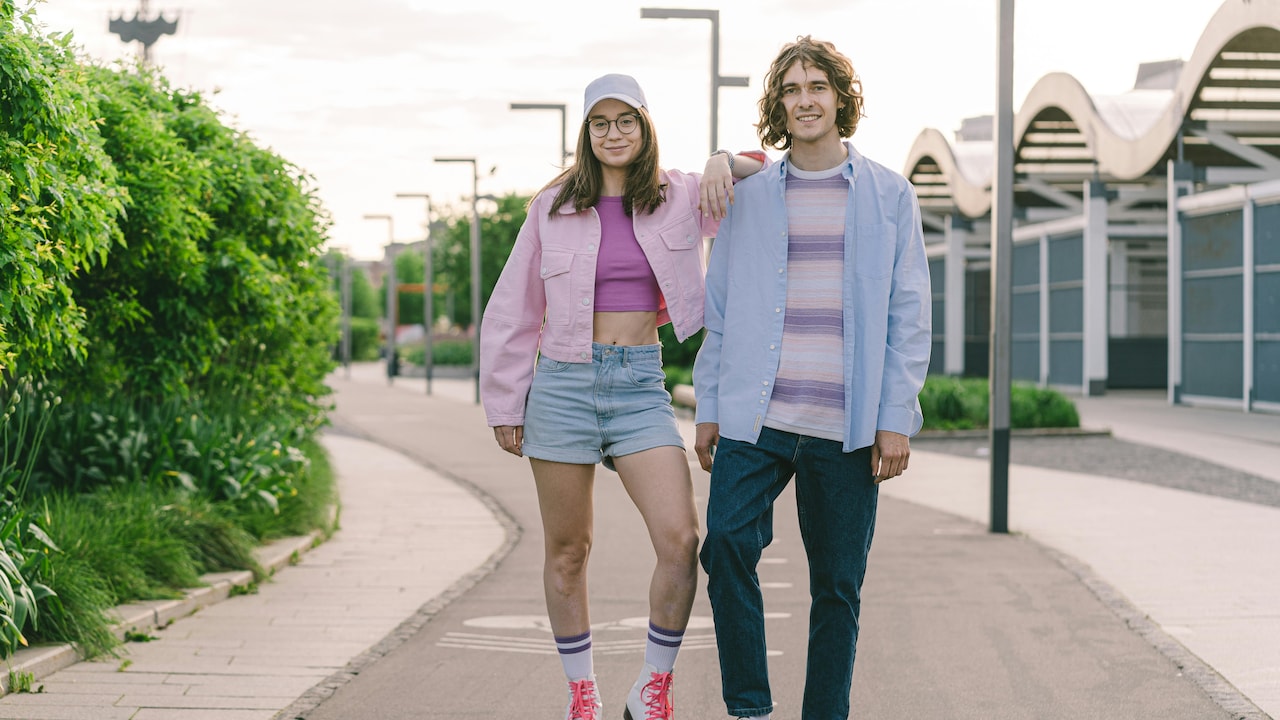
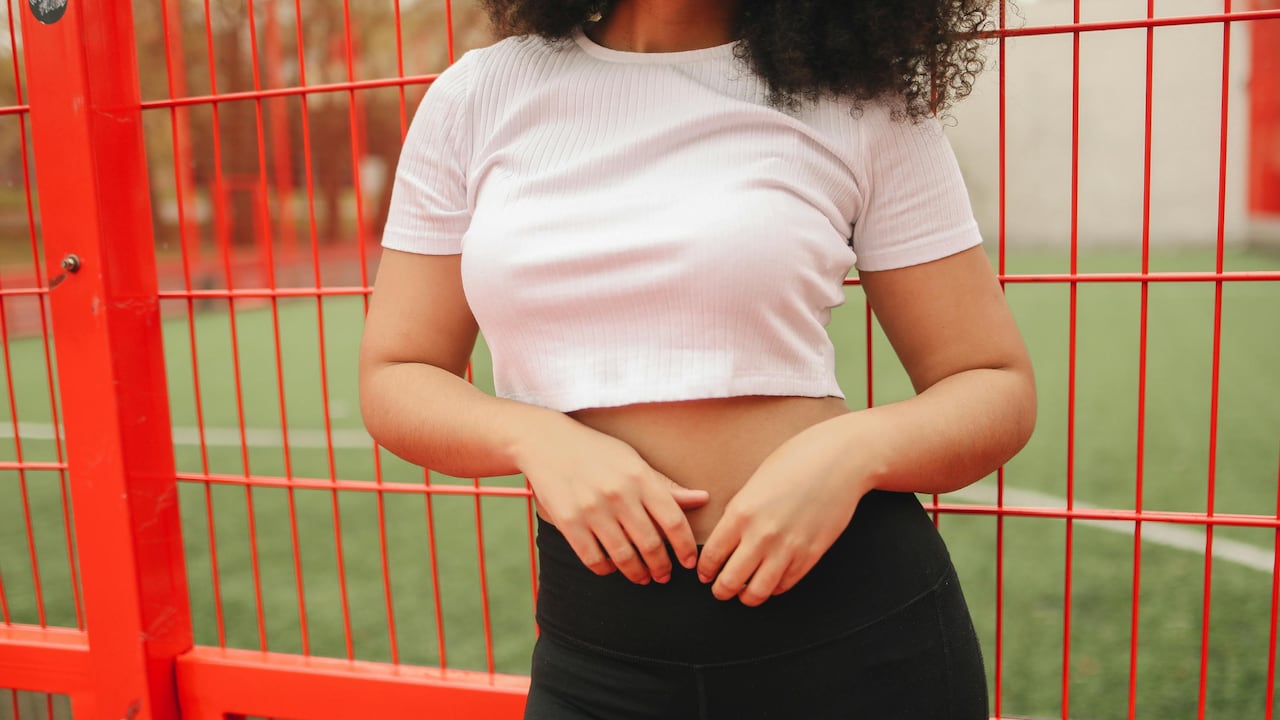
Well-mainted clothes automatically look new and expensive; Photo Credit: Pexels
The Role Of Accessories In Elevation
Accessories can transform an outfit from ordinary to striking in seconds. The key lies in choosing wisely rather than choosing more.
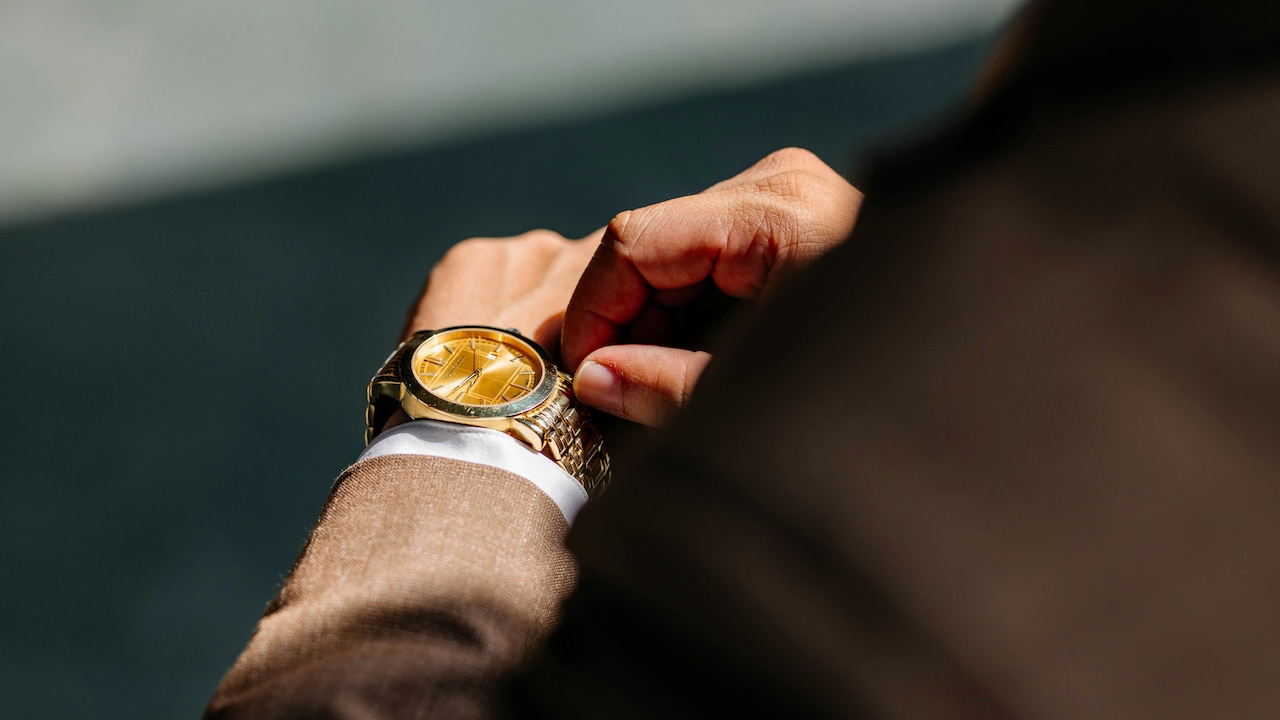
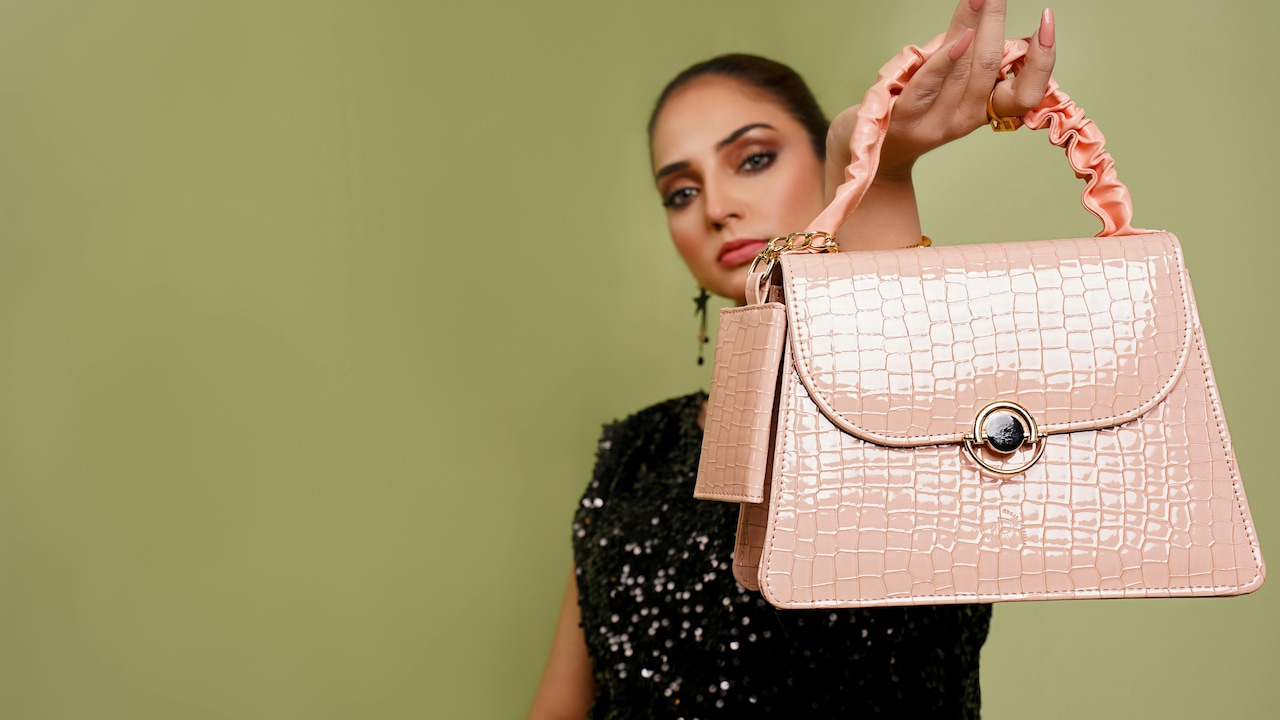
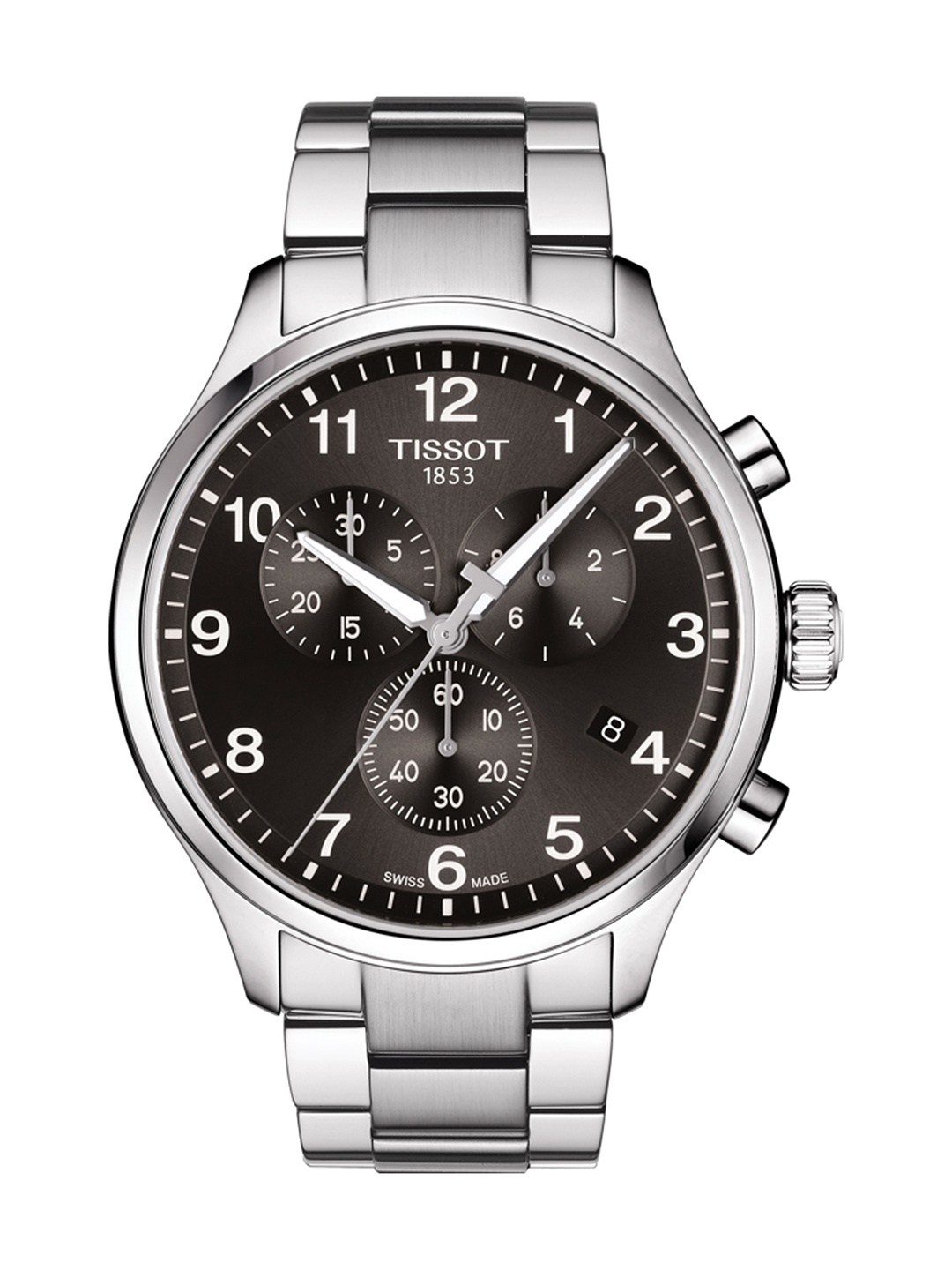
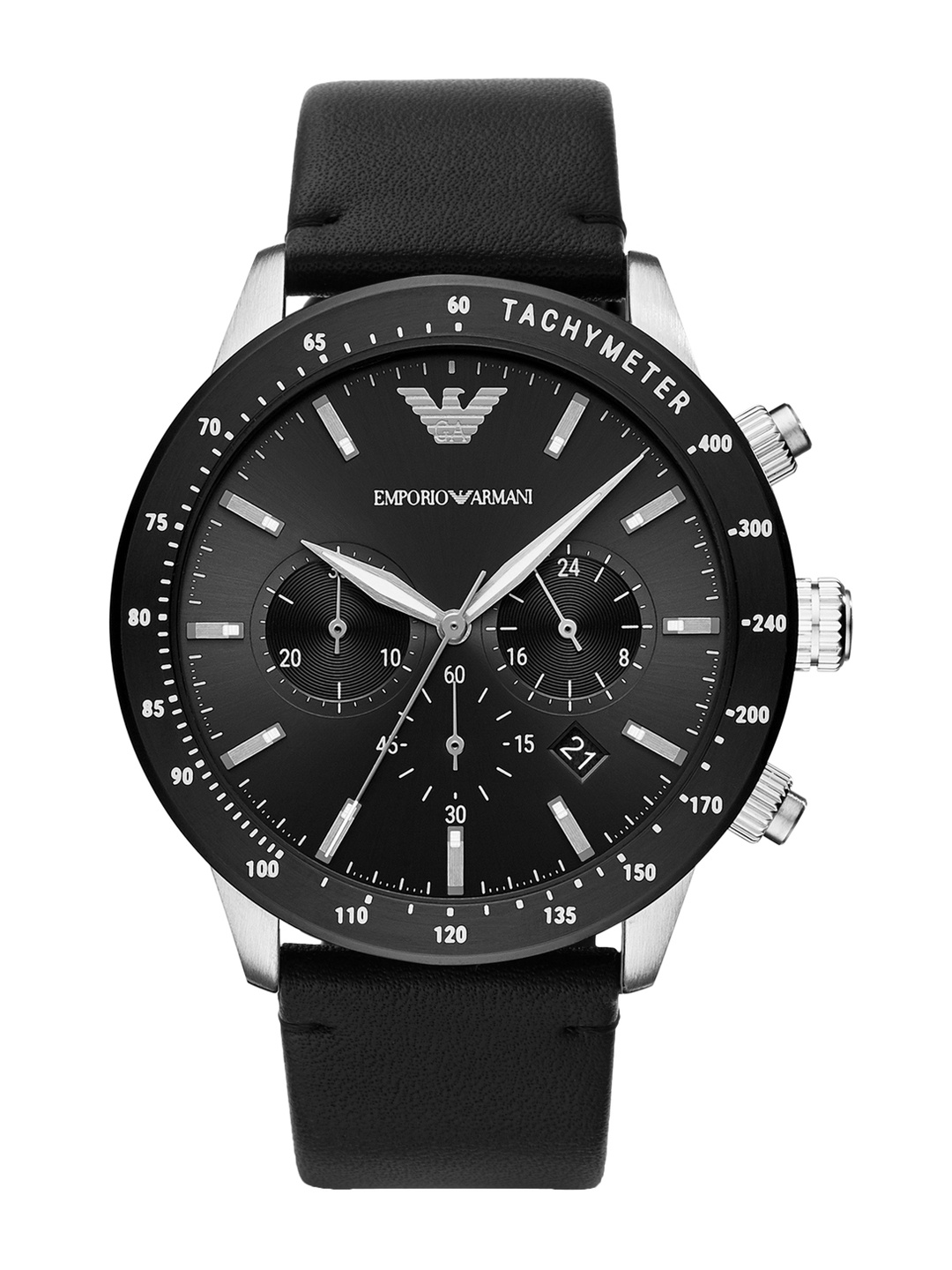
A sleek watch, a structured handbag, or a pair of classic earrings can add depth without overwhelming the look. These pieces act like finishing touches, tying everything together.
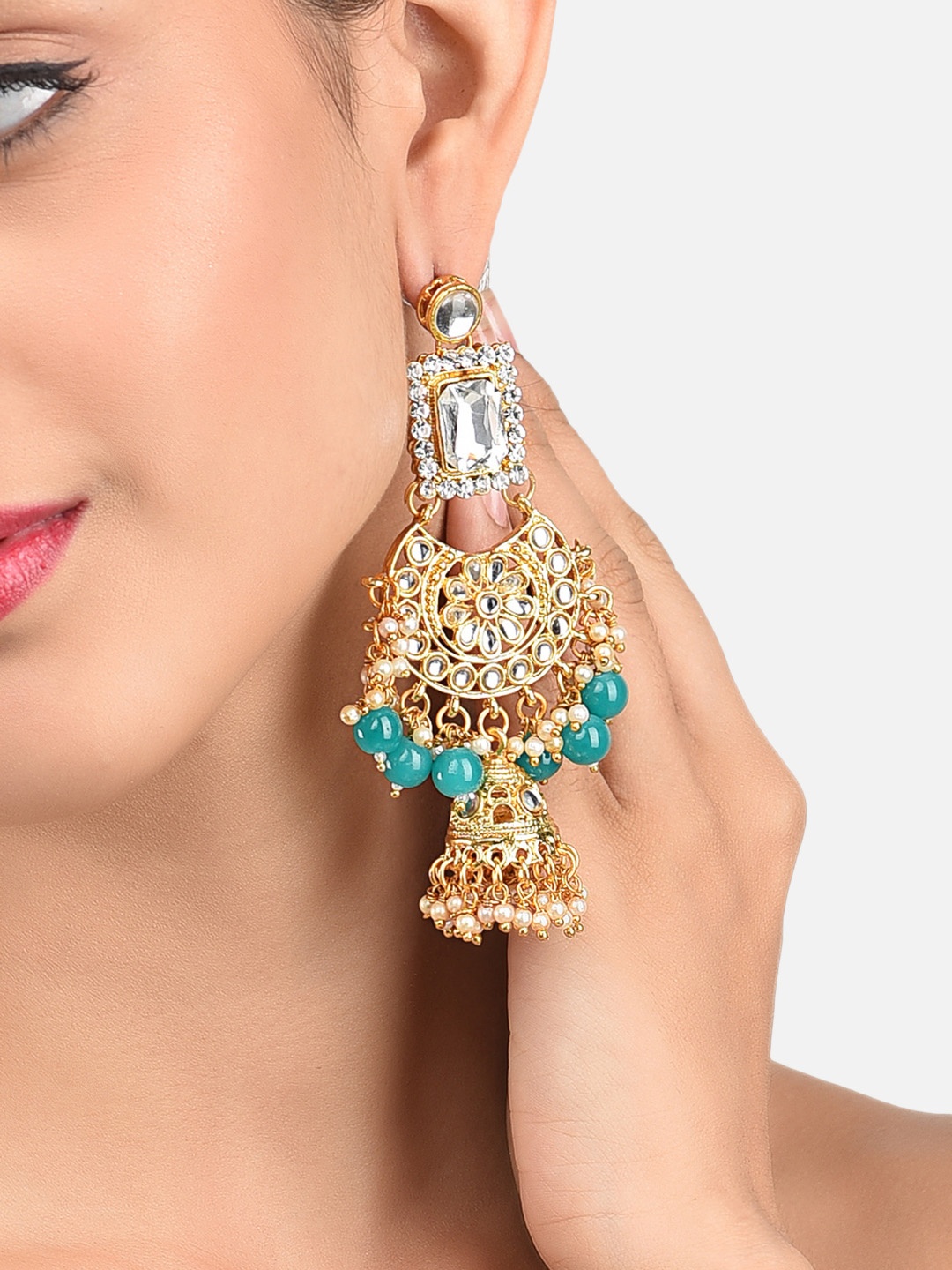
Interestingly, accessories don't need to cost a fortune. A well-designed ₹500 pair of earrings can look far more expensive than something flashy but poorly made.
Balance remains crucial. Too many accessories create noise, while the right few create harmony.
There's also a sense of personality in how accessories get chosen. They reflect taste, mood, and attention to detail.
In many ways, accessories act as the punctuation of an outfit. Used well, they complete the sentence beautifully.
Confidence As The Ultimate Style Element
Clothes alone don't create an expensive look. The way they get carried matters just as much.
Confidence changes everything. It influences posture, expression, and movement. An outfit worn with ease always looks better than one worn with hesitation.
There's a certain charm in feeling comfortable in what one wears. It allows natural expressions and relaxed body language to shine through.
Interestingly, people rarely notice minor flaws when confidence is present. Instead, they remember the overall impression.
Confidence doesn't come from price tags. It comes from knowing that the outfit works, fits well, and reflects personal style.
In the end, the most expensive-looking outfits are often those worn with quiet self-assurance.
Clean Lines And Structured Silhouettes
Structure adds instant sophistication. Clothes with clean lines and defined shapes tend to look more refined.
Blazers, well-cut kurtas, straight trousers, and structured dresses create a sharp appearance. They frame the body neatly and avoid unnecessary bulk.
Loose, shapeless clothing can sometimes feel casual or unfinished. While comfort matters, balance is key.
Structured outfits create a sense of intention. They look thought-out rather than accidental.
There's also a visual clarity in clean lines. The outfit appears organised, and that organisation translates into elegance.
Even simple pieces can look elevated when they follow a structured design. It's not about stiffness but about subtle definition.
Attention To Small Details
Luxury often hides in the details. Stitching, buttons, seams, and finishing touches play a bigger role than expected.
Neat stitching, aligned patterns, and sturdy buttons create a polished look. These elements may go unnoticed consciously, but they shape perception.
Even something as small as replacing cheap-looking buttons can upgrade an outfit significantly.
Details also reflect care. They show that thought went into the clothing, whether during purchase or styling.
There's a quiet satisfaction in noticing these little things. They add depth and character to an outfit.
In fashion, the smallest details often carry the biggest impact.
Styling Choices And Coordination
How pieces come together matters just as much as the pieces themselves. Styling creates cohesion, and cohesion creates elegance.
Matching colours thoughtfully, balancing proportions, and choosing the right footwear all contribute to the final look.
For instance, pairing a simple kurta with well-fitted trousers and clean sandals can look far more expensive than mixing mismatched elements.
There's also an art to layering. A light jacket or dupatta can add dimension without complicating the outfit.
Good styling feels natural. It doesn't look forced or overplanned. Instead, it flows effortlessly.
Ultimately, an outfit becomes more than the sum of its parts when styled well. And that's when it begins to look truly expensive.
Products Related To This Article
1. BELLO DONA CLOTHING Striped Regular Fit Cotton Shirt
2. CLOTHING VEDA Mandarin Collar Roll-Up Sleeves Kurta
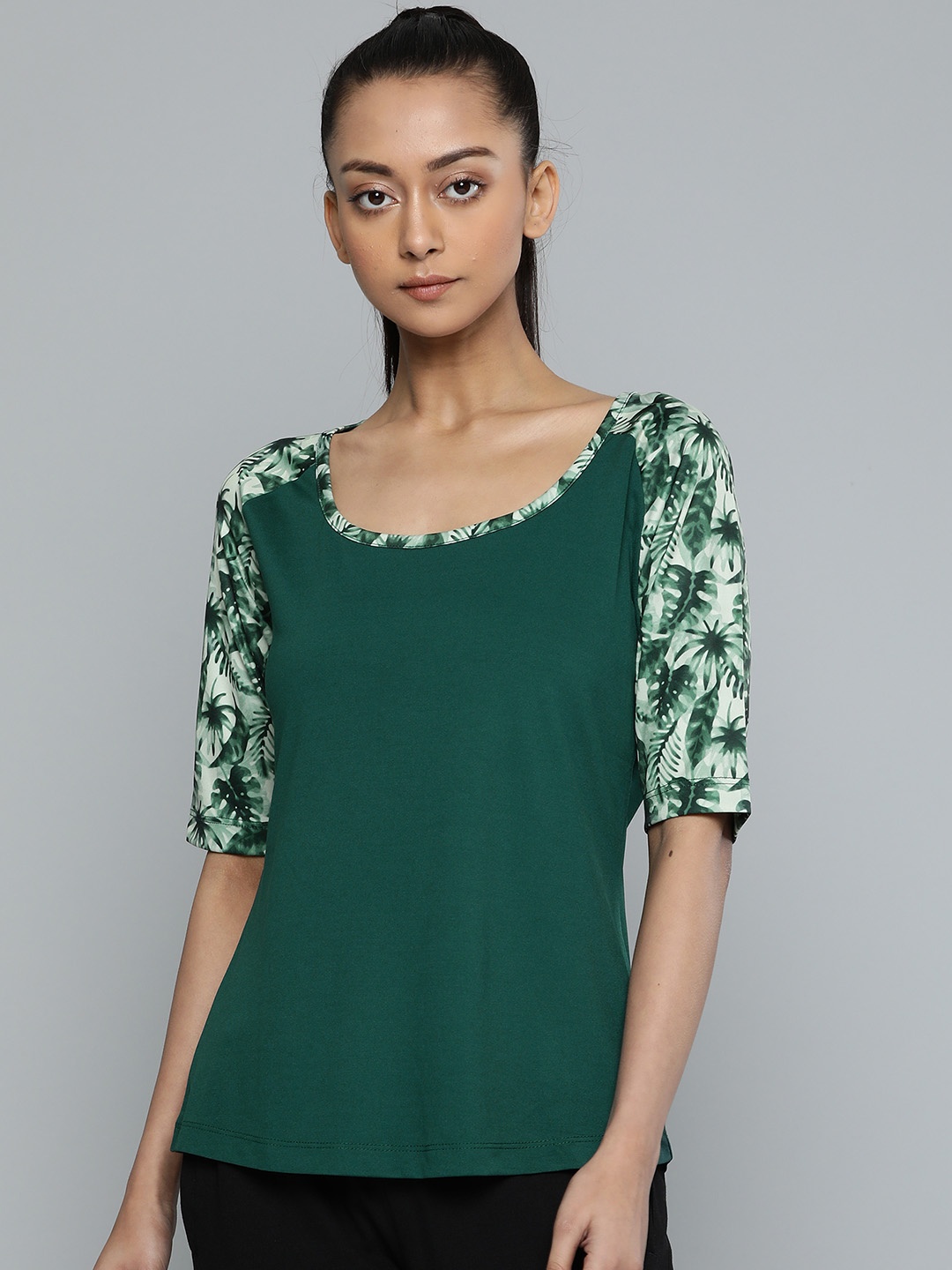
3. HK CLOTHING BRAND Printed Round Neck Top & Palazzos Co-Ords
4. CLOTHING VEDA Men Cotton Mandarin Collar Long Sleeves Kurta
5. Fabway Clothing Women Classic Slim Fit Floral Opaque Printed Party Shirt
6. CARBONN CLOTH Men Loose Fit Trousers
7. Fabway Clothing Smart Slim Fit Spread Collar Semi Sheer Ruffle Party Shirt
Expensive-looking style doesn't belong to high price tags or designer labels. It lives in thoughtful choices, quiet confidence, and attention to detail.
From the way clothes fit to the colours chosen, from fabric textures to subtle accessories, each element plays its part. Together, they create an impression that feels polished and refined.
There's a certain joy in discovering that elegance doesn't demand extravagance. It invites creativity instead. It encourages looking at what's already available and using it wisely.
In a world where fashion often gets linked with spending, this perspective feels refreshing. It reminds us that style is less about how much gets spent and more about how thoughtfully it gets worn.
And sometimes, the most expensive-looking outfit is simply the one that feels just right.
(Disclaimer: This article may include references to or features of products and services made available through affiliate marketing campaigns. NDTV Convergence Limited (“NDTV”) strives to maintain editorial independence while participating in such campaigns. NDTV does not assume responsibility for the performance or claims of any featured products or services.)