How to Stop Flared Trousers From Dragging: The Perfect Heel Height Trick
Flared trousers don't have to drag. The right heel height keeps hems clean, polished, and perfectly balanced. Prevent your flared trousers from dragging on the floor with these styling tips.
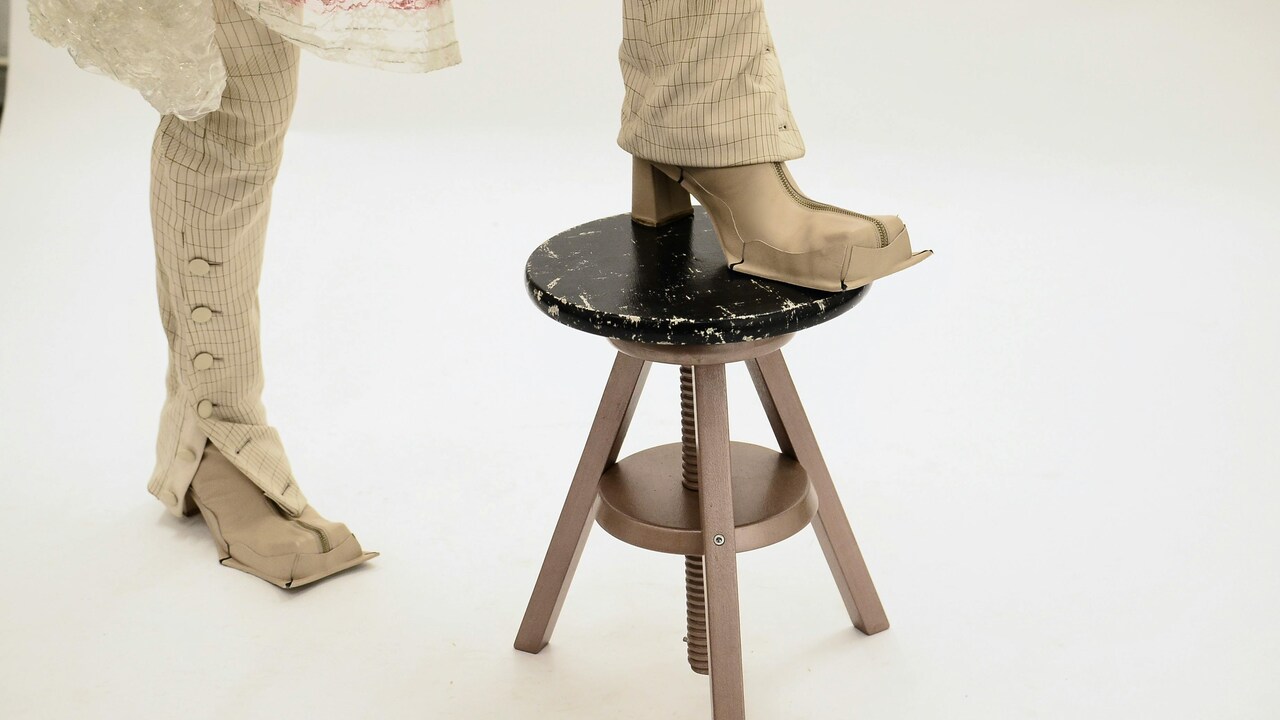
Flared Trousers That Never Drag: Heel Height Hack Every Woman Should Know About.
Flared trousers have a magical talent. They make legs look longer, outfits look sharper, and even basic tops feel like a “look”. They bring drama in the best way, like a good song intro. But they also come with a very real problem: hems that drag.
The moment flares hit the road, the romance ends. The hem turns dusty, frayed, and slightly tragic. Add a rainy day, and suddenly the trousers look like they survived a monsoon war.

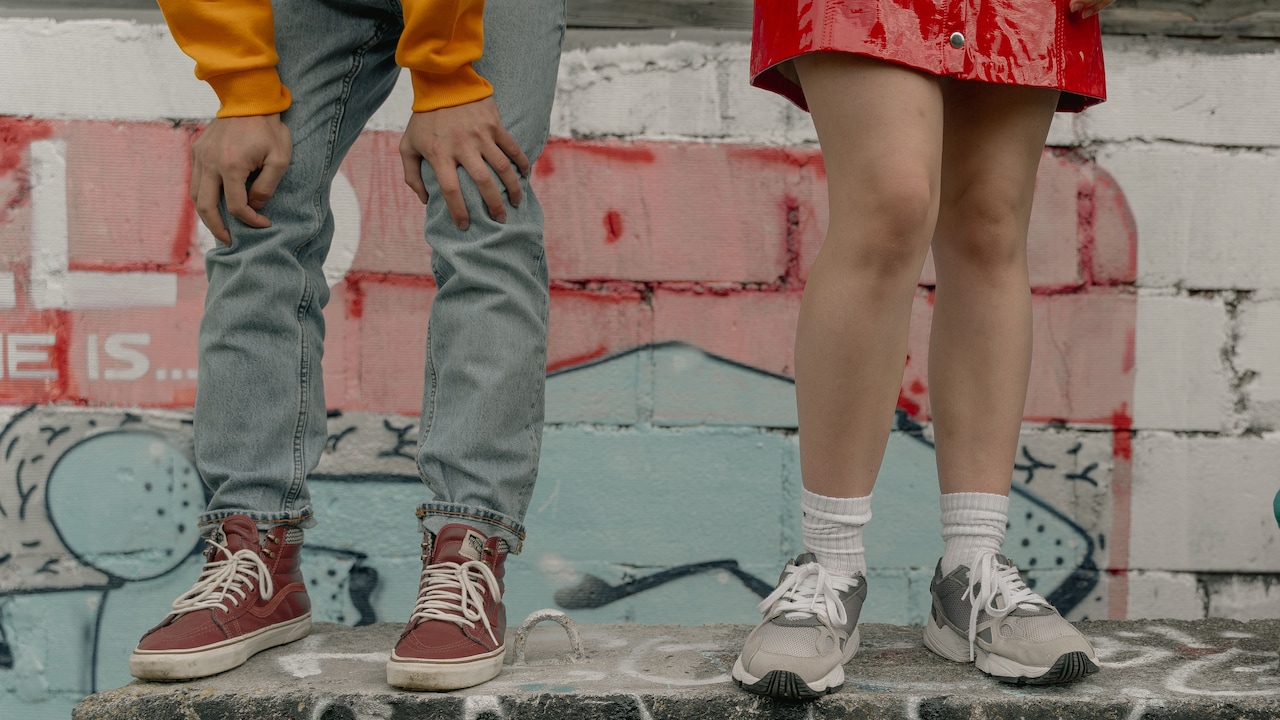
Say goodbye to flared trousers that drag on the floor with these styling tips; Photo Credit: Pexels
The fix isn't complicated. It doesn't require a tailor visit every time footwear changes. It's a heel-height trick that helps flares land at the exact right point, so they float, not flop.
Below are 10 practical, no-fuss points that cover everything from heel height and measurements to styling and fabric choices. No jargon. No unrealistic fashion advice. Just what actually works.
Also Read: Best Trousers For Women With Thick Thighs And Small Waists: 10 Styles That Flatter Every Curve
The Fix: 10 Easy Ways to Stop Flared Trousers From Dragging
1) Why flared trousers drag in the first place
Flared trousers drag because they're designed to create movement. That wide hem needs length to “swing” properly. The problem is, most flares are cut longer than straight trousers to keep the flare shape intact. A slightly longer inseam makes the silhouette look fluid, until it meets real-world floors.
And real-world floors are not clean runways. They're office tiles, parking lots, uneven pavements, and that one mysterious sticky patch outside every café.
Dragging also happens because many people buy flares the same way they buy jeans: based on waist size and vibes. But with flares, the inseam and shoe height matter just as much. The hem placement changes dramatically depending on whether the footwear is a flat, a kitten heel, a wedge, or a chunky sneaker.
The result? A pair that looks perfect in the trial room suddenly starts behaving like it's determined to mop the city. The good news is that once heel height gets sorted, flares become one of the easiest trousers to live in.
2) The heel-height hack: the “half-inch float rule”
Here's the hack that changes everything: flared trousers should hover about half an inch above the ground when standing naturally in your chosen footwear. Not two inches. Not brushing the floor. Not dragging like a curtain.
That tiny gap is the sweet spot.
Why? Because when walking, the hem drops slightly with movement. If it already touches the floor while standing still, it will definitely drag while walking. The half-inch float gives room for motion without losing that elegant, long-legged effect.
This rule also keeps the flare looking intentional. When flares are too short, they look like they shrank in the wash. When they're too long, they look messy even if the rest of the outfit is stunning.
This is where heel height becomes the quiet hero. Once the right heel height is paired with the right trouser length, the flare falls like it's styled by a professional, without needing constant adjustments.
It's not about towering heels. It's about the right lift for the right hem.
3) The most flattering heel heights for flares (and why they work)
Different heel heights create different flare personalities. And yes, flares absolutely have personalities.
A 2-inch heel gives a clean, everyday lift. It's the sweet spot for office wear and dinner plans. It keeps the hem off the ground while still feeling walkable.
A 3-inch heel gives maximum drama. It turns flares into full-on “main character energy” trousers. Great for weddings, parties, or whenever the outfit needs a little extra.
A 1-inch heel or low wedge works for softer flares, especially in linen or cotton. It's comfortable and still adds structure.
Flats can work too, but only if the flares are tailored for flats. Otherwise, the hem will either drag or get stepped on, especially in crowded places.
The best part? Heel height doesn't have to mean stilettos. Block heels, wedges, platform sandals, and even elevated sneakers can give the required lift.
The goal is not pain. The goal is the perfect hemline.
4) How to measure heel height at home without overthinking
Heel height sounds simple until someone realises that footwear lies. Many shoes don't give the full “heel height” as usable lift because of platform soles and padding.
A quick home method solves this:
Stand straight in the shoes you plan to wear. Then measure from the floor to the bottom of the trouser hem at the back. If the hem touches the floor, the shoes aren't lifting enough. If the hem floats about half an inch, the shoes are perfect.
If the hem floats more than an inch, the trousers may look slightly short while walking. That can still work if the flare is subtle, but it won't look as fluid.
A practical trick: use a book. Slide a thin book under the hem until it just touches. If the book is around half an inch thick, you're in the ideal range.
This method feels almost too simple, but it works. It also saves money because it prevents buying new shoes just to “match” a pair of trousers.
No fancy tools needed. Just an honest measurement and a mirror.
5) Choosing the right flare length while shopping
Shopping for flares can feel like a gamble. One pair looks perfect in the store, and then becomes a dragging nightmare outside.
The smartest approach: try flares with the shoes you'll wear most often. Not the store's random sandals. Not the emergency flats in the bag. The actual shoes that get worn in real life.
If shopping online, look for inseam details. Many brands now mention “petite”, “regular”, and “tall” lengths. Those labels matter more for flares than for most trousers.
A good flare should cover most of the shoe, but not swallow it. Ideally, the front hem should sit just above the toe area, and the back should hover just off the ground.
If the hem pools even slightly in the trial, it will drag on the street. If it looks borderline short in the trial, it will look even shorter while walking.
Flares don't need perfection. But they do need intention. The length should look deliberate, not accidental.
6) The best shoe styles for flares (comfort included)
The wrong shoe can ruin flares faster than a bad haircut ruins confidence.
The best shoes for flares are the ones that create stable height. Block heels are excellent because they add lift without wobble. Wedges also work beautifully, especially for linen flares and summer outfits.
Platform sandals are a secret weapon. They give height without the steep foot angle of stilettos. That means comfort and a cleaner walk.
Chunky sneakers can work too, but only with modern, slightly cropped flares. With full-length flares, sneakers often make the hem collapse awkwardly.
Avoid super-pointy heels with extremely wide flares unless the outfit is styled carefully. It can look unbalanced, like the trousers are trying to eat the shoes.
A safe rule: the wider the flare, the more structured the shoe should be. It keeps the silhouette grounded.
And yes, comfort matters. A stylish outfit is only stylish if it can survive a full day of movement.
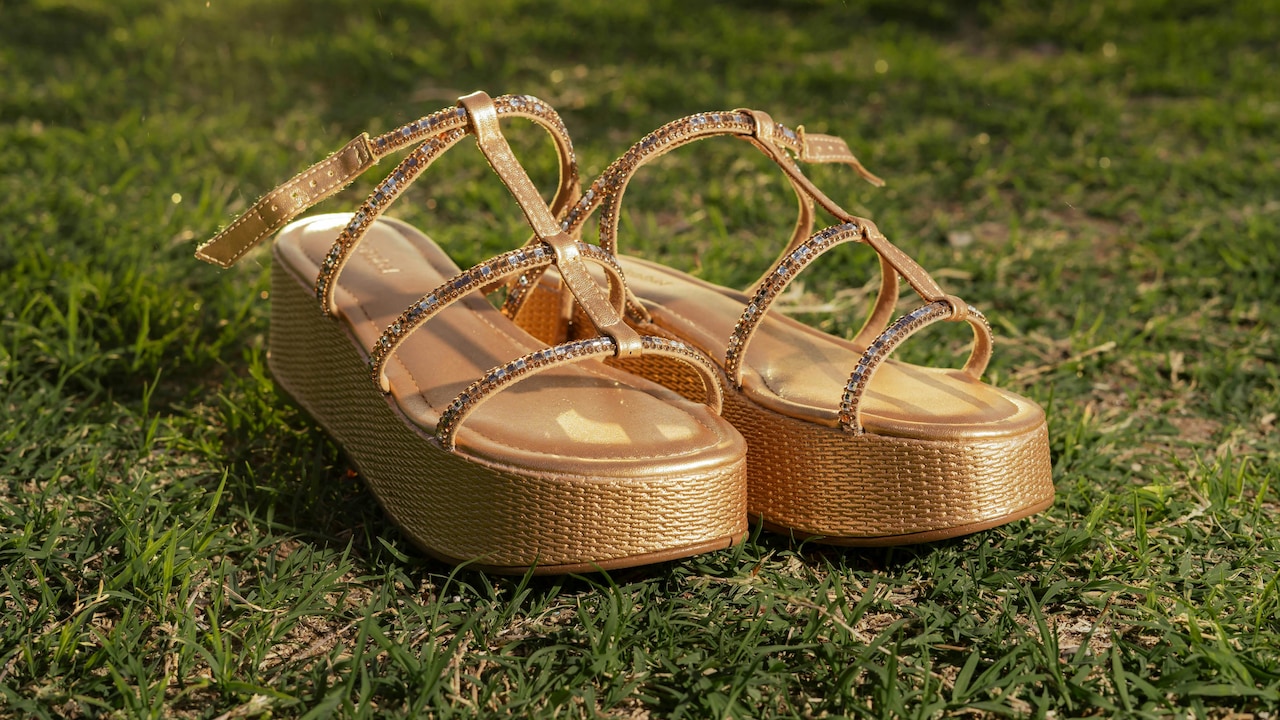
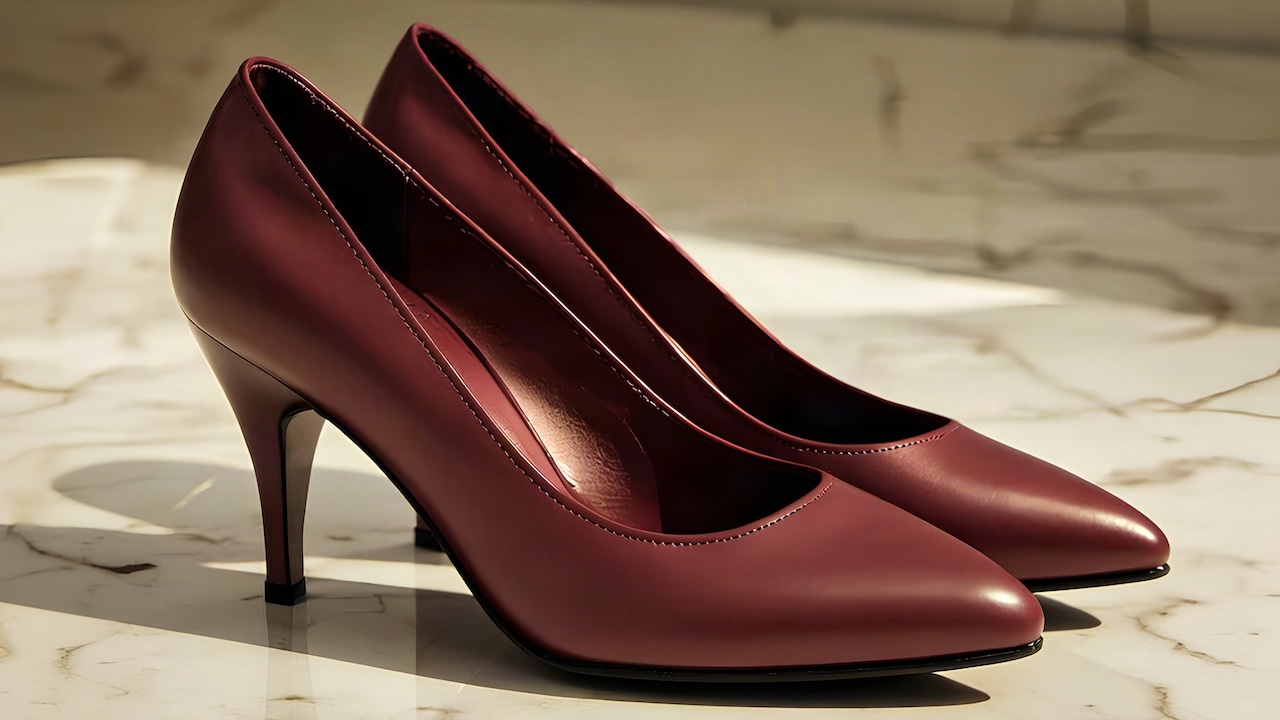
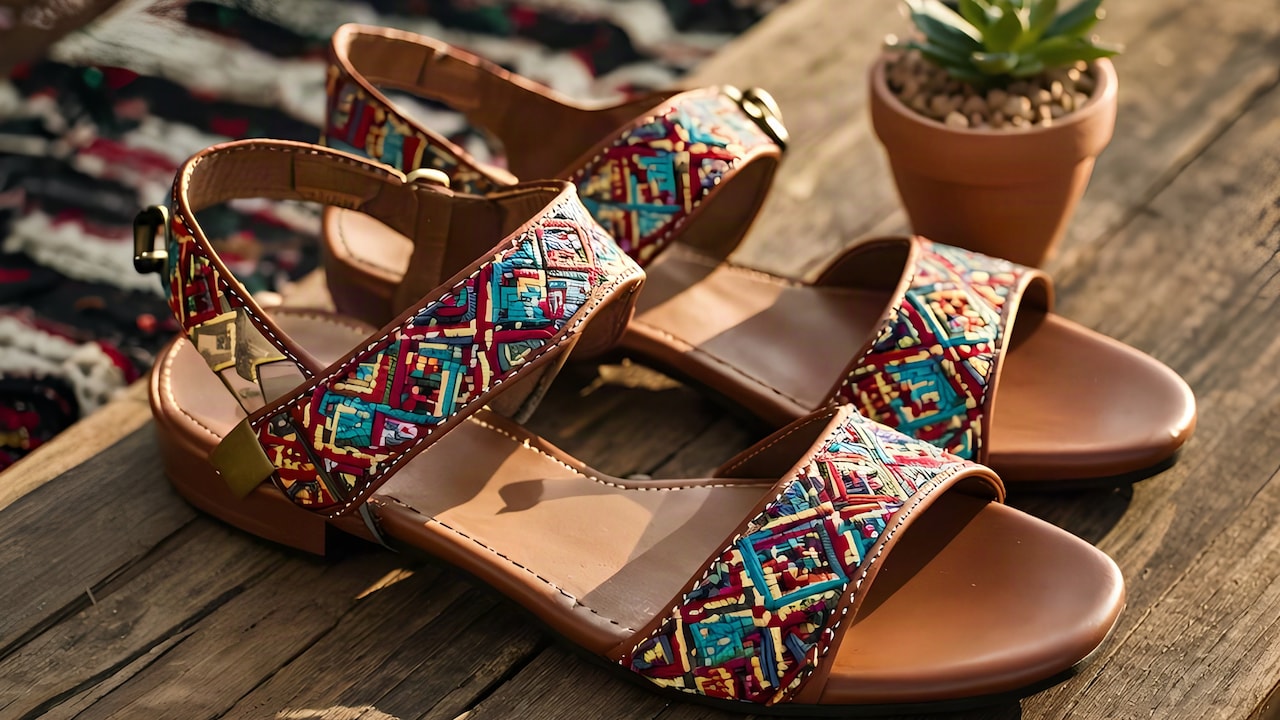
Choose footwear like platform sandals, block heels, and chunky sneakers that give you more height; Photo Credit: Pexels
7) Hem-saving tricks for rainy days and messy streets
Even perfectly styled flares can suffer on rainy days. Water and flared hems have a toxic relationship.
One practical approach: keep a “bad weather shoe” with slightly higher height. A wedge or platform can lift the hem away from puddles.
Another trick is fabric choice. Polyester blends and crepe handle damp conditions better than heavy cotton. Linen looks gorgeous, but absorbs moisture like it's doing it on purpose.
If flares are already long, a quick temporary hem tape can save the day. It's not glamorous, but neither is a soggy hem that smells like wet pavement.
Also, avoid wearing full-length flares on days when the streets look like a waterpark. Sometimes fashion needs to be realistic. Wide-leg cropped trousers exist for a reason.
The aim isn't to live in fear of dirt. The aim is to stop flares from becoming expensive floor wipes.
8) Tailoring: when it's worth it and when it's not
Tailoring flares is absolutely worth it when the fabric is premium or the fit is otherwise perfect. A well-tailored flare looks expensive even if it wasn't.
But tailoring becomes annoying when footwear changes constantly. A pair hemmed for 3-inch heels will look odd with flats. A pair of hemmed flats will drag with no mercy when worn with sandals that have a lower sole.
A good solution: hem flares for the most commonly worn heel height. Not the dream shoe. The real shoe. The one that gets worn to work, brunch, and family functions.
For most people, that's a 2-inch block heel or a medium wedge.
If the trousers are meant for formal occasions only, then tailoring for a higher heel makes sense.
If they're meant for everyday wear, keep the hem slightly higher. It's better to lose a tiny bit of length than to destroy the hem within three outings.
A clean hem beats a dramatic but ruined one.
9) Fabric and flare shape: the hidden detail that changes everything
Not all flares behave the same. The fabric and cut change how the hem falls.
Heavy fabrics like denim hold shape well. They also drag more dramatically if too long, because they don't “bounce” back.
Light fabrics like crepe and viscose flow beautifully, but they can cling to shoes and legs while walking. That means even a slightly long hem can wrap around the foot like it's trying to sabotage the day.
Linen and cotton flares look breezy and stylish, but they crease easily. If they're dragging, they'll also look more worn out faster.
Also, some flares start widening from the knee, while others widen from mid-thigh. The earlier the flare starts, the longer it needs to look balanced.
So the heel-height hack matters even more for dramatic flares. A tiny lift can make the difference between “effortless elegance” and “why are the trousers fighting gravity”.
The right fabric and cut paired with the right heel height, creates that polished, clean silhouette everyone loves.
10) Styling flares so they look intentional (not like a costume)
Flares can look stunning, but they can also look like a themed outfit if styled without balance.
The easiest way to make flares look modern: keep the top half cleaner. A fitted tee, a crisp shirt, a structured blouse, or a cropped jacket works beautifully.
If the flares are high-waisted, tucking in the top creates a long leg line. If the top is oversized, add a belt or choose a half-tuck to avoid looking swallowed.
Accessories also matter. A sharp handbag, minimal jewellery, and clean hair instantly elevate flares. They're dramatic trousers, so they don't need dramatic everything else.
For office wear, pair flares with a blazer and block heels. For festive events, pair with a dressy top and wedges. For casual days, pair with a fitted tank and platform sandals.
The heel-height hack keeps the hem neat, which makes the entire outfit look deliberate.
And deliberate is always stylish.
Products Related To This Article
1. H&M Flared Trousers
2. Blissclub AirMelt Flare Pants Lite - Regular Flared Silhouette
3. Tokyo Talkies Women Brown Flared Parallel Trouser
4. U.S. Polo Assn. Women Women Flared High-Rise Wide Leg Lounge Trousers
5. Stylecast X Slyck Women Flared Wrinkle Free Trouser
Flared trousers don't need to be stressful. They don't need constant pulling, stepping, or emergency tailoring.
The real secret is simple: match the hem to the shoe height so the trousers float half an inch above the ground. That tiny gap saves the fabric, keeps the flare shape intact, and makes the whole outfit look polished.
The best part? This hack works across styles, denim flares, crepe trousers, linen wide-leg flares, formal pairs, casual pairs, and everything in between.
Flares are meant to move beautifully. They're meant to make walking feel like a slow-motion entrance, even if the destination is just a café.
Once the heel height is right, flares stop dragging. And they start doing what they were born to do: serve drama, elegance, and effortless confidence, without sweeping the street along the way.
(Disclaimer: This article may include references to or features of products and services made available through affiliate marketing campaigns. NDTV Convergence Limited (“NDTV”) strives to maintain editorial independence while participating in such campaigns. NDTV does not assume responsibility for the performance or claims of any featured products or services.)