Why Your Sports Sandals Slip While Walking And What You Can Do To Fix Them
Are sports sandals slipping while walking? It’s usually the straps, footbed grip, sweat, or worn soles. Here’s why it happens, and the easiest fixes that actually work.
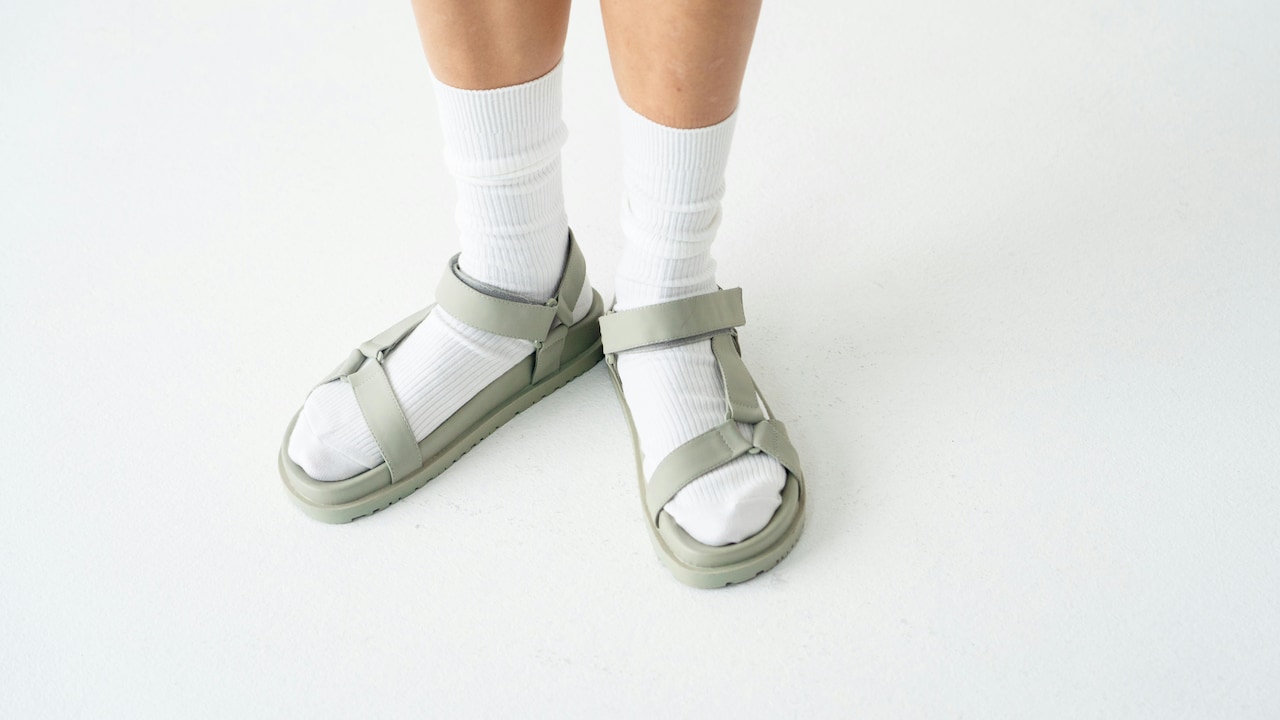
Here are common reasons that make sports sandals slip uncomfortably.
Sports sandals have become the go-to footwear for people who want comfort without looking like they gave up on life. They work for daily errands, short commutes, quick temple visits, and those spontaneous evening walks where the plan is “just ten minutes” but somehow turns into an hour.
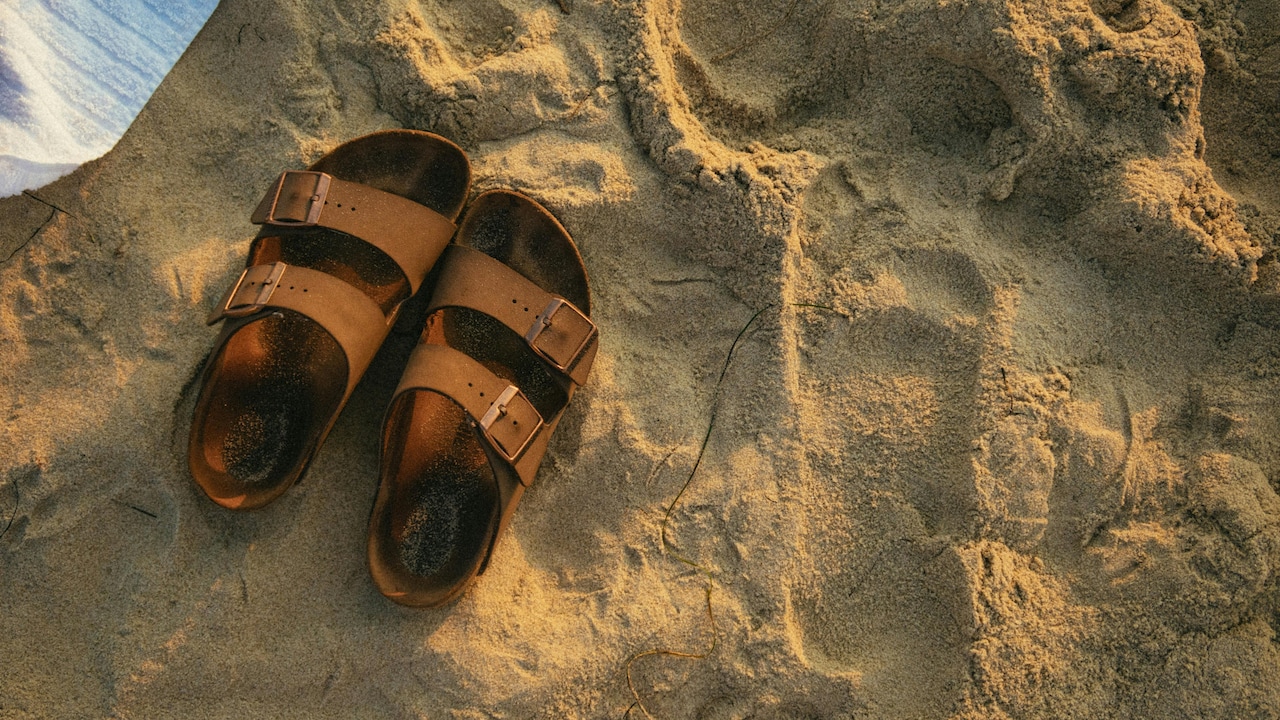
Explore common reasons that make sports sandals slip while walking and ways to fix them; Photo Credit: Pexels
But there's one problem that can ruin the whole vibe: slipping. Not the dramatic, banana-peel kind. The subtle kind. The kind where the heel lifts a little too much, the foot slides forward, and suddenly the toes are doing extra work like unpaid interns.
Slipping sandals are not only irritating. They also create friction, which leads to hot spots, blisters, and that angry red patch near the strap line. The worst part? People often blame their feet. They assume their walking style is wrong, or their feet are “odd”. In reality, the sandal is usually the culprit.
The fix is not always buying a new pair. Many times, it's a simple adjustment, a smarter way to choose sizing, or a small upgrade that costs less than a plate of pani puri.
Also Read: Best Sports Sandals For Men That Offer Real Comfort for Hiking and Long Walks
Why Your Sandals Feel Unstable: And How To Make Them Secure
1. The Size Is Technically Right, But Practically Wrong
A sports sandal can be the “correct” size on paper and still slip like it has places to be. This happens when the length fits, but the width does not. Many feet are wider at the front, narrower at the heel, or slightly asymmetrical. If the sandal is too wide, the foot moves side-to-side and forward with every step. If it is too narrow, the foot tries to escape by sliding upward and outward.
The easiest test is simple: when standing, there should be a small buffer at the front and back, but the foot should not float. If the toes grip the edge or the heel sits too close to the back lip, the foot will constantly reposition itself while walking.
A practical fix is to focus on fit around the midfoot, not just length. A sandal that hugs the middle section tends to behave better. Some people also benefit from going half a size down, but only if the toes still have space and the heel does not hang off. Comfort should feel stable, not sloppy.
2. Loose Straps Turn Every Step Into A Mini Slide
Straps look innocent. They sit there quietly, pretending to do their job. But when they are loose, they turn walking into a repeated cycle of lift, slide, catch, and adjust. The heel lifts too much, the foot slides forward, and the toes start clawing for grip. It is exhausting, even if the brain does not register it immediately.
Many people wear sports sandals like casual slippers, leaving the straps a little loose for easy slip-on convenience. That comfort is short-lived. The foot needs anchoring, especially at the heel and midfoot. Without it, the sandal becomes a platform that the foot keeps chasing.
The fix is to adjust the straps in a specific order. Start with the heel strap if there is one, so the back of the foot feels held. Then adjust the midfoot strap so the sandal feels snug but not tight. Finally, check the front strap so the toes do not slide forward. The goal is security without pressure. If the straps leave deep marks, they are too tight. If the foot moves inside the sandal, they are too loose.
3. The Footbed Material Might Be Working Against You
Some sports sandals have footbeds that feel soft and luxurious at first touch. The problem is that certain smooth or spongy materials become slippery when exposed to sweat. In hot weather, even a short walk can create moisture. Add dust from roads, and the result is a strange, grimy layer that reduces grip. The foot slides forward, then sideways, then the mind starts walking carefully like it is navigating a wet bathroom floor.
This is common in sandals that use a glossy synthetic top layer. It looks clean and premium, but it is not always practical for daily wear. A footbed with texture, tiny grooves, patterns, or a slightly rough finish often grips better.
A quick fix is cleaning the footbed properly. Many people wipe it once and assume it is clean. In reality, oils from skin mix with dust and form a slick film. Use mild soap, a soft brush, and water. Let it dry fully. Another fix is adding a thin anti-slip insole pad designed for sandals. Even a small grip patch near the ball of the foot can reduce sliding dramatically.
4. Sweat And Heat Create The Perfect Slip Conditions
Feet sweat. That is normal. Yet sports sandals often get treated like they should behave the same in May as they do in December. In peak summer, especially during humid evenings, sweat changes everything. The straps feel looser, the footbed feels slicker, and the foot expands slightly. Suddenly, a sandal that felt perfect last month starts behaving as if it belongs to someone else.
This is why slipping often shows up during long outdoor days, markets, or travel. A sandal that stays stable indoors may start sliding on the street. Heat also softens some soles and footbeds, which changes how the sandal flexes.
The fix starts with choosing sandals with breathable straps and textured footbeds. But for sandals already owned, small habits help. Washing feet before wearing, drying them well, and avoiding heavy moisturiser on the soles can reduce slip. Some people benefit from a light dusting of foot powder. It sounds old-school, but it works. The goal is not dryness like a desert. The goal is to reduce the slippery film that makes the foot glide.
5. Your Walking Pattern Might Not Match The Sandal Design
Not all feet strike the ground the same way. Some people land heel-first. Some roll inward. Some push off harder with the toes. Sports sandals are built with a certain “assumed” gait. When a person's natural walking pattern does not match that of the design, the sandal may slip even if it fits well.
For example, if the sandal has a stiff sole but the wearer walks with a strong toe push-off, the foot may slide forward repeatedly. If the sandal has a curved footbed but the wearer has flatter feet, the foot may drift to find a stable position. If the sandal is too flexible, the foot may overwork to stabilise it.
The fix is to pay attention to where the slipping happens. If the foot slides forward, the issue is often front strap tension or footbed grip. If the heel lifts too much, the heel strap needs adjustment, or the sandal lacks proper heel support. A sandal with a slightly firmer midsole and better arch contour can help, but even simple strap rebalancing often makes a big difference.
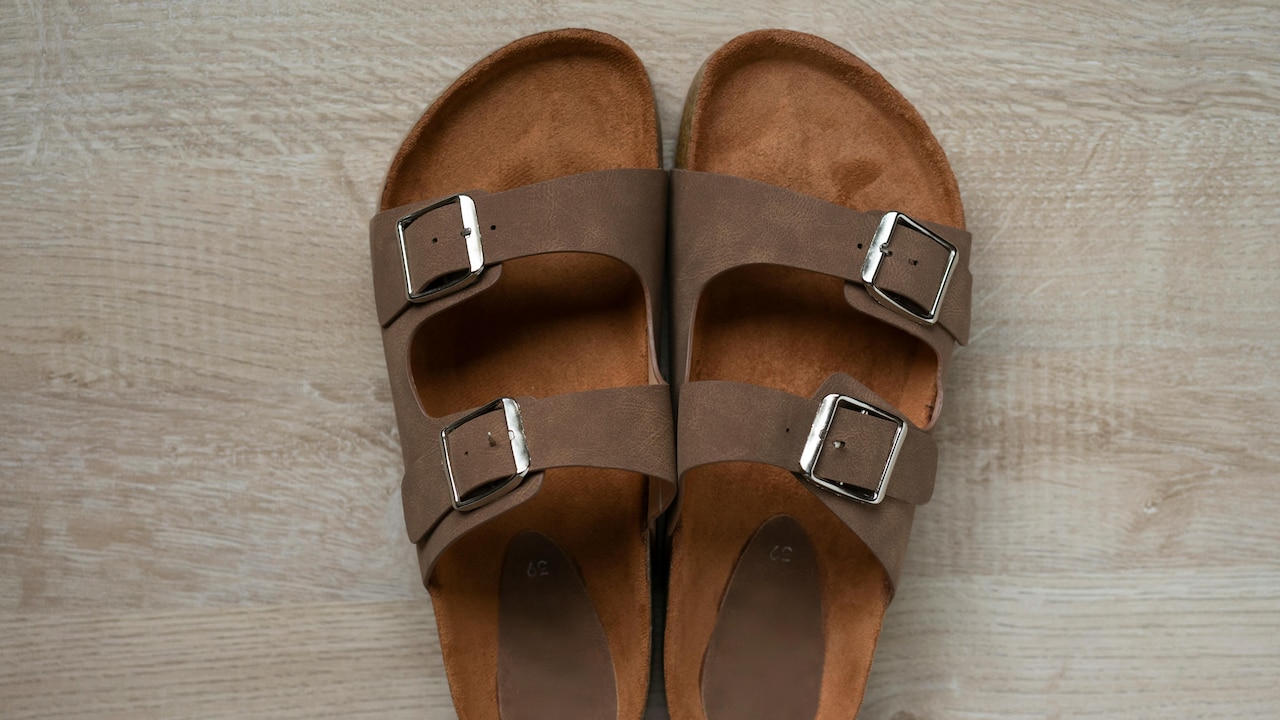
The sandal design may not be the best fit for your walking style; Photo Credit: Pexels
6. Worn-Out Soles Reduce Ground Grip And Cause Internal Sliding
Most people think slipping is only about the foot sliding on the footbed. But the outsole matters too. When the bottom of the sandal loses tread, the entire sandal starts slipping on the ground. That external slip creates a micro-jolt. The foot responds by shifting inside the sandal to regain balance. Over time, this becomes a cycle of instability.
This is especially noticeable on smooth tiles, polished floors, metro stations, and wet pavements. A sandal with worn tread turns those surfaces into a skating rink. Even if the footbed is fine, the overall feel becomes insecure.
The fix is to check the sole regularly. If the tread pattern looks flat, shiny, or uneven, it is time to act. Some sandals can be resoled by a good cobbler, especially if the upper is still strong. A resole might cost around ₹250–₹600, depending on the material and city. That is far cheaper than replacing the whole pair. If resoling is not possible, consider using the worn sandals for indoor use and retiring them from outdoor walking.
7. The Sandal Might Be Too Flat For Long Walks
A flat sandal sounds comfortable in theory. In reality, a completely flat footbed often leads to sliding, especially during longer walks. The foot naturally needs a bit of contour to stay centred. Without it, the foot shifts around to find stability. This is even more common when the sandal has a wide platform. The foot keeps moving inside that space like it is trying to settle into the “right spot”.
A contoured footbed does not mean aggressive arch support. It simply means the sandal has a shape that cradles the heel and supports the midfoot. When the heel sits slightly deeper, it stays put. When the arch area supports the foot, it reduces forward slide.
The fix is choosing sandals with a heel cup and subtle contour. For sandals already owned, adding a thin contoured insole can help if the design allows it. Another trick is tightening the midfoot strap slightly more than usual. That strap is the steering wheel of the sandal. When it holds the foot gently in place, the rest of the foot stops wandering.
8. Strap Placement Matters More Than People Think
Two sandals can look similar and behave completely differently. The difference often lies in strap placement. If the straps sit too far forward, the heel is left unsupported and lifts with each step. If the straps sit too far back, the toes slide forward because the front lacks anchoring. Some designs also have straps that cut across the foot at awkward angles, creating pressure points rather than support.
This is why some people try on a sandal, walk three steps, and instantly feel stable. Others walk three steps and start sliding. It is not about being picky. It is about biomechanics.
The fix is to prioritise strap layout over branding. A good sports sandal usually has a secure midfoot strap and a heel strap that actually holds. If the sandal relies mostly on a front strap, it will behave like a slipper no matter how sporty it looks. When trying on sandals, walk on different surfaces in the store area. Turn slightly, speed up, slow down. The right strap placement feels natural, not like the foot is negotiating.
9. Cheap Velcro And Stretched Straps Lose Their Bite Over Time
Velcro is brilliant when it works. When it stops working, it becomes a silent villain. Over time, dust, lint, and wear reduce Velcro grip. Straps also stretch, especially in hot weather or if the sandal is worn frequently. This creates a slow problem. The sandal does not suddenly become loose overnight. It gradually becomes less secure until one day the slipping becomes impossible to ignore.
Many people try to compensate by pulling the straps tighter. That sometimes works temporarily, but if the Velcro is weak, it loosens again during walking. Stretched straps also change the way pressure is distributed across the foot, leading to sliding and discomfort.
The fix is maintenance. Clean Velcro with a small brush or even an old toothbrush. Remove lint carefully. If the strap material is stretched, some cobblers can shorten straps or replace Velcro patches. Repairs often cost around ₹100–₹300. If the sandal is otherwise in good condition, this is a smart move. It also saves the hassle of breaking in a new pair.
10. The Wrong Pair For The Wrong Occasion Will Always Slip
Some sandals are built for short casual wear. Some are built for longer walks. Some are built for light trails and uneven surfaces. Wearing the wrong type for the day's activity is a guaranteed recipe for slipping.
For example, a lightweight sandal might be perfect for errands and quick outings. But wear it for a full day at a fair, a hill station stroll, or a long travel day, and the foot will start shifting. The straps may not be designed for sustained support. The sole may be too soft, and the footbed may not manage sweat well.
The fix is treating sports sandals like real footwear, not one-size-fits-all. Keep one pair for daily casual use and another for long walks or travel. If buying a new pair, test it properly. Walk for at least five minutes, not thirty seconds. Check heel lift, toe slide, and side movement. A sandal should feel like it is cooperating, not like it is tolerating the foot.
Products Related To This Article
1. Sparx Men Printed Sports Sandals
2. HRX by Hrithik Roshan Men Woven Design Sports Sandals with Brand Logo Detail
3. ROTATION Kids Comfort Sandals
4. Red Tape Women Solid Sandals
5. Roadster The Lifestyle Co Comfortable Sports Sandals
Slipping sports sandals is not a mystery and definitely not a personal failure. They slip because something in the fit, design, material, or wear-and-tear is not matching the way the feet move. The good news is that most causes are fixable without drama. Strap adjustment, better grip, cleaning, minor repairs, and smarter selection can turn a frustrating pair into a reliable one again.
Sports sandals should feel easy, not stressful. They should support movement, not interrupt it. A secure sandal lets walking feel natural, whether it is a quick run to the shop, a long evening stroll, or that moment when the street food smell pulls the feet towards the nearest stall without any planning.
And if a pair keeps slipping even after every fix, it is not “bad luck”. It is simply the wrong sandal. Feet deserve better than a constant slide.
(Disclaimer: This article may include references to or features of products and services made available through affiliate marketing campaigns. NDTV Convergence Limited (“NDTV”) strives to maintain editorial independence while participating in such campaigns. NDTV does not assume responsibility for the performance or claims of any featured products or services.)