How To Beat The Heat And Wear A Summer Suit Without Sweating Uncomfortably
Wear a suit in summer without turning into a sweaty mess. From breathable fabrics to smarter fits, these simple tips keep you looking sharp and feeling comfortable.

Top things every man must know about suit fabrics and fitting before buying one for summer.
There's a special kind of panic that arrives with a summer wedding invite, a corporate event, or a formal dinner in May. The dress code says “suit”, the weather says “good luck”. And somewhere in the middle, a person is staring at a wardrobe, wondering if it's socially acceptable to turn up in a kurta and call it “minimalist tailoring”.
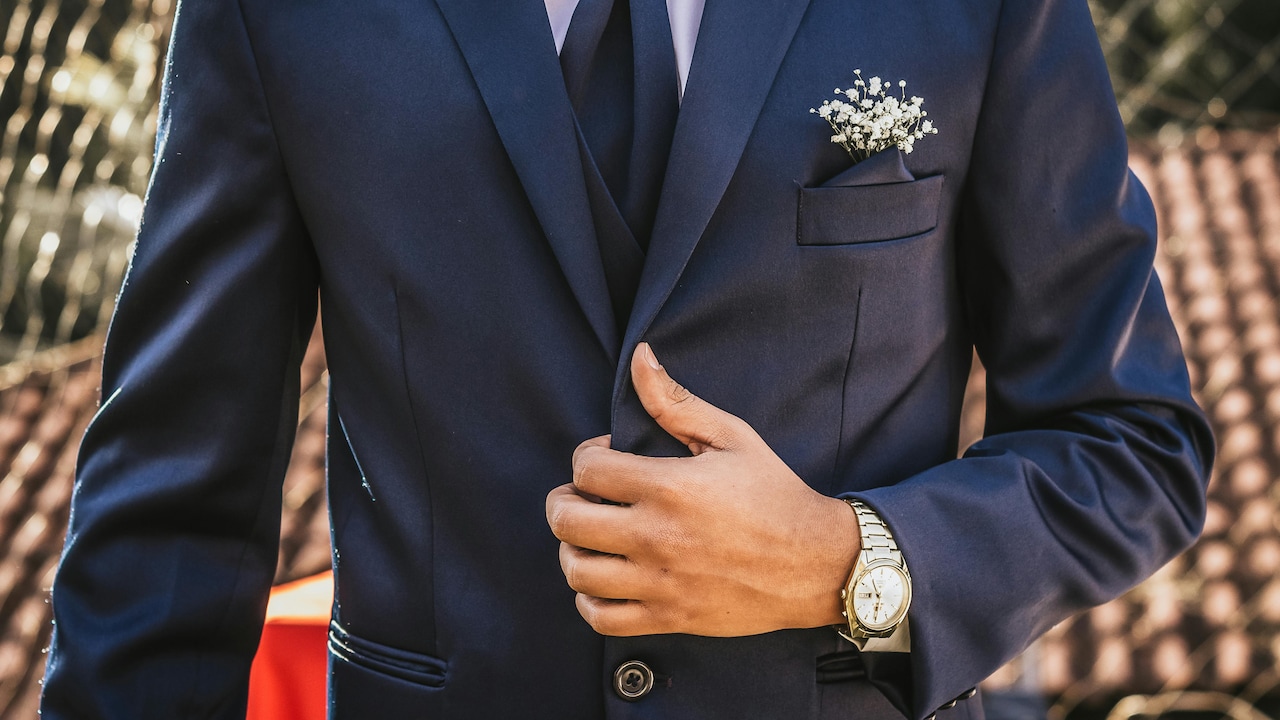
Explore the best shopping tips to buy the right fabric, fit, and other factors of men's suits; Photo Credit: Pexels
A suit in summer can work. Not the heavy, boardroom kind that feels like wearing a blanket. Not the shiny, stiff one that turns into a portable sauna. A proper summer suit is lighter, cleaner, and surprisingly comfortable. The goal is not to stay perfectly dry. That's unrealistic. The goal is to avoid that sticky, uncomfortable, collar-soaked misery where even smiling feels sweaty.
The good news: small decisions make a massive difference. Fabric, colour, construction, shirt choice, and even grooming habits can turn a “never again” outfit into something wearable. And yes, it can still look elegant, crisp, and very put-together.
Also Read: Best Men's Suits Under ₹5000: Luxe Looks Without Breaking The Budget
10 Smart Ways To Stay Cool In A Summer Suit
1) Start With Fabric That Breathes Like It Has Common Sense
Summer suit comfort begins and ends with fabric. A suit can look brilliant on the hanger and still feel like a punishment once outside. The usual culprit is synthetic blending, heavy wool, or thick, tightly woven cloth that traps heat. The smarter route is lightweight wool, linen, cotton, or a wool-linen blend.
Linen is the king of airflow. It breathes, it dries quickly, and it feels breezy even when the air refuses to move. The only catch is the creasing, but that's not a flaw, it's the linen's personality. A linen suit says “effortless summer elegance”, not “wrinkled mess”, as long as the fit is sharp. Cotton suits can also work, especially in lighter weights, though they hold moisture a little more than linen.
If the budget allows, look for high-twist wool. It sounds fancy, but it's basically wool designed for warm weather. It hangs well, resists wrinkles, and doesn't feel heavy. In many stores, the price difference is not terrifying either, often a jump from ₹6,000 to ₹10,000 for a far better experience. That upgrade pays for itself in comfort alone.
2) Choose A Suit Colour That Doesn't Absorb The Sun's Anger
Colour matters more in summer than most people admit. Dark shades soak up heat. They also show sweat marks more dramatically. That classic black suit might look “formal”, but in peak heat, it behaves like a solar panel. The result is predictable: the suit wins the heat battle, and the person inside loses.
For summer, lighter colours are not just a style choice. They're a survival strategy. Think light grey, stone, beige, tan, and soft blues. These shades reflect more light, feel visually seasonal, and instantly look less harsh in daytime events. Even a pale olive or dusty brown can look sharp while staying cooler than navy or charcoal.
There's also a psychological benefit. Light colours feel calmer. They look relaxed even when the event is formal. That's important in summer because a suit should not look like it's trying too hard. The goal is to look composed, not like someone fighting for oxygen.
If the worry is looking “too casual”, the fix is in the details: a crisp shirt, polished shoes, and clean tailoring. A light suit with the right structure still looks serious. It just doesn't look like it wants revenge on the wearer.
3) Get The Fit Right Or Accept A Life Of Sticky Regret
A suit that clings is not stylish in summer. It's a portable discomfort machine. Tight shoulders, slim sleeves, and a narrow chest might look sleek in photos, but they trap heat and prevent airflow. The body needs space to breathe. Fabric needs room to move. Summer tailoring should look clean, not squeezed.
This doesn't mean oversized. It means balanced. A summer suit should skim the body. It should allow movement. It should feel like it belongs to a human being who intends to sit, stand, and exist in warm weather. The armholes matter a lot here. Higher armholes give better movement without needing a baggy chest. Many off-the-rack suits get this wrong, which is why the whole thing feels stiff and sweaty.
Trousers deserve attention too. Super-skinny suit trousers look sharp for about ten minutes. Then the heat kicks in, and the fabric starts clinging in places that shouldn't be clingy. A slightly relaxed taper looks modern, feels cooler, and saves the day.
If tailoring is an option, even a basic alteration makes a difference. Spending ₹500 to ₹1,500 on fit can improve comfort more than spending ₹5,000 on a fancier brand.
4) Go Unlined Or Half-Lined And Thank Yourself Later
The inside of a suit matters as much as the outside. Many suits sold for “all seasons” come with full lining. That lining traps heat. It also prevents the suit fabric from doing its job, which is to breathe. In summer, a fully lined jacket becomes a warm shell with no escape route.
An unlined jacket feels lighter and more breathable. A half-lined jacket is a good compromise. It keeps structure in the shoulders and upper back but allows airflow through the lower body. This is one of those details people don't notice when looking at the suit, but the person wearing it feels it instantly.
Construction matters too. Heavy padding, thick canvassing, and stiff internal layers add heat. Softer tailoring is more comfortable in warm months. It also looks more relaxed, which suits the season.
A quick practical tip: when buying a suit, check the inside and ask what kind of lining it has. Many stores will proudly show it off. If the answer is vague or defensive, that's a sign. A summer suit should feel light in the hand. If it feels like a winter blanket, it probably behaves like one.
5) Pick The Right Shirt And Stop Treating It Like An Afterthought
A suit can be perfect, but the wrong shirt can ruin everything. The shirt sits directly against the skin. It absorbs sweat. It decides whether the whole outfit feels breathable or suffocating.
In summer, heavy poplin or thick twill shirts can feel crisp but warm. The better choice is a lightweight cotton, cotton-linen blend, or a breathable weave like end-on-end. These fabrics allow airflow and dry faster. They also feel softer, which helps when the heat makes everything feel sticky.
Colour matters too. White is classic, but pale blue and soft stripes work well and hide minor sweat marks better. If the event is outdoors, avoid shirts that are too tight around the neck. A collar that fits perfectly in air-conditioning can feel like a chokehold in the sun.
Undershirts are a controversial topic. Some people refuse them, claiming they add heat. But a thin, sweat-wicking undershirt can prevent sweat patches and reduce discomfort. The key is the material. A thick cotton vest can make things worse. A lightweight, breathable undershirt can make a suit feel more manageable.
Also, spare shirts are underrated. For weddings or long events, carrying a backup shirt can feel like a luxury. It's actually a sanity-saving move.

Always consider shirts made of lightweight cotton, cotton-linen blend, or a breathable weave like end-on-end; Photo Credit: Pexels
6) Wear Shoes That Don't Turn Your Feet Into A Heat Trap
Shoes don't seem like a sweating issue until they become one. A suit with sweaty feet feels uncomfortable in a way that affects posture, mood, and confidence. The wrong shoes can turn a formal outfit into a slow, silent torture.
In summer, leather still works, but choose breathable construction. Loafers are a great option for daytime events. They feel lighter and look elegant in linen or cotton suits. If the event is more formal, a classic oxford or derby works, but look for softer leather and avoid thick rubber soles that trap heat.
Socks matter too. Thick socks make feet sweat more. No-show socks or thin dress socks can help, but the fit must be right. Nothing ruins a confident walk like a sock sliding under the foot.
A small but powerful trick: use foot powder or a light antiperspirant on feet before leaving. It sounds dramatic, but it works. The goal isn't perfection. It's reducing the discomfort enough that the outfit feels wearable for hours.
When feet feel cool, the whole body feels calmer. It's a surprisingly big difference.
7) Grooming And Deodorant: The Quiet Heroes Of Summer Suits
Summer suits demand a little more preparation than winter suits. Not because the outfit is fussy, but because heat exaggerates everything. Sweat, smell, and skin irritation can appear faster than expected.
Start with a good antiperspirant rather than only a deodorant. Deodorant masks odour. Antiperspirant reduces sweating. Using it the night before works better than applying it right before leaving, because it has time to settle. It's not glamorous advice, but it's the kind that prevents embarrassment.
Avoid heavy perfumes in summer. Strong scents mix with heat and become overwhelming, especially in crowded halls. A light fragrance or a fresh body mist works better. It's also more considerate in close spaces.
Hair and beard grooming matters too. A heavy hairstyle with lots of product can feel hot. A clean, simple style feels fresher. For beards, trimming slightly shorter in summer can reduce heat around the face and neck. That alone can make a suit feel less suffocating.
Also, don't ignore skin irritation. Chafing can ruin an entire day. A small amount of anti-chafe balm or even a bit of powder in high-friction areas can make a formal outfit far more comfortable.
8) Master The Art Of The Summer Suit Breaks
A suit doesn't have to be worn like armour. Summer events often involve movement: arriving, greeting, standing, walking, sitting, and posing for photos. The smart approach is pacing the suit.
If the venue has air-conditioning, use it strategically. Spend a few minutes cooling down before stepping out for photos. If the event is outdoors, step into the shade whenever possible. The body cools down faster than expected if given the chance.
Jacket management is key. Keep the jacket on for formal moments, entrance, greetings, photos, and speeches. Take it off during long sitting periods, meals, or casual conversations if the setting allows. This isn't “breaking rules”. This is dressing like someone who understands summer.
Also, avoid holding the jacket constantly in your hand. It gets wrinkled and damp. Use a chair back or a hanger when possible.
A clever hack: carry a handkerchief, not for style, but for practicality. A quick dab on the forehead or neck prevents sweat from becoming visible streaks. It's old-school, but it works. Summer dressing is about small moves that keep the whole look intact.
9) Choose The Right Accessories Or They Will Betray You
Accessories in summer should be minimal and smart. Heavy ties, thick pocket squares, and layered accessories can make a suit feel warmer and more restrictive. That doesn't mean avoiding them entirely. It means choosing wisely.
If a tie is necessary, go for a lighter fabric. A knitted tie or a lightweight silk tie feels less suffocating than a thick one. The knot should not be bulky. A smaller knot looks elegant and feels more breathable.
Pocket squares are fine, but avoid thick folds that add bulk. A simple puff fold looks effortless and suits the season. Watches should feel comfortable, too. Metal bracelets can get sticky. Leather straps can absorb sweat. A lighter strap often feels better in summer.
Belts matter more than expected. Thick belts can feel stiff and warm around the waist. A slimmer, softer belt works better. Suspenders can be a great alternative for comfort, though they're not everyone's style.
Also, keep accessories functional. Sunglasses are not just a fashion statement in summer. They reduce squinting, keep the face relaxed, and help photos look better. A suit looks sharper when the person inside looks calm.
10) Learn The Summer Suit Mindset: Elegance Without Overthinking
A summer suit is not about perfection. It's about controlled ease. That mindset shift is what makes the whole experience better. The suit should feel like an extension of the wearer, not a costume.
The biggest mistake is treating summer tailoring like winter tailoring. In winter, sharpness comes from structure, heavy cloth, and deep colours. In summer, sharpness comes from lightness, clean lines, and breathable choices. The outfit should look intentional, not forced.
It also helps to accept one truth: a little sweat is normal. Trying to stay completely dry leads to panic, discomfort, and constant self-checking. The goal is to avoid visible sweat patches, bad odour, and that overheated feeling where the whole outfit becomes unbearable.
A summer suit worn well looks confident. It looks relaxed. It looks like someone who understands the weather and still shows up polished. That's the real flex.
And honestly, there's something quietly satisfying about pulling it off. When the heat is doing its worst, and the suit still looks good, it feels like winning a small personal battle, with style.
Products Related To This Article
1. Blackberrys Men Rust Solid Suits
2. Peter England Elite Men Single-Breasted Formal 2 Piece Suit
3. KLOTTHE Men Green Embroidery Single-Breasted Two-Piece Party Suit
4. Blackberrys Slim-Fit Single-Breasted Two-Piece Men Formal Suits
5. Arrow Men Self Design Single-Breasted Two-Piece Suit
6. Raymond Checked Single Breasted Slim Fit 2 Piece Formal Suits
7. TAHVO Slim-Fit Single-Breasted Two-Piece Suit
Wearing a suit in summer doesn't have to be a sweaty nightmare. The secret is not “toughing it out”. The secret is choosing the right fabric, fit, construction, and supporting pieces. A breathable suit, a smart shirt, and a few practical habits can change the entire experience.
Summer tailoring is about ease. It's about letting the body breathe while still looking sharp. It's also about dressing with a bit of humour and realism, because the weather is not going to apologise.
With the right approach, a summer suit becomes something to enjoy rather than endure. And that's when it stops feeling like a requirement and starts feeling like a confident choice.
(Disclaimer: This article may include references to or features of products and services made available through affiliate marketing campaigns. NDTV Convergence Limited (“NDTV”) strives to maintain editorial independence while participating in such campaigns. NDTV does not assume responsibility for the performance or claims of any featured products or services.)