Why Shoes Cause Painful Blisters Even When They Fit: Footwear Problems And Prevention Tips
Blisters can appear even when shoes fit perfectly. From friction and heat to hidden design flaws, this article explains why footwear hurts and shares practical tips to keep feet comfortable every day. Know all about the common reasons why new shoes cause blisters easily.
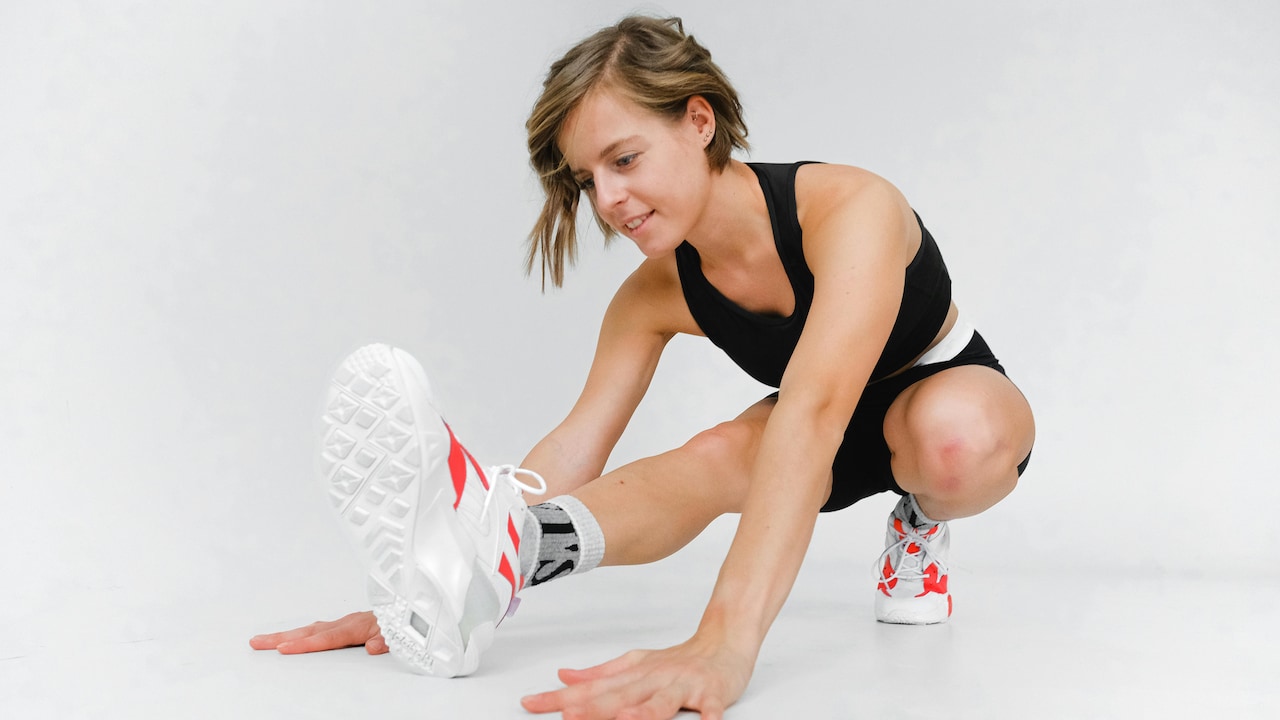
Here Is Why Shoes Cause Painful Blisters Even When They Fit And How To Prevent Them.
Few things feel as irritating as a painful blister. It starts small, almost harmless, then turns every step into a reminder of discomfort. Many people assume blisters only appear when shoes are too tight or too loose. That belief sounds logical, yet reality often proves otherwise. Even shoes that feel just right at the counter can cause sore spots after a few hours outside. Feet work hard every day. They carry weight, absorb shock, and adapt to uneven roads, long queues, and rushed errands. Add heat, sweat, friction, and changing foot shapes into the mix, and blisters start making sense. Understanding why they form helps prevent them.
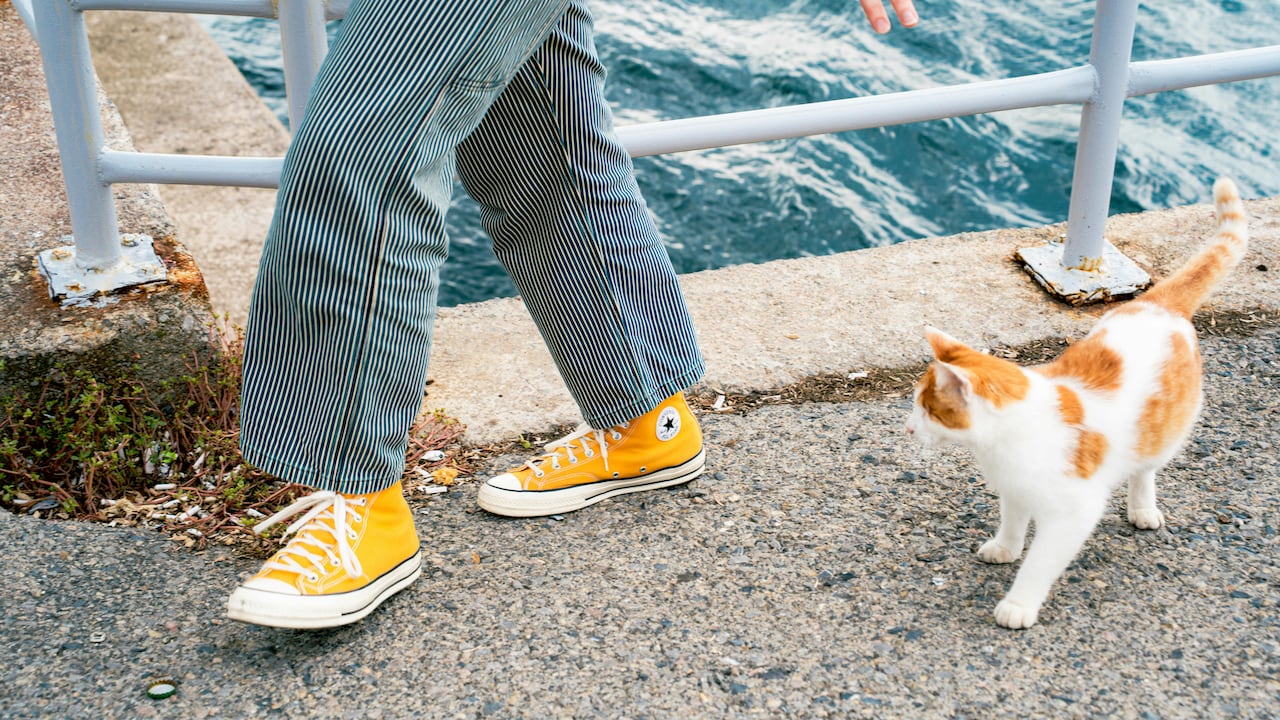
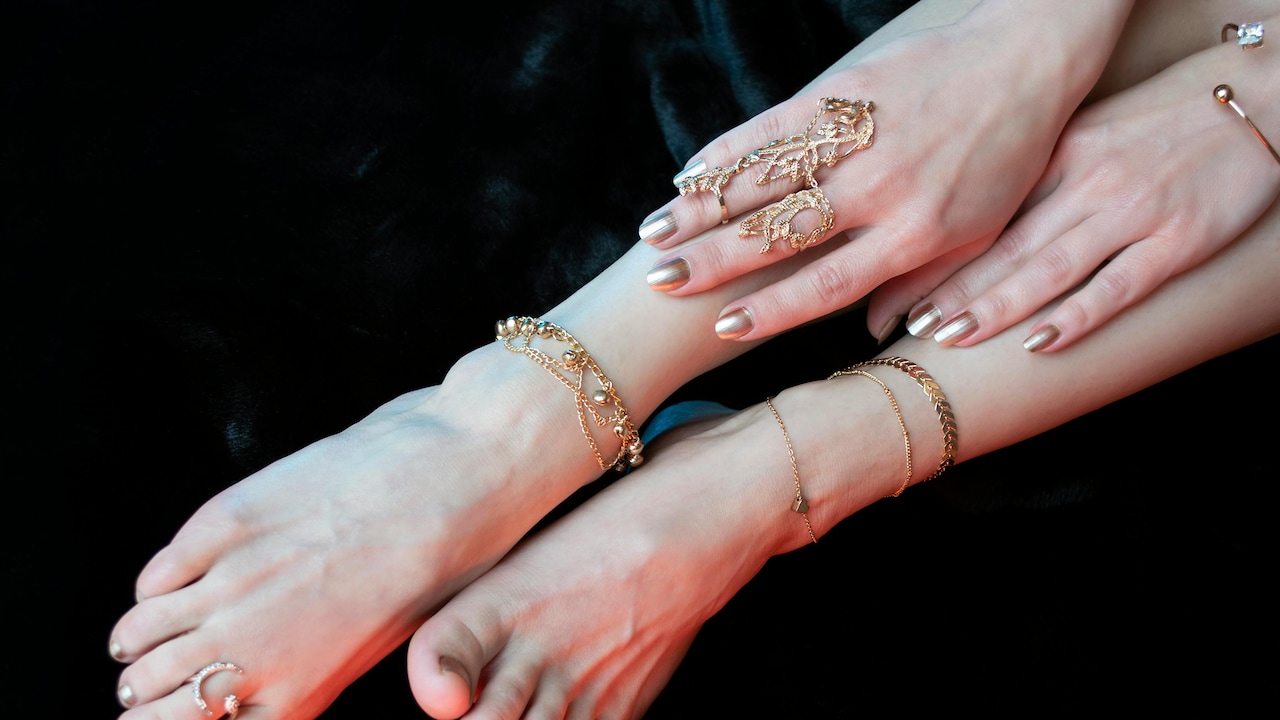
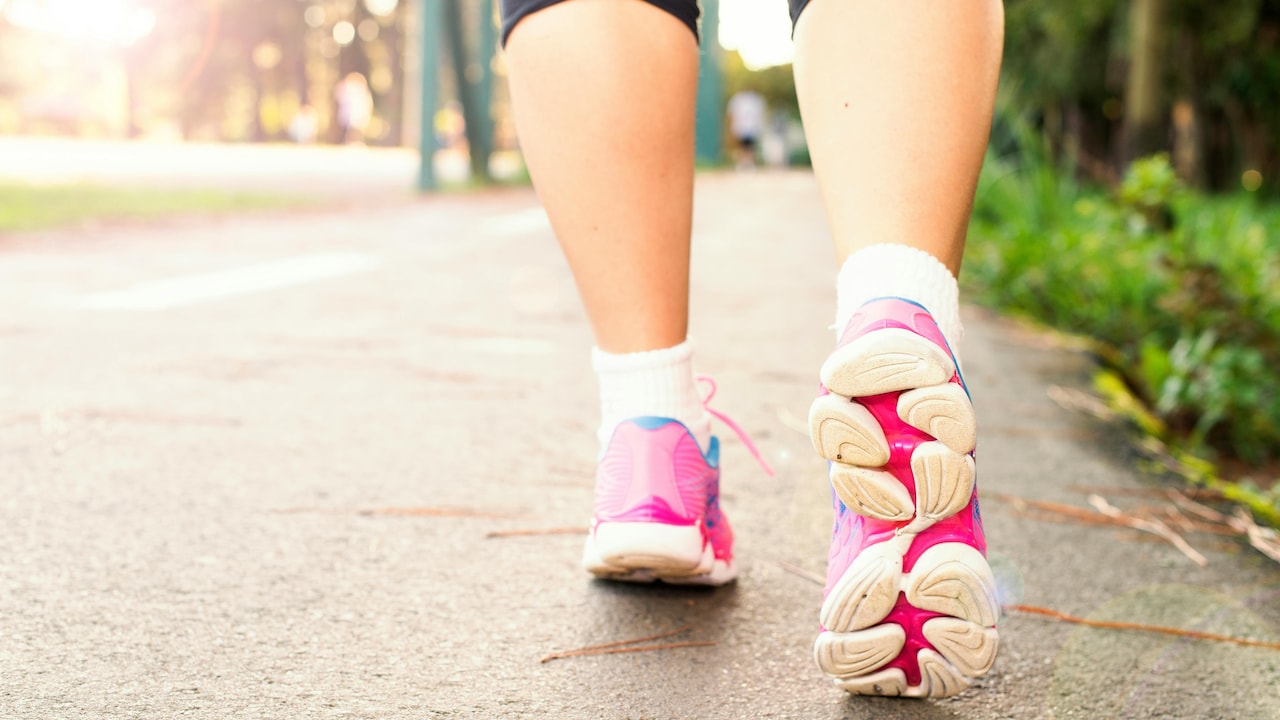
Learn all about what makes shoes blister every time you wear them; Photo Credit: Pexels
This article breaks down common footwear issues and offers practical tips that fit everyday routines, whether commuting, attending weddings, or strolling through markets.
Also Read: Women's Casual Shoes That Go with Everything: Pairs You Will Actually Wear on Repeat
Understanding The Hidden Reasons Behind Footwear Blisters
1. Friction: The Real Culprit Behind Most Blisters
Blisters rarely come from pressure alone. Friction causes most of the trouble. When skin rubs repeatedly against the shoe material, layers of skin separate, and fluid fills the gap. The result appears as that painful bubble no one wants.
Even a well-fitted shoe can create friction. A stiff heel counter, rough inner seams, or poorly finished edges can rub against sensitive areas. New shoes often cause more friction because the materials have not softened yet. Leather, synthetic blends, and hard linings need time to adjust to foot shape.
Long walks worsen the problem. Each step increases heat and moisture, making skin softer and more vulnerable. Once friction starts, blisters form quickly. Paying attention to shoe interiors matters as much as checking size. Smooth linings and flexible materials reduce friction significantly. Socks also play a role, acting as a buffer between foot and shoe.
2. Foot Shape Changes Throughout the Day
Feet do not stay the same size from morning to night. Heat, walking, and standing cause feet to swell slightly. That change may feel minor, yet it alters how shoes interact with skin.
Shoes bought in the morning often feel tighter by evening. Extra swelling increases rubbing, especially around toes and heels. Long workdays, travel, and humid weather make swelling more noticeable. Even sandals can cause blisters when straps start rubbing against expanded skin.
Understanding this daily change helps when choosing footwear. Trying shoes later in the day gives a more realistic fit. Adjustable straps, laces, or elastic panels allow flexibility as feet change shape. Ignoring swelling often leads to surprise blisters after what seemed like a perfect fit earlier.
3. Material Matters More Than Expected
Not all shoe materials behave the same way. Synthetic fabrics often trap heat and moisture. Sweat builds up, softening skin and increasing friction. Leather breathes better but may feel stiff at first. Cheap linings sometimes hide rough textures that irritate skin.
Footwear designed for style rather than comfort often sacrifices lining quality. Decorative seams, thick stitching, and glued sections can rub against skin with every step. That rubbing remains unnoticed initially, then suddenly turns painful.
Choosing shoes with breathable materials helps prevent blisters. Soft leather, mesh panels, and padded linings offer comfort without sacrificing appearance. Checking inside the shoe with fingers can reveal potential trouble spots. Smooth interiors keep feet happier for longer hours.
4. Socks: The Unsung Heroes or Hidden Villains
Socks rarely get enough credit. The wrong pair can undo even the best footwear choice. Thin cotton socks absorb sweat and stay damp, increasing friction. Thick socks may bunch up, creating pressure points.
Synthetic blends designed for moisture control keep feet drier. Seamless socks reduce rubbing around the toes. Proper fit matters too. Loose socks wrinkle, while tight ones restrict movement.
Skipping socks altogether with closed shoes often invites blisters. Bare skin rubs directly against the shoe lining, increasing the risk. Even no-show socks provide some protection. Choosing socks thoughtfully transforms daily comfort. They act as a protective layer that absorbs friction before the skin suffers.
5. New Shoes and the Myth of Instant Comfort
New shoes look tempting and promise style upgrades. Many people wear them straight out for long outings, trusting the shop's comfort. That choice often ends badly.
New footwear needs time to adapt. Materials stretch, soften, and mould with gradual wear. Jumping into a full day with new shoes overwhelms the feet. Small friction points turn into blisters quickly.
Breaking in shoes gradually helps. Short walks at home or quick errands allow adjustment without pain. Thick socks during initial wear protect skin. Shoe stretch sprays and softeners speed up the process. Patience saves feet from unnecessary suffering.
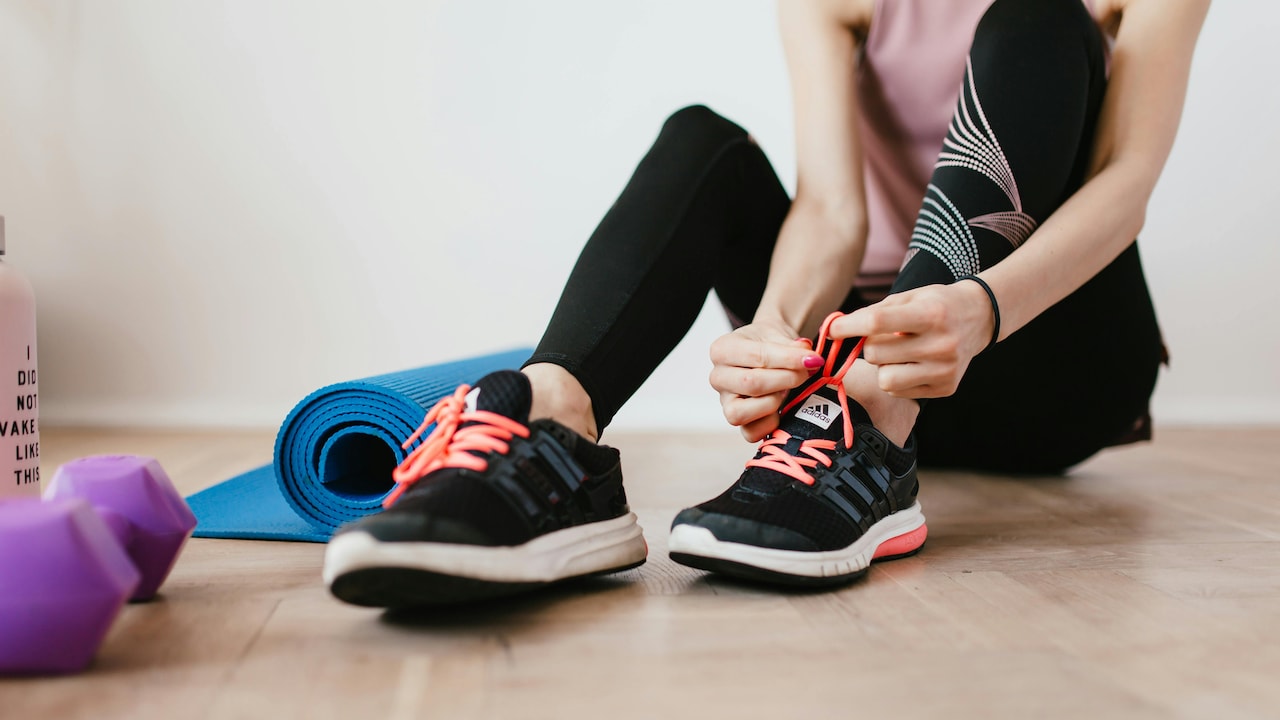
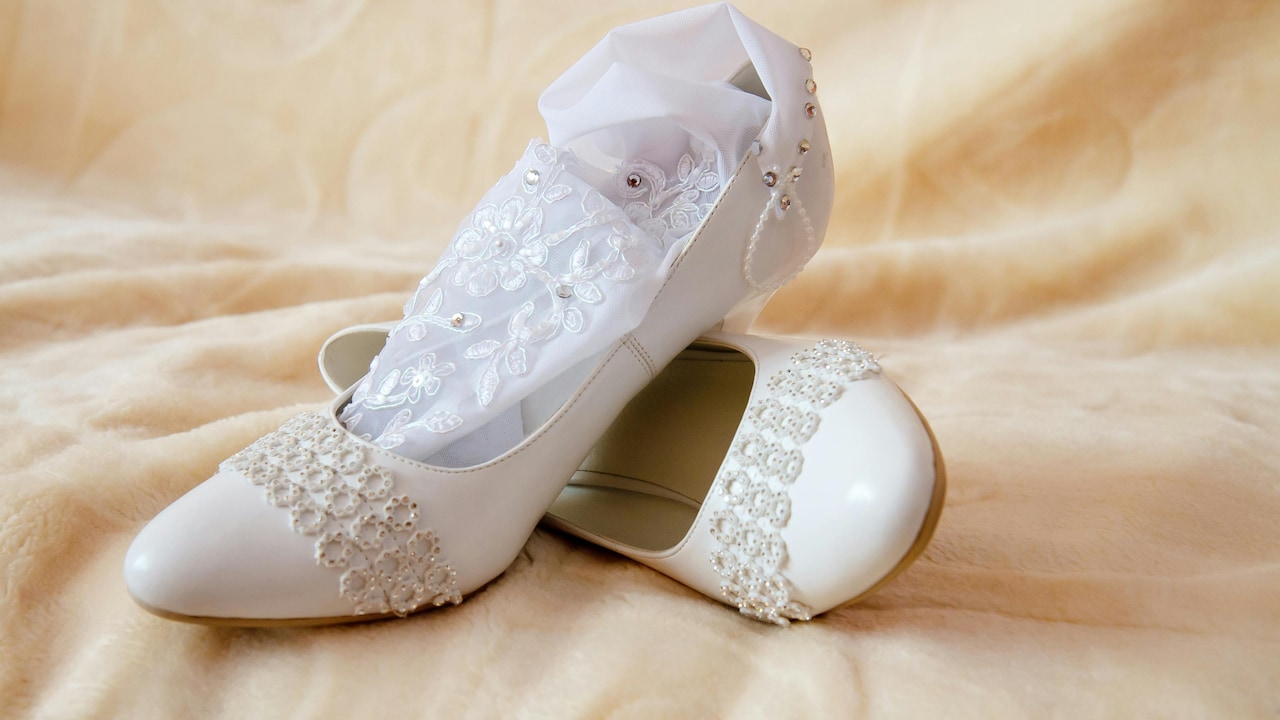
Contrary to their soft appeal, new shoes need time to stretch, become comfortable, and adapt; Photo Credit: Pexels
6. Walking Style and Posture Play a Role
Everyone walks differently. Some people land heavily on their heels, others push off with toes. Uneven gait creates uneven pressure inside shoes. That imbalance increases friction in specific areas.
Poor posture and worn-out footwear worsen the issue. Old shoes lose support, forcing feet to compensate. That compensation changes pressure points and leads to blisters in unexpected places.
Paying attention to walking style helps identify problem areas. Supportive footwear reduces unnecessary movement inside shoes. Replacing old shoes before they collapse keeps feet aligned. Small changes in posture and support can prevent repeated blister trouble.
7. Weather, Heat, and Humidity Effects
Hot weather affects feet more than expected. Heat increases sweating, swelling, and skin softness. Humid conditions prevent sweat from evaporating, keeping feet damp.
Damp skin blisters easily. Even breathable shoes struggle during peak summer heat. Long waits outdoors, crowded transport, and afternoon errands intensify the problem.
Choosing weather-appropriate footwear helps. Open designs, breathable fabrics, and moisture-wicking socks reduce discomfort. Keeping spare socks handy allows quick changes. Simple steps make a noticeable difference during warmer months.
8. Poor Shoe Design Disguised as Fashion
Trendy footwear often prioritises looks over comfort. Narrow toe boxes squeeze toes together. Hard soles reduce shock absorption. Thin straps dig into skin.
These designs may fit technically, but ignore foot anatomy. Continuous rubbing in tight spaces creates ideal conditions for blisters. Occasional wear may feel manageable, yet long hours reveal flaws.
Balancing style with comfort matters. Many brands now offer fashionable options with cushioned soles and better support. Choosing wisely prevents pain without sacrificing appearance. Feet deserve attention equal to outfit coordination.
9. Quick Prevention Tips That Actually Work
Preventing blisters does not require complicated routines. Simple habits make a big difference. Applying petroleum jelly or anti-friction balms reduces rubbing in sensitive areas. Using blister plasters proactively protects high-risk spots.
Keeping feet clean and dry matters. Washing and drying thoroughly prevents skin breakdown. Foot powders help absorb moisture. Regular nail trimming avoids pressure points.
Rotating shoes allows materials to dry and recover. Wearing the same pair daily traps moisture and odour. Variety improves shoe lifespan and foot health. Prevention works best when it becomes routine rather than a reaction.
10. When to Take Blisters Seriously
Most blisters heal with basic care. Ignoring them, however, invites infection. Redness, swelling, warmth, or pus signal trouble. Pain that worsens instead of easing needs attention.
Popping blisters at home increases infection risk. Keeping them clean and covered helps healing. Comfortable footwear during recovery prevents reopening wounds.
Persistent blister issues may indicate underlying problems such as poor fit, foot conditions, or posture concerns. Consulting a foot specialist helps identify root causes. Treating feet with care prevents small problems from becoming long-term discomfort.
Products Related To This Article
1. PROVOGUE Boots For Men
2. TRYME Boots For Women
3. action N-702 Comfortable Breathable Lightweight Trendy Sports Lace Ups Running Shoes
4. OFF LIMITS OCM-822 04 Hiking & Trekking Shoes For Men
5. CAMPUS LOUNGE Sneakers For Women
Blisters may seem minor, yet they disrupt daily life more than expected. The frustration grows when they appear despite well-fitted shoes. Understanding friction, materials, foot changes, and daily habits reveals why blisters happen. Prevention becomes easier once the causes become clear.
Feet support every step, every errand, and every celebration. Treating them kindly pays off. Choosing the right footwear, socks, and routines reduces pain and increases comfort. With a little attention and patience, blisters lose their power to ruin good days.
(Disclaimer: This article may include references to or features of products and services made available through affiliate marketing campaigns. NDTV Convergence Limited (“NDTV”) strives to maintain editorial independence while participating in such campaigns. NDTV does not assume responsibility for the performance or claims of any featured products or services.)