Borosilicate vs Regular Glass: What You Should Actually Buy
Borosilicate and regular glass may look similar, but they behave very differently in daily use. This guide breaks down durability, heat resistance, safety and value to help you choose the right glassware without confusion.
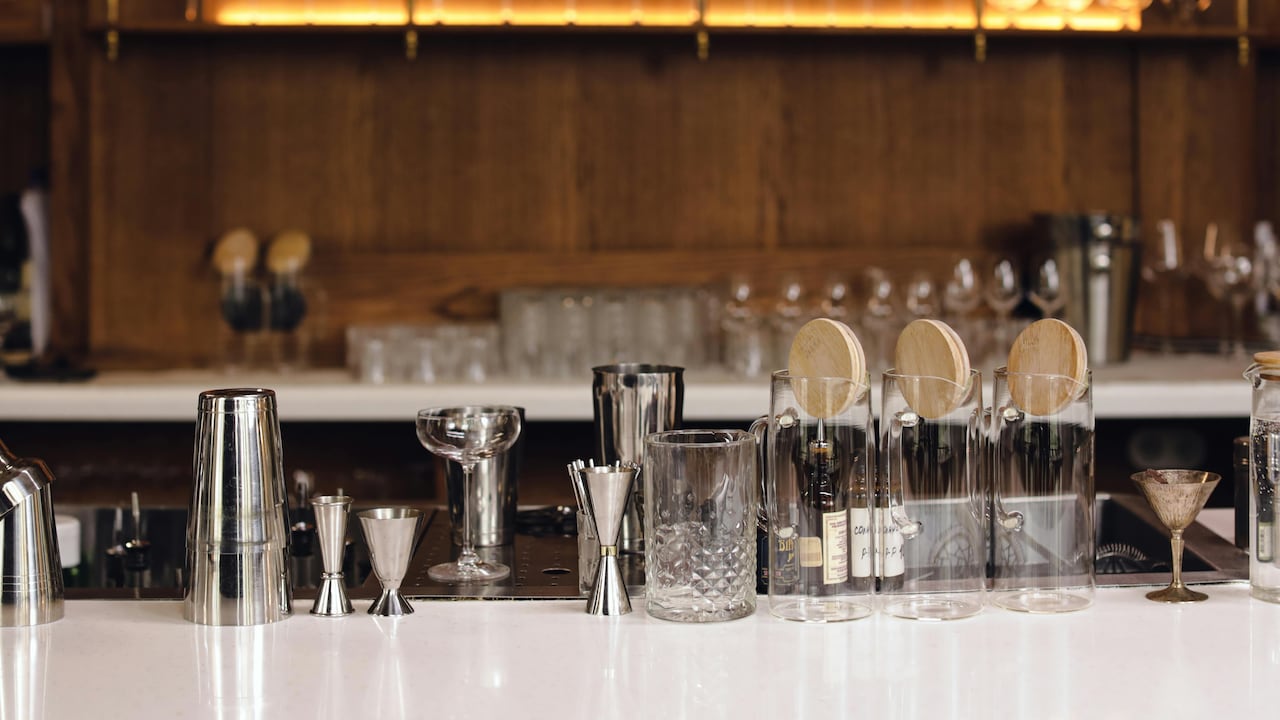
Borosilicate Glass vs Regular Glass: Key Differences, Uses And Buying Advice.
Glass has quietly shaped daily routines for decades. Morning tea, reheated leftovers, stored spices, or that trusted water bottle carried everywhere, each relies on glass doing its job well. Yet, a surprising number of households still treat all glass as equal. That assumption often leads to cracked containers, wasted money, and the occasional sharp reminder that quality matters.
Walk into any kitchen store, and the shelves tell a confusing story. Labels shout 'borosilicate', 'heat resistant', or simply 'glass'. Prices vary wildly. A storage jar for ₹250 sits next to another for ₹850, both looking almost identical. The difference only shows up later, sometimes dramatically.
This article explores borosilicate glass and regular glass in plain terms. Just practical insights rooted in everyday use, boiling water, pressure cookers, refrigerators, microwave reheating, and long-term value. The aim is simple: help make smarter buying decisions without falling for buzzwords or spending more than necessary. So, when it comes to borosilicate vs regular glass, here is what you should actually buy.
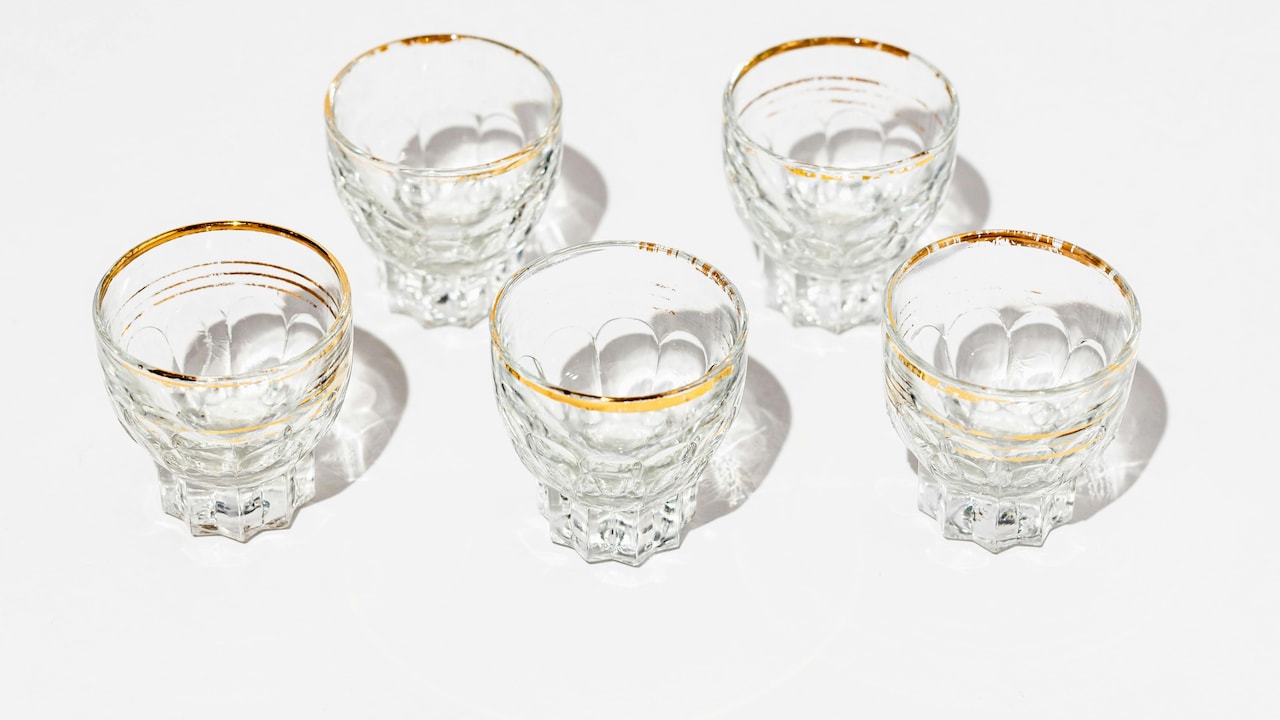
Borosilicate vs Regular Glass: What You Should Actually Buy
Photo Credit: Pexels
Key Factors To Consider Before Choosing Your Glassware
1. What Exactly Is Regular Glass?
Regular glass, often called soda-lime glass, is the most common type found in homes. It makes up drinking tumblers, jam jars, plates, and many decorative items. The reason is simple: it is affordable and easy to produce. For daily, low-stress use, it performs reasonably well.
However, regular glass has a weakness: heat shock. Pouring boiling water into a cold tumbler or shifting a dish straight from the fridge to the microwave can cause cracks. Sometimes the damage is instant. Other times, a hairline fracture waits quietly before giving way later.
That unpredictability explains why old-school kitchen wisdom often includes warming glasses before adding hot liquids. Regular glass expands quickly when heated, and uneven expansion creates stress. Over time, repeated heating and cooling reduce its strength.
For uses like serving water, storing dry food, or holding flowers, regular glass works perfectly. It is also cheaper, which matters when stocking a full kitchen. The key is understanding its limits rather than expecting it to behave like premium alternatives.
2. What Makes Borosilicate Glass Different?
Borosilicate glass includes boron trioxide in its composition, which dramatically improves heat resistance. This change may sound minor, yet it transforms performance. The glass expands very little when heated, allowing it to handle sudden temperature changes with ease.
That is why borosilicate glass moves comfortably from freezer to microwave, or from countertop to oven. It does not flinch at boiling water or long cooking times. This resilience makes it popular for cookware, laboratory equipment, and high-quality drinkware.
Another benefit lies in clarity. Borosilicate glass stays crystal clear for years without turning cloudy. It resists chemical reactions, meaning acidic foods, oils, and spices do not leave lasting marks or odours.
The downside? Cost. Borosilicate items often cost two to three times more than regular glass. Yet, they also last longer, crack less often, and reduce replacement costs. For households that cook frequently or rely heavily on microwaves, this durability can quietly justify the price over time.
3. Heat Resistance: The Real-World Difference
Heat resistance sounds technical until it ruins dinner. Picture reheating leftover dal in a glass bowl. Regular glass may survive once or twice, then shatter without warning. Borosilicate glass treats this routine like a mild inconvenience.
The difference lies in thermal expansion. Regular glass expands rapidly under heat, while borosilicate expands slowly and evenly. That balance prevents internal stress, which causes cracks.
In practical terms, borosilicate glass suits pressure cookers, ovens, air fryers, and microwave reheating. Regular glass prefers room-temperature liquids and gentle washing.
For tea lovers who pour boiling water straight from kettle to cup, borosilicate tumblers offer peace of mind. No need for spoon-warming rituals or cautious pauses. That small convenience adds up, especially in busy mornings.
Heat resistance also improves safety. Shattered glass causes injuries and food wastage. Spending extra to avoid those risks often feels sensible after the first unpleasant experience.
4. Durability and Long-Term Value
Durability goes beyond surviving heat. It includes resistance to scratches, chips, and gradual wear. Regular glass tends to show age quickly. Small knocks leave chips along rims. Repeated washing causes cloudiness.
Borosilicate glass handles daily abuse better. It resists scratching from metal spoons and does not react to harsh detergents. Even after years of use, it often looks new.
That longevity changes the cost equation. A ₹900 borosilicate container lasting ten years may outlive three ₹300 regular glass containers. Over time, replacements cost more than the original upgrade.
There is also emotional durability. Nobody enjoys throwing away broken items or cleaning shattered glass at odd hours. Sturdier materials reduce those frustrations.
For families with children or elderly members, durability becomes even more important. Fewer breakages mean fewer accidents. In that sense, borosilicate glass quietly supports safer kitchens.
5. Everyday Uses: Storage, Cooking, and Drinking
Not every glass item needs premium performance. Choosing wisely means matching material to purpose.
For water tumblers, juice glasses, and casual serving, regular glass works well. These items rarely face temperature extremes. They are easy to replace and come in countless designs.
For storage containers holding leftovers, curries, or cut fruits, borosilicate glass shines. It moves from the fridge to the microwave without hesitation. Lids fit better over time because the glass does not warp or chip easily.
Cooking vessels, baking dishes, measuring cups, and mixing bowls benefit most from borosilicate construction. Even stirring hot gravies feels safer.
Tea and coffee drinkware sit somewhere in between. Those who enjoy piping hot drinks daily may appreciate borosilicate cups. Others may stick with traditional glasses without issue.
Smart kitchens mix both types rather than choosing one exclusively.
6. Weight, Feel, and Everyday Comfort
Regular glass often feels heavier and thicker. That weight gives a sense of solidity, which some people prefer. It also helps tumblers stay stable on tables.
Borosilicate glass, despite its strength, feels lighter and thinner. This quality surprises first-time users. The glass looks delicate but behaves toughly. That lightness makes it comfortable for daily handling, especially for children and older adults.
The thinner walls also improve the drinking experience. Hot beverages cool slightly faster. Cold drinks feel refreshing without excessive condensation.
However, lighter weight can feel unfamiliar. Some associate heaviness with quality. That perception fades quickly once the benefits become clear.
Comfort matters more than appearance in the long run. A glass that feels easy to use encourages frequent use rather than sitting untouched on shelves.
Also Read: What To Cook In A Multipurpose Kettle And What Not To: A Practical Kitchen Guide
7. Safety and Health Considerations
Both borosilicate and regular glass are considered safe for food use. They do not leach chemicals like some plastics. That alone makes glass a healthier choice overall.
However, safety differences emerge during breakage. Regular glass tends to shatter into sharp, jagged pieces. Borosilicate glass often cracks cleanly or breaks into larger fragments.
That distinction reduces injury risk. It also simplifies clean-up.
Borosilicate glass resists chemical reactions better. Acidic foods, strong spices, and oils do not stain or smell. Regular glass may retain odours over time, especially in storage containers.
For households focused on long-term food safety and hygiene, borosilicate glass offers subtle yet meaningful advantages.
8. Environmental Impact and Sustainability
Glass already ranks among the more sustainable materials. It is recyclable and durable. Yet, frequent breakage reduces those benefits.
Regular glass, with its shorter lifespan, often ends up discarded sooner. Borosilicate glass lasts longer, reducing waste generation.
Production of borosilicate glass consumes more energy initially. However, its extended use offsets that footprint over time. Fewer replacements mean fewer manufacturing cycles.
Reusing sturdy containers also reduces reliance on single-use plastics. Storing grains, spices, and leftovers in long-lasting glass supports sustainable habits without extra effort.
Choosing durability aligns quietly with environmental responsibility. It is not dramatic, but it adds up across years of daily use.

Borosilicate vs Regular Glass: What You Should Actually Buy
Photo Credit: Pexels
9. Price Differences and Budget Decisions
Price remains the biggest hurdle. Regular glass products are affordable and widely available. A full set of tumblers may cost under ₹500. Borosilicate sets easily cross ₹1,200.
The decision becomes easier when prioritised. Upgrading everything at once feels expensive. Starting with high-risk items makes sense: storage containers, microwave bowls, and baking dishes.
Gradual replacement spreads the cost over time. Broken regular glass items can be replaced with borosilicate alternatives when needed. That approach avoids waste while improving quality step by step.
Sales and festive discounts often reduce prices significantly. Planning purchases around those periods helps manage budgets without compromise.
Ultimately, value matters more than upfront cost. Paying slightly more for items used daily often feels justified.
10. So, What Should You Actually Buy?
The answer depends on lifestyle, not trends. Regular glass suits simple needs, serving, decoration, and occasional use. It remains practical and affordable.
Borosilicate glass suits modern cooking habits, frequent reheating, long storage, and temperature shifts. It supports busy routines with fewer worries.
A balanced kitchen includes both. Use regular glass where risk is low. Invest in borosilicate where performance matters.
Avoid buying solely based on labels. Understand use cases. That clarity prevents disappointment and wasted money.
Choosing glass should feel empowering, not confusing. With the right mix, everyday tasks become smoother, safer, and quietly satisfying.
Products Related To This Article
1. Borosil Vision 6pc Transparent Drinking Glass
2. Drinking Glasses Tumbler Mug with Lid and Straws
3. Rioware ,230ml 6pc Vision Transparent Large Glass Set
4. Amazon Brand - Solimo Borosilicate Glass Container
5. KELVEE Reusable Glass Tumbler with Bamboo Lid and Straw Pack of 1
6. SIGNORA WARE Bake 'N' Serve Borosilicate Glass Oval Dish
7. PrimeWorld European Crystal Clear Stemless 300 ml Glasses Set of 6 pcs
Glass may seem ordinary, yet it shapes countless daily moments. The choice between borosilicate and regular glass is less about superiority and more about suitability. Each serves a purpose when used thoughtfully. In the end, the best glass is the one that fits real life, hot tea, leftovers, busy mornings, and quiet evenings alike.
(Disclaimer: This article may include references to or features of products and services made available through affiliate marketing campaigns. NDTV Convergence Limited (“NDTV”) strives to maintain editorial independence while participating in such campaigns. NDTV does not assume responsibility for the performance or claims of any featured products or services.)








![Steam Iron Teflon Shoe Cover for ES-300,ST-96 [Only For ES-300 and ST-96 Model Electric Steam Irons]](https://m.media-amazon.com/images/I/51wwkttondL._SL160_.jpg)