How To Buy A Wooden Cupboard Online: Expert Tips For Reading Photos And Reviews
Shopping for a wooden cupboard online can be tough, with the thrill of discovery, but also a few sneaky traps along the way. A sharp eye on product photos and a smart read of reviews can save time. Explore how to navigate digital aisles like a pro.
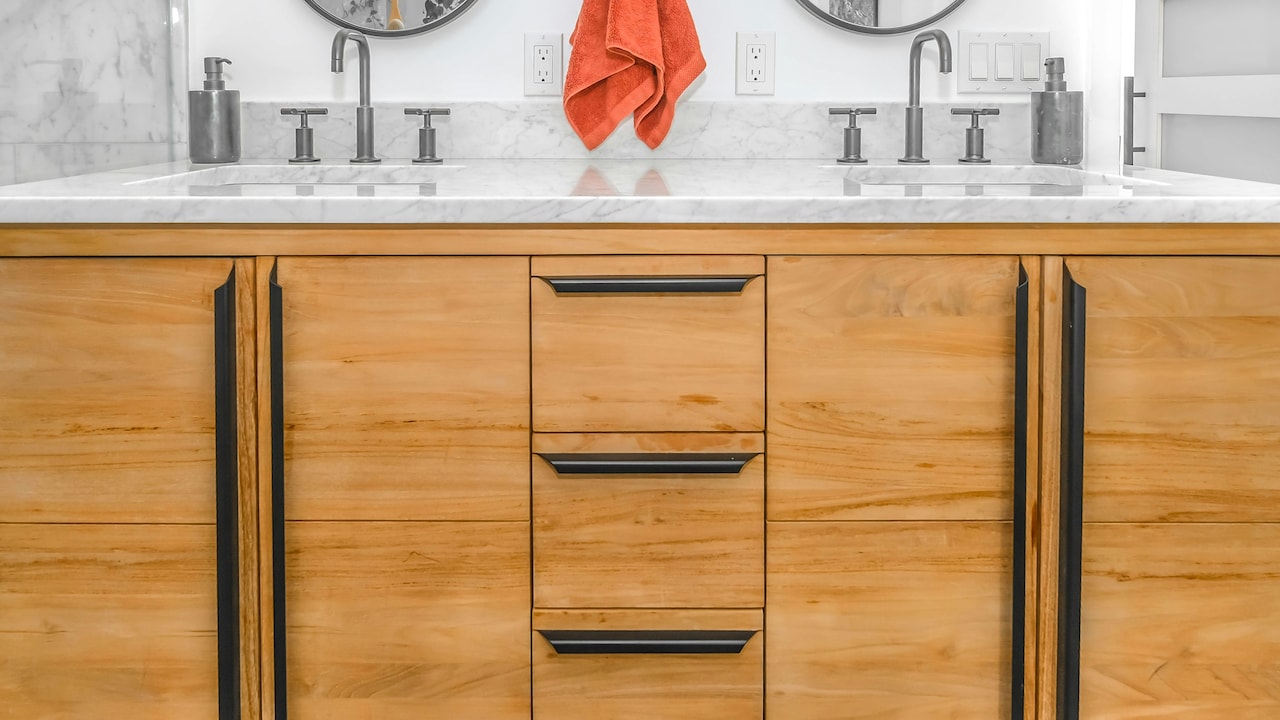
Buying A Wooden Cupboard Online: How To Read Product Photos And Reviews Like A Pro.
A wooden cupboard carries more weight than its shelves. It holds memories, protects treasured belongings, and often becomes a quiet but constant part of daily life. With online shopping booming, many homes now welcome cupboards bought with a few taps on a phone. Yet choosing one from photos and reviews alone can be a bit like judging a book by its cover, sometimes accurate, sometimes wildly misleading.
So, this guide shares practical ways to understand product photos, decode customer reviews, and shop with confidence. From spotting genuine wood grain to reading between the lines of star ratings, each section helps make online cupboard buying simple and enjoyable. Here is all about how to buy a wooden cupboard online.
How To Buy A Wooden Cupboard Online: Tips For Reading Photos And Reviews
Photo Credit: Pexels
The Essential Checklist For Confident Online Furniture Buying
1. Understanding the Frame: Why the First Photo Matters Most
The first product photo acts like the store's handshake. Brands often pick the most flattering angle, perfect lighting, and a carefully curated background. The goal is simple: to catch attention. But a well-trained eye can see beyond the glamour. A sharp zoom helps spot the tiny clues tucked into corners: the joints between panels, the smoothness of the finish, or the slight shade variations on the wood. These small details often reveal more truth than the polished front view.
Many cupboards are styled with décor items to make them look bigger or smaller. A lamp or vase may appear beside it, but proportions can be deceptive. A strategic placement makes a compact cupboard seem roomy or a tall one seem modest. So, the key is to observe how the cupboard interacts with the frame. Does the perspective stretch or shorten it? Does the reflection on the wood surface look natural or heavily edited? A mindful look at the first photo builds a stronger foundation for the rest of the buying decision.
2. Zoom In On the Wood Grain: Spotting Real Material vs. Veneer
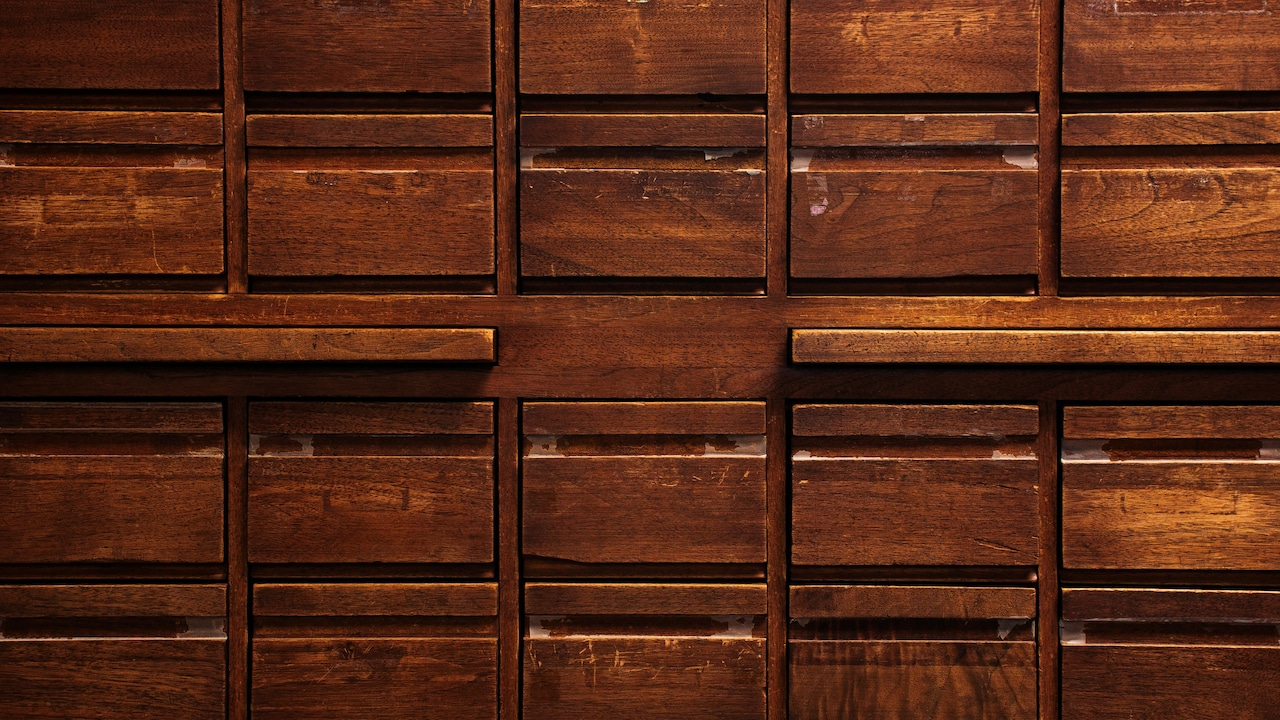
Wood grain patterns carry unmistakable character. They flow in organic curves, uneven streaks, and natural colour transitions. Veneer or laminate, on the other hand, often looks too perfect, with uniform patterns repeating in oddly predictable ways. A careful zoom into the product's surface can help identify what's genuine and what's printed. Real wood shows knots, slight dents, and earthy imperfections that laminate rarely imitates convincingly.
Another useful tactic is comparing grain patterns across multiple photos. A real wooden cupboard will show variation in each panel, while engineered materials may appear identical from door to door. Observe the edges as well. Solid wood edges look thicker and more blended, whereas veneer often reveals a sharp transition line. Price can also offer clues. A full-sized solid wood cupboard in the lower ₹ range should raise an eyebrow, while a slightly higher cost often aligns with better quality. Trained observation ensures the chosen cupboard lives up to expectations in both durability and authenticity.
3. Observing Colour Differences: The Truth Behind Lighting Tricks
Lighting can dramatically alter how a wooden cupboard appears. Warm lighting deepens the richness of walnut tones, while bright white lights can make sheesham appear pale or washed out. Some sellers use heavy editing to enhance vibrancy, making the wood look fresher or glossier than it is. This is why comparing photos shot in different settings becomes essential. If a cupboard looks richly brown in one picture and yellowish in another, the actual shade likely falls somewhere in between.
Look for unedited shadows. Natural shadows usually appear softer and blend gradually. Artificially enhanced shadows look sharp or unnaturally dark. The photo's background colour also affects perception. A dark background may make the cupboard appear lighter and vice versa. When uncertain, the colour description in the text, such as “honey finish” or “dark walnut”, combined with customer-uploaded images, can provide a more accurate idea. Understanding these tricks helps buyers avoid mismatched furniture or unexpected shades when the cupboard finally arrives at the door.
4. Examining Hardware Closely: The Unsung Hero of Cupboard Quality
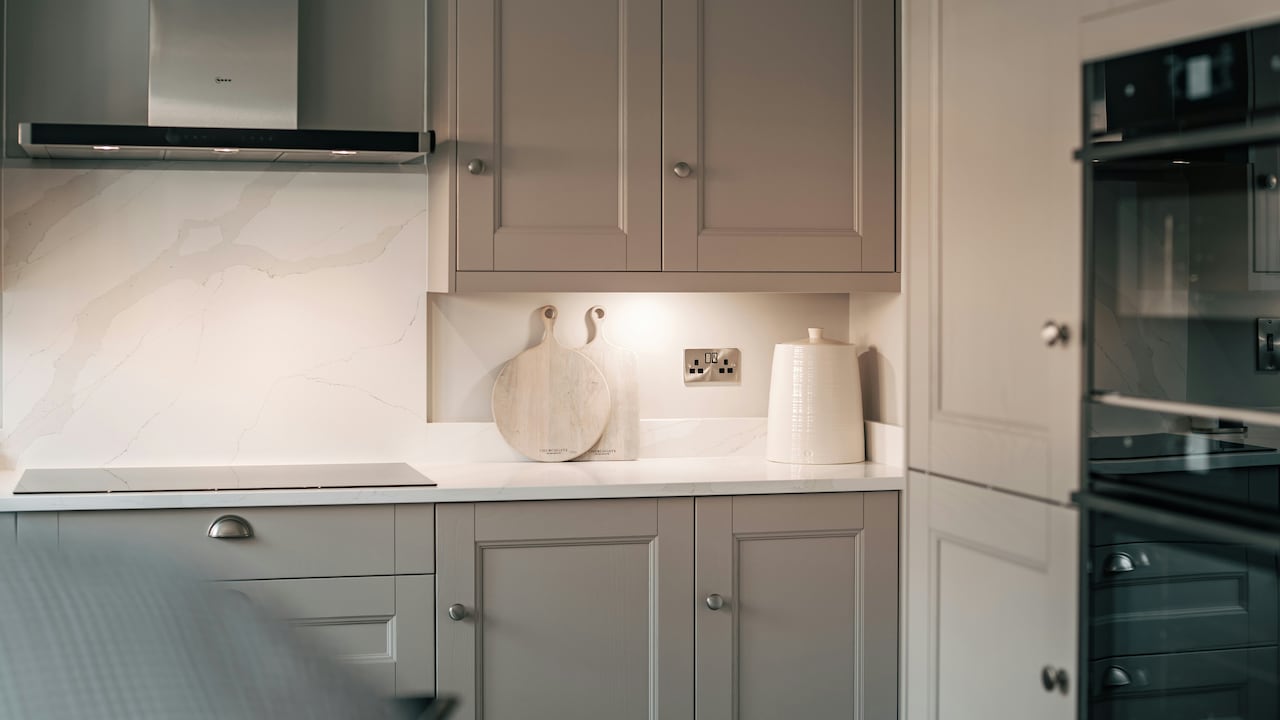
Handles, hinges, and knobs often tell a silent story about build quality. Cheap hardware tends to look flimsy, with thin metallic coatings or lightweight plastic disguised as metal. A zoomed-in view can reveal brushed textures, screw placements, and how securely the hardware is attached. Even the tiniest gap around a hinge or handle can indicate rushed manufacturing.
Another reliable sign is consistency. If the hinges in the left door differ from those in the right, or if handles vary slightly in shape, that's a red flag. Good brands maintain uniformity. Look for reinforced hinges, soft-close fittings, or strong magnetic stoppers. These add long-term value even if the initial price seems slightly higher. Cupboards with sturdy hardware withstand daily use effortlessly, especially in homes where doors open and close dozens of times a day. Spotting quality hardware early ensures the cupboard remains dependable for years.
Also Read: From Manual To Motorised Recliners: The New Comfort Trend In India
5. Dimensions: Reading Them Like a Space Planner
Measurements can be the biggest source of disappointment when shopping online. Many people have experienced the shock of receiving a cupboard that looks majestic online but barely reaches shoulder height in reality. This is why dimensions deserve extra attention. Height, width, and depth should be compared not only with the available space at home but also with expectations set by the product photos.
Visualising depth is especially important. A cupboard may be tall and wide but too shallow to store clothes comfortably. A depth of around 45–60 cm usually works well for wardrobe-style cupboards. For multipurpose cupboards, depth depends on intended use, books, linens, or kitchen supplies. Sketching the measurements on the floor using tape gives a real feel of the cupboard's footprint. Checking shelf height also matters. Tall stacks of clothing require more vertical room, while smaller cubby spaces suit accessories. Understanding dimensions like a planner avoids post-purchase regret and helps bring home a cupboard that fits both space and lifestyle.
6. Customer Photos: The Most Honest Part of Online Shopping
Customer-uploaded photos often act as the closest thing to seeing the cupboard in person. These images come without professional lighting, editing, or dramatic angles. They reveal real colours, actual proportions, and genuine finish quality. A living room backdrop or a bedroom corner offers a relatable sense of scale. These snapshots help decode how the cupboard will look in everyday lighting at home.
While scrolling through feedback, look for recurring themes. If several buyers mention the finish being slightly darker or the shelves being thinner than expected, the pattern is worth considering. Some photos even reveal clever storage ideas or styling inspiration from other households. They may show wear and tear after months of use, offering insight into durability. The combination of honest visuals and practical experiences makes customer photos one of the most reliable decision-making tools.
7. Learning to Decode Review Tone: Reading Between the Lines
Star ratings alone don't tell the whole story. A five-star review might praise fast delivery rather than product quality, while a three-star one might be extremely detailed and useful. The tone of the review matters. Reviews with balanced opinions, mentioning both positives and small flaws, tend to be more trustworthy than overly enthusiastic or overly negative ones.
Short comments like “good product” or “value for money” add little depth. Instead, look for specifics: build quality, wood finish, smell of fresh polish, sturdiness of hinges, or accuracy of colour. If a reviewer mentions “lighter than expected,” it could hint at engineered wood. Phrases such as “the doors feel loose” or “finish chipped after a month” reveal long-term issues. Even the delivery experience can impact the purchase decision. Understanding subtle cues in tone helps filter genuine reviews from rushed or emotional ones and guides the buyer towards a reliable choice.
8. Spotting Fake or Misleading Reviews: A Simple Survival Skill
Some reviews may be paid, exaggerated, or completely fake. Identifying them keeps the buying process clean and safe. Repetitive phrases across multiple reviews often indicate automated posting. Reviews that sound too dramatic or promotional, “best cupboard ever made,” “unbelievable quality for this price”, deserve scepticism. Another red flag is mismatched details, where a reviewer talks about drawers even though the cupboard has none.
Check the date pattern. Several reviews posted within a short window, all with the same tone, may not be organic. On many platforms, “verified purchase” tags offer a layer of authenticity. Look for reviews that align with customer photos. If the text feels sugar-coated but the images show clear flaws, trust the photos. Spotting misleading reviews is like filtering noise from a conversation, once the unnecessary buzz fades, genuine feedback becomes easy to recognise.
How To Buy A Wooden Cupboard Online: Tips For Reading Photos And Reviews
Photo Credit: Pexels
9. Delivery And Assembly Reviews: Understanding the Hidden Half of the Purchase
A cupboard may look perfect, yet the real test begins at delivery and assembly. Reviews often reveal whether the product arrived with scratches, loose joints, or mismatched parts. Some buyers mention delays, packaging quality, or missing screws. These experiences matter because a cupboard is a bulky piece, and a poor delivery process can cause damage even before installation.
Assembly-related comments are equally crucial. Many cupboards come flat-packed, requiring installers sent by the seller. If reviews mention rushed assembly, incomplete fitting, or careless handling, that's a sign to stay prepared. Good brands usually provide detailed instructions, predrilled holes, and sturdy fittings. Smooth delivery and efficient installation often predict a longer lifespan for the furniture. Reading these reviews ensures a stress-free experience and sets the right expectations from the moment the product reaches home.
10. Balancing Price with Value: Knowing When a Deal Is Truly Worth It
A cupboard priced at ₹7,000 may look tempting, but the real question is whether it offers long-term value. Low-cost options often use particle board or thin laminate that may warp in humid weather. On the other hand, solid wood or high-grade engineered wood naturally costs more but also lasts much longer. Evaluating price against material, hardware quality, brand reputation, and review consistency helps determine whether the purchase is wise.
Price also ties to after-sales support. Slightly higher-priced brands often offer better customer service, smoother returns, and longer warranties. These benefits matter if something goes wrong later. Seasonal sales sometimes offer significant price drops; however, a drastic discount on a new product could signal poor build quality or old stock. Understanding these dynamics helps shoppers see value beyond the price tag and make an informed decision that supports both budget and peace of mind.
Products Related To This Article
1. CASPIAN Engineered Wood 2 Door Wardrobe in Coffee Black
2. 6-Door Morden Wooden Collapsible Wardrobe for Storage
3. Sheesham Wood Wardrobe for Bedroom
4. Nilkamal Troy Engineered Wood Book Shelf
5. Solid Sheesham Wood Wardrobe with 2 Door & 2 Drawers Storage for Clothes Bedroom
6. CASPIAN Engineered Wood 2 Door Wardrobe
7. Engineered Wood Wardrobe with Hanging Rods and Wooden Handles for Bedroom
Buying a wooden cupboard online doesn't have to feel like a gamble. With sharper observation, smarter reading of reviews, and a few well-tested strategies, the experience becomes smooth, enjoyable, and surprisingly empowering. Each cupboard holds more than belongings; it holds trust. When chosen with care, it becomes a sturdy companion in the home, lasting through everyday routines, festive seasons, and quiet family moments.
A thoughtful review of photos, honest feedback, and practical details ensures the cupboard that arrives matches the one imagined. With these expert tips in hand, every shopper can navigate online listings confidently, spot quality instantly, and welcome home a cupboard that truly feels like the right choice.
(Disclaimer: This article may include references to or features of products and services made available through affiliate marketing campaigns. NDTV Convergence Limited (“NDTV”) strives to maintain editorial independence while participating in such campaigns. NDTV does not assume responsibility for the performance or claims of any featured products or services.)















![Steam Iron Teflon Shoe Cover for ES-300,ST-96 [Only For ES-300 and ST-96 Model Electric Steam Irons]](https://m.media-amazon.com/images/I/51wwkttondL._SL160_.jpg)