Sofa Buying Tips: Measure Seat Depth, Test Fabric And Check Frame Quality Before You Purchase
A practical guide to buying the right sofa. Learn why seat depth, fabric quality, and frame construction matter before spending money on furniture that should last for years.
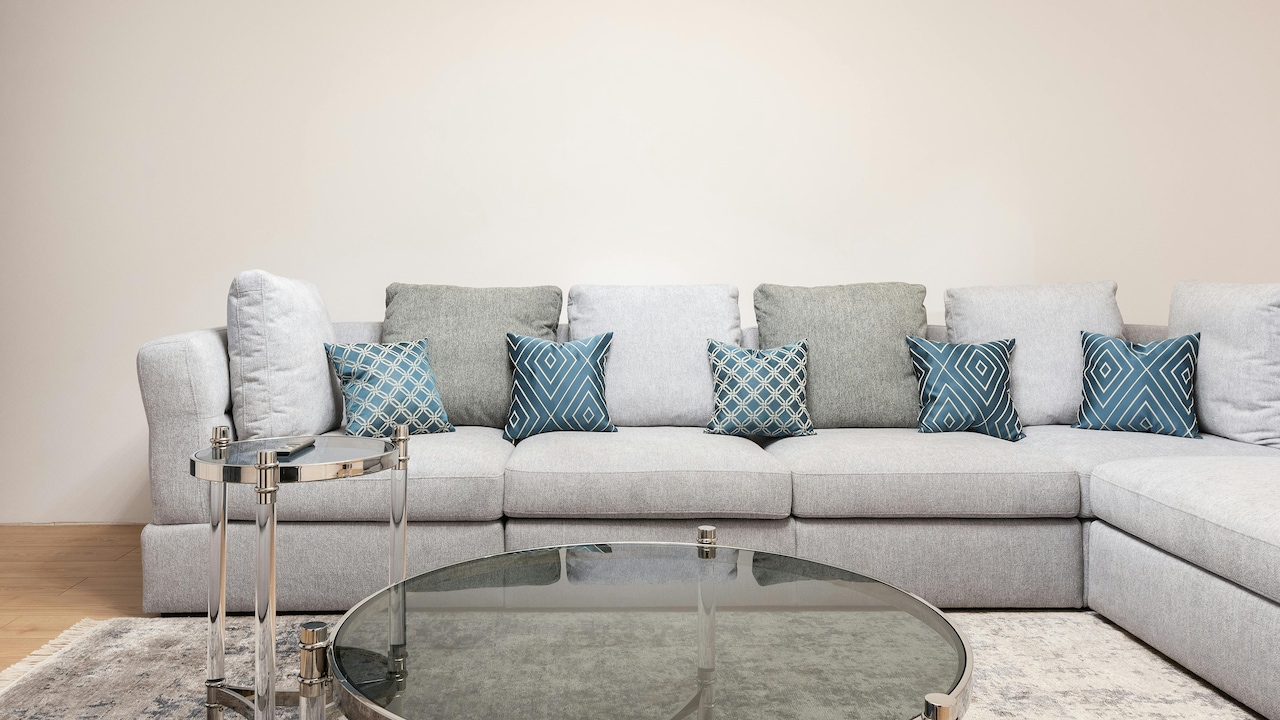
Are You Buying a Sofa? Measure Seat Depth, Test Fabric and Check Frame Quality First.
A sofa often becomes the heart of a home. It listens to daily stories, supports tired backs after long commutes, and occasionally turns into a makeshift bed. Yet, many purchases happen in a rush, driven by looks or tempting discounts. Weeks later, discomfort creeps in, cushions sag, or fabric starts to show wear far too soon. Buying a sofa deserves time, patience, and a little know-how. Measurements matter more than expected. Fabrics behave differently in real life than under showroom lights. Frames decide whether a sofa lasts years or months.
This article walks through 10 practical sofa-buying tips, including measuring seat depth, testing fabric and frame quality before purchasing - all explained in everyday language. The aim stays simple: help choose a sofa that feels right today and still feels right years later.

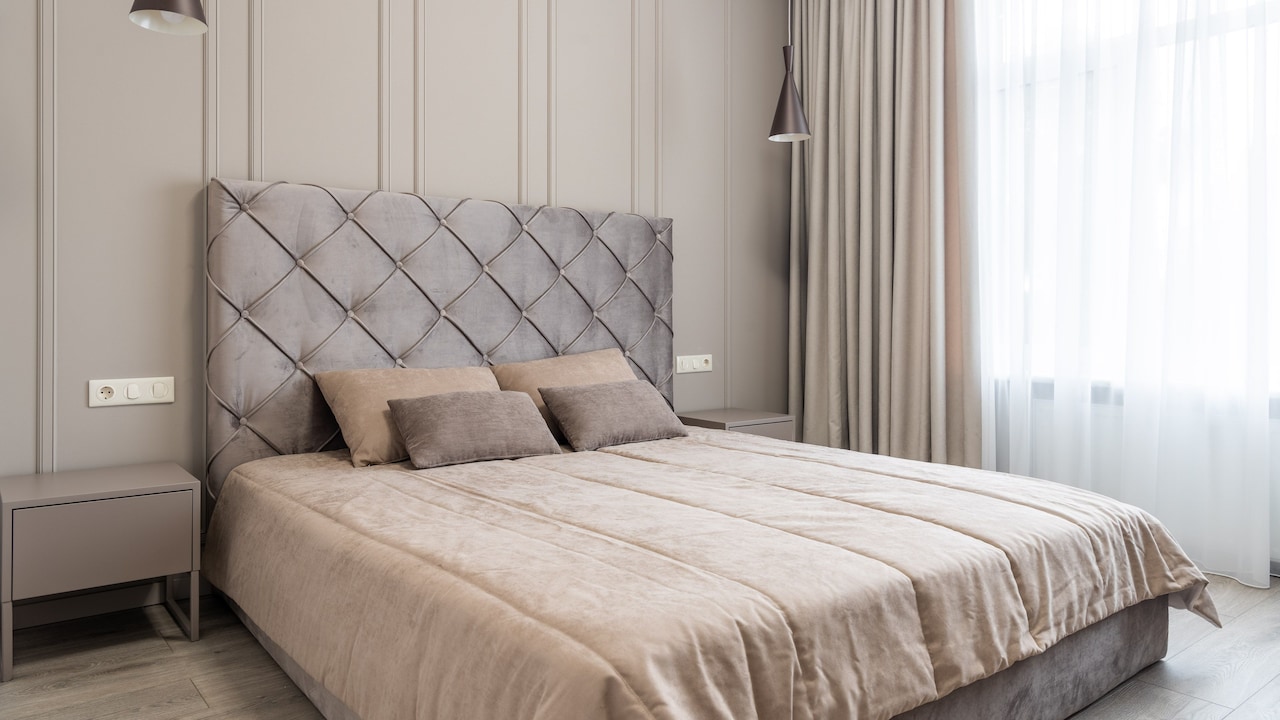
Sofa Buying Guide: Seat Depth, Fabric Quality And Frame That Matter; Photo Credit: Pexels
Key Things To Consider Before Buying A Sofa
1. Measure Seat Depth for Real Comfort
Seat depth often decides whether a sofa feels inviting or awkward. A deep seat suits lounging, stretching legs or curling up with a cushion. A shallow seat supports upright sitting, making it easier to stand up, especially for elders.
Before buying, measure the seat depth from the front edge to the back cushion. Most comfortable sofas fall between 50 and 60 cm. Taller people usually prefer deeper seats, while shorter users may find them uncomfortable without extra cushions.
Picture a family evening. One person wants to lie back with feet up, another sits straight with a cup of tea, while someone perches on the edge scrolling through a phone. A balanced seat depth keeps everyone happy.
In stores, sit back fully. Check if feet touch the floor comfortably and whether the lower back feels supported. At home, consider the room size too. Deep sofas look cosy but can overwhelm smaller living rooms. Measuring available space before stepping into a showroom avoids costly mistakes and awkward rearrangements later.
2. Test Fabric Beyond Looks
Fabric often wins hearts at first glance. Rich colours, smooth textures and trendy patterns catch attention. Yet daily life tests fabric far more harshly than showroom lighting.
Touch the fabric. Rub it between fingers. Sit on it for a few minutes. Some materials feel soft initially but trap heat or become scratchy over time. Breathable fabrics work better in warm climates and busy homes.
Consider usage. Homes with children, pets or frequent guests need durable, stain-resistant fabrics. Spilled tea, snack crumbs and dusty windows demand practical choices. Performance fabrics and tightly woven materials handle wear better than delicate blends.
Ask about cleaning. Some covers allow easy removal and washing, while others require professional care. A sofa that demands ₹2,000 for every minor stain soon loses charm.
Choose colours wisely. Light shades brighten rooms but show marks easily. Dark tones hide stains but may fade faster. Mid-tones often strike the best balance, ageing gracefully with daily use.
Also Read: Top Sofa Sets That Repel Pet Hair: Stylish, Easy-to-Clean Options for Modern Homes
3. Check Frame Quality for Long Life
The frame acts as the sofa's backbone. Weak frames cause creaks, sagging and eventual collapse. Strong frames stay silent and sturdy for years.
Hardwood frames made from teak, sal wood or seasoned plywood offer excellent durability. Avoid sofas built with softwood, particleboard or excessive plastic components. These materials struggle with weight and time.
Lift one corner of the sofa slightly. If the opposite leg lifts evenly, the frame holds strength. Uneven movement hints at poor construction. Sit down firmly and listen. Creaks or shifting sounds signal trouble ahead.
Ask about joinery. Mortise-and-tenon joints, dowels or corner blocks add strength. Staples and glue alone rarely last.
A solid frame may raise the price slightly, but it saves money long term. Replacing a cheap sofa every two years costs far more than investing once in quality craftsmanship that supports countless movie nights and afternoon naps.
4. Understand Cushion Filling and Support
Cushions shape daily comfort. Too soft and they sink quickly. Too firm and they feel unforgiving.
Foam cushions remain popular due to balance and durability. High-density foam offers firm support and holds shape longer. Low-density foam feels soft initially but compresses within months.
Some sofas combine foam with fibre or feathers. These feel luxurious but need regular fluffing. Without maintenance, they lose form and look untidy.
Sit on the sofa and stand up. Quality cushions bounce back quickly. Slow recovery suggests poor resilience. Press hands into the seat and release. Notice how evenly the cushion regains shape.
Consider seat and back cushions separately. Firm seats paired with slightly softer backs often provide the best comfort mix. This combination supports posture while allowing relaxed lounging.
Cushions influence posture, mood and even back health. Choosing wisely turns a sofa from decorative furniture into a daily comfort companion.
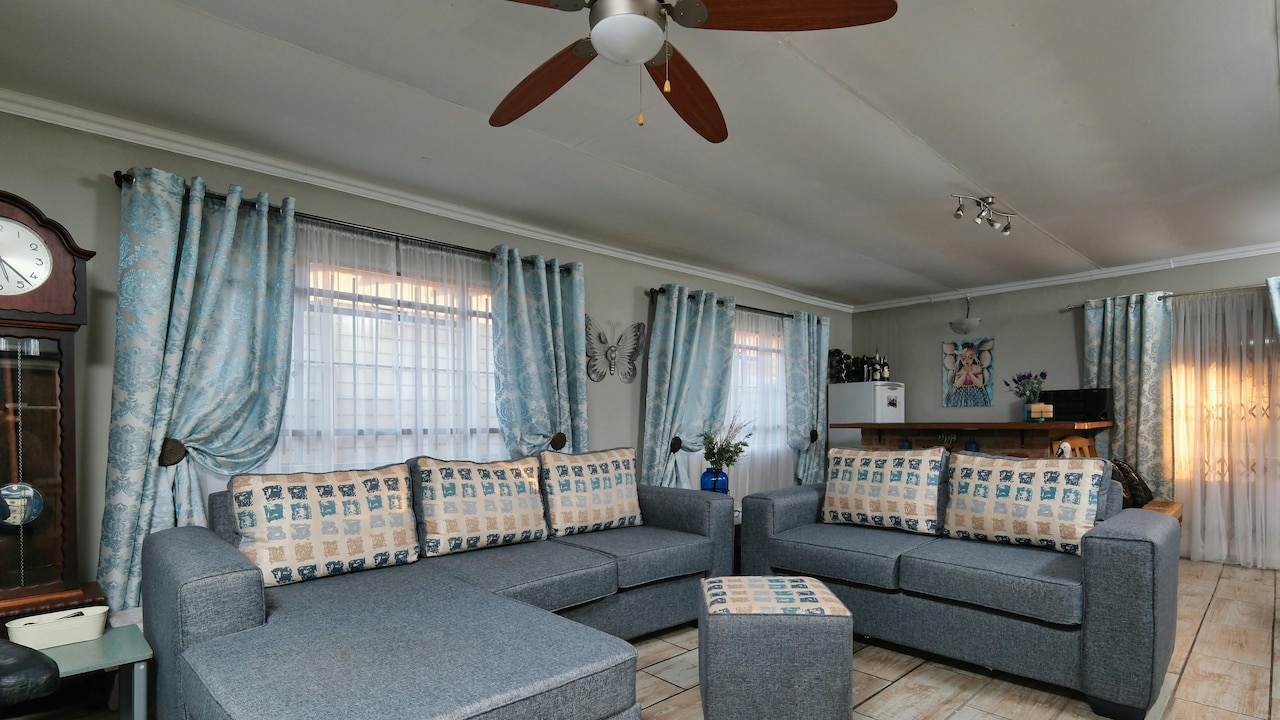
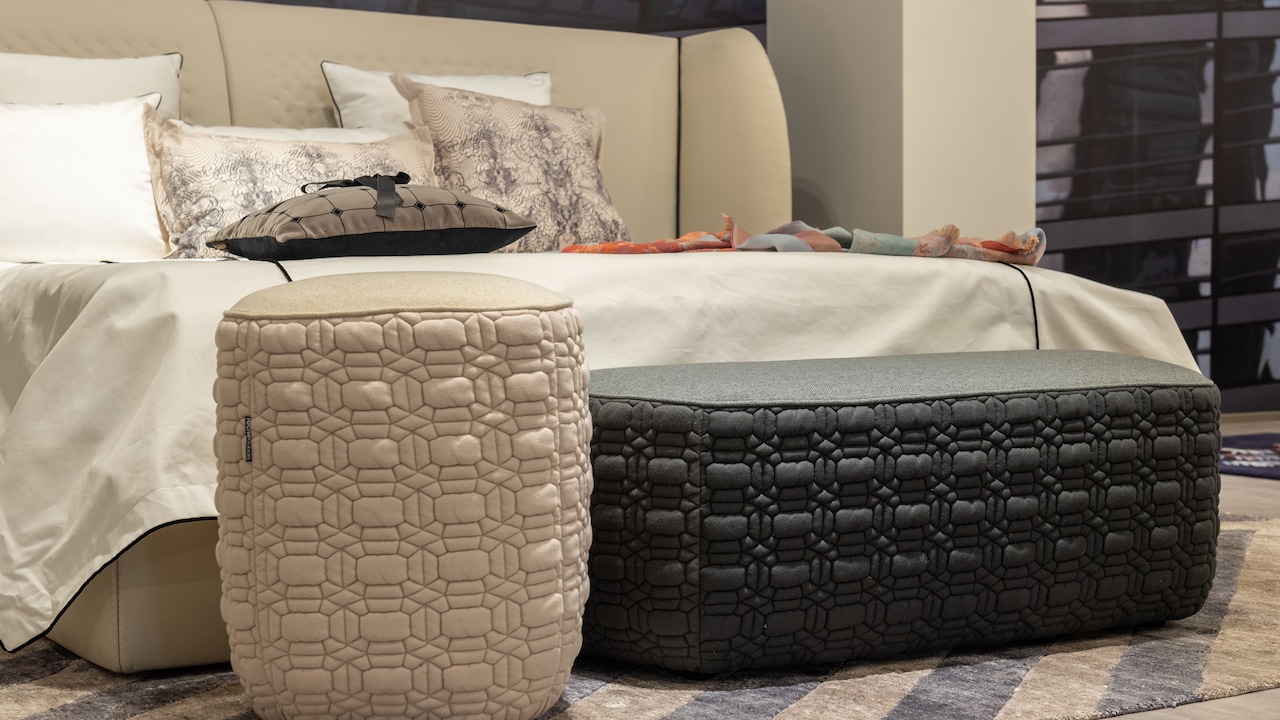
Sofa Buying Guide: Seat Depth, Fabric Quality And Frame That Matter; Photo Credit: Pexels
5. Match Sofa Size to Living Space
A sofa should complement the room, not dominate it. Oversized sofas overwhelm smaller spaces, while tiny ones feel lost in large rooms.
Measure the room carefully, including doorways, staircases and lifts. Many sofas fail to reach living rooms simply because they cannot pass through narrow entries. A tape measure saves both time and embarrassment.
Visualise placement. Leave space for walking, side tables and natural light flow. A sofa pressed tightly against the walls restricts movement and airflow.
Consider shape. L-shaped sofas maximise seating but need ample space. Straight sofas suit compact rooms and flexible layouts. Modular options offer adaptability as needs change.
Think about daily movement. Children running around, elders moving carefully, and guests entering should navigate comfortably. A well-sized sofa improves flow and keeps the room feeling open and welcoming.
6. Evaluate Armrest Style and Height
Armrests influence both comfort and style. Wide, padded armrests invite lounging and occasional naps. Slim armrests save space and look sleek.
Check height. Low armrests suit relaxed seating but offer less support for sitting upright. High armrests support elbows and help with standing up.
Sit in different positions. Lean sideways. Rest elbows naturally. Notice pressure points. Poorly designed armrests strain the shoulders and neck over time.
Armrests also affect usable seating space. Bulky arms reduce seating width, which matters in compact homes. Slim arms allow more room for people without increasing sofa size.
Style matters too. Traditional rolled arms feel classic and cosy. Straight arms suit modern interiors. Choosing armrests that blend comfort with room aesthetics creates harmony rather than visual clutter.
7. Inspect Stitching and Finish
Small details reveal overall quality. Stitching holds fabric together under daily stress. Loose threads and uneven seams predict early wear.
Run fingers along seams. Look for straight, tight stitches. Pull gently at the joins. Fabric should stay firm without gaps.
Check piping, buttons and decorative elements. These areas experience frequent contact and strain. Weak attachment leads to early damage.
Inspect the underside too. Flip cushions and look beneath. A neatly finished base reflects care in construction. Rough finishes suggest shortcuts elsewhere.
Quality finishing often separates good sofas from great ones. While these details seem minor, they decide whether a sofa maintains its charm or looks worn within a year.
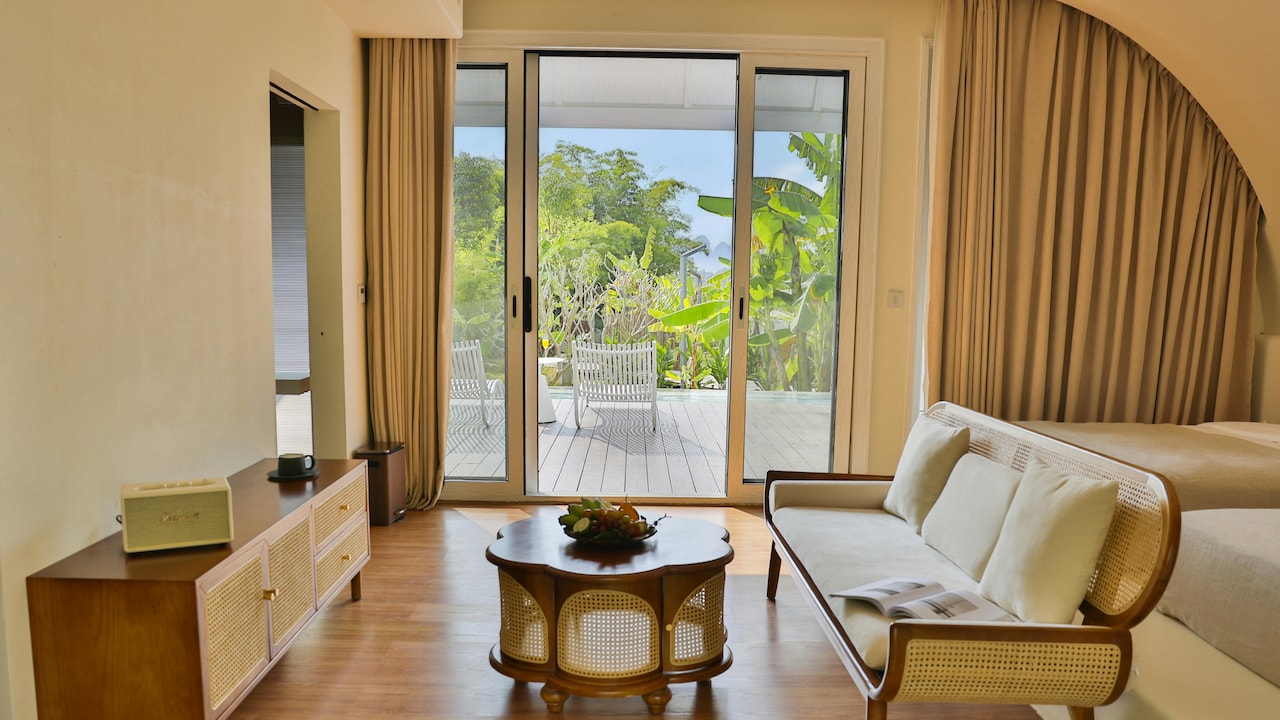
Sofa Buying Guide: Seat Depth, Fabric Quality, And Frame That Matter; Photo Credit: Pexels
8. Test Comfort with Real Sitting Time
A quick sit rarely tells the full story. Spend at least five to ten minutes on the sofa. Sit, lean back, cross legs and adjust posture.
Notice back support. The lower back should feel supported without forcing posture. Shoulders should relax naturally.
Check seat height. Feet should rest flat on the floor. Knees ideally form a right angle. Too high strains legs; too low stresses knees.
Imagine daily use. Watching television, reading or chatting with family lasts longer than a showroom visit. Comfort should remain consistent, not fade after minutes.
Trust body signals. Discomfort rarely disappears with time. A sofa that feels slightly off in the store often feels worse at home.
9. Balance Style with Practicality
Trendy designs attract attention but may not age well. Ultra-light fabrics, sharp edges and low backs look stunning yet struggle with daily wear.
Choose styles that blend with existing décor and adapt over time. Neutral designs allow flexibility with cushions, throws and rugs.
Consider maintenance. Glossy finishes show scratches. Delicate legs wobble on uneven floors. Practical design choices reduce stress and repair costs.
Think long term. A sofa should still feel relevant after trends change. Timeless shapes, quality materials and adaptable colours offer lasting appeal.
A beautiful sofa that causes daily inconvenience loses charm quickly. Practical beauty wins in the long run.
10. Compare Price with Value, Not Discounts
Large discounts create urgency, but value matters more than price tags. A ₹25,000 sofa lasting two years costs more per use than a ₹45,000 sofa lasting ten.
Ask about warranties. Reliable brands offer clear coverage on frames and cushions. Warranty reflects confidence in construction.
Check return and replacement policies. Manufacturing defects happen. Responsive service matters.
Avoid rushing. Visiting multiple stores helps compare comfort, quality and pricing. Online research aids decision-making, but final testing should happen in person.
Value combines comfort, durability, service and style. Paying slightly more upfront often delivers peace of mind and daily comfort that no discount can match.
Products Related To This Article
1. AMATA Eagle Solid Wood 3 Seater Sofa Cum Bed
2. Sheesham Wooden 5 Seater Sofa Set For Living Room
3. Oriana 8 Seater RHS L Shape Sofa Set
4. Classic 3+1= 4 Seater with Footrest Seater Sofa Set Luxury Chesterfield Modern Fahionalable Sleeper Sofa
5. Solid Sheesham Wood 6 Seater Sofa Set for Living Room
6. Sheesham Wooden 4 Seater Sofa Set for Living Room
7. U-Shape Sectional Sofa for Living Room, 10-Seater
A sofa becomes part of everyday life, witnessing moments big and small. Choosing the right one requires attention, patience and thoughtful evaluation. Measuring seat depth ensures comfort. Testing fabric prepares it for real-world use. Checking frame quality guarantees longevity. A smart sofa purchase rewards every sit, stretch and shared laugh.
(Disclaimer: This article may include references to or features of products and services made available through affiliate marketing campaigns. NDTV Convergence Limited (“NDTV”) strives to maintain editorial independence while participating in such campaigns. NDTV does not assume responsibility for the performance or claims of any featured products or services.)