LED Face Mask Buying Guide: Red vs Blue vs Near-Infrared, Know What Each One Does
Learn what red, blue, and near-infrared light do, how to match them to your skin goals, and which features matter before you pay money.

LED face mask buying guide: Specs like wavelength, power, coverage, and session time deliver results.
LED masks have gone from 'celebrity backstage secret' to 'next to the hair dryer in the cupboard'. The idea sounds simple: wear a mask, switch on the lights, and get better skin. The reality has a few more moving parts. Not every red light behaves the same. Blue can help, but it can also annoy sensitive skin if you overdo it. Near-infrared sounds like science fiction, yet it often becomes the quiet MVP for people chasing firmness and recovery. A good buying decision starts with two questions: what problem needs solving, and what kind of mask will actually get used more than twice? Because the best device is the one that fits real life, after work, before dinner, between a wedding invite and a late-night scroll. Let's make the colours make sense, then choose wisely.
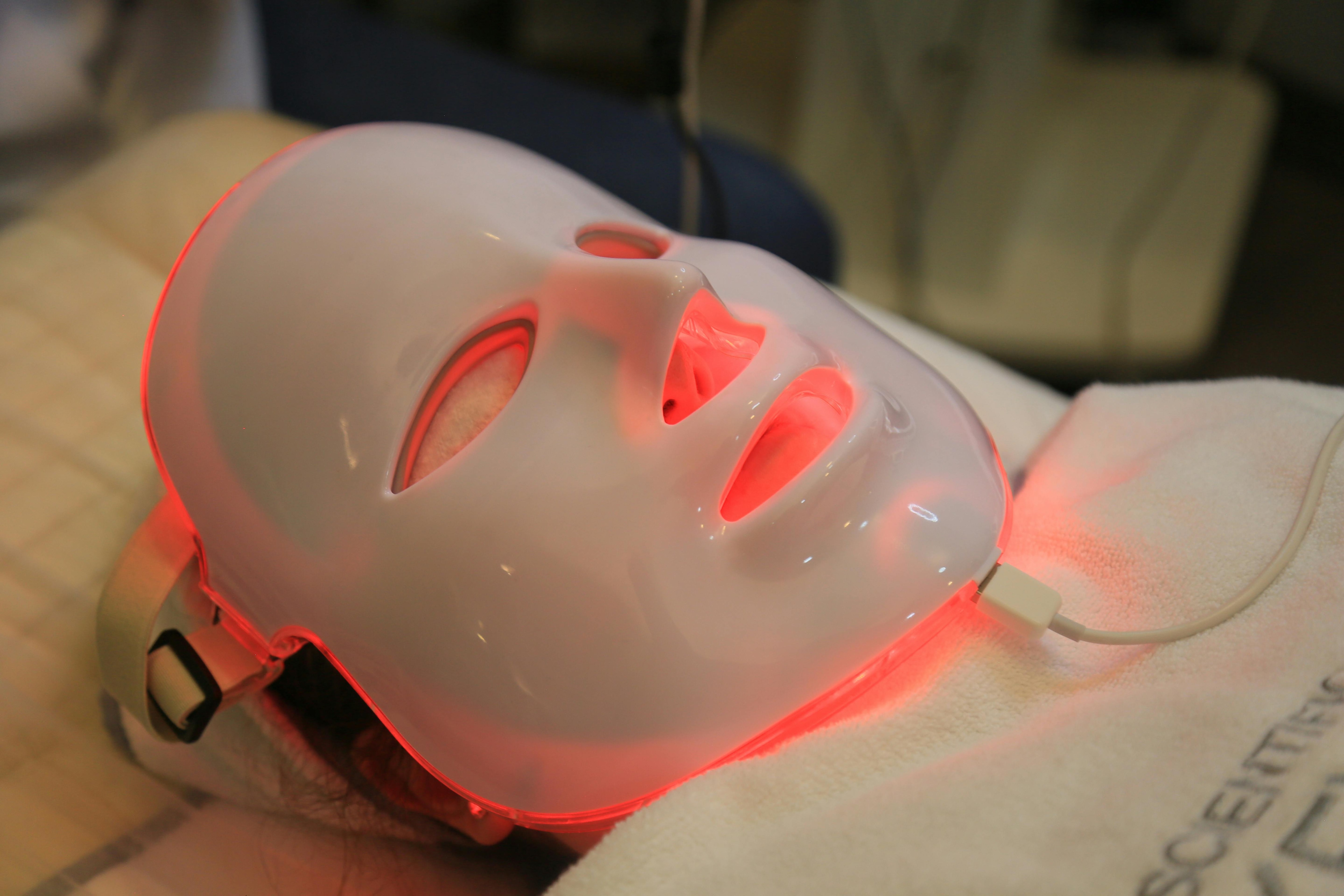
LED masks use different light wavelengths to target specific skin concerns.
Photo Credit: Pexels
So, when it comes to red vs blue vs near-Infrared, check out our LED face mask buying guide that reveals everything you need to know about each one.
Also Read: When To Use A Face Massager for Puffiness, Tension and Product Absorption
Red, Blue, Near-Infrared: Choose The Right Light Before You Buy
1. Start With Skin Goals, Not The Gadget Hype
Before comparing colours, get clear on the 'why'. Some people want fewer breakouts before a big event. Others want a calmer face after sun exposure, shaving, or stress. Many want that 'well-rested' look even when sleep disagrees. Write down the top two goals, not ten. It keeps the purchase grounded.
For frequent acne and oily patches, blue light deserves attention. For fine lines, dullness, and uneven tone, red light often fits better. For firmness and bounce, near-infrared can support deeper layers, so it pairs well with red. For redness and irritation, red and near-infrared usually feel gentler than blue.
Also factor in your lifestyle. A mask that demands 30 minutes daily will end up collecting dust. Aim for a routine that fits into something already happening, like winding down after a shower. Skincare wins when it feels easy, not heroic.
2. Red Light: The 'Glow And Smooth' Specialist
Red light sits in the visible range and often gets picked for ageing concerns, texture, and radiance. Think of it as a steady nudge for skin that looks tired, flat, or a bit uneven. People often report a more even look over time, plus a softer appearance of fine lines. It also tends to feel comfortable, which helps consistency.
Red light suits many skin types because it usually causes less dryness than aggressive acne routines. Pair it with a simple moisturiser and sunscreen the next day. It does not replace sunscreen, not even slightly. Consider it the supportive friend, not the bodyguard.
When shopping, look for a mask that clearly states it offers red light in a defined range, not just 'red colour LEDs'. A proper device should feel like a tool, not a novelty toy. If the brand avoids specifics, treat that as a warning sign.
3. Blue Light: The Breakout Bouncer (With A Strict Door Policy)

Choosing the right mask starts with identifying your top skin goals.
Photo Credit: Pexels
Blue light often targets acne-causing bacteria on the skin's surface. It can help reduce active breakouts and calm the chaos of frequent pimples. It suits people who get those 'why today?' spots right before an important plan. It can also support those dealing with oily skin and clogged pores, especially when used consistently.
But blue has a personality. Overuse can leave skin feeling dry or tight, especially if you already use strong acne products. Balance matters. If your routine already includes acids, retinoids, or benzoyl peroxide, keep blue sessions shorter or less frequent at first. Listen to your skin. If it starts to feel prickly or looks more irritated, scale back.
Blue works best with a simple routine: gentle cleanser, light moisturiser, and no extra drama. Many people get better results when they treat it like a targeted phase, not an everyday punishment.
4. Near-Infrared: The Quiet Powerhouse That Works Deeper
Near-infrared (often written as NIR) sits just beyond visible red light. You won't 'see' it, but the skin can respond because it reaches deeper than visible light. Brands often market it for firmness, recovery, and overall skin resilience. In real life, it tends to suit people who want a plumper, stronger look over time, especially alongside red light.
Near-infrared can feel like the long game. It won't deliver a dramatic overnight glow for tomorrow's party. It supports gradual improvements, like skin that looks less stressed and more 'held together'. Think of it as upgrading the foundation, not repainting the walls.
People who deal with inflammation, post-workout flushing, sensitivity, or general irritation often prefer the red + NIR combo because it feels soothing. When buying, check that the mask clearly lists near-infrared as a feature, not as a vague 'infrared therapy' line. Clarity usually signals credibility.
5. Combination Modes: When 'More' Helps, And When It Annoys
Many masks offer multiple colours and combo sessions. That sounds convenient, and it can be, if the modes match your needs. A red + near-infrared combo often makes sense for texture, glow, and firmness. Blue + red can make sense for acne-prone skin that also marks easily. But piling on every colour every day rarely helps. Skin likes thoughtful routines.
A practical approach: use blue on breakout days, then switch to red/NIR for recovery and even tone. That way, the routine feels like a plan instead of a random light show. Also consider your skin's mood. After shaving, waxing, or a long day in the sun, red and near-infrared usually feel kinder than blue.
If a mask pushes seven colours but fails to explain what each one does, treat it like a multi-tool with flimsy screws. Fewer well-executed features often beat a long list of questionable ones.
6. Power, Wavelength, And Timing: The Boring Details That Matter
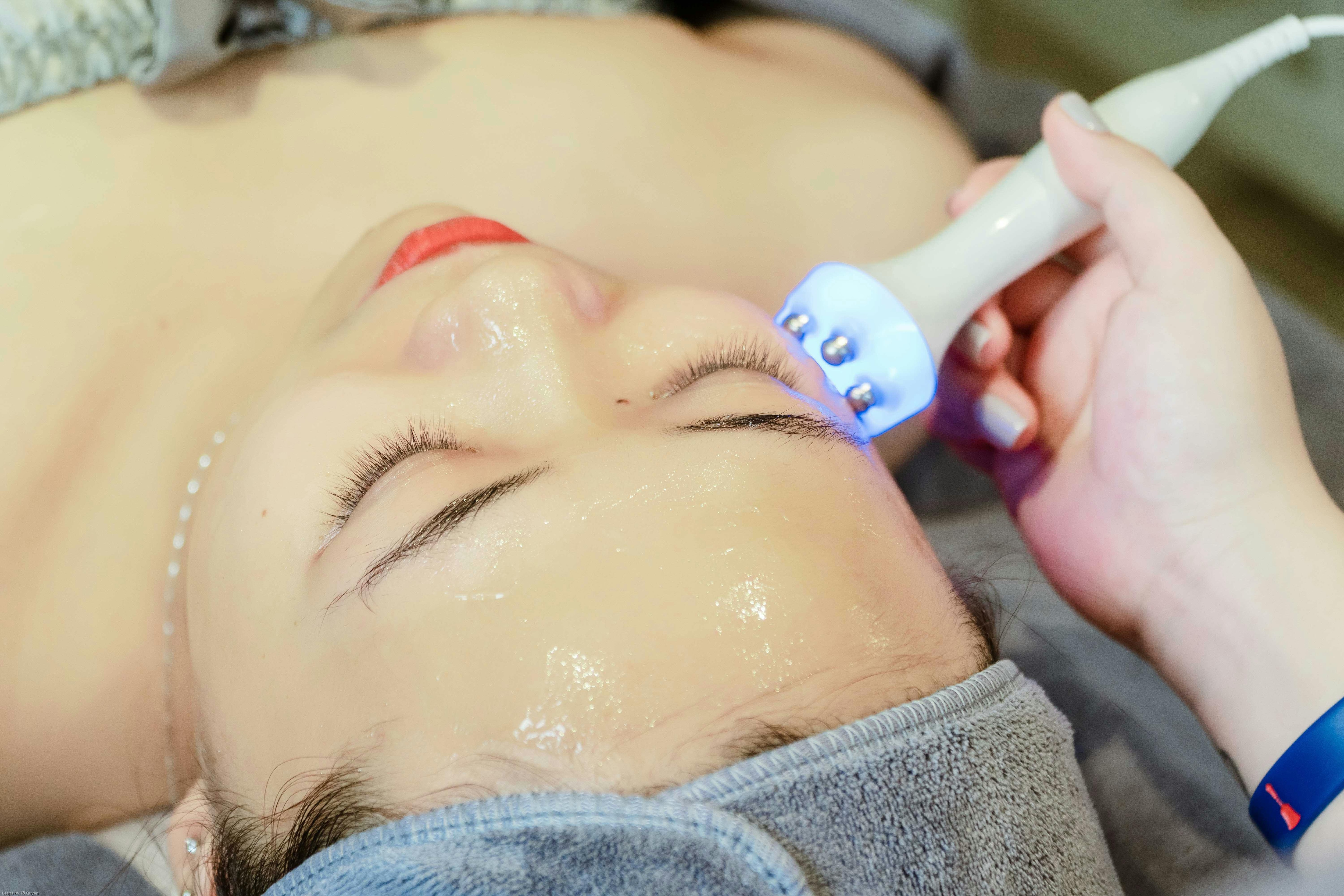
Combination modes can be useful
Photo Credit: Pexels
This is the unglamorous part, but it decides results. A good mask should share the wavelengths it uses, not just colour names. Red and near-infrared sit in different ranges, and the range affects how the skin responds. Brands that publish clear specs often take the product seriously.
Session time matters too. Many people stick with 10–20 minutes because it fits life. A mask that demands long sessions can lead to inconsistency. Consistency beats intensity. Skin improvements often show up after weeks, not days, so pick something that feels sustainable.
Also look for even coverage. If the lights cluster in a few spots, the effect becomes patchy. A well-designed mask spreads LEDs across the face, including tricky areas like the jawline. If the device looks bright in the centre and dim at the edges, it may leave you with 'half-treated' skin.
7. Comfort And Fit: The Most Underrated Feature
A mask can have perfect specs and still fail if it feels like a plastic helmet. Comfort decides consistency. A good fit sits close to the skin without pressing hard on the nose bridge. Eye protection should feel secure. Straps should hold the mask in place even if you multitask lightly, like folding laundry or listening to a podcast.
Weight matters. Heavy masks strain the neck and turn skincare into a chore. Flexible silicone-style designs often feel easier than rigid shells. But rigid designs can offer more consistent spacing and durability. Choose based on usage style: lying down suits a rigid mask, while sitting up suits a lighter one.
Also consider heat. A well-made LED mask should not feel hot or sweaty. Mild warmth can happen, but it should not feel uncomfortable. If you live somewhere humid, comfort becomes even more important. Skincare should feel like self-care, not a struggle against your own face.
8. Safety Checks: Eyes, Skin Sensitivity, And Common-Sense Rules
LED masks are generally considered low-risk when used correctly, but 'generally' still needs boundaries. Check for eye protection and avoid staring directly at the lights. If a mask lacks proper eye cut-outs or shields, skip it. Eyes deserve better than 'it should be fine'.
If you have melasma or easily triggered pigmentation, take extra care. Some people prefer to start with red and near-infrared, keep sessions short, and monitor changes. If you use prescription skincare, especially retinoids, the skin may feel more reactive. Introduce the LED slowly and keep everything gentle around it.
Also watch for claims that sound like medical promises. A mask should support skincare, not replace medical treatment. If you have a skin condition that flares easily, a quick chat with a dermatologist can save money and frustration. A safe routine feels calm, predictable, and easy to repeat.
9. How To Use It: A Routine That Survives Real Life
The best routine is boring in the best way. Cleanse. Pat dry. Use the mask. Then moisturise. That's it. Many people prefer to skip strong activities right before LED sessions to reduce irritation. If you love serums, choose simple hydrating ones after the session. Save acids and retinoids for other nights, unless your skin already tolerates them well.
Frequency matters more than perfection. Aim for several sessions a week rather than one marathon session. Skin responds to steady repetition. Keep the mask where it's easy to grab, next to the bedside table, not hidden in a drawer behind old chargers.
A helpful mindset: treat it like brushing teeth. No drama, no big expectations, just consistent effort. And if you miss a week because life gets loud, don't punish the skin with extra sessions. Just restart calmly. Skin likes calm.
10. Budget And Value Of Money: What's Worth Paying For
LED masks range from 'tempting deal' to 'rent money'. Value depends on build quality, comfort, clear specs, and reliability. A cheaper device can work if it offers consistent red or blue light with decent coverage and a safe design. But ultra-cheap options often skip details: poor fit, weak output, or vague specs. That's how money gets wasted twice.
As a rough mindset, spending ₹6,000–₹15,000 can sometimes land a decent entry-level mask, while ₹15,000–₹35,000 often targets better comfort, sturdier build, and clearer specs. Premium options can go higher, but the jump should bring meaningful upgrades, not just fancy packaging.
Check warranty and return policies. Gadgets sometimes arrive with faults, and a mask should last years, not months. Also, the price for your usage. If the mask replaces frequent salon visits, it may pay off. If it becomes a cupboard ornament, even ₹3,000 feels expensive.
Products Related To This Article
1. PROTOUCH 3 in 1 LED Face Mask
2. Numour I-CONIC Smart Electric Eye Massager Rejuvenation LED Mask
3. WINSTON Rechargeable Led Face Mask For Men And Women
4. 7-Color LED Face Mask for Skin Care
5. NAACOO 3-in-1 Led Light Therapy for Glowing Skin
Choosing an LED face mask isn't about picking the prettiest lights. It's about matching the colour to the concern, then picking a device that fits your routine without friction. Red supports glow and smoother-looking skin. Blue helps tackle breakouts, but it demands restraint. Near-infrared supports deeper recovery and firmness, especially alongside red. A great mask feels comfortable, shares clear specs, covers the whole face evenly, and supports consistent use. Keep expectations realistic, keep the routine simple, and let results build over time.
(Disclaimer: This article may include references to or features of products and services made available through affiliate marketing campaigns. NDTV Convergence Limited (“NDTV”) strives to maintain editorial independence while participating in such campaigns. NDTV does not assume responsibility for the performance or claims of any featured products or services.)