10 Dishwasher Mistakes That Leave Baked-On Grease And Food Stuck To Cookware
Dishwasher still leaving grease and food stuck to cookware? These 10 common loading, cleaning and detergent mistakes could be the reason your pots and pans are not coming out spotless.
10 Common Dishwasher Mistakes That Stop Pots And Pans From Getting Clean
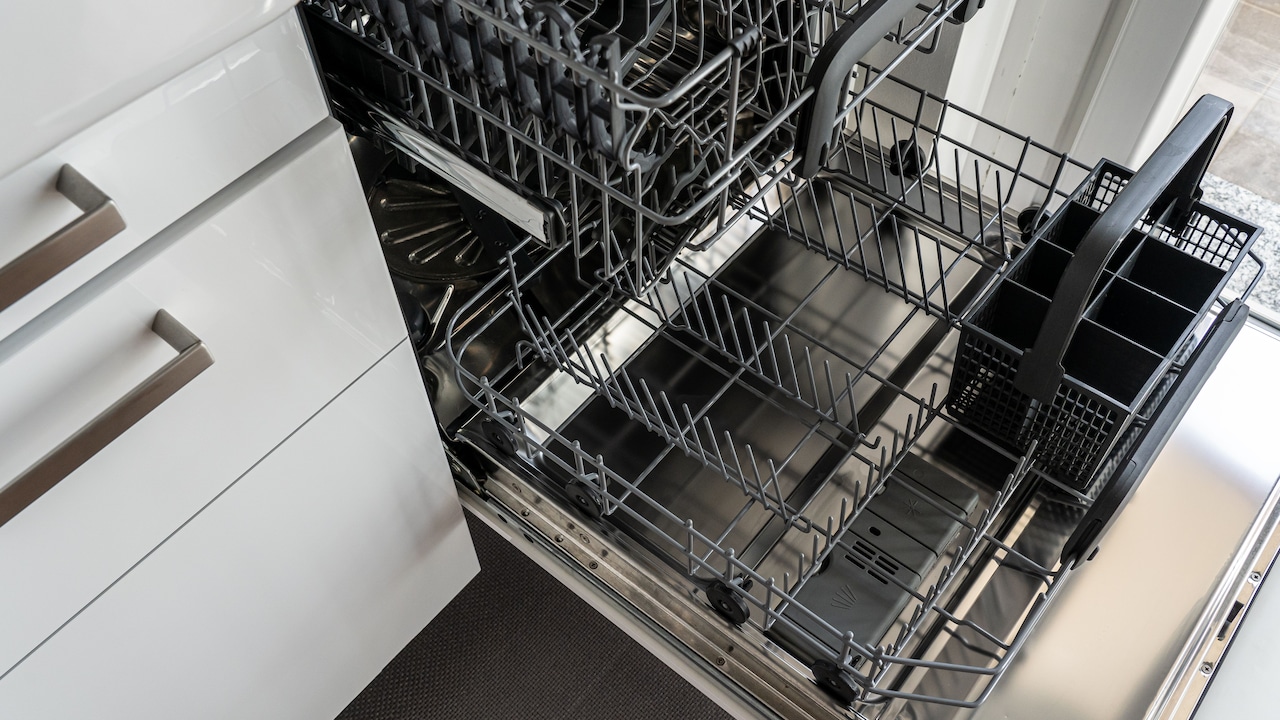
There is a special kind of disappointment in opening a dishwasher after a full cycle and finding yesterday's dinner still clinging to the cookware. The machine may have hummed away for more than an hour, the detergent tablet may have disappeared, and the plates may feel hot to the touch. Yet the pressure cooker lid still carries an oily rim, the baking tray has burnt patches, and the kadai looks as though it merely enjoyed a warm shower. Dishwashers can handle far more than many people expect, but they are not magical boxes. Their performance depends heavily on water reaching the right surfaces, detergent dissolving properly and food residue being tackled before it turns into something resembling kitchen cement.
10 Dishwasher Mistakes That Leave Baked-On Grease And Food Stuck To Cookware
Photo Credit: Pexels
Rich gravies, fried snacks, melted cheese, dried rice and baked-on sauces are especially demanding. Add rushed loading after dinner, and cleaning performance can drop quickly.
Fortunately, most disappointing results do not mean the appliance has failed. They often come down to a few everyday mistakes. Correcting them can make the difference between rewashing cookware by hand and putting it straight back into the cupboard.
Common Dishwasher Habits That Keep Cookware Dirty
1. Packing The Dishwasher Too Tightly
Trying to fit one more bowl into an already crowded dishwasher can feel like a small victory. After a large family meal, nobody wants to run a second cycle. Unfortunately, squeezing cookware into every available gap often creates more work later.
Dishwashers clean by spraying hot water around the interior. When a large pan blocks a row of plates or two vessels sit pressed against each other, water cannot reach the dirty surfaces properly. Grease stays trapped in corners, and dried food remains exactly where it started.
Heavy cookware causes particular trouble. A deep kadai placed across several racks may shield smaller dishes beneath it. Large thalis or chopping boards can also act like walls, interrupting the spray pattern.
Leave a little breathing room between items instead. Angle bowls so their dirty surfaces face the spray arms, and avoid stacking utensils inside one another.
Running two well-loaded cycles may use more time, but it can still be less irritating than scrubbing ten supposedly “clean” dishes afterwards. A dishwasher works best when water has room to move, not when the racks resemble a packed local train at rush hour.
2. Leaving Large Food Scraps On Cookware
Modern dishwashers can tackle sauce, oil and small food particles, but they are not designed to dispose of half a meal.
Large pieces of rice, vegetable peels, bones, bread or thick gravy can clog the filter and reduce water circulation. Once that happens, cleaning performance often declines across the entire load. Instead of washing food away, the machine may simply move residue from one dish to another.
There is no need to scrub everything spotless before loading. Doing so defeats much of the purpose of owning a dishwasher. However, scraping plates and cookware takes only a few seconds and makes a noticeable difference.
A rubber spatula works especially well for thick leftovers. Remove burnt chunks, hardened rice and excess oil before placing cookware in the racks. Greasy pans can be wiped quickly with a used kitchen tissue or scrap of newspaper where appropriate, although excessive wiping is rarely necessary.
Think of scraping as clearing the road before traffic begins. The dishwasher can handle the journey much better when it does not have to fight through yesterday's pulao, paneer crumbs and three stubborn curry leaves first.
3. Letting Food Dry For Too Long
A plate used for breakfast may still wash clean in the evening. A pan coated with dried gravy, however, can become a far tougher customer.
As food sits, moisture evaporates and proteins, starches and fats bond more firmly to cookware. Rice dries into hard clusters, egg turns rubbery, and tomato-based sauces cling to metal surfaces. Baked-on cheese can become especially stubborn after several hours.
This does not mean the dishwasher must run immediately after every meal. That would be impractical in most homes. Instead, use the rinse function if the machine has one, or give heavily soiled cookware a brief soak before loading.
Even a splash of water left in a dirty pan can prevent residue from hardening. For pressure cookers, frying pans and baking dishes, ten or fifteen minutes of soaking may save a frustrating second wash later.
Avoid leaving cookware overnight with thick masala or burnt food drying inside it. By morning, the dishwasher has to work against something closer to plaster than dinner residue.
A little moisture goes a long way. Keeping food soft until wash time gives detergent and hot water a much better chance of lifting it away.
4. Blocking The Spray Arms
The spray arms are the dishwasher's main cleaning force, yet they are surprisingly easy to obstruct.
Tall pressure cooker lids, large serving spoons, chopping boards and deep pots can stop the arms from rotating freely. When that happens, water may never reach certain parts of the machine. The cycle still runs, the detergent still dissolves and everything still gets warm, but some dishes remain disappointingly dirty.
Before starting a wash, spin the spray arms gently by hand. They should move without hitting anything. If an arm knocks against a tray handle or oversized vessel, rearrange the load.
Pay particular attention to the lower rack, where bulky cookware usually sits. Handles should point inward or sideways rather than sticking into the path of moving parts.
Spray holes can also become blocked by food particles or mineral deposits. Check them occasionally and clean them according to the manufacturer's guidance.
It takes less than ten seconds to test the arms before closing the door. That tiny habit can prevent an entire cycle from becoming an expensive steam bath for dirty dishes. If the water cannot travel, neither can the grease.
5. Choosing A Wash Cycle That Is Too Gentle
The eco setting is useful, but it is not always the hero of the evening.
Energy-saving or quick cycles usually work well for lightly soiled plates, cups and everyday cutlery. They may struggle, however, with cookware coated in thick oil, burnt spices or baked-on food.
A pan used for frying pakoras needs a different level of cleaning from a tea cup. Likewise, a casserole dish with dried cheese or a pressure cooker used for rich dal may require hotter water, stronger spray pressure or a longer wash.
Many dishwashers offer intensive, heavy-duty or pots-and-pans programmes for exactly this reason. These cycles typically use higher temperatures and more sustained cleaning action.
Choosing them for every load would be unnecessary, but using a light programme on heavily soiled cookware can create false economy. If the pan needs washing twice, the original saving disappears rather quickly.
Match the cycle to the mess. Everyday crockery can take the gentler route, while greasy cookware deserves the full treatment. Sometimes the stubborn kadai sitting in the bottom rack simply needs the dishwasher equivalent of rolling up its sleeves.
Also Read: Best Dishwashers In India With Price Under 20,000 On Flipkart
6. Using Too Much Detergent
More detergent does not automatically mean cleaner cookware.
It sounds logical that an extra scoop of powder or an additional tablet might attack grease more aggressively. In reality, too much detergent can leave a cloudy film, sticky residue or unpleasant streaks on dishes. It can also interfere with proper rinsing.
The correct amount depends on the dishwasher, detergent type, water hardness and level of soiling. Follow the dosage guidance rather than treating detergent like garam masala and adding “just a little more” for good measure.
If cookware repeatedly comes out with residue, the problem may not be a lack of detergent at all. Blocked spray arms, poor loading or a dirty filter may deserve more attention.
Using excessive detergent can also increase running costs over time. A few unnecessary spoonfuls during every wash may seem insignificant, but household products have a habit of quietly eating into the monthly budget.
Start with the recommended dose and adjust only if there is a genuine reason. The goal is balance. Enough detergent should loosen grease and food, while the rinse cycle should be able to remove it completely.
10 Dishwasher Mistakes That Leave Baked-On Grease And Food Stuck To Cookware
Photo Credit: Pexels
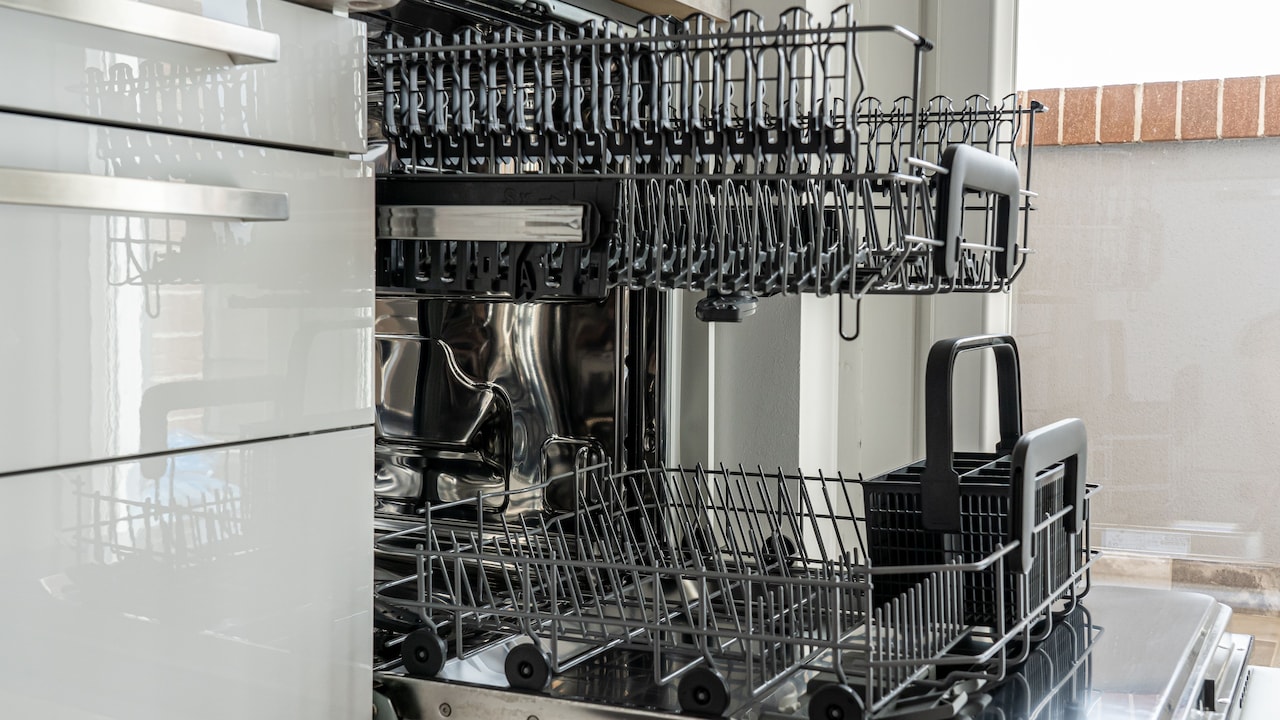
7. Ignoring The Dishwasher Filter
The filter may be hidden at the bottom of the dishwasher, but it has a starring role in cleaning performance.
Its job is to catch food particles before they circulate around the machine. Over time, grease, seeds, bits of rice, vegetable fragments and other debris can collect there. If the filter becomes clogged, dirty water may drain poorly and cleaning power can drop.
A neglected filter can also produce an unpleasant smell. Opening a supposedly clean dishwasher and being greeted by the scent of last week's dinner is not exactly the kitchen experience anyone hopes for.
Remove and rinse the filter regularly, following the appliance manual. A soft brush can help loosen greasy deposits around the mesh. Avoid using anything sharp that could damage it.
How often it needs cleaning depends on usage. A household that runs the dishwasher every day will naturally need to check it more frequently than one using it a few times a week.
This simple maintenance job takes only minutes, yet it can transform performance. Clean water needs a clean route through the machine, and a clogged filter turns that route into a traffic jam.
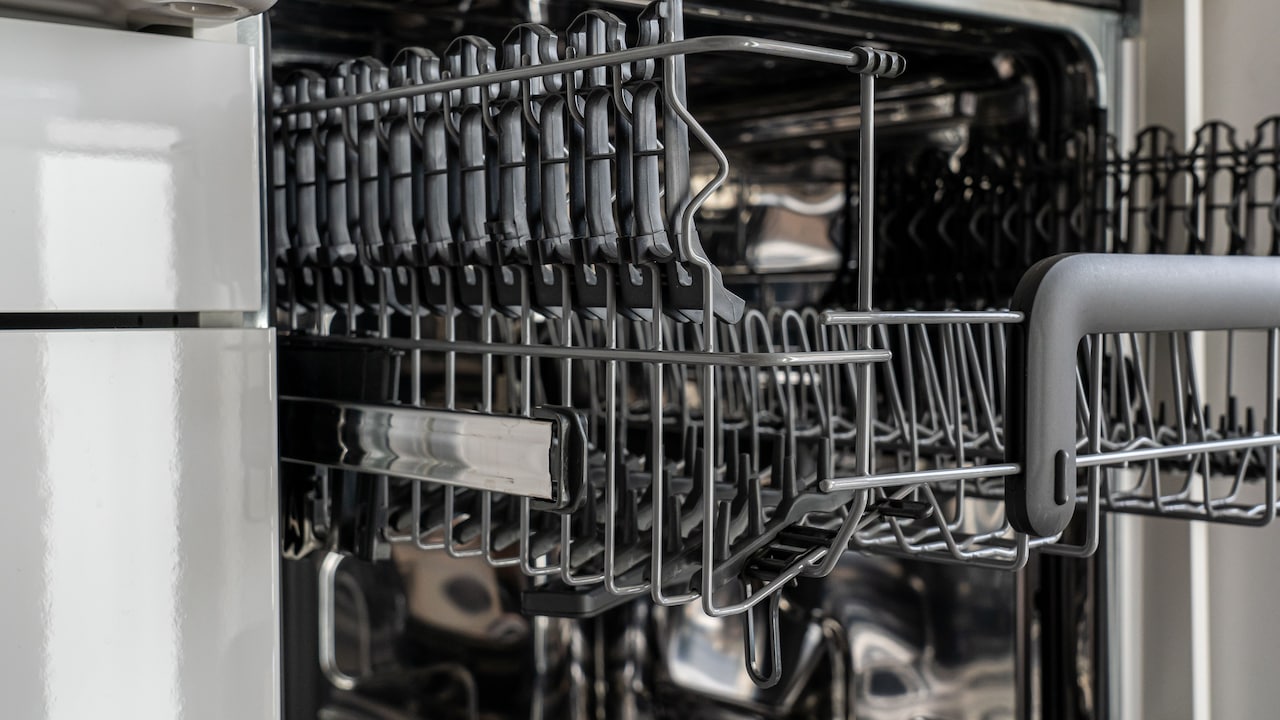
8. Loading Cookware In The Wrong Direction
Dishwasher loading is less about neatness and more about physics.
A pan may fit perfectly into the rack and still come out dirty if its grimy surface faces away from the water jets. Deep bowls placed upright can collect dirty water, while flat trays positioned badly may shield several items behind them.
Most heavily soiled surfaces should face towards the centre or downward, depending on the dishwasher design. Bowls and containers need enough tilt for water to drain rather than pool inside them.
Pots and pans generally belong on the lower rack, where the strongest spray often operates. Cups and lighter dishes are usually better suited to the upper rack.
Avoid placing one deep vessel directly over another. Water must be able to enter, strike the surface and escape again.
Loading can become almost automatic after a few weeks of paying attention to how the machine sprays. Until then, imagine where the water needs to travel. If the dirty part of a pan is hidden behind another dish, the dishwasher cannot negotiate with it. The grease wins by default.
9. Forgetting About Hard Water Build-Up
Sometimes the problem is not food at all. It is the water itself.
Hard water contains minerals that can gradually build up inside a dishwasher. These deposits may appear as white marks on cookware, cloudy glasses or chalky residue around spray holes. Over time, scale can reduce water flow and make detergent less effective.
This issue can be particularly noticeable in areas where tap water has a high mineral content.
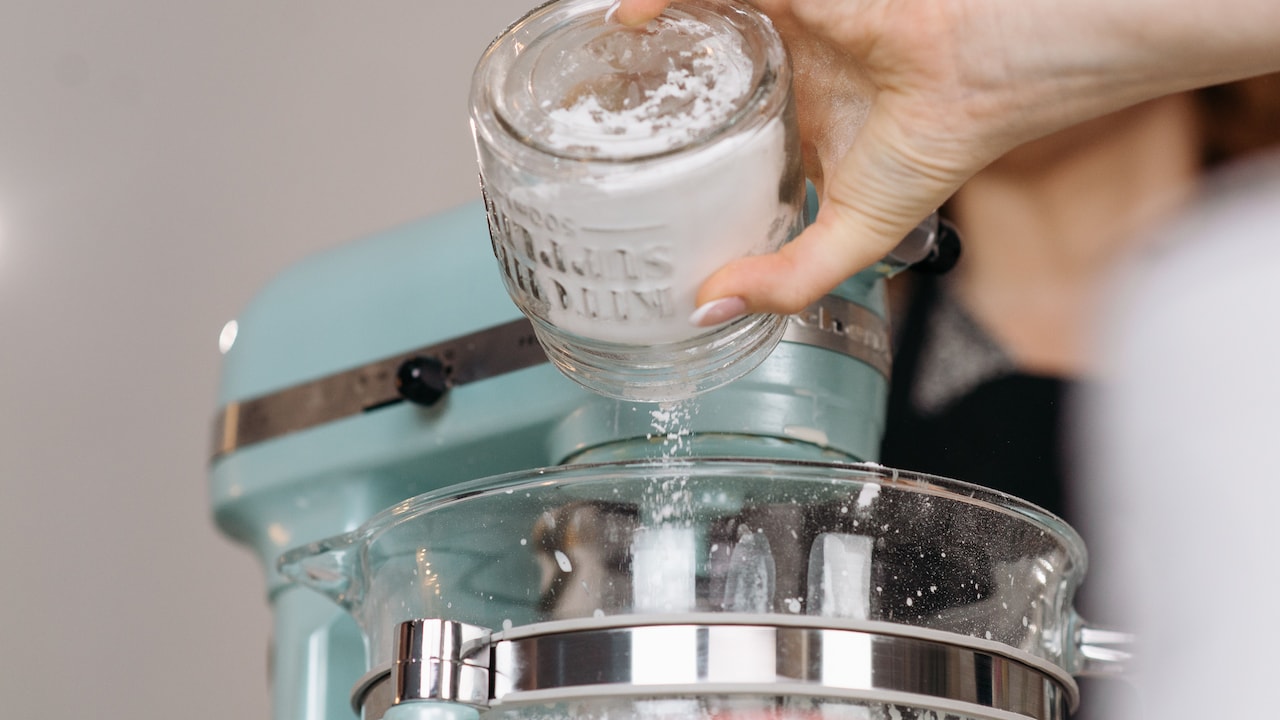
Dishwasher salt plays an important role in machines with built-in water-softening systems. If the salt warning light appears, ignoring it for weeks can affect cleaning quality. Refill the reservoir with the correct dishwasher salt rather than ordinary table salt.
Periodic descaling may also help, especially when mineral deposits become visible. Use a product suitable for the appliance and follow the manufacturer's instructions.
A sparkling machine interior does not always mean scale is absent. Some deposits form inside components that are harder to see.
When greasy cookware suddenly starts emerging dull or gritty despite good loading habits, water hardness deserves investigation. Sometimes the dishwasher is doing its best while quietly battling a mineral problem behind the scenes.
10. Expecting The Dishwasher To Remove Severe Burnt-On Food
Dishwashers are powerful cleaners, but even they have limits.
A pan with a thin greasy coating is one thing. A vessel with a blackened layer of burnt food fused to the base is quite another. Once food has carbonised, detergent and hot water may not be enough to remove it completely.
Trying repeated wash cycles can waste water, electricity and patience without making much progress.
Severely burnt cookware usually benefits from some preparation. Soak it in hot water with a little suitable dishwashing liquid, then loosen the residue gently with a non-scratch tool before loading. The aim is not to hand-wash the pan completely. It is simply to break up the toughest layer so the machine can finish the job.
Take extra care with non-stick coatings, aluminium and delicate finishes, as aggressive scraping can cause damage.
There is no shame in giving the dishwasher a head start. Even the best kitchen helper occasionally needs assistance when dinner has become part of the pan.
Once the burnt layer loosens, the machine can deal far more effectively with the remaining grease and residue.
10 Dishwasher Mistakes That Leave Baked-On Grease And Food Stuck To Cookware
Photo Credit: Pexels
Products Related To This Article
1. Hafele Aqua Chrome Dishwasher |13 Place Settings
2. IFB 14 Place Settings (fits up to 80 utensils) with DeepClean
3. Bosch 13 Place Setting (fits up to 70 utensils) Free-Standing Dishwasher for Indian Utensils
4. Faber 14 Place Free Standing Dishwasher
5. Midea 13 Place Settings Free Standing silver Dishwasher
A dishwasher that leaves behind grease and dried food is frustrating, but the appliance is not always the villain.
Overcrowded racks, blocked spray arms, dried leftovers and neglected filters can all reduce cleaning power. The wrong cycle or detergent dose can make matters worse, while hard water adds another layer of difficulty.
The good news is that most of these problems are easy to correct. Scrape large scraps, position cookware carefully, keep the filter clean and choose a cycle that matches the level of grime. Give heavily burnt pans a little extra preparation rather than expecting one button to solve everything.
Small changes can produce surprisingly satisfying results. There is something deeply pleasing about opening the dishwasher and finding a once-greasy kadai clean enough to put away without inspection.
And that, after a long dinner and an even longer clean-up, feels like a small household victory.
(Disclaimer: This article may include references to or features of products and services made available through affiliate marketing campaigns. NDTV Convergence Limited (“NDTV”) strives to maintain editorial independence while participating in such campaigns. NDTV does not assume responsibility for the performance or claims of any featured products or services.)