10 Reasons Cordless Vacuums Lose Battery Faster On Carpets And How To Extend Runtime
Cordless vacuums often drain faster on carpets due to higher resistance, stronger suction and brush-roll effort. Discover 10 common causes of battery drain and practical ways to extend runtime.
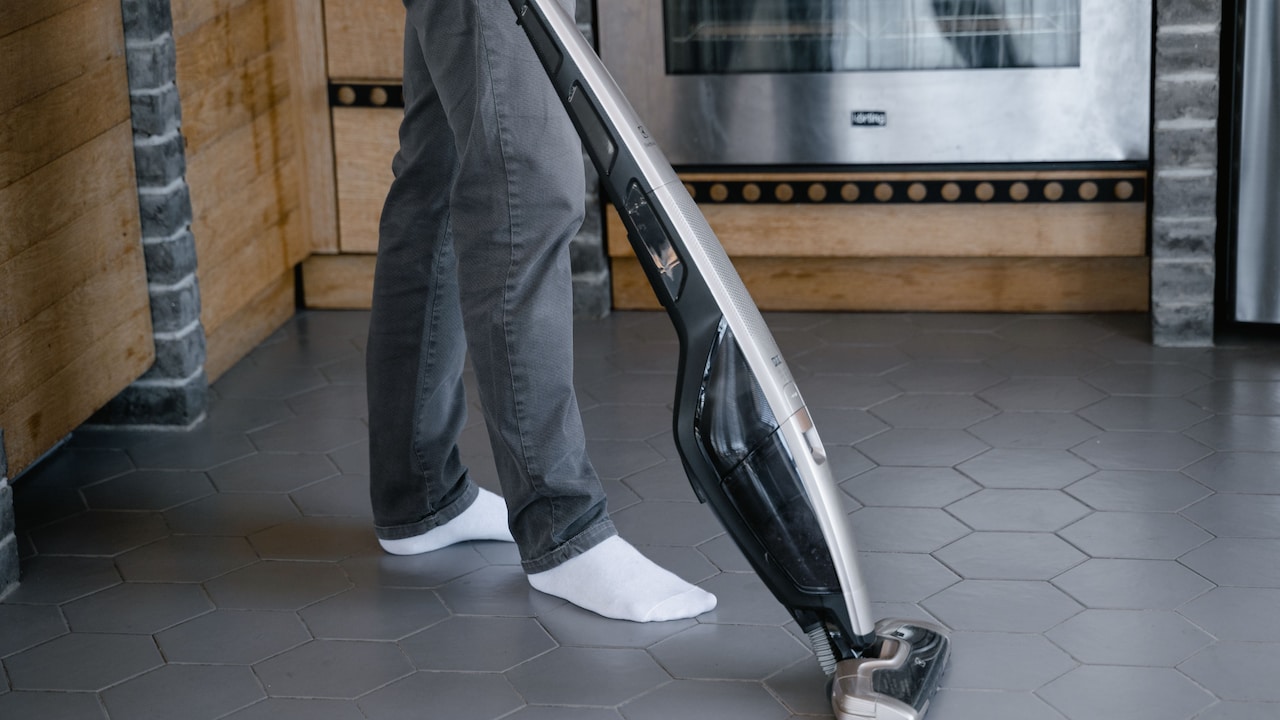
10 Reasons Your Cordless Vacuum Battery Drains Fast On Carpets
A cordless vacuum can feel like one of those household upgrades that instantly makes life easier. No cable to drag around the sofa, no frantic search for a nearby socket and no plug performing an unwanted disappearing act halfway across the room. Pick it up, press a button and the cleaning begins. Then comes the carpet. A vacuum that glides around tiled floors for ages may suddenly lose enthusiasm after spending several minutes on a thick rug or bedroom carpet. The battery percentage falls quicker, the motor sounds busier and the promised runtime on the box starts to feel rather optimistic. There is a practical reason for this. Living room carpets create far more resistance than hard floors and usually contain deeper dust, hair and debris. The vacuum therefore needs extra power to maintain airflow, rotate the brush and lift dirt trapped between fibres. Several other habits can shorten runtime too, from using maximum suction unnecessarily to forgetting about a clogged filter. Here are ten common reasons cordless vacuums lose battery faster on carpets, along with simple ways to keep them running longer.

10 Reasons Your Cordless Vacuum Battery Drains Fast On Carpets; Photo Credit: Pexels
Why Cordless Vacuums Drain Faster On Carpets
1. Thick Carpet Fibres Create More Resistance
A cordless vacuum moves most efficiently when air can flow freely through the cleaning head. Smooth tiles or marble offer very little resistance. Carpet fibres, particularly thick or plush ones, tell a different story.
As the cleaner head presses against the carpet, dense fibres restrict airflow and create drag around the brush roll. The motor must work harder to maintain suction while the brush pushes through the pile. That extra effort draws more electricity from the battery.
The effect becomes especially obvious on shaggy rugs and deep bedroom carpets. A vacuum may feel almost effortless on the living-room floor, then suddenly become harder to push when it reaches a soft rug. That added resistance translates directly into greater power consumption.
A slower, steadier cleaning pace can help. There is no need to repeatedly scrub the same patch unless visible dirt remains. Where the vacuum allows height or suction adjustment, choose a setting suitable for thicker carpets. Slightly reducing suction can also improve movement without dramatically affecting cleaning performance, saving both battery power and a surprising amount of arm strength.
2. Motorised Brush Rolls Consume Extra Power
Many cordless vacuums use a motorised brush roll to lift dust, crumbs and hair from carpets. It does an excellent job, but it also creates another demand on the battery.
On hard flooring, some machines can clean effectively with gentler brush movement or suction alone. Carpet cleaning usually requires the rotating brush to dig between fibres and loosen embedded particles. That brush often runs on its own electric motor, which means the battery supplies power to both suction and agitation at the same time.
Long hair, pet fur and threads make matters worse. They wrap around the brush roll, increasing resistance and forcing the motor to work harder. A few strands may seem harmless, yet after several cleaning sessions the roller can resemble a miniature spool of forgotten sewing thread.
Check the brush roll regularly and remove tangled hair before it forms a thick layer. Many newer designs allow quick access without tools. Keeping the roller clear helps it spin freely, lowers unnecessary power demand and often improves cleaning performance at the same time. A five-minute maintenance job can preserve several useful minutes of runtime.
3. Maximum Suction Mode Drains The Battery Quickly
The most powerful setting on a cordless vacuum feels satisfying. Dirt disappears quickly, the motor roars confidently and even stubborn debris seems to surrender. Unfortunately, maximum suction also treats battery charge like a plate of hot pakoras at tea time: it rarely lasts long.
Manufacturers usually quote their longest runtime using the lowest or most economical setting. Boost, turbo or max modes can reduce that figure dramatically because the motor draws much more electricity.
Carpets tempt people to use full power throughout the entire room, but that is rarely necessary. Everyday dust, light crumbs and surface hair often come away perfectly well on a medium or automatic setting.
Save maximum suction for small stubborn patches, corners or sections with deeply embedded debris. Switching back to normal mode afterwards can make a noticeable difference.
Automatic suction modes can also help when available. These systems detect floor resistance or dirt levels and increase power only when necessary. Rather than keeping the motor at full strength from start to finish, they use energy more intelligently. Think of boost mode as chilli pickle: excellent in the right amount, but there is little reason to use the whole jar at once.
4. Carpets Hold More Hidden Dust And Debris
A clean-looking carpet can hide an astonishing amount of dust beneath its surface. Fine particles settle between fibres, while hair, food crumbs, soil and fabric lint gradually collect deeper in the pile.
When a cordless vacuum passes over this hidden debris, it often needs more airflow and brush action than it would on hard flooring. Heavily soiled areas may also require several passes, extending cleaning time and increasing overall battery use.
Homes near busy roads may notice this more often because fine outdoor dust enters through windows, balconies, footwear and clothing. Festival gatherings, family visits or one enthusiastic snack session on the sofa can add another layer of crumbs almost overnight.
Frequent light cleaning can prove more efficient than occasional marathon sessions. When carpets receive regular attention, dirt has less time to settle deeply into the fibres. The vacuum can remove it with fewer passes and lower power.
Entrance mats also make a difference. They catch some soil before it reaches carpeted rooms. A simple habit such as leaving outdoor footwear near the entrance can reduce the amount of gritty debris the vacuum has to battle later, protecting both runtime and carpet fibres.
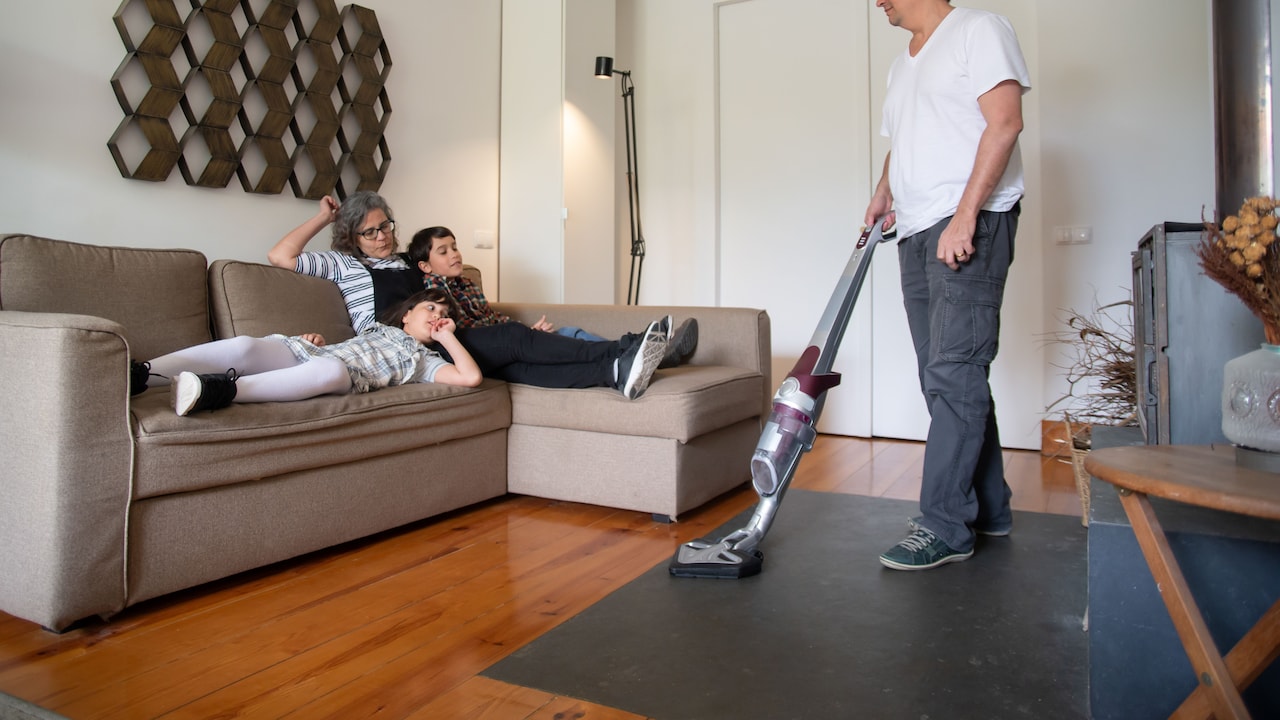
10 Reasons Your Cordless Vacuum Battery Drains Fast On Carpets; Photo Credit: Pexels
5. Clogged Filters Restrict Airflow
Filters rarely receive the same attention as batteries, yet they play a major role in cordless vacuum performance. When dust blocks a filter, airflow drops and the motor compensates by working harder.
Carpet cleaning can accelerate this problem because carpets release fine dust, lint and microscopic particles that quickly collect inside the filtration system. A partly clogged filter may not stop the vacuum immediately, but it can reduce suction efficiency and shorten runtime.
The warning signs often appear gradually. The vacuum may sound slightly strained, suction may feel weaker and the battery may seem to drain faster than usual. People sometimes assume the battery needs replacement when a dirty filter deserves the blame.
Check the manufacturer's cleaning instructions before washing any filter, because not every type can go under the tap. For washable filters, remove trapped dust and allow the material to dry completely before reinstalling it. Damp filters can cause unpleasant smells and potentially damage the machine.
Regular filter care helps the motor breathe properly. It also improves dust capture, keeps suction more consistent and can delay the expensive moment when a perfectly good vacuum gets blamed for poor maintenance.
6. An Overfilled Dust Bin Makes The Motor Work Harder
Cordless vacuums have compact dust bins for a reason: smaller bodies keep them light and easy to carry. The downside appears when carpet cleaning fills those bins faster than expected.
A nearly full container restricts airflow through the vacuum. Dust, fluff and hair can pack together inside the chamber, leaving less space for air to circulate efficiently. The motor then needs more energy to maintain suction.
Carpet fibres often release bulky lint that makes the bin look full surprisingly quickly. Pet hair adds even more volume. During a full-home cleaning session, the bin may need emptying more than once.
Waiting until dust reaches the absolute maximum line can therefore cost runtime. Empty the container when it starts looking crowded rather than treating the fill mark as a personal challenge.
It also helps to inspect the airway around the bin entrance. Hair and larger debris sometimes form a small blockage before reaching the container itself. Removing that obstruction restores airflow quickly.
A clear dust path allows the vacuum to do its job without unnecessary effort. Emptying a bin takes less than a minute and usually requires far less patience than wondering why the battery suddenly seems weaker.
7. Hair Wrapped Around The Roller Increases Drag
Carpet and hair have a remarkable talent for finding each other. Long strands, pet fur and loose threads collect around the brush roller, where they gradually tighten with every rotation.
Once enough material wraps around the roller, friction rises. The brush motor needs additional power to maintain its normal speed, so the battery drains faster. Severe tangles can also reduce cleaning performance because the bristles no longer contact the carpet properly.
Homes with long-haired family members or pets may notice this after only a few cleaning sessions. Bedroom carpets are particularly good at hiding strands until the vacuum discovers them all at once.
Inspect the roller frequently rather than waiting for it to stop turning. Many vacuums include a removable roller or a groove where scissors can safely cut through wrapped hair. Follow the product instructions and switch the machine off before touching the brush area.
Anti-tangle heads can reduce the problem, but even these designs need occasional cleaning.
Keeping the roller free allows it to spin with less resistance. The result is better pickup, smoother movement and less strain on the battery, all from one small maintenance habit that is easy to overlook.
8. Ageing Batteries Hold Less Charge
Sometimes the carpet is not the main culprit. Rechargeable batteries naturally lose capacity over time, particularly after hundreds of charge cycles.
A cordless vacuum that once cleaned several rooms on a single charge may eventually struggle to finish the same job. Carpet use makes that decline more noticeable because the vacuum already consumes more power on soft surfaces.
Heat can speed up battery ageing too. Leaving the vacuum or spare battery near a sunny window, hot kitchen area or enclosed balcony can shorten its useful life. Charging immediately after an intense cleaning session may also expose an already warm battery to additional heat.
Whenever possible, store the machine in a cool, dry location and follow the manufacturer's charging guidance. Avoid repeatedly running the battery completely flat unless the manual specifically recommends it.
If runtime has dropped sharply even after cleaning filters, removing blockages and checking the brush roll, battery wear may deserve attention. Some cordless models offer replaceable battery packs, which can cost far less than replacing the entire vacuum. Good battery habits cannot stop ageing, but they can slow it down and preserve reliable performance for longer.
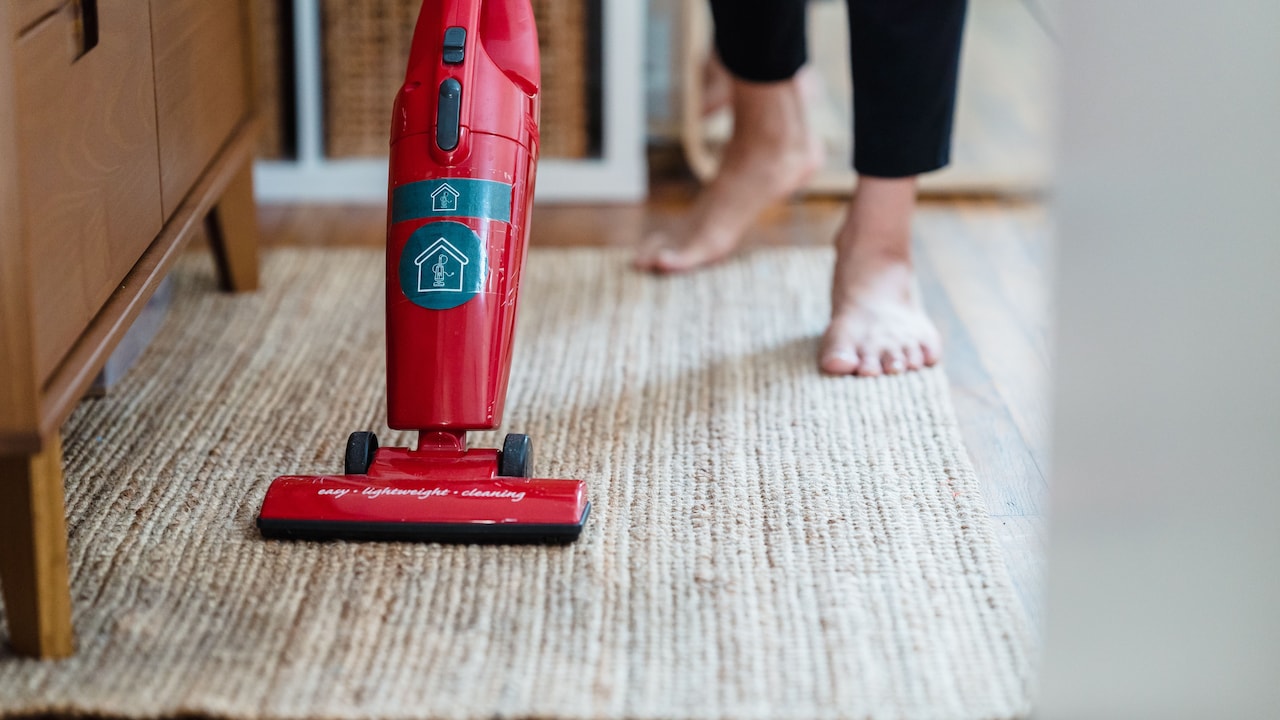
10 Reasons Your Cordless Vacuum Battery Drains Fast On Carpets; Photo Credit: Pexels
9. Repeated Passes Waste Valuable Runtime
There is something oddly satisfying about running a vacuum backwards and forwards over the same neat stripe of carpet. Yet repetition does not always mean better cleaning.
Every extra pass consumes battery power, especially when the motorised brush and higher suction settings remain active. People often repeat sections automatically because they cannot see whether the first pass removed the hidden dust.
A more deliberate cleaning pattern can reduce wasted movement. Work across the room in overlapping lines and move at a controlled pace. Going too quickly may leave debris behind, while moving extremely slowly wastes time and charge.
High-traffic areas such as the space near the sofa, dining table or bedroom doorway may genuinely need extra attention. Cleaner corners of the room often do not.
Spot cleaning also helps between full sessions. If a handful of namkeen lands beside the coffee table, clean that area rather than giving the entire carpet an unscheduled workout.
Efficient movement sounds like a small detail, but cordless runtime depends on minutes. Cutting unnecessary passes from a fifteen-minute carpet session can leave enough power for another room instead of ending with the familiar blinking battery warning.
10. The Wrong Cleaning Head Can Reduce Efficiency
Cordless vacuums often come with several attachments, and choosing the wrong one can quietly drain the battery.
A cleaner head designed mainly for smooth floors may struggle on carpet. It can create excess drag, collect hair inefficiently or require repeated passes to lift embedded dirt. Likewise, an attachment with a narrow opening may concentrate suction strongly but cover too little area for practical whole-room cleaning.
The main carpet head usually offers the best balance of airflow, brush action and coverage. Some premium models also include dedicated soft and deep-cleaning rollers for different surfaces.
Changing attachments may feel like an unnecessary interruption when moving quickly between rooms, but it can improve both cleaning quality and runtime.
Pay attention to how easily the head moves across the carpet. If it sticks firmly to the floor, reduce suction where possible or switch to a more suitable attachment. Fighting the vacuum across the room only forces the motor and the person holding it to work harder.
Using the right tool for each surface allows the machine to clean effectively without wasting power. In a cordless appliance, efficiency matters just as much as raw suction.
Products Related To This Article
1. Tusa Cordless Vacuum Cleaner for Car & Home
2. NUUK REN GO Cordless Home Vacuum Cleaner
3. SEZNIK Vacuum Cleaner for Home Use | Car Use | 4 in 1 Cordless Blower
4. WELLUCK 2 in 1 Portable Mini Car Vacuum Cleaner
5. Brago TurboVac Cordless Vacuum Cleaner for Car & Home
6. AGARO Supreme Cordless Stick Vacuum Cleaner
7. Tineco Floor ONE i5 Stretch Plus 2 Smart Cordless Wet
Carpets naturally demand more from cordless vacuums, so shorter runtime on soft flooring does not automatically signal a faulty battery. Dense fibres increase resistance, rotating brushes use extra electricity and hidden dust often requires more cleaning effort than a smooth floor.
Maintenance makes a surprisingly large difference. Clean filters allow better airflow, empty bins reduce strain and hair-free rollers spin more efficiently. Smarter cleaning habits help too. Normal suction works for most everyday mess, while boost mode belongs on stubborn areas rather than entire rooms.
Battery care completes the picture. Keeping the vacuum away from excessive heat and following sensible charging habits can slow capacity loss over time.
No cordless vacuum will run forever on a single charge, particularly on thick carpet. Still, a well-maintained machine used thoughtfully can deliver noticeably better runtime. Sometimes the secret to squeezing out those extra minutes is not buying a stronger battery. It is simply making sure the vacuum does not waste the power it already has.
(Disclaimer: This article may include references to or features of products and services made available through affiliate marketing campaigns. NDTV Convergence Limited (“NDTV”) strives to maintain editorial independence while participating in such campaigns. NDTV does not assume responsibility for the performance or claims of any featured products or services.)