How To Choose The Right Massager For Real Pain Relief, Not Just Relaxation
Massagers promise instant relief, but do they actually heal pain? This guide breaks down how to choose a massager that offers real comfort, not just a few feel-good minutes after a long day. Try these simple tips to buy the best body massager online.
Pain Relief Or Temporary Comfort? How To Choose The Right Massager.
Body aches no longer belong only to athletes or senior citizens. Office chairs that pinch the spine, mobile phones glued to palms, and stress that sits stubbornly on shoulders have turned pain into a daily companion. A massager often feels like the easiest fix. Plug it in, switch it on, and hope for magic.
Use these tips to buy a massager that actually works to relieve pain; Photo Credit: Pexels
Yet, not every buzzing device brings genuine relief. Some soothe for a few minutes, and others support long-term recovery. The difference lies in knowing what to buy and why. Choosing a massager should feel less like an impulse purchase during an online sale and more like selecting the right pair of shoes; fit matters. Here is all about how to choose the right massager for real pain relief, not just relaxation.
This guide walks through practical, relatable points to help decode massagers without medical jargon or unrealistic promises. The goal stays simple: comfort that lasts longer than the first 5 minutes.
Also Read: 5 Best Massage Devices: Top-Ranked Picks for Head, Foot, Back And Full Body
Before You Buy That Massager, This Is What To Consider
1. Understanding Pain: Muscle Fatigue or Something More?
Pain speaks many languages. A dull ache after a long commute feels very different from a sharp twinge near the lower back. Before clicking “buy now,” understanding the nature of pain saves disappointment later.
Muscle fatigue often comes from overuse or poor posture. A gentle kneading or vibration massager usually works well here. On the other hand, chronic pain linked to stiffness or old injuries needs deeper attention. Using a random massager in such cases feels like using a bandage on a cracked wall.
Many households keep massagers next to the television, pulling them out during evening serials. Relief feels instant, but the pain returns the next morning. That often signals a mismatch between problem and product. Recognising whether pain needs relaxation, stimulation, or recovery support forms the first step towards meaningful relief.
2. Temporary Comfort vs Long-Term Relief: Know the Difference
A warm cup of chai on a rainy evening brings comfort, but it does not cure a cold. Massagers work much the same way. Some relax muscles temporarily, while others help improve circulation and reduce stiffness over time.
Vibration-only massagers feel pleasant but often stop working once switched off. Percussion or kneading massagers dig deeper and may support muscle recovery when used consistently. Heat functions add another layer of relaxation but rarely solve underlying tension alone.
Advertisements love dramatic claims, but reality stays simpler. Long-term relief depends on regular use, correct technique, and realistic expectations. Buying a massager only for instant pleasure leads to regret. Choosing one that supports routine care brings gradual, noticeable change.
3. Types of Massagers: From Handheld to Full-Body Thrones
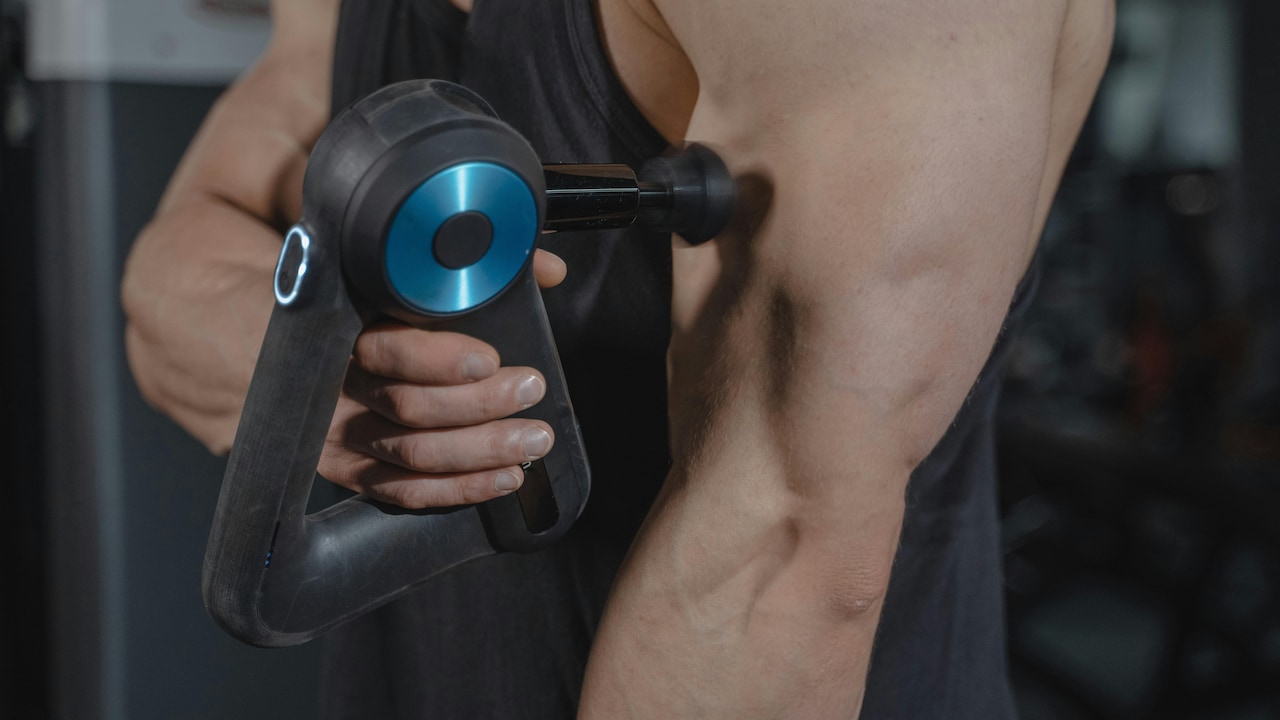
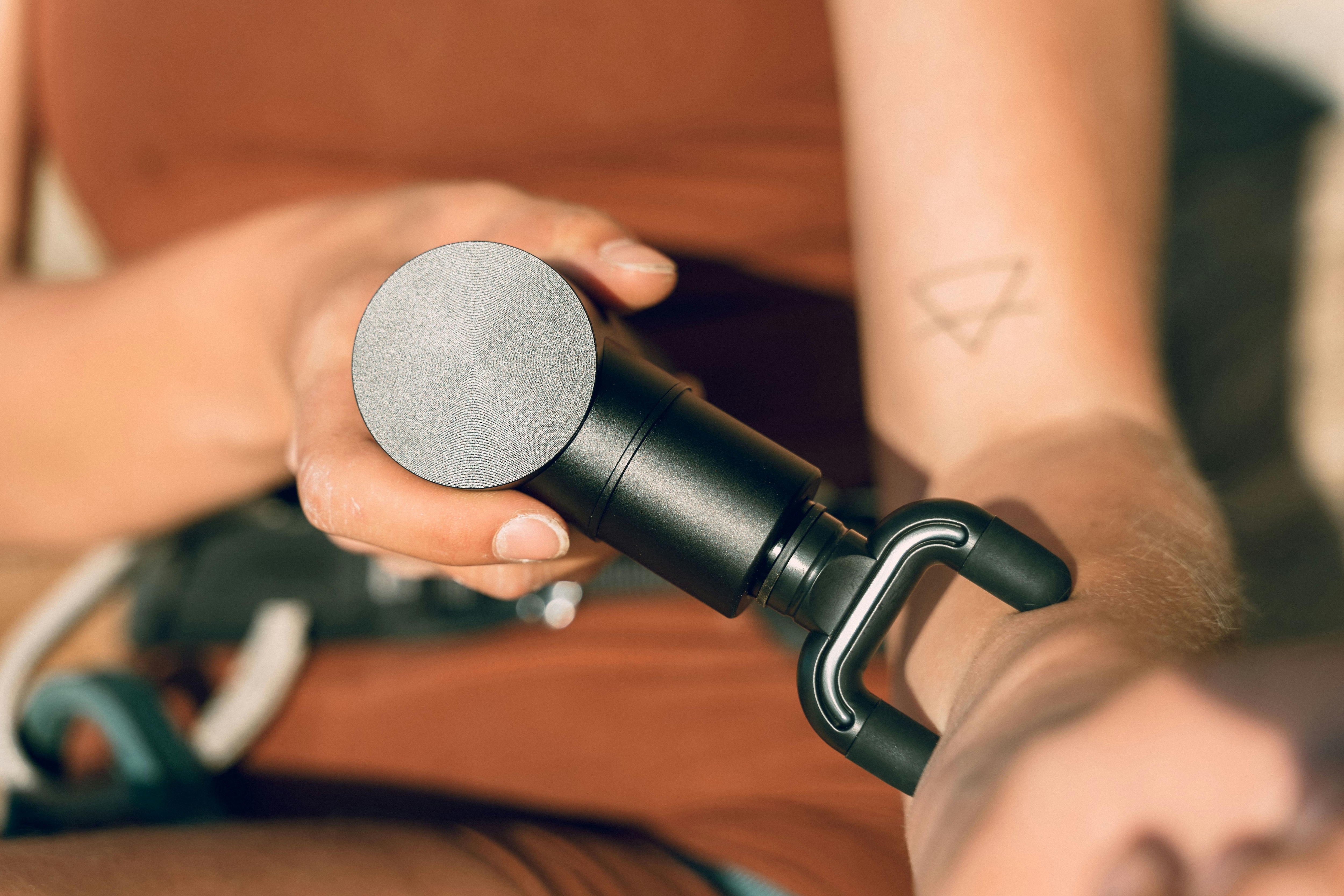
The market now feels crowded with choices. Handheld massagers work well for targeted areas like calves or shoulders. They fit easily in cupboards and budgets. Massage guns have gained popularity for their power and portability, though they require careful use.
Neck and shoulder massagers wrap around like comforting shawls, ideal for screen-heavy lifestyles. Foot massagers feel indulgent but offer genuine relief after long hours on concrete floors. Full-body massage chairs sit at the luxury end, often costing ₹80,000 or more, turning living rooms into relaxation zones.
Each type serves a purpose. Buying the wrong one often leads to it collecting dust under the bed. Matching lifestyle, space, and pain areas ensures the massager becomes a habit rather than a forgotten gadget.
4. Intensity Matters: Gentle Touch or Deep Pressure
Not everyone enjoys the same pressure. Some flinch at deep kneading, while others crave it after a tough workout. A good massager offers adjustable intensity levels, allowing gradual exploration rather than shocking muscles into submission.
High-intensity devices feel impressive but may aggravate sensitive areas. Elderly users or those with joint issues often prefer softer vibrations. Younger users dealing with gym soreness may benefit from stronger percussion.
Many buyers overlook this detail, focusing only on price or brand. Later, complaints follow: “Too harsh” or “Not strong enough.” Testing intensity settings, even briefly in stores or through reviews, avoids frustration. Comfort should feel soothing, not like punishment.
5. Heat Function: Luxury or Necessity?
Heat often feels like the hero feature. It relaxes muscles, improves blood flow, and adds spa-like comfort. For people dealing with stiffness during winter mornings or long sedentary hours, heat makes a noticeable difference.
However, heat does not suit everyone. In hot climates or during summer, it may feel overwhelming. Some skin types react poorly to prolonged warmth. Massagers with optional heat settings offer flexibility without forcing discomfort.
Heat should support massage, not replace it. A weak massager with heat rarely outperforms a well-designed kneading device without it. Balance remains key, especially when spending ₹3,000–₹10,000 on mid-range options.

Massagers with a heat function can help people dealing with stiffness during winter mornings; Photo Credit: Pexels
6. Portability and Lifestyle Fit
A massager should fit life, not complicate it. Bulky devices promise power but demand storage space. Lightweight models slip easily into travel bags, perfect for frequent travellers or shared households.
Cordless options offer freedom but require regular charging. Corded massagers ensure consistent power but restrict movement. Choosing between them depends on habits, not trends.
Many people imagine using massagers daily, yet reality intervenes. Devices that require elaborate setup often stay unused. Simple, quick-start designs encourage regular use. A massager that fits seamlessly into evening routines proves far more valuable than one with countless unused features.
7. Build Quality and Durability: Looks Can Be Deceptive
Glossy finishes and flashy buttons catch attention, but durability tells the real story. Poor-quality motors lose strength within months. Cheap plastic cracks under pressure. Repair costs sometimes rival the original price.
Checking warranties, user reviews, and brand reputation helps avoid regret. A solid massager may cost ₹1,000 more but lasts years longer. That difference feels worthwhile when relief becomes part of daily life.
Noise levels also matter. A massager that sounds like a mixer grinder disrupts relaxation. Quiet operation enhances comfort, especially during late evenings when the house finally feels calm.
8. Safety First: Listening to the Body
More pressure does not equal better results. Overusing massagers leads to bruising, soreness, and irritation. Many users treat devices like magic wands, ignoring rest days and proper techniques.
People with medical conditions should seek advice before use. Pregnant women, those with nerve issues, or recent surgeries need extra caution. Even healthy users benefit from moderation.
Clear instructions, auto shut-off features, and ergonomic designs support safer use. A massager should respect the body's limits rather than challenge them. Comfort grows when safety remains part of the conversation.
9. Price vs Value: Spending Smartly
Massagers range from ₹1,500 to well over ₹1 lakh. Price alone does not guarantee relief. Budget options work well for light relaxation, while premium devices offer versatility and power.
Impulse purchases during sales often disappoint. Comparing features, reading reviews, and understanding return policies make smarter spending decisions. A ₹4,000 device used daily beats a ₹20,000 one used once a month.
Value lies in consistency, comfort, and reliability. Spending within means while prioritising core needs ensures satisfaction without guilt.
10. Making It a Habit, Not a Gimmick
The best massager fails if it stays unused. Building a routine around it transforms temporary comfort into meaningful relief. Ten minutes before bed or after morning stretches works better than occasional marathon sessions.
Pairing massage with hydration, light exercise, and posture awareness multiplies benefits. The device becomes part of self-care rather than a novelty.
Humour helps too. Many households joke about fighting over the massager remote. That shared comfort often turns into a collective habit, making the purchase worthwhile beyond physical relief.
Products Related To This Article
1. AGARO Galaxy Gun Massager
2. Lifelong LLGM109 Percussion Massage Gun for Pain Relief
3. Caresmith Charge Boost Massage Gun
4. Dr Physio USA Dynamo 1034 Percussion Gun Massager for Full Body Pain Relief
5. Cult Impact Deep tissue massage gun
6. Bionic Heated Massager
7. SONORO KATE [COMBO] Wireless Electric EMS Foot
A massager can soothe tired muscles, ease stress, and bring moments of calm into busy days. Yet, not every device delivers lasting relief. Understanding pain, choosing appropriate features, and aligning expectations make all the difference.
Comfort should feel supportive, not fleeting. With thoughtful selection and regular use, a massager moves beyond temporary pleasure and becomes a trusted companion in everyday wellness. The right choice does not promise miracles but offers something far more valuable—consistent, reliable relief that fits real life.
(Disclaimer: This article may include references to or features of products and services made available through affiliate marketing campaigns. NDTV Convergence Limited (“NDTV”) strives to maintain editorial independence while participating in such campaigns. NDTV does not assume responsibility for the performance or claims of any featured products or services.)