RO And UV Water Purifier Maintenance Guide: What To Change And When
RO and UV water purifiers need regular maintenance to work safely. This guide explains which parts to replace, how often to change them and how timely care saves money and health.
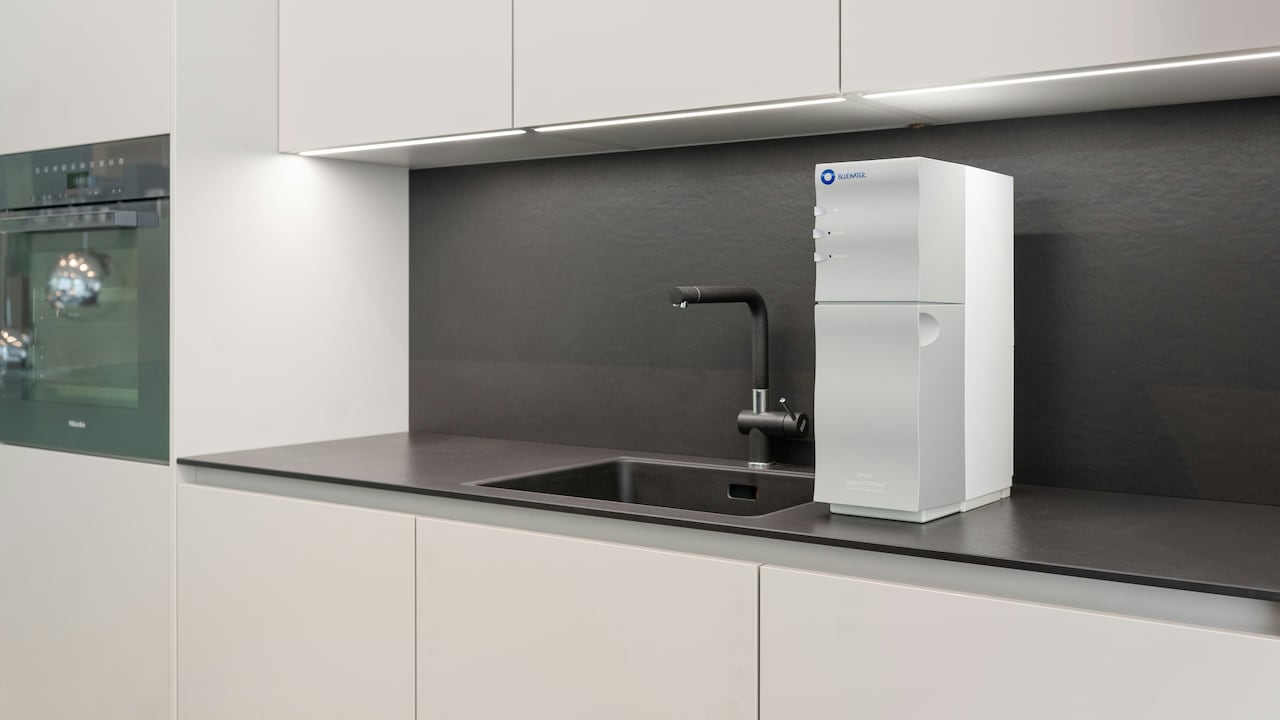
RO and UV Water Purifier Maintenance Guide: What, When and Why to Change Parts.
Water purifiers have become as essential as pressure cookers and ceiling fans. From morning tea to late-night sips, every drop matters. RO and UV purifiers handle heavy-duty work, especially in cities where water quality shifts with seasons. Yet many homes forget one simple truth: even the best purifier cannot perform well without proper maintenance.
Filters clog, membranes wear out, and UV lamps lose strength. Ignoring these signs affects taste, flow, and safety. Maintenance does not require technical expertise or endless expense. It simply needs awareness and timely action. This guide walks through every key component, explains how often it needs attention, and shares practical tips rooted in everyday household experiences. Think of it as a friendly reminder that clean water begins with a cared-for purifier.
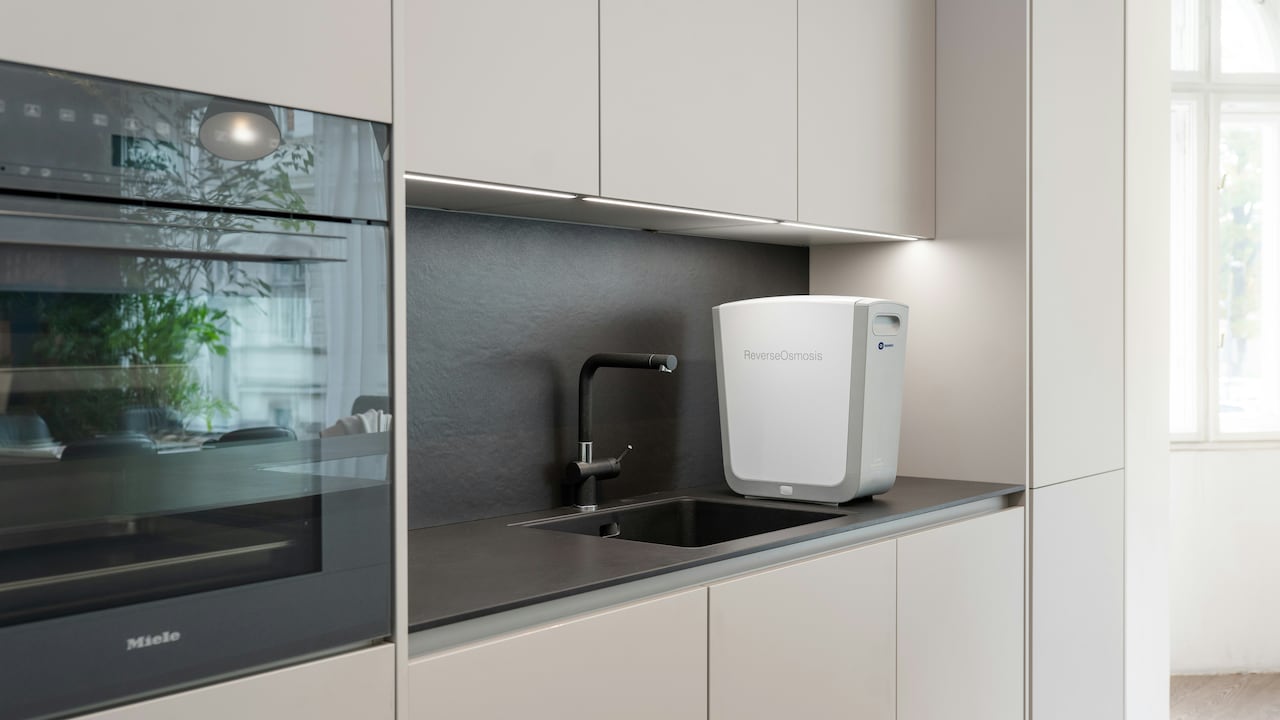
RO And UV Water Purifier Maintenance Guide: What To Change And When
Photo Credit: Pexels
Key RO and UV Purifier Parts That Need Regular Maintenance
1. Sediment Filter: The First Line of Defence
The sediment filter works like a doormat at the front door. It traps sand, rust, and visible dirt before water enters deeper stages. In many neighbourhoods, especially during monsoons or pipeline repairs, water carries extra grit. Over time, this filter turns brown or grey, a clear sign of hard work.
Most homes should replace the sediment filter every 6 to 12 months. Homes with muddy or tanker water may need a change closer to the six-month mark. Ignoring this step causes trouble downstream. Clogged sediment filters reduce water pressure and force other filters to work harder.
A common sign of neglect shows up when filling bottles takes longer than usual. That slow drip often points straight to a tired sediment filter. Replacing it costs roughly ₹300–₹600, far cheaper than repairing damaged membranes later. A small change here keeps the entire system breathing easy.
2. Pre-Carbon Filter: Keeper of Taste and Smell
That odd smell in drinking water often has little to do with imagination. The pre-carbon filter handles chlorine, organic chemicals, and unpleasant odours. Municipal water supplies use chlorine for disinfection, but excess amounts affect taste and throat comfort.
This filter usually needs replacement every 6 to 12 months. In homes where water smells strongly of chemicals, earlier replacement makes sense. Leaving it unchanged allows chlorine to reach the RO membrane, shortening its life.
Families often notice the problem during morning tea. The brew tastes flat or oddly sharp. Many blame the milk or tea leaves, yet the purifier quietly signals distress. A fresh carbon filter restores natural taste almost instantly.
Costs range between ₹600 and ₹1,200. Compared to buying bottled water out of frustration, this simple fix saves money and peace of mind. Clean taste often signals clean filtration.
3. RO Membrane: The Heart of Purification
The RO membrane does the heavy lifting. It removes dissolved salts, heavy metals, and invisible contaminants. This component faces constant pressure and wear. Its lifespan depends on input water quality, usage, and pre-filter condition.
On average, the RO membrane lasts 2 to 3 years. Hard water areas may demand replacement every two years. A rise in TDS levels or a salty taste usually hints at membrane fatigue. Many purifiers display alerts, but taste often reveals the truth sooner.
Ignoring membrane health results in unsafe water, even if the flow appears normal. Replacing an RO membrane costs between ₹2,500 and ₹5,000. Delaying replacement risks health and damages other parts.
Regular filter changes upstream extend membrane life significantly. Think of the membrane as the engine of a car. Protecting it ensures smooth performance for years.
4. Post-Carbon Filter: Final Touch of Freshness
After rigorous filtration, water deserves a finishing touch. The post-carbon filter polishes taste and removes any residual odour. It ensures water feels light and pleasant on the tongue.
This filter typically lasts 12 months. Some households stretch it longer, but taste changes often appear subtly. Water may seem flat or slightly stale, especially after storage.
Replacing the post-carbon filter refreshes the entire experience. Children often drink more water after this change, an unexpected but welcome benefit. The cost remains affordable, usually around ₹500–₹1,000.
Neglecting this step does not always compromise safety, but it affects enjoyment. Clean water should not only be safe but also inviting. Small details often make the biggest difference in daily habits.
Also Read: 5 Best Hot and Cold Water Purifiers in India (2026): Instant Tea, Chilled Water, Zero Waiting
5. UV Lamp: Silent Guardian Against Germs
The UV lamp neutralises bacteria and viruses that slip past filters. Unlike filters, it does not trap dirt, so wear remains invisible. UV lamps lose strength over time, even if they continue to glow.
Most UV lamps need replacement every 12 months. Extended use reduces effectiveness, allowing microbes to survive. Many homes forget this step because the lamp still lights up.
A yearly replacement costs between ₹1,200 and ₹2,000. Compared to medical bills, this expense feels modest. Families with young children or elderly members benefit greatly from timely UV maintenance.
Trusting appearance alone can mislead. UV protection relies on intensity, not visibility. Marking the replacement date on a calendar helps avoid forgetfulness and ensures consistent safety.
6. UF Filter: Extra Shield for Peace of Mind
Some purifiers include a UF (Ultrafiltration) filter alongside RO and UV. This filter removes bacteria and cysts without electricity. It acts as a backup safety layer.
UF filters generally last 12 to 18 months. Their replacement depends on usage and water quality. A drop in flow or visible dirt inside the cartridge signals the need for a change.
Though optional in some models, UF filters add reassurance during power cuts or low-pressure situations. Replacement costs range from ₹800 to ₹1,500.
Homes relying on mixed water sources often benefit most. Maintaining this filter ensures consistent protection, regardless of external conditions. Redundancy in purification never hurts when health is at stake.
7. Storage Tank Cleaning: Often Ignored, Always Important
Filters clean water before storage, but the tank itself needs attention. Over time, slimy residue and microbial growth can develop inside storage tanks, especially in warm climates.
Cleaning the tank every 6 months prevents contamination. Professional servicing usually includes this step. DIY cleaning works too, using mild disinfectants approved for drinking water systems.
Neglecting tank hygiene leads to foul smells and cloudy water. Families sometimes replace filters repeatedly without realising the tank causes the problem. Cleaning costs remain minimal, often bundled into annual service charges of ₹500–₹1,000.
A clean tank ensures purified water stays pure until the last drop. This step completes the maintenance cycle and deserves equal importance.
8. Pipe and Fitting Checks: Small Leaks, Big Trouble
Tiny leaks often hide behind cabinets or under sinks. Loose fittings waste water and reduce pressure. Over time, they damage nearby surfaces and invite mould.
A quarterly visual check helps catch issues early. Professional servicing usually includes tightening connections and replacing worn pipes. Ignoring leaks increases water bills and stresses internal components.
Replacing pipes or fittings costs relatively little, often under ₹500. Early action prevents costly repairs later. A dry floor and steady flow signal healthy plumbing.
Maintenance goes beyond filters. A purifier works as a system, and every joint matters.
9. Electrical Components and Power Supply
RO and UV purifiers rely on stable power. Voltage fluctuations damage adapters and internal circuits. A faulty power supply disrupts purification cycles.
Checking adapters and switches during annual servicing prevents sudden breakdowns. Using a voltage stabiliser adds extra protection, especially in areas with frequent power cuts.
Replacing adapters costs around ₹700–₹1,500. Ignoring electrical issues leads to inconsistent purification and complete shutdowns. A purifier without power serves no purpose.
Reliable electricity ensures reliable water. This often-overlooked aspect deserves attention during routine maintenance.
RO And UV Water Purifier Maintenance Guide: What To Change And When
Photo Credit: Pexels
10. Annual Professional Service: The Smart Habit
While DIY care helps, professional servicing brings expertise. Technicians check TDS levels, clean internal parts, and identify hidden issues. Annual service packages cost between ₹2,000 and ₹4,000, depending on model and city.
Regular servicing extends purifier life and ensures optimal performance. Families often notice improved taste and flow after a thorough check-up. This habit prevents emergency repairs and unexpected expenses.
Scheduling service before summer works well, as water consumption peaks during hot months. A well-maintained purifier handles increased demand with ease.
Think of it as an annual health check for the household's most important appliance.
Products Related To This Article
1. Aquaguard Delight Aquasaver RO+UV+UF+MC Tech
2. Atomberg Intellon - India's 1st Adaptive Water Purifier
3. AQUA D PURE 4 in 1 Copper RO Water Purifier with 10 Stage Purification Filtration
4. Havells Aquas Pro 7L Water Purifier
5. AO Smith Z9 Pro Black RO Water Purifier For Home
Clean water supports every moment of daily life, from cooking meals to staying hydrated. RO and UV purifiers deliver this essential resource quietly, but they need care in return. Timely filter changes, regular cleaning, and professional servicing keep water safe, tasty, and reliable.
Maintenance may seem tedious, yet it saves money, protects health, and avoids sudden breakdowns. A little attention every few months ensures peace of mind year-round. After all, the best purifier remains only as good as the care it receives.
(Disclaimer: This article may include references to or features of products and services made available through affiliate marketing campaigns. NDTV Convergence Limited (“NDTV”) strives to maintain editorial independence while participating in such campaigns. NDTV does not assume responsibility for the performance or claims of any featured products or services.)