Coffee Grinder Buying Guide: Features You Need And Additional Settings You Do Not
Choose a coffee grinder that delivers consistent results without charging extra for unused settings. Focus on burr quality, brewing needs, durability and everyday convenience.
Things to consider before buying a coffee grinder
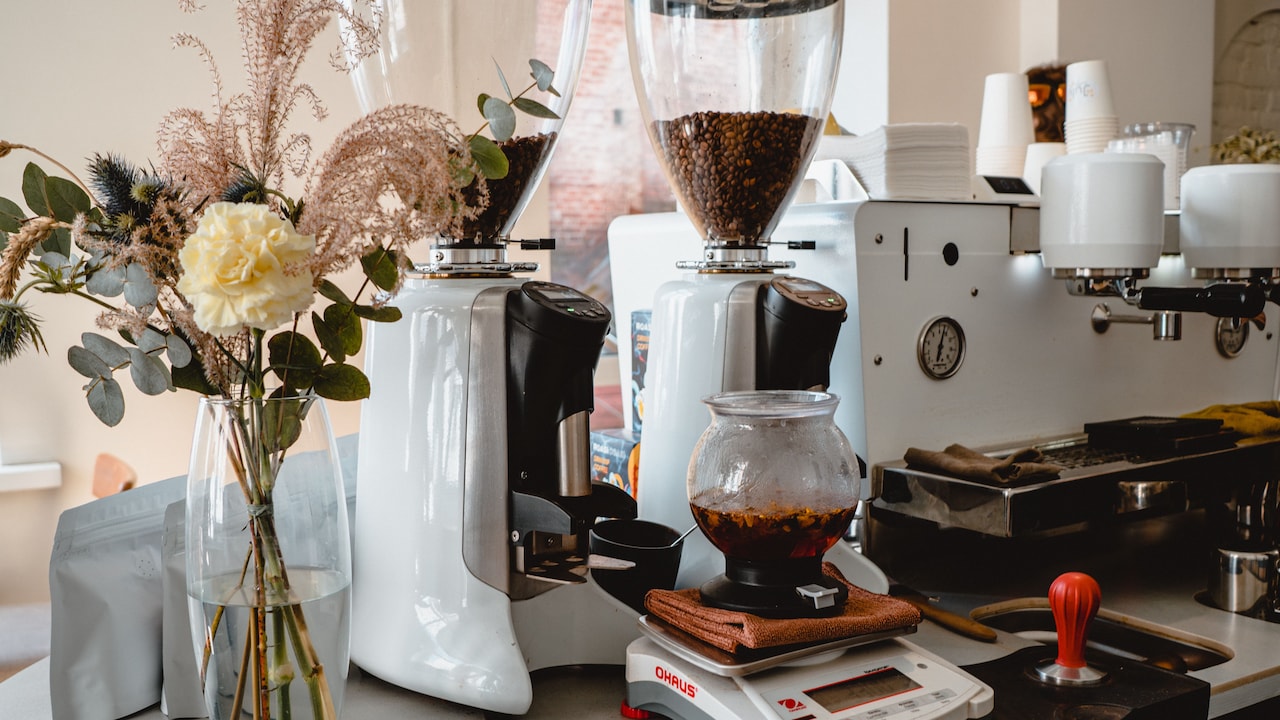
Buying a coffee grinder sounds simple until the product descriptions begin shouting about 40 settings, digital timers, anti-static chambers and “professional-grade precision”. Suddenly, preparing a cup of coffee feels less like a morning ritual and more like operating a small laboratory. The truth is far less complicated. Most households use one or two brewing methods regularly. Someone who drinks filter coffee every morning may never need the ultra-fine range designed for espresso. A person who enjoys a French press at weekends does not need dozens of tiny adjustments between medium and coarse. Paying for every possible setting can feel reassuring, but unused features rarely improve the flavour in the cup.
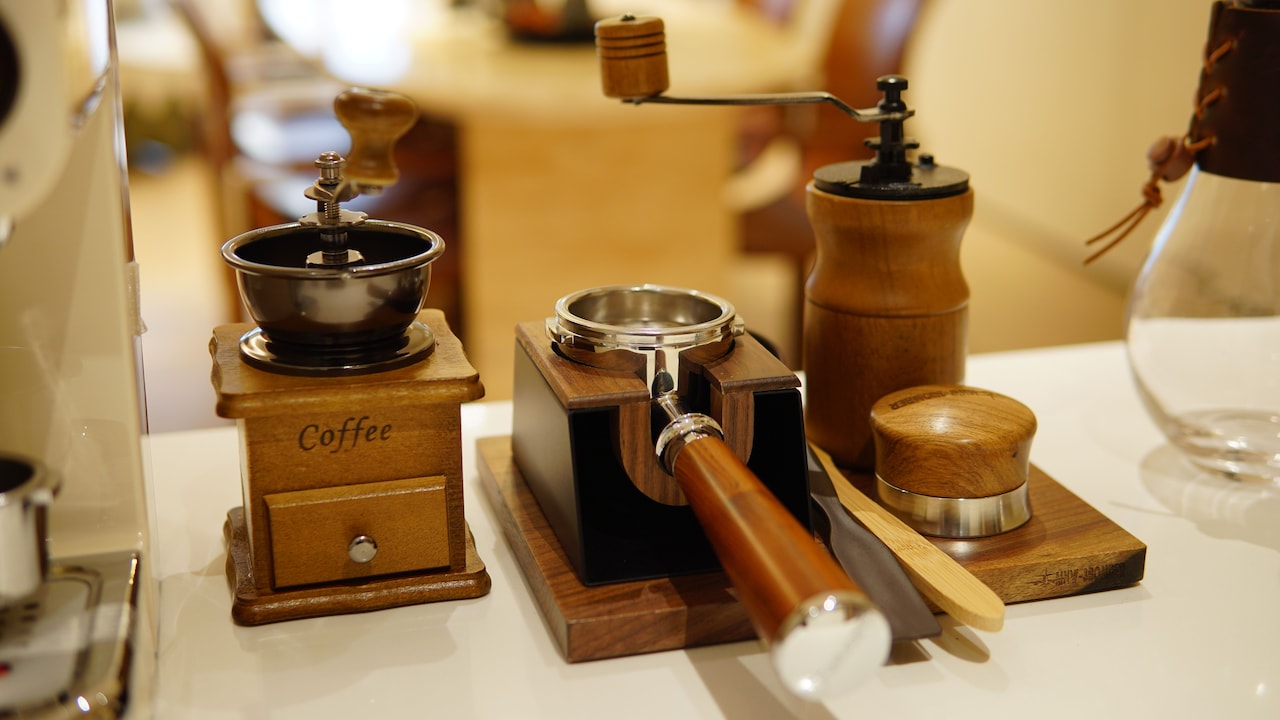
How to choose a coffee grinder for home
Photo Credit: Pexels
The right grinder should produce even particles, suit the preferred brewing method and fit comfortably into the daily routine. It should also survive rushed mornings, occasional spills and the familiar kitchen battle for plug points.
Also Read: Brew Better Every Day: Top Coffee Grinders Below ₹3000 Worth Bringing Home
Choosing wisely means looking beyond impressive numbers. These ten considerations help separate genuinely useful performance from expensive decoration.
What To Consider Before Buying A Coffee Grinder
Start With The Coffee You Actually Brew
The best grinder is not the one with the longest list of settings. It is the one that suits the coffee prepared most often.
A household that mainly makes pour-over coffee needs reliable medium-fine grinding. French press drinkers require a consistent coarse grind. Moka pot users need something finer, though not as powdery as traditional espresso. Those preparing South-style filter coffee may prefer a fine texture that still allows water to pass through the grounds steadily.
Problems begin when shoppers buy for an imaginary future. A machine with 60 settings may look exciting because espresso, cold brew and pour-over all seem possible. Three months later, the grinder often remains parked on the same setting every morning.
Think honestly about the weekly routine. A Saturday experiment does not need to dictate a costly purchase. A capable grinder with a practical range can handle occasional changes without offering microscopic adjustments that only dedicated enthusiasts may notice.
Coffee equipment should make mornings easier, not turn every cup into a technical examination. Begin with what enters the mug today. Everything else comes later.
Understand Why Burr Grinders Cost More
Blade grinders often look attractive because they cost less and occupy little space. They work by chopping beans with fast-spinning blades. Unfortunately, chopping creates a mixture of fine powder and large fragments. The result can taste bitter and weak at the same time, which feels almost unfair after buying good beans.
Burr grinders crush beans between two textured surfaces. This produces particles of a more uniform size. Water then extracts flavour more evenly, giving the cup greater sweetness, clarity and balance.
A basic burr grinder can therefore offer better value than a blade model filled with buttons and shiny trim. The burr mechanism matters more than an illuminated display or a fashionable metallic finish.
Prices for entry-level electric burr grinders may start around ₹3,000, while sturdier models often sit between ₹6,000 and ₹15,000. Manual burr grinders can cost less and still deliver impressive results, especially for one or two cups.
Spending more for burrs makes sense. Spending more merely for extra lights does not. The grinding mechanism creates flavour; the control panel mostly creates photographs for the product page.
Match The Setting Range To Your Brewer
Grind settings become useful only when they cover the required brewing range. The total number printed on the box tells only half the story.
A grinder with 20 well-spaced settings may serve filter coffee, AeroPress, moka pot and French press comfortably. Another model may advertise 50 settings but concentrate most of them within the fine espresso range. For a household that never uses an espresso machine, those extra steps add cost without adding value.
Check the coarsest and finest results rather than staring at the number alone. Product manuals, user demonstrations and grind samples can reveal whether the machine reaches the texture required for a favourite brewer.
Espresso deserves special attention. Proper espresso machines react strongly to small grind changes. A grinder designed for espresso needs tiny, controlled adjustments. That precision costs more because the internal engineering must be accurate. Pressurised espresso baskets and moka pots are usually more forgiving, so they do not require the same level of control.
Buy enough range for the brewer on the counter. There is no prize for owning settings that remain untouched.
Value Consistency Over Tiny Adjustments
Two grinders can produce grounds labelled “medium”, yet one may deliver far better coffee. The difference lies in consistency.
Uneven grounds contain both dust-like particles and chunky pieces. The smallest pieces release flavour too quickly and may create bitterness. Larger pieces extract slowly and can taste sour or watery. The cup becomes confused, rather like a traffic junction during office hours.
Consistent grounds allow water to move through the coffee at a predictable rate. This makes recipes easier to repeat. The same quantity of beans, water and brewing time produces a similar result each morning.
Manufacturers love promoting the number of grind settings because it is easy to display. Consistency is harder to express in a bold headline. It depends on burr quality, alignment, motor stability and the grinder's internal design.
Before paying for 70 adjustments, look for evidence that the grinder performs well at the settings that matter. Reviews that show close-up grind samples are more useful than reviews that simply praise the packaging.
Five dependable positions across the required range can beat 30 vague ones. Precision begins with even grinding, not endless clicking.
Choose Between Manual And Electric Grinding
Manual grinders suit people who value quiet kitchens, compact storage and lower prices. A well-made hand grinder can offer excellent burr quality without the cost of a motor, display or electronic timer. It also works during power cuts, which gives it an oddly heroic quality on difficult mornings.
The trade-off is effort. Grinding beans for one cup may take less than a minute, but larger batches can feel like an unexpected forearm workout. Fine settings also require more turns than coarse ones.
Electric grinders offer speed and convenience. They suit families, frequent coffee drinkers and anyone preparing several cups before work. Pressing a button feels much easier when breakfast, lunch boxes and unanswered messages are already competing for attention.
A manual model priced around ₹2,000 to ₹6,000 may produce better grounds than a similarly priced electric grinder because more of the budget goes towards the burrs. Electric models become more appealing when convenience carries real daily value.
Neither type is automatically superior. The right choice depends on batch size, available time and patience before the first sip.
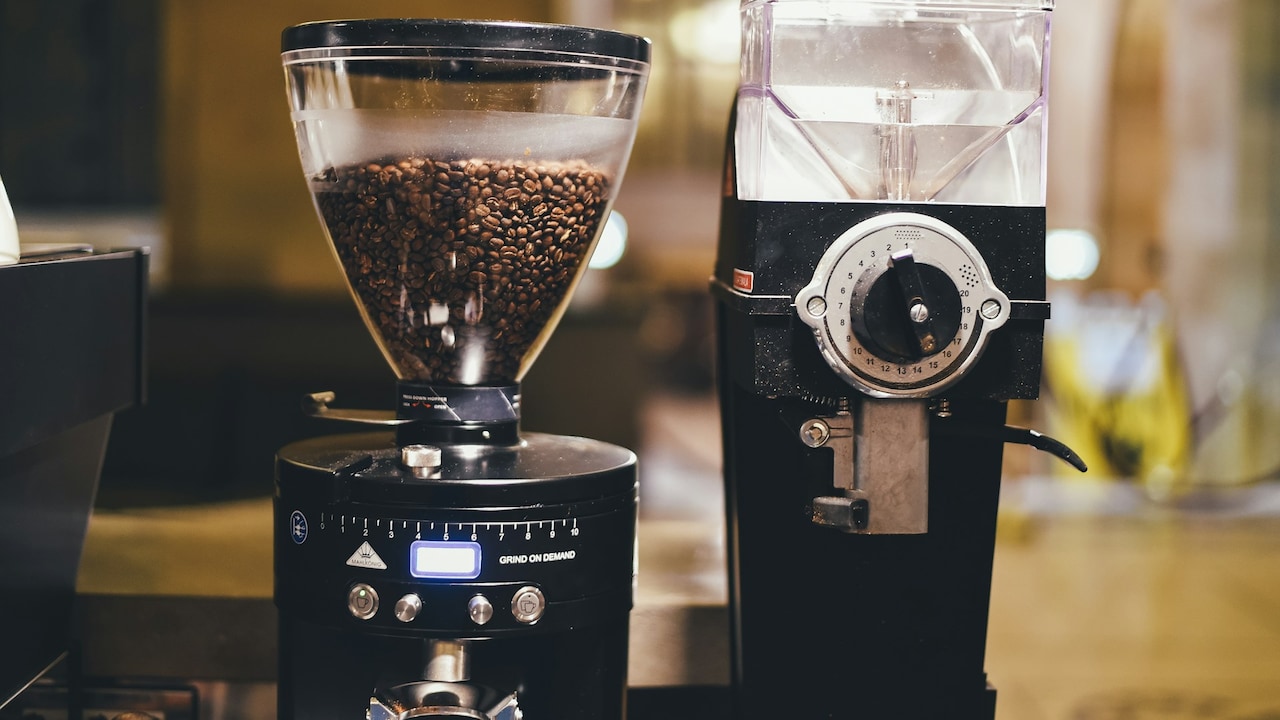
Choose between a manual and electric coffee grinding machine for best results
Photo Credit: Unsplash
Ignore Timers Unless They Improve The Routine
Digital timers sound precise, but they do not always justify a higher price. Many grinders let users select a grinding duration, such as 10 or 20 seconds. The machine then stops automatically.
This can be convenient, yet time does not measure coffee perfectly. Bean size, roast level and hopper fullness can affect how much coffee passes through the grinder during each second. A timer may provide a rough dose rather than an exact one.
For better control, many coffee drinkers weigh beans before grinding. A basic kitchen scale can cost around ₹500 to ₹1,500 and serve countless other purposes. Grinding a pre-weighed portion also keeps beans fresher because the remaining supply stays sealed in an airtight container.
Advanced grinders may offer timers adjustable to fractions of a second. That feature helps busy espresso users who grind directly into a portafilter several times a day. For a single morning filter coffee, it can become expensive theatre.
Pay for a timer when it saves genuine effort. Otherwise, a simple on-off switch and a small scale can provide greater accuracy for less money.
Check Capacity Without Buying A Giant Hopper
A large bean hopper creates the impression of convenience. Pour in an entire packet, close the lid and forget about measuring for days. Unfortunately, hoppers are rarely ideal storage containers.
Light, heat, air and moisture gradually reduce the freshness of roasted coffee. Beans left above a warm grinder motor may lose aroma faster than beans kept in an airtight jar inside a cool cupboard.
Large hoppers also encourage buyers to pay for capacity they do not need. A household brewing two cups each morning may be perfectly comfortable with a smaller chamber. Single-dose grinders, which are designed for one measured portion at a time, can reduce stale beans and make switching between different coffees easier.
Capacity matters more when several people drink coffee throughout the day. In that situation, refilling a tiny hopper repeatedly becomes irritating.
Look at the quantity used within a typical day, not the size of the coffee packet purchased. A modest hopper often keeps the machine compact and the beans fresher. Kitchen counters already host enough oversized appliances pretending they deserve permanent residency.
Consider Cleaning Before Falling For Features
Coffee contains natural oils and produces fine particles during grinding. Over time, both collect around the burrs, chute and grounds container. A grinder that cannot be cleaned easily may develop stale smells, blockages and inconsistent performance.
Removable upper burrs make routine maintenance simpler. A small brush can clear trapped grounds, while a dry cloth can handle the container and hopper. Water should not touch most internal grinding parts unless the manufacturer specifically allows it.
Some grinders advertise anti-static technology or low-retention designs. These features can be useful, especially when fine grounds cling to the container or scatter across the counter. However, marketing claims vary. A slightly damp spoon handle stirred through the beans before grinding can reduce static in many cases, though only a tiny amount of moisture should be used.
Before paying extra, check how the grinder opens and how many awkward corners need attention. A machine that takes five minutes to clean will receive more care than one requiring tools, patience and the emotional strength of a weekend plumbing repair.
Easy maintenance protects flavour long after the novelty fades.
Look Beyond The Lowest Advertised Price
The cheapest grinder may become expensive when parts wear out quickly, the motor overheats or replacement components remain unavailable. Value depends on useful life, not only the figure shown during a festive sale.
Check whether the brand offers a clear warranty and service support within the country. A two-year warranty from an accessible company can be more valuable than a longer promise from a seller that disappears after delivery. Replacement burrs, containers and lids also matter because small parts often fail before the entire machine does.
Noise deserves consideration too. Some budget electric grinders produce a sharp sound capable of announcing breakfast to the whole building. A quieter motor may justify a modest premium, especially in small flats or homes where morning schedules differ.
Build quality can often be judged through practical details. Stable feet, a strong adjustment collar and a securely fitting grounds cup matter more than decorative steel panels over a plastic frame.
A grinder should feel dependable, not merely affordable. Saving ₹1,000 at purchase brings little joy if the machine needs replacing next year.
Set A Budget Around Taste, Not Temptation
A sensible budget begins with the brewing method and expected frequency. Occasional French press drinkers may find a capable manual grinder under ₹4,000. Regular filter coffee drinkers may benefit from an electric burr grinder between ₹6,000 and ₹12,000. Dedicated espresso preparation often demands a larger investment, sometimes ₹15,000 or more, because fine adjustment and burr alignment become crucial.
The dangerous phrase is “for only a little more”. One upgrade adds a timer. Another adds ten settings. The next adds a display, app control and a design inspired by a spaceship. Soon, the budget has doubled while the morning coffee tastes almost the same.
Decide which features solve real problems. Faster grinding may matter. Lower noise may matter. Precise espresso control may matter. Bluetooth connectivity probably does not need to know how sleepy the household feels at 7 a.m.
Leave room in the budget for fresh beans, a scale or a better brewer. Coffee quality comes from the whole process. An expensive grinder cannot rescue stale grounds or boiling water poured carelessly over them.
Test Convenience Against Everyday Habits
Technical quality matters, but daily usability determines whether the grinder becomes loved or ignored. A machine may produce beautiful grounds yet feel annoying if it spills coffee, blocks access to cupboards or requires several buttons for a simple dose.
Check the grinder's height, especially when overhead cabinets hang low. Consider where the cable exits and whether the plug can reach the nearest socket. Look at the grounds container shape. Narrow containers may fit neatly under the chute but make transferring coffee messy.
Adjustment controls should feel clear. Labels that show numbers or brewing styles can prevent sleepy mistakes. The grinder should also retain its selected setting rather than shifting during use.
For shared households, simplicity becomes even more valuable. Anyone should be able to prepare coffee without watching a tutorial each morning. A single dial and button often beat a complicated menu.
Imagine the grinder during a rushed weekday, not during a peaceful product demonstration. Great equipment disappears into the routine. It helps quietly, cleans up quickly and leaves attention free for the part that matters: enjoying the coffee.
Products Related To This Article
1. CEVING World's First 60g Large Capacity Manual Coffee Grinder
2. InstaCuppa Manual Coffee Bean Grinder with 40 Adjustable Grind Settings
3. DHRUDEEP Nima Mixer Grinder Smash Machine Stainless Steel Multifunctional Electric Grinder
4. Supvox® Hand Coffee Grinder with Wooden Crank Handle Adjustable Grinding
5. Supvox® Hand Coffee Grinder with Wooden Crank Handle Adjustable Grinding
6. Manual Coffee Grinder, Stainless Steel Burr
7. CEVING World's First 60g Large Capacity Manual Coffee Grinder
Choosing a coffee grinder does not require chasing the largest setting count or the most dramatic product description. It requires understanding how coffee is brewed at home and paying for features that improve that routine.
Burr quality and grind consistency should lead the decision. The setting range should match the preferred brewing methods, while capacity, cleaning and convenience should suit the kitchen. Timers and digital controls deserve attention only when they save meaningful effort. A dependable warranty and accessible replacement parts can also protect the purchase for years.
Most importantly, avoid buying for an imaginary version of daily life. A grinder built for competitive espresso preparation may be wasted on a relaxed cup of French press. A huge hopper may be unnecessary for one morning brew. Extra settings can look impressive without ever improving flavour.
The smartest grinder is not the cheapest or the most advanced. It is the one that performs the required job consistently, fits the budget and makes good coffee feel pleasantly uncomplicated. That leaves more money for fresh beans, and perhaps a biscuit worthy of joining them.
(Disclaimer: This article may include references to or features of products and services made available through affiliate marketing campaigns. NDTV Convergence Limited (“NDTV”) strives to maintain editorial independence while participating in such campaigns. NDTV does not assume responsibility for the performance or claims of any featured products or services.)