Why Some Sandwich Makers Leave Bread Soggy Instead Of Crisp
A toasted sandwich promises crunch, warmth, and comfort. Yet, many end up with limp, soggy bread instead of that golden crisp. The culprit often lies not in the appliance alone, but in small, overlooked details that make all the difference.
Why Some Sandwich Makers Leave Bread Soggy Instead Of Crisp
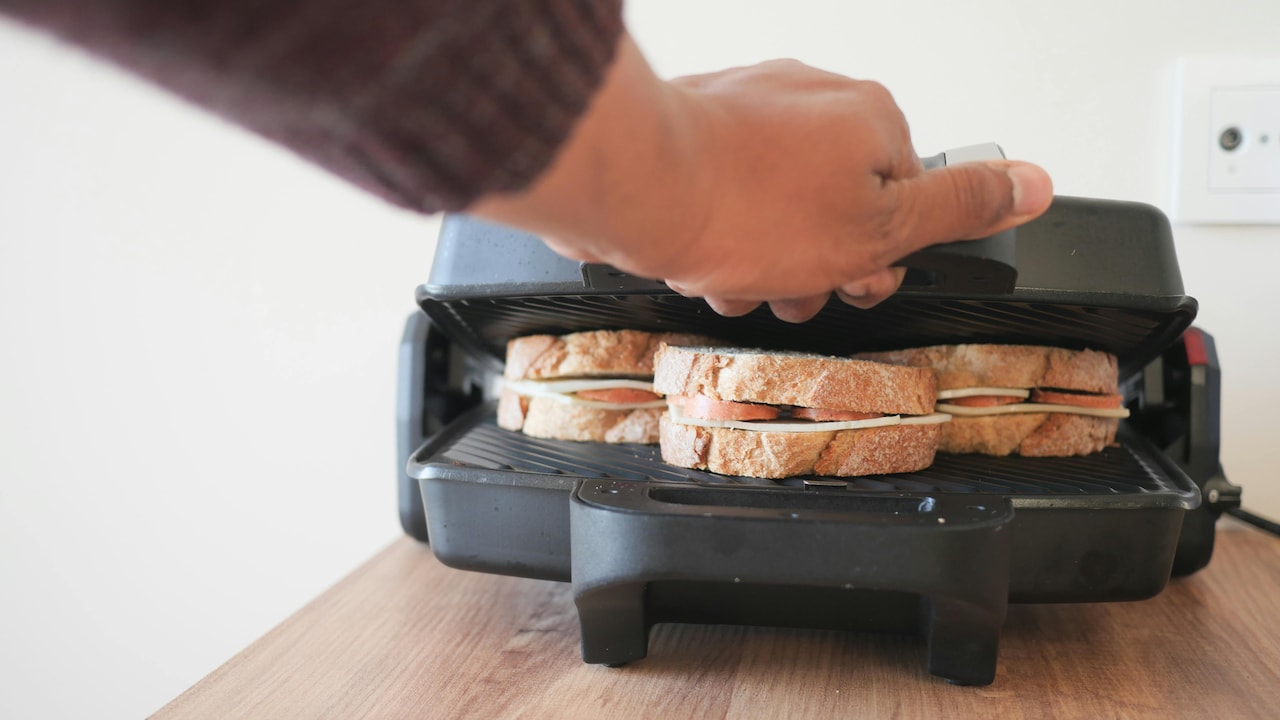
Few things feel as satisfying as biting into a perfectly toasted sandwich. The outer layer crackles gently, giving way to a warm, flavourful filling. It is simple, quick, and deeply comforting, whether prepared during a rushed morning or a lazy evening snack.
Yet, this everyday delight often turns disappointing. Instead of crisp edges and a firm bite, the bread feels damp, soft, and oddly lifeless. The filling leaks, the texture collapses, and what should have been a treat becomes a minor frustration.
The blame often falls squarely on the sandwich maker. However, the truth rarely sits so neatly. A soggy sandwich results from a combination of choices, bread, fillings, heat, timing, and even small habits in the kitchen.
Understanding these factors transforms an average sandwich into something memorable. The difference between soggy and crisp lies in the details, and those details deserve closer attention.
Why Some Sandwich Makers Leave Bread Soggy Instead Of Crisp
Photo Credit: Pexels
Common Reasons Your Sandwich Turns Soggy Instead Of Crisp
The Bread Choice Makes All The Difference
Bread forms the foundation of any sandwich, yet it often receives the least attention. Thin, airy slices tend to absorb moisture quickly. Once exposed to heat, they struggle to hold structure and turn soft instead of crisp.
Denser bread varieties perform far better. A sturdy slice withstands pressure, retains shape, and crisps evenly under heat. Freshness also plays a curious role. Very fresh bread carries more moisture, which can lead to sogginess when heated. Slightly older bread, on the other hand, often toasts more effectively.
Local bakeries and supermarkets offer a range of options, yet many households default to the softest white loaf available. While convenient, this choice rarely produces the desired crunch. Spending a few extra rupees, say ₹10 or ₹20 more, on thicker, better-quality bread often makes a noticeable difference.
The right bread does not merely support the filling; it defines the texture. Without a solid base, even the best sandwich maker struggles to deliver crisp results.
Overloaded Fillings Create Hidden Moisture
A generous filling feels indulgent, yet excess often leads to trouble. Vegetables like tomatoes, cucumbers, and onions release water when heated. This moisture seeps into the bread, undoing any chance of crispness.
The temptation to pile on ingredients proves hard to resist. After all, a sandwich packed with flavours appears far more appealing than a modest one. However, balance matters more than abundance. Even a well-designed sandwich maker cannot compensate for excessive moisture trapped inside.
Cheese, while delicious, adds another layer of complexity. As it melts, it releases oils that mix with water from vegetables. The result often creates a damp interior that spreads outward.
A thoughtful approach helps. Slightly reducing watery ingredients or patting them dry before use can dramatically improve results. The goal lies not in limiting flavour but in managing moisture. A well-balanced sandwich ensures each bite feels satisfying rather than soggy.
Insufficient Preheating Leads To Damp Bread
Patience rarely pairs well with hunger. Many switch on the sandwich maker and begin assembling immediately, hoping the appliance will catch up. Unfortunately, this shortcut often leads to disappointment.
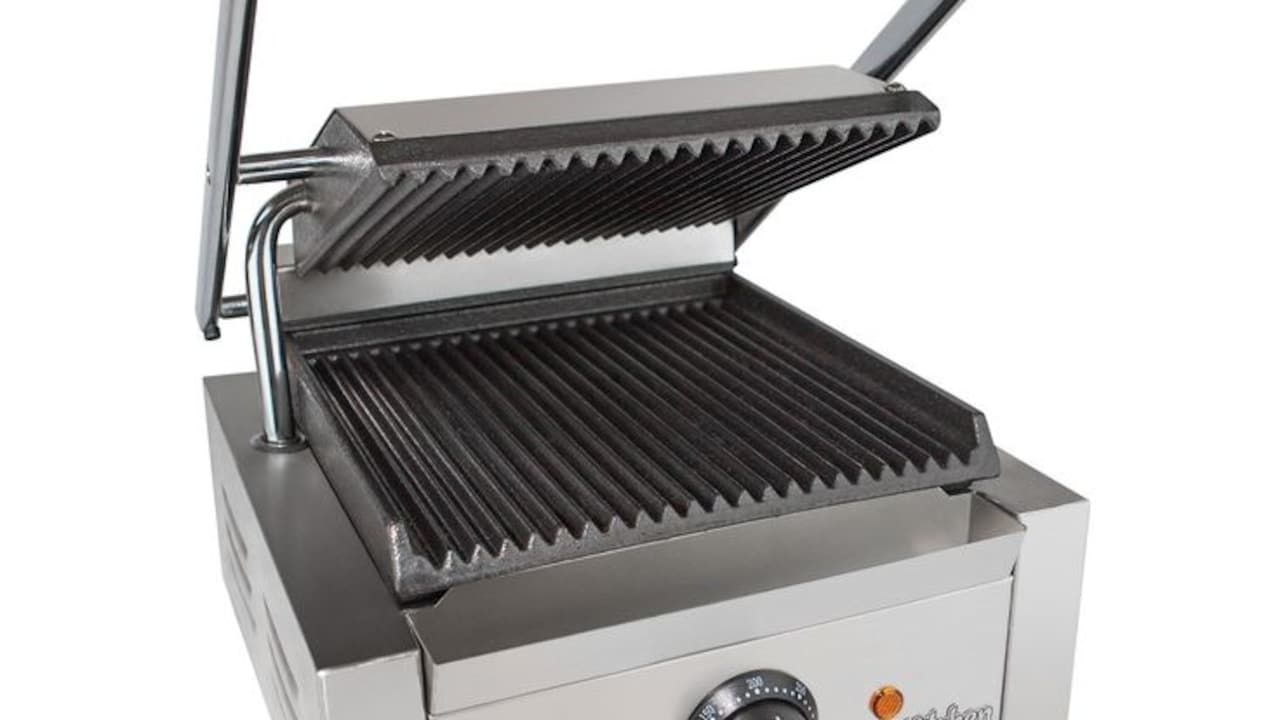
A sandwich maker requires adequate preheating to create that instant crisping effect. When the plates are not hot enough, the bread warms slowly instead of toasting. During this slow process, moisture from the filling seeps into the bread, leaving it soft and limp.
The difference between a properly preheated appliance and a lukewarm one becomes obvious after the first bite. A hot surface seals the bread quickly, locking in structure and preventing excess moisture absorption.
Waiting those extra few minutes may feel inconvenient, especially during a busy morning. Yet, this small step can transform the outcome completely. Crisp sandwiches rarely come from rushed beginnings.
Why Some Sandwich Makers Leave Bread Soggy Instead Of Crisp
Photo Credit: Pexels
Low Heat Settings Fail To Crisp Properly
Not all sandwich makers offer adjustable heat, but when they do, lower settings often seem safer. After all, no one wants burnt bread. However, playing it too safe can lead to underwhelming results.
Low heat prolongs the cooking time, allowing moisture to accumulate. Instead of crisping, the bread steams gently within the closed plates. The result resembles a warmed sandwich rather than a toasted one.
Higher heat, when used carefully, creates a quick sear. This immediate contact dries the surface of the bread and forms that desired golden crust. The process also reduces the time moisture has to seep through.
Finding the right balance takes a bit of trial and error. Each appliance behaves differently, and factors like bread thickness and filling density influence the outcome. Still, erring slightly on the side of higher heat often produces better texture than staying too cautious.
Lack Of Butter Or Oil Reduces Crispness
Dry bread against hot plates rarely achieves the ideal crunch. A light layer of butter or oil plays a crucial role in creating that golden, crisp finish.
Butter melts quickly, coating the surface and aiding even browning. It also adds a subtle richness that enhances flavour. Oil works similarly, though it offers a slightly lighter taste. Without either, the bread may toast unevenly and remain pale or soft.
Some avoid butter to keep things healthier or simpler. While understandable, skipping it entirely often compromises texture. Even a minimal amount, just enough to coat the surface, can make a noticeable difference without adding excessive calories or cost.
In many kitchens, a small dab of butter costing barely ₹5 per sandwich can elevate the entire experience. Crispness, after all, depends as much on technique as on ingredients.
Excessive Filling Pressure Traps Steam
Closing the sandwich maker too tightly might seem logical. A firm press promises even cooking, but excessive pressure can backfire.
When fillings are compressed heavily, they release moisture more rapidly. This moisture turns into steam, which becomes trapped inside the sandwich. Instead of escaping, it circulates within, softening the bread from the inside out.
Modern sandwich makers often come with locking mechanisms. While useful, these should not always be engaged with maximum force. Allowing a bit of space helps steam escape, preserving the crisp texture of the bread.
The difference may appear subtle, yet it significantly affects the final result. A sandwich needs gentle support, not aggressive compression. The aim lies in toasting, not squeezing the life out of it.
Also Read: 5 Sandwich Makers That Don't Spill Filling Everywhere
Poor Quality Sandwich Makers Heat Unevenly
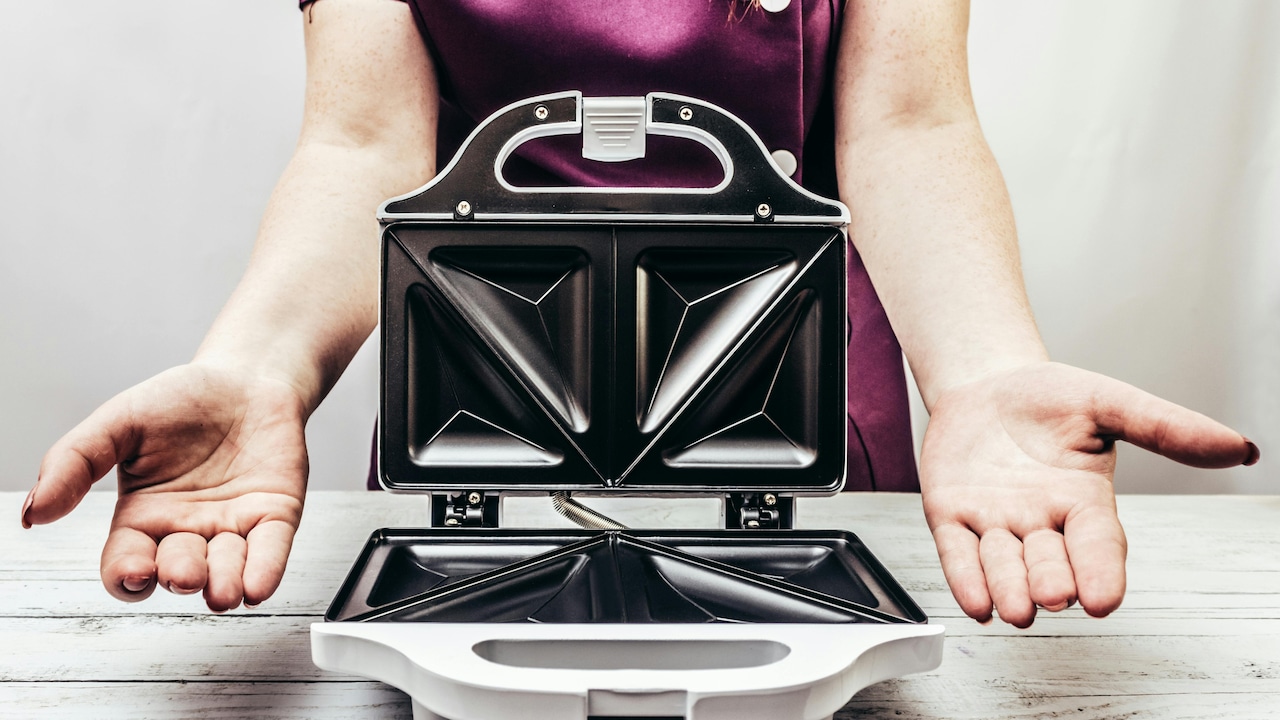
Not all appliances deliver consistent performance. Budget sandwich makers, often priced around ₹500 to ₹800, may struggle with even heat distribution.
Uneven heating creates patches, some areas toast beautifully while others remain undercooked. These underheated spots absorb moisture and turn soggy, affecting the entire sandwich.
Higher-quality models, though slightly more expensive, usually offer better heat control and distribution. Spending ₹1,500 or more might feel like an investment, but the improvement in texture and reliability often justifies the cost.
That said, even a modest appliance can perform well with careful use. Rotating the sandwich midway or ensuring proper preheating can help compensate for minor inconsistencies.
The appliance matters, but technique still holds the final say. A good sandwich maker enhances results, yet it cannot fix fundamental mistakes.
Not Draining Or Preparing Ingredients Properly
Preparation often separates a mediocre sandwich from a memorable one. Ingredients straight from the fridge carry moisture that becomes problematic under heat.
Tomatoes, for instance, release juices quickly. Chutneys and sauces, while flavourful, add another layer of liquid. Without proper preparation, these elements combine to create a soggy interior.
Simple steps can make a big difference. Removing excess seeds from tomatoes, lightly drying vegetables, or spreading sauces sparingly helps maintain balance. Even letting cooked fillings cool slightly before assembling can prevent unwanted steam.
Many overlook these small details in the rush to eat. Yet, these details often determine whether the sandwich feels crisp or disappointingly soft.
Cooking rarely rewards shortcuts, and sandwich-making proves no exception. Thoughtful preparation lays the groundwork for better texture.
Opening The Sandwich Maker Too Soon
Curiosity often gets the better of patience. Opening the sandwich maker prematurely disrupts the cooking process.
When the lid lifts too early, heat escapes and interrupts the crisping phase. The bread, still in the process of toasting, loses momentum. What follows is uneven cooking, with parts remaining soft while others begin to brown.
A properly toasted sandwich requires time for the outer layer to firm up. Interrupting this process allows moisture to linger, preventing the formation of a crisp crust.
Listening for subtle cues helps. The sizzling sound often reduces as the sandwich nears completion. The aroma changes too, shifting from raw bread to a warm, toasty scent.
Resisting the urge to check repeatedly may feel difficult, especially when hunger grows. Yet, patience ensures a far better result than constant interruption.
Cleaning And Maintenance Affect Performance
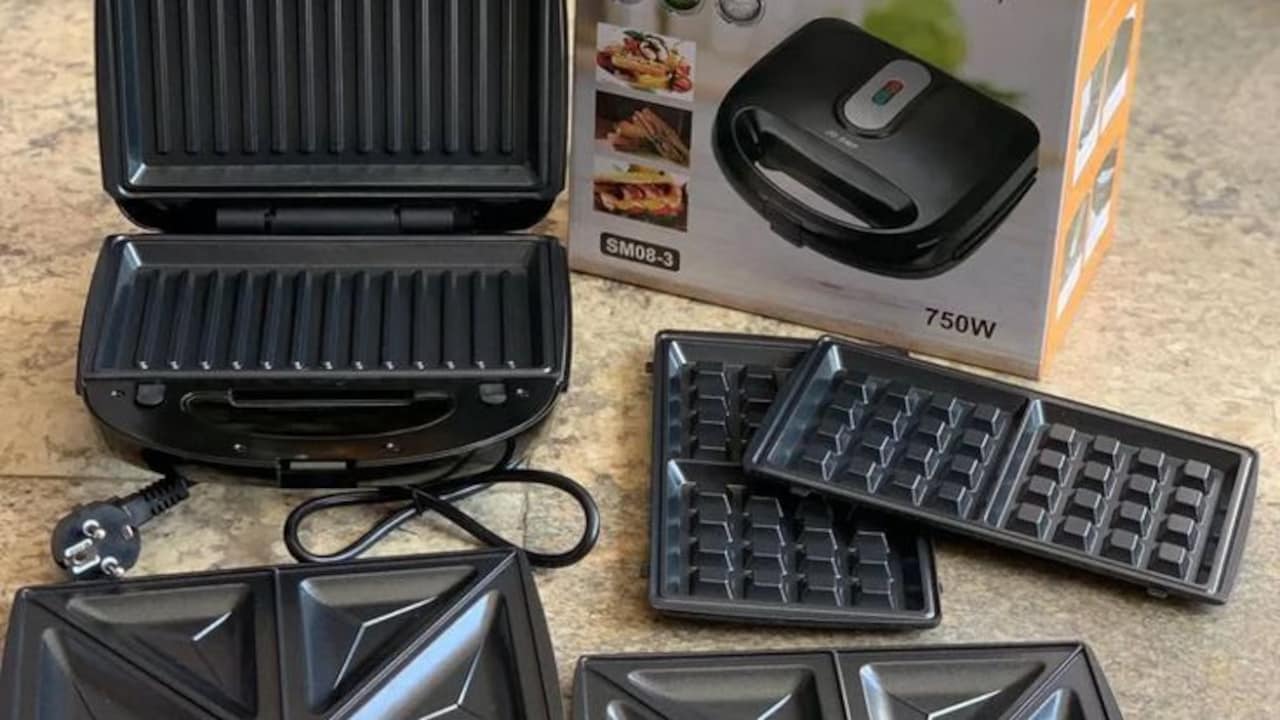
A neglected sandwich maker rarely performs at its best. Residue from previous use, burnt crumbs, melted cheese, or leftover oil, can interfere with heat distribution.
These remnants create uneven surfaces on the plates. Instead of direct contact, the bread sits on layers of residue, reducing the effectiveness of the heat. This often leads to inconsistent toasting and soggy patches.
Regular cleaning ensures better performance. Allowing the appliance to cool slightly and wiping it with a damp cloth keeps it in good condition. Avoiding excessive buildup also prevents unwanted flavours from affecting future sandwiches.
Maintenance may seem like a small concern, yet it plays a crucial role over time. A well-maintained sandwich maker not only lasts longer but also delivers consistently crisp results.
In the end, even the simplest appliance benefits from a little care.
Why Some Sandwich Makers Leave Bread Soggy Instead Of Crisp
Photo Credit: Pinterest
Products Related To This Article
1. INALSA Sandwich Maker 2200W
2. Prestige PGMFB 800 Watt Grill Sandwich Toaster with Fixed Grill Plates
3. iBELL SM1515 Sandwich Maker with Floating Hinges
4. Lifelong 750W 4-Slice Sandwich Maker for Grilling & Toasting
5. MILTON Express 800W Sandwich Toaster with Durable Die Cast Aluminium Plates
A soggy sandwich rarely results from a single mistake. Instead, it emerges from a combination of small oversights, bread choice, moisture levels, heat, timing, and preparation. Each factor contributes quietly, shaping the final outcome.
Achieving that perfect crisp does not require expensive equipment or complicated techniques. It calls for awareness, patience, and a willingness to adjust small habits. A better loaf, a properly heated appliance, balanced fillings, and a touch of butter can transform the experience entirely.
Food often reflects the care invested in it. A well-made sandwich, with its crisp edges and warm centre, offers more than just sustenance. It delivers comfort, satisfaction, and a moment of simple joy.
The next time a sandwich maker comes out, a little attention to detail might just turn an ordinary snack into something worth savouring.
(Disclaimer: This article may include references to or features of products and services made available through affiliate marketing campaigns. NDTV Convergence Limited (“NDTV”) strives to maintain editorial independence while participating in such campaigns. NDTV does not assume responsibility for the performance or claims of any featured products or services.)