How To Choose Eyeshadow Shades For Bright, Fresh Eyes And Not Make You Look Tired
Choose eyeshadow shades that brighten, not dull. Learn undertones, finishes, and placement tricks to lift the eyes, reduce darkness, and avoid that tired, muddy look, every day. Soft peach or champagne tones can cancel tired under-eye shadows.

Choose eyeshadow shades that brighten your eyes and prevent a tired, dull appearance effortlessly.
Eyeshadow should feel like a mood-lifter, not a deadline reminder stamped across the lids. Yet many people notice this odd thing: the same palette that looks stunning in the pan can make the face look dull, the under-eye area look deeper, and the whole vibe scream 'three hours of sleep'. Often, it isn't a skill issue. It's a shade and finish issue. Bright, fresh eyes come from smart contrast. The lid needs light in the right spot, depth in the right spot, and colours that harmonise with the skin's undertone.
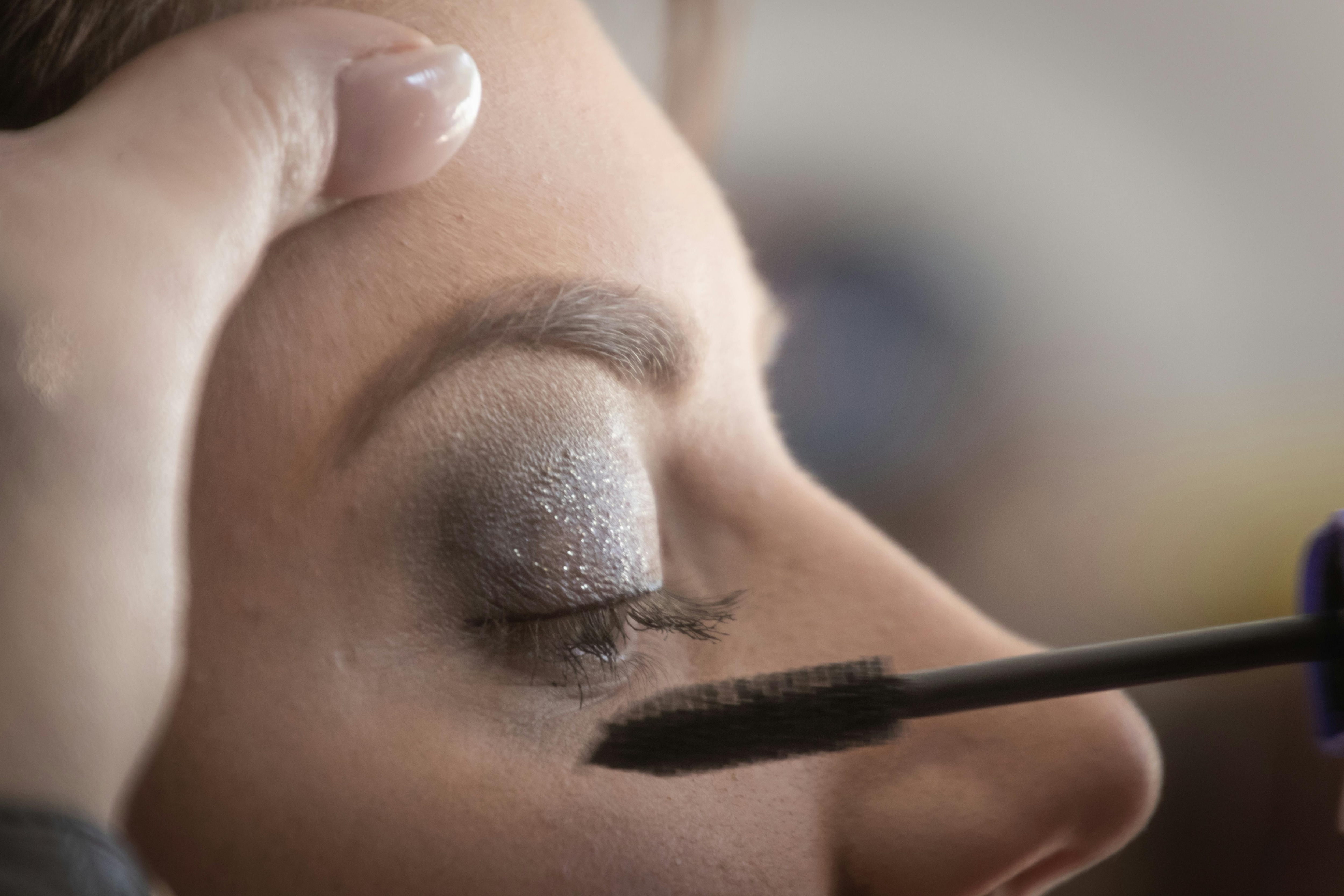
Choose shades that complement your undertone for a natural, fresh look.
Photo Credit: Pexels
Check out easy tips about how to choose eyeshadow shades for fresh eyes that won't make you look tired. The goal is to choose shades that add life rather than drain it, and to place them so they work with the eye shape, not against it.
Also Read: These Concealers Are Suitable To Ace A No Makeup Look In Winter
10 Easy Ways to Pick Eyeshadow That Makes Eyes Look Awake
1. Start With Undertone
Eyeshadow often goes wrong when the undertone is ignored. Undertone doesn't mean 'fair' or 'deep'; it means whether the skin leans golden/olive (warm), pink/rosy (cool), or sits in the middle (neutral). Warm undertones tend to look fresh in bronze, copper, caramel, terracotta, peach, and warm browns. Cool undertones often light up in taupe, mauve, plum, cool browns, and soft greys. Neutral undertones can play on both sides, which feels like a small superpower.
When the undertone clashes, lids can look bruised or sallow. A cool grey on warm skin can read as ash. A very warm orange on cool skin can read as irritation. Quick test: look at jewellery. Gold usually flatters warm undertones, silver flatters cool undertones, and both suit neutral. Another test: check wrist veins in daylight, green hints warm, blue hints cool, a mix hints neutral. Pick your 'default neutrals' from that family, and tired-looking eyes become far less likely.
2. Choose 'Brightening Neutrals' Instead Of 'Flat Browns'
Neutrals can refresh the eyes beautifully, but some browns turn the face sleepy, especially if they match the skin too closely. A brown that sits too near the skin tone can flatten the eyelid, like applying a 'no signal' screen over the eyes. The trick lies in choosing brightening neutrals: shades that still look neutral but carry a gentle lift.
Try peachy-beige, honey, latte, soft caramel, rosy-taupe, or a beige with a hint of gold. These shades reflect light and bring warmth or balance without looking loud. Another shortcut: pick a crease shade that sits one or two steps deeper than your skin, not five. Then pick a lid shade that sits one step lighter than your lid colour, with a soft sheen if you enjoy shimmer. That tiny contrast makes eyes look clearer and more awake.
If a palette's brown looks greyish on skin, swap it for a warmer brown. If it looks orange and harsh, move towards taupe or rose-brown. Neutrals should whisper, not yawn.
3. Use Colour To Cancel 'Tired Tones'
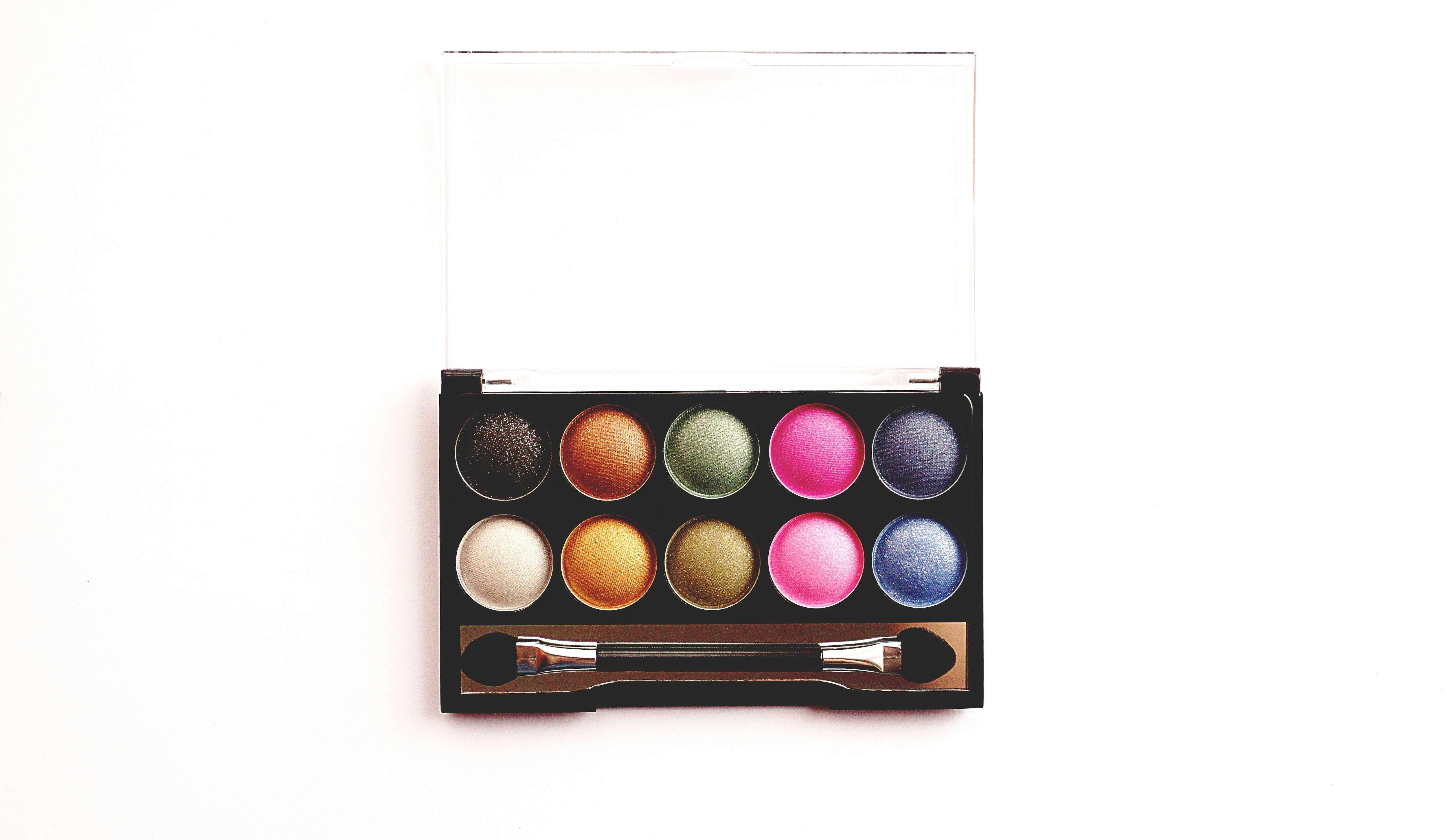
Brightening neutrals work better than flat browns to avoid a dull effect.
Photo Credit: Pexels
'Tired eyes' usually come with purple, blue, or brown shadows around the eyes, natural darkness, not eyeshadow. Choosing shades that sit too close to these tones can magnify them. This is where colour-cancelling helps, without turning makeup into a science project.
Peach and salmon tones soften bluish-purple under-eye shadows and inner-corner darkness. Soft rose-gold and warm champagne lift the lid without screaming glitter. A gentle coral placed on the centre of the lid can make eyes look instantly lively, like the face remembered to drink water today. For deeper skin, richer peach, copper-peach, and terracotta-rose can do the same job with more harmony.
Keep the intensity soft near the inner corner and lower lash line. Too much deep red-brown there can mimic fatigue. Think of these shades as the 'good lighting' of eyeshadow, subtle, flattering, and forgiving during long workdays, late-night drives, or wedding season marathons that involve far too many stairs.
4. Pick Finishes Wisely
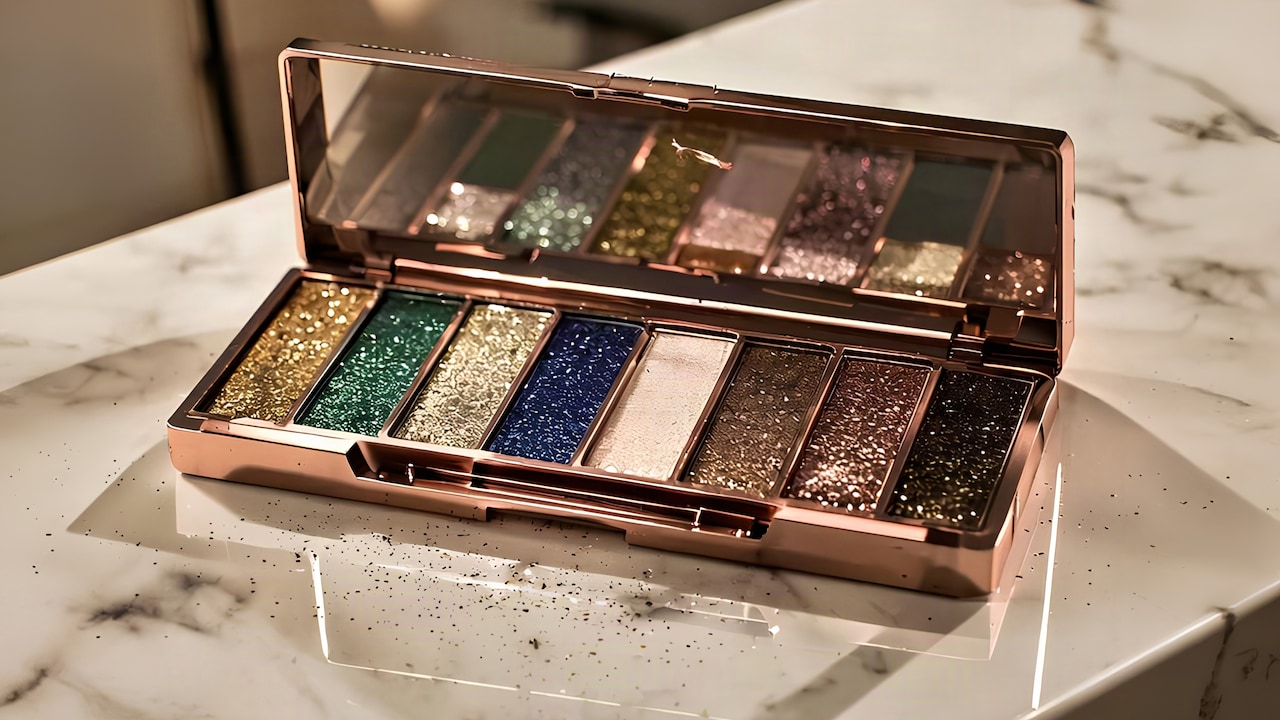
Shimmer has a reputation: it either looks magical or makes lids look crinkly and tired. Both can be true. The finish matters as much as the shade. Fine, smooth shimmer reflects light like a soft lamp and makes eyes look fresh. Chunky glitter can emphasise texture and create fallout under the eyes, which quickly reads as mess, never as 'effortless'.
Matte shadows work brilliantly for structure, especially in the crease and outer corner, but all-matte looks can sometimes feel heavy if the shades run deep. A balanced approach often wins: matte for shape, satin or soft shimmer for the lid, and a tiny highlight at the inner corner.
Also consider the climate. In humidity, overly creamy shimmer can crease fast. A primer helps, but so does choosing a satin shimmer over a metallic foil for daytime. For events, metal can shine, but keep the placement controlled. Shimmer belongs where light naturally hits, not where fine lines gather to gossip.
5. Placement Beats Price
A ₹350 palette can look high-end if the placement works. A ₹3,500 palette can still make eyes look tired if the shading droops. Fresh eyes come from a lift. That means keeping depth slightly higher and outward rather than dragging it down.
Put the deepest shade on the outer third of the lid, angled gently towards the tail of the brow. Keep the inner third lighter and cleaner. Add a mid-tone to the crease, but blend upwards softly rather than creating a harsh stripe. If the outer corner goes too low, the eye looks pulled down, especially on tired mornings.
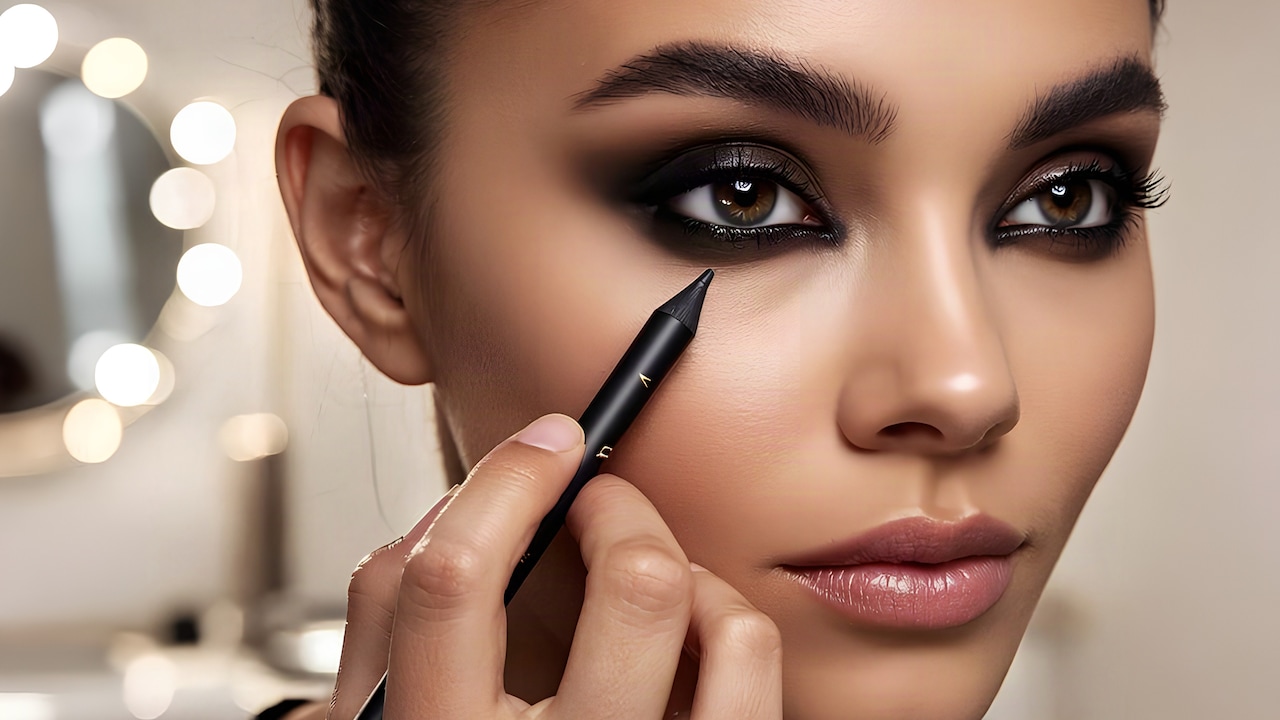
On the lower lash line, keep things light. A soft brown, taupe, or plum close to the lashes adds definition. Thick dark shadow smudged low can mimic under-eye darkness. Save heavy smoke for night, and even then, keep the darkest depth hugging the lash line rather than migrating towards the cheekbones like it owns property there.
6. Match The Shade Depth To The Day
Lighting changes makeup. The same eyeshadow can look subtle in a dim restaurant and dramatic under office tube lights. Fresh daytime eyes usually need lighter depths and cleaner edges. Think soft taupe, peach, rose-brown, warm beige, and a gentle shimmer on the lid. These shades give polish without adding heaviness.
For long days, pick colours that survive stress. Mid-tone browns and mauves crease less obviously than very dark colours. A small pop of brightness on the inner corner, champagne, pale gold, or a soft ivory shimmer, helps eyes look awake even after meetings that should have been emails.
For parties, deeper shades can look stunning, but the 'tired' risk rises when depth spreads too far. Keep the centre of the lid brighter with a shimmer or satin. Use a deep brown, plum, or charcoal only as an outer-corner accent and along the lashes. The contrast creates lift, and photos look sharper, without the accidental 'sleep-deprived detective' vibe.
7. Work With Eye Colour
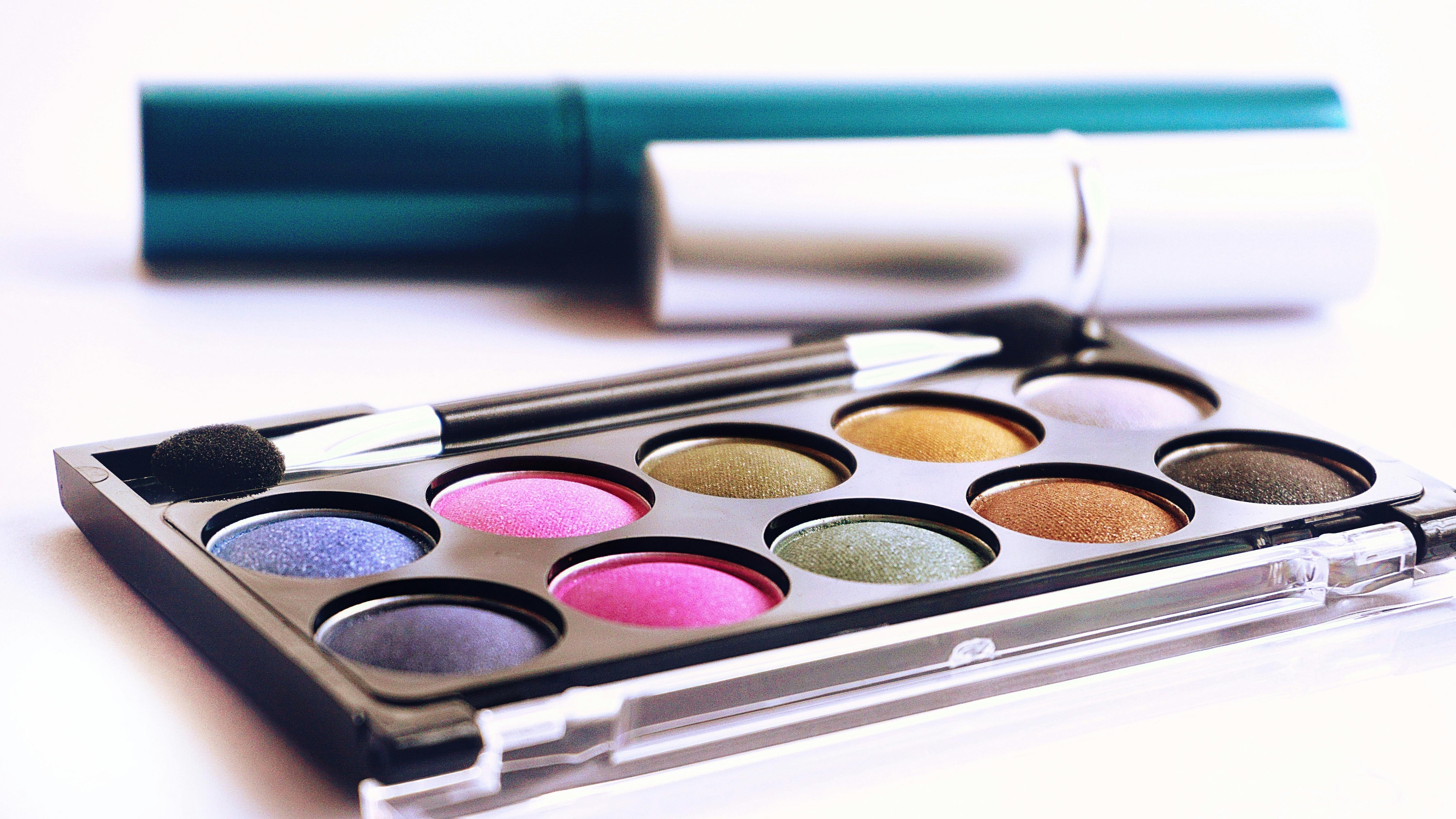
Placement matters more than price, lift the outer corner and keep the inner corner bright.
Photo Credit: Pexels
Eye colour plays a bigger role than people think, even with dark brown eyes, because undertones still show up. Browns and ambers often look striking with bronze, copper, gold, plum, and olive. These shades bring warmth and make the whites of the eyes look clearer. Hazel tones often glow with green-gold, bronze, and warm browns, while cool taupes and mauves can add a chic contrast.
For darker eyes, extremely dark eyeshadow across the whole lid can make the eye look smaller, which can read as tired. Instead, use depth strategically: outer corner, lash line, and crease. Let the lid have some light.
For lighter eyes, very warm orange-browns can sometimes overpower and make the eye area look irritated. Softer peach, champagne, rose, and taupe usually keep things balanced. The goal isn't to follow rules like a textbook. It's to choose shades that make the eyes look clearer, brighter, and more 'awake and thriving,' even when the day says otherwise.
8. Use One 'Reset Shade' When Everything Looks Wrong
Some days, eyeshadow just refuses to cooperate. The blend looks muddy, the colours fight, and the face starts giving 'after a long train journey' energy. This is when a reset shade saves the day: a clean, soft, skin-toned matte that matches the undertone.
Use it to soften edges, lift the crease blend, and erase harsh patches. Warm undertones can pick a matte honey-beige or soft caramel. Cool undertones can choose a matte taupe-beige or rosy-beige. Neutral undertones can keep a classic beige that doesn't pull too yellow or too pink.
Another rescue trick: use a satin champagne on the centre of the lid to bring life back. Or dab a peachy shimmer at the inner corner. These tiny points of light fake rest better than another layer of dark shadow. The reset shade also helps when experimenting with colours like olive or plum, both gorgeous, but both capable of turning 'editorial' into 'bruised' if blending gets messy.
9. Don't Let The Lower Lash Line Betray You
The lower lash line can either frame the eyes beautifully or drag the whole face down. A thick, dark lower-lash shadow often deepens the under-eye area, especially if there's natural darkness. That's how a perfectly blended lid can still end up looking tired overall.
Keep daytime lower lash line soft and tight. Use a small brush and apply a mid-tone shade close to the lashes. Think soft brown, taupe, warm rose-brown, or a gentle plum. Then blend lightly so it looks like a shadow, not a stripe. For extra freshness, add a tiny touch of champagne or pale gold at the inner corner and just a whisper along the inner lower lash line.
Avoid heavy grey or black smudges under the eye unless the rest of the face has enough brightness to balance it. If kajal is a daily favourite, pair it with a lighter lid and a subtle shimmer to keep the eyes from looking closed off. Balance keeps the look lively.
10. Build A 'No-Tired' Mini Wardrobe
A full palette feels exciting, but a small, reliable set prevents makeup regret. A 'no-tired' eyeshadow wardrobe can be just five shades that mix well and flatter most days.
- A brightening matte neutral (undertone-friendly beige) for blending and resetting.
- A mid-tone crease shade (warm brown, taupe, or rose-brown) for gentle structure.
- A lid-lifter shimmer (champagne, soft gold, or rose-gold) for instant freshness.
- A deep accent shade (espresso brown or deep plum) for the outer corner and lash line lift.
- A peachy or rosy corrector shade (matte or satin) to cancel dullness.
This small set handles office mornings, festive dinners, and last-minute plans. It also saves money. Instead of chasing every trending palette, invest ₹500 to ₹1,500 in shades that genuinely flatter and use them often. Makeup feels easier when choices feel reliable, like the one pair of jeans that never betrays confidence.
Products Related To This Article
1. MARS Dance Of Joy 12-In-1 Ultra Pigmented Eyeshadow Palette
2. Makeup Revolution London Makeup Revolution Re-Loaded Palette
3. Renee Everyday Water And Smudge Proof Eyeshadow Palette 10 g
4. Hilary Rhoda Play N Blend Eyeshadow Palette 20 g
5. Maybelline New York City Mini Eyeshadow Palette
Fresh eyes don't come from piling on colour. They come from choosing shades that brighten rather than bruise, finishes that reflect light gracefully, and placement that lifts instead of dragging down. Eyeshadow should feel like a quick pick-me-up, like stepping into good daylight or finding an extra snack in the bag. With a few smart choices, even a rushed morning can end with eyes that look alert, bright, and ready for anything.
(Disclaimer: This article may include references to or features of products and services made available through affiliate marketing campaigns. NDTV Convergence Limited (“NDTV”) strives to maintain editorial independence while participating in such campaigns. NDTV does not assume responsibility for the performance or claims of any featured products or services.)