Hair Oiling Explained: Why It Benefits Some Hair Types And Fails Others
Hair oils do not suit every hair type. Texture, scalp health, climate, and genetics decide whether oil nourishes hair or causes greasiness, breakage and buildup.
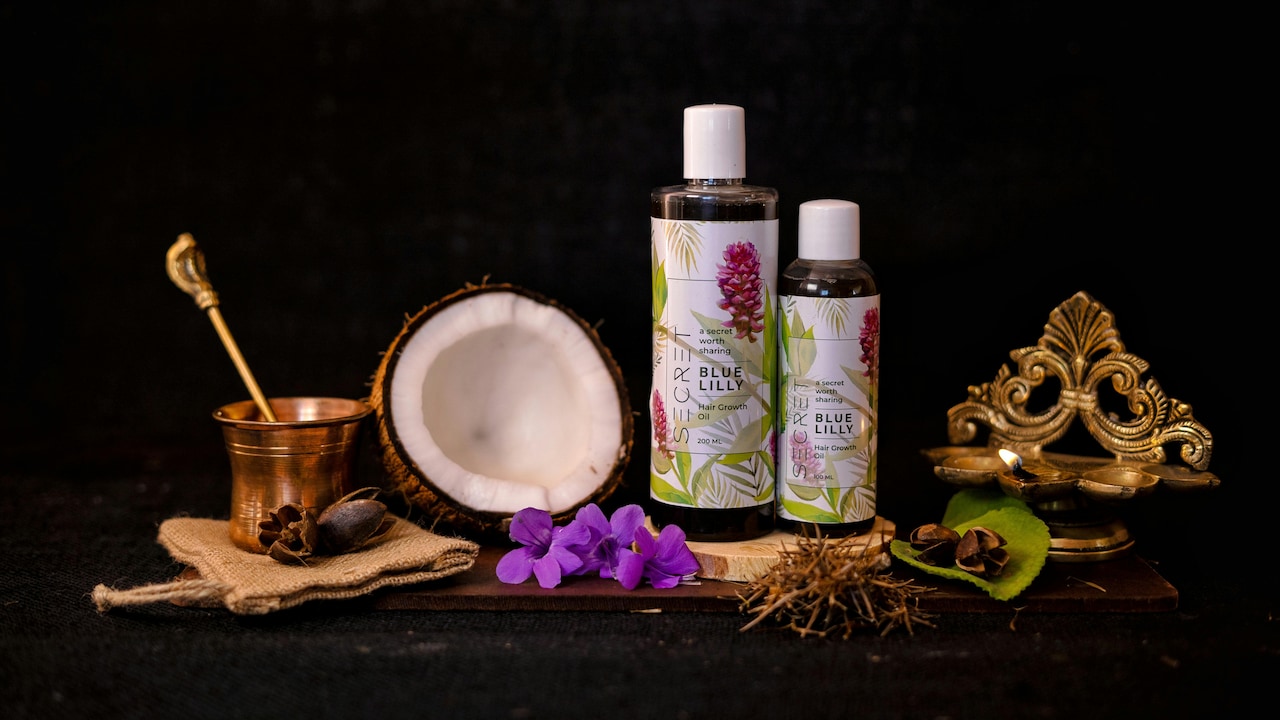
Why Hair Oils Work For Some Hair Types But Fail To Nourish Others Effectively.
Hair oil enjoys a loyal following, passed down through generations with firm belief and softer palms. From childhood routines to adulthood rituals, oil often feels like a solution for every hair problem. Hair fall? Oil it. Dryness? Oil it. Stress? Oil and massage. Yet, modern hair conversations tell a mixed story. Some people glow with glossy hair after oiling, while others rush to wash it off within hours.
This divide causes confusion and frustration. The truth remains simple but often ignored: hair oils do not work universally. Hair texture, scalp condition, lifestyle, and even weather influence the outcome. Understanding these factors saves money, time, and a great deal of disappointment. This article explores why hair oils work beautifully for some hair types and fail spectacularly for others, without judgment, hype, or complicated science.
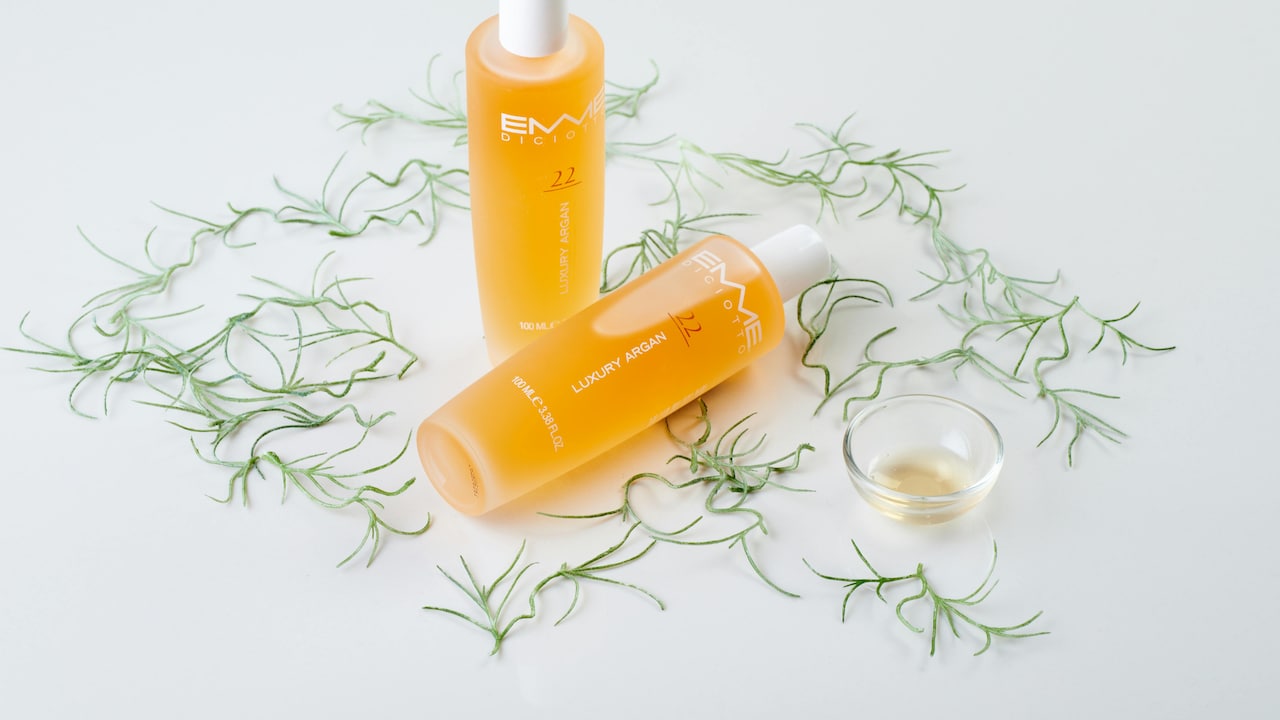
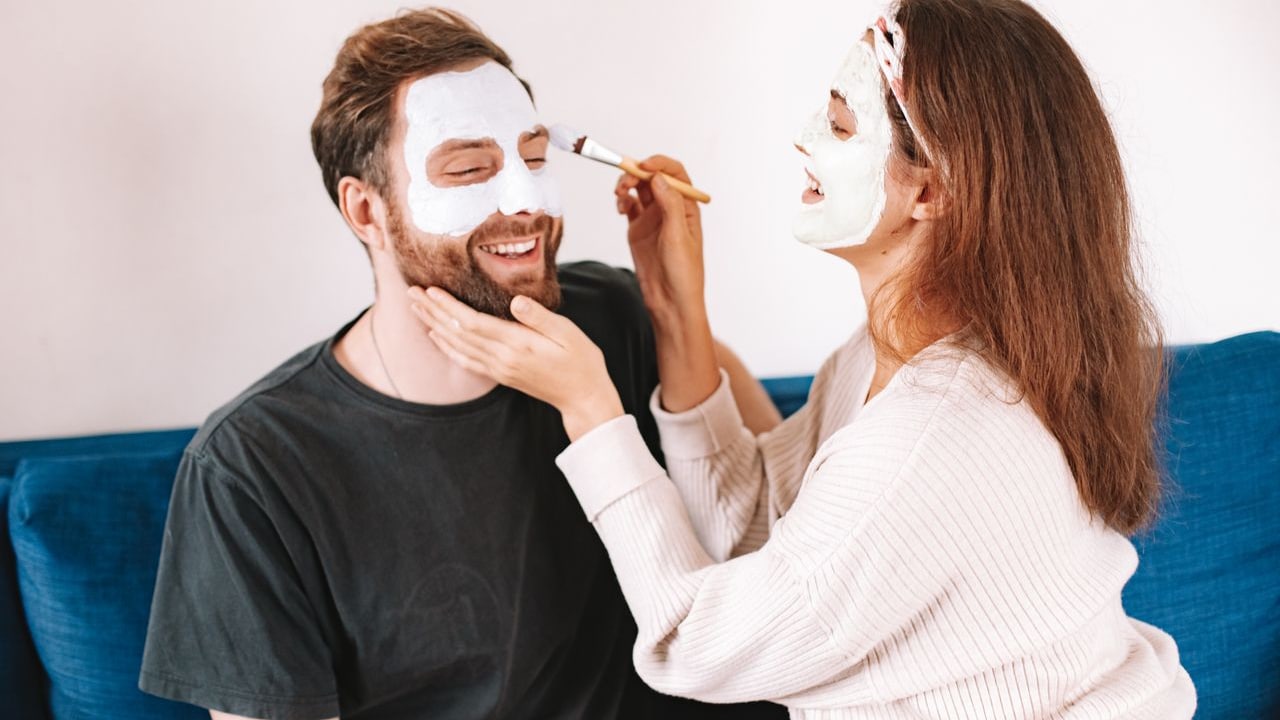
Why Hair Oils Work for Some Hair Types and Fail for Others; Photo Credit: Pexels
Key Factors That Influence How Different Hair Types Respond To Oiling
1. Hair Texture Shapes How Oil Behaves
Hair texture decides how oil spreads and settles. Thick, coarse hair usually welcomes oil. The strands feel strong enough to hold moisture without collapsing. Curly and wavy hair often benefits too, as natural bends slow down sebum movement from scalp to ends. Oil fills that gap and reduces dryness.
Fine hair tells a different story. Thin strands struggle to absorb oil evenly. Instead of nourishment, oil coats the hair surface and drags it down. The result looks greasy rather than glossy. Volume disappears within minutes, leaving hair flat and lifeless. Many fine-haired people assume oil “does not suit” them, when the real issue lies in texture mismatch.
Porosity adds another layer. High-porosity hair absorbs oil quickly but also loses it fast. Low-porosity hair resists oil and allows buildup. Choosing oil without understanding texture leads to frustration. Hair oil works best when the texture and product match rather than follow tradition blindly.
2. Scalp Type Matters More Than Hair Length
Most people focus on hair length and forget the scalp. That oversight creates problems. A dry scalp often benefits from oiling. Oil reduces flaking, eases tightness, and supports comfort. Gentle massage improves blood flow and relaxation too.
An oily scalp reacts very differently. Adding oil to an already oily surface clogs pores and traps dirt. That environment encourages dandruff, itching, and even hair fall. Many people blame the oil quality when the real culprit lies in scalp imbalance.
Sensitive scalps react faster. Strong-smelling oils or heavy blends trigger irritation or breakouts along the hairline. The face pays the price, with acne appearing soon after oiling sessions.
Understanding scalp type prevents unnecessary damage. Oiling should support the scalp, not suffocate it. Listening to early warning signs saves months of repair work later.
Also Read: Hair Oil Mistakes That Make Your Hair Greasy, Flat Or Itchy The Next Day
3. Climate Plays a Silent Yet Powerful Role
Weather quietly influences how hair responds to oil. In hot and humid regions, oil mixes with sweat and dust. That combination feels sticky and uncomfortable. Hair looks greasy faster and requires frequent washing. Over time, this cycle weakens hair roots.
Dry or cooler climates tell a different story. Oil stays lighter on the scalp and locks in moisture. Hair feels softer and more manageable. In such conditions, oiling feels soothing rather than suffocating.
Seasonal changes also matter. What works during winter may fail during peak summer. Many people stick to the same routine year-round and wonder why results change.
Hair routines should shift with weather patterns. Oil does not fail randomly. Climate often dictates success or struggle without asking permission.
4. Oil Type Can Make or Break Results
Not all oils serve the same purpose. Coconut oil penetrates the hair shaft well and suits thick, dry hair. Castor oil promotes density but feels heavy and sticky. Almond and argan oils feel lighter and suit fine textures better.
Problems start when heavy oils land on delicate hair. Greasiness, buildup, and dullness follow quickly. Mixing multiple oils without understanding their weight worsens the situation.
Many commercial oils contain fragrances and mineral oils. These sit on the scalp without offering nourishment. They create the illusion of shine but damage hair over time.
Choosing oil based on hair needs rather than popularity improves results instantly. Oil should feel comfortable, not burdensome. The scalp always signals approval or protest when given the right chance.
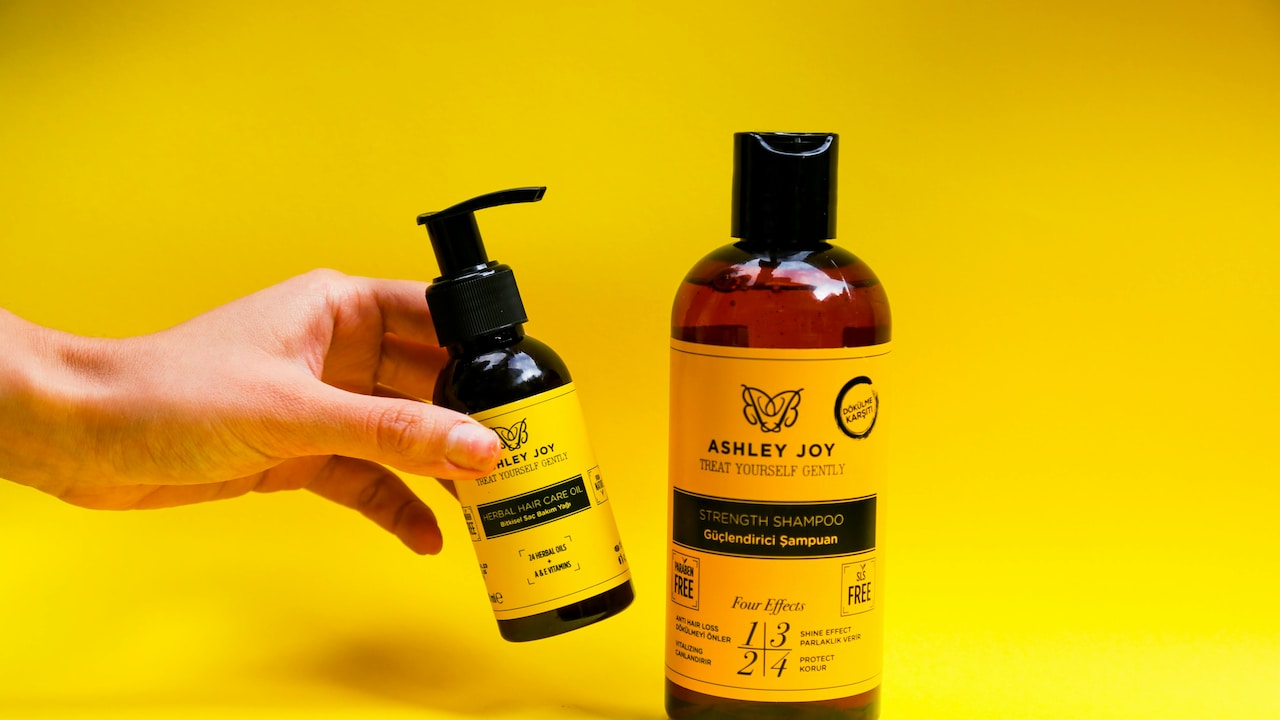
Why Hair Oils Work for Some Hair Types and Fail for Others; Photo Credit: Pexels
5. Frequency Often Causes More Harm Than Help
More oiling does not guarantee better hair. Excessive oiling overwhelms the scalp. It blocks follicles and disrupts natural oil production. Hair then becomes dependent on external oil and struggles without it.
Some hair types thrive with weekly oiling. Others need it once every two weeks or even less. Daily oiling suits very few people, despite popular belief.
Over-oiling also increases wash frequency. Frequent washing strips natural oils and causes dryness. This cycle confuses the scalp and weakens hair over time.
Balance remains the key. Hair oil works best as a treatment, not a daily obligation. Respecting the scalp's rhythm leads to healthier, happier hair without constant effort.
6. Application Technique Changes Everything
How oil gets applied matters as much as what gets applied. Rubbing oil aggressively damages hair roots. Rough massage leads to breakage and hair fall. Gentle pressure stimulates circulation without stress.
Pouring oil directly onto the scalp floods follicles. A few drops spread evenly work far better. Warming oil slightly helps absorption, but overheating destroys nutrients.
Leaving oil overnight suits some hair types but harms others. Oily scalps trap dirt overnight and develop itching. Shorter oiling windows work better in such cases.
Applying oil with intention improves results dramatically. Hair responds well to care but resists force and excess.
7. Lifestyle Choices Influence Oil Results
Hair reflects lifestyle more than products. Poor diet, dehydration, stress, and lack of sleep weaken hair health. Oil alone cannot fix internal imbalances.
People often expect oil to reverse damage caused by irregular meals and constant stress. When results disappoint, oil gets blamed unfairly.
Active lifestyles also affect oiling. Regular workouts cause sweating, which mixes poorly with oil. Scalp hygiene becomes essential in such cases.
Hair oil supports healthy habits, but cannot replace them. Treating oil as part of a bigger routine delivers better outcomes and fewer frustrations.
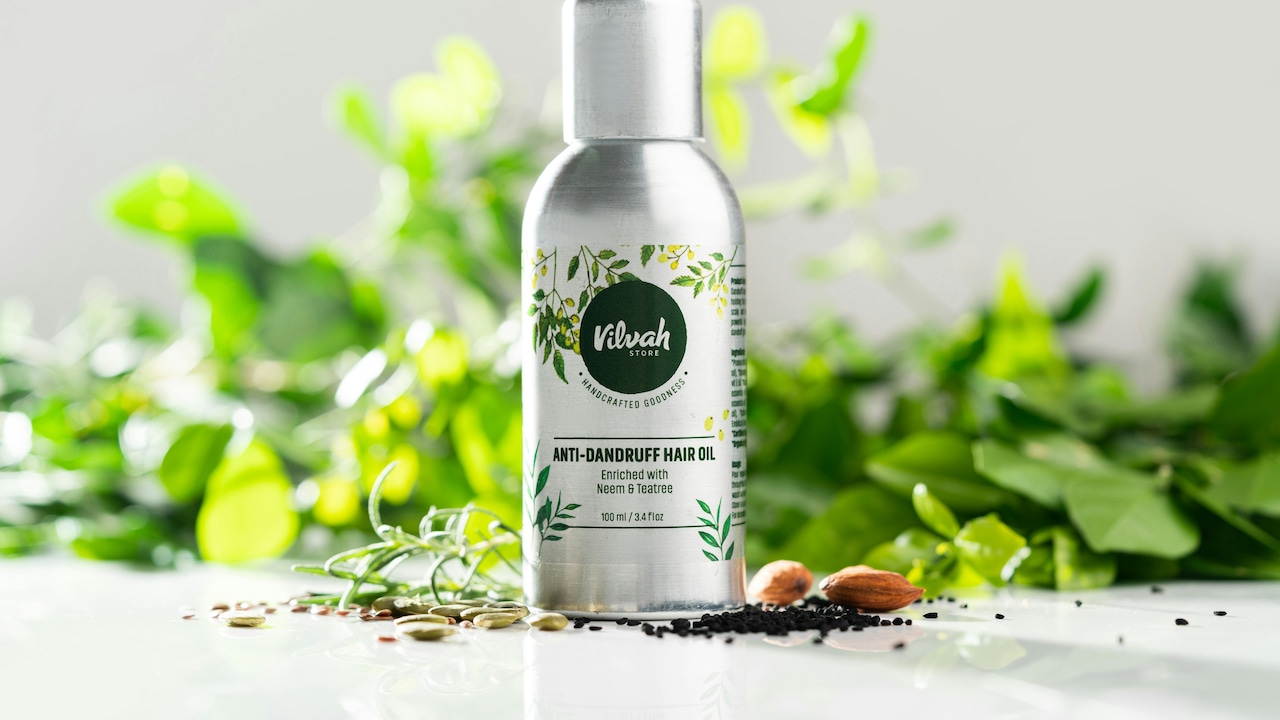
Why Hair Oils Work for Some Hair Types and Fail for Others; Photo Credit: Pexels
8. Hair Concerns Need Targeted Solutions
Hair fall, dandruff, dryness, and frizz require different approaches. Using one oil for every concern leads to disappointment.
Hair fall linked to stress needs calming routines, not heavy oiling. Dandruff caused by fungal issues worsens with oil. Dry ends benefit from oil, while oily roots suffer.
Understanding the root cause helps choose the right method. Oil often works best on hair lengths rather than the scalp in certain cases.
Treating symptoms without understanding causes creates confusion. Hair oil works when used thoughtfully, not blindly.
9. Genetics Influence Oil Response
Some people naturally produce balanced sebum. Their hair shines easily and tolerates oil well. Others inherit oil-prone scalps or fine hair. Their hair rebels against heavy products.
Genetics decides hair density, curl pattern, and oil distribution. Fighting biology rarely ends well. Accepting natural tendencies helps build realistic routines.
Comparing hair results with friends or relatives creates unnecessary frustration. What suits one head may fail another, even within the same family.
Hair oil success often reflects genetic compatibility rather than effort alone.
10. Expectations Shape Perception
Hair oil carries emotional weight and cultural nostalgia. Expectations often exceed reality. When hair fails to transform overnight, disappointment follows.
Oil does not straighten hair permanently. It does not stop ageing or reverse genetics. It supports hair health when used correctly and patiently.
Social media amplifies unrealistic results. Edited images and exaggerated claims distort perception.
Understanding oil's role prevents heartbreak. Oil serves as a supportive ally, not a magical cure. When expectations align with reality, satisfaction improves naturally.
Products Related To This Article
1. Mamaearth Rosemary Hair Growth Oil with Methi Dana for Promoting Hair Growth
2. PLIX THE PLANT FIX Rosemary Hair Growth Advanced Hair Oil
3. Nat Habit Neem Bhringraj Winter Dasabuti Hair Oil for Anti Dandruff
4. BRILLARE 20% Argan Oil 10% Olive Oil for Dry Frizz Control Hair Oil
5. Avimee Herbal Rosemary Hair Oil For Hair Growth
Hair oiling remains a powerful tool, but only when used wisely. Hair oils work for some hair types because conditions align perfectly. Texture, scalp health, climate, genetics, and habits cooperate. Hair oils fail for others because these factors clash rather than connect.
The solution does not involve abandoning oil completely or worshipping it blindly. It lies in awareness, observation, and adaptation. Hair communicates clearly through shine, softness, itch, or discomfort. Listening to those signals makes all the difference.
When hair oil fits the routine, it nurtures and protects. When it does not, it weighs down and frustrates. Understanding this balance turns oiling from a confusing ritual into a confident choice.
(Disclaimer: This article may include references to or features of products and services made available through affiliate marketing campaigns. NDTV Convergence Limited (“NDTV”) strives to maintain editorial independence while participating in such campaigns. NDTV does not assume responsibility for the performance or claims of any featured products or services.)