How To Choose Makeup Based On Lighting Conditions
Makeup can look flawless in one light and overwhelming in another. This guide explains how different lighting conditions affect makeup and how to adjust products, shades, and finishes so your look stays balanced everywhere.
How To Choose Makeup Based On Lighting Conditions: Here Is A Practical Guide For You.
Makeup often behaves like a mood ring. It shifts, surprises, and occasionally embarrasses when the lighting changes. That perfect base applied near the dressing table window may look uneven inside a mall. A bold lipstick chosen in a shop can feel loud under wedding lights. These moments are familiar and frustrating.
Lighting affects undertones, texture, and intensity. Natural daylight shows the truth, while artificial lights love drama. Understanding this relationship helps avoid overdoing or underplaying makeup. It also saves time, money, and awkward glances in mirrors outside washrooms.
This article explores how lighting changes makeup and how to adapt choices accordingly. Each section focuses on a common lighting scenario, from sunlight to party bulbs. The goal stays simple: makeup that looks balanced, flattering, and confident wherever the day leads.
How To Choose Makeup Based On Lighting Conditions; Photo Credit: Pexels
Understanding How Different Lighting Changes Your Makeup
1. Natural Daylight: The Most Honest Mirror
Natural daylight remains the gold standard for makeup application. It reveals texture, undertones, and blending errors without mercy. That honesty helps build a strong base for any look.
Near a window, foundation shades appear true. This makes it easier to match skin tone and avoid the dreaded neck mismatch. Lightweight bases work best here. Heavy coverage often looks obvious and unnecessary. Skin tints, BB creams, or sheer foundations give a fresh, lived-in finish.
Blush and bronzer need a gentle hand in daylight. Soft peach, rose, or warm nude shades add life without shouting. Overdoing contour can create harsh lines that stand out in the sun.
Eye makeup benefits from subtle definition. Neutral shadows, brown liners, and well-groomed brows look polished yet effortless. Shimmer should stay minimal, as sunlight highlights every particle.
Daylight makeup suits workdays, casual outings, and errands. It sets the tone for balanced application and prevents overcompensation later.
2. Fluorescent Office Lighting: The Texture Amplifier
Office lighting has a reputation for cruelty. Fluorescent lights flatten colour and exaggerate texture. Fine lines appear deeper, and cakey makeup becomes impossible to ignore.
Matte or semi-matte bases perform better here. They control shine without looking dry. Heavy powders should stay away, as they settle into lines by lunchtime. A light dusting only where needed works best.
Blush needs warmth under these lights. Cool tones can make the face look tired. Soft coral or muted rose adds healthy colour. Bronzer should stay subtle and well-blended.
Eye makeup benefits from definition. Slightly deeper crease shades and clean eyeliner help eyes stand out without drama. Mascara makes a noticeable difference in bright office lights.
Lip colours should lean towards mid-tones. Extremely pale shades wash out, while very dark ones feel harsh. Think comfortable, confident, and low-maintenance for long workdays.
Also Read: Top 5 Makeup Products That Stay In Every Woman's Vanity Bag
3. Warm Indoor Lighting: The Glow Enhancer
Homes, cafés, and restaurants often use warm lighting. This type flatters skin and softens features. It also deepens colours, which can turn subtle makeup intense.
Foundations with neutral or slightly cool undertones balance the warmth. Dewy finishes shine beautifully here, giving skin a healthy glow. Overly matte bases can look flat in cosy spaces.
Blush and bronzer appear stronger under warm lights. Choosing softer shades prevents clownish results. Cream products blend seamlessly and melt into skin.
Eye shadows with warm browns, coppers, and golds thrive here. They catch light without looking overpowering. Eyeliner can go a shade deeper for evening dinners.
Lip colours deepen in warm lighting. A nude that looks perfect in daylight may appear darker indoors. Testing shades under similar lighting avoids surprises.
4. Tube Lights and Retail Mirrors: The Confidence Test
Changing rooms and washrooms often use harsh tube lights. These lights highlight every pore and uneven patch, testing patience and confidence.
Under such lighting, skin prep becomes essential. Well-moisturised skin helps makeup sit better. Foundations with light-reflecting properties soften the harshness without turning greasy.
Concealer should match skin tone closely. Bright or thick layers stand out under tube lights. Blending thoroughly makes all the difference.
Avoid heavy contouring here. It creates muddy shadows. A soft blush placed higher on the cheeks lifts the face and looks cleaner.
Eye makeup should stay simple. Overly smoky eyes can appear messy. Clean lines and neutral shades maintain balance.
Tube lights may not flatter, but makeup applied with this lighting in mind survives most environments confidently.
How To Choose Makeup Based On Lighting Conditions; Photo Credit: Pexels
5. Evening Events and Banquet Lighting: Drama with Balance
Celebration halls and banquet spaces often use bright, warm lighting. These lights wash out faces from a distance, demanding slightly stronger makeup.
Foundation coverage can increase here, but blending remains key. Medium coverage with a satin finish photographs well and lasts longer.
Blush needs more presence. Colours that seem bold at home appear natural on the event floor. Highlighter adds dimension but should stay finely milled to avoid glitter overload.
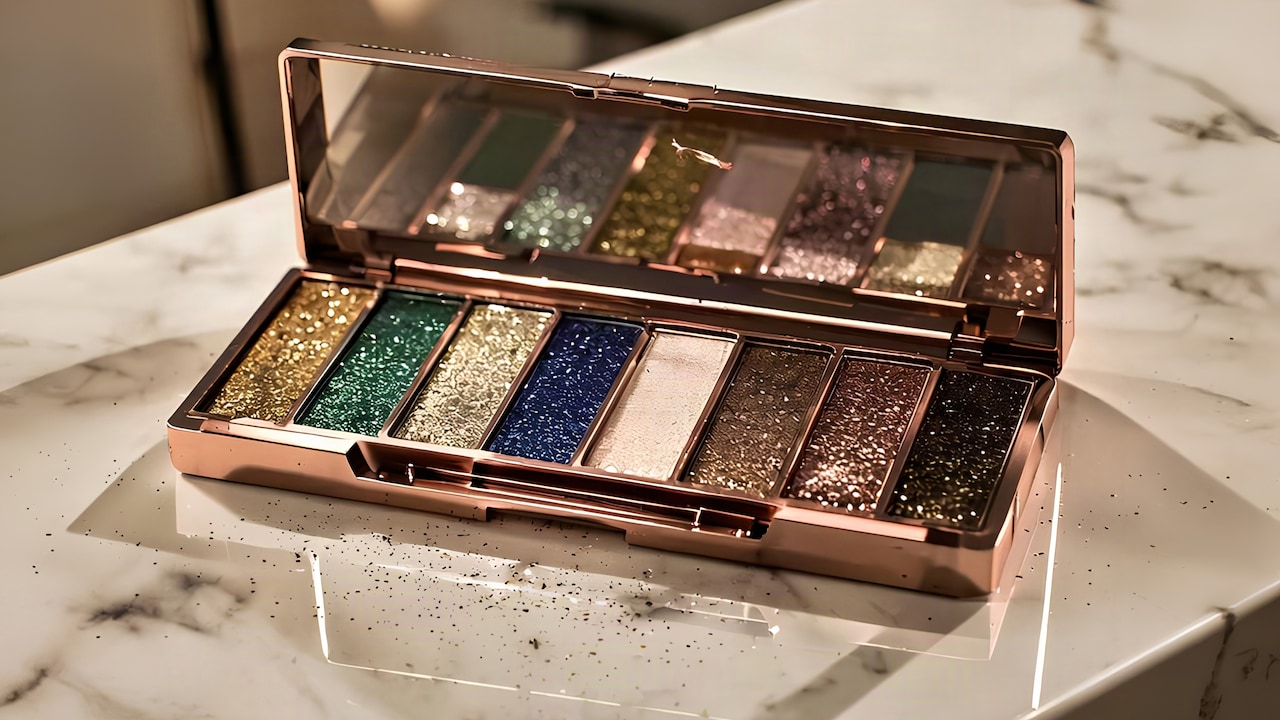
Eye makeup gets room for drama. Smoky eyes, metallic shadows, and defined lashes shine under event lights. Blending prevents harsh edges.
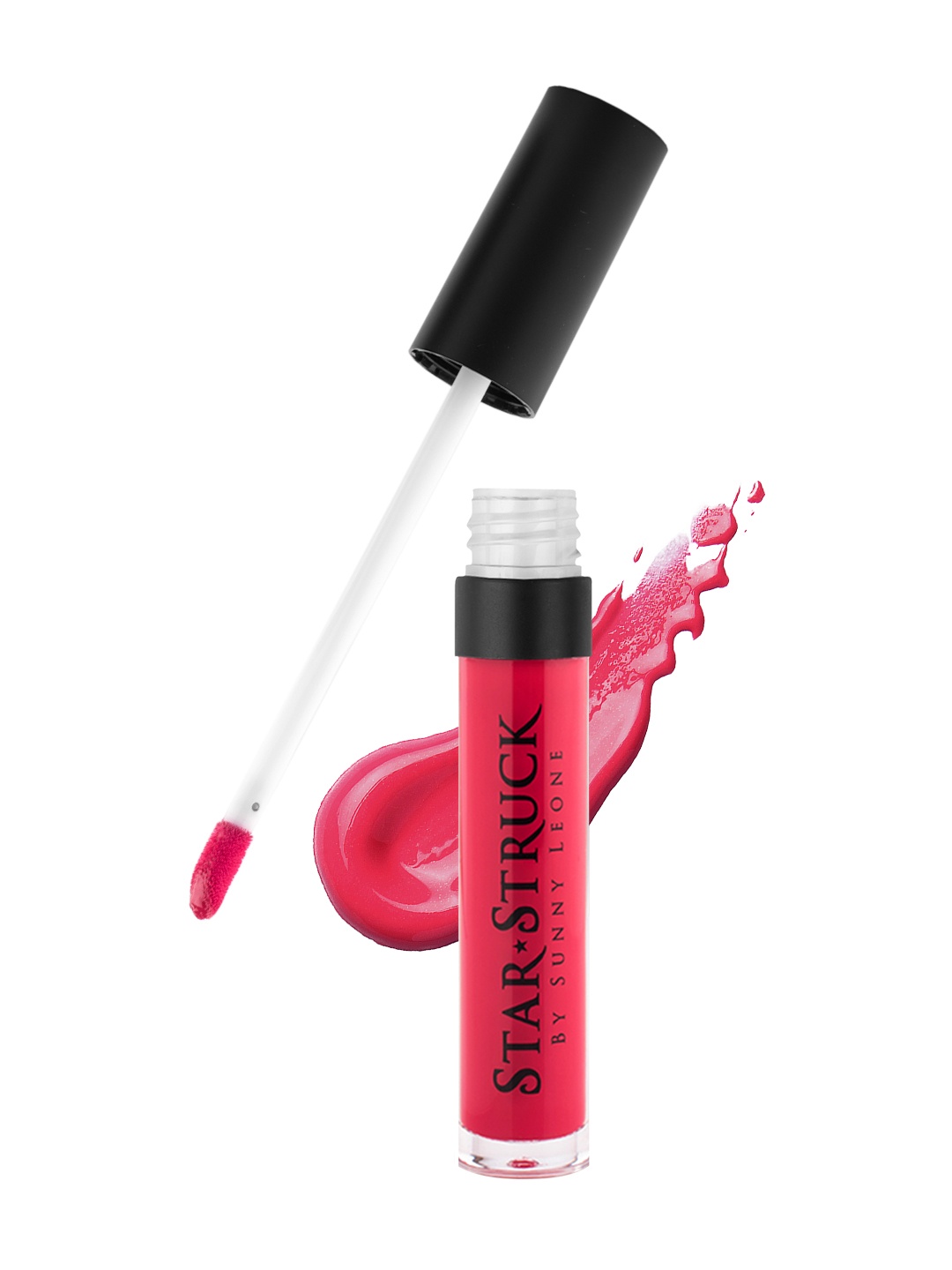
Lip colours can go deeper. Berry, wine, and classic reds hold their own and complete the look.
The goal stays balanced. Bold elements should complement each other, not compete.
6. Outdoor Sunlight at Noon: The Ultimate Challenge
Midday sun remains unforgiving. It intensifies shine and exposes heavy makeup instantly.
Lightweight, sweat-resistant bases work best. Tinted moisturisers or matte skin tints even out tone without melting. Setting spray helps hold everything together.
Powder should target oily areas only. Over-powdering leads to dryness and patchiness under the sun.
Blush in soft matte finishes lasts longer. Cream blush tends to fade faster in heat. Bronzer should stay sheer and well-blended.
Eye makeup must resist smudging. Waterproof mascara and minimal liner prevent panda eyes. Neutral shades avoid creasing and fading.
Lip balms with a hint of colour keep lips comfortable and fresh. Midday makeup should feel breathable and practical.
7. Soft Evening Sunlight: The Golden Hour Advantage
The soft glow before sunset flatters almost everyone. Skin looks smoother, and colours appear richer.
This lighting welcomes slightly dewier bases. Natural glow enhances features without extra effort. Foundation should feel like skin, not a mask.
Blush shines here. Peach, coral, and warm rose shades look radiant. A touch of highlighter on cheekbones catches the golden light beautifully.
Eye makeup benefits from warm neutrals. Soft browns, bronzes, and subtle shimmer enhance eyes without overpowering the look.
Lip colours appear softer in this light. Even bold shades look wearable. This makes it a great time to experiment confidently.
Golden hour makeup feels effortless and romantic, perfect for photos and relaxed gatherings.
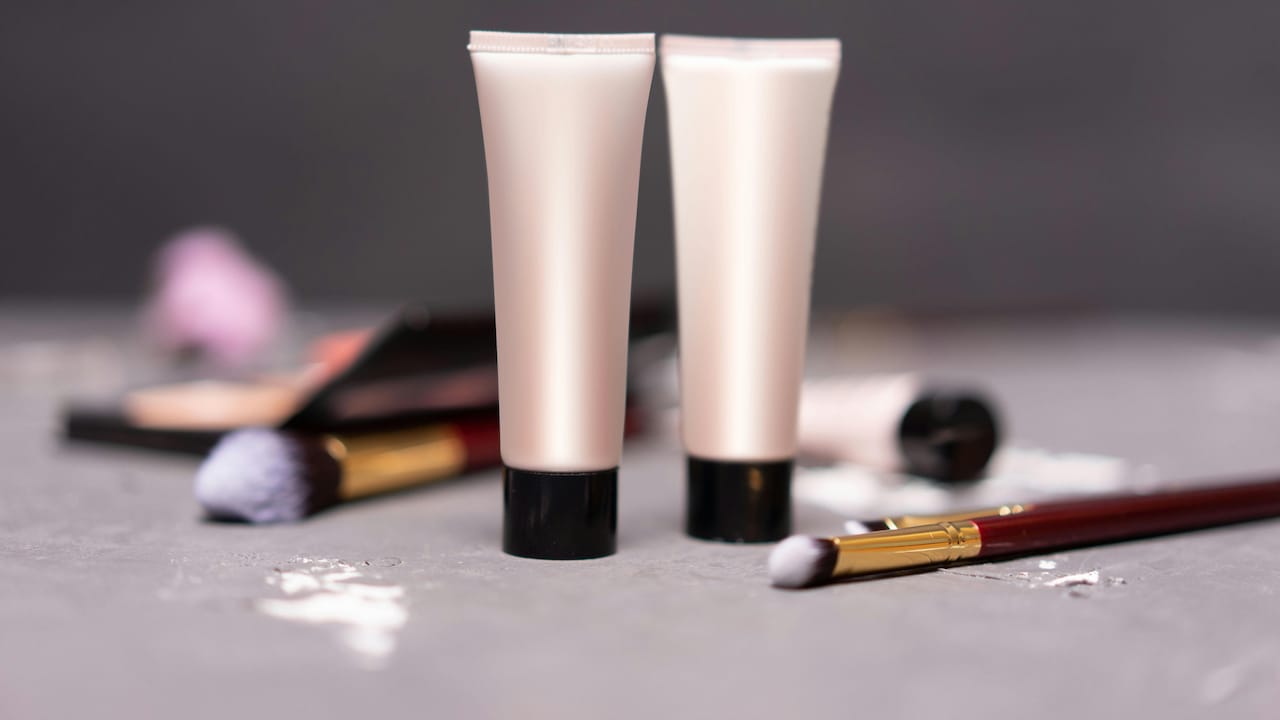
How To Choose Makeup Based On Lighting Conditions; Photo Credit: Pexels
8. Nighttime Street Lighting: Contrast Matters
Street lights vary, from yellow bulbs to stark white LEDs. They create shadows and uneven illumination.
Foundations with good coverage help even out skin tone under inconsistent lighting. Matte or satin finishes prevent excess shine.
Blush placement matters here. Applying slightly higher lifts the face and avoids heaviness. Colours should stay medium in intensity.
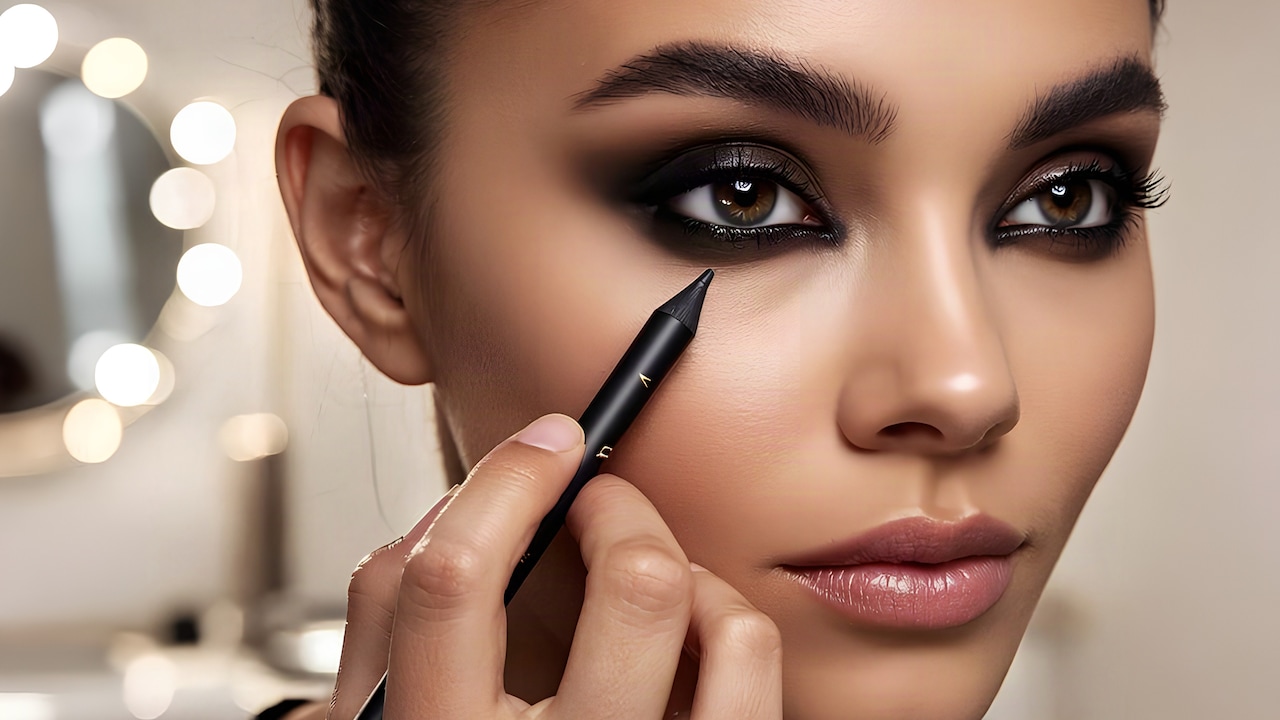
Eye makeup needs contrast. Darker liners and defined lashes prevent eyes from disappearing. Smoky shades work well if blended cleanly.
Lip colours should lean bold. Street lighting dulls lighter shades. Deeper hues add confidence and definition.
Makeup for nighttime streets should enhance features clearly without relying on perfect lighting.
9. Photography and Flash Lighting: Camera-Ready Choices
Flash photography changes everything. It flattens features and can create a white cast if products are unsuitable.
Avoid foundations with heavy SPF for flash events. They reflect light and cause uneven patches in photos. Choose camera-friendly formulas instead.
Blush and bronzer need slightly more intensity. Flash washes out colour. Well-blended contour adds dimension.
Eye makeup should emphasise shape. Lashes, liner, and defined brows frame the face beautifully on camera.
Lip colours appear lighter in flash. Going one shade deeper ensures they show up in pictures.
Testing makeup with phone flash before events helps avoid unpleasant surprises later.
10. Mixed Lighting Situations: The Everyday Reality
Many spaces combine multiple light sources. Homes, weddings, and restaurants often mix warm and cool lights, confusing makeup choices.
Neutral-toned makeup works best here. Foundations with balanced undertones adapt better. Avoid extremes in colour or finish.
Blush in muted shades blends seamlessly across lighting changes. Cream-to-powder formulas offer flexibility.
Eye makeup should focus on structure rather than colour. Clean blending and defined shapes hold up everywhere.
Lip colours in classic tones feel safe and polished. They adjust well across environments.
When lighting stays unpredictable, moderation becomes the strongest ally.
Products Related To This Article
1. L'Oreal Paris Infallible Full Wear Maximum Maximum Concealer 10 ml
2. FACES CANADA Comfy Matte Wow Liquid Lipstick - 3.8ml
3. MARS Dance Of Joy 12-In-1 Ultra Pigmented Eyeshadow Palette
4. Maybelline New York Instant Age Rewind Concealer 6ml
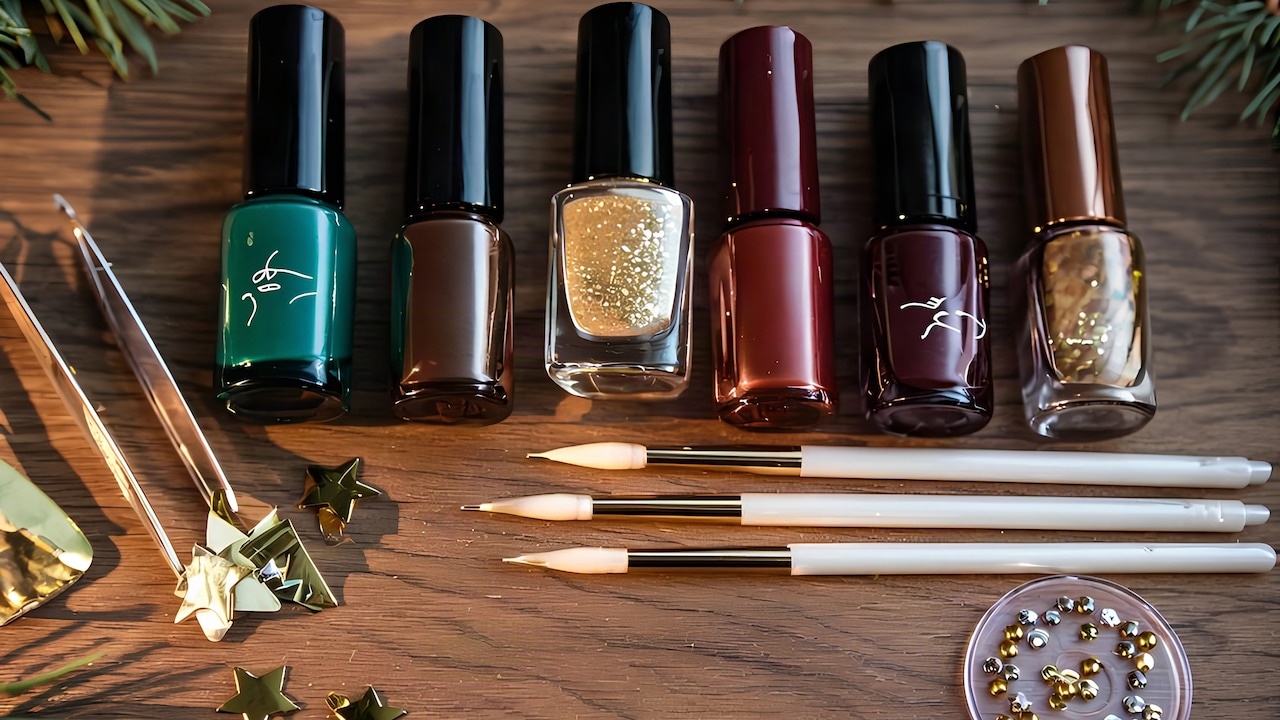
5. Lakme Color Crush Nail Art U4
6. Praush Juicy Jelly Cooling & Hydrating Tint For Cheeks & Lips
7. Maybelline New York Superstay Vinyl Ink Liquid Lipstick 4.5 ml
Makeup and lighting share a complicated relationship. One changes the way the other behaves. Understanding this connection transforms makeup from guesswork into confidence.
Choosing products with lighting in mind prevents overdoing and underwhelming. It also builds awareness of personal style and comfort. Makeup stops feeling like a mask and starts feeling supportive.
Whether stepping into sunlight, office corridors, or celebration halls, the right choices make all the difference. A little attention to lighting ensures makeup looks intentional, balanced, and truly flattering, wherever the day unfolds. Click here to buy makeup essentials.
(Disclaimer: This article may include references to or features of products and services made available through affiliate marketing campaigns. NDTV Convergence Limited (“NDTV”) strives to maintain editorial independence while participating in such campaigns. NDTV does not assume responsibility for the performance or claims of any featured products or services.)