What Is Slugging And Should You Try It If You Have Indian Skin
Slugging is a popular skincare trend, but is it suitable for Indian skin? Learn its benefits, risks, and the right way to try it for healthy, glowing skin naturally.
What Is Slugging And Should You Try It If You Have Indian Skin
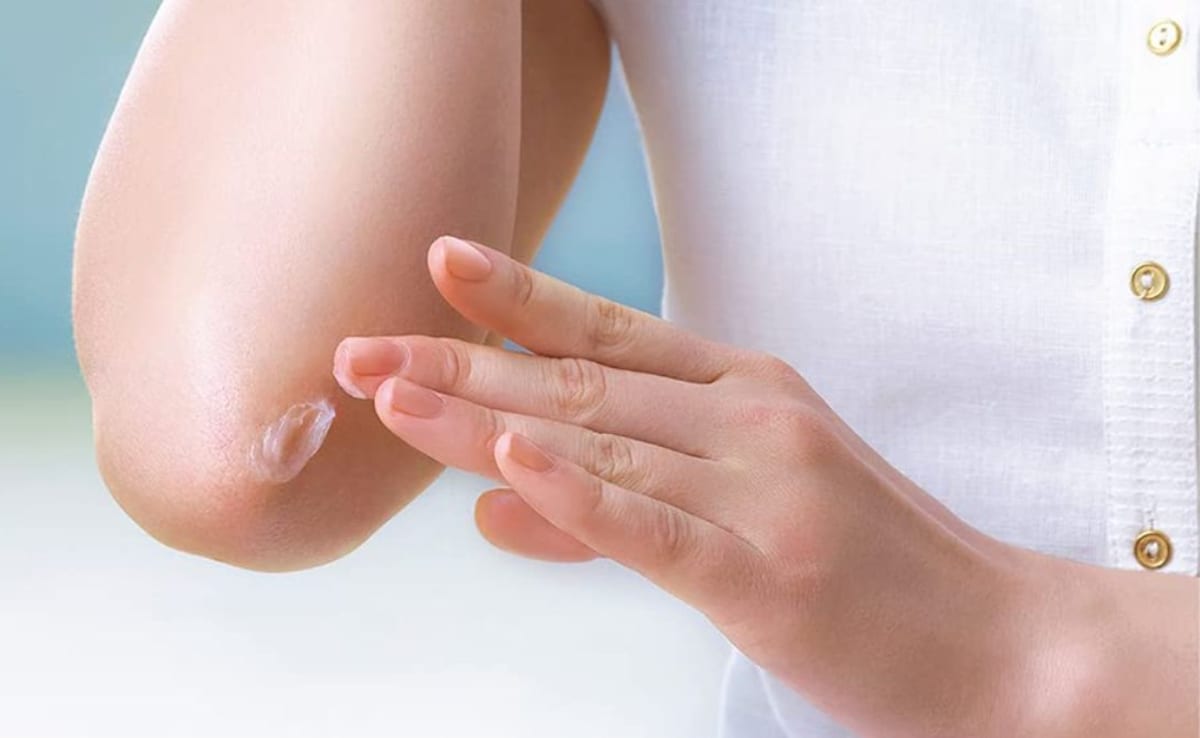
From super-hydrated, glazed skin to concerns about clogged pores and heaviness, slugging has been one of the most talked-about skincare trends of the past few years. This is a popular nighttime skincare routine because it helps to seal in moisture and support the skin barrier. It includes an occlusive layer as the last step in your skincare routine.
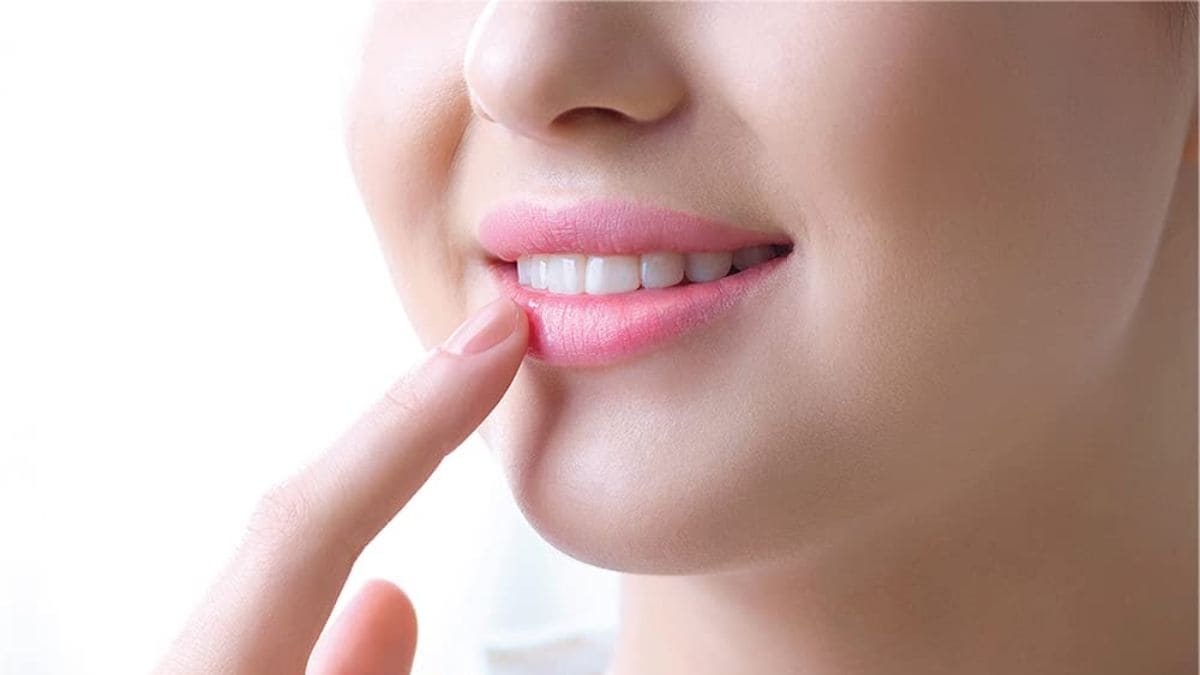
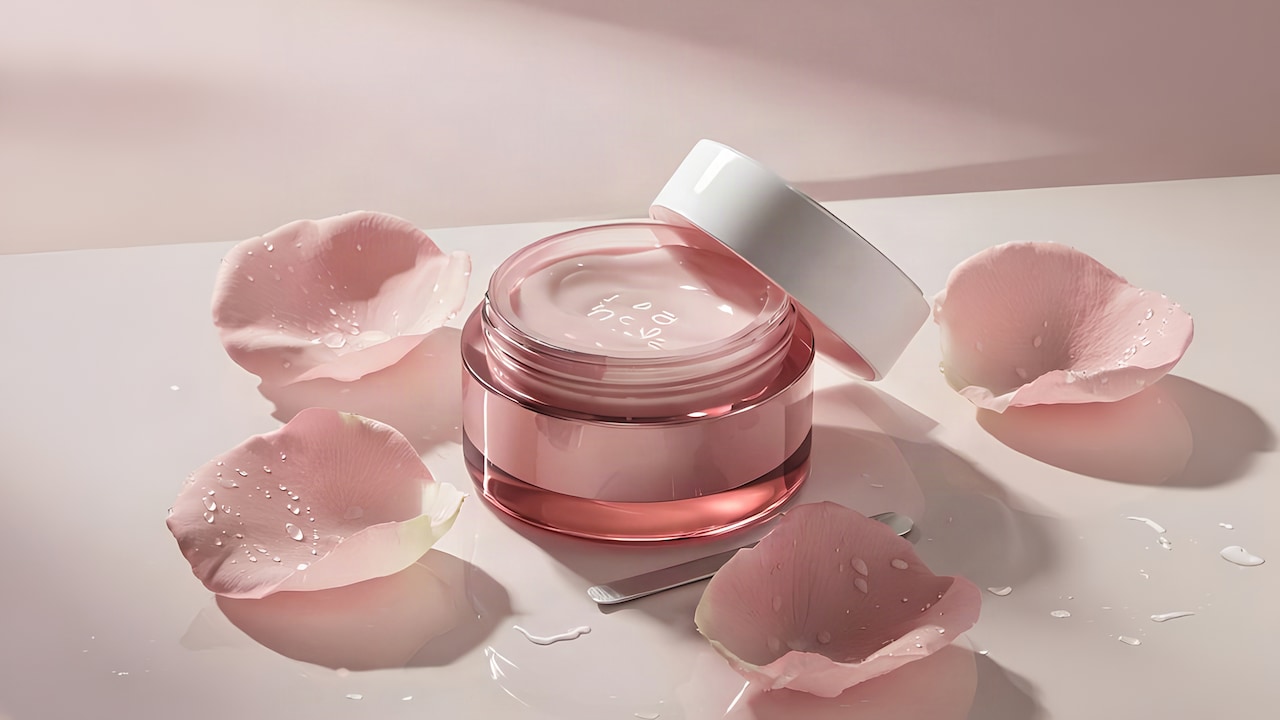
Learn the benefits, risks, and right way to try slugging for glowing skin at home; Photo Credit: Amazon
However, whereas this approach has been proven effective for most, it does not apply to everyone's skin type, particularly those whose skin type may be influenced by various factors such as climate and natural oil production. If you have dry, oily, combination, or sensitive skin, understanding how slugging works can help you decide if it's something worth adding to your routine.
Also Read: Build Your Skincare Routine From Scratch: The 4-Step Simple Routine For Everyone
Is Slugging Good For Indian Skin? Here's What To Know
The latest skincare trend for people wanting to have soft, hydrated, glowing skin is called slugging. This is the last step of your nighttime skincare routine, where you apply a thin layer of petroleum jelly. Slugging is a favourite for its skin barrier benefits and can help with dryness, flakiness, and dehydration.
But does it work for all? Humidity, skin type, and natural oil production can make a difference to how well this trend works on Indian skin. Some wake up with soft, nourished skin, and some find it too heavy. Deciding whether this viral skincare technique is worth trying in your routine comes down to learning more about how slugging works and whether it's right for your skin's needs.
1. What is slugging?
Slugging is the process of applying an occlusive agent in the form of petroleum jelly in the final stage of the nighttime skincare regimen. This helps keep skin cells moist and prevents moisture loss.
2. Should I slug if I have Indian skin?
Yes, if you have Indian skin that feels dry, dehydrated, or damaged, you may want to try slugging. That said, if you have oily or acne-prone skin, it may feel too heavy or cause congestion. Your skin type, weather, and how your skin reacts to heavy products can help you decide if it's worth a try.
Types Of Occlusive Jelly You Can Use For Slugging
Petroleum Jelly
The most classic product used for slugging is petroleum jelly, which forms a barrier over the skin to lock in moisture overnight. It helps to decrease dryness, flaking, and moisture loss and supports the skin barrier. A thin layer is usually enough, making it helpful for dry, irritated, or dehydrated skin.
Panthenol Healing Ointment
A thick occlusive ointment is often used in place of petroleum jelly. It contains ingredients like glycerin and panthenol, in addition to petrolatum, to add extra hydration as it locks in moisture. It's excellent for very dry or sensitive skin and can feel a little more nourishing than plain old petroleum jelly.
Ceramides Healing Ointment
This kind of occlusive mix of petrolatum with ceramides and hydrating ingredients. It seals the skin and supports the barrier with added benefits for the skin. It can be a good choice for those who enjoy the effects of slugging but prefer barrier-repair ingredients already incorporated into the product.
Lanolin
Lanolin is a thick emollient that helps lock moisture in by forming a protective layer on top of the skin. It is widely used on very dry or cracked areas and can be used for slugging in small amounts. It's a bit richer in texture and is generally a better match for dry skin than oily skin.
Squalane Balm
Squalane-based balms are a lighter alternative to traditional petroleum jelly. They help seal in hydration but don't feel as greasy on the skin. These can be a viable option for people who want to try slugging but want something softer and more breathable, especially if heavy ointments feel uncomfortable on the face.

Understand how to adapt the popular slugging trend safely for healthy and glowing Indian skin; Photo Credit: Amazon
How To Apply Slugging On Skin
While slugging is a straightforward skincare technique, the correct application method can significantly impact its effectiveness. What it means is to put on a protective layer overnight for moisture retention purposes, ensuring you wake up with soft and protected skin. The following are the three easy steps involved.
Cleanse and prepare your skin
The initial step in removing dirt, sunscreen, or any other product from your skin is to wash your face with mild cleansers. After you have cleansed your skin, you can apply normal skincare, such as a hydrating serum or moisturiser. Slugging works best when there's moisture underneath for the occlusive layer to seal in.
Apply a thin layer of jelly
Warm a small amount of petroleum jelly, or your favourite occlusive balm, between your fingertips. Apply a thin, even layer to your face, paying extra attention to dry areas. You do not need a thick coating to slug.
Leave it overnight and cleanse in the morning
Apply the product and leave it on your skin overnight while you sleep. In the morning, cleanse your face using water or a gentle cleanser as you normally would.
Slugging is a simple skincare method that can help hydrate and strengthen your skin barrier, particularly if your skin is dry. The trick is to use a little, pick the right product, and watch how your skin reacts.
Protective Jellies You Can Use For Slugging
1. Vaseline Original Skin Protecting Jelly
2. Smooth Skin White Petroleum Jelly
3. White Diamonds Advanced Petroleum Jelly
4. Eloway Petroleum Jelly
5. Nimson Ayurvedic Petroleum Jelly
6. Wheezal Petrolatum-W Pure Petroleum Jelly
7. Naturon Yellow Petroleum Jelly
8. Bioline White Perfumed Petroleum Jelly
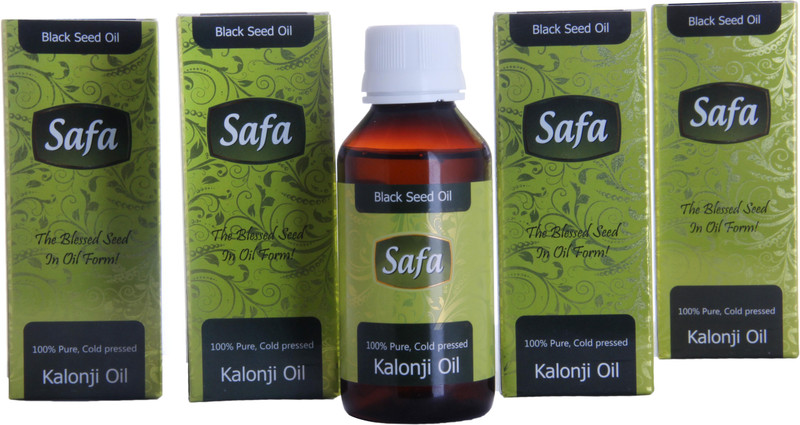
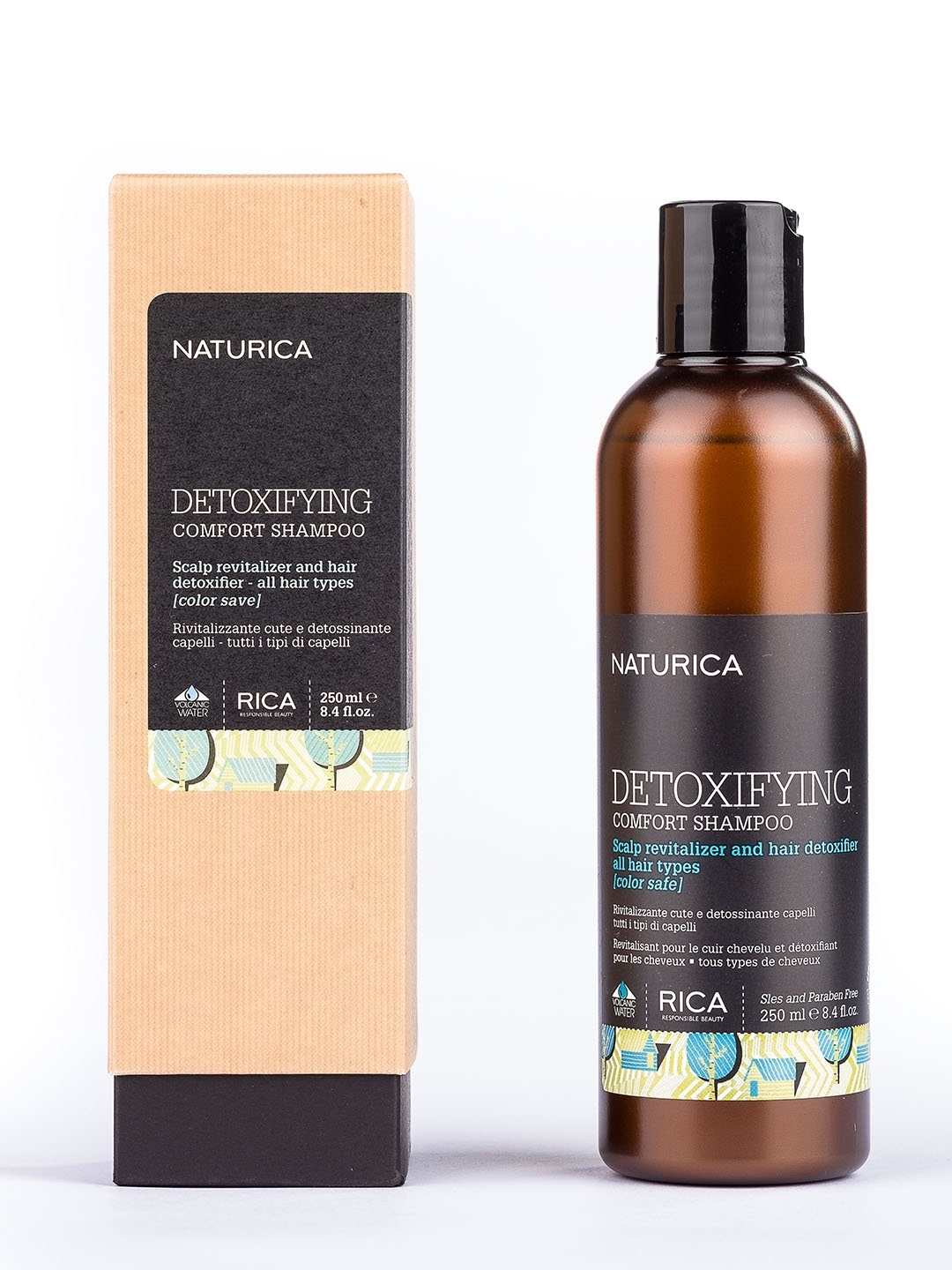
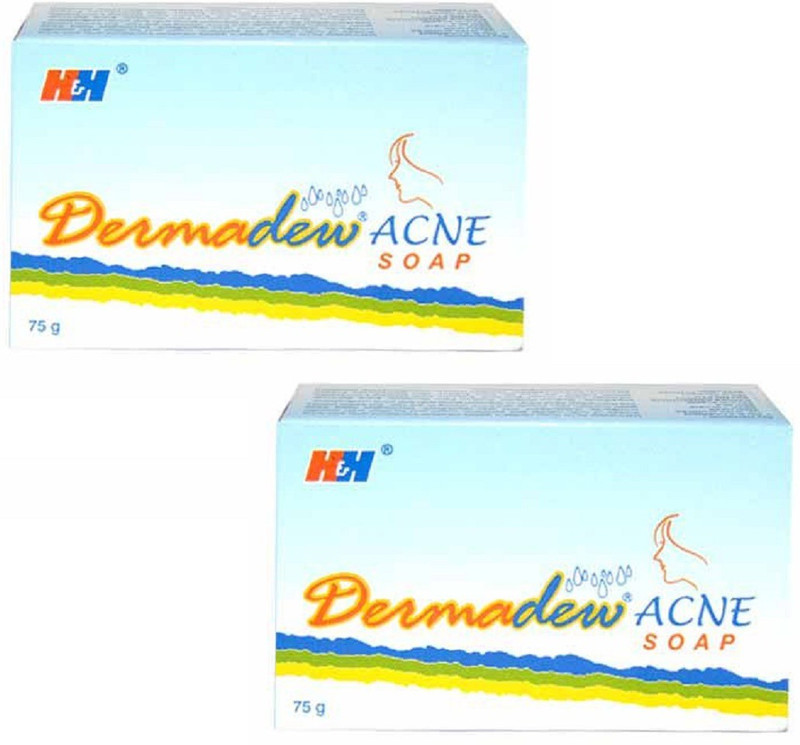
Skincare protective jellies lock in moisture and shield your skin from dryness and pollution all day. Use them as the last step in your routine to seal in serums and creams for a smooth, glass-like finish. Pick a light, non-sticky jelly that suits your skin type and keeps your glow strong. Keep your skin soft, calm, and protected every day. Shop now on Amazon.
Frequently Asked Questions (FAQs)
1. What does slugging mean in skincare?
Slugging is the technique of putting a thin layer of an occlusive product, such as petroleum jelly, as the final step in your nighttime skincare routine. It will help lock in moisture and prevent water from escaping from your skin.
2. Is slugging beneficial for the Indians?
Yes, slugging can be done for Indians, especially if you suffer from dry, dehydrated, or sensitive skin types. The effectiveness of slugging may vary depending on your skin type, weather, and sensitivity towards heavy products.
3. Which product is suitable for slugging?
Petroleum jelly is used by many people in their nighttime skin care regimen for slugging. You may also try using a healing ointment and/or an occlusive balm that will help lock in moisture.
4. Should I try slugging if my skin is oily/acne-prone?
If you have oily or acne-prone skin, you must be careful about trying out the technique. Since some people find it heavy, it is better to first put a small amount and patch-test on the face before applying it everywhere.
5. How often should you do slugging?
That depends on your skin's needs. For some, it's a few times a week when their skin is dry; for others, it's just occasionally in winter or after using drying skincare products.
(Disclaimer: This article may include references to or features of products and services made available through affiliate marketing campaigns. NDTV Convergence Limited (“NDTV”) strives to maintain editorial independence while participating in such campaigns. NDTV does not assume responsibility for the performance or claims of any featured products or services.)