Does Stronger Shampoo Control An Oily Scalp Better? 10 Haircare Myths Explained
Stronger shampoo does not always control an oily scalp better. Discover the truth behind 10 common haircare myths about washing, dandruff, oiling, conditioner, trimming and more.
Does Stronger Shampoo Control An Oily Scalp Better? 10 Haircare Myths Explained
There is something particularly annoying about washing hair in the morning, stepping outside feeling wonderfully fresh, and noticing greasy roots by evening. Add humid weather, a sweaty commute, helmet hair or a busy day outdoors, and that clean-hair feeling can disappear even faster. Naturally, the temptation is to reach for the shampoo that promises the deepest cleanse. If a regular formula removes oil, surely a stronger one should remove even more. Haircare, however, rarely follows such tidy logic.
Does Stronger Shampoo Control An Oily Scalp Better? 10 Haircare Myths Explained
Photo Credit: Pexels
The scalp is living skin. It produces sebum, reacts to sweat, collects styling products and can become irritated when treated too aggressively. Hair lengths, meanwhile, have completely different needs. What makes the scalp feel squeaky clean may leave the ends dry enough to resemble a well-used broom.
Then there are the beauty myths passed around salons, family WhatsApp groups and hostel bathrooms as though they were scientific laws. Some contain a grain of truth. Others have survived mainly because they sound convincing. Here are 10 haircare myths that deserve a closer look.
10 Common Haircare Myths You Should Stop Believing
1. Stronger Shampoo Always Controls An Oily Scalp Better
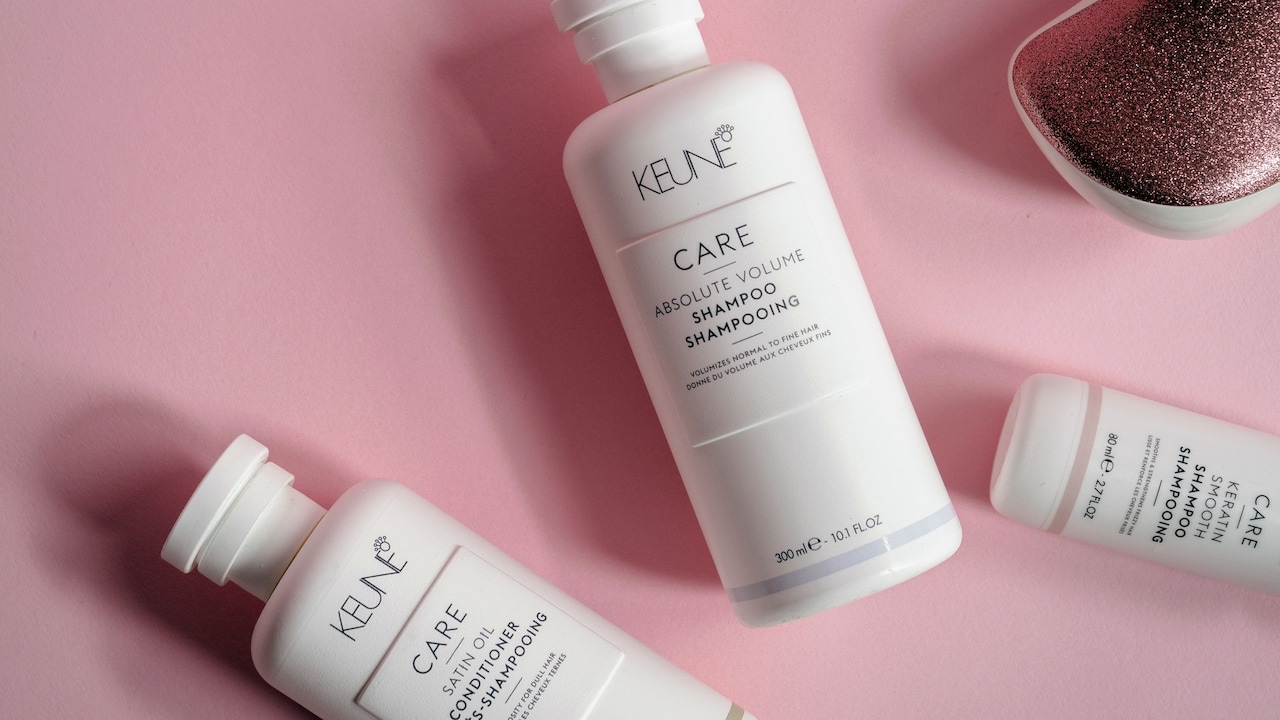
A shampoo that leaves the scalp feeling extremely tight can create the impression that every trace of grease has been defeated. That squeaky sensation, however, does not automatically mean better oil control.
Very strong cleansing formulas can remove natural oils efficiently, but frequent use may also leave the scalp dry, uncomfortable or irritated. For some people, this leads to a frustrating cycle: the scalp feels stripped after washing, while the roots become oily again soon afterwards.
The better approach usually depends on why the scalp feels greasy. Sweat, naturally active sebaceous glands, product build-up, fine hair and humid weather can all play a part.
A gentle shampoo used properly can often clean an oily scalp perfectly well. Concentrate it around the roots rather than scrubbing the hair lengths. When the scalp has heavy build-up, an occasional clarifying wash may help, but it does not need to become an everyday ritual.
Think clean rather than aggressively cleansed. Hair should not need to feel like a steel plate washed with dish soap before the shampoo counts as effective.
2. Washing Oily Hair Every Day Makes It Oilier
Daily shampooing has acquired a rather dramatic reputation. According to the myth, washing hair every day somehow trains the scalp to produce enormous amounts of extra oil in revenge.
The reality is less theatrical. Sebum production is influenced largely by factors such as hormones, genetics, age and scalp condition. Shampooing frequency alone does not suddenly teach oil glands a new trick.
For someone with naturally oily roots, regular exercise or a sweaty daily commute, washing every day may feel far more comfortable than stretching wash day for the sake of a rule.
The important part is choosing an appropriate shampoo and watching how the scalp responds. A mild cleanser designed for frequent use may suit daily washing better than a powerful clarifying formula.
On the other hand, hair that is curly, dry or chemically treated may benefit from less frequent shampooing because the lengths lose moisture more easily.
There is no gold medal for going five days without shampoo. A sensible wash schedule is simply the one that keeps the scalp comfortable without leaving the hair parched.
3. More Shampoo Means Cleaner Hair
That generous palmful of shampoo may look reassuring, especially after an oily week, but quantity does not guarantee cleanliness.
Shampoo works by helping water lift away oil, dirt, sweat and product residue. Once there is enough cleanser to cover the scalp effectively, pouring on more usually creates extra foam rather than dramatically cleaner roots.
Using too much product can also make rinsing more difficult. Any residue left behind may make hair feel coated, dull or strangely heavy, which rather defeats the purpose.
A small amount is usually enough to begin with. Very thick, long or heavily oiled hair may need more, but it is often smarter to wash twice with modest amounts than perform one enormous bubble-bath-style shampoo.
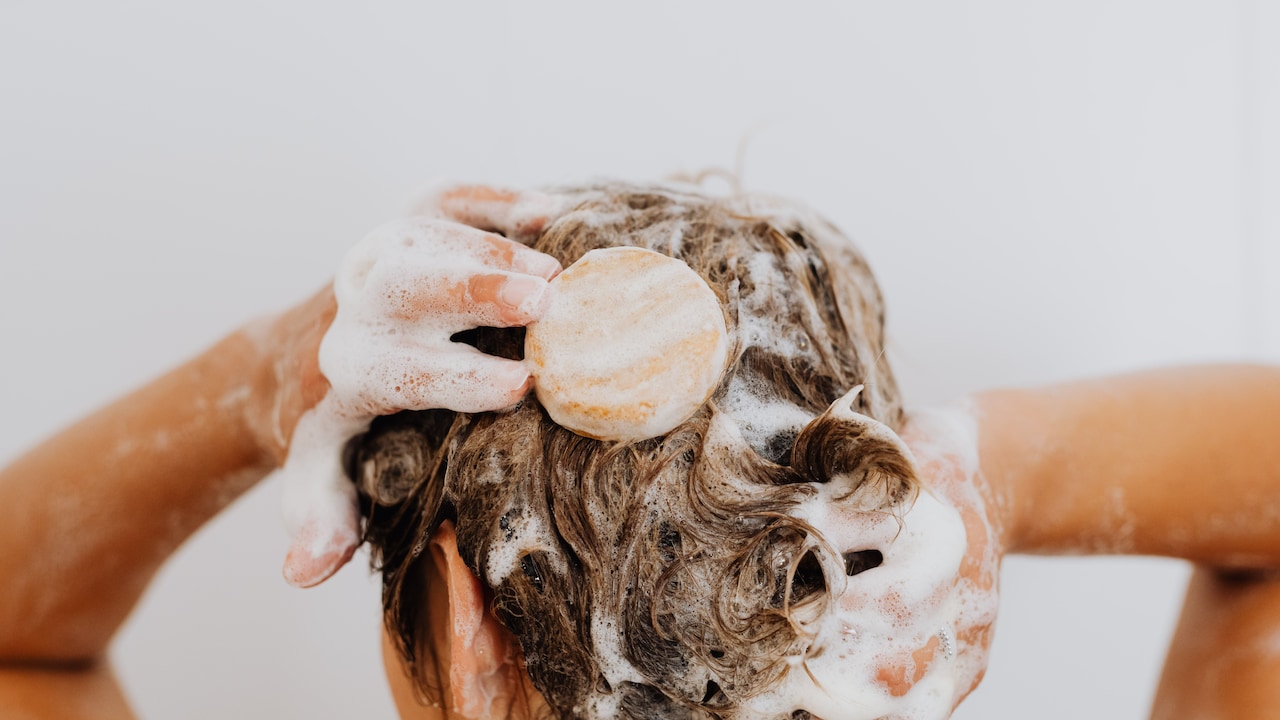
Technique matters too. Wet the hair thoroughly, spread the shampoo around the scalp and massage gently with fingertips. Fingernails are unnecessary and may irritate the skin.
The shampoo does not need to be dragged repeatedly through the ends. The lather that runs down during rinsing generally gives the lengths enough cleansing.
Sometimes the secret to cleaner hair is not more product. It is using the product already in the bottle more thoughtfully.
4. Oiling Hair Overnight Is Always Better
Hair oil and long overnight rituals are closely linked in many homes. Leaving oil on until morning can certainly feel nourishing, calming and wonderfully traditional. It is not, however, automatically more effective than keeping it on for a shorter period.
Oil mainly coats and lubricates the hair shaft, helping reduce friction and making dry lengths feel softer. Some oils can penetrate the hair fibre to a degree, but leaving them on for eight hours does not guarantee eight times the benefit.
For people with oily scalps, dandruff-prone skin or scalp sensitivity, heavy overnight oiling can sometimes feel uncomfortable. It may also require stronger or repeated shampooing the next morning, which can dry the lengths.
A lighter pre-wash treatment for an hour or two may be perfectly sufficient for many hair types. Oil can also be focused on the mid-lengths and ends rather than automatically covering the scalp.
There is no need to turn every oiling session into an overnight commitment. Sometimes haircare can happen between evening chai and dinner rather than requiring its own sleeping arrangement.
Also Read: How To Choose The Right Shampoo For Oily Scalp During Monsoon
5. Dandruff Is Simply A Dry Scalp
Those white flakes on a dark kurta may look like obvious evidence of dryness, but dandruff is more complicated than a scalp that needs extra moisturising.
Dandruff commonly involves increased shedding of scalp skin and can be associated with oiliness and sensitivity to naturally occurring scalp yeast. That is why somebody can have greasy roots and visible flakes at exactly the same time.
This distinction matters because treating every flaky scalp with thick oils may not solve the problem. In some cases, it can leave the scalp feeling even more coated.
Anti-dandruff shampoos often contain specific active ingredients designed to address the causes of persistent flaking. They usually work best when used according to their directions rather than washed off immediately after application.
A dry scalp, meanwhile, may produce smaller flakes alongside tightness or irritation and can have different triggers.
When itching, redness, thick scaling, sores or stubborn dandruff continue despite sensible care, a dermatologist can help identify what is actually happening.
Flakes are a symptom, not a diagnosis. Treating them successfully begins with knowing whether the scalp is dry, oily, irritated or dealing with an underlying condition.
Does Stronger Shampoo Control An Oily Scalp Better? 10 Haircare Myths Explained
Photo Credit: Pexels
6. Cutting Hair Frequently Makes It Grow Faster
Freshly trimmed hair certainly looks healthier. The ends feel thicker, the shape returns and those wispy split sections disappear. Unfortunately, the scissors have no direct line of communication with the hair follicles.
Hair grows from follicles in the scalp, not from the tips. Cutting a few centimetres from the ends cannot instruct the roots to increase their growth speed.
Why, then, does regular trimming seem to make hair grow better? The answer lies in breakage. Damaged ends can split further up the hair shaft and snap, making it difficult to retain length. Trimming removes compromised ends before the damage becomes more noticeable.
So regular cuts can help hair look fuller and maintain length more successfully, even though they do not accelerate biological growth.
Anyone growing out a short haircut does not need to avoid the salon for a full year out of fear. Equally, booking a trim every fortnight will not turn shoulder-length hair into waist-length hair by Diwali.
Healthy growth depends far more on genetics, nutrition, general health and scalp condition. Trimming is maintenance, not fertiliser.
7. Cold Water Makes Hair Dramatically Shinier
The final blast of cold water has become a beauty ritual with almost heroic status. It is often said to “seal” the hair cuticle and create extraordinary shine.
Cool water may feel refreshing and can be more comfortable than very hot water, particularly for a sensitive scalp. Yet hair does not open and close like a door every time the shower temperature changes.
Shine depends on several things, including the condition of the hair surface, natural texture, chemical damage, styling habits and how smoothly individual fibres reflect light.
Extremely hot water can leave some hair and scalps feeling dry, so avoiding scorching showers makes sense. There is simply no need to stand shivering under icy water in January hoping for shampoo-advertisement gloss.
Conditioner, gentle detangling and reduced heat damage generally make a more noticeable difference.
A comfortable lukewarm rinse is perfectly reasonable. If a cool final rinse feels pleasant, enjoy it. If it feels like unnecessary punishment before breakfast, skip it.
Healthy haircare should not require heroic suffering beneath the showerhead.
8. Conditioner Makes Oily Hair Greasier
People with oily roots often treat conditioner as though it were plotting against them. One drop, the myth suggests, and freshly washed hair will collapse into a greasy curtain.
In reality, conditioner mainly helps the hair lengths by smoothing, lubricating and reducing friction. The scalp and the ends do not have identical needs.
Someone can easily have oily roots and dry ends, particularly with long hair, heat styling, colouring or frequent sun exposure. Skipping conditioner altogether may leave those lengths rough, tangled and more vulnerable to breakage.
The trick is placement. Apply conditioner mainly from the mid-lengths towards the ends rather than coating the scalp unless the product specifically says otherwise. Fine hair may prefer a lightweight formula, while coarse or curly hair can often handle richer textures.
Amount matters as well. Hair should feel soft and manageable after rinsing, not as though it has been dipped in body butter.
An oily scalp does not automatically mean oily hair from root to tip. Treating every strand according to what the scalp is doing is like wearing a raincoat indoors because it happens to be raining outside.
9. Brushing Hair 100 Times A Day Makes It Healthier
The famous 100-brush-strokes routine sounds charmingly vintage. It also turns brushing into a daily endurance sport that most hair does not need.
Brushing helps detangle strands, distribute some natural oil and tidy the hair. Excessive brushing, however, creates repeated friction. Fragile, bleached, dry or curly hair may break more easily when handled too aggressively.
The goal should be effective detangling rather than reaching an impressive number.
Start gently, particularly when working through knots. Holding the hair above a tangled section can reduce pulling on the roots. Depending on hair texture, a wide-toothed comb, detangling brush or fingers may work better than a traditional brush.
Wet hair deserves extra care because many hair types become more vulnerable to stretching and breakage when saturated. Curly hair, meanwhile, is often easier to detangle while damp and conditioned rather than brushed dry.
There is no magical moment at stroke number 87 when hair suddenly becomes healthier.
Brush when needed, use the right tool and stop once the job is done. Your hair does not need a daily fitness challenge.
10. Expensive Haircare Always Works Better
A beautiful bottle, elegant fragrance and ₹2,500 price tag can make a shampoo feel instantly sophisticated. Price, however, is not a reliable scientific measurement of how well a product will suit a particular scalp.
Premium products may contain appealing ingredients, refined fragrances or luxurious textures. They may also invest heavily in packaging and branding. None of that guarantees a perfect match for oily roots, curls, dandruff, coloured hair or scalp sensitivity.
Affordable formulas can perform extremely well when their ingredients and intended use fit the person's needs.
Haircare becomes easier when products are judged by results rather than prestige. Does the shampoo cleanse without causing discomfort? Does the conditioner reduce tangles? Does the styling product leave hair manageable rather than coated? Those questions matter more than how glamorous the bottle looks beside the bathroom mirror.
That does not mean expensive haircare is pointless. A costly product can absolutely be worth buying when it performs well and fits the budget.
The myth appears when price becomes proof of effectiveness. Sometimes the ₹400 bottle wins. Sometimes the ₹2,000 one does. Hair remains wonderfully unimpressed by the receipt.
Does Stronger Shampoo Control An Oily Scalp Better? 10 Haircare Myths Explained
Photo Credit: Pexels
Products Related To This Article
1. LOreal Paris Hyaluron Pure 72H Purifying Shampoo for Oily Scalp - Dry Hair
2. Bare Anatomy Oil Control Shampoo
3. The Derma co. Triple Actives Anti Dandruff Shampoo With Salicylic Acid
4. MOXIE BEAUTY Scalp Reviving Anti-Dandruff Shampoo with AHA-BHA Complex
5. Love Beauty & Planet Rosemary & Yuzu Lemon Anti-Dandruff Shampoo
6. ARATA Anti-Dandruff Shampoo for Normal to Oily Hair
7. WORLDSHINE Beer Shampoo For Hair Growth
Haircare myths survive because they usually contain just enough logic to sound believable. Strong shampoo feels powerful, cold water feels tightening, trims make hair look healthier and expensive packaging suggests advanced science. Real hair, unfortunately for neat little rules, is more complicated.
An oily scalp does not necessarily need aggressive cleansing. Daily washing is not automatically harmful. Conditioner does not have to turn roots greasy, and overnight oiling is not a compulsory route to healthier hair.
The most useful routine is usually the least dramatic one: cleanse according to scalp needs, condition the lengths, handle wet hair gently, keep unnecessary heat and friction under control, and pay attention to how the hair actually responds.
Products can help, but technique and consistency matter just as much. When persistent flaking, itching, unusual hair loss or scalp irritation appears, professional advice makes more sense than endlessly changing shampoos.
Good haircare should feel practical rather than punishing. The bathroom shelf does not need ten miracle cures. Sometimes it simply needs fewer myths.
(Disclaimer: This article may include references to or features of products and services made available through affiliate marketing campaigns. NDTV Convergence Limited (“NDTV”) strives to maintain editorial independence while participating in such campaigns. NDTV does not assume responsibility for the performance or claims of any featured products or services.)