Why Your Eyeliner Never Looks Symmetrical: And the Fix Nobody Tells You
Eyeliner symmetry isn’t about a steady hand; it’s about technique, angles, and understanding your eyes. Here’s why your wings never match and the simple fix that actually works.
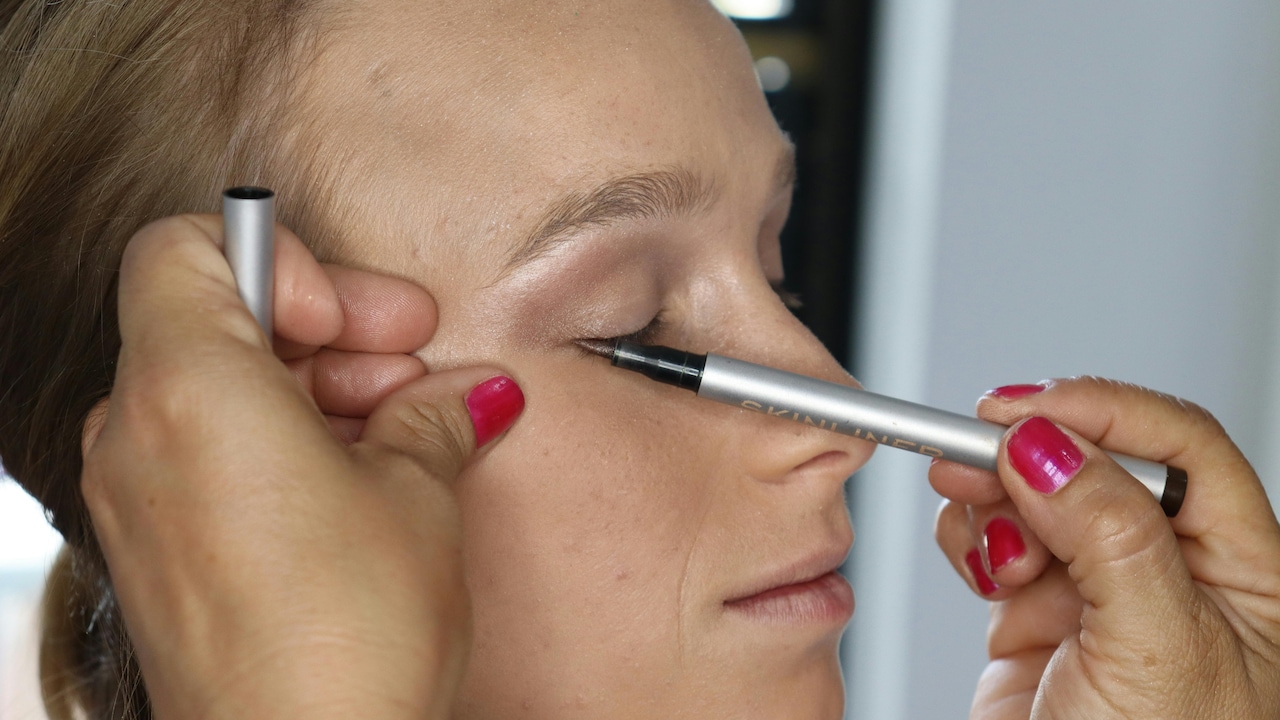
How To Fix Uneven Eyeliner: The Real Reason Your Wings Don't Match
There's something oddly frustrating about eyeliner. One side glides into a sharp, elegant eye wing, while the other decides to go rogue. The mirror becomes an adversary. The cotton buds pile up. A rushed morning turns into a delicate balancing act that never quite balances.
Symmetry in eyeliner has quietly become a beauty standard, but the reality is far from perfect. Eyes are not identical. Hands are not machines. Lighting shifts, moods fluctuate, and patience often runs thin. Yet, the expectation remains: two perfectly matched lines.
What rarely gets discussed is that the problem isn't just technique. It's perception, anatomy, and a few subtle habits that go unnoticed. Understanding these hidden factors can transform eyeliner from a daily battle into a manageable, even enjoyable ritual.
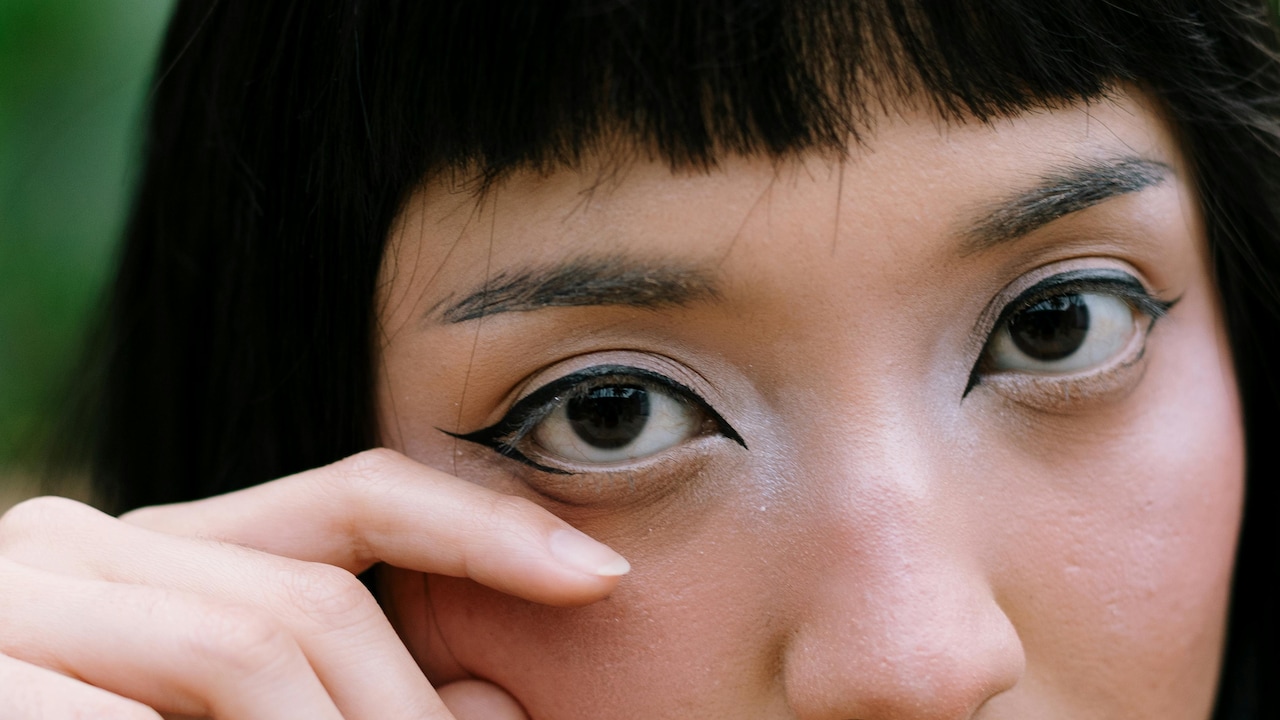
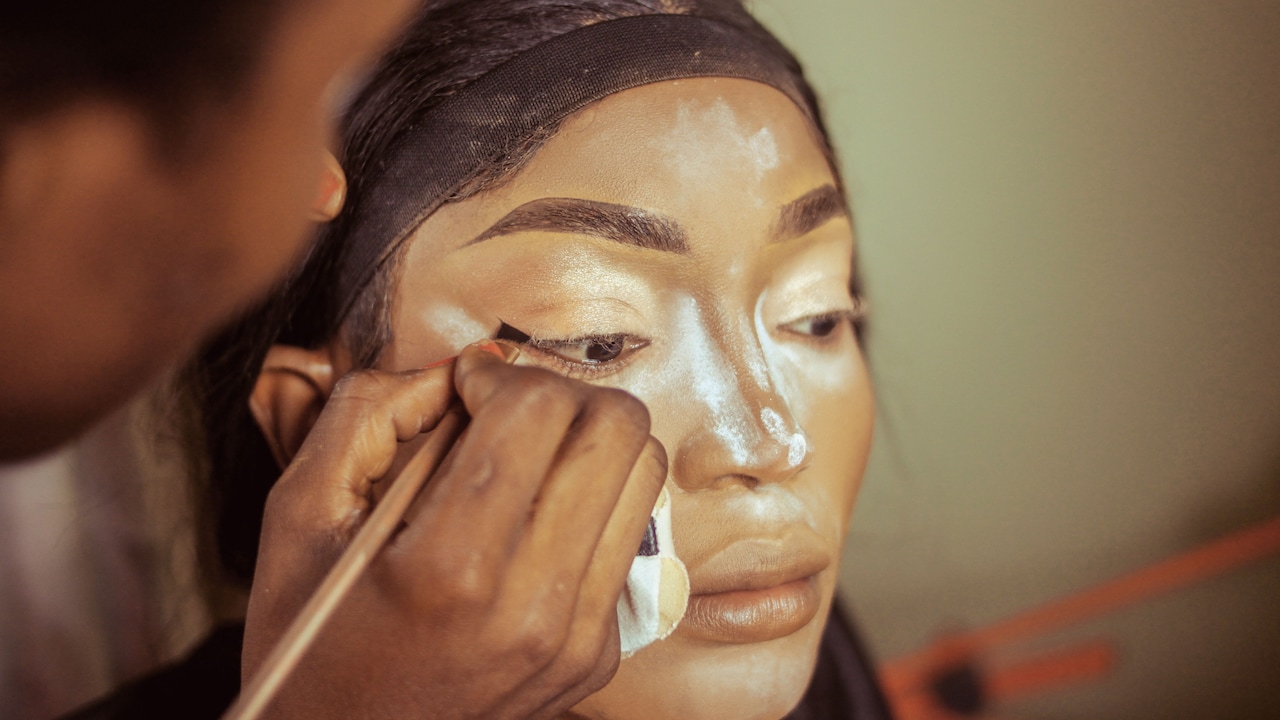
How To Fix Uneven Eyeliner: The Real Reason Your Wings Don't Match; Photo Credit: Pexels
Where Eyeliner Goes Wrong: And Why It's Not Your Fault
Your Eyes Aren't Identical, And That's The Starting Point
Every face carries its own asymmetry, and eyes are no exception. One lid might sit slightly higher, the crease may fold differently, or the lash line could curve at a different angle. These tiny variations often go unnoticed until eyeliner enters the scene. Suddenly, what looked balanced in bare skin becomes visibly uneven with a bold line.
Expecting identical wings on two naturally different eyes creates unnecessary frustration. Instead of chasing mirror perfection, a smarter approach lies in adjusting each wing to suit the eye it belongs to. One side may need a slightly thicker line, while the other benefits from a softer flick.
This shift in thinking changes everything. The goal stops being identical shapes and becomes visual balance. When both eyes appear harmonious rather than identical, the result feels far more polished. Accepting asymmetry is not giving up, it's working with reality rather than against it.
The Mirror Is Playing Tricks On You
The relationship with the mirror is more complicated than it seems. Most eyeliner is applied at very close range, often with the face angled or tilted. This distorts how symmetry is perceived. What looks perfect up close can appear uneven from a normal distance.
Lighting adds another layer of confusion. A dim bedroom mirror versus bright natural light can completely change how lines appear. Shadows can hide uneven edges or exaggerate them, depending on the angle.
Stepping back from the mirror after each step makes a noticeable difference. A quick check from a natural distance offers a clearer picture of balance. Good lighting, preferably soft daylight, also helps reveal the true shape of the liner.
The trick isn't just in drawing the line. It's in seeing it correctly. Without that clarity, even the most careful application can end up looking mismatched.
Your Hand Is Not As Steady As You Think
Even the most confident hand has its limits. Tiny tremors, pressure changes, and angle shifts all affect how eyeliner sits on the skin. The difference between a sharp flick and a wobbly line often comes down to muscle control rather than skill alone.
Holding the liner too tightly can actually make things worse. Tension travels from the fingers to the wrist, creating less fluid movement. A relaxed grip allows smoother strokes and better control.
Resting the elbow on a surface helps stabilise the hand. Instead of drawing one continuous line, breaking it into small strokes offers more precision. This method reduces the risk of a single mistake ruining the entire look.
Eyeliner rewards patience more than speed. Slowing down, even on busy mornings, often saves time in the long run by avoiding endless corrections.
Also Read: Top 5 Tools You Need To Perfect Your Graphic Eyeliner And How To Go About It
You're Starting From The Wrong Place
Many begin eyeliner from the inner corner, assuming it creates a smoother line. In reality, this approach often leads to uneven thickness and mismatched wings. The inner corner requires delicate precision, and starting there can throw off the entire balance.
A better approach begins with the wing. Mapping out the flick first sets the direction for the rest of the line. Once both wings are roughly aligned, connecting them to the lash line becomes far easier.
This technique shifts the focus from trying to match entire lines to matching just the wings first. It simplifies the process and reduces guesswork.
Think of it like sketching before colouring. Establish the structure first, then refine the details. It creates a more controlled and predictable outcome.
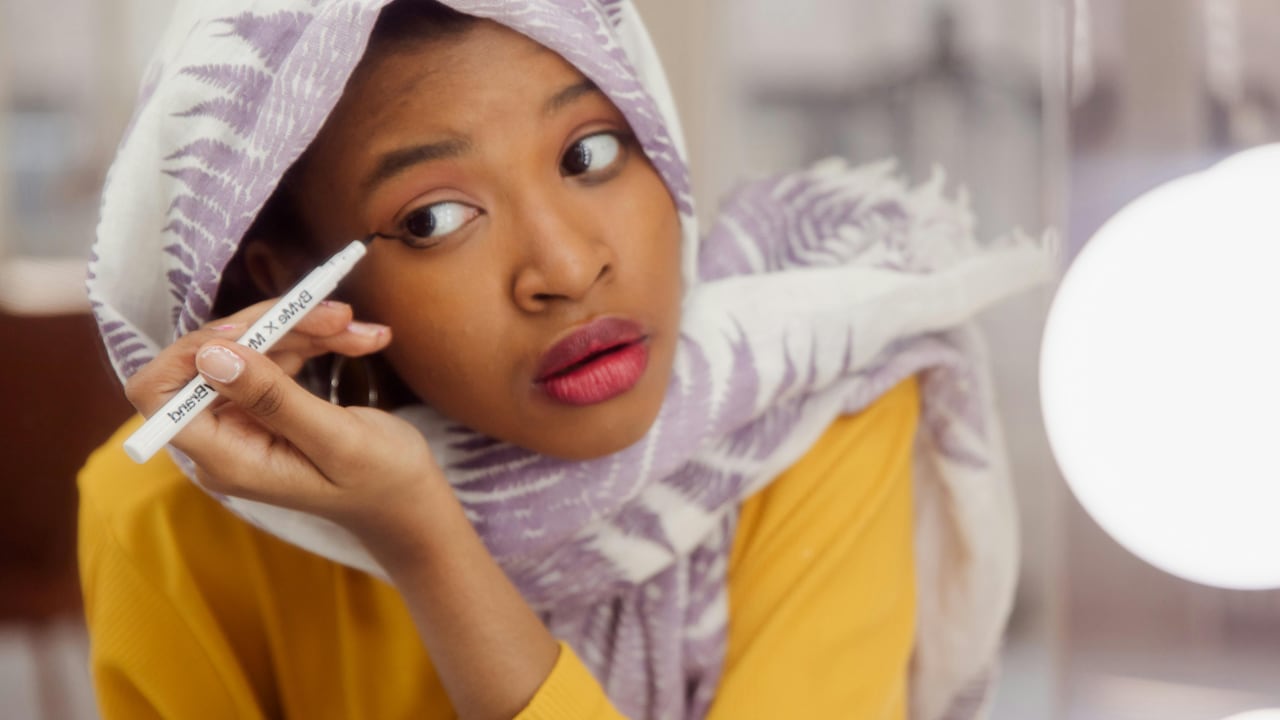
How To Fix Uneven Eyeliner: The Real Reason Your Wings Don't Match; Photo Credit: Pexels
Your Eyeliner Type Might Be Working Against You
Not all eyeliners behave the same. Liquid liners offer precision but can be unforgiving. Gel liners provide control but require a steady hand. Pencil liners are forgiving but may lack sharpness.
Using the wrong type for a particular skill level or eye shape can make symmetry harder. For beginners, a soft pencil can act as a guide before committing with liquid liner. It allows adjustments without harsh mistakes.
Even the tip of the applicator matters. A flexible brush behaves differently from a stiff felt tip. Finding the right tool can significantly improve results.
Sometimes, the issue isn't technique at all. It's simply the product. Switching to a more suitable eyeliner can feel like unlocking a completely new level of ease.
You're Not Accounting For Eye Shape Differences
Hooded eyes, almond eyes, and round eyes; each shape interacts with eyeliner differently. A wing that looks sharp on one eye shape might disappear or distort on another.
Ignoring these differences often leads to uneven results. One wing might look lifted while the other appears droopy, simply because the angles don't match the natural eye structure.
Adjusting the flick angle based on the eye's outer corner helps maintain balance. For some, a shorter wing works better. For others, a slightly upward flick enhances symmetry.
Understanding eye shape transforms eyeliner from a one-size-fits-all approach into a tailored technique. Once the liner works with the eye instead of against it, symmetry becomes far more achievable.
You're Overcorrecting Small Mistakes
A tiny uneven edge often triggers a chain reaction. One side gets thicker to match the other, then the other side gets adjusted again, and suddenly both eyes look heavier than intended.
This cycle of overcorrection is one of the biggest reasons eyeliner ends up uneven. What starts as a small fix turns into a major imbalance.
Knowing when to stop is crucial. Not every minor difference needs correction. Sometimes, stepping away and reassessing is the better choice.
Using a cotton bud dipped in micellar water can clean up edges without adding more product. It offers a controlled way to refine the shape without building unnecessary thickness.
Less truly is more when it comes to eyeliner adjustments.
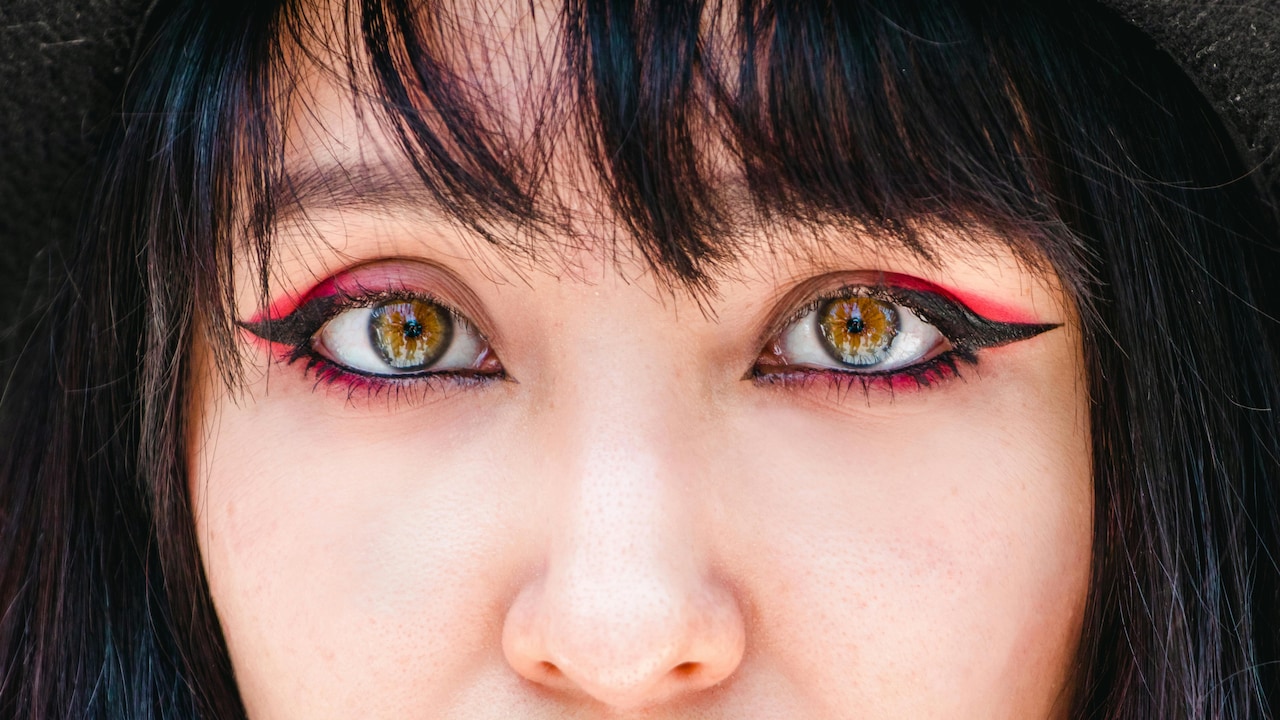
How To Fix Uneven Eyeliner: The Real Reason Your Wings Don't Match; Photo Credit: Pexels
Timing Matters More Than You Think
Rushing through eyeliner is a common habit, especially during hectic mornings. However, speed often leads to uneven lines and repeated fixes, which take more time overall.
Allowing a few extra minutes for application can make a noticeable difference. Calm, unhurried movements lead to cleaner lines and better symmetry.
Even the time of day can affect the outcome. Applying eyeliner when the eyes feel tired or dry can make precision harder. A quick blink or watery eye can smudge freshly applied liner.
Treating eyeliner as a moment rather than a task changes the experience. A steady pace, a comfortable position, and a bit of patience can transform the results entirely.
The Angle Of Your Face Changes Everything
Tilting the head too much while applying eyeliner can distort the natural shape of the eye. What looks straight in a tilted position may appear uneven when the head returns to its normal angle.
Keeping the face relaxed and looking straight ahead helps maintain consistency. Slight adjustments are fine, but extreme angles can create misleading lines.
Checking both eyes in a neutral position ensures the wings align properly. It's a simple step that often gets overlooked.
The face tells a different story depending on the angle. Understanding this helps avoid surprises once the makeup is complete.
The Fix Nobody Talks About: Mapping Before Drawing
The most overlooked trick in eyeliner application is mapping. Instead of diving straight into drawing, marking key points creates a guide for symmetry.
A tiny dot at the outer corner can indicate where the wing should end. Another dot along the lash line can guide thickness. Connecting these points creates a more controlled shape.
This method removes guesswork and reduces the need for corrections. It turns eyeliner into a structured process rather than a spontaneous one.
Using a light hand or a soft pencil for mapping makes it easy to adjust before committing. Once the outline feels balanced, filling it in becomes effortless.
This small step can make the biggest difference, and it's rarely discussed.
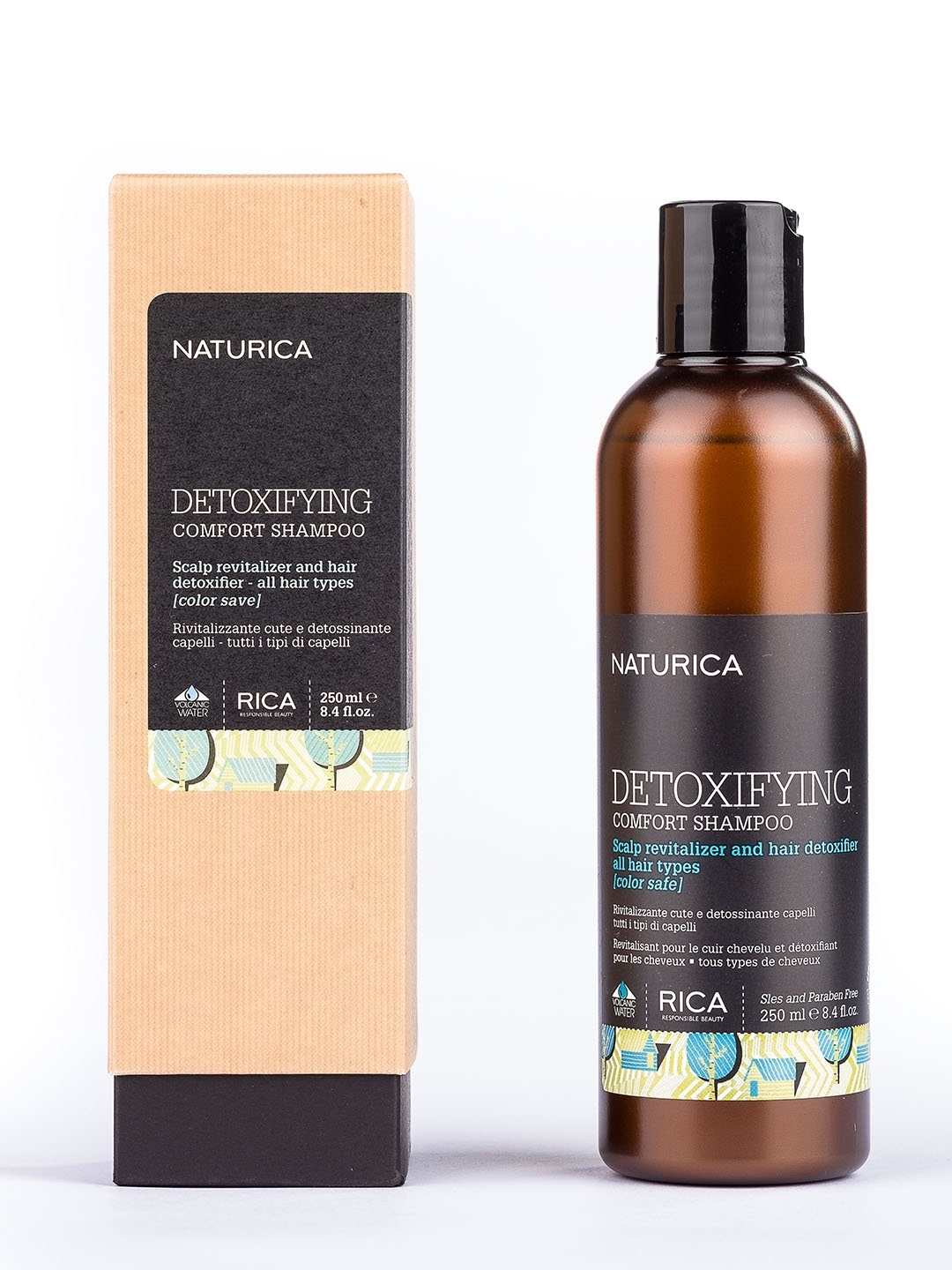
Products Related To This Article
1. MAYBELLINE NEW YORK Colossal Eyeliner 3 ml (Bold Black)
2. FACES CANADA Magneteyes Liquid Eyeliner | Natural Black Finish | Long Lasting | Quick Drying 3.5 ml (DEEP BLACK)
3. Lakmé 9to5 Eyeconic Liquid Eyeliner Intense Black 4.5 ml (Black)
4. Pilgrim Oh the Drama! Black Scandal Intense Matte Eyeliner 3.5 ml (Black Scandal)
5. SUGAR POP Matte Finish Eyeliner Upto 24 Hrs wear|Smudge-Proof Pencil, Water-Resistant, 4.5 ml (Black)
Eyeliner symmetry has long been treated as a matter of skill, but the truth runs deeper. It's a blend of anatomy, perception, tools, and habits. Chasing identical wings on naturally different eyes often leads to frustration.
Shifting the focus from perfection to balance changes the entire experience. Understanding eye shape, adjusting techniques, and embracing small differences creates a more realistic and satisfying outcome.
The fix isn't a secret product or a miracle technique. It's a series of thoughtful adjustments, a bit of patience, and a willingness to work with natural features rather than against them.
In the end, eyeliner isn't about flawless symmetry. It's about enhancing what's already there, with confidence, creativity, and just the right amount of imperfection.
(Disclaimer: This article may include references to or features of products and services made available through affiliate marketing campaigns. NDTV Convergence Limited (“NDTV”) strives to maintain editorial independence while participating in such campaigns. NDTV does not assume responsibility for the performance or claims of any featured products or services.)