ENC and ANC Explained: How to Pick Earphones for Crystal-Clear Calls
Pick earphones that make calls sound sharp, not muffled. Learn what ENC and ANC really do, how they differ, and what features matter most for crystal-clear calling.
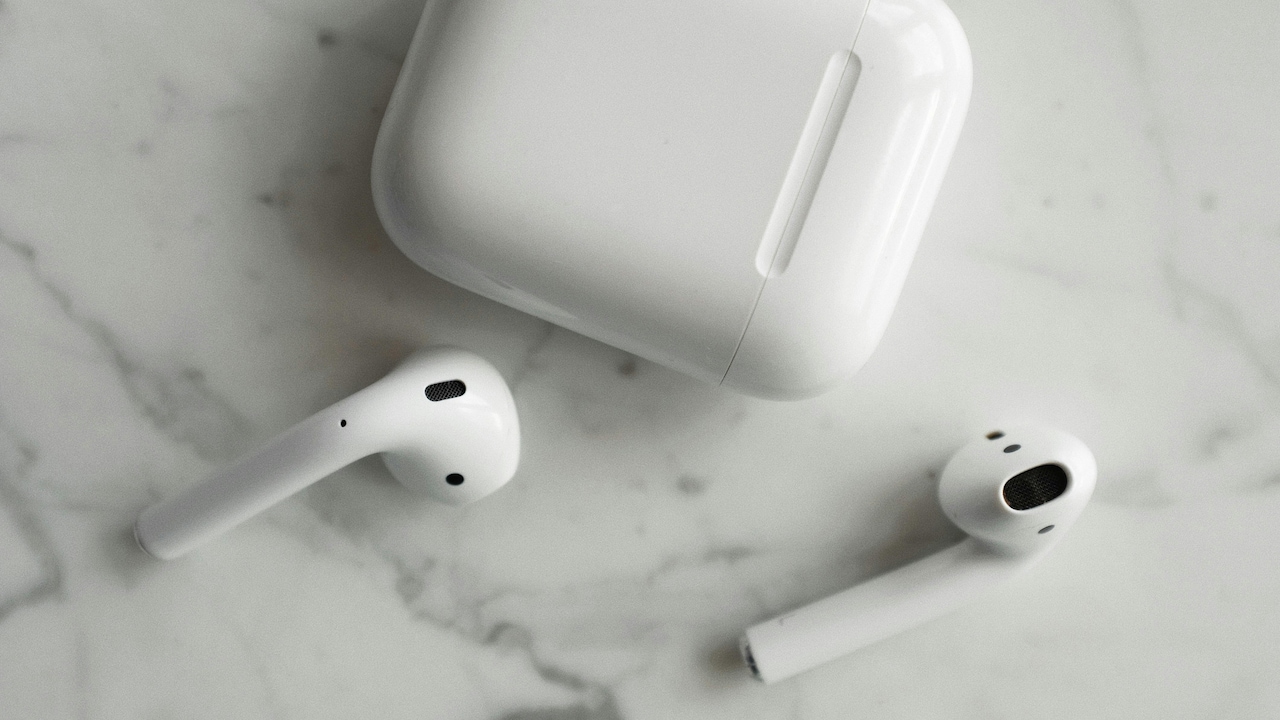
How To Pick Earphones For Crystal-Clear Calls: ENC And ANC Features Explained.
Calls today happen everywhere. A quick discussion while commuting, a long catch-up during an evening walk, or a serious meeting squeezed between errands. The challenge rarely comes from network issues alone. Background noise, poor microphones and ill-fitting earphones often ruin the experience.
Modern earphones promise clear calls, but the jargon can feel overwhelming. Terms like ENC and ANC get thrown around, often without proper explanation. Some products shine in music but fail miserably during calls. Others market noise cancellation loudly yet struggle to handle real-world chaos like honking horns or ceiling fans.
Choosing the right pair needs more than chasing discounts or brand names. It requires understanding how these technologies work, where they help and where they don't. This article breaks it all down, with practical examples, everyday scenarios and a few honest truths. No technical lectures. No marketing fluff. Just clear guidance to help calls sound natural, sharp and stress-free.

How To Pick Earphones For Crystal-Clear Calls: ENC And ANC Features Explained
Photo Credit: Pexels
What To Look For Before Buying Earphones For Clear Calls
1. Why Call Quality Deserves More Attention Than Music Specs
Most buyers focus on bass, drivers and playlists. Call quality often becomes an afterthought until that first awkward “Hello? Can you hear this?” moment. Calls demand a different skill set from earphones. Music plays one way. Calls work both ways.
During a call, earphones must capture the voice clearly while blocking out chaos. Traffic, chatter, clanging utensils and even wind can creep in. Poor microphones amplify these distractions. The listener hears noise louder than words, which quickly leads to frustration.
Good call quality also reduces fatigue. Straining to hear or repeating sentences drains energy. Clear calls feel effortless and more natural. This matters even more during long conversations or back-to-back meetings.
Many budget earphones deliver decent sound but cut corners on microphones. Spending a bit more on call-focused features often makes a noticeable difference. Even an extra ₹1,000 can separate a clear conversation from a messy one. Prioritising call quality transforms daily communication, especially in busy urban settings.
2. Understanding ENC: The Unsung Hero of Clear Calls
ENC, or Environmental Noise Cancellation, focuses entirely on calls. Unlike flashy features, it quietly works in the background to clean up the voice. ENC uses dedicated microphones to detect surrounding noise and filters it out before transmitting the voice.
Imagine taking a call near a roadside tea stall. Cups clink, scooters zoom past, and conversations overlap. ENC identifies these unwanted sounds and suppresses them. The voice remains front and centre.
The best part about ENC lies in its practical value. It doesn't try to silence the world for the listener. Instead, it ensures the person on the other end hears clear speech. This makes ENC especially useful for work calls, interviews and important conversations.
Earphones with dual or quad microphone setups usually handle ENC better. More microphones mean better noise detection. Many models under ₹3,000 now offer decent ENC, making it accessible without breaking the bank. When call clarity tops the priority list, ENC deserves serious attention.
3. ANC Explained: Helpful, But Often Misunderstood
ANC, or Active Noise Cancellation, often steals the spotlight. It reduces external noise for the listener, not the caller. Tiny microphones pick up ambient sounds and generate opposing sound waves to cancel them out.
ANC shines during travel. The engine hums, the fan noise and constant low-frequency sounds fade away. Calls feel calmer because distractions are reduced. However, ANC doesn't directly improve how the voice sounds to others.
Many people assume ANC equals better call quality. That's only half true. ANC helps focus on the conversation, but doesn't clean the outgoing voice. Without a strong ENC, the caller might still sound distant or noisy.
Some earphones balance both technologies well. Others focus heavily on ANC for music and travel. Knowing this difference avoids disappointment. ANC works best as a comfort feature rather than a call-quality solution. It complements ENC but doesn't replace it.
4. ENC vs ANC: Knowing What Actually Matters for Calls
ENC and ANC serve different purposes, yet marketing often blurs the line. For calls, ENC does the heavy lifting. ANC improves personal listening comfort.
Picture a call taken from a balcony overlooking a busy street. ANC reduces traffic noise in the ears. ENC ensures the voice cuts through clearly for the listener. Without ENC, the caller hears well but sounds terrible.
This distinction helps you choose wisely. Someone attending frequent online meetings should prioritise ENC. A daily commuter who takes occasional calls may benefit from both.
Hybrid models combine ENC for calls and ANC for listening. These cost more but offer flexibility. Budget models often advertise ANC but skip strong ENC, which hurts call quality.
Reading specifications carefully helps. Look for phrases like “dual-mic ENC” or “AI call noise reduction.” These hint at call-focused design. For crystal-clear conversations, ENC remains non-negotiable.
5. Microphone Placement and Count: Small Details, Big Impact
Microphones define call quality more than drivers. Their placement affects how well they capture speech and block noise. Earphones with microphones closer to the mouth usually perform better.
Stem-style earbuds often handle calls better than compact buds. The stem brings the microphone closer, improving voice pickup. This explains why many professionals prefer this design for calls.
The number of microphones also matters. Single-mic setups struggle in noisy environments. Dual-mic or quad-mic configurations separate voice from noise more effectively.
Some earphones use beamforming technology, which focuses on the direction of the voice. This sharpens clarity even in unpredictable surroundings.
Checking microphone specs may feel tedious, but it pays off. Clear calls depend on how well the earphones hear the speaker, not just how they sound during music.
6. Fit and Comfort: Often Ignored, Always Important
Even the smartest technology fails with a poor fit. Loose earphones allow external noise to leak in, reducing both ENC and ANC effectiveness. A secure fit improves isolation naturally.
Silicone tips come in different sizes for a reason. Using the right size creates a seal, which enhances call clarity and listening comfort. Foam tips provide even better isolation but may feel warmer.
Comfort matters during long calls. Pressure points distract and cause frequent adjustments. Each adjustment introduces noise into the microphone, which the listener hears.
Lightweight designs reduce fatigue. Earhooks or stabilisers help during movement. A good fit keeps the microphone steady, improving consistency during calls.
Trying different tip sizes and styles transforms the experience. A perfect fit makes even mid-range earphones perform better during calls.
7. Battery Life and Call Performance Go Hand in Hand
Battery performance affects call quality more than expected. Low battery levels can weaken noise cancellation and microphone performance. Calls start sounding thin or distorted.
Earphones with at least five to six hours of call time handle daily use comfortably. Charging cases add convenience, especially during long days out.
Fast charging also helps. A quick 10-minute top-up that delivers an hour of talk time can save important calls. This feature proves useful during unexpected meetings.
Some earphones reduce ANC or ENC automatically when the battery drops. This extends usage but affects call clarity. Checking real-world battery reviews gives a clearer picture than box claims.
Reliable battery performance ensures consistency. Calls should sound just as clear at the end of the day as they did in the morning.
8. Connectivity Stability: The Silent Call Killer
Crystal-clear microphones mean nothing if the connection drops. Stable Bluetooth plays a vital role in call quality. Frequent disconnections, lag or distortion disrupt conversations.
Bluetooth 5.0 and above offer better range and stability. It handles crowded wireless environments more effectively. This matters in offices, apartments and public places.
Low-latency connections keep conversations natural. Delays cause people to talk over each other, leading to awkward pauses.
Some earphones struggle with multi-device switching. Calls drop when switching from phone to laptop. Seamless switching improves productivity.
A stable connection feels invisible. That's the goal. When calls flow smoothly without technical hiccups, the earphones do their job quietly and efficiently.
9. Call Quality in Real Life: Beyond Lab Claims
Spec sheets tell one story. Real-world usage tells another. Wind noise, sudden sounds and uneven environments test earphones daily.
Good ENC adapts quickly. Sudden horns or barking dogs should fade into the background. Voices should remain steady, not robotic.
Wind noise poses a big challenge. Some earphones include wind-noise reduction, which helps during outdoor calls. This feature proves useful during walks or balcony chats.
Testing earphones during actual calls reveals more than any demo. Friends or colleagues provide honest feedback. If they ask fewer “Can you repeat that?” questions, the earphones pass the test.
Real-world performance separates good products from great ones. Practical testing matters more than impressive claims.

How To Pick Earphones For Crystal-Clear Calls: ENC And ANC Features Explained
Photo Credit: Pexels
10. Balancing Budget and Features Without Regret
Great call quality no longer demands premium prices. Many reliable options exist between ₹2,000 and ₹5,000. Understanding priorities helps avoid overspending.
ENC should top the list. Decent microphones come next. ANC adds comfort but remains optional for call-focused users.
Avoid paying extra for features that don't support calls directly. Touch controls, flashy apps and extreme bass don't improve conversations.
Mid-range earphones often hit the sweet spot. They balance features without cutting corners. Spending wisely ensures satisfaction without buyer's remorse.
Smart choices come from clarity, not impulse. Knowing what truly matters keeps both ears and wallet happy.
Products Related To This Article
1. Boat Nirvana Ion ANC, Active Noise Cancellation(~32dB), 120Hrs Battery
2. OnePlus Bullets Wireless Z3 in-Ear Neckband with 12.4mm Drivers
3. Amazon Basics Pro Series Wireless Noise Cancelling ANC Over Ear Headphone
4. soundcore V20I by Anker Open Ear Headphones
5. JBL Live Pro 2 Premium in Ear Wireless TWS Earbuds, ANC Earbuds
Clear calls bring confidence. They reduce stress, save time and improve communication. In a world filled with noise, the right earphones create a calm bubble for conversations.
ENC plays the starring role. ANC supports comfort. Microphones, fit, battery and connectivity complete the package. Each element contributes to the overall experience.
Choosing wisely doesn't require technical expertise. It requires awareness of real needs and honest priorities. When calls sound natural and effortless, technology fades into the background.
That's when earphones truly earn their place in everyday life.
(Disclaimer: This article may include references to or features of products and services made available through affiliate marketing campaigns. NDTV Convergence Limited (“NDTV”) strives to maintain editorial independence while participating in such campaigns. NDTV does not assume responsibility for the performance or claims of any featured products or services.)