Sound Leakage Issues? How To Picks Over-Ear Headphones That Contain Audio Better
Struggling with sound leakage from your headphones? Discover how to choose over-ear models that keep audio contained, ensuring private listening without disturbing those around you.
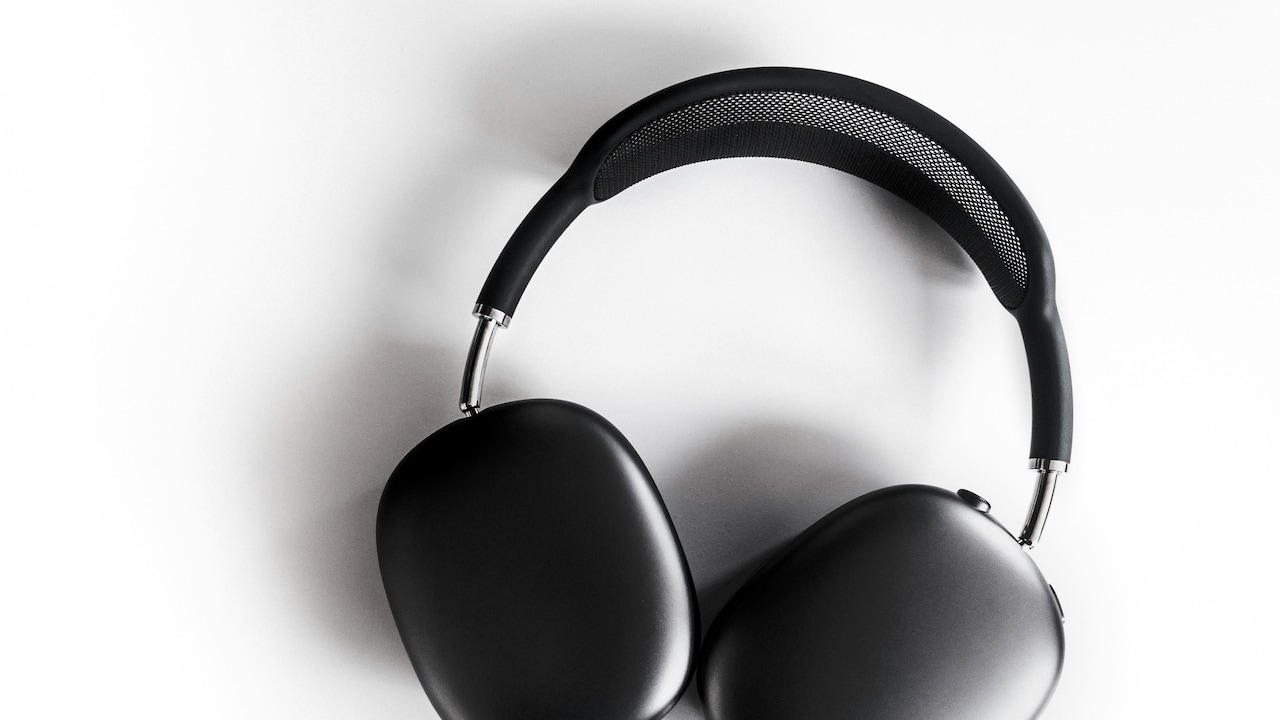
How To Choose Over-Ear Headphones That Prevent Sound Leakage Effectively
Picture this: a packed local train, evening rush, someone nodding along to music. Suddenly, a faint beat escapes those headphones. Within seconds, fellow passengers exchange glances. Not exactly the vibe anyone hopes for. Sound leakage remains one of the most overlooked aspects of headphone buying. People focus on bass, brand, and Bluetooth features, yet forget the simple question: Who else can hear this? Over-ear headphones promise immersion, but not all models deliver on that promise. Choosing the right pair is not just about better sound. It is about privacy, courtesy, and comfort in everyday life. Whether studying late at night, working in a shared office, or binge-watching a series at home, good containment makes all the difference. This article dives into the subtle art of picking over-ear headphones that keep audio locked in. No jargon-heavy lectures, just practical insights with a conversational touch.
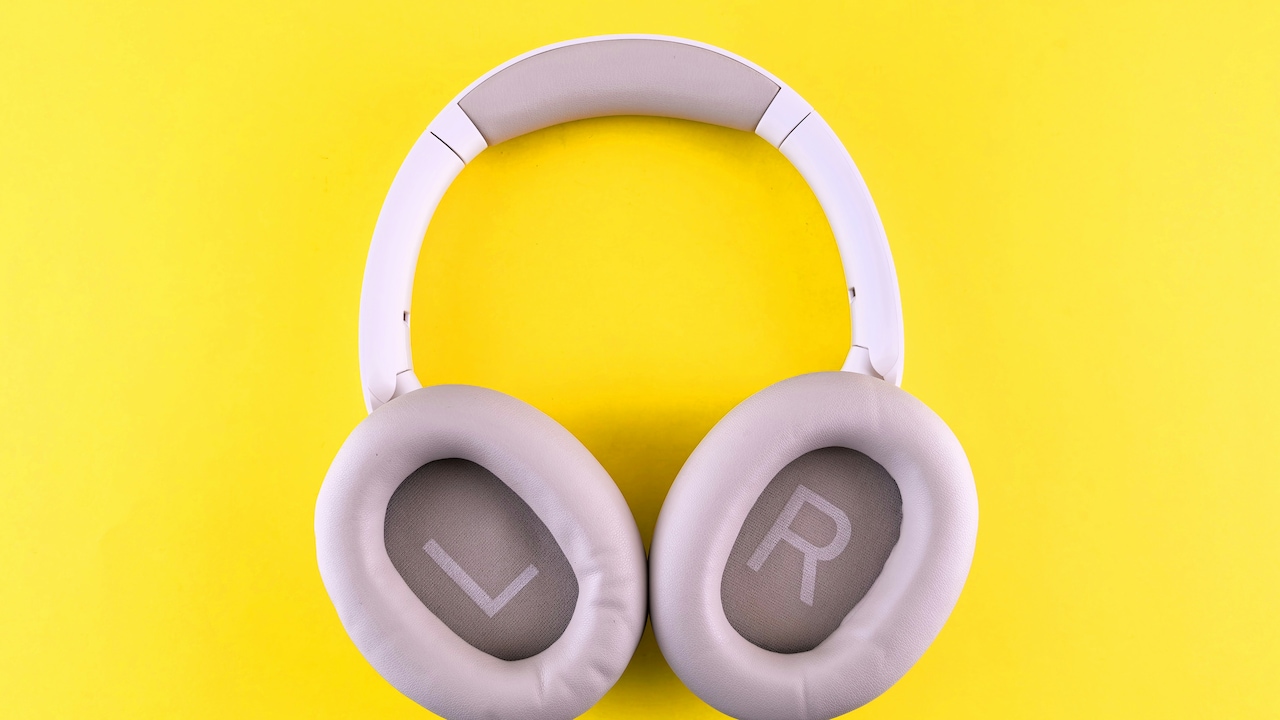
Sound Leakage Issues? How To Picks Over-Ear Headphones That Contain Audio Better
Photo Credit: Pexels
Key Factors To Consider Before Buying Over-Ear Headphones
Understanding Why Sound Leakage Happens
Sound leakage sounds like a technical flaw, but it often comes down to simple design choices. Headphones produce sound waves, and if the earcups fail to seal properly, those waves escape into the surrounding space.
Open-back headphones, for instance, intentionally allow airflow. They create a wider, more natural soundstage. That feels magical during a quiet evening, but in a shared environment, it turns into a mini speaker system. Even closed-back designs can leak if the padding is poor or the fit feels loose.
Another overlooked factor is volume. Crank the sound high enough, and even the best headphones struggle to contain it fully. That late-night playlist suddenly becomes a neighbourhood event.
The shape of the listener's head and ears also plays a role. Not every pair fits every person perfectly. A small gap near the jawline or temple can let sound slip out quietly but consistently.
Understanding leakage is the first step. It is not always about buying the most expensive model. It is about recognising how design, fit, and habits combine to either trap sound or let it wander freely.
Closed-Back Design Makes A Noticeable Difference
Closed-back headphones often stand as the first line of defence against sound leakage. Unlike open-back models, they feature solid earcups that block sound from escaping and external noise from entering.
This design works particularly well in everyday situations, busy commutes, shared workspaces, or late-night listening sessions. The sealed structure keeps the music contained, allowing users to enjoy every detail without broadcasting it.
However, not all closed-back headphones perform equally. Some cheaper models claim to be closed-back but use thin materials that fail to contain sound effectively. A quick test often reveals the truth: if someone sitting nearby can identify the song, containment is not doing its job.
Closed-back designs also tend to emphasise bass slightly more. That adds a punchy feel, which many listeners enjoy. Yet, balance matters. Overly boosted bass can create vibrations that subtly increase leakage.
A good closed-back pair strikes harmony. It keeps sound locked in while delivering clarity and depth. That balance turns casual listening into a more immersive and private experience.
Ear Cushion Quality Is Not Just About Comfort
Soft, plush ear cushions may feel like a luxury, but they serve a far more important purpose. They create the seal that prevents sound from escaping.
Memory foam cushions tend to perform better than standard padding. They mould to the shape of the ears and head, reducing gaps where sound might leak. A snug fit without discomfort makes a noticeable difference.
Material also matters. Leather or faux leather cushions often provide better isolation compared to fabric ones. Fabric may feel breathable, especially in warm weather, but it can allow more sound to seep through.
Wear and tear should not be ignored either. Over time, cushions flatten and lose their sealing ability. That favourite pair bought for ₹3,000 might slowly turn into a leaky companion after a year of heavy use.
Investing in good-quality ear cushions, or replacing them when needed, keeps performance consistent. Comfort and sound containment go hand in hand. A well-sealed earcup feels better and sounds better, making it a win on both fronts.
Clamping Force Plays A Subtle Yet Crucial Role
The term “clamping force” might sound intimidating, but it simply refers to how tightly headphones press against the head. Too loose, and sound escapes. Too tight, and comfort takes a hit.
A balanced clamping force ensures the earcups stay firmly in place without causing fatigue. This balance helps maintain a proper seal, which directly reduces sound leakage.
Many people overlook this factor during quick store trials. Five minutes of testing rarely reveals long-term comfort or performance. After an hour, a loose fit becomes more noticeable, especially when the head moves slightly.
Headphones designed with adjustable bands tend to perform better in this area. They allow users to fine-tune the fit based on personal comfort. Some premium models even use flexible materials that adapt naturally to head shape.
The right clamping force feels secure but not restrictive. It holds the music close without making the listener feel trapped. That subtle pressure makes a surprising difference in keeping sound contained.
Active Noise Cancellation Helps More Than Expected
Active Noise Cancellation, often shortened to ANC, is usually marketed as a way to block outside noise. However, it also contributes to reducing sound leakage indirectly.
When external noise fades away, there is less need to increase volume. Lower volume means less sound escaping from the headphones. This simple relationship often goes unnoticed.
ANC technology works by creating sound waves that cancel out ambient noise. The result feels almost like stepping into a quieter world. In such an environment, even softer audio levels feel rich and detailed.
That said, not all ANC systems perform equally. Some cheaper versions create a faint hiss or struggle with certain frequencies. A good implementation enhances the listening experience without introducing distractions.
For those who often travel or work in noisy environments, ANC offers dual benefits. It keeps outside noise out and keeps personal audio in. That combination adds both comfort and privacy to everyday listening.
Also Read: 5 Noise-Cancelling Headphones That Actually Work In Traffic And Flights
Build Quality Reflects Long-Term Sound Containment
A headphone's build quality tells a story. It reveals how well the device will perform over time, including its ability to contain sound.
Sturdy materials, well-fitted joints, and solid earcup construction reduce unwanted vibrations. Cheap plastic designs may flex or develop tiny gaps, allowing sound to leak out gradually.
Durability also affects consistency. A well-built pair maintains its seal even after months of use. Hinges stay firm, earcups remain aligned, and padding holds its shape longer.
Weight plays a role as well. Lightweight designs feel comfortable, but extremely light models sometimes compromise on structure. A slightly heavier build often signals better materials and stronger construction.
Spending a bit more upfront, say around ₹5,000 instead of ₹2,000, can make a noticeable difference in longevity and performance. A durable pair not only lasts longer but also keeps sound contained more effectively over time.
Fit And Size Matter More Than Brand Names
Brand names often dominate conversations, but fit matters far more when it comes to sound leakage. A well-known brand does not guarantee a perfect seal.
Different models cater to different head shapes and sizes. Some earcups feel spacious, while others sit snugly. Trying headphones before buying, when possible, helps identify the right match.
Over-ear headphones should fully cover the ears without pressing awkwardly. If the ears touch the inner padding, discomfort builds quickly, and the seal weakens.
Glasses can also affect fit. The arms of the spectacles create small gaps between the earcups and the head. Some headphones handle this better than others, depending on cushion flexibility.
A good fit feels natural. It stays secure during movement and does not require constant adjustment. When headphones sit just right, sound remains where it belongs, inside the listener's world.
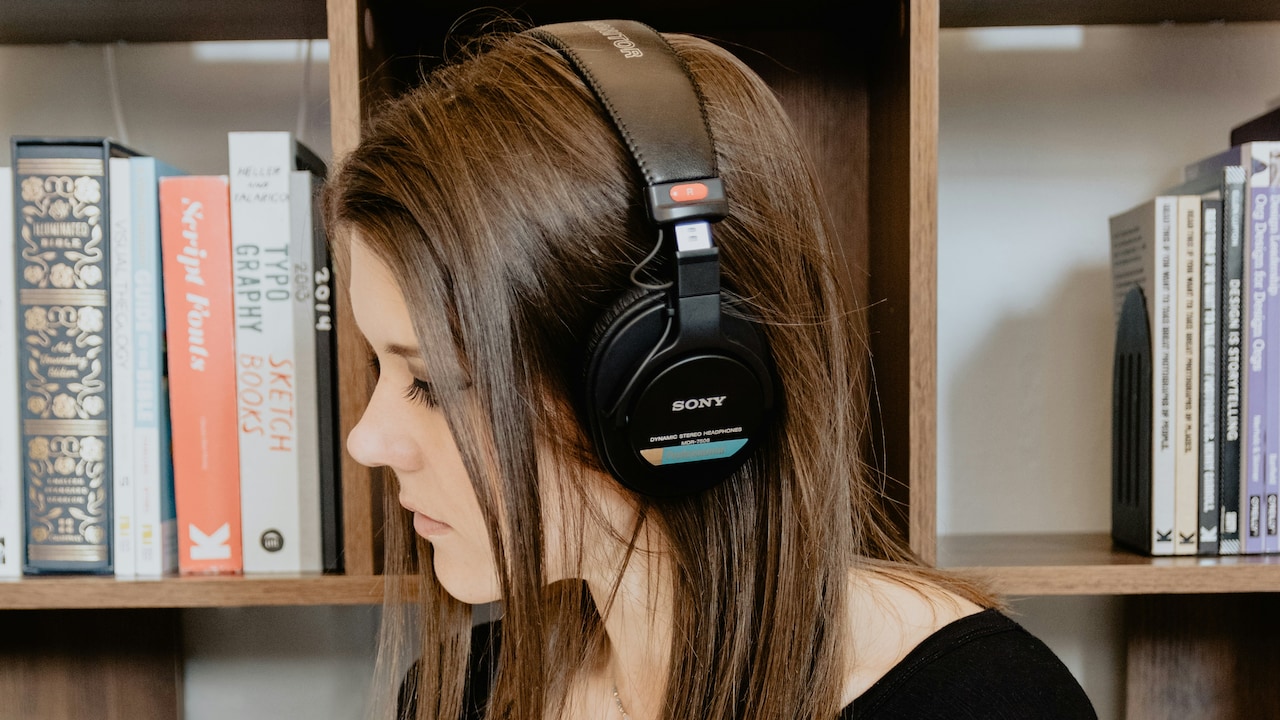
Sound Leakage Issues? How To Picks Over-Ear Headphones That Contain Audio Better
Photo Credit: Pexels
Wired Vs Wireless: Does It Affect Leakage?
The debate between wired and wireless headphones often focuses on convenience, but sound leakage can also vary between the two.
Wired headphones generally offer more consistent audio output. They avoid compression, which can sometimes affect how sound behaves within the earcups. However, leakage largely depends on design rather than connectivity.
Wireless headphones introduce additional components like batteries and circuits. These elements can influence weight distribution and fit. A poorly balanced wireless model may sit unevenly, creating tiny gaps.
That said, modern wireless headphones have improved significantly. Many now match wired counterparts in both sound quality and containment.
The choice often comes down to lifestyle. For commuting or daily use, wireless options offer freedom. For focused listening sessions, wired models still hold a slight edge.
In terms of leakage, the key remains the same; design and fit matter far more than the presence of a cable.
Volume Discipline Is The Unsung Hero
No matter how advanced the headphones, volume control remains the simplest way to prevent sound leakage. Turning the volume up too high almost guarantees that sound will escape.
Loud listening not only disturbs others but also risks long-term hearing damage. Keeping volume at moderate levels benefits both privacy and health.
A useful trick involves the “60-60 rule.” Listen at no more than 60 per cent volume for no longer than 60 minutes at a stretch. It keeps sound clear while reducing strain on the ears.
In quieter environments, lower volume often feels more enjoyable. Details become clearer, and the listening experience feels less overwhelming.
Good headphones make it easier to follow this discipline. When sound quality is rich and balanced, there is less temptation to increase volume unnecessarily.
Sometimes, the simplest habit creates the biggest impact. Lower volume, better experience, and zero awkward glances from nearby strangers.
Price Does Not Always Equal Performance
It is tempting to assume that a higher price guarantees better sound containment. While premium models often perform well, price alone does not tell the full story.
Some mid-range headphones deliver excellent isolation at around ₹4,000 to ₹7,000. Meanwhile, certain expensive models focus more on style or branding than practical performance.
Reading reviews, testing fit, and understanding features matter more than chasing price tags. A well-chosen budget pair can outperform a poorly chosen premium one.
Sales and festive offers also make a difference. That ₹10,000 model might drop to ₹6,500 during a major sale, making it a far better deal.
Smart buying involves patience and research. It ensures value for money without compromising on sound containment.
At the end of the day, the goal remains simple: keep the music personal and enjoyable without turning it into a public performance.
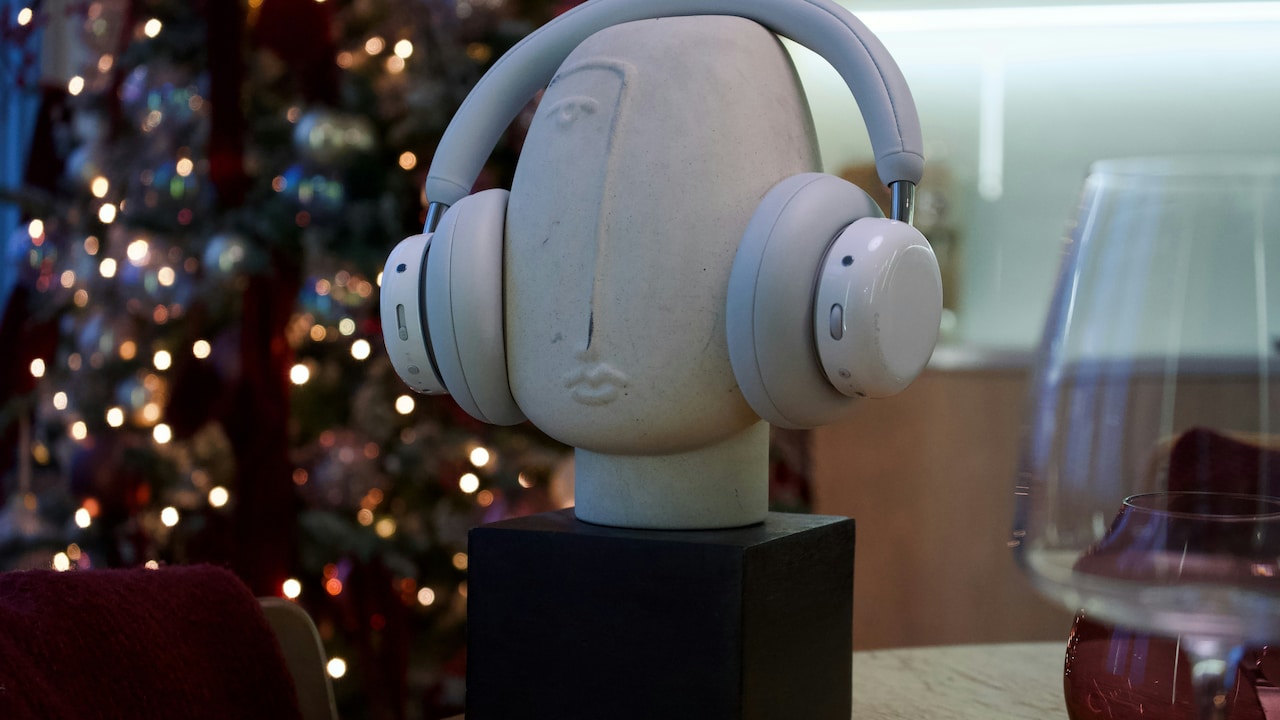
Sound Leakage Issues? How To Picks Over-Ear Headphones That Contain Audio Better
Photo Credit: Pexels
Products Related To This Article
1. Noise Master Buds Max, Sound by Bose Wireless Over-Ear Headphones
2. Boat Rockerz 650 Pro (2025 Launch)
3. Sony WH-CH520 Wireless Bluetooth Headphones On Ear with Mic
4. GOBOULT Mustang Thunder Bluetooth Headphones with Upto 70H Playtime
5. JBL Tune 770NC Wireless Over Ear ANC Headphones with Mic, Upto 70 Hrs Battery
Sound leakage may seem like a minor issue, but it shapes everyday listening experiences more than expected. It affects privacy, comfort, and even how others perceive shared spaces.
Choosing the right over-ear headphones involves more than scanning specifications. It requires attention to design, fit, materials, and personal habits. From closed-back construction to cushion quality and volume control, each factor plays a role.
The good news? Finding the right pair does not demand endless technical knowledge. A bit of awareness and thoughtful selection goes a long way.
In a world filled with constant noise, personal audio offers a small escape. The right headphones ensure that escape stays truly personal, no accidental concerts, no awkward moments, just pure, uninterrupted sound.
(Disclaimer: This article may include references to or features of products and services made available through affiliate marketing campaigns. NDTV Convergence Limited (“NDTV”) strives to maintain editorial independence while participating in such campaigns. NDTV does not assume responsibility for the performance or claims of any featured products or services.)