Using Multiple Gadgets on One Power Extension: Myths, Risks And Safety Facts
Power extensions are part of everyday life, yet myths around overload, fire risk and power loss persist. This article separates fact from fiction and explains how to use multiple gadgets safely without fear or confusion.
Using Multiple Gadgets on One Power Extension: Common Myths And Safety Facts.
A familiar scene plays out in many homes. One wall socket. Five gadgets. A power extension working overtime like a dutiful employee who never complains. Phones charge overnight, laptops hum through workdays, and Wi-Fi routers blink endlessly. Somewhere between a power cut and a neighbour's scary story about burnt wires, anxiety creeps in.
Power extensions often get blamed for everything, from short circuits to mysterious electricity bills. Some fears come from real risks. Others grow from myths passed down with dramatic flair. Understanding the difference matters, especially in homes where space runs tight and sockets feel scarce. This article breaks down 10 common myths around using multiple gadgets on one power extension.
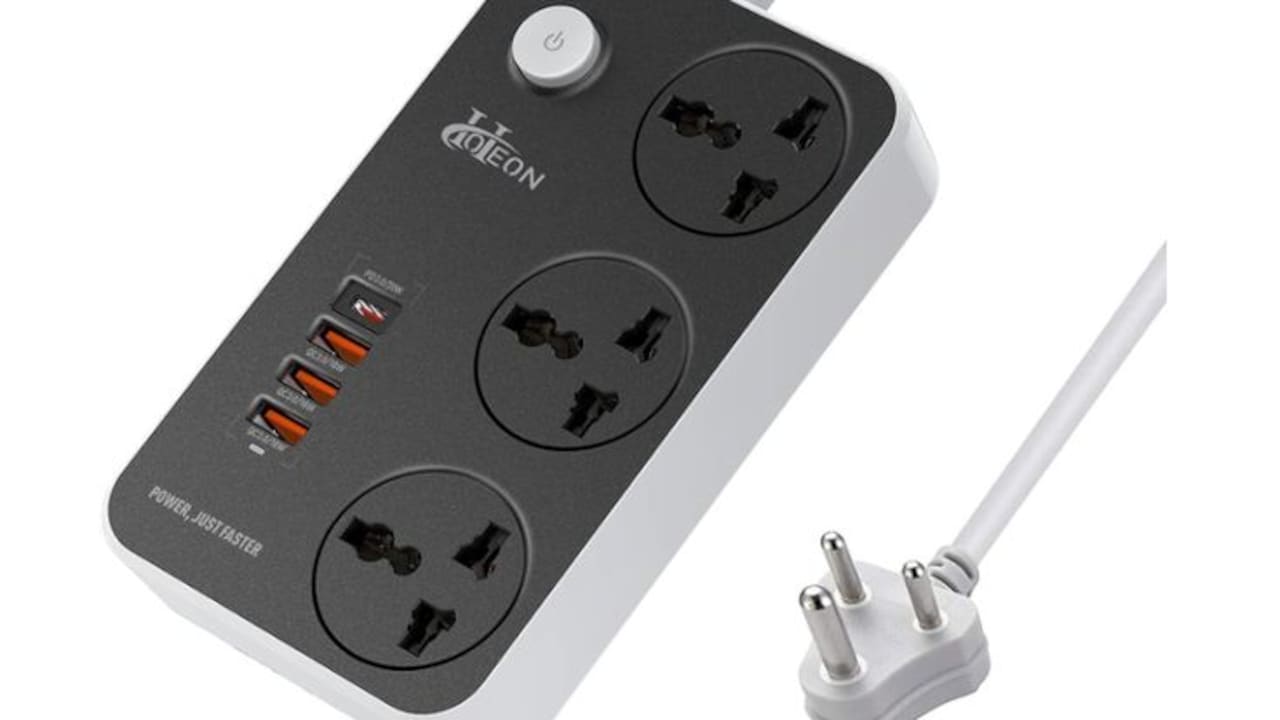
Using Multiple Gadgets on One Power Extension: Common Myths And Safety Facts.; Photo Credit: Pexels
Before You Unplug Everything in Panic, This Is What You Should Know
1. Myth: Plugging Many Devices Automatically Causes a Fire
This belief sparks panic faster than a tripped fuse. The truth feels calmer. A power extension does not catch fire simply because many gadgets connect to it. Trouble begins when the total load crosses what the extension can safely handle.
Most household extensions support around 10 amps, which translates to roughly 2200 watts. A phone charger uses barely 5–10 watts. A laptop takes about 60 watts. Even a Wi-Fi router sips power gently. Ten such gadgets together still stay far below danger levels.
Problems arise when high-wattage appliances enter the picture. Electric irons, room heaters, kettles and induction cooktops demand serious power. Plugging one of these into an already crowded extension stresses the wiring. Heat builds up. Insulation weakens. That's when sparks appear.
The lesson stays simple. Count wattage, not plugs. A crowded extension full of low-power gadgets stays far safer than one lonely heater plugged in alone. Fire risk comes from overload, not numbers.
2. Myth: Power Extensions Reduce Electricity Supply to Gadgets
Many believe extensions “divide” electricity, leaving gadgets underpowered. Phones charging slowly are often blamed on the extension first. Reality tells a different story.
Electricity does not work like slices of cake. Each device draws only the power it needs. A phone charger pulls its required current regardless of how many empty sockets sit beside it. The extension merely acts as a pathway, not a distributor that rations energy.
Slow charging usually points to weak chargers, worn-out cables or ageing phone batteries. Cheap extensions with thin internal wires may cause a voltage drop, but good-quality ones deliver power consistently.
Think of the extension as a road, not a ration shop. A wide, well-built road allows smooth traffic. A narrow, damaged one causes delays. Choosing a sturdy extension solves most “power loss” complaints instantly.
Also Read: More Sockets, Less Hassle With Extension Boards For Everyday Needs
3. Myth: Leaving Extensions Plugged In Wastes Electricity
This myth enjoys popularity during monthly bill discussions. Someone always suggests unplugging extensions to “save units”. The numbers, however, tell a modest story.
An empty extension consumes no electricity on its own. Even those with indicator lights draw an almost negligible amount, far less than ₹10 worth of power over an entire year. Compared to refrigerators or air conditioners, this usage barely registers.
What does matter is what stays plugged into the extension. Chargers left connected without devices can draw small standby power. Smart TVs and speakers in sleep mode also sip electricity silently.
The sensible approach focuses on unplugging gadgets, not obsessing over the extension itself. Switching off the extension switch when not in use offers peace of mind but does not dramatically slash bills. Blaming extensions for high electricity costs misses the real culprits.
4. Myth: All Power Extensions Offer the Same Safety Level
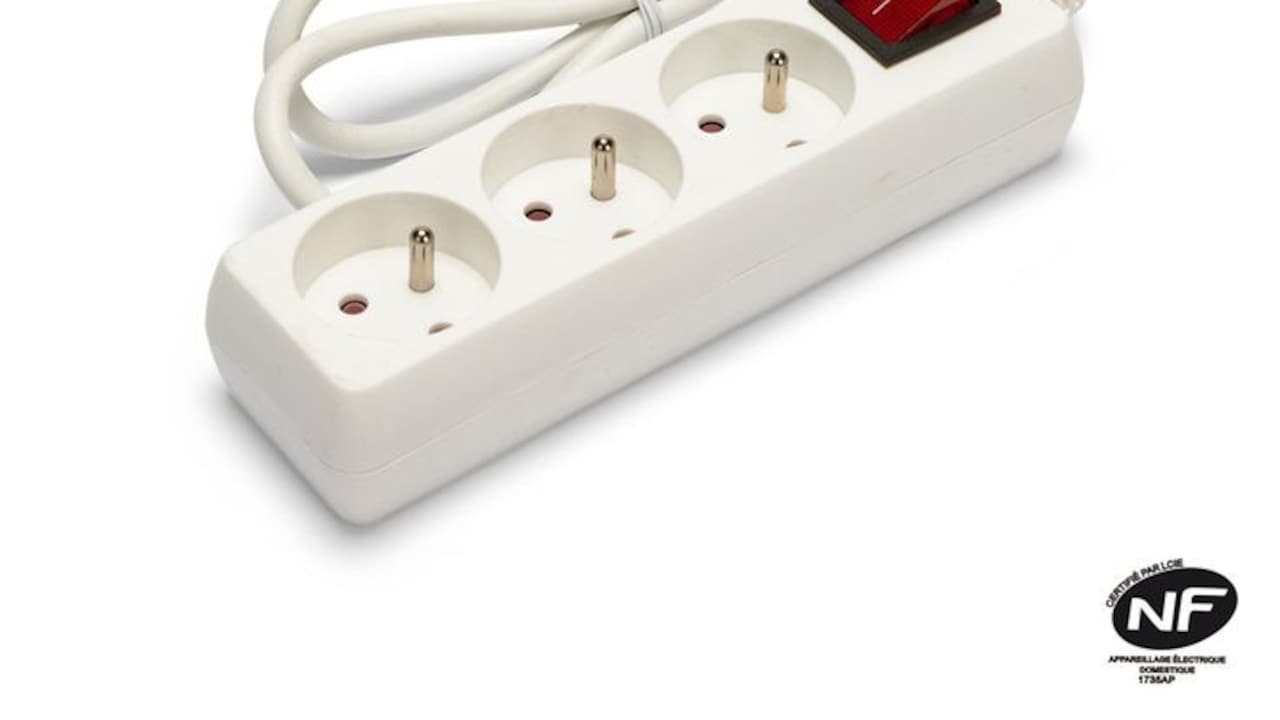
At a glance, extensions look alike. White plastic. Multiple sockets. A red switch, maybe. Inside, though, quality varies wildly.
Low-cost extensions often use thin copper wires, poor insulation and loose socket fittings. They heat up faster and wear out sooner. Premium extensions include thicker wiring, heat-resistant materials and sometimes surge protection.
A ₹250 extension from a roadside stall cannot compete with a ₹1,200 branded one built for heavy use. The price difference buys safety, not luxury. Many fires linked to extensions trace back to substandard build quality.
A quick check helps. Look for ISI marking. Feel the extension after long use. Warm is acceptable. Hot signals trouble. Safety begins with choosing the right product, not assuming all extensions behave the same.
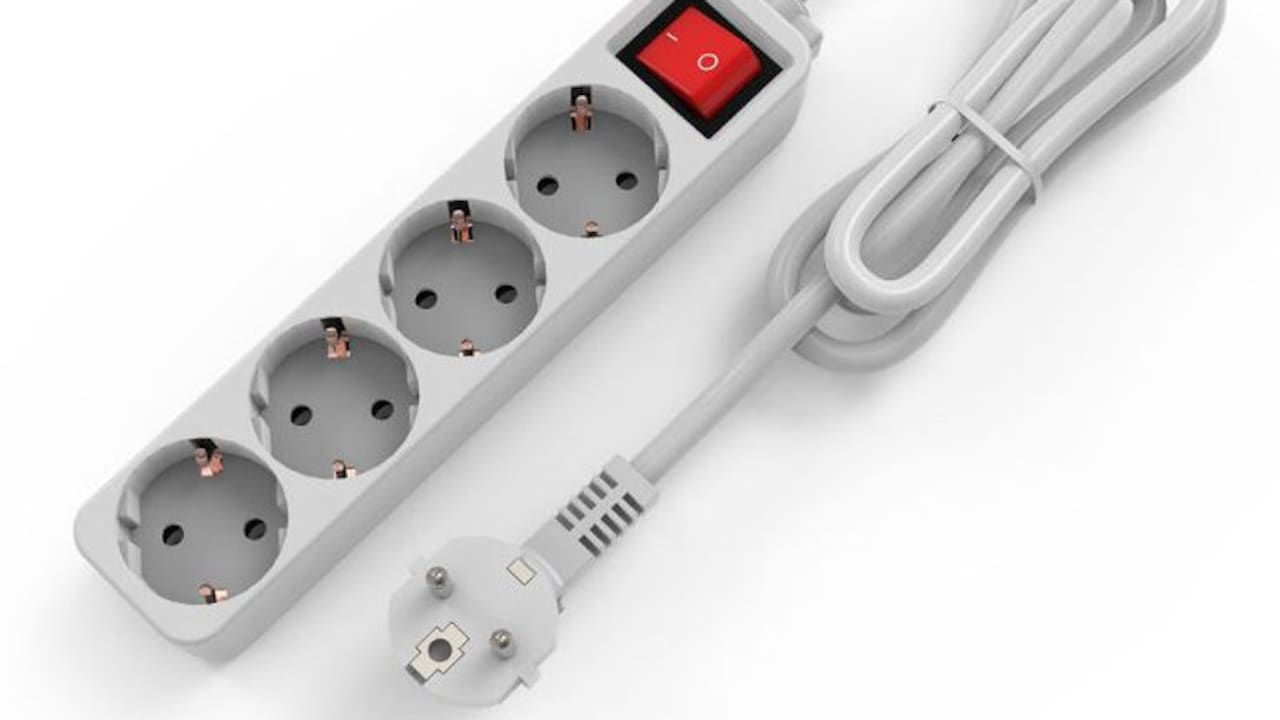
Using Multiple Gadgets on One Power Extension: Common Myths And Safety Facts.; Photo Credit: Pexels
5. Myth: Extension Boards Should Never Be Used for Long Hours
Some warnings claim extensions suit only short-term use. Office desks, however, tell a different story. Computers, monitors and routers stay plugged into extensions for months without incident.
Long usage alone does not cause danger. Heat and load do. A properly rated extension handles continuous low-to-medium loads comfortably. Problems surface when ventilation suffers, or heavy appliances join the mix.
Placing extensions under carpets, behind curtains or inside closed cabinets traps heat. Over time, insulation weakens. That's where risk grows, not from duration.
Treat extensions like appliances. Give them breathing space. Keep them clean. Replace them if wires fray or sockets loosen. With care, long hours pose no issue at all.
6. Myth: Surge Protectors Eliminate All Electrical Risks
Surge-protected extensions enjoy superhero status. Many assume they block every possible danger. While helpful, they do not perform miracles.
Surge protectors guard against voltage spikes caused by lightning or grid fluctuations. They protect sensitive electronics like laptops and TVs. They do not prevent overload, overheating or poor wiring issues.
Plugging a heater into a surge-protected extension still risks disaster. The surge protector may stay helpless while wires heat up dangerously.
Think of surge protection as a seatbelt. It reduces injury during sudden impact but does not excuse reckless driving. Safe load management and good wiring remain essential, surge protector or not.
7. Myth: Old Extensions Are Safe If They Still Work
Many homes keep extensions longer than mobile phones. If it switches on, it must be fine, right? Sadly, ageing tells a quieter story.
Internal wires degrade over time. Plastic insulation hardens. Metal contacts loosen. None of this shows clearly from the outside. An extension may “work” while quietly inching toward failure.
Crackling sounds, flickering power or heat build-up signal trouble. Even without signs, replacing extensions every few years makes sense, especially in high-use areas.
Spending ₹800 on a new extension costs far less than repairing damaged electronics or dealing with fire damage. Reliability fades with age, even if appearances stay convincing.
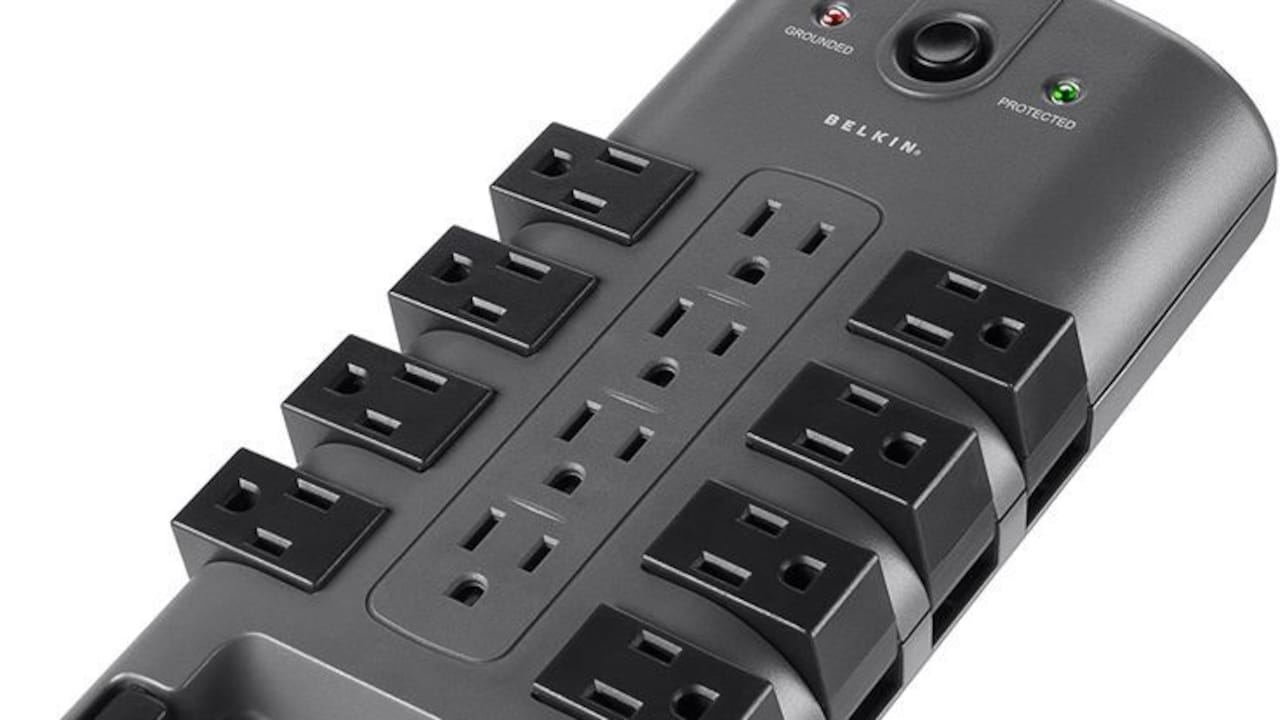
Using Multiple Gadgets on One Power Extension: Common Myths And Safety Facts.; Photo Credit: Pexels
8. Myth: Power Strips Can Handle Any Appliance One at a Time
Some assume plugging devices one by one avoids risk. That belief leads to quick mistakes. High-wattage appliances stress extensions even when used alone.
An electric iron draws around 1000–2000 watts. Many extensions max out at 2200 watts. Add poor wiring or long usage, and danger appears fast.
Manufacturers usually warn against using heaters, irons or kettles with extensions. Ignoring these warnings invites trouble.
Wall sockets handle heavy appliances better. Extensions suit electronics and small gadgets. Understanding this difference prevents many accidents before they even begin.
9. Myth: Power Extensions Cause Short Circuits Easily
Extensions often get blamed after short circuits occur nearby. In reality, short circuits usually stem from damaged wires, moisture exposure or faulty appliances.
A well-maintained extension rarely causes shorts. Problems arise when water spills near sockets, wires bend sharply, or pets chew cables. Dust accumulation also plays a sneaky role.
Regular inspection helps. Keep extensions dry. Avoid stretching wires tightly around furniture. Replace damaged cables promptly.
Short circuits feel dramatic, but most result from neglect, not from the extension's mere presence. Care beats fear every time.
10. Myth: Using Fewer Gadgets Means Absolute Safety
Reducing gadgets helps, but safety never becomes absolute. Even one faulty charger can cause overheating. Even one damaged cable can spark.
Safety depends on quality, maintenance and awareness. A single good extension with five small gadgets may be safer than two cheap ones with fewer devices.
Building safe habits matters more than counting plugs. Buy certified products. Avoid mixing heavy and light appliances. Switch off when away. Stay alert to warning signs.
Electrical safety lives in daily choices, not rigid rules. Balanced understanding replaces fear with confidence.
Products Related To This Article
1. GM 10 Amp Extension Board with 2 Metre Heavy Duty Copper Extension Cord
2. Honeywell 4 Outlet Extension Board with Master Switch
3. Portronics Power Plate 7 with 6 USB Port + 8 Power Sockets Power Strip Extension Board
4. EMBOX Cube Extension Board with USB Type C
5. D-Link Power Strip with 4 Universal Sockets with Child Security
6. Wipro Flex Box Extension Cord with 1 Universal 3 Pin Socket
7. Ambrane Extension Board, 1 Type C, 3 USB Ports, 3 International Power Sockets
Power extensions have earned their place in modern homes. They solve practical problems quietly and efficiently. Fear often surrounds them, fed by myths louder than facts. Using multiple gadgets on one extension does not invite danger by default. Overloading, poor quality, and neglect do. Understanding wattage, choosing good products, and maintaining simple habits keep homes safe.
Electricity demands respect, not panic. A little knowledge goes a long way. With the right approach, power extensions remain helpful allies rather than hidden threats, working silently in the background while life carries on uninterrupted.
(Disclaimer: This article may include references to or features of products and services made available through affiliate marketing campaigns. NDTV Convergence Limited (“NDTV”) strives to maintain editorial independence while participating in such campaigns. NDTV does not assume responsibility for the performance or claims of any featured products or services.)