Shapewear That's Too Tight: Hidden Circulation Problems You Should Not Ignore
Wearing overly tight shapewear may cause hidden circulation problems, discomfort, and tingling in your legs and waist. Learn the health red flags and safer fit tips you should never ignore while wearing shapewear.
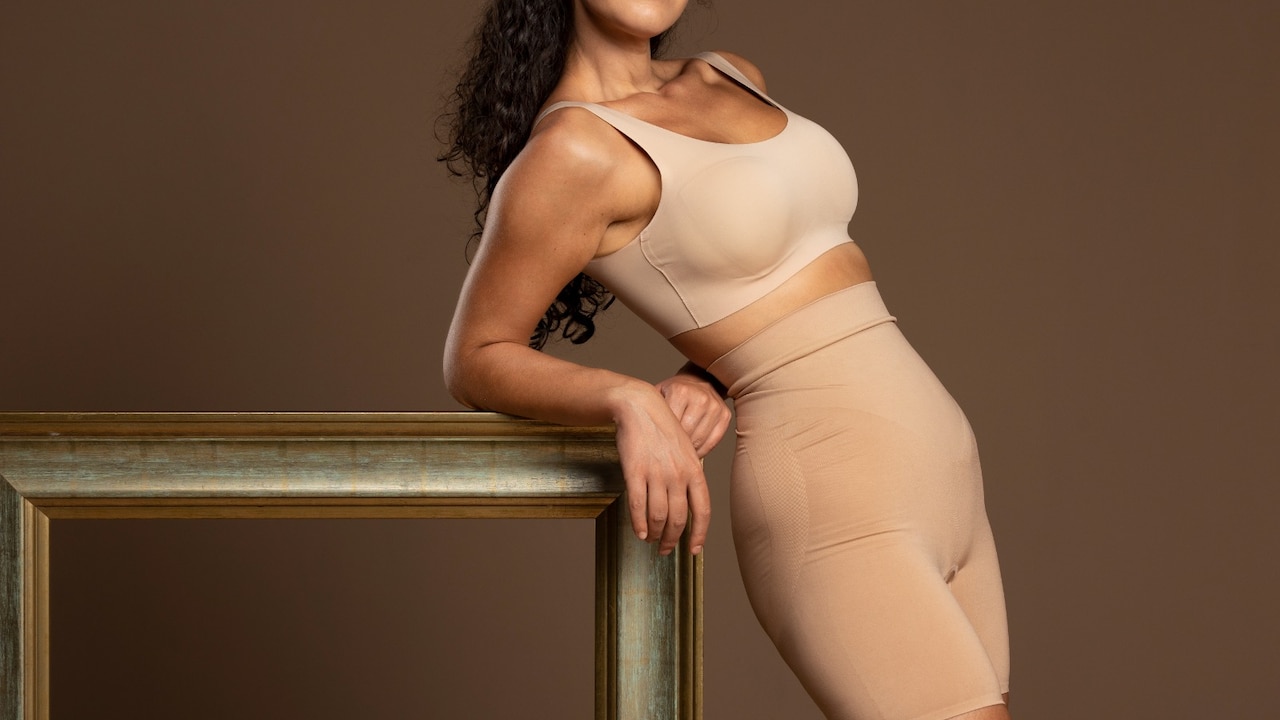
Shapewear That Compresses Too Much: Hidden Circulation Issues To Know.
Shapewear has become a wardrobe staple, especially for weddings, festive gatherings, and long workdays that roll into late dinners. The appeal feels obvious. One garment, a sleeker silhouette, and clothes that sit better. Yet beneath that polished look, excessive compression can place the body under constant pressure. Circulation keeps muscles nourished, nerves alert, and organs working smoothly. When shapewear squeezes too tightly, blood flow struggles.
This piece takes a closer look at what happens when shapewear compresses too much. So, find out circulation warning signs you must not ignore before your wear it next.
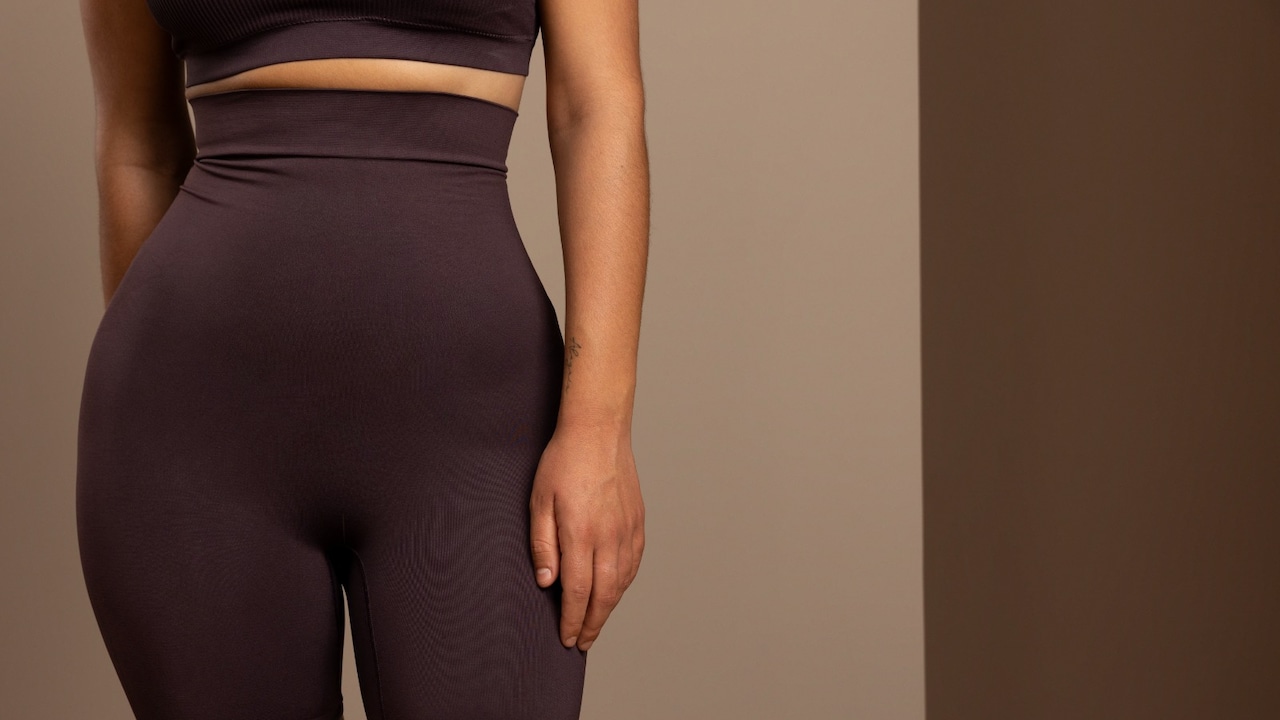
The Risks of Over-Compressing Shapewear and How It Impacts Circulation; Photo Credit: Pexels
How Excessive Compression Affects The Body From Within
1. Restricted Blood Flow: When Style Slows Circulation
Blood vessels need space to expand and contract. Excessively tight shapewear presses down on these vessels, especially around the waist, thighs, and hips. Reduced blood flow often shows up as cold feet, tingling legs, or a dull ache after hours of sitting or standing.
Long ceremonies and packed metro rides can make this worse. The body tries to adapt, yet prolonged restriction strains veins. Over time, swelling around the ankles and calves may appear. Some people dismiss this as fatigue, though compression remains the real culprit.
Healthy circulation supports energy and focus. When shapewear disrupts this flow, the body feels sluggish. Choosing comfort over extreme tightness helps blood move freely and keeps the body responsive throughout the day.
2. Nerve Compression and That Pins-and-Needles Feeling
Nerves act like electrical wires, carrying messages between the brain and body. Tight shapewear can press on these nerves, particularly around the hips and upper thighs. The result often feels like pins and needles, numb patches, or sudden sharp discomfort.
Sitting cross-legged at a family function or bending to pick up a dropped phone may intensify the sensation. When shapewear grips too firmly, nerves struggle to send clear signals. This causes temporary numbness, yet repeated pressure may lead to longer-lasting sensitivity.
Clothing should support movement, not restrict it. Shapewear that allows gentle stretch keeps nerves safe and prevents that awkward moment of standing up with legs that feel half-asleep.
Also Read: Explore Shapewear Under ₹1000 To Look Snatched In Your New Year Dress
3. Digestive Discomfort Hidden Beneath a Flat Tummy
A smooth waistline may look appealing, though the stomach and intestines need room to function. Overly compressive shapewear pushes inward, placing pressure on digestive organs. This often leads to bloating, acidity, or that heavy feeling after a modest meal.
Festive spreads, spicy snacks, and late dinners already challenge digestion. Add tight shapewear, and discomfort multiplies. Some people experience acid reflux or slower digestion, which affects sleep and mood.
A flatter appearance loses charm when paired with constant unease. Choosing breathable fabrics and moderate compression allows digestion to follow its natural rhythm without compromise.
4. Impact on Lymphatic Drainage
The lymphatic system quietly removes waste and excess fluid from the body. Unlike blood circulation, it relies on movement and muscle activity. Excessive compression restricts this flow, causing fluid retention and puffiness.
This often shows up as swelling around the waist or thighs after removing shapewear. The body struggles to flush toxins efficiently, which may leave skin looking dull or tired.
Regular movement, hydration, and well-fitted garments support lymphatic health. Shapewear should enhance posture, not trap fluids where they do not belong.

The Risks of Over-Compressing Shapewear and How It Impacts Circulation; Photo Credit: Pexels
5. Breathing Becomes Shallow Without Notice
Deep breathing requires the diaphragm and rib cage to expand fully. Tight shapewear around the torso limits this movement. Breaths become shallow, especially during long conversations or while climbing stairs.
Reduced oxygen intake affects concentration and stamina. Some people feel light-headed without realising why. During warm weather, this discomfort intensifies and may cause excessive sweating.
Comfortable shapewear supports natural breathing. A garment that allows the chest and abdomen to move freely keeps energy levels steady throughout the day.
6. Skin Irritation and Pressure Marks
Skin responds quickly to constant friction and pressure. Overly tight shapewear often leaves deep red marks, itching, or chafing. Sensitive skin may develop rashes, especially in humid conditions.
These marks fade slowly and sometimes darken over time. Wearing shapewear daily increases the risk of pigmentation around the waist and thighs. No outfit feels worth that lingering irritation.
Soft seams, moisture-wicking fabrics, and the right size protect skin health. Comfort should never sit at the bottom of the priority list.
7. Varicose Veins: A Long-Term Concern
Veins work against gravity to return blood to the heart, particularly in the legs. Tight shapewear around the thighs and hips adds extra resistance. Over time, this pressure may contribute to varicose veins.
Standing for hours during celebrations or work events places additional strain on the veins. Shapewear that squeezes too tightly worsens the load. Swollen, twisted veins may appear gradually.
Supporting circulation through proper fit and movement keeps veins healthier. Shapewear should assist posture, not burden blood vessels.

The Risks of Over-Compressing Shapewear and How It Impacts Circulation; Photo Credit: Pexels
8. Posture Problems Disguised as Support
Some shapewear claims to improve posture through firm compression. When overly tight, it does the opposite. Muscles rely on natural engagement to maintain posture. Excessive compression weakens this effort.
Slouching becomes common once the garment comes off. Back and core muscles grow dependent on artificial support. This may lead to lower back discomfort over time.
Balanced shapewear encourages awareness rather than control. Gentle shaping supports alignment without replacing muscle function.
9. Mental Fatigue and Constant Body Awareness
Wearing extremely tight shapewear keeps the mind focused on discomfort. Adjusting, tugging, and holding the stomach in drains mental energy. Enjoyment of social moments fades into self-consciousness.
Confidence should feel light, not exhausting. A garment meant to empower should not dominate attention throughout the day. Feeling trapped inside clothing creates quite stress.
Choosing comfort allows focus to shift outward. Conversations flow better, laughter feels easier, and presence returns to the moment.
10. Financial Choices Versus Health Priorities
Shapewear often comes with a hefty price tag. Spending ₹4,000 on a garment that stays unworn due to discomfort feels wasteful. Many assume tighter means better value, though this rarely holds true.
Investing in the right size and quality fabric saves money in the long run. Comfort encourages repeated use, while extreme compression gathers dust in the cupboard.
Health always outweighs trends. Smart choices blend style, comfort, and longevity without regret.
Products Related To This Article
1. PLUMBURY Seamless High Waist Tummy Tucker Shapewear
2. TWIN BIRDS Women Solid Coloured Silky Soft Stretchable Shimmer mermaid Saree Shapewear
3. Vero Moda Intimates Women Black Solid Nylon Shapewear
4. TWIN BIRDS Women Solid Coloured Silky Soft Stretchable Shimmer mermaid Saree Shapewear
5. Underneat Women Seamless High Waist Stretchable Tummy Tucker Shaper Brief
6. Clovia Women Black Tummy & Thigh Shapewears SW0025R13
7. Nykd Women Pack Of 2 Cotton High-Rise Anti odour Tummy Shapewear
Shapewear holds undeniable appeal. It smooths lines, boosts confidence, and completes an outfit. Yet when compression crosses the line, the body pays the price quietly and gradually. Circulation, digestion, breathing, and mental ease all depend on balance. Shapewear should feel like a gentle hug, not a constant squeeze. Listening to early signs and choosing fit over force protects both health and confidence.
(Disclaimer: This article may include references to or features of products and services made available through affiliate marketing campaigns. NDTV Convergence Limited (“NDTV”) strives to maintain editorial independence while participating in such campaigns. NDTV does not assume responsibility for the performance or claims of any featured products or services.)