Straight-Fit Kurtas That Don’t Look Boxy: Small Design Details That Change Everything
Straight-fit kurtas do not have to look boxy. Smart details like neckline, slits, and fabric choice can completely transform the silhouette, making it sharper, more flattering, and effortlessly stylish.
10 Smart Design Details That Make Straight-Fit Kurtas Look Slim, Not Boxy
Straight-fit kurtas have long held a firm place in wardrobes across the country. They are easy to wear, versatile enough for both office days and festive evenings, and never quite go out of style. Yet, they often carry an unfair tag: boxy, plain, or even boring. The truth is, the silhouette itself isn't the problem. The difference lies in the details.
A well-designed straight-fit kurta can flatter the body, create clean lines, and feel effortlessly elegant. It doesn't need dramatic cuts or loud embellishments to stand out. Instead, subtle tailoring choices, thoughtful proportions, and clever design elements can completely transform how it looks and feels.
This is where the magic happens, in the small decisions that often go unnoticed at first glance. A sharper neckline, a slightly curved hem, or even the placement of a seam can change everything. These details not only enhance the fit but also add personality to what might otherwise seem like a simple garment.
The following sections explore ten such design details that elevate straight-fit kurtas from basic to beautifully balanced. Each one proves that style doesn't always need to shout; sometimes, it just needs to be quietly clever.
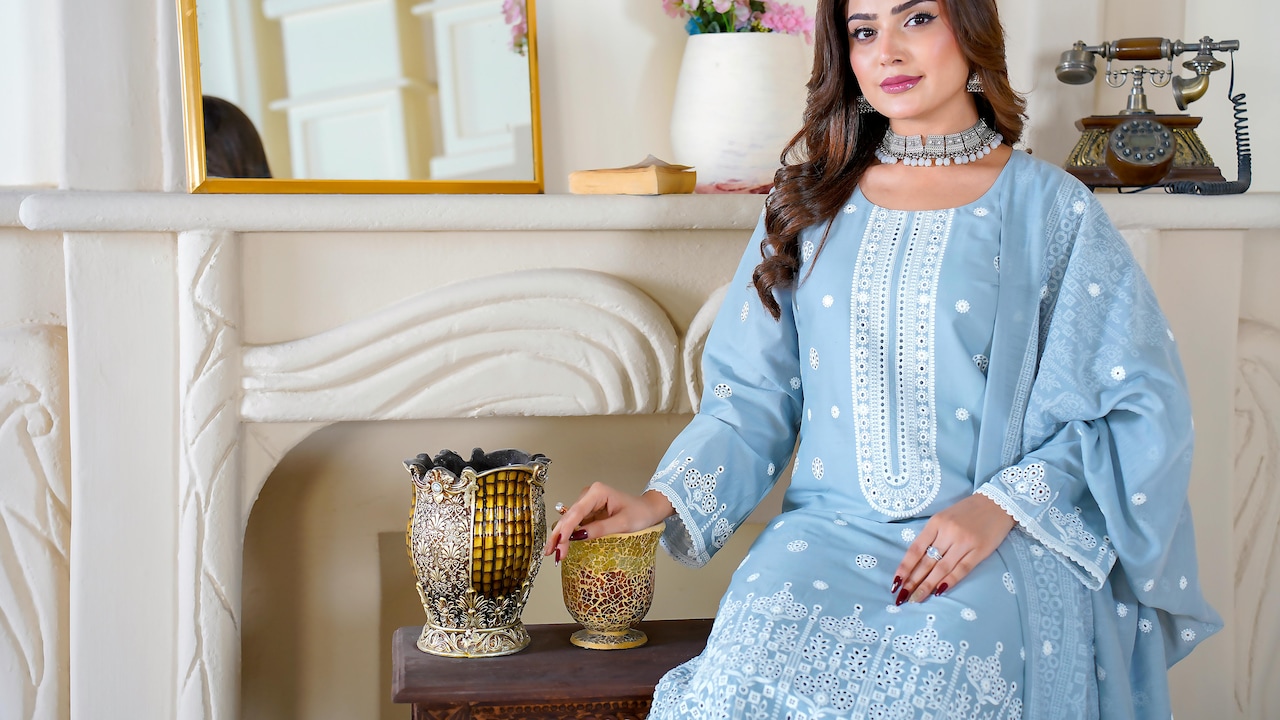
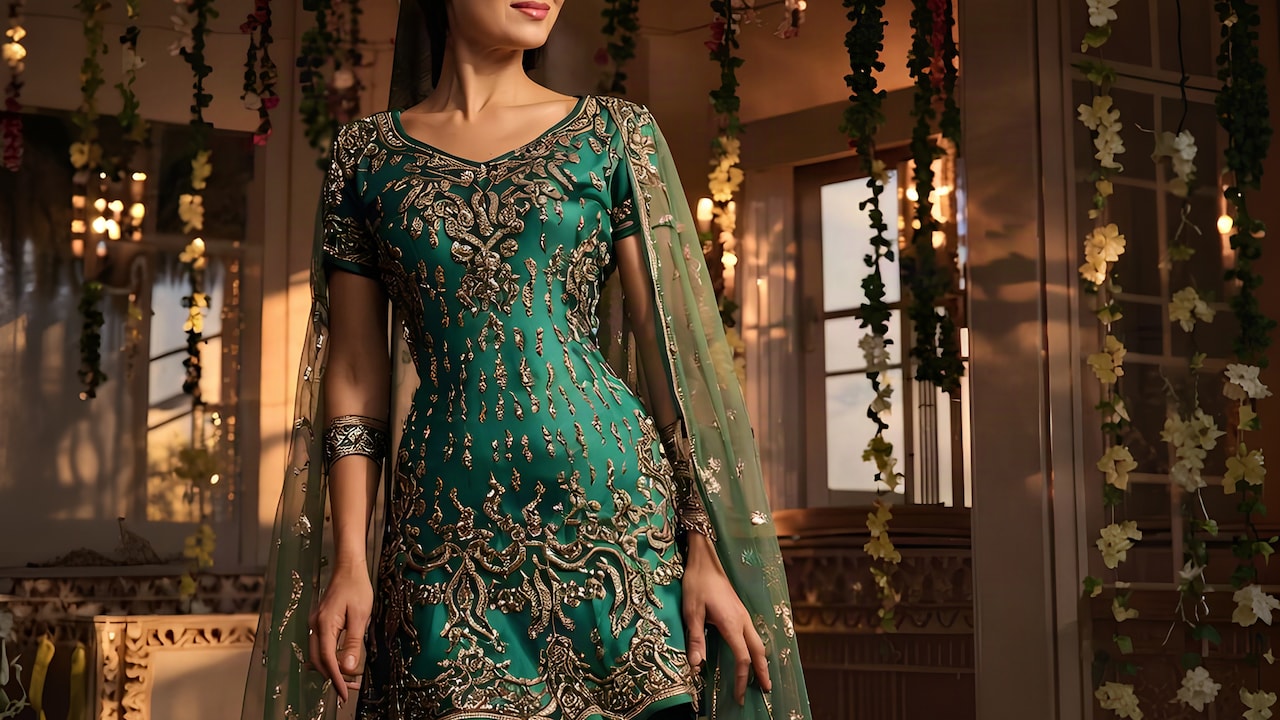
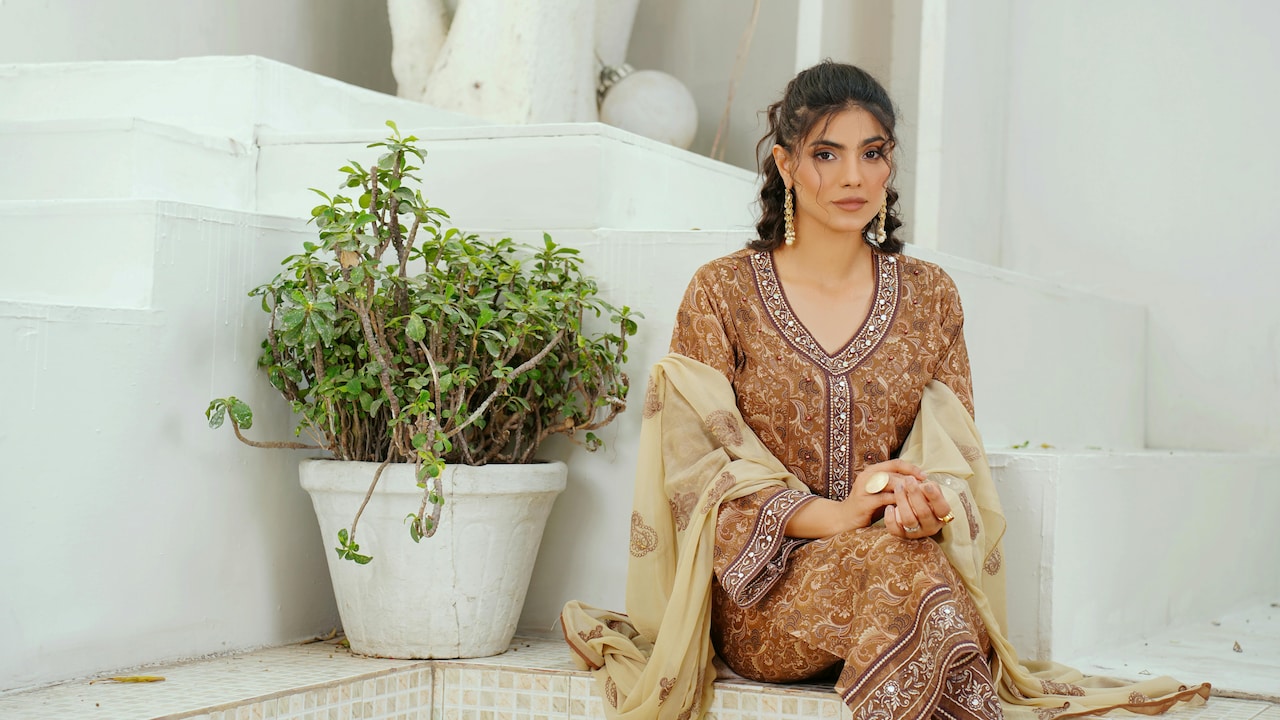
10 Smart Design Details That Make Straight-Fit Kurtas Look Slim, Not Boxy; Photo Credit: Pexels
The Details That Make All The Difference
Necklines That Frame, Not Flatten
A neckline does more than finish a kurta, it shapes the entire look. Straight-fit kurtas often fall into the trap of overly simple neck designs, which can make the garment feel flat. However, a thoughtfully chosen neckline can instantly add dimension.
A gently curved V-neck, for instance, elongates the neck and draws attention upwards. Boat necks, when cut slightly narrower, create a clean, structured frame that works beautifully for formal settings. Even a modest notch neckline can bring subtle character without overwhelming the silhouette.
The key lies in proportion. A neckline that is too wide or too high can make the kurta appear stiff. On the other hand, one that sits just right brings balance and movement. It allows the fabric to fall naturally while adding a touch of sophistication.
In everyday wear, this small change often makes the difference between looking neatly put together and feeling slightly underwhelmed. It's proof that the top edge of a garment carries more visual weight than it gets credit for.
Strategic Side Slits That Add Movement
Side slits are often seen as a functional detail, but they play a crucial role in shaping the overall silhouette. Straight-fit kurtas without well-placed slits can feel restrictive and visually heavy.
When the slits begin slightly above the knee, they introduce movement and prevent the fabric from clinging awkwardly. They also create vertical lines that lengthen the body, making the kurta appear more tailored than boxy.
The width and finish of the slit matter too. A neatly stitched slit with a clean edge looks polished, while uneven or overly wide slits can disrupt the flow. Some designs even add a subtle curve at the base of the slit, softening the overall look.
This detail becomes especially noticeable during everyday activities, walking through crowded streets, climbing stairs, or simply moving through a busy day. The kurta moves with ease, rather than against it.
In essence, side slits are not just about comfort. They are about creating rhythm in the garment, allowing it to breathe and flow naturally.
Also Read: Explore Stylish And Budget-Friendly Raw Silk Kurta Sets, Ideal For Festive And Casual Occasions
Shoulder Structure That Defines Shape
Shoulders often go unnoticed, yet they are the backbone of any well-fitted garment. In straight-fit kurtas, poorly structured shoulders can make the entire outfit look oversized or shapeless.
A slightly defined shoulder line creates a crisp starting point. It ensures that the fabric falls straight rather than drooping. This doesn't mean adding heavy padding; even a subtle reinforcement or precise stitching can make a noticeable difference.
When the shoulder sits perfectly in place, the rest of the kurta aligns better. The sleeves hang neatly, the torso looks streamlined, and the overall appearance feels intentional rather than accidental.
This detail is particularly important for workwear. A kurta with clean shoulders carries a quiet confidence, making it suitable for meetings or formal gatherings without needing extra embellishment.
It's a reminder that good tailoring often begins at the top, and when done right, it sets the tone for everything that follows.
Fabric Choices That Hold, Not Collapse
Fabric plays a silent but powerful role in how a kurta looks. Straight-fit styles can easily appear boxy if the fabric is too stiff or too limp.
Cotton blends with a slight structure tend to work best. They hold their shape without feeling rigid, allowing the kurta to maintain clean lines. Lightweight fabrics, when layered or lined thoughtfully, can also achieve a similar effect.
On the other hand, overly thick materials can make the garment feel bulky, while very soft fabrics may cling in ways that disrupt the straight silhouette.
Texture adds another layer of interest. Subtle weaves, fine prints, or gentle patterns can break the monotony without overwhelming the design. Even a simple kurta in the ₹1,500–₹2,500 range can look far more refined when the fabric is chosen carefully.
In many ways, fabric acts as the foundation. When it supports the design rather than fighting it, the entire kurta feels more balanced and visually appealing.
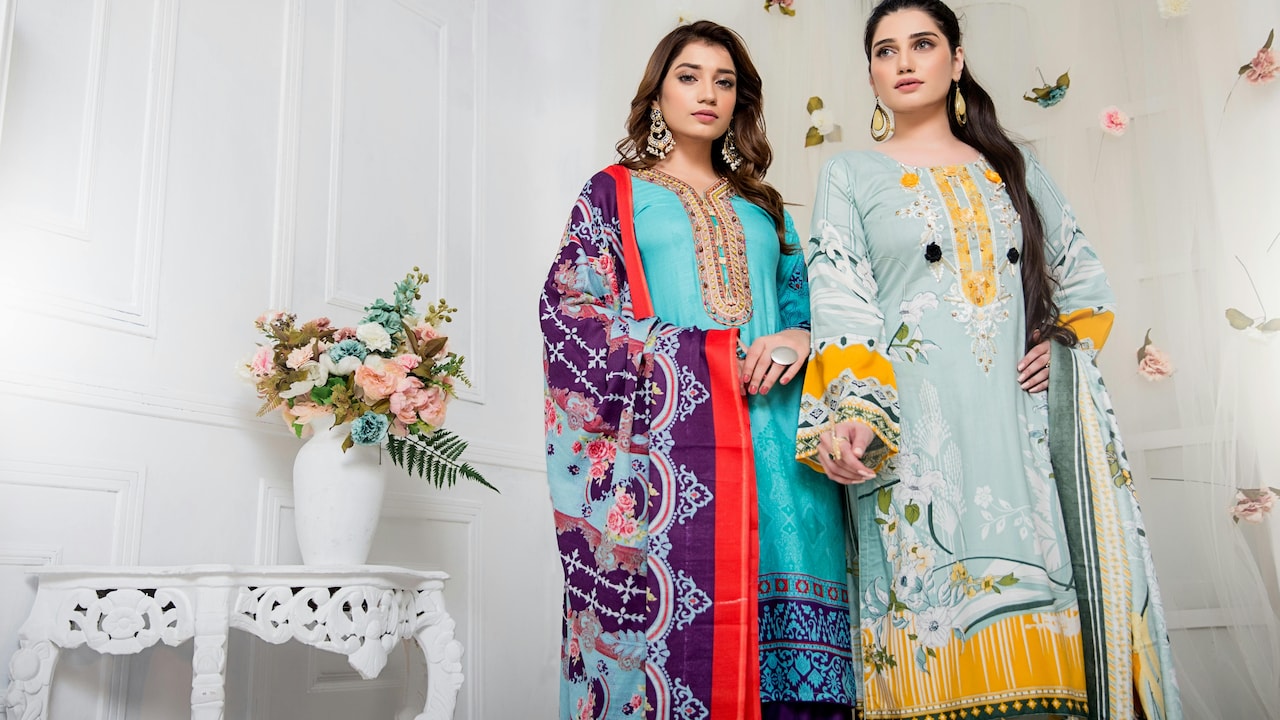
10 Smart Design Details That Make Straight-Fit Kurtas Look Slim, Not Boxy; Photo Credit: Pexels
Hemlines That Soften The Edge
A straight hemline is classic, but it can sometimes feel too rigid. Introducing slight variations can soften the overall look without losing the clean silhouette.
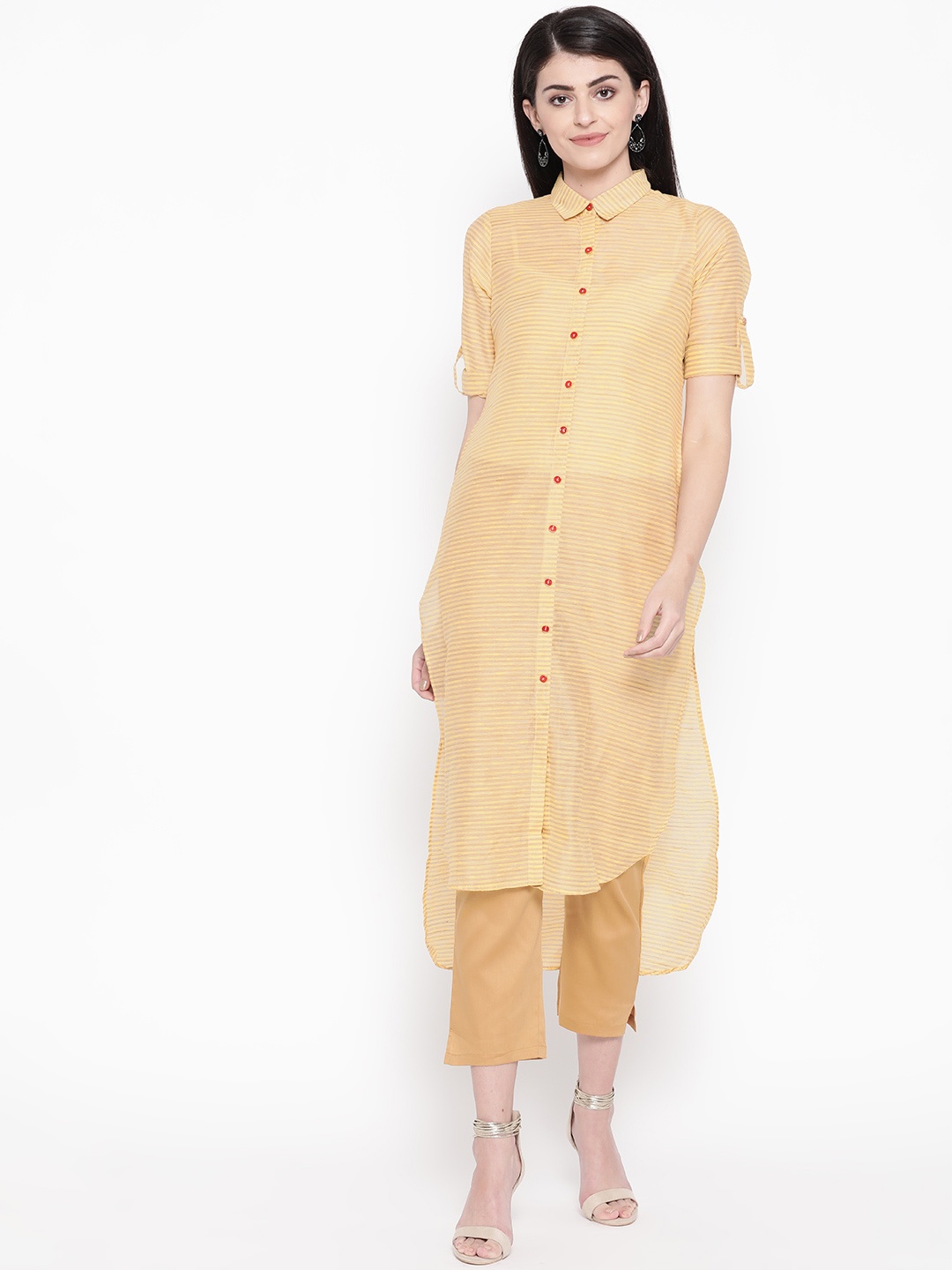
A gently curved hem, for example, adds a subtle sense of movement. High-low hems, when done modestly, create visual interest while maintaining elegance. Even a rounded edge at the corners can make a difference.
These small tweaks prevent the kurta from looking like a flat block of fabric. Instead, they add dimension and flow, making the garment feel more dynamic.
The choice of hemline also affects how the kurta pairs with bottoms. A curved hem works beautifully with slim trousers, while a straight hem can complement wider styles.
Ultimately, the hemline is where the eye naturally lands. Giving it a bit of thought ensures that the final impression is as polished as the rest of the design.
Sleeve Design That Complements, Not Competes
Sleeves often become an afterthought, yet they significantly influence the overall balance of a kurta. Straight-fit styles benefit from sleeves that are clean and well-proportioned.
Three-quarter sleeves are a popular choice, offering both comfort and versatility. They create a neat line that works across seasons and occasions. Slightly tapered sleeves can also add structure without feeling restrictive.
Details like subtle cuffs, minimal embroidery, or even a small slit at the sleeve edge can introduce character without overpowering the design.
Avoiding overly wide or heavily embellished sleeves keeps the focus on the silhouette. The goal is to enhance, not distract.
In daily wear, sleeves that feel easy and look refined make a noticeable difference. They allow for movement while maintaining a sense of style, proving that even the smallest elements deserve attention.
Vertical Elements That Elongate The Look
Vertical lines are a simple yet effective way to make a straight-fit kurta look more flattering. They guide the eye upward and downward, creating an illusion of length.
This can be achieved through panels, seams, or even subtle embroidery. A central placket, for instance, adds a natural vertical focus. Pin-tucks or stitched lines can also create a similar effect.
These details break the monotony of a flat surface, adding depth without overwhelming the design. They are especially useful for creating a more streamlined appearance.
Even minimal patterns arranged vertically can enhance the effect. The key is to keep them subtle and consistent.
In essence, vertical elements act as quiet design tools. They shape perception, making the kurta appear more tailored and less boxy, all without changing its basic structure.
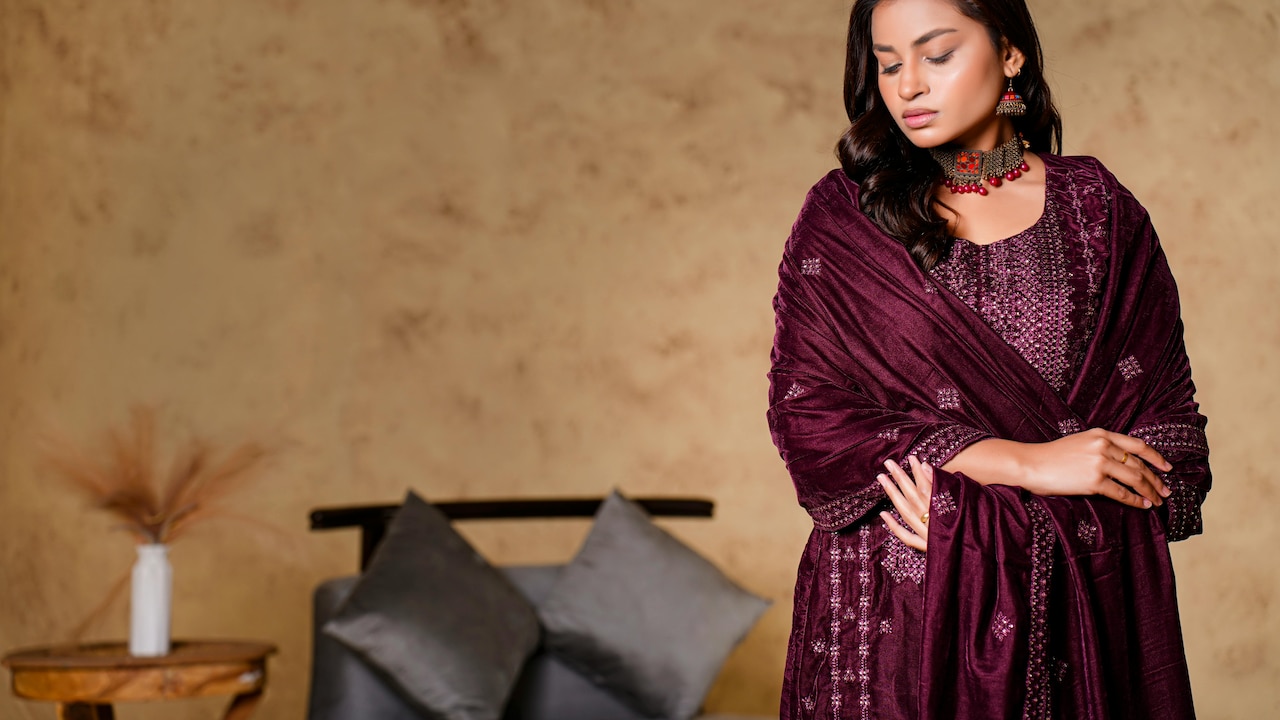
10 Smart Design Details That Make Straight-Fit Kurtas Look Slim, Not Boxy; Photo Credit: Pexels
Minimal Embellishments With Maximum Impact
Embellishments can elevate a kurta, but too much can quickly overpower a straight-fit silhouette. The trick lies in restraint.
A touch of embroidery around the neckline or a delicate motif near the hem can add just enough interest. Small details like contrast piping or fine threadwork can also make a big difference.
These elements should feel intentional rather than decorative for the sake of it. When placed thoughtfully, they draw attention to specific areas, enhancing the overall design.
For festive occasions, slightly richer embellishments can work, but balance remains key. Even a kurta priced around ₹3,000 can look premium when the detailing is subtle and well-executed.
This approach ensures that the kurta remains versatile. It can transition from casual outings to special gatherings without feeling out of place.
Colour Choices That Add Depth
Colour plays a powerful role in shaping how a kurta is perceived. Straight-fit styles benefit from shades that add depth rather than flatten the look.
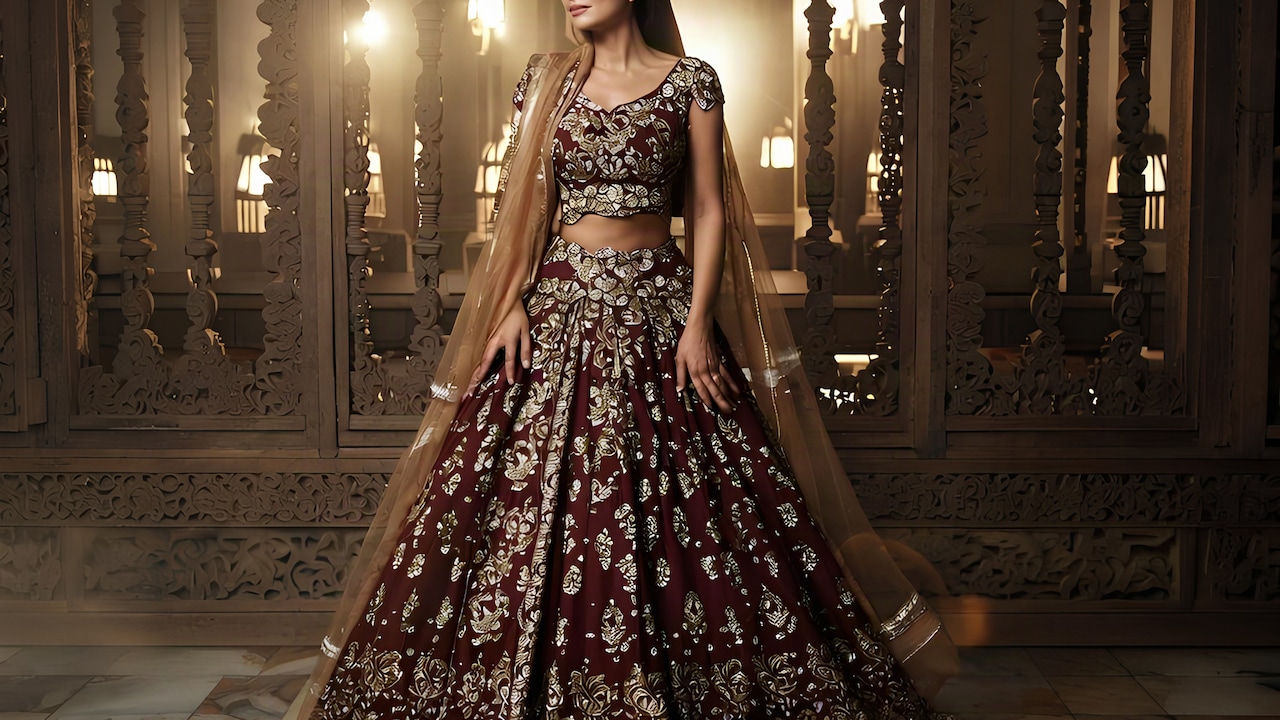
Darker tones like deep blue, maroon, or forest green create a slimming effect. Softer pastels, when paired with subtle textures, can look fresh and elegant.
Monochrome outfits, where the kurta and bottom share a similar palette, can create a seamless and elongated appearance. On the other hand, gentle contrasts can add interest without breaking the flow.
Avoiding overly bright or harsh colours helps maintain a refined look. Instead, opting for tones that complement the fabric and design ensures a more cohesive result.
Colour, when chosen thoughtfully, enhances every other detail. It ties the entire look together, making the kurta feel complete.
Tailoring That Feels Personal
No design detail matters if the fit isn't right. Tailoring is what brings everything together, turning a good kurta into a great one.
A straight-fit kurta should skim the body without clinging or hanging loosely. The length, width, and proportions need to align with the wearer's frame.
Even small adjustments, like shortening the sleeves or narrowing the sides slightly, can make a significant difference. These tweaks ensure that the kurta feels made for the wearer rather than borrowed.
Ready-made options often work well, but a bit of customisation can elevate them further. Spending an extra ₹200–₹500 on alterations can transform the overall look.
Ultimately, tailoring is about comfort as much as style. When a kurta fits well, it allows confidence to shine through naturally.
Products Related To This Article
1. HERE&NOW Women Navy Blue Zari and Gotta Work Straight Fit Kurta
2. House of Chikankari Women Chikankari Kurta
3. AURELIA Women Blue Ethnic Motifs Printed Straight Fit, Kurta
4. Jaipur Kurti Women Cotton Geometric Printed Straight Fit Kurta
5. Anouk Women Straight Kurtas
6. Biba Women Black Ethnic Motifs Printed Straight Fit, Kurta
7. Sangria Embroidered Straight Kurtas
Straight-fit kurtas don't need dramatic reinvention to look stylish. The secret lies in paying attention to the details that often go unnoticed. From the cut of the neckline to the choice of fabric, each element contributes to the final look.
When these details come together thoughtfully, the result is a kurta that feels balanced, flattering, and effortlessly elegant. It moves well, fits comfortably, and looks far from boxy.
Style, after all, is rarely about big changes. It's about small, intentional choices that add up to something meaningful. And in the case of straight-fit kurtas, those choices make all the difference.
(Disclaimer: This article may include references to or features of products and services made available through affiliate marketing campaigns. NDTV Convergence Limited (“NDTV”) strives to maintain editorial independence while participating in such campaigns. NDTV does not assume responsibility for the performance or claims of any featured products or services.)