Why Cheap Sunglasses Give You Headaches And What UV Protection Really Means
Cheap sunglasses may look stylish, but they can cause headaches and eye damage. Learn how poor lenses affect vision and why proper UV protection matters for everyday comfort and long-term eye health.
Why Cheap Sunglasses Give You Headaches And What UV Protection Really Means
A pair of sunglasses often feels like a simple accessory. Pick a trendy frame, admire the mirror finish, and step out into the blazing afternoon sun feeling just a bit more put together. Yet, beneath that glossy surface lies a story rarely discussed over chai or during a quick shopping spree at a local market.
Many reach for inexpensive sunglasses without a second thought. After all, they look good, feel light, and save money for other indulgences, maybe a weekend outing or a late-night food delivery. But the human eye, delicate and surprisingly vulnerable, doesn't quite share this enthusiasm for shortcuts.
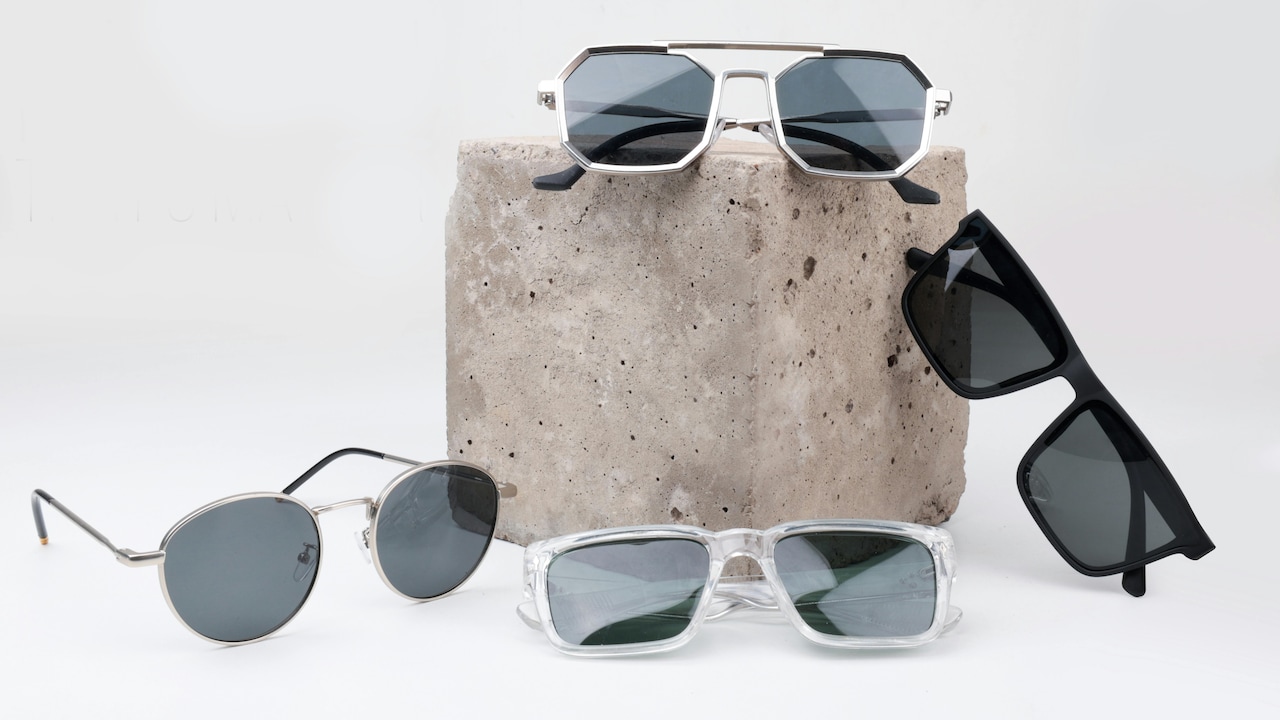
Cheap Sunglasses And Headaches: The Truth About UV Protection You Need To Know
Photo Credit: Pexels
Headaches, squinting, and a strange sense of fatigue often follow long hours in bright sunlight with cheap eyewear. It's easy to blame the heat or the traffic, but the real culprit often sits right on the bridge of the nose.
Understanding why this happens requires a closer look, not just at sunglasses, but at how light interacts with the eyes, and why proper UV protection matters far more than fashion trends.
Also Read: Sunglasses That Actually Suit Your Face Shape: A No-Nonsense Guide
What Really Happens When Sunglasses Cut Corners
The Illusion Of Protection Behind Dark Lenses
Dark lenses often create a false sense of security. When the world appears dimmer, it feels as though the eyes have received adequate protection. However, darkness alone does not equal safety. Many low-cost sunglasses simply reduce visible light without blocking harmful ultraviolet rays.
This creates a peculiar problem. In bright conditions, pupils naturally constrict to limit light entry. Put on dark sunglasses, and the pupils dilate instead, assuming the environment has become safer. If those lenses lack UV protection, more harmful rays enter the eye than they would without any sunglasses at all.
This silent exposure can irritate the eyes and trigger discomfort that gradually builds into headaches. The irony is hard to miss; what feels like protection ends up doing the opposite. It's a bit like standing under a flimsy umbrella in heavy rain, only to realise the water seeps through anyway.
True protection lies not in how dark the lenses appear, but in how effectively they block UV radiation.
How Ultraviolet Rays Affect The Eyes
Ultraviolet radiation, often shortened to UV, remains invisible to the naked eye. Yet, its effects can be both immediate and long-term. Prolonged exposure damages the cornea, the lens, and even the retina.
Short-term exposure may lead to photokeratitis, often described as a sunburn of the eye. Symptoms include redness, irritation, watering, and a persistent headache. It feels uncomfortable enough to disrupt a regular day, especially when commuting under harsh sunlight.
Long-term exposure carries deeper consequences. Cataracts, macular degeneration, and other degenerative conditions can develop over time. These issues don't arrive dramatically but creep in slowly, often unnoticed until vision starts to blur.
The eyes, much like skin, remember every encounter with the sun. Unlike skin, however, they offer fewer warning signs early on. That's why consistent protection matters more than occasional care.
A good pair of sunglasses acts as a barrier, not just a shade. Without that barrier, the eyes remain exposed, even when everything seems comfortably dim.
Why Cheap Sunglasses Trigger Headaches
Headaches linked to sunglasses rarely stem from the frame alone. The lenses play a far bigger role. Poor-quality lenses often distort light rather than filter it evenly. This distortion forces the eyes to constantly adjust, leading to strain.
Imagine reading text through slightly warped glass. The brain works harder to interpret what it sees, even if the distortion feels subtle. Over time, this effort translates into fatigue and, eventually, a dull ache that settles around the temples.
Additionally, inconsistent tinting in cheap lenses can create uneven brightness across the field of vision. The eyes attempt to compensate, leading to further strain. Combine this with glare from reflective surfaces like roads or buildings, and the discomfort intensifies.
The result feels familiar: tightness around the forehead, sensitivity to light, and an urge to remove the sunglasses altogether. Ironically, removing them sometimes brings relief, highlighting how the problem wasn't the sun alone, but the lenses themselves.
Understanding UV400 And What It Really Means
The term “UV400” appears frequently on better-quality sunglasses. It sounds technical, but the concept remains straightforward. UV400 protection blocks ultraviolet rays with wavelengths up to 400 nanometres, covering both UVA and UVB rays.
In practical terms, this means the lenses prevent nearly all harmful UV radiation from reaching the eyes. It's the gold standard for everyday eye protection, especially in regions where sunlight remains intense for most of the year.
However, not every label tells the truth. Some inexpensive sunglasses carry markings that suggest UV protection without actually delivering it. This makes buying from reliable sources essential.
A useful way to think about UV400 lenses is to compare them to sunscreen. Just as SPF shields the skin, UV400 shields the eyes. Without it, the risk remains high, regardless of how stylish or dark the sunglasses appear.
True protection doesn't shout for attention. It works quietly, ensuring comfort and safety even during long hours outdoors.
Polarised Lenses And Their Role In Comfort
Polarised lenses often receive praise, and for good reason. They reduce glare caused by light reflecting off flat surfaces like water, roads, or glass. This glare can be intense, especially during midday or while driving.
By filtering out horizontal light waves, polarised lenses create a clearer, more comfortable visual experience. Colours appear richer, details sharper, and the need to squint decreases significantly.
While polarisation doesn't directly block UV rays, many high-quality polarised sunglasses include UV protection as well. Together, they offer both safety and comfort.
The difference becomes noticeable during everyday situations. Driving through traffic, walking along bright streets, or spending time outdoors feels less tiring. The eyes remain relaxed, and headaches become less frequent.
It's not about luxury; it's about reducing strain. Once experienced, the clarity and ease of polarised lenses make it difficult to return to basic options.
The Impact Of Fit And Frame Quality
Sunglasses aren't just about lenses. The frame plays a crucial role in overall comfort and effectiveness. Poorly fitting frames allow sunlight to enter from the sides, reducing protection.
Loose frames can also shift frequently, forcing constant readjustment. This minor inconvenience adds up over time, especially during long outings or daily commutes.
A good fit ensures the sunglasses sit comfortably without pressing too hard on the nose or temples. Lightweight materials help prevent fatigue, while a snug design keeps the lenses aligned with the eyes.
Wraparound styles offer additional protection by limiting peripheral light exposure. They're particularly useful in bright environments where sunlight reflects from multiple angles.
Comfort and protection go hand in hand. Even the best lenses lose their effectiveness if the frame fails to support them properly. Choosing a well-fitted pair can make the difference between relief and irritation.
Street Bargains Versus Optical Store Picks
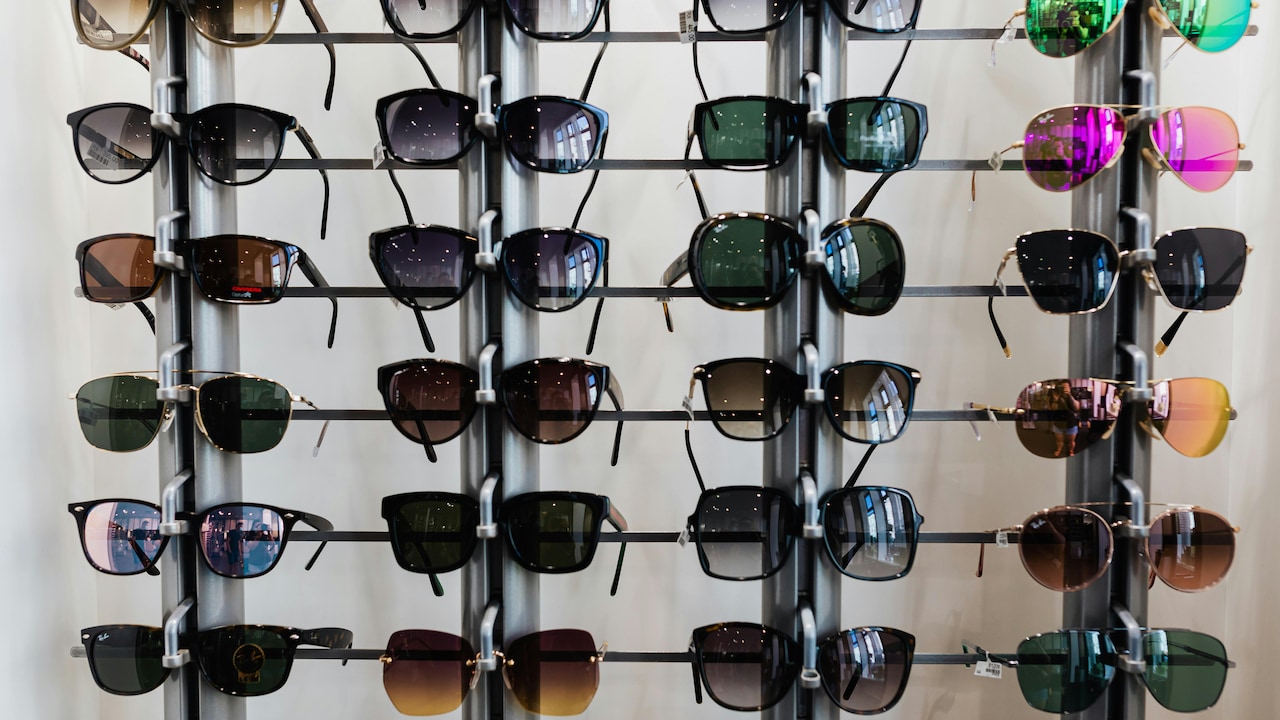
Street markets offer tempting deals. A stylish pair for ₹150 or ₹200 feels like a win, especially when compared to higher-priced options at optical stores. But the price difference often reflects more than branding.
Optical stores typically provide certified lenses with verified UV protection. They may cost ₹1,500 or more, but they offer reliability and durability. Over time, this investment proves worthwhile.
Street sunglasses, on the other hand, rarely come with guarantees. The materials may degrade quickly, and the lenses often lack proper filtering capabilities.
There's also the matter of aftercare. Optical stores offer adjustments, repairs, and guidance, ensuring the sunglasses remain effective over time.
Saving money feels satisfying in the moment, but repeated purchases of cheap sunglasses can add up. Worse, the hidden cost of eye strain and discomfort makes the bargain less appealing.
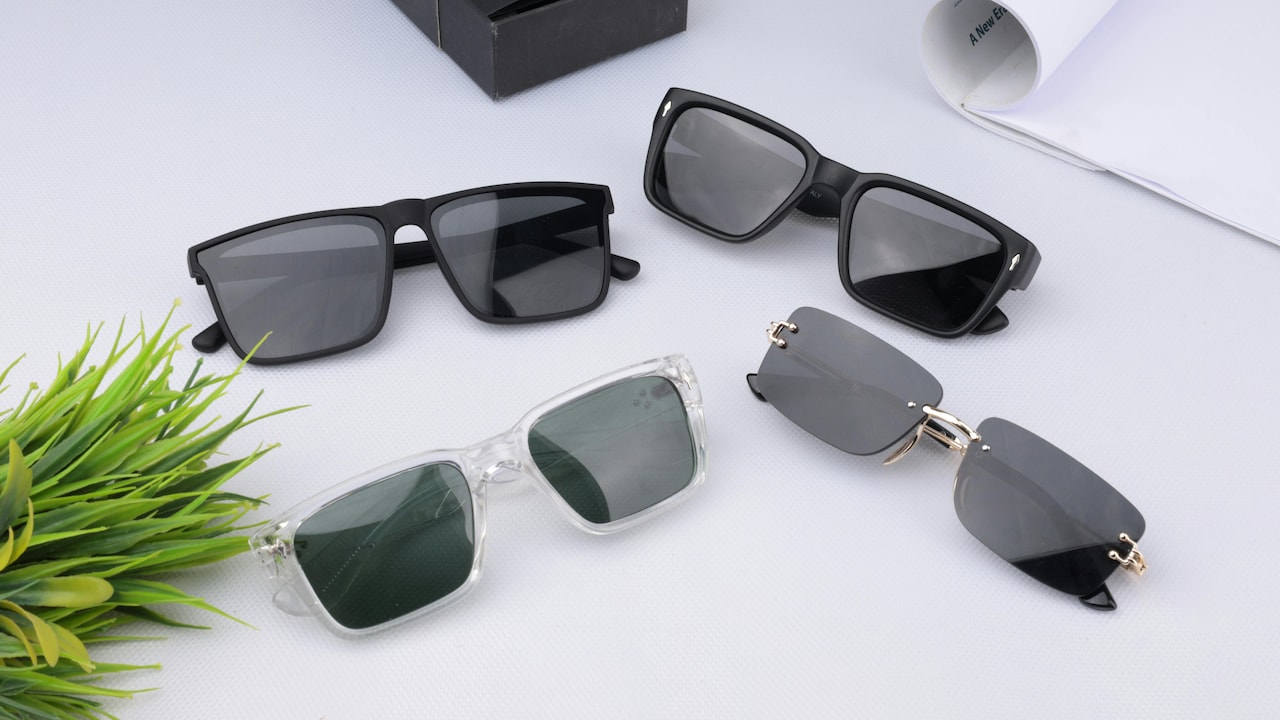
Cheap Sunglasses And Headaches: The Truth About UV Protection You Need To Know
Photo Credit: Pexels
Recognising Signs Of Eye Strain Early
The body often signals discomfort before serious issues develop. Recognising these signs early can prevent long-term damage.
Frequent headaches after spending time outdoors may indicate poor lens quality. Other signs include blurred vision, dryness, and increased sensitivity to light.
Some may notice a habit of squinting even while wearing sunglasses. This suggests the lenses fail to reduce glare effectively. Others may feel a sense of heaviness around the eyes, especially after long drives or outdoor activities.
Ignoring these signs can lead to persistent discomfort. Addressing them early, by switching to better-quality sunglasses, can restore comfort quickly.
The eyes rarely complain loudly. Instead, they send subtle hints that something isn't right. Paying attention to these hints makes all the difference.
The Role Of Regular Eye Check-Ups
Sunglasses form just one part of eye care. Regular check-ups ensure the eyes remain healthy and detect potential issues early.
Eye tests don't just assess vision; they evaluate overall eye health. Conditions linked to UV exposure can develop silently, making routine examinations essential.
Many hesitate to schedule check-ups unless a problem becomes obvious. However, prevention always proves easier than treatment.
Optometrists can also recommend suitable sunglasses based on individual needs. This personalised approach ensures better protection and comfort.
In a fast-paced routine, it's easy to overlook eye health. Yet, a simple annual visit can provide reassurance and clarity, both literally and figuratively.
Balancing Style With Safety
Fashion and function don't need to compete. Modern sunglasses offer both style and protection, making it possible to look good while staying safe.
Frames come in countless designs, from classic aviators to bold oversized styles. High-quality lenses can be fitted into almost any frame, allowing personal taste to shine through.
Choosing wisely means enjoying the best of both worlds. There's no need to sacrifice aesthetics for safety or vice versa.
A good pair of sunglasses becomes more than an accessory. It becomes a daily companion, offering comfort, clarity, and protection.
The key lies in looking beyond the surface. Style may catch the eye, but quality protects it.
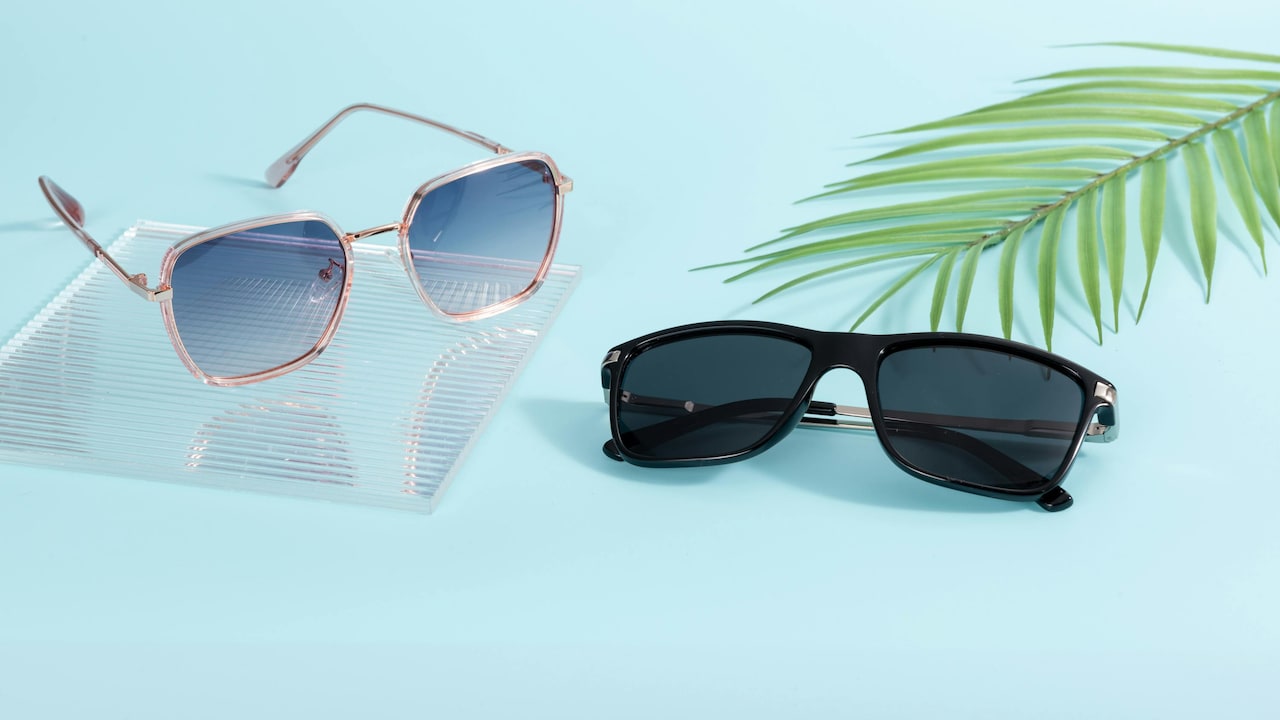
Cheap Sunglasses And Headaches: The Truth About UV Protection You Need To Know
Photo Credit: Pexels
Products Related To This Article
1. Carlton London Unisex Polarised and UV Protected Lens Sunglasses
2. MANGO Women Oval Sunglasses with UV Protected Lens
3. David Martin Men Green Lens & Black Square Sunglasses
4. Palm Angels Women Pink Lens & White Oval Sunglasses
5. GUESS Women Full Rim UV Protected Gold-Toned Aviator Sunglasses
Sunglasses may seem like a small detail, but their impact runs deep. Cheap options often bring hidden drawbacks, headaches, eye strain, and long-term risks that rarely cross the mind during a quick purchase.
Understanding UV protection changes the way sunglasses are viewed. It shifts the focus from appearance to function, from short-term savings to long-term care.
The next time a pair catches attention, it's worth pausing for a moment. Not every dark lens protects, and not every bargain proves worthwhile.
Clear vision, comfort, and healthy eyes deserve more than guesswork. A well-chosen pair of sunglasses doesn't just block the sun, it makes every bright day easier to enjoy.
(Disclaimer: This article may include references to or features of products and services made available through affiliate marketing campaigns. NDTV Convergence Limited (“NDTV”) strives to maintain editorial independence while participating in such campaigns. NDTV does not assume responsibility for the performance or claims of any featured products or services.)