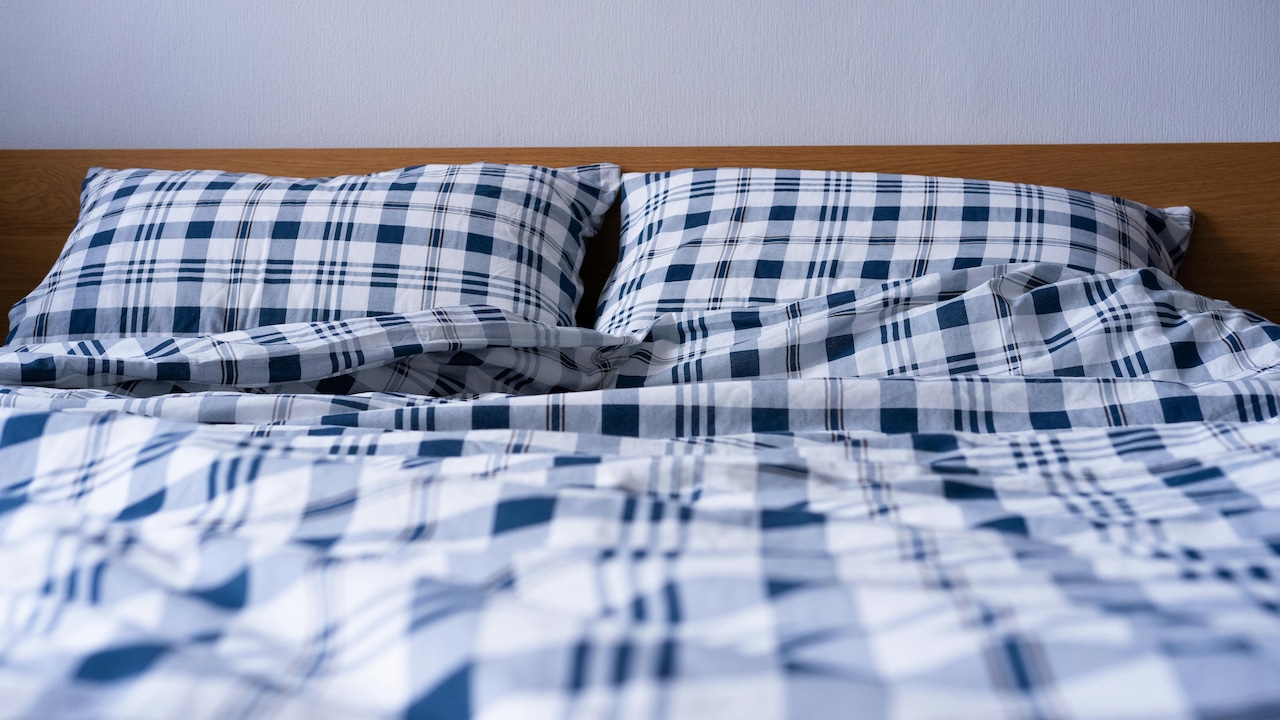
Extra-Firm Mattresses and Back Pain: Why Harder Isn't Always Better for Your Spine
Extra-firm mattresses are often praised as the cure for back pain, but the belief is misleading. True spinal support depends on alignment, pressure relief, and comfort, not just sleeping on the hardest surface.
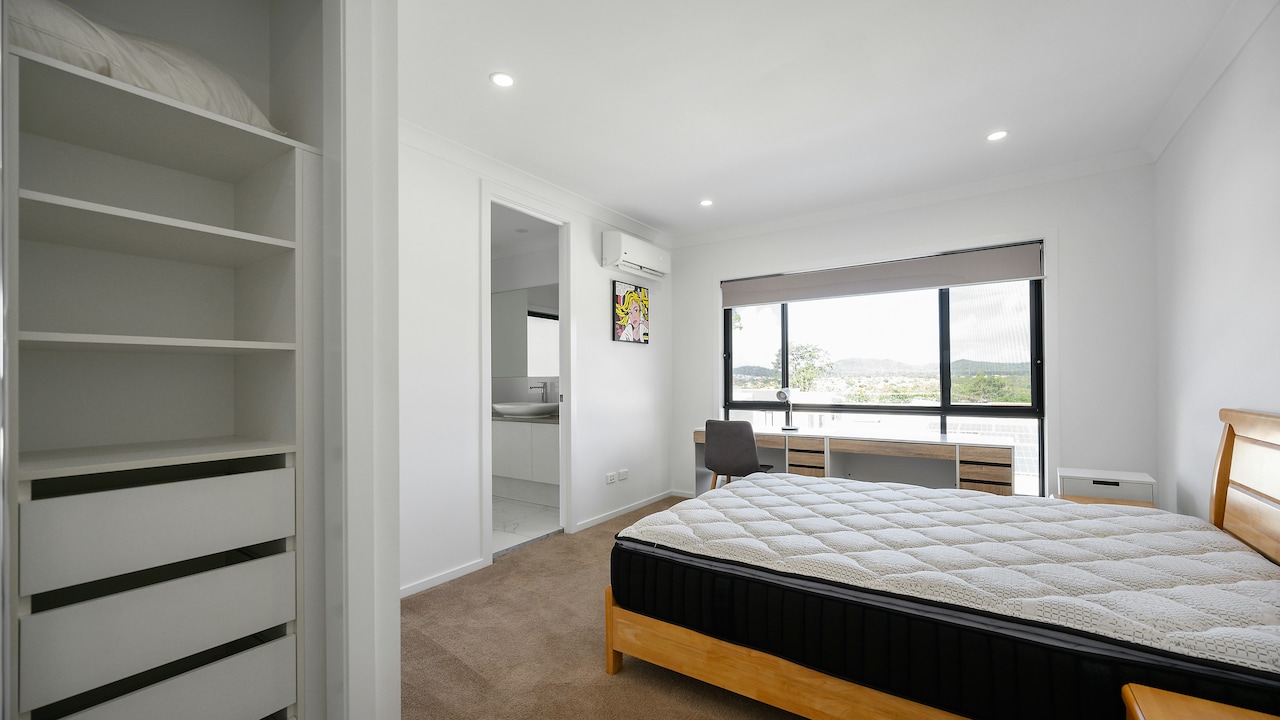
Mattress Firmness Myth and Back Pain: Why 'Extra-Firm' Isn't Always Better for Your Spine.
Walk into any mattress showroom and mention back pain. Chances are, someone will quickly point towards the hardest mattress in the store. The logic sounds convincing. A firm surface must support the spine better, right? Many households grow up hearing this advice, almost like a rule carved in stone. Unfortunately, the spine does not follow such simple rules.
Back pain has become a familiar companion for people juggling long commutes, desk jobs, and endless screen time. Sleep should offer relief, yet the wrong mattress often turns nights into another source of discomfort. The belief that 'hard equals healthy' persists, even though modern sleep science tells a different story.
This article challenges the extra-firm obsession. It explains how mattresses interact with the body, why firmness alone fails as a solution, and what actually helps the spine recover overnight. Expect relatable examples, cultural nods, and practical clarity, all without medical jargon. After all, a good night's sleep should feel comforting, not like lying on a stone slab.
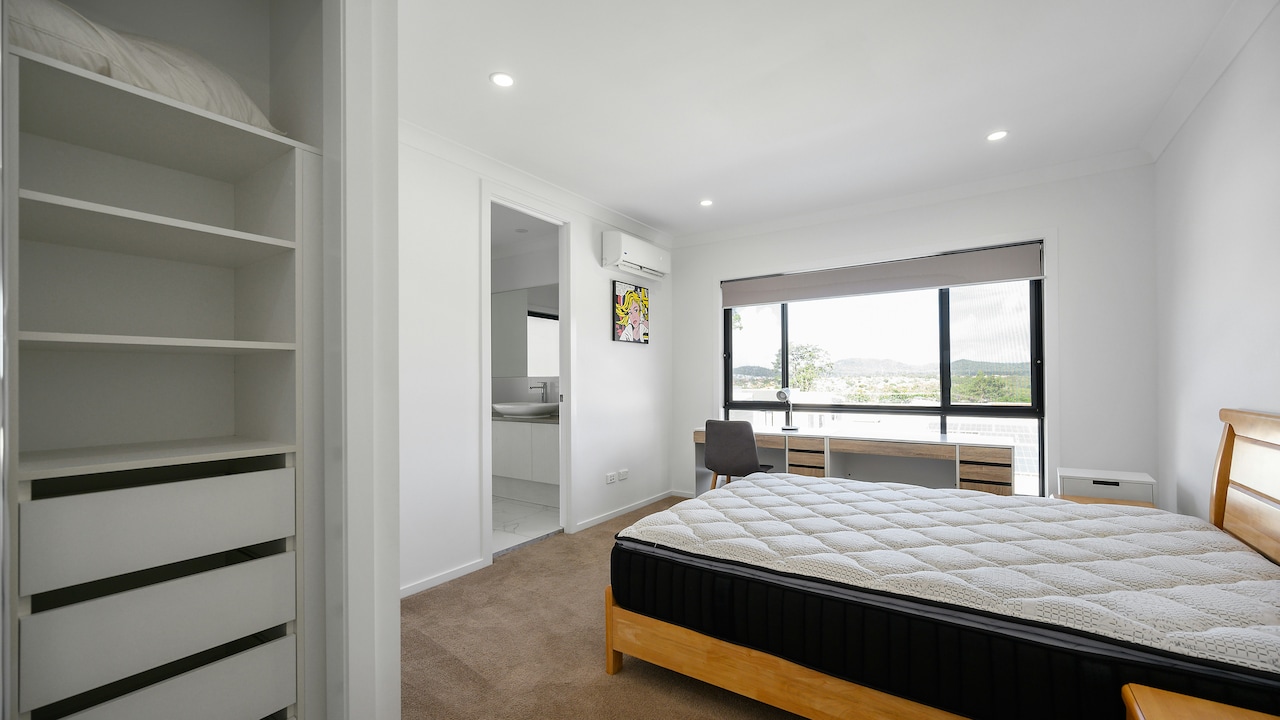
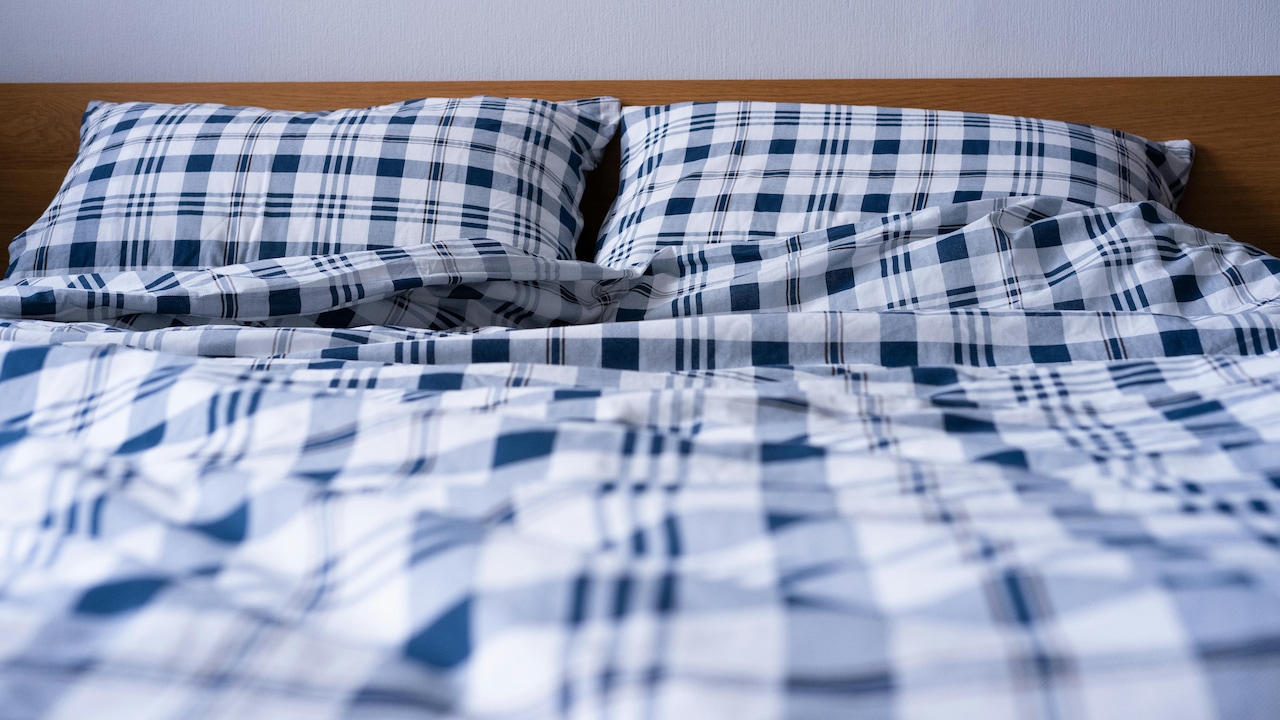
Is an Extra-Firm Mattress Causing Your Back Pain? What Sleep Experts Say; Photo Credit: Pexels
Understanding The Real Relationship Between Mattresses And Back Pain
1. The Origin of the Extra-Firm Mattress Belief
The idea that hard surfaces cure back pain did not appear overnight. It grew from older lifestyles where people slept on thin cotton mattresses or even floor mats. Those setups felt firm but still allowed some give. Over time, the message became distorted. 'Firm' slowly turned into 'rock solid'.
Doctors once advised firmer beds to avoid sagging springs and poor-quality foam. Back then, options remained limited. Many mattresses collapsed in the middle, forcing the spine into awkward shapes. A firm surface felt like the safer choice. However, mattress technology has moved on, while the advice stayed frozen in time.
Cultural habits also play a role. Sleeping on the floor during summer or childhood naps often feels grounding and nostalgic. That memory reinforces the idea that hardness equals health. Yet nostalgia rarely accounts for ageing joints, heavier bodies, or long hours spent sitting.
The myth survived because it sounds sensible. A straight spine seems ideal. Sadly, the human spine does not rest straight. It curves gently, even during sleep. Ignoring those curves creates new problems rather than solving old ones.
2. Understanding the Natural Curves of the Spine
The spine resembles a gentle 'S' rather than a rigid rod. The neck curves inward, the upper back curves outward, and the lower back curves inward again. These curves absorb shock and keep the body balanced throughout the day. During sleep, they still need respect.
An extra-firm mattress often fails here. It pushes against the body without adapting to these natural contours. The shoulders and hips, which carry more weight, struggle to sink in. Meanwhile, the lower back remains unsupported, suspended slightly above the mattress.
This gap creates tension. Muscles work overnight to protect the spine instead of relaxing. Morning stiffness becomes almost guaranteed. Many people blame age or long workdays, never suspecting the mattress beneath them.
A supportive mattress should follow the spine's shape. It should cushion pressure points while holding the body in neutral alignment. Think of it like a well-fitted pair of shoes. Hard leather without padding causes blisters, no matter how sturdy it looks.
Also Read: 5 Best Mattresses For Stomach Sleepers: Should You Choose Firm or Soft?
3. Why Extra-Firm Mattresses Increase Pressure Points
Pressure points form where the body presses hardest against a surface. Usually, they appear around the shoulders, hips, and heels. On an extra-firm mattress, these areas take the full brunt of body weight.
When pressure builds, blood flow reduces. The body responds by shifting position repeatedly. Sleep becomes lighter and fragmented, even if awakenings go unnoticed. Over time, this restless sleep worsens back pain rather than easing it.
Side sleepers suffer the most. The shoulder joint compresses awkwardly, while the hip bears excessive load. Even back sleepers feel the strain when the lower back arches unnaturally. Only a small group of people with very specific body types find relief on extremely hard surfaces.
Many people mistake discomfort for 'getting used to firmness'. Weeks pass, pain lingers, and sleep quality drops. Comfort should never feel like a punishment. A mattress should welcome the body, not challenge it every night.
4. Body Weight and Firmness: One Size Never Fits All
Body weight plays a crucial role in mattress comfort. Lighter individuals barely compress an extra-firm mattress. As a result, their bodies rest on top rather than sinking in. This floating effect increases pressure and misalignment.
Heavier individuals experience the opposite problem. The mattress resists contouring, forcing weight to concentrate on fewer points. This uneven support strains muscles and joints overnight.
A medium-firm mattress often adapts better across weight ranges. It allows enough sink for comfort while preventing excessive sagging. The spine stays aligned, and pressure spreads more evenly.
Height also matters. Taller bodies distribute weight differently than shorter ones. Shoulder width, hip size, and muscle mass further complicate the picture. Expecting one firmness level to suit everyone ignores these realities.
Mattress shopping should feel personal, not prescriptive. Advice that ignores body diversity usually leads to disappointment. The spine appreciates balance, not extremes.
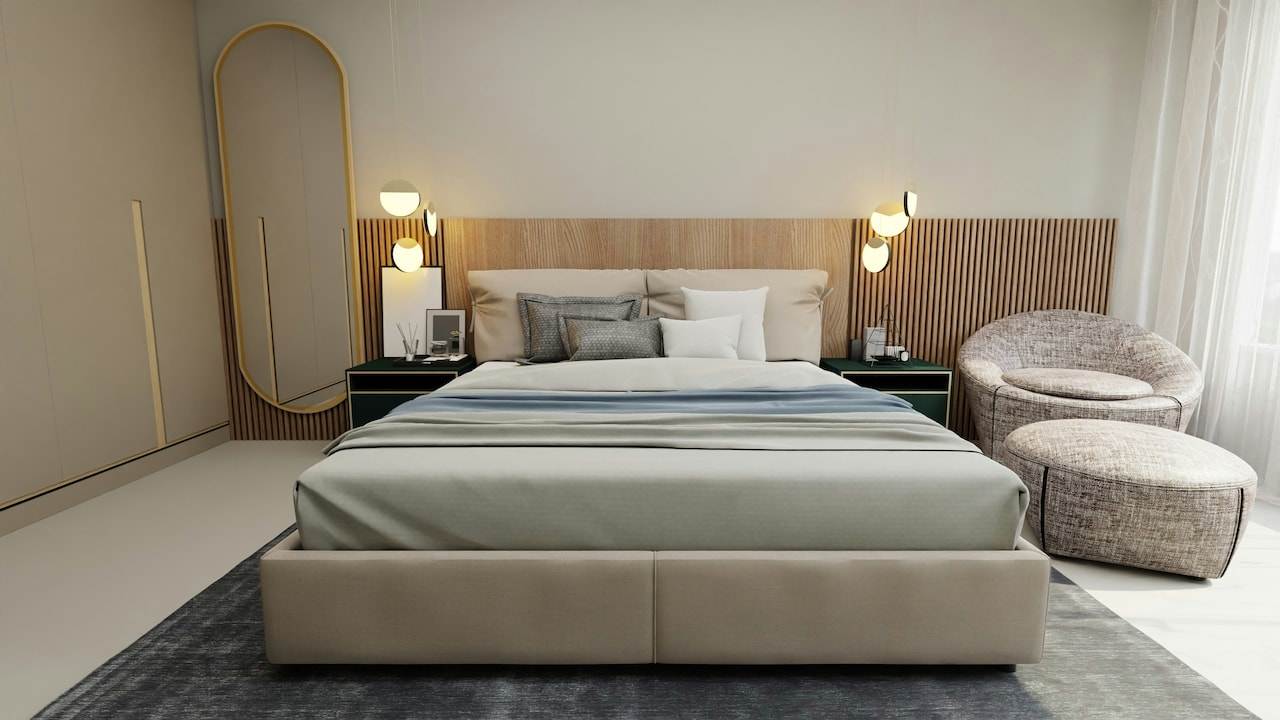
Is an Extra-Firm Mattress Causing Your Back Pain? What Sleep Experts Say; Photo Credit: Pexels
5. Sleeping Positions Change Everything
Sleeping posture influences how a mattress feels. Back sleepers need gentle support under the lower back. Side sleepers require cushioning at the shoulders and hips. Stomach sleepers need firm but forgiving support to prevent excessive arching.
Extra-firm mattresses struggle to satisfy these varied needs. They flatten curves instead of supporting them. Back sleepers often wake with lower back stiffness. Side sleepers develop shoulder pain. Stomach sleepers experience neck strain.
Many households share a bed between partners with different sleeping positions. One prefers the side, the other the back. An ultra-hard mattress forces compromise, usually at the cost of comfort.
Adaptive support works better. Mattresses that respond to movement and weight shifts allow couples to sleep peacefully without sacrificing spinal health. Sleep should unite, not create nightly negotiations over comfort.
6. The Role of Muscles During Sleep
Sleep offers muscles a chance to relax and recover. When the mattress fails to support the body properly, muscles remain partially engaged. They work all night quietly to stabilise posture.
Extra-firm surfaces often trigger this response. The body senses an imbalance and compensates. Over time, this constant low-level effort contributes to morning aches and chronic fatigue.
Relaxed muscles promote deeper sleep stages. These stages support healing, memory, and mood. A mattress that allows muscles to let go improves overall well-being, not just back comfort.
Many people stretch, exercise, and invest in ergonomic chairs, yet overlook the mattress. Eight hours of poor support can undo a day's worth of good habits. Sleep deserves equal attention.
7. Heat, Sweat, and Sleep Disruption
Extra-firm mattresses often use dense materials that trap heat. Combined with pressure points, this leads to discomfort, especially during warmer months. Tossing and turning increase as the body struggles to cool down.
Interrupted sleep worsens pain perception. The brain becomes more sensitive to discomfort when rest feels incomplete. Morning back pain may feel sharper after a restless night.
Modern mattresses balance firmness with breathability. Airflow layers, responsive foams, and breathable covers improve temperature regulation. Comfort comes from thoughtful design, not stubborn hardness.
Sleep thrives in balance. A mattress should support the spine and keep the body cool. Ignoring either factor compromises rest.

Is an Extra-Firm Mattress Causing Your Back Pain? What Sleep Experts Say: Photo Credit: Pexels
8. Medical Advice Often Gets Oversimplified
Healthcare professionals often suggest firmer mattresses to patients with back pain. Unfortunately, the advice sometimes lacks nuance. 'Firm' becomes shorthand for 'supportive', even though the two differ greatly.
Support refers to how well a mattress maintains spinal alignment. Firmness describes surface feel. A mattress can feel soft yet support the spine perfectly. Another can feel hard and still allow misalignment.
People interpret brief advice literally. They rush to buy the hardest option available, trusting it will solve everything. When pain persists, confusion sets in.
Better conversations around sleep would help. Asking about sleeping position, body type, and comfort preferences leads to smarter choices. The spine responds to thoughtful support, not rigid rules.
9. The Emotional Side of Mattress Choices
Mattresses carry emotional weight. Buying one feels like an investment in health and family wellbeing. Many people choose extra-firm options to appear responsible or disciplined.
There's pride in enduring discomfort for perceived long-term benefit. Yet sleep should nurture, not test resilience. Chronic discomfort erodes mood, patience, and focus.
Imagine starting each morning already tired. Tea feels less comforting, commutes feel longer, and small irritations grow. Often, the culprit hides under the bedsheet.
Choosing comfort does not signal weakness. It signals understanding. The spine thrives when treated with care, not toughness.
10. What Truly Helps Back Pain at Night
The best mattress for back pain supports natural alignment while relieving pressure. Medium-firm often suits the widest range of sleepers, though personal preference matters.
Testing a mattress properly helps. Lying down for several minutes reveals more than sitting briefly. Pay attention to how the lower back feels and whether shoulders relax.
Pillows also play a role. The wrong height strains the neck, undoing mattress benefits. Sleeping routines, stretching, and consistent schedules support spinal health too.
Back pain rarely has a single cause. Expecting an extra-firm mattress to fix everything sets unrealistic expectations. Thoughtful choices, combined with healthy habits, deliver better results.
Products Related To This Article
1. SleepyHug AirCell Ortho Spinex Plus 4-inch HR Foam Mattress
2. Wakeup India | Imperious Mattress
3. Nilkamal SLEEP Lite Dual Comfort 5 Inch Mattress
4. Duroflex LiveIn Duropedic - Doctor Recommended Orthopaedic
5. Wakefit Mattress | 10 Years Warranty
6. Sleepwell Stargold Mattress | Orthopedic Support
7. The Sleep Company SmartGRID Orthopedic Pro - Doctor
The belief that extra-firm mattresses guarantee back pain relief persists because it sounds logical and familiar. However, the spine tells a more complex story. Hard surfaces often ignore natural curves, create pressure points, and force muscles to work overnight.
Support, not stiffness, matters most. A mattress should adapt to the body, respect sleeping positions, and encourage relaxation. Comfort and spinal health do not compete; they complement each other.
Letting go of the extra-firm myth opens the door to better sleep and brighter mornings. Back pain does not need heroic endurance. It needs understanding, balance, and a mattress that works with the body, not against it.
(Disclaimer: This article may include references to or features of products and services made available through affiliate marketing campaigns. NDTV Convergence Limited (“NDTV”) strives to maintain editorial independence while participating in such campaigns. NDTV does not assume responsibility for the performance or claims of any featured products or services.)