How To Stop Bedsheets From Pilling After Washing And Choose Long-Lasting Fabrics
Bedsheet pilling can turn soft bedding rough after a few washes. Learn simple washing habits and fabric choices that keep sheets smooth, durable, and comfortable for years.
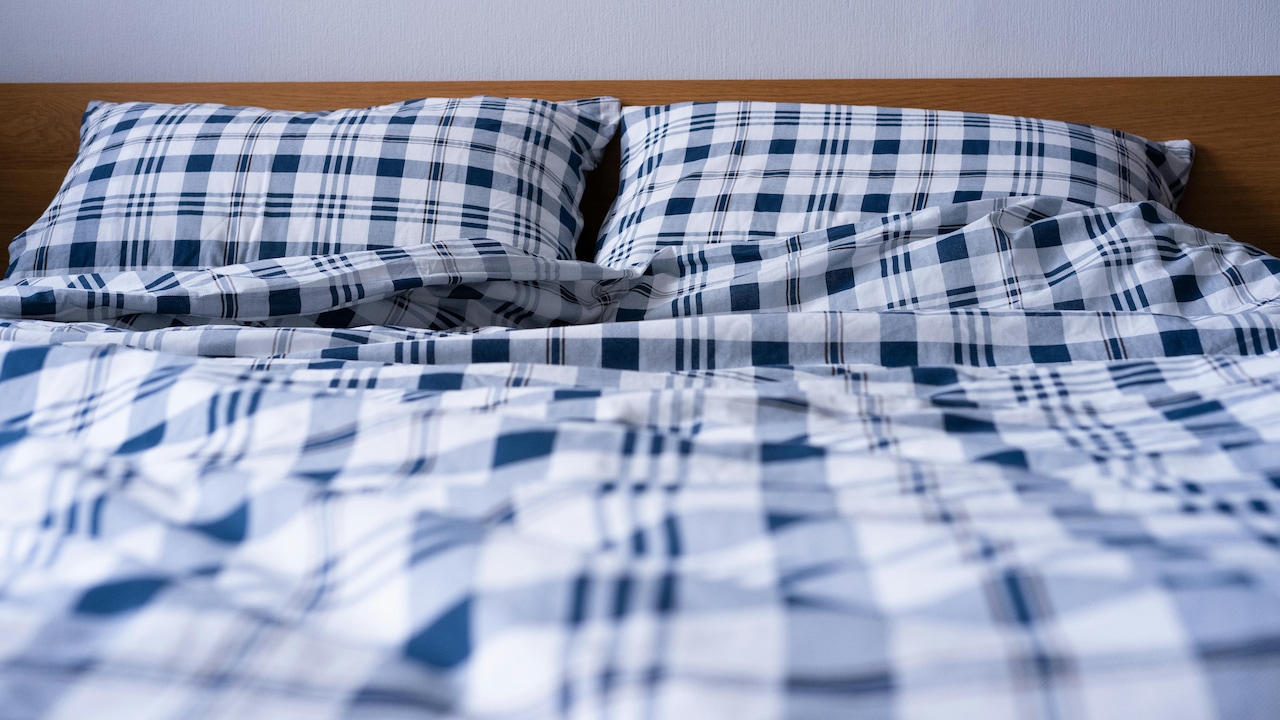
How to Stop Bedsheets From Pilling After Washing and Choose Fabrics That Last Longer.
Fresh bedsheets carry a quiet kind of comfort. The crisp smell of clean fabric, the cool touch on warm evenings, and the satisfaction of a neatly tucked bed can make the entire room feel calmer. Yet after a few washes, many bedsheets lose that smooth charm. Small fabric knots appear across the surface, creating a rough texture that refuses to disappear.
This frustrating change often surprises households that invested a good amount of money in bedding. A cotton bedsheet purchased for ₹1,500 or even ₹3,000 should ideally last years, not transform into a scratchy disappointment after a handful of washes. However, pilling rarely results from poor luck alone. Fabric quality, washing techniques, detergents, and even the way bedsheets dry play a role.
Understanding the science behind pilling helps prevent it. Tiny fibres loosen during friction, twist together, and create the small balls visible on fabric. Washing machines, rough detergents, overcrowded loads, and certain fabric blends speed up this process.
Fortunately, a few simple habits protect bedsheets from early wear. Choosing durable fabrics and treating bedding with care can extend its life considerably. The following insights explore practical ways to prevent pilling while selecting bedsheets that stay smooth and comfortable for years.

How to Stop Bedsheets From Pilling After Washing and Choose Fabrics That Last Longer
Photo Credit: Pexels
Smart Fabric Choices And Washing Habits That Prevent Bedsheet Pilling
Choose Long-Staple Cotton For Greater Durability
Fabric quality decides the fate of most bedsheets long before the first wash cycle. Long-staple cotton remains one of the strongest choices for bedding that resists pilling. The fibres in long-staple cotton grow longer and smoother than regular cotton, which means fewer loose ends on the fabric surface.
Short cotton fibres tend to break more easily. Once broken, those loose strands twist into tiny knots when rubbed during washing or sleeping. That is how pilling begins. Long-staple fibres remain intact longer, reducing the chances of fibre breakage.
Bedsheets labelled Egyptian cotton or Pima cotton usually contain these longer fibres. While the price may rise slightly, the durability often justifies the cost. A bedsheet priced at ₹2,500 made with long-staple cotton can outlast several cheaper alternatives that start pilling after a few months.
Thread count also matters, though not in the exaggerated way some advertisements suggest. A balanced thread count between 300 and 500 usually offers comfort without excessive fibre crowding. Extremely high thread counts sometimes use weaker multi-ply yarns that pill faster.
A soft, smooth weave combined with long-staple cotton creates bedding that feels luxurious yet stands up to regular washing. Such sheets maintain their texture far longer than fabrics made with shorter fibres.
Avoid Synthetic Blends That Encourage Pilling
Many modern bedsheets contain synthetic fibres such as polyester. Manufacturers often blend polyester with cotton to reduce cost and increase wrinkle resistance. Unfortunately, these blends tend to pill faster than pure cotton fabrics.
Polyester fibres remain strong but hold onto broken cotton strands during washing. Instead of shedding loose fibres, the polyester traps them on the fabric surface. Friction then twists the trapped fibres into visible pills.
The result appears quickly. Bedsheets may look smooth when purchased, yet after five or six washes small bobbles start appearing across the fabric. These pills refuse to disappear easily because the synthetic fibres keep them attached.
Blended bedsheets sometimes seem attractive because of lower prices. A cotton-polyester set priced around ₹900 might appear like a bargain. However, such sheets often lose their smoothness within a season.
Pure cotton, bamboo cotton blends, or linen fabrics offer better longevity. These natural fibres release loose strands more easily during washing rather than trapping them on the surface.
Reading the fabric label before purchasing bedding saves considerable frustration later. Choosing natural fibres may require spending a little more initially, but smoother sheets and longer durability make the investment worthwhile.
Wash Bedsheets Separately To Reduce Friction
One of the simplest ways to protect bedsheets from pilling lies inside the washing machine. Mixing bedding with rough fabrics creates unnecessary friction during the wash cycle.
Clothing items such as denim jeans, towels, or garments with zippers rub aggressively against softer sheets. That constant rubbing weakens fibres and loosens strands that later twist into pills.
Bedsheets benefit from gentle treatment during washing. Running them in a separate load with other soft linens reduces abrasive contact. Pillowcases and lightweight duvet covers can accompany them without causing damage.
Overloading the washing machine also increases friction. When fabrics pack tightly together, they rub more intensely as the drum spins. Allowing enough space for sheets to move freely prevents excessive fibre stress.
A common mistake occurs during busy weekends when multiple laundry piles appear at once. Tossing everything into a single large load might save time, yet it shortens the lifespan of bedding.
A dedicated wash cycle for bedsheets requires only a little extra effort. In return, fabrics remain smoother and retain their original softness far longer.
Turn Bedsheets Inside Out Before Washing
A small laundry habit can dramatically reduce pilling. Turning bedsheets inside out before placing them in the washing machine protects the visible outer surface from direct friction.
During washing, fabrics rub against the drum walls and other items in the load. When sheets remain right side out, the exposed surface receives the most abrasion. Over time, that abrasion weakens fibres and encourages pilling.
Flipping the sheet inside out shifts that friction to the inner side. Since this side rarely faces direct contact while sleeping, minor fibre wear becomes far less noticeable.
The technique works particularly well for fitted sheets that experience constant rubbing against mattresses. Reversing the fabric before washing preserves the smooth outer surface for longer use.
This small habit takes only a few seconds but makes a surprising difference over months of washing cycles. When combined with gentle detergents and appropriate water temperatures, inside-out washing helps maintain fabric integrity.
Laundry routines often evolve through small adjustments rather than dramatic changes. Turning bedsheets inside out represents one of those simple practices that quietly extend the life of household linens.
Use Mild Detergent Instead Of Harsh Chemicals
Detergent strength often receives little attention when discussing fabric care. Yet strong detergents can weaken fibres and accelerate pilling.
Harsh chemical cleaners strip natural oils from cotton fibres. Once those protective oils disappear, the fibres become brittle and more likely to break during washing.
Broken fibres quickly form the small knots associated with pilling. Using large quantities of detergent intensifies this problem, especially when combined with aggressive wash cycles.
Mild detergents designed for delicate fabrics offer a better solution. These formulations clean effectively without damaging fibres. A moderate amount usually proves sufficient for a full load of bedding.
Excess detergent also leaves residue within the fabric. That residue stiffens fibres and increases friction between threads. Over time, the fabric begins to feel rough even without visible pills.
Measuring detergent carefully protects both fabrics and washing machines. A small scoop often cleans bedsheets thoroughly, especially when warm water assists the cleaning process.
Gentle washing products preserve the softness and structural strength of natural fibres. Bedsheets washed with mild detergent remain comfortable while resisting premature wear.
Choose Gentle Wash Cycles With Cooler Water
The washing machine settings selected for bedsheets influence their longevity more than many people realise. High-speed cycles and extremely hot water may seem effective for cleaning, yet they can damage delicate fibres.
Aggressive spin cycles increase friction between fabrics. As the drum rotates rapidly, fibres rub against one another and against the machine surface. Repeated exposure weakens yarns and promotes pilling.
A gentle or delicate wash cycle reduces this friction significantly. Slower drum movements allow dirt to release from fabric without excessive mechanical stress.
Water temperature also matters. Extremely hot water causes cotton fibres to swell and weaken. Over time, this swelling contributes to fibre breakage during washing.
Warm or cool water generally cleans bedsheets effectively while protecting their structure. Modern detergents work well even at lower temperatures, making hot washes unnecessary in most cases.
Choosing the right washing settings extends fabric life quietly. Bedsheets maintain their smooth texture longer when treated with moderate temperatures and gentle cycles.
Laundry appliances offer numerous settings, yet not all of them suit delicate bedding. Thoughtful adjustments make a noticeable difference over months of regular use.
Dry Bedsheets Carefully To Prevent Fibre Damage
Drying methods influence fabric condition just as much as washing routines. High heat inside tumble dryers can weaken fibres and encourage pilling.
When cotton fibres experience intense heat, they shrink and tighten. This tightening stresses the yarn structure and causes microscopic breaks. Once broken, fibres twist together into small surface pills.
Lower dryer temperatures offer a safer alternative. Many machines include air-dry or low-heat settings that protect delicate fabrics. Removing sheets slightly damp and allowing them to air dry further reduces stress.
Natural drying outdoors works exceptionally well when the weather permits. Fresh air and gentle sunlight help remove moisture without excessive heat. Bedsheets also carry a pleasant outdoor scent that many households appreciate.
However, prolonged exposure to harsh sunlight may fade colours. Drying sheets in partial shade balances freshness with fabric protection.
Careful drying preserves the softness achieved during washing. Bedsheets remain smooth, breathable, and comfortable when heat exposure is controlled.
Small changes in drying habits can significantly extend the lifespan of household linens.
Invest In Quality Weaves Like Percale Or Sateen
Fabric weave determines how fibres interact with one another. Certain weaving styles create smoother surfaces that resist pilling more effectively.
Percale weave offers a crisp and breathable texture. Its one-over-one thread structure creates a tightly woven surface that prevents fibres from loosening easily. Bedsheets with percale weave feel cool and smooth, particularly during warmer nights.
Sateen weave provides a slightly silkier finish. The weave pattern allows more thread surface exposure, creating a luxurious feel without compromising strength.
Both options resist pilling better than loosely woven fabrics. Tighter weaves hold fibres firmly in place, reducing the chance of loose strands forming surface knots.
Lower-quality fabrics sometimes mimic these textures but rely on weaker fibres or multi-ply yarns. These alternatives may look appealing in shops but tend to deteriorate quickly after repeated washing.
Investing in authentic percale or sateen sheets often proves worthwhile. A well-crafted set priced around ₹3,500 might initially seem expensive, yet it can maintain comfort and appearance for years.
The weave quietly influences durability and sleep comfort, making it an essential factor when choosing bedding.

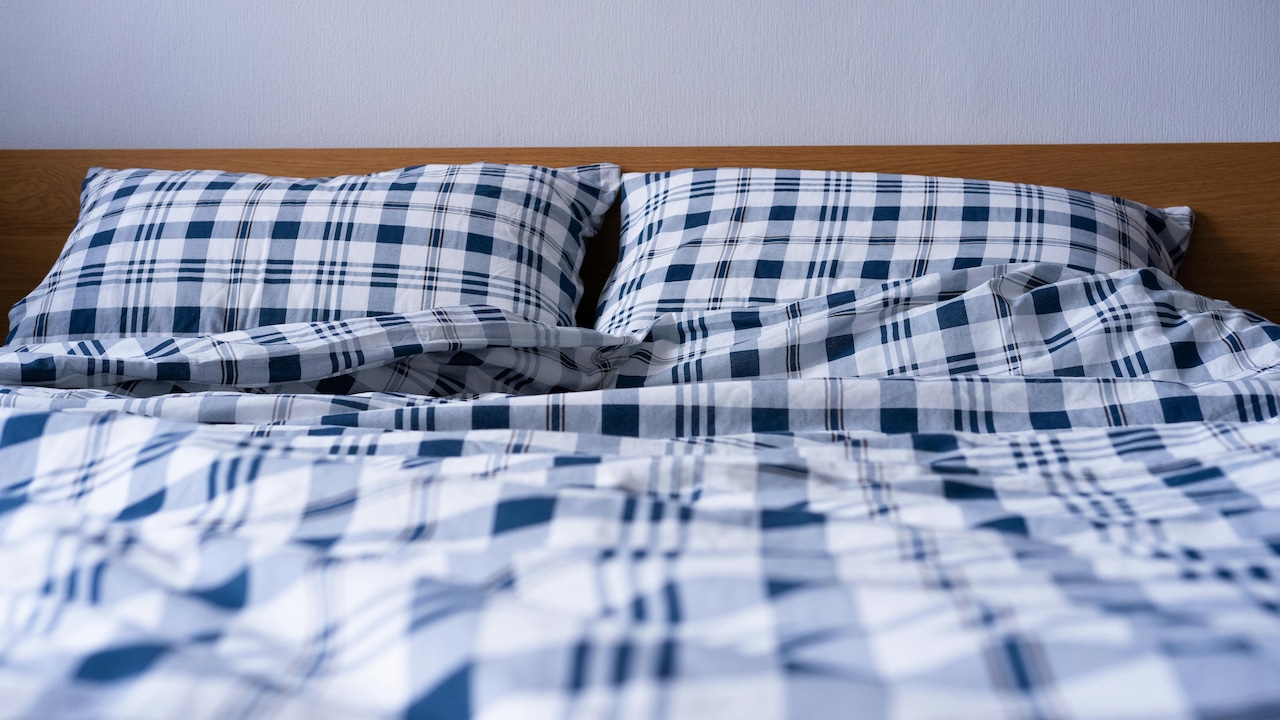
How to Stop Bedsheets From Pilling After Washing and Choose Fabrics That Last Longer
Photo Credit: Pexels
Remove Pills Early With Fabric Tools
Even the best bedsheets occasionally develop minor pilling after extended use. Addressing these pills early prevents them from spreading across the fabric.
Fabric shavers provide one of the simplest solutions. These small devices gently trim the tiny fibre balls without damaging the surrounding fabric. Many models operate with batteries and require only a few minutes to restore smoothness.
A manual lint roller or fabric comb can also remove pills effectively. Light strokes across the sheet surface lift loose fibres before they grow into larger clusters.
The key lies in gentle handling. Aggressive scraping or pulling may worsen fibre damage rather than fix it. Slow, careful movements protect the fabric while removing unwanted texture.
Regular maintenance keeps bedsheets looking fresh between washes. A quick fabric-shaver session every few weeks maintains the smooth surface that makes bedding comfortable.
Preventing pilling remains the ideal approach, yet addressing early signs quickly helps extend the life of favourite sheets.
Small maintenance habits ensure bedding continues to feel inviting night after night.
Rotate Bedsheets To Reduce Wear Over Time
Constant use accelerates fabric wear. Bedsheets used every night experience continuous friction from body movement, mattress pressure, and repeated washing.
Rotating between multiple sheet sets distributes this wear evenly. Keeping two or three sets in regular rotation allows each one time to rest between uses and washes.
For example, alternating between three sheet sets purchased at around ₹1,800 each often proves more economical than replacing a single worn set every few months. Rotation reduces washing frequency and gives fibres time to recover from mechanical stress.
Storage conditions also matter. Bedsheets should remain in a dry, well-ventilated cupboard rather than sealed plastic containers. Air circulation prevents moisture buildup that could weaken fibres.
Seasonal rotation offers another benefit. Lighter percale sheets work well during humid months, while slightly heavier sateen fabrics provide comfort during cooler nights.
Simple household routines often determine the lifespan of everyday items. Rotating bedsheets stands among the easiest ways to maintain their smoothness and durability.
With thoughtful care, bedding remains inviting long after its first purchase.
Products Related To This Article
1. TIB 140 TC Glace Cotton Geometric King Size Bedsheet with 2 Pillow Covers
2. haus & kinder Bedsheet for Double Bed King Size 186 TC Pure Cotton
3. BSB HOME 100% Cotton Feel Double Bed Bedsheet Set
4. VOMZER Cotton Feel King Size Flat Bedsheet for Double Bed
5. Story@Home King Size Bedsheet
Smooth, comfortable bedsheets contribute quietly to restful sleep and a pleasant bedroom atmosphere. Yet many households watch their favourite bedding lose its softness as pilling begins to appear after repeated washing.
Fortunately, this problem rarely arises without warning. Fabric quality, washing habits, detergents, and drying methods all influence how bedsheets age over time.
Choosing long-staple cotton, avoiding synthetic blends, and selecting durable weaves create a strong foundation for long-lasting bedding. Gentle washing routines, mild detergents, and careful drying protect fibres from unnecessary stress. Even small habits, such as turning sheets inside out or rotating multiple sets, can extend their lifespan.
Pilling may seem like a minor annoyance, yet it transforms the feel of fabric dramatically. Addressing the causes early preserves the comfort that makes slipping into a freshly made bed so satisfying.
With thoughtful choices and a little care, bedsheets can remain smooth, soft, and inviting for years rather than months. The reward appears every night in the simple pleasure of comfortable sleep.
(Disclaimer: This article may include references to or features of products and services made available through affiliate marketing campaigns. NDTV Convergence Limited (“NDTV”) strives to maintain editorial independence while participating in such campaigns. NDTV does not assume responsibility for the performance or claims of any featured products or services.)





![Steam Iron Teflon Shoe Cover for ES-300,ST-96 [Only For ES-300 and ST-96 Model Electric Steam Irons]](https://m.media-amazon.com/images/I/51wwkttondL._SL160_.jpg)