Floor Runner Vs Area Rug: What Works Better For Narrow Indian Hallways?
Floor runners suit narrow hallways better than area rugs. They save space, improve flow, reduce clutter, and add comfort without blocking doors or making compact passages feel crowded.
Floor Runner Vs Area Rug: Which One Suits Narrow Hallways Better?
A hallway rarely gets the love it deserves. The living room gets the statement sofa, the bedroom gets soft cushions, and the balcony gets fairy lights during Diwali. The hallway, meanwhile, quietly handles everything. It sees school bags flung near the door, wet umbrellas after a sudden downpour, hurried footsteps before the office, and relatives walking in with boxes of sweets. Yet this narrow strip can set the tone for the whole home. A bare passage may look cold, noisy, or unfinished. Add the right rug, and it suddenly feels warmer, neater, and more welcoming. But that brings up a common décor dilemma. Should a long floor runner take charge, or can an area rug do the job better?
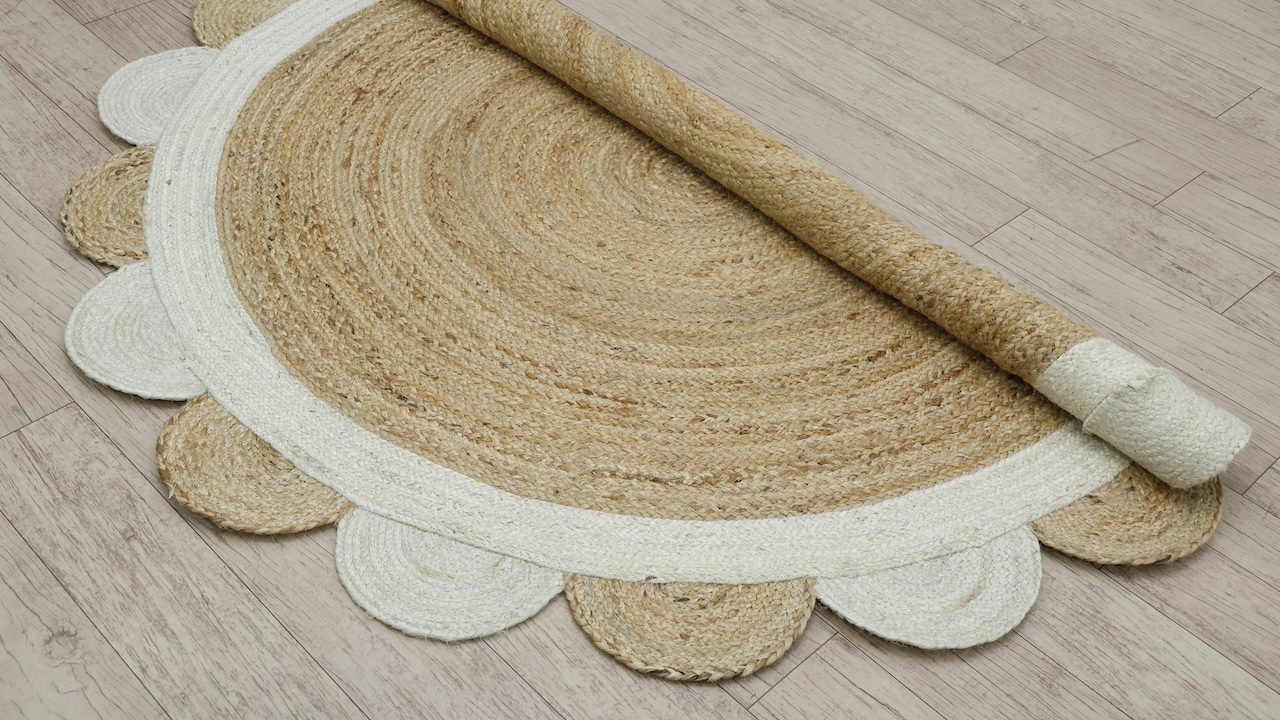
Floor Runner Vs Area Rug: Which One Suits Narrow Hallways Better?; Photo Credit: Pexels
Both have charm. Both can work beautifully. But narrow hallways have their own rules. Space runs tight, corners matter, doors need clearance, and one awkward rug can turn into a daily tripping hazard. So, let's walk through the choice with a cup of chai in hand and a very practical eye on real homes.
Also Read: Budget Home Makeover: 15 Stunning Carpets Starting from ₹999 for Instant Style
How To Choose The Right Rug For A Narrow Hallway
Shape Matters More Than Style
In a narrow hallway, shape decides comfort before colour gets a chance to impress. A floor runner suits long, slim spaces because it follows the natural line of the passage. It creates flow without eating into precious width. The eye travels along it, which can make the hallway look longer, cleaner, and more intentional.
An area rug works better in wider spots, such as near a foyer, a landing, or a small square space outside bedrooms. In a tight passage, it may look squeezed or oddly placed, like a dining mat trying to attend a wedding in sneakers. The proportions simply fight the architecture.
Most city homes have corridors that connect rooms in a straight or L-shaped manner. A runner respects that layout. It covers the walking path and leaves enough flooring visible on both sides. That balance matters because a rug should frame the space, not swallow it whole. For a narrow hallway, the runner usually wins the shape test with quiet confidence.
Safety Comes Before Drama
A beautiful rug that slips underfoot deserves no place in a busy home. Hallways carry fast movement, especially during morning chaos. Someone rushes for the tiffin, someone hunts for keys, and someone's slipper always appears in the wrong place. In such a zone, safety matters more than pattern, pile, or trend.
Floor runners often work better because their long shape sits neatly along the walking route. When paired with an anti-skid rug pad, they stay firm and reduce the chance of curling edges. A flatweave runner also helps doors open easily and keeps feet steady.
Area rugs can create trouble if their corners sit near doorways or bends. In a narrow corridor, even a small lifted edge can catch a toe. Homes with elderly parents, young children, or pets need extra caution. A low-pile, well-gripped runner keeps movement smooth. It does not demand attention every time someone walks across it. Good décor should not behave like an obstacle course. It should make life easier, safer, and a little prettier.
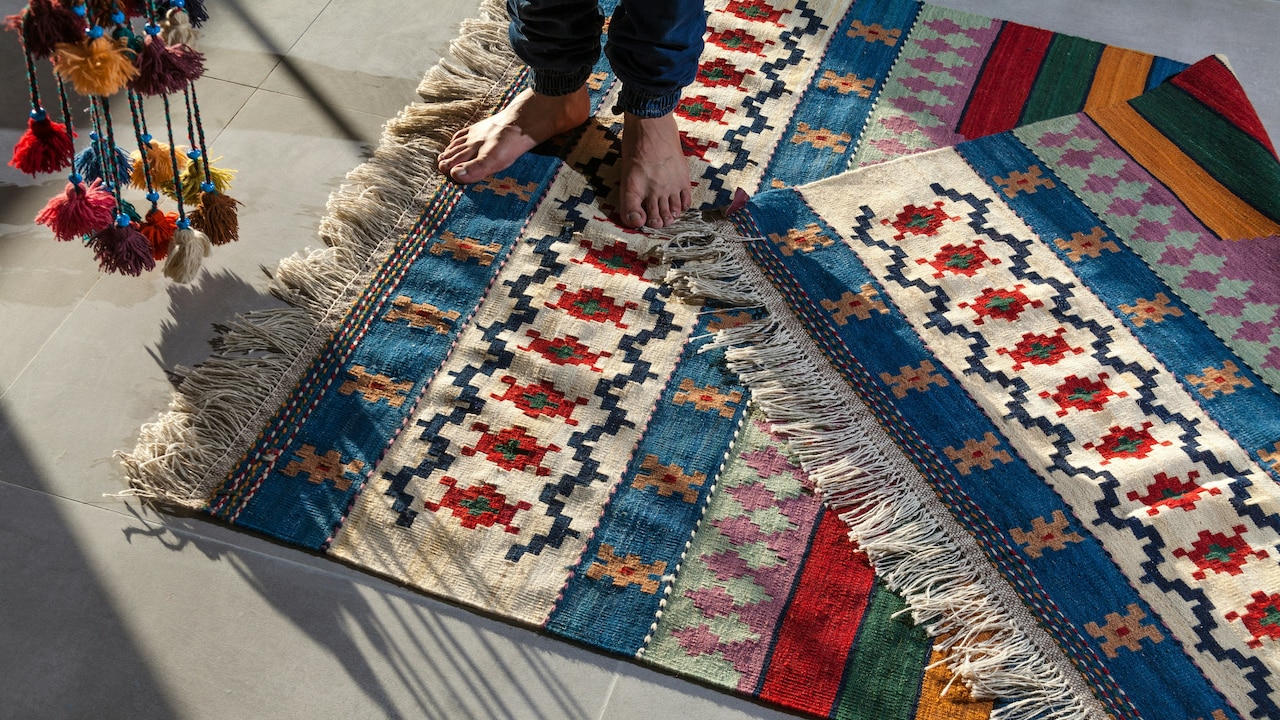
Floor Runner Vs Area Rug: Which One Suits Narrow Hallways Better?; Photo Credit: Pexels
Cleaning Should Match Real Life
Hallways collect dust like gossip travels in a housing society: quickly and from every direction. Shoes bring in mud, balconies send in fine dust, and festive days add flower petals, rangoli powder, and snack crumbs. The rug here needs to handle daily life without turning cleaning into a weekend project.
A floor runner usually proves easier to maintain in narrow spaces. Many cotton, jute-blend, recycled polyester, and flatweave runners can be shaken out, vacuumed, or spot-cleaned without much fuss. Their slim shape also makes them easier to lift and air out on the balcony railing.
Area rugs can feel heavier and more awkward in a narrow hallway. If they sit partly under furniture or block door swings, cleaning becomes more annoying. Thick rugs trap dust and may need deeper cleaning, which adds cost over time.
For homes where the hallway sits near the main door, choose darker tones, busy patterns, or washable materials. Beige may look lovely in a showroom, but one monsoon week can teach it humility.
Door Clearance Can Ruin Everything
A rug may look perfect until the bedroom door refuses to open. This tiny detail causes big frustration in compact homes. Hallways often connect multiple rooms, bathrooms, storage cupboards, and the main entrance. Every door needs space to swing freely.
Floor runners have an advantage because they can sit in the centre of the passage, away from door arcs. A low-profile runner, especially one with a thin weave, lets doors move without dragging. It also avoids bunching, which can make the hallway look messy.
Area rugs create more clearance issues. Their wider shape may stretch into door paths, and thicker piles can scrape against the bottom of doors. Over time, this causes wear on both the rug and the door. Nobody wants a rug that starts a quarrel every morning.
Before buying, measure the door gap from the floor. Also check where each door opens. A charming rug loses its charm when it needs constant adjusting. In narrow hallways, a slim runner keeps peace between style and practicality.
Visual Flow Makes Small Spaces Breathe
Small homes need visual tricks that feel natural, not forced. A floor runner can guide the eye forward and create a sense of movement. This effect works beautifully in narrow hallways because the rug acts like a gentle pathway. It says, “Come in, the home continues this way.”
Stripes, small geometric prints, ikat-inspired motifs, and muted borders can stretch the look of the space. A runner with lengthwise patterns makes the passage feel less cramped. Even a simple solid runner with textured weaving adds depth without noise.
An area rug can interrupt this flow if the hallway lacks width. It may create a stop-start feeling, especially if the rug looks too short or too wide. However, an area rug can shine in a square entrance zone. There, it creates a pause point where guests can remove footwear or admire a console table with brass diyas.
For a long corridor, choose flow. For a compact foyer, choose focus. That simple rule saves a lot of décor confusion.
Comfort Underfoot Has Its Own Charm
Hard flooring looks elegant, but it can feel cold and echoey. Marble, vitrified tiles, and stone floors often amplify footsteps, especially in apartments. A rug softens that sound and adds comfort. The hallway starts to feel less like a transit lane and more like part of the home.
Floor runners add comfort exactly where people walk. They cushion the central path without covering unnecessary space. This works well for homes where family members move between rooms throughout the day. A runner beside the bedrooms also feels pleasant during early mornings when bare feet meet the floor.
Area rugs offer broader softness, but they need enough room to make sense. In a narrow hallway, their extra width may not add comfort; it may only add clutter. A thick area rug can also feel bulky in a passage that needs easy movement.
For comfort, pick material wisely. Cotton feels casual and breathable. Wool feels plush but costs more. Synthetic blends handle wear well. Jute adds texture, though it may feel rough under bare feet.
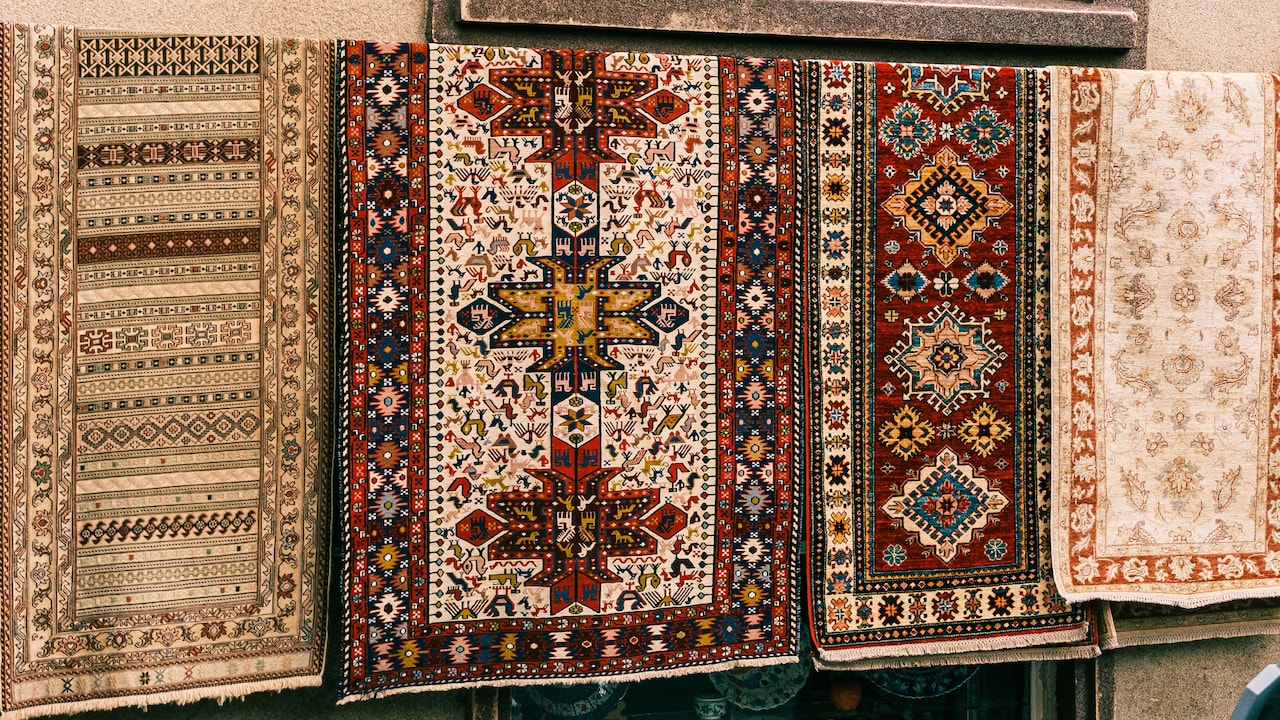
Floor Runner Vs Area Rug: Which One Suits Narrow Hallways Better?; Photo Credit: Pexels
Budget Should Include More Than Purchase Price
A rug's price tag tells only half the story. A runner may cost less than a large area rug, especially in narrow sizes. Many good hallway runners fall into accessible price ranges, starting from around ₹800 for basic cotton options and going much higher for handwoven pieces. The final cost depends on material, size, weave, and brand.
Area rugs usually cost more because they cover more surface area. Even a medium-sized rug can cross ₹3,000 or ₹5,000 quickly if the material feels premium. Cleaning costs also matter. A large rug may need professional washing, especially after stains, pet accidents, or heavy dust.
Floor runners tend to be more economical for narrow hallways because they cover the required path without waste. They also allow easier replacement if tastes change. That matters in homes where décor gets refreshed before festivals or family functions.
Spend on quality where it counts. A cheap rug that curls, sheds, or fades quickly becomes expensive in spirit. A slightly better runner can serve quietly for years and still look graceful.
Patterns Need Discipline In Tight Spaces
Patterns bring personality, but narrow hallways cannot handle visual shouting. A busy rug in a slim passage may make the space feel crowded. The trick lies in choosing designs that add movement without creating chaos.
Floor runners offer a good canvas for controlled patterns. A border design, fine stripes, small florals, traditional motifs, or faded vintage patterns can look charming. They add character while keeping the hallway tidy. Homes with plain walls and neutral flooring can handle bolder runners. Homes with colourful artwork, textured walls, or patterned tiles need softer rugs.
Area rugs often carry larger central motifs. These designs need a viewing distance. In a narrow hallway, the pattern may get cut off by walls or furniture, which weakens the look. A medallion-style area rug, for example, may feel grand in a living room but awkward in a corridor.
Choose colours that connect with nearby rooms. Rust, indigo, olive, beige, charcoal, and terracotta often blend well with warm wood, brass accents, and everyday home palettes. Let the rug speak, not sing loudly into a microphone.
Furniture Placement Changes The Decision
Some hallways stay completely empty. Others hold shoe racks, slim consoles, wall shelves, laundry baskets, or a plant that everyone bumps into but refuses to move. These details affect the rug choice.
A floor runner works well when furniture lines one wall or when the walking path remains clear. It can sit neatly in the centre and leave furniture legs on the floor. This avoids uneven surfaces and keeps the rug from wrinkling.
An area rug may work near a console table or entrance bench if the space widens slightly. It can anchor that little zone and make it feel styled. For example, a square foyer with a wooden bench, cane basket, and mirror can look lovely with an area rug. But the rug should fit fully within that zone. Half-in, half-out placements rarely look polished.
Avoid placing heavy furniture on only one edge of a runner. That can make cleaning harder and create tension in the fabric. Narrow hallways need lightness. The best rug supports the layout instead of wrestling with it.
Climate And Season Play A Role
Homes across the country deal with heat, dust, humidity, and sudden rains. A rug in the hallway must suit the local climate. In warmer cities, thick woollen rugs may feel heavy for most of the year. Cotton, flatweave, dhurrie-style runners, and washable blends feel more practical.
During the monsoon, hallways near the entrance need quick-drying materials. A runner that absorbs too much moisture can smell musty. Nobody wants the first welcome note of the home to smell like damp socks. Synthetic blends and tightly woven cotton can manage better if cleaned and dried properly.
Area rugs with thick piles may trap humidity and dust. They work best in dry, less busy corners. In narrow passages, they may need more maintenance than they deserve.
Seasonal styling can also help. Use a lighter runner during summer and a richer one during winter or festive months. Swapping runners costs less and takes less storage than rotating large area rugs. A rolled runner fits behind a cupboard or under a bed without demanding half the storeroom.
The Final Verdict For Narrow Hallways
For most narrow hallways, a floor runner works better. It suits the shape, improves flow, offers comfort, reduces noise, and stays practical for daily cleaning. It also gives the passage a finished look without crowding the space. Think of it as the kurta that fits perfectly: simple, graceful, and ready for every occasion.
An area rug still has its place. It works well in a wider foyer, a square landing, or a small entrance nook that needs anchoring. It can create a warm first impression and define a special corner. But in a long, narrow hallway, it often feels less natural.
The best choice comes down to proportion. Measure the hallway, check door clearance, consider foot traffic, and choose a rug that leaves visible flooring on both sides. Keep the pile low, use an anti-skid pad, and pick colours that forgive dust between cleanings.
A hallway may be narrow, but its style need not feel small. With the right runner, that everyday passage can become a quiet little welcome home.
Products Related To This Article
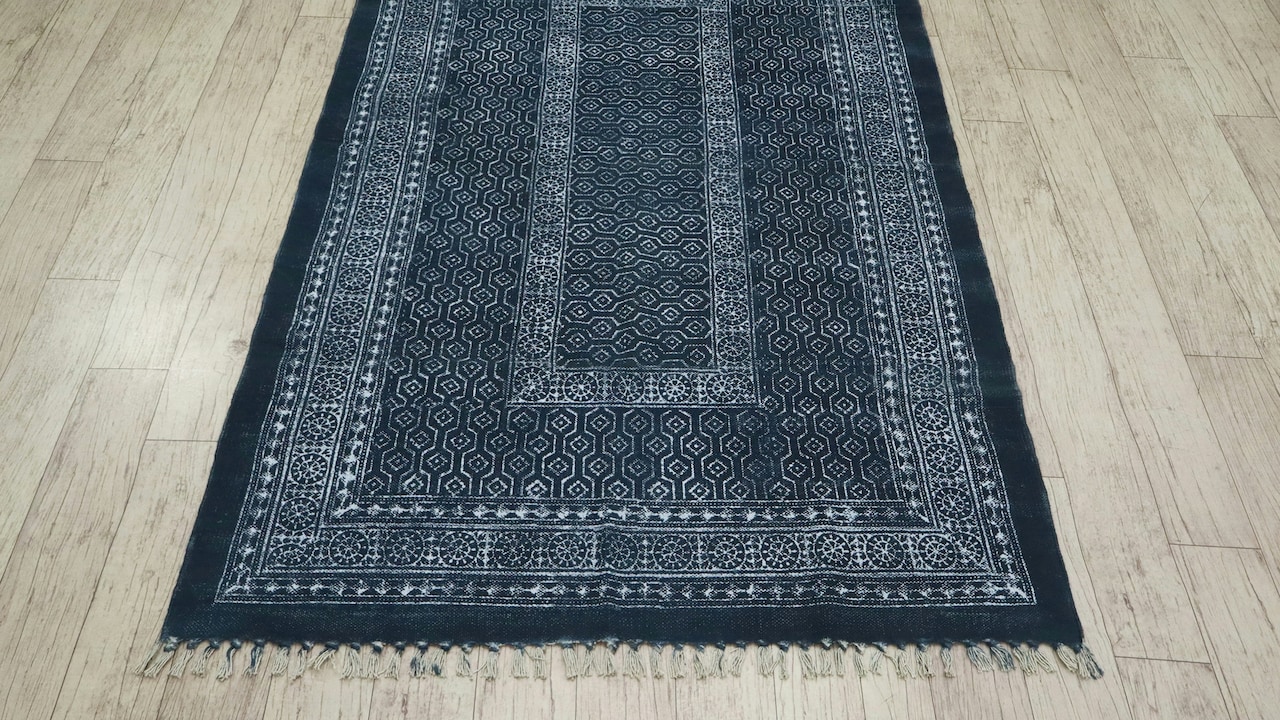
1. HOMADORN Handmade Printed Rug
2. Handmade 3D Edge Collection, Super Soft Microfiber Silk Touch Rugs
3. Saral Home Solid Soft PP Yarn Durable & Washable Multipurpose Runner for Home
4. ishro home 3x5 Feet 3D Jet Multi Printed Carpet Rug Runner and Carpets for Bedroom
5. SKIVE India Stylish Anti Skid Backing Super Soft Velvet Feel Fur Bedside Runner
6. HOMADORN Handmade Printed Rug
7. Proxin Kitchen Rugs and Mats Non Skid Washable Set of 2
A floor runner wins the narrow hallway debate because it understands the space better. It stretches neatly, guides movement, and brings warmth without taking over. It handles daily footsteps, festive rush, school mornings, courier deliveries, and all the small dramas of home life with ease.
An area rug belongs where the hallway opens up and allows breathing room. Used in the right spot, it can look elegant and inviting. Used in a tight corridor, it may feel bulky and troublesome.
The smartest choice blends beauty with common sense. Measure first, choose a low-pile material, secure it well, and let the rug complement the home rather than compete with it. A good hallway rug does more than cover the floor. It softens the mood, welcomes guests, and makes the journey from one room to another feel just a little more special.
(Disclaimer: This article may include references to or features of products and services made available through affiliate marketing campaigns. NDTV Convergence Limited (“NDTV”) strives to maintain editorial independence while participating in such campaigns. NDTV does not assume responsibility for the performance or claims of any featured products or services.)