Why Your Spice Jars Still Look Messy Even After Buying An Organiser
Even the best spice organiser can look chaotic if jars, labels, refills and daily cooking habits do not work together. This is why your masala shelf still looks messy and how small changes can make it feel truly sorted.
Why Your Spice Jars Still Look Messy After Using An Organiser
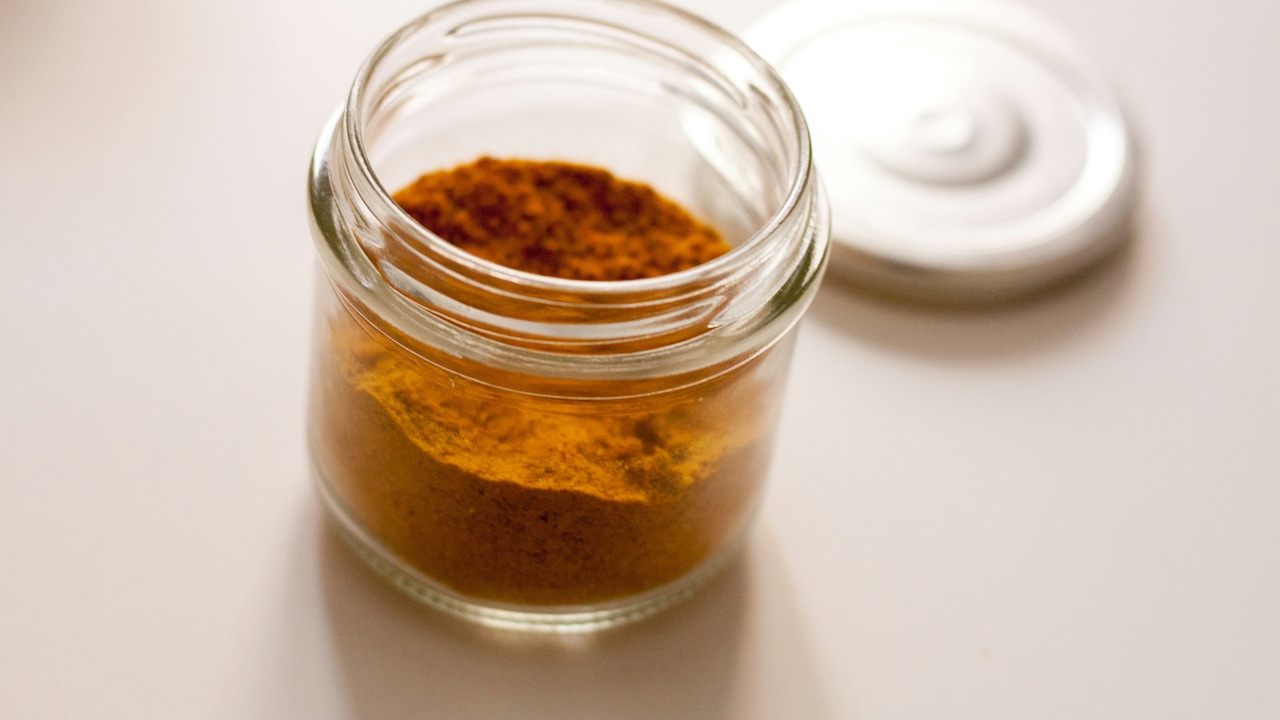
There is a special kind of hope that arrives with a new spice organiser. It comes wrapped in cardboard, smelling faintly of fresh plastic, bamboo, or metal. For a few hours, the kitchen feels reborn. The haldi gets a proud spot. The jeera sits straight. The garam masala finally stops rolling into the back of the cupboard like a fugitive. Then real life enters. Someone makes poha in a hurry. Someone refills the chilli powder halfway. A packet of pav bhaji masala arrives from the monthly grocery order. The coriander powder spills near the lid. Three jars look identical, but only one has a label. By Sunday, the organiser still exists, but the neatness has gone on leave. The truth feels slightly annoying but comforting too. A spice organiser does not automatically organise spices. It only gives them a place to stand. The actual order comes from how jars match, how often spices get used, how labels behave, and whether the system fits the rhythm of daily cooking. Most kitchens do not need a fancier organiser worth ₹2,000. They need a smarter arrangement, one that understands tadka, hurried breakfasts, festival cooking, refill packets, house help, and that one family member who never puts hing back in the same place.
Why Your Spice Jars Still Look Messy After Using An Organiser; Photo Credit: Pexels
Why Your Spice Organiser Still Does Not Look Sorted
Your Jars Do Not Match The Organiser
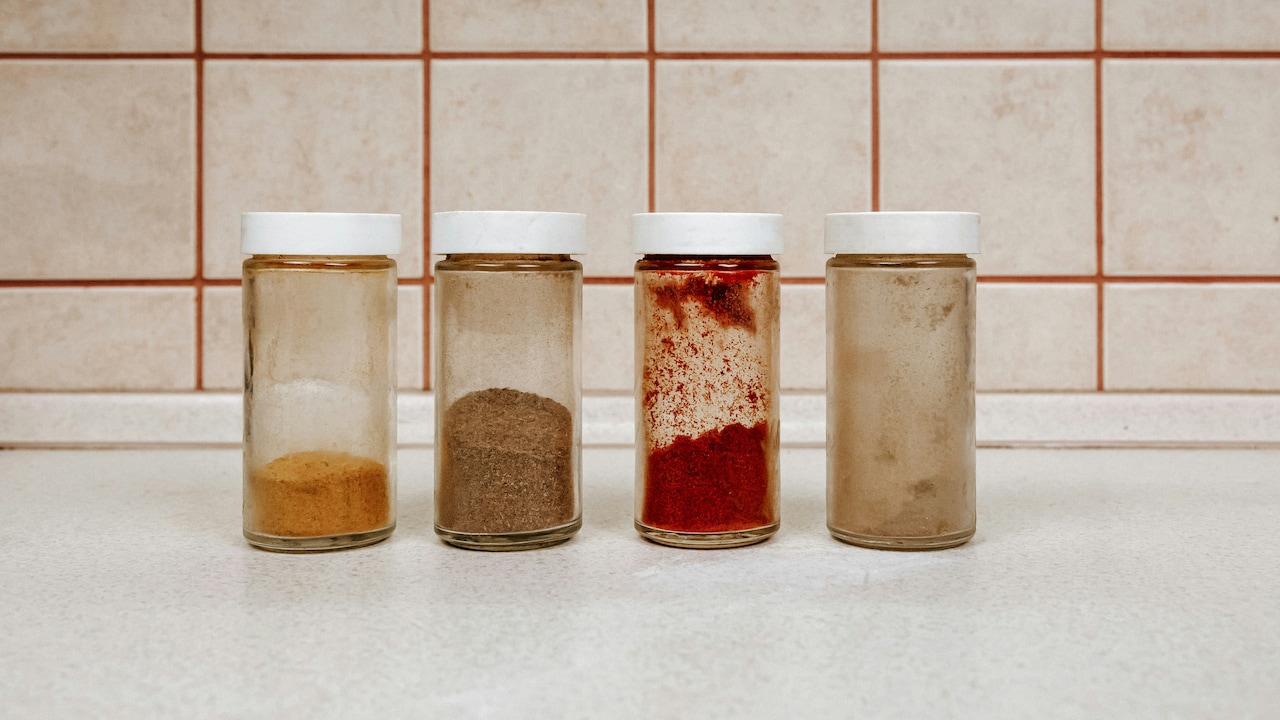
The organiser may look tidy in the product photo because every jar in it has the same height, width, and lid style. At home, the story changes fast. One glass jar came from an old jam bottle, another from a pickle brand, and three plastic containers arrived free with a storage set bought during a Diwali sale.
When jars have different shapes, the organiser starts looking crowded even when every jar sits in its slot. Tall jars block shorter ones. Round jars waste corner space. Square jars fight with circular grooves. A slim bottle of oregano stands next to a squat dabba of red chilli powder, and the whole setup begins to look like a school assembly after the bell has rung.
This does not mean every household must buy matching jars in one expensive swoop. A better approach begins with grouping. Keep everyday masalas in similar jars, even if the rest stay mixed. Haldi, mirchi, dhania, jeera, rai, hing, and garam masala deserve a uniform front row because they work the hardest. The less-used spices can stay behind in their own odd little personalities. Order improves when the busiest jars look related. The eye forgives the back row once the front row behaves.
Also Read: Top 5 Airtight Jars For Summer Storage Under ₹1000 To Keep Food Fresh Longer
You Bought Storage Before Studying Your Cooking Habits
Many organisers fail because they suit the kitchen in someone else's house. A tiered rack may look perfect online, but it may not work for someone who cooks three full meals a day and reaches for mustard seeds before the kettle even boils. A rotating carousel may charm the heart, yet it becomes irritating if it sits in a deep cabinet and needs two hands every time.
Before any spice system works, it must answer a simple question: which masalas get touched daily?
Most homes have a clear pattern. Haldi, chilli powder, coriander powder, cumin seeds, mustard seeds, asafoetida, garam masala, and salt-adjacent seasonings usually need quick access. Then come weekend spices such as kasuri methi, peppercorns, cardamom, cinnamon, cloves, biryani masala, chaat masala, and sambar powder. After that sit the occasional guests, like nutmeg, star anise, or that fancy peri-peri mix bought for ₹149 and used twice.
When all spices receive equal importance, the organiser becomes crowded and confusing. Daily spices should sit at hand level, close to the hob. Weekly spices can sit one step away. Rare spices can move higher or deeper.
A kitchen looks messy when it is ignored frequently. A kitchen feels calm when it respects habit.
The Labels Are Either Missing Or Too Clever
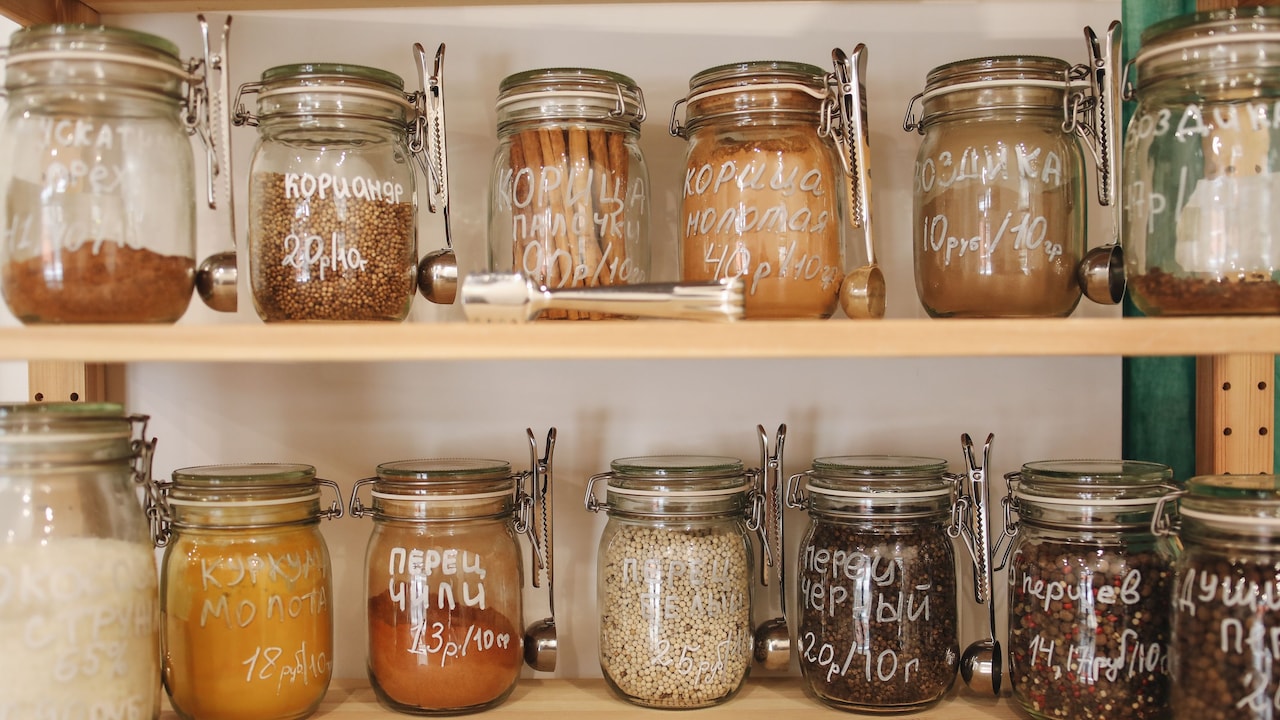
A spice jar without a label demands trust. Unfortunately, coriander powder and cumin powder look suspiciously similar, especially during a busy morning. Even chilli powder has cousins: Kashmiri, regular, homemade, extra-hot, and the one bought because the shopkeeper said, “Madam, colour bahut achha aayega.”
Labels solve this, but only when they stay readable. Tiny cursive stickers may look charming for two days, then become useless during actual cooking. Black labels with white chalk pens often smudge near oily fingers. Transparent labels disappear against pale powders. Some labels say “Masala” as if that helps anyone.
The best labels speak plainly. “Haldi”, “Dhania Powder”, “Jeera”, “Rai”, “Kashmiri Mirchi”, “Garam Masala”. A mix of English and familiar kitchen names often works better than polished, magazine-style wording. Nobody wants to pause mid-tadka and decode “Turmeric Root Dust”.
Labels should face the same direction too. This tiny detail changes everything. When half the labels point front and half point sideways, the rack looks untidy even when it holds everything correctly.
A clean label does more than identify a spice. It lowers kitchen irritation. It prevents accidental extra chilli in aloo sabzi. That alone deserves respect.
Why Your Spice Jars Still Look Messy After Using An Organiser; Photo Credit: Pexels
Refill Packets Are Creating A Second Spice Colony
The organiser may hold the jars, but what about the half-used packets? Every kitchen has them. A folded dhania powder packet secured with a rubber band. Two opened jeera packets because nobody checked the first one. A turmeric pouch hiding inside a steel dabba. A “buy one get one” biryani masala offer that seemed sensible at the supermarket.
These refill packets create a second spice system, and that is where mess grows quietly. The jars look decent from the outside, while packets pile up behind them like backstage chaos. Soon, nobody knows what needs buying. One person orders more chilli powder. Another discovers three unopened packets during cupboard cleaning. Money leaks in small amounts, usually ₹40, ₹80, ₹120 at a time.
The fix needs one refill zone. Not ten hiding spots. A small basket, box, or old mithai tin can hold every backup packet. It should sit away from the main organiser but close enough for refilling. Once a month, check it before making the grocery list.
A spice organiser handles daily use. A refill box handles surplus. Mixing both turns neatness into a rumour.
Too Many Spices Live In The Front Row
The front row of a spice organiser is prime property. Treating every masala like a VIP creates instant clutter. There is no reason for dried rosemary, pizza seasoning, black sesame, and nutmeg to fight for space next to haldi if they barely appear in daily cooking.
Many kitchens look messy because they confuse ownership with access. Just because a spice exists does not mean it deserves the easiest spot. That imported seasoning from a cousin's Goa trip may have emotional value, but it need not sit next to mustard seeds during everyday cooking.
A better system works like a local train during office hours: only regular passengers get the best standing space. The front row should hold the spices that enter food often. The second row can hold weekly favourites. The third row, drawer, or upper shelf can hold occasional flavours.
This also makes cooking faster. When the usual spices stay visible, the hand moves with confidence. No jar shuffling. No mild panic. No knocking over cloves while searching for cumin.
A tidy organiser does not display everything. It edits. The kitchen counter may be democratic, but the spice rack needs discipline.
The Shelf Height Works Against You
A perfect organiser can still fail if it sits in the wrong place. A rack placed too high becomes a daily shoulder workout. A deep cabinet swallows small jars. A drawer without top labels turns into a guessing game. A rack beside the stove collects oil faster than gossip travels through a housing society WhatsApp group.
Shelf height matters because spices work with movement. Cooking rarely happens slowly. On most mornings, there is tea boiling, tiffin cooling, dosa batter waiting, and someone asking where their socks are. In that moment, a spice jar must appear quickly and return easily.
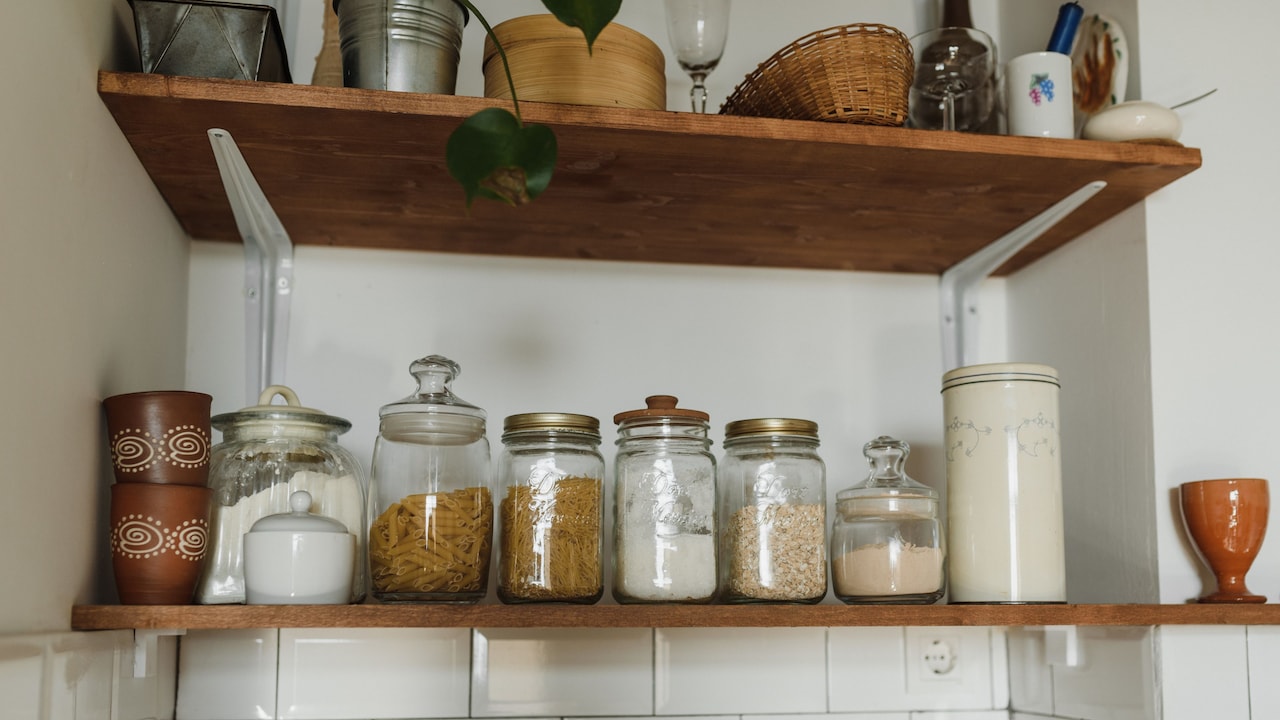
The best spice spot sits between eye level and waist level. It should allow one-handed access. The cook should not need to pull out five jars to reach one. If the organiser lives in a cabinet, tiered shelves help. If spices live in a drawer, top labels help. If they sit near the stove, lids must close tightly, and the rack needs regular wiping.
A messy look often comes from awkward access. When a place feels annoying, people stop returning things properly. Convenience creates order more reliably than good intentions.
Why Your Spice Jars Still Look Messy After Using An Organiser; Photo Credit: Pexels
The Organiser Has No Breathing Space
A packed organiser may seem efficient, but it often looks messy because every inch carries something. Jars touch jars. Lids scrape. One extra packet squeezes into a corner. A spoon lies sideways. A tiny container of cloves sits on top of another jar like it has lost its way.
Breathing space matters. It gives the eye a sense of calm and gives the hand room to move. In a kitchen, empty space is not wasted space. It is a working space. It prevents spills, breakage, and that irritating domino effect where one jar knocks down three others.
A good rule is simple: leave a little gap. Not a showroom-style gap, just enough for fingers to lift a jar without disturbing its neighbours. If the organiser has twelve slots, filling all twelve may not always work. Ten neat jars often look better than twelve squeezed ones.
This idea feels difficult in smaller flats, where every shelf already carries pressure. Yet, even there, breathing space helps more than another storage product. Remove expired spices. Merge duplicates. Move rare items out.
A spice organiser should not feel like a local market lane before a festival. It should feel like a counter where everything has room to be useful.
Old Masalas Are Adding Visual Noise
Spices do not shout when they grow old. They simply fade, clump, lose fragrance, and sit there politely, taking up space. A jar of dull turmeric, a hardened clump of garlic powder, or coriander powder that smells like cardboard can make the whole organiser feel neglected.
Many people keep spices longer than intended because throwing food feels wrong. That feeling makes sense. No one wants to waste something bought with care and money. Still, old masalas cost more than shelf space. They weaken flavour, encourage overuse, and make fresh cooking taste flat.
A quick smell test helps. Fresh cumin smells warm and earthy. Good garam masala should smell alive, not dusty. Chilli powder should keep its colour and strength. If a spice needs three spoons to do the job of one, it has probably retired.
Cleaning the organiser becomes easier once old spices leave. Jars reduce. Colours brighten. Labels begin to matter again. Even the food gains a little sparkle.
This does not require dramatic decluttering. Start with one shelf. Open each jar. Smell it. Check for clumps, insects, fading, or mystery age. The spice rack often looks younger after ten quiet minutes.
Your Lids And Spoons Are Part Of The Mess
Spice mess does not only come from jars. Lids play their own role. Some lids do not close well. Some have shaker holes that clog. Some collect oil near the rim. Some look different from every other lid on the rack and create instant visual confusion.
Then come the spoons. One tiny spoon of chilli powder. Another is lying across the organiser. A third is missing inside the coriander jar. In many homes, spoons migrate like birds. They begin in one dabba and end up in another by evening.
A neat spice system needs a spoon plan. Either use clean, dry spoons from a nearby stand, or keep dedicated spoons only in wide-mouthed jars that can handle them. Avoid half-in, half-out spoons because they stop lids from closing and invite moisture. Moisture then creates clumps, especially during the monsoon.
Lids should also match where possible. Even if jars differ slightly, similar lids create a calmer look. Wipe rims before closing jars. It sounds small, almost too simple, but a clean rim keeps the jar looking cared for.
The organiser may hold the spices, but lids and spoons decide whether it looks tidy after real cooking.
The System Does Not Include The People Who Use It
A kitchen rarely belongs to one person's habits alone. A partner makes chai. A parent adds extra ajwain. A child hunts for chaat masala. House help may refill jars. Guests may help during festivals and return clothes to the wrong corner with full confidence.
When only one person understands the spice system, mess returns quickly. The organiser becomes a secret map. Everyone else guesses.
The solution should not depend on lectures. Nobody wants a kitchen training session before making upma. The system must explain itself. Clear labels, fixed rows, simple categories, and easy access help every person return jars correctly. Daily spices in front, whole spices together, masala blends together, baking or continental seasonings elsewhere. That kind of arrangement makes sense even to someone using it for the first time.
It also helps to avoid overcomplicated rules. A colour-coded spice system may look brilliant in theory, but if nobody remembers what blue means by Wednesday, it fails. The best system feels obvious.
A spice organiser stays neat when the whole household can follow it without asking questions. Shared spaces need shared logic, not private genius.
You Expect The Organiser To Do A Cleaner's Job
Buying an organiser feels like solving the mess. Yet, spice powders have a talent for escaping. Turmeric dust settles like golden pollen. Chilli powder leaves dramatic evidence. Mustard seeds bounce. Hing announces itself without permission. Even the neatest rack needs wiping.
A spice organiser cannot replace maintenance. It can only make maintenance easier. Without a small cleaning rhythm, every rack starts looking tired. Oil in the air sticks to jar lids. Powder gathers in corners. Labels curl. Soon, the organiser looks messy even if the jars stand in perfect order.
A weekly two-minute wipe can save the whole setup. Lift the jars, dust the base, wipe sticky lids, and check whether anything needs refilling. This small habit works better than a grand monthly cleaning session that requires emotional strength and a strong cup of chai.
Place a small cloth nearby if the spice rack sits close to the stove. Keep refills dry. Close jars immediately after use. These are boring tips, yes, but boring tips often rescue beautiful organisers from becoming expensive clutter.
A tidy spice corner does not need perfection. It needs rhythm. Like good cooking, order comes from small repeated actions.
Products Related To This Article
1. VILON 230ml Glass Jars with Bamboo Lids
2. Vasukie Glass Jars with Airtight Lids
3. TIENER Laramaid 9oz 12Packs Glass Jars Set with Minimalist Spice Labels
4. The Better Home Spice Storage Set with Airtight Bamboo Lids
5. RILION Multipurpose 6-in-1 Masala Box for Kitchen
6. Classyo Ceramic Storage Containers - 600 ml, Salt Container
7. WHISKET - 100 Ml Multipurpose Spice Jars Set With Bamboo Lids
A spice organiser can make a kitchen look calmer, but it cannot fight mismatched jars, unclear labels, crowded shelves, forgotten refill packets, and daily habits all by itself. The mess usually returns because the system looks good in theory, but does not match real cooking.
The most useful spice arrangement respects how the kitchen actually runs. Daily masalas need the best spots. Rare spices can move away. Labels should speak clearly. Refill packets need their own home. Jars, lids, and spoons should support quick use, not create extra fuss.
There is comfort in this. A messy spice organiser does not mean failure. It only means the kitchen has life in it. It has tadkas, hurried lunches, festival menus, late-night Maggi, and someone adding extra chilli despite family warnings.
The goal is not a perfect shelf that looks untouched. The goal is a spice corner that helps food happen with less irritation and more joy. When every jar earns its place, every label makes sense, and every refill has a home, even a simple ₹399 organiser can look better than a fancy rack bought in a burst of online-shopping optimism.
A neat spice shelf should not feel like a museum. It should feel like the start of something delicious.
(Disclaimer: This article may include references to or features of products and services made available through affiliate marketing campaigns. NDTV Convergence Limited (“NDTV”) strives to maintain editorial independence while participating in such campaigns. NDTV does not assume responsibility for the performance or claims of any featured products or services.)