How To Avoid Storage Furniture That Creates Clutter Instead Of Solving It
Storage furniture often adds to clutter instead of reducing it. From oversized cabinets to impractical designs, this guide explains how to choose storage that actually works for real homes and everyday living.
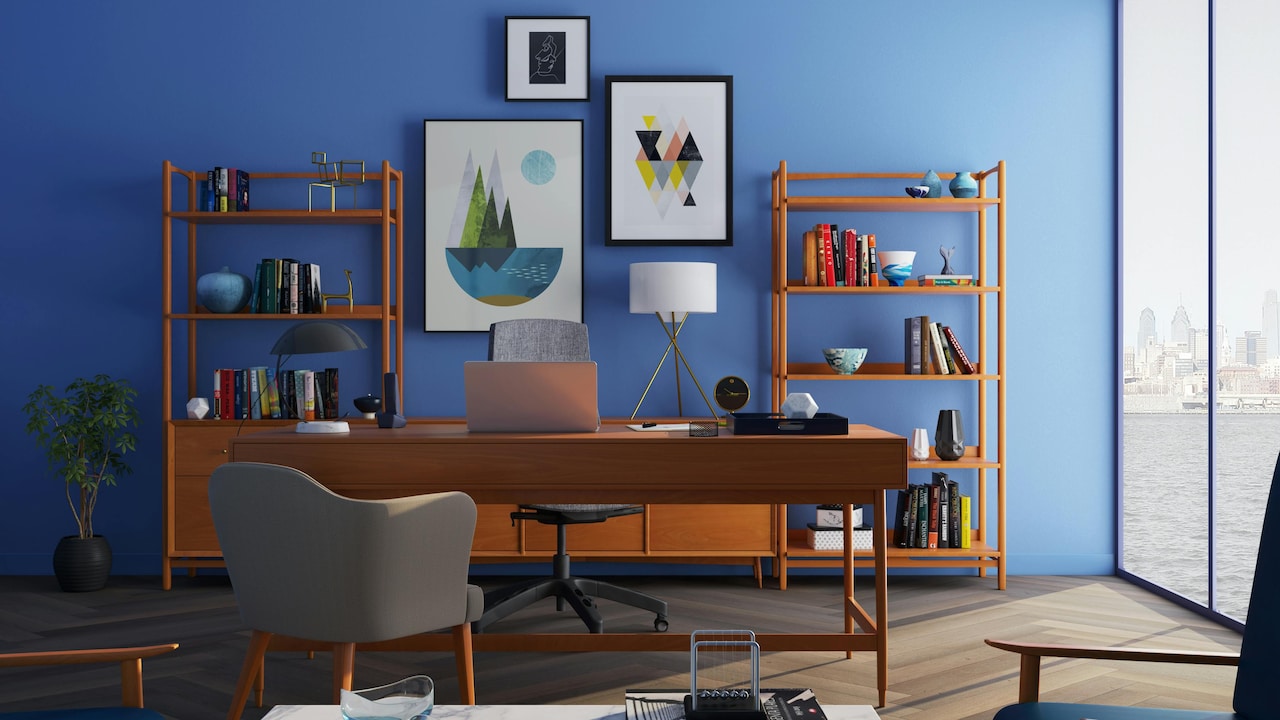
Know How To Choose Smart Storage Furniture That Organizes Your Space Instead Of Creating Clutter.
Every home has that one piece of furniture that looked perfect in the showroom but now feels like a regret. A massive cabinet blocking sunlight, a storage bed swallowing items never seen again, or shelves stuffed with things that do not belong there. Storage furniture often enters homes with good intentions. The goal stays simple: organise better and reduce mess. The result, sadly, turns out quite the opposite.
Clutter does not always come from having too many things. Often, it comes from storing them poorly. Furniture that lacks planning, flexibility or proportion can quietly invite chaos. Over time, drawers turn into dumping zones and cupboards become black holes. This article looks at common mistakes people make while choosing storage furniture and, more importantly, how to avoid them. The focus stays on thoughtful choices that suit real homes, real habits and real lifestyles.
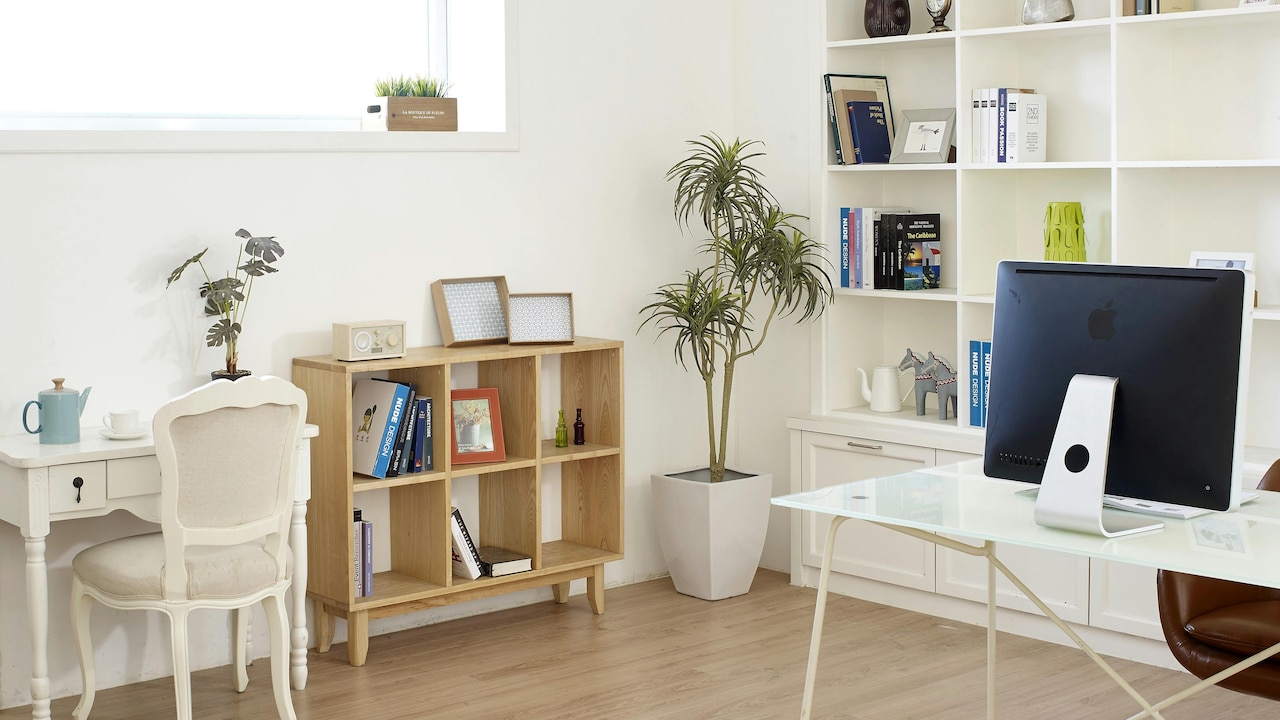
How to Avoid Storage Furniture That Creates Clutter Instead of Solving It
Photo Credit: Pexels
Why Most Storage Furniture Fails at the One Job It's Meant to Do
1. Choosing Size Over Sense
Bigger often feels better when shopping for storage furniture. A tall wardrobe or a wide sideboard gives comfort, as if extra space will solve everything. Yet oversized furniture can dominate a room and make it feel cramped. Narrow passages, blocked windows and awkward corners soon follow. Storage should support a room, not overpower it.
Before buying, measure the space carefully. Visualise how doors will open and how people will move around. A compact unit with smart compartments often works better than a massive one filled halfway. Homes benefit from furniture that respects scale. A slim cabinet tucked neatly along a wall feels lighter and more functional than a bulky piece demanding attention. When storage blends in, clutter loses its favourite hiding place.
2. Buying Storage Without a Purpose
Many storage units enter homes without a clear job. A chest arrives because it looked attractive. A shelf appears because there was a discount. Soon, these pieces store random items with no logic. This creates visual and mental clutter.
Every storage purchase needs a clear role. Will it hold books, clothes, toys or documents? When furniture lacks purpose, it becomes a dumping ground. Defined storage encourages disciplined habits. For example, a cabinet designed for footwear keeps shoes organised and away from living spaces. Purpose-driven storage reduces the temptation to stuff everything anywhere. Clarity at the buying stage saves frustration later.
3. Ignoring Daily Habits
Furniture often fails because it does not match everyday routines. A tall cabinet for daily-use items forces unnecessary bending and stretching. Deep drawers hide things under piles, leading to repeated purchases of forgotten items.
Storage should align with natural habits. Frequently used items deserve easy access. Less-used belongings can sit higher or deeper. When furniture works with daily behaviour, tidiness feels effortless. A kitchen drawer with dividers for spices saves time and patience. A hallway console with open trays encourages keys to stay in one place. Good storage respects how people actually live, not how catalogues suggest they should.
4. Falling for Over-Complicated Designs
Furniture with too many sections, hidden panels and tricky mechanisms looks impressive. In reality, such designs confuse users and discourage organisation. When opening a drawer feels like solving a puzzle, items end up piled elsewhere.
Simple designs age better and work harder. Clean lines, visible sections and intuitive layouts promote regular use. Storage furniture should invite organisation, not intimidate it. A straightforward bookshelf encourages books to return after reading. A plain wardrobe with adjustable shelves adapts over time. Complexity often creates clutter because it demands too much effort. Simplicity keeps things flowing.
Also Read: Manual vs Motorised Recliners For Small Homes: Which One Is Right For You?
5. Overlooking Vertical Space
Floors often carry the burden of storage while walls remain empty. This leads to crowded rooms and wasted potential. Storage furniture that spreads outward instead of upward eats into living space.
Vertical storage uses height efficiently. Tall shelves, wall-mounted cabinets and hanging organisers free up floors and improve airflow. Rooms feel more open and balanced. Vertical solutions work especially well in compact homes. A wall-mounted study unit can replace a bulky desk with drawers. Smart use of height keeps essentials organised without making rooms feel heavy.
6. Choosing Style Over Function
A beautiful piece of furniture can still fail at storage. Glossy finishes, unusual shapes and trendy designs often sacrifice usability. Drawers might look sleek but lack depth. Shelves may tilt style-wise but fail to hold practical items.
Style matters, but function matters more. The best storage furniture balances both. Handles should feel comfortable. Shelves should support real weight. When furniture performs well, it stays useful long after trends fade. A timeless wooden cabinet with adjustable interiors serves better than a fashionable piece that frustrates daily use. Beauty should support function, not replace it.
7. Forgetting Future Needs
Storage needs change over time. What works for a newly set-up home may fail as families grow or routines shift. Furniture that lacks flexibility soon becomes obsolete and cluttered.
Look for adaptable storage. Adjustable shelves, modular units and stackable designs evolve with changing needs. A child's toy cabinet can later store books or electronics. Flexible furniture extends usefulness and reduces wasteful replacements. Planning for the future avoids the cycle of buying, cluttering and discarding. Storage should grow with life, not resist it.
8. Stuffing Storage Instead of Editing Belongings
Storage furniture often becomes an excuse to keep everything. When new cabinets arrive, items multiply instead of reducing. This creates hidden clutter that resurfaces during cleaning or moving.
Good storage works best alongside regular editing. Before filling a new unit, assess what truly deserves space. Donate unused items. Discard broken ones. Storage should house what adds value, not what gathers dust. A half-filled shelf feels calmer than an overstuffed one. Conscious curation ensures storage furniture solves clutter rather than disguises it.
9. Ignoring Accessibility and Visibility
Out of sight often means out of mind. Storage units with deep, dark corners hide items until forgotten. This leads to duplicate purchases and messy surfaces.
Visibility improves organisation. Open shelves, glass panels or labelled boxes help track belongings easily. Accessibility matters just as much. When storage feels easy to use, items return to their place naturally. A pantry with clear containers prevents overbuying groceries. Thoughtful visibility turns storage into a helpful system instead of a mystery box.
10. Treating Storage as an Afterthought
Storage furniture often enters homes as a last-minute fix. Clutter builds up first, then furniture arrives in a rush. This reactive approach leads to mismatched pieces and wasted space.
Planning storage early makes a difference. Consider storage needs while arranging rooms, not after chaos sets in. Integrated storage solutions feel intentional and seamless. A bed with thoughtful under-storage planned from the start works better than boxes shoved underneath later. When storage becomes part of the overall design, clutter struggles to find a foothold.
Products Related To This Article
1. Amazon Basics Multi-Purpose Organizer
2. plastic Collapsible Wardrobe Cloth Rack for Storage
3. Book Shelf for Home, Engineered Wood Bookshelf for Home Decor
4. Homdox 4-Tier Bookcase Shelf Rack
5. Nilkamal Troy Engineered Wood Book Shelf
6. ABOUT SPACE Book Shelf for Home
7. Fabric Linen Collapsible Folding Ottoman Footrest Sitting Cum Storage Cube Stool Bag Bedding Organizer
Storage furniture holds great promise. It can simplify routines, calm spaces and support everyday living. Yet, poor choices turn that promise into frustration. Clutter grows when furniture ignores scale, habits and purpose. The solution lies in mindful selection, honest assessment and thoughtful design.
Homes thrive when storage works quietly in the background, supporting life rather than controlling it. The right pieces feel intuitive, flexible and light, even when holding many things. By choosing storage with intention and clarity, spaces breathe easier. Clutter loses its grip, and homes regain their sense of comfort and flow.
(Disclaimer: This article may include references to or features of products and services made available through affiliate marketing campaigns. NDTV Convergence Limited (“NDTV”) strives to maintain editorial independence while participating in such campaigns. NDTV does not assume responsibility for the performance or claims of any featured products or services.)