Microwave-Unsafe Containers: What Should Never Go Inside And What To Use Instead
Microwaves make life easier, but the wrong containers can melt, spark or release harmful chemicals. This guide explains which containers should never go inside a microwave and suggests safer alternatives for everyday reheating.
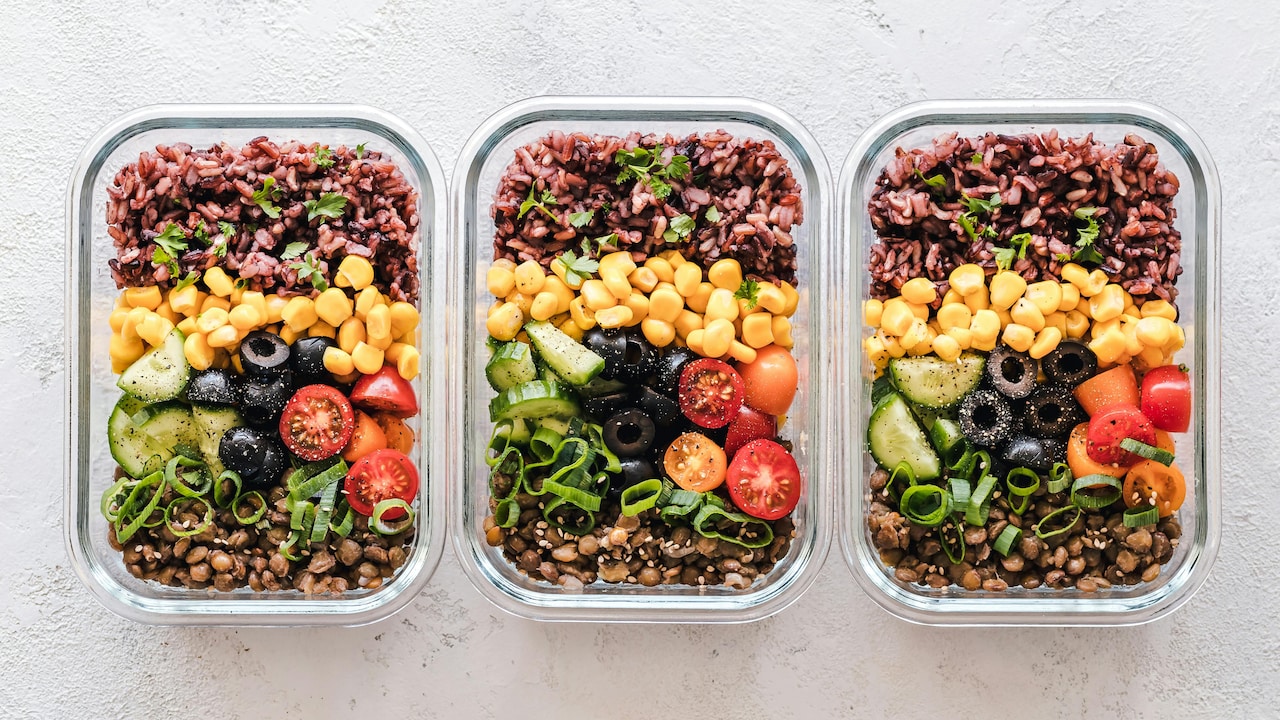
What Containers Should Never Go Inside A Microwave And What To Use Instead.
Microwaves rarely get the respect they deserve. They work through power cuts, survive years of splatters, and still heat food in seconds. Despite this loyalty, many kitchens unknowingly put microwaves under stress by using the wrong containers. A plate from a wedding set, a takeaway box saved for “later use,” or an old plastic dabba often ends up inside without a second thought.
That casual habit can lead to melted containers, strange smells, or food that tastes slightly off. In the worst cases, harmful chemicals can seep into meals. The good news lies in awareness rather than fear. Once the risky containers become familiar, safer choices feel obvious and easy.
The sections below explore 10 common container types that should never be exposed to microwave heat. Each section also suggests better alternatives that suit daily cooking styles, busy routines, and small kitchens. A little knowledge can prevent mess, waste, and unnecessary health worries.
What Containers Should Never Go Inside A Microwave: What To Use Instead
Photo Credit: Pexels
Containers That Can Turn Microwave Convenience Into A Health Risk
1. Plastic Containers Not Marked Microwave-Safe
Plastic dabbas sit in almost every kitchen cupboard. They stack neatly, travel well, and feel lightweight. Trouble begins when those without a microwave-safe label get heated. Regular plastic can warp, melt, or release chemicals into food. That oily sabzi or leftover curry absorbs these substances quickly, especially when heated for more than a minute.
Many people assume that plastic that survives boiling water can handle microwave heat. That assumption often leads to misshapen lids and an odd plastic smell that refuses to leave the microwave. Worse still, the damage remains invisible at times.
A better choice involves microwave-safe plastic clearly labelled by the manufacturer. These containers resist high temperatures and keep food stable. Even better options include glass or ceramic bowls for daily reheating. They last longer and do not alter food flavour. When unsure, shifting leftovers into a safer dish takes seconds and saves regret later.
2. Aluminium Foil And Metal Containers
Aluminium foil feels convenient. It wraps rotis neatly and keeps food warm. However, it poses one of the biggest microwave risks. Metal reflects microwave energy instead of absorbing it. This reflection causes sparks, loud popping sounds, and potential damage to the appliance.
That familiar crackle inside the microwave often leads to panic and hurried button pressing. In extreme cases, it can damage the internal components. Metal tiffin boxes, steel bowls, and spoons create similar trouble.
The safest alternative remains simple. Use microwave-safe glass or ceramic containers for reheating. For covering food, opt for microwave-safe lids or parchment paper. These allow steam to escape without chaos. Aluminium still has its place in ovens and grills, but the microwave prefers materials that cooperate rather than fight back.
3. Styrofoam Or Thermocol Containers
Takeaway meals often arrive in white thermocol boxes. They seem sturdy and disposable, which tempts many to reuse them. Microwaving these containers causes serious issues. Styrofoam can melt under heat and release harmful chemicals into food. That steaming plate of noodles ends up absorbing more than flavour.
Another concern lies in uneven heating. Styrofoam traps heat in odd ways, causing food to stay cold in parts while the container softens dangerously. The smell alone can ruin the appetite.
The safer path involves transferring food into a proper dish before reheating. Glass bowls or ceramic plates handle heat evenly and keep meals tasting fresh. Reusing takeaway containers might feel economical, but replacing a damaged microwave costs far more than a good bowl priced around ₹300.
4. Single-Use Plastic Takeaway Boxes
Transparent plastic takeaway boxes feel stronger than thermocol, yet many remain unsuitable for microwaves. These containers are designed for transport, not heat. When exposed to microwave energy, they soften, leak, or release chemicals, especially when reheating oily dishes.
That leftover biryani reheated in the same box often results in warped sides and greasy spills. Cleaning the microwave afterwards becomes an unpleasant task. Repeated use worsens the problem, even if the container appears fine initially.
Switching to reusable microwave-safe containers solves this issue. Glass containers with airtight lids work well for storing and reheating. They cost more upfront but save money over time by reducing waste and spills. Food also reheats evenly, which keeps flavours intact and textures pleasant.
5. Paper Bags And Newspaper Wraps
Paper seems harmless. After all, it comes from trees. However, paper bags and newspaper wraps create microwave hazards. Plain paper bags can catch fire. Newspapers contain ink and chemicals that release fumes when heated.
Heating samosas wrapped in newspaper may feel nostalgic, but the practice risks smoke and burnt smells. The ink can transfer to food, altering taste and safety. Thin paper bags heat unevenly and may scorch at the corners.
Microwave-safe paper products exist and serve a purpose. Paper towels labelled safe for microwaves work well for covering food. Parchment paper also offers a safer option. These products withstand heat without burning or releasing toxins. A small change here prevents smoke alarms from interrupting snack time.
6. Plastic Wrap Touching Food
Plastic wrap often covers bowls tightly to prevent splatter. When the wrap touches food, especially oily or sugary items, problems arise. Heat causes the plastic to melt slightly and transfer chemicals into the food surface.
That piping hot dal under plastic wrap might look fine, but invisible changes occur. Repeated exposure increases health concerns over time. Many households overlook this detail during rushed meal prep.
A safer approach involves leaving space between food and wrap. Better still, use microwave-safe lids designed with vents. These lids allow steam to escape and keep splatters contained. Glass lids or silicone covers offer durable alternatives that last for years and reduce plastic waste.
7. Melamine Dinnerware
Melamine plates appear stylish and durable. Many families use them daily because they resist breaking. Despite this strength, melamine reacts poorly to microwave heat. It heats unevenly and can release chemicals when exposed to high temperatures.
That colourful plate from a festive set may crack or discolour after repeated microwaving. Food may heat unevenly, leaving hot edges and cold centres. Over time, the surface can degrade without obvious signs.
Ceramic or microwave-safe glass plates make better choices for reheating meals. They distribute heat evenly and maintain food quality. Saving melamine for serving rather than reheating preserves both health and the beauty of the dinner set.
8. Travel Mugs And Insulated Cups
Travel mugs often look microwave-friendly because of their sturdy build. Many contain hidden metal parts or insulation layers that react badly to microwave heat. Sparks or uneven heating can occur without warning.
Heating tea in a travel mug may result in a lukewarm drink and an overheated cup. The insulation traps heat where it does not belong. Some lids also warp, making the mug unusable afterwards.
Using a simple ceramic mug for reheating beverages works best. Once heated, transferring the drink back into a travel mug keeps it warm on the go. This small extra step prevents damage and ensures beverages heat properly.
9. Containers With Decorative Metallic Trim
That elegant bowl with gold detailing looks harmless. Unfortunately, metallic trims cause sparks in microwaves. Even a thin line of decoration can reflect energy and create flashes inside the appliance.
Festive crockery often suffers damage this way. A single reheating session can ruin a beloved piece. The microwave also faces risk from repeated exposure to sparks.
Plain ceramic or glass containers without decoration remain the safest option. Reserving decorative items for serving preserves their charm and avoids accidents. Microwave use does not require fancy designs; it values simplicity and safety above style.
10. Cracked Or Old Containers
Age shows quietly in kitchenware. Small cracks, scratches, or cloudiness indicate wear. Microwaving such containers increases risk. Heat expands existing cracks, causing leaks or breakage mid-cycle.
Old plastic containers absorb stains and odours. When heated, they release trapped smells and chemicals back into food. Glass with tiny cracks may shatter unexpectedly, leaving a mess and potential injury.
Replacing worn containers brings peace of mind. Investing in a few high-quality glass containers costs less than ₹1,000 and lasts for years. Regular inspection and timely replacement keep reheating safe and stress-free.
What Containers Should Never Go Inside A Microwave: What To Use Instead
Photo Credit: Pexels
Containers That Are Safe To Use In A Microwave
These containers handle microwave heat well, do not release harmful substances, and are suited for daily reheating when used correctly.
1. Microwave-Safe Glass Containers
Glass is one of the safest materials for microwaving. It heats food evenly, does not leach chemicals, and retains flavour. Clear labelling ensures it can withstand sudden temperature changes.
Best for: Curries, dals, leftovers, meal prep
Bonus: Easy to clean and long-lasting
2. Ceramic And Porcelain Dishes (Without Metallic Trim)
Plain ceramic plates and bowls work well in microwaves. They distribute heat evenly and suit everyday meals.
Avoid decorative patterns with gold or silver lining.
Best for: Rice, vegetables, reheating rotis
Tip: Check for “microwave-safe” marking underneath
3. Microwave-Safe Plastic Containers
Not all plastic is bad; only the wrong kind is. Containers clearly labelled “microwave-safe” are designed to handle heat without melting or releasing chemicals.
Best for: Quick reheating, office meals
Tip: Avoid reheating oily or sugary food for long durations
4. Silicone Microwave Covers And Lids
Food-grade silicone withstands high temperatures and prevents splatter. It does not react with food and is reusable.
Best for: Covering bowls, steaming vegetables
Eco-friendly and space-saving
5. Microwave-Safe Paper Products
Certain paper towels and parchment paper are safe for microwave use. They help cover food and absorb moisture.
Best for: Covering snacks, reheating breads
Avoid printed or coloured paper
6. Stoneware And Microwave-Approved Earthenware
Some modern stoneware and earthenware items are microwave-compatible. They retain heat well and suit traditional meals.
Always confirm manufacturer guidance before use.
Products Related To This Article
1. Nestasia Airtight Glass Containers with Lid Set of 4
2. RAJ Royal Hand Painted Ceramic Cornichon Storage Jar for Pickle
3. Allo Food Safe Glass Containers with Lids with Break Free Lock
4. oliveware Benny Containers with BPA Free Airtight Lid
5. TORIOX Pizza Storage Container, Small Storage Containers
6. TAKISSO Serving Bowls Food Storage Jars with Lids
Microwaves simplify daily life, but they demand the right partners. Containers that melt, spark, or release chemicals turn convenience into risk. Many of these mistakes come from habit rather than neglect. Once awareness sets in, better choices follow naturally.
Choosing microwave-safe glass, ceramic, and properly labelled plastic protects health and preserves appliance life. It also improves food taste and texture. The extra step of transferring food or checking labels soon feels routine rather than troublesome.
A microwave works best when treated with care. Thoughtful container choices keep meals warm, kitchens calm, and routines smooth. Safety does not require sacrifice. It simply asks for smarter decisions that fit everyday living.
(Disclaimer: This article may include references to or features of products and services made available through affiliate marketing campaigns. NDTV Convergence Limited (“NDTV”) strives to maintain editorial independence while participating in such campaigns. NDTV does not assume responsibility for the performance or claims of any featured products or services.)