Why Your Air Fryer Food Turns Dry: Basket Size, Oil Spray And Temperature Mistakes Explained
Dry air fryer food often comes down to simple mistakes. Learn how basket size, oil spray, temperature settings and cooking habits affect texture, moisture and crispness.
How to prevent food from becoming dry in air fryer
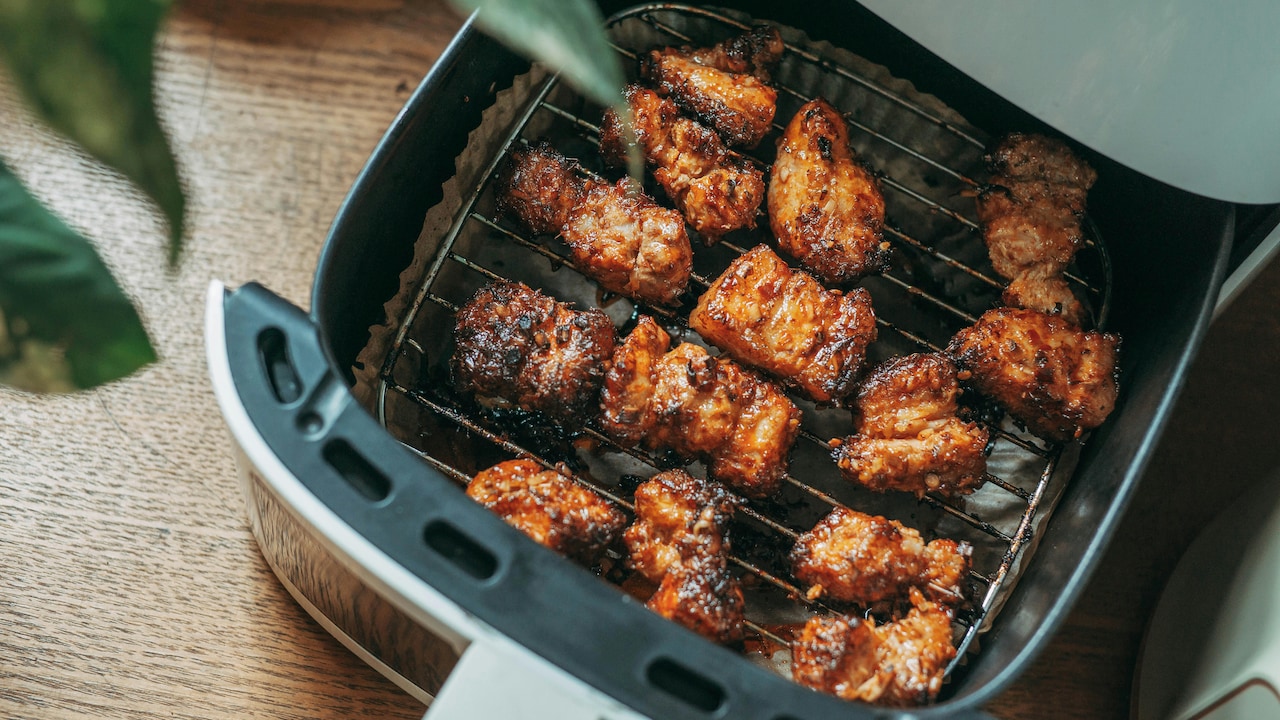
The air fryer has become a kitchen favourite for good reason. It cooks quickly, uses less oil and delivers the kind of crisp texture that once required deep frying. From evening samosas and paneer tikka to frozen chips and chicken wings, it seems capable of handling almost everything. Yet many home cooks share the same frustration. The food looks promising when it comes out of the basket, but the first bite tells a different story. Chips feel dry instead of fluffy. Chicken turns chewy. Vegetables lose their natural sweetness and end up shrivelled. The good news is that dry air fryer food rarely results from a faulty appliance. More often, a handful of common cooking habits stand in the way. A crowded basket, too little oil, excessive heat, or simply leaving food inside for a few extra minutes can make a surprising difference. Understanding these mistakes helps unlock the full potential of the appliance and turns disappointing meals into consistently delicious ones.
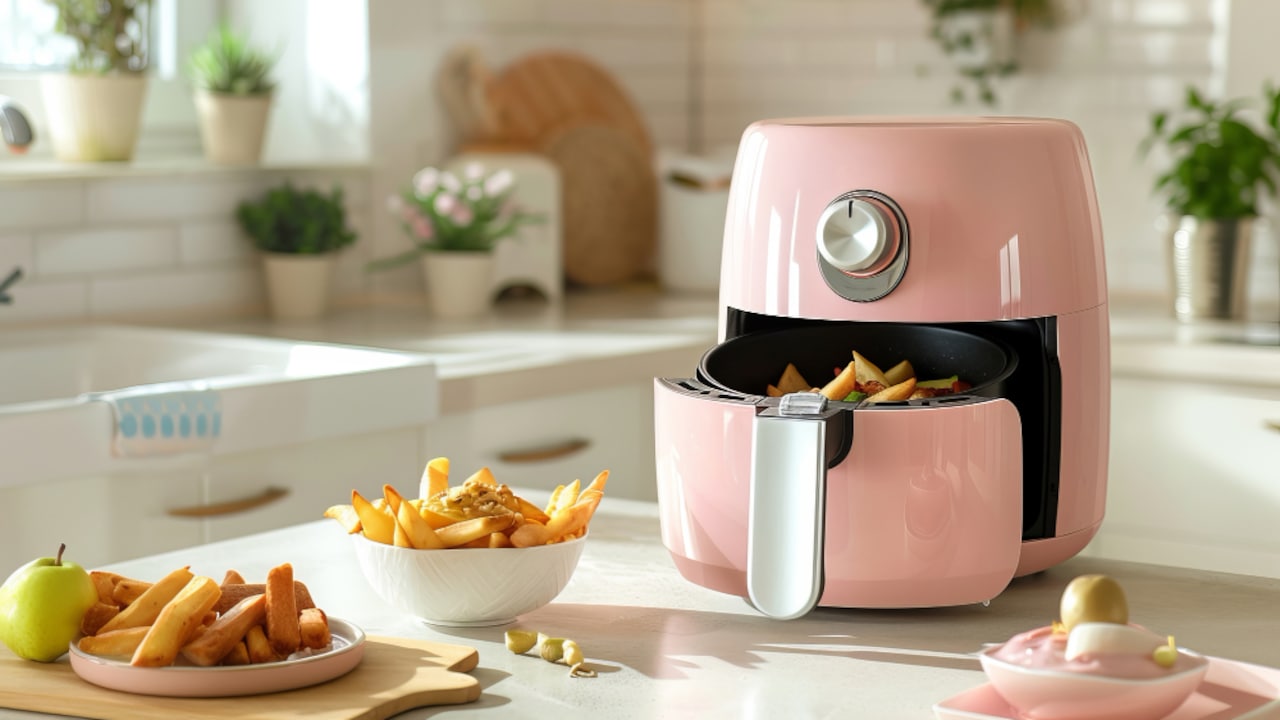
Common mistakes that lead to dry food in air fryer; Photo Credit: Freepik
Understanding The Mistakes Behind Dry Air Fryer Food
Basket Size Matters More Than You Think
Many people assume a larger basket automatically guarantees better cooking results. While extra space offers flexibility, problems arise when the basket size does not match the quantity of food being cooked.
A basket packed to the brim prevents hot air from circulating properly. Air fryers rely on rapid airflow to cook food evenly. When ingredients sit tightly together, some areas receive too much heat while others remain undercooked. To compensate, many cooks increase cooking time, which often dries out the exposed portions.
On the other hand, placing a tiny amount of food in a very large basket can also create issues. Small portions cook much faster than expected and can lose moisture before anyone notices.
Think of an air fryer basket like a busy road. Traffic moves smoothly when vehicles have enough space. Once congestion builds, everything slows down. Food behaves in a similar way. A balanced load allows hot air to reach every surface and create even browning without stripping away moisture.
Choosing the right basket capacity and avoiding overcrowding often produces immediate improvements in texture and flavour.
Overcrowding Prevents Proper Air Circulation
One of the most common air fryer mistakes happens when someone tries to cook too much food at once. It feels efficient, especially during family meals, but overcrowding can sabotage results.
When food overlaps or stacks on top of itself, hot air struggles to reach every piece. Instead of crisping evenly, ingredients begin steaming. As moisture builds up, surfaces soften rather than brown. The natural response involves extending cooking time to achieve crispness. Unfortunately, that extra time often dries out the outer layers.
Picture a batch of potato wedges piled together. The pieces on top may turn crispy while those hidden underneath remain pale. By the time the lower wedges cook through, the upper ones have already lost much of their moisture.
Cooking in smaller batches may require a little patience, but the difference can be remarkable. Every piece receives equal exposure to circulating heat, reducing the need for longer cooking times.
The result feels worth the extra effort. Crispy exteriors, fluffy interiors and better flavour usually follow when food gets enough breathing room inside the basket.
Using Too Little Oil Can Backfire
Many households buy an air fryer to reduce oil consumption. However, reducing oil and eliminating it completely are two different things.
A light coating of oil serves an important purpose. It helps food brown evenly, enhances flavour and prevents excessive moisture loss. Without it, ingredients can become dry and leathery, especially proteins and starchy foods.
A common misconception suggests that air fryers need no oil whatsoever. While certain frozen products already contain enough fat, fresh ingredients often benefit from a light spray. Potatoes, vegetables and marinated meats usually develop a better texture when coated with a small amount.
The goal is not to drench food. A thin, even layer works best. Think of it as giving ingredients a protective shield rather than a bath.
A plate of homemade chips illustrates this perfectly. Chips cooked with no oil often emerge pale and dry. Add a modest spray before cooking, and they develop a golden finish with a satisfying crunch.
A few drops of oil can make the difference between food that tastes restaurant-worthy and food that resembles a forgotten lunchbox snack.
The Wrong Oil Spray Technique Causes Problems
Oil spray helps air fryer cooking, but technique matters just as much as quantity. Uneven spraying can create inconsistent results across the basket.
Many people spray only the top layer and assume the job is done. Unfortunately, sections without oil may dry out faster than the rest. Some pieces brown beautifully while others appear dull and dehydrated.
Another issue involves aerosol sprays containing additives that can leave residue behind. Over time, this residue may affect cooking performance and even damage certain basket coatings.
A better approach involves tossing ingredients lightly with oil before placing them in the basket. This method distributes the coating more evenly and helps every surface benefit from moisture retention.
Consider marinated vegetables. A quick toss with a teaspoon of oil often creates better browning than several random bursts from a spray bottle after cooking begins.
Consistency remains the key. Even coverage encourages uniform cooking and prevents dry patches from forming. The difference may seem small during preparation, but it becomes obvious once dinner reaches the plate.
Also Read: Eat Healthy Without Missing Out: Top 5 Air Fryers To Make Guilt-Free Crispy Treats
Excessively High Temperatures Dry Food Out
High temperatures often appear tempting because they promise faster cooking. Unfortunately, speed comes at a price when the heat climbs too high.
Air fryers cook efficiently due to their concentrated circulation system. Temperatures that seem reasonable in a conventional oven may prove excessive inside an air fryer. Food can brown rapidly on the outside while losing moisture long before the centre finishes cooking.
Chicken breast offers a perfect example. Cooked at an extremely high temperature, the exterior develops colour quickly. However, the inside may become dry and fibrous before reaching the ideal texture.
Many recipes perform better when cooked slightly lower and for a little longer. This approach allows heat to penetrate more evenly and preserve moisture.
The temptation to crank the dial to maximum resembles trying to boil tea faster by turning the flame all the way up. Sometimes the result ends up messy rather than efficient.
Understanding recommended temperature ranges for different foods helps maintain balance. Crispy surfaces and juicy interiors can coexist when heat remains under control.
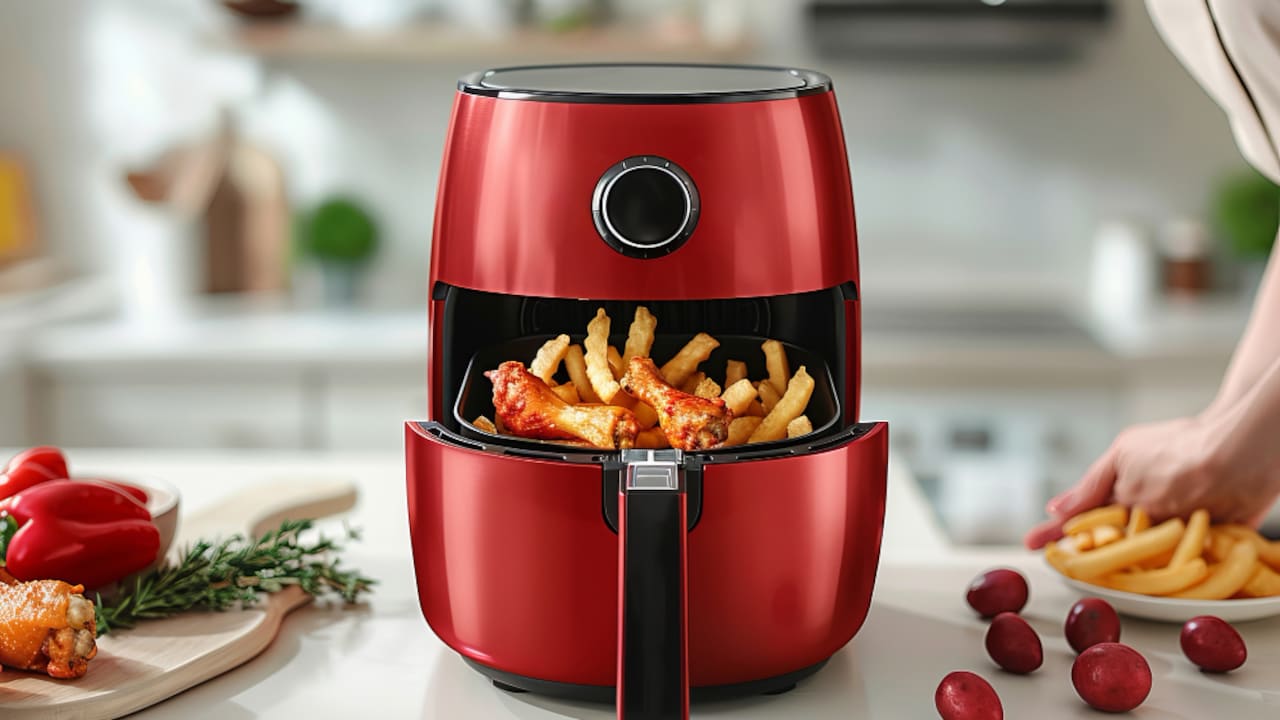
Cooking food at excessively high temperature can make it dry; Photo Credit: Freepik
Ignoring Preheating Leads To Uneven Results
Preheating may seem like an unnecessary extra step, especially on busy evenings. Yet skipping it often contributes to dry and unevenly cooked food.
A cold basket changes the way ingredients begin cooking. Food spends the first few minutes slowly warming instead of crisping immediately. To compensate, people frequently add extra cooking time, which can eventually remove too much moisture.
Preheating creates a stable cooking environment from the start. Ingredients hit a hot surface and begin browning right away, reducing the need for extended cooking.
Think about placing dough on a properly heated tawa versus a cold one. The cooking process behaves very differently. Air fryers follow a similar principle.
Most models require only a few minutes to preheat. That brief wait often improves texture, colour and consistency across a wide range of foods.
For anyone wondering why chips feel dry despite following recipe instructions, the answer sometimes starts before the food even enters the basket.
Cooking Times Often Need Adjustment
Recipe timings provide useful guidance, but they should never become rigid rules. Every air fryer model behaves differently, and ingredients vary in size and moisture content.
Following a cooking time blindly can easily lead to overcooking. A recipe may suggest twenty minutes, but a more powerful machine might finish the same dish in sixteen. Those extra four minutes can make the difference between juicy and dry.
Fresh vegetables offer a clear example. Thin carrot sticks cook much faster than thick chunks. Applying identical timings often results in one batch becoming dehydrated.
Checking food periodically helps prevent unnecessary moisture loss. Opening the basket briefly does not ruin the cooking process. In fact, it often saves the meal.
Successful air fryer cooking rewards observation rather than strict obedience. Watching colour, texture and doneness usually produces better results than staring at the countdown timer.
A little flexibility can transform cooking outcomes and prevent disappointment at the dinner table.
Forgetting To Shake Or Flip The Food
Hot air circulates efficiently, but it cannot perform miracles. Food still benefits from movement during cooking.
When ingredients remain in one position throughout the process, certain surfaces receive more heat exposure than others. This imbalance can leave one side overcooked and dry while another remains soft.
Shaking chips halfway through cooking helps distribute heat more evenly. The same principle applies to chicken pieces, vegetables and frozen snacks. A quick flip encourages consistent browning across all sides.
Many users skip this step because air fryers advertise convenience. Yet a ten-second shake can significantly improve final texture.
Imagine sunbathing while lying on one side all afternoon. One side would receive all the attention while the other remains untouched. Food experiences something similar inside an air fryer basket.
Regular movement prevents hotspots and promotes even cooking. The reward comes in the form of better colour, balanced crispness and improved moisture retention.
Choosing The Wrong Foods For Air Frying
Not every ingredient thrives in an air fryer environment. Certain foods naturally contain less moisture and become dry more easily when exposed to circulating hot air.
Lean cuts of meat often require special attention. Without sufficient fat or marinade, they can lose moisture quickly. Delicate fish may also dry out if cooked aggressively.
Some vegetables contain high water content and respond beautifully to air frying. Others may shrivel if exposed to excessive heat for too long.
Understanding the characteristics of each ingredient helps set realistic expectations. Foods with natural fats or moisture generally perform better. Lean ingredients often benefit from marinades, oil coatings or shorter cooking times.
A well-marinated chicken tikka usually emerges juicy and flavourful. An unseasoned lean fillet cooked under the same conditions may become disappointingly dry.
The appliance works best when recipes align with its strengths rather than fighting against them. Smart ingredient choices often produce the most satisfying results.
Leaving Food Inside After Cooking Ends
One surprisingly common mistake happens after cooking finishes. Many people leave food sitting inside the air fryer basket while they prepare plates or answer a phone call.
Residual heat continues affecting food even after the timer stops. The basket remains hot, and trapped heat keeps drawing moisture away from ingredients.
This issue becomes particularly noticeable with proteins. Chicken, fish and paneer can quickly transition from perfectly cooked to slightly dry if left unattended.
The solution remains simple. Remove food promptly once cooking ends and allow it to rest on a plate or serving tray.
Think of it like brewing tea. Leave the tea leaves in for too long, and the flavour changes dramatically. Food behaves in a similar way after cooking.
Those extra few minutes may seem harmless, but they often explain why a meal tasted better straight from the basket than it did at the table.
Products Related To This Article
1. PHILIPS Air Fryer NA231/00 with touch panel
2. Cookwell Air Fryer - 5L With See Through Window
3. Milton Rapid Digital Air Fryer 4.2L
4. Ninja Air Fryer MAX PRO 6.2L (AF180IN) 2000W Max Crisp Technology Variable Air Flow PFOA
5. KENT Digital Air Fryer 8L | 1700W | Bake, Grill & Roast
6. iBELL AEROFRY420DM Air Fryer 4.2 Litre
7. SOLARA Air Fryer For Home 4.5L with See Through Window
Dry air fryer food rarely results from bad luck. More often, small mistakes accumulate throughout the cooking process. An overcrowded basket, insufficient oil, excessive temperatures and inaccurate timings all contribute to moisture loss. Even seemingly minor habits, such as skipping preheating or leaving food in the basket after cooking, can affect the final result.
The good news lies in how easy these problems are to fix. A little extra attention to airflow, temperature control and cooking technique can dramatically improve texture and flavour. Air fryers remain one of the most versatile appliances in modern kitchens, but they reward balance rather than shortcuts.
With the right approach, crispy does not have to mean dry. The next batch of chips, vegetables or chicken could deliver exactly what every air fryer promises: golden crunch on the outside and delicious tenderness within.
(Disclaimer: This article may include references to or features of products and services made available through affiliate marketing campaigns. NDTV Convergence Limited (“NDTV”) strives to maintain editorial independence while participating in such campaigns. NDTV does not assume responsibility for the performance or claims of any featured products or services.)