Wireless Earbuds Indoors Sound Worse Than Outdoors: 10 Reasons Why Audio Quality Drops
Wireless earbuds often sound clearer outdoors than indoors. From signal interference to echo-heavy rooms, indoor spaces quietly degrade audio quality. Here are the common reasons behind wireless earbuds losing audio quality indoors.
Wireless Earbuds Sound Worse Indoors? 10 Reasons Audio Quality Drops At Home.
Wireless earbuds have slipped into daily routines with ease. They accompany workouts, commutes, chores, and long conversations. The expectation stays simple: consistent sound everywhere. Reality tells a different story. Step outside, and the sound opens up. Walk back indoors, and something feels off.
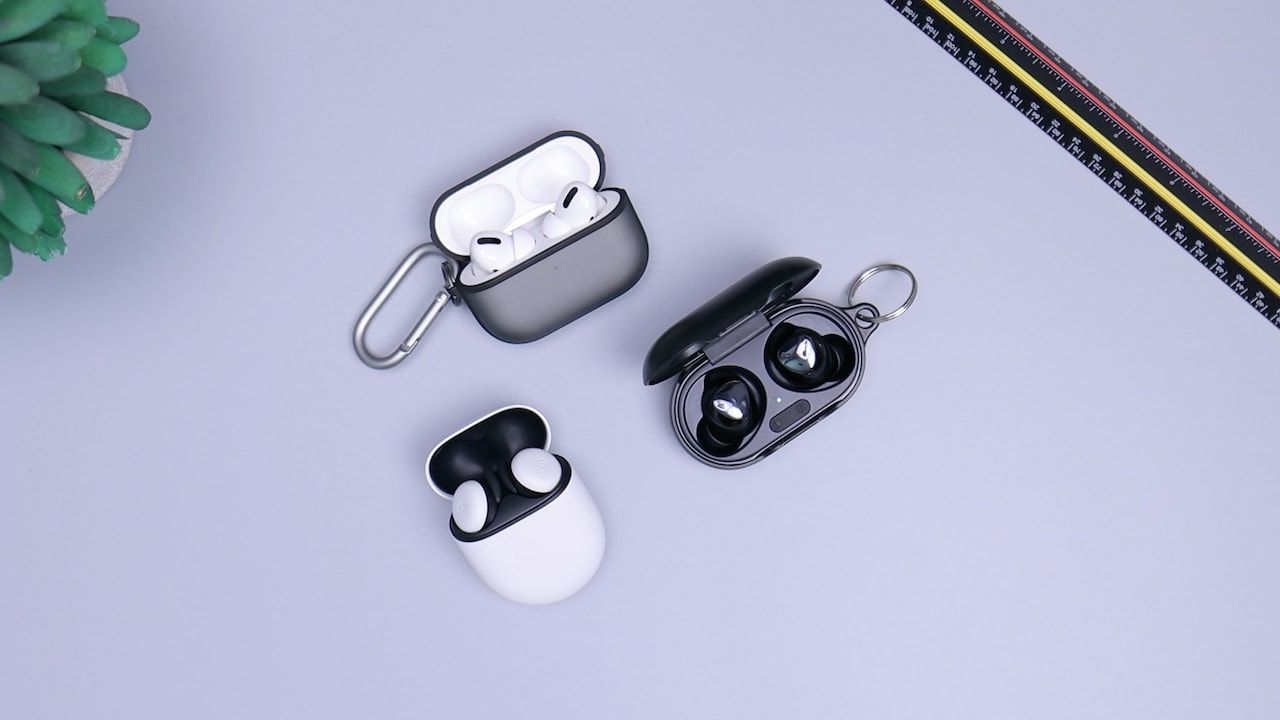
Explore common reasons behind wireless earbuds losing quality indoors; Photo Credit: Unsplash
This drop in quality puzzles many listeners. After all, homes feel calmer than streets. Fewer horns, fewer people, and less chaos should mean better sound. Yet earbuds struggle more inside four walls. The reasons hide in physics, architecture, and modern lifestyles.
Indoor spaces bounce sound, crowd wireless signals, and confuse tiny microphones. Outdoor environments, despite noise, allow sound to breathe. Understanding this contrast helps listeners tweak habits and expectations. More importantly, it restores some joy to everyday listening, without blaming the earbuds unfairly.
Also Read: 7 Best Earbuds Under ₹1,500 For Small Ears: Comfortable, Secure And Budget-Friendly Picks
The Hidden Factors That Affect Earbud Audio Inside Closed Spaces
1. Walls Create Echo Chambers That Trap Sound
Homes contain walls, ceilings, and floors that reflect sound endlessly. These surfaces create mini echo chambers. Sound waves bounce back and forth, colliding with each other. Wireless earbuds, built for compact efficiency, struggle to process this chaos.
Outdoors, sound dissipates naturally. Waves travel freely and fade without obstruction. Indoors, reflections arrive milliseconds apart. This delay confuses earbuds, especially during music with layered instruments. Vocals may sound hollow, and bass can feel bloated.
Small rooms worsen the effect. Bedrooms, kitchens, and home offices compress sound even further. Tiles, glass, and bare walls amplify reflections. Soft furnishings help, but not everyone decorates with acoustics in mind.
This explains why music feels richer during a terrace walk than while sitting on the sofa. The open environment gives sound space to breathe, while indoor walls quietly squeeze it.
2. Wireless Signal Interference Peaks Indoors
Modern homes buzz with invisible signals. Wi-Fi routers, smart TVs, Bluetooth speakers, laptops, and even microwaves compete for space. Wireless earbuds rely on Bluetooth, which shares crowded frequencies with many devices.
Outdoors, this congestion drops dramatically. Fewer networks overlap. Signals travel cleaner paths between phone and earbuds. Indoors, interference causes micro dropouts. These interruptions may not disconnect audio but degrade clarity.
Listeners often notice sudden dips in quality or faint crackles. Calls feel unstable. Music loses depth. The earbuds constantly correct the signal, which affects sound processing.
Apartment buildings intensify this issue. Multiple routers operate within close range. Even premium earbuds struggle in such environments. Stepping outside reduces this digital noise instantly, giving audio a smoother flow.
3. Indoor Acoustics Muffle Natural Bass Response
Bass behaves differently indoors. Low-frequency sounds reflect heavily off walls and corners. This creates standing waves, where certain bass notes boom while others disappear. Wireless earbuds, tuned for balance, fail to adapt.
Outdoors, bass spreads evenly. There are no corners to trap it. Music feels tighter and more controlled. Indoors, bass can feel muddy or overwhelming, especially at higher volumes.
This issue becomes noticeable during movies or bass-heavy playlists. Drums lose punch. Electronic music sounds flat. The problem lies less in the earbuds and more in the room.
Even expensive home sound systems face this challenge. Tiny earbuds stand little chance against poor room acoustics. That open-road playlist suddenly feels better under the sky for a reason.
4. Active Noise Cancellation Works Harder Indoors
Active Noise Cancellation, or ANC, aims to block unwanted sound. Indoors, noise feels unpredictable. Ceiling fans hum, fridges buzz, neighbours talk, and traffic sneaks through windows.
ANC microphones pick up these varied sounds and try to cancel them. This constant adjustment strains processing. Sometimes, the cancellation overshoots, affecting music quality.
Outdoors, noise stays more consistent. Traffic hums steadily. Wind flows predictably. ANC adapts smoothly, allowing music to shine. Indoors, fluctuating noise confuses the system.
Listeners may notice pressure in the ears or dull sound. Switching off ANC indoors often improves clarity. The irony remains amusing. A feature meant to enhance listening ends up complicating it within closed spaces.
5. Indoor Air Pressure Affects Earbud Fit
Earbuds rely heavily on a proper seal. Indoors, air pressure remains stable. This stability exaggerates fit issues. Even slight misalignment affects sound balance.
Outdoors, subtle air movement and body motion adjust earbud positioning naturally. This dynamic fit improves perceived sound. Indoors, sitting still highlights discomfort and uneven sealing.
Sweat, humidity, and ear shape also play roles. A poor seal reduces bass and makes audio feel thin. Many blame the earbuds, unaware that fit changes with environment.
Regular adjustments indoors help. Changing ear tips makes a noticeable difference. Sometimes, standing up and moving improves sound instantly. Small factors add up, quietly shaping the listening experience.
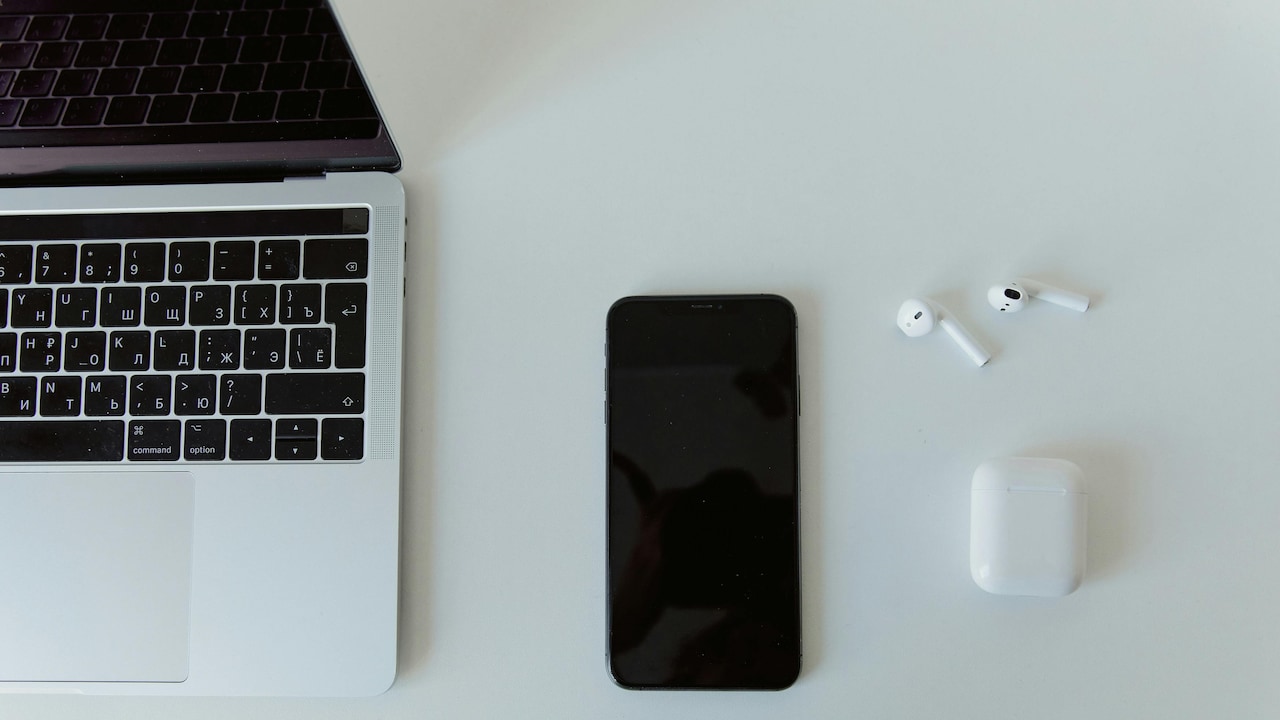
Indoor air pressure can affect the overall fit and sound quality of earbuds; Photo Credit: NDTV
6. Psychological Perception Changes Indoors
Sound perception links closely with mood and environment. Indoors, distractions multiply. Notifications pop up. Screens demand attention. Minds wander.
Outdoors, focus sharpens. A walk or commute creates rhythm. Music blends with movement. This synergy enhances perceived quality.
Indoors, listeners analyse sound more critically. Flaws stand out. Compression feels obvious. Outdoors, those flaws fade into the experience.
This psychological effect explains why the same song feels magical on a rainy walk but ordinary at home. The brain plays an active role in audio enjoyment, often overshadowing technical factors.
7. Reflections Confuse Built-in Microphones
Wireless earbuds use tiny microphones for calls and noise control. Indoors, reflected sound reaches these microphones from multiple directions. This confuses voice detection.
During calls, voices may sound distant or echoey. Background noise seeps in unexpectedly. Outdoors, voices travel directly to the microphones without bouncing.
This clarity improves call quality and voice commands. Indoors, the microphones work overtime, filtering reflections and noise.
Hard surfaces worsen the issue. Kitchens and bathrooms reflect sound aggressively. Soft furnishings help but rarely eliminate the problem entirely.
8. Power Fluctuations Impact Indoor Electronics
Homes experience minor power fluctuations. Charging multiple devices simultaneously affects performance subtly. Wireless earbuds, when low on battery, reduce processing power.
Indoors, users often multitask. Streaming, charging, and connecting multiple devices strains systems. Outdoors, phones often dedicate resources to music alone.
This difference impacts codec performance and sound quality. Audio compression increases to maintain stability. The result feels flatter and less immersive.
Keeping earbuds charged above 30% improves consistency. Avoiding heavy multitasking helps. Small habits restore audio richness without extra spending.
9. Room Temperature Alters Earbud Performance
Temperature affects electronics more than expected. Indoors, air-conditioning or heaters create dry or overly warm conditions. These extremes influence battery efficiency and driver performance.
Outdoors, moderate temperatures allow components to operate optimally. Sound reproduction feels more balanced.
Indoors, prolonged exposure to heat dries ear canals slightly, affecting seal. Cold air stiffens ear tips. Both alter sound delivery.
This explains seasonal changes in listening quality. A playlist may sound better during an evening walk than inside a heated room. Comfort and sound quality often share the same environment sweet spot.
10. Indoor Listening Encourages Higher Volumes
Indoors, background noise feels subtle but persistent. Listeners raise volume to compensate. Higher volumes reveal distortion and compression more clearly.
Outdoors, ambient noise masks minor imperfections. Indoors, silence exposes flaws. Pushing volume worsens this effect.
Ear fatigue sets in quicker indoors. Music loses warmth. Taking breaks and lowering volume restores balance.
Using equaliser settings tailored for indoor listening helps. Many earbuds offer custom profiles. Adjusting them makes a surprising difference, turning a dull experience into a pleasant one.
Products Related To This Article
1. boAt 2025 Launch Airdopes 219
2. GOBOULT Newly Launched Raven in Ear TWS Earbuds with 70H Playtime
3. Amazon Basics Pro Series ANC Wireless in Ear Earbuds
4. Mivi DuoPods Sync Earbuds [New Launch]
5. Samsung Galaxy Buds Core (Black) Galaxy AI Enabled in-Ear TWS with ANC
6. soundcore by Anker R50i VI True Wireless Earbuds
7. OnePlus Nord Buds 2r True Wireless in Ear Earbuds with Mic
Wireless earbuds often receive unfair blame for indoor sound issues. The truth lies in the environment. Walls, signals, acoustics, and psychology conspire quietly against audio quality.
Outdoors, sound flows freely. Indoors, it wrestles with reflections and interference. Understanding these factors empowers better listening habits. Simple tweaks, like adjusting fit, reducing interference, or switching off ANC, transform the experience.
Music deserves space to breathe. Sometimes, stepping outside provides that space better than any expensive upgrade.
(Disclaimer: This article may include references to or features of products and services made available through affiliate marketing campaigns. NDTV Convergence Limited (“NDTV”) strives to maintain editorial independence while participating in such campaigns. NDTV does not assume responsibility for the performance or claims of any featured products or services.)