Digital Wallets vs UPI Apps: What Should You Use And When?
UPI apps and digital wallets may look similar, but they work differently. Here's a simple guide to understanding when to use each for everyday payments.
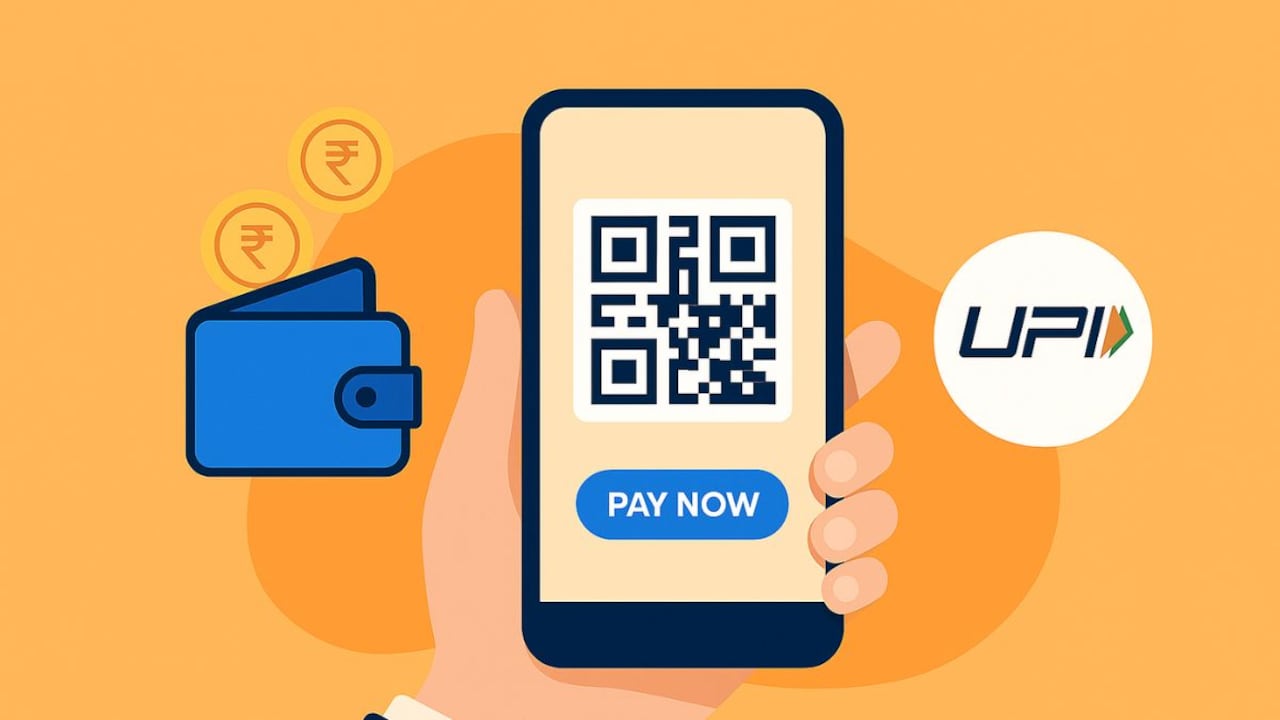
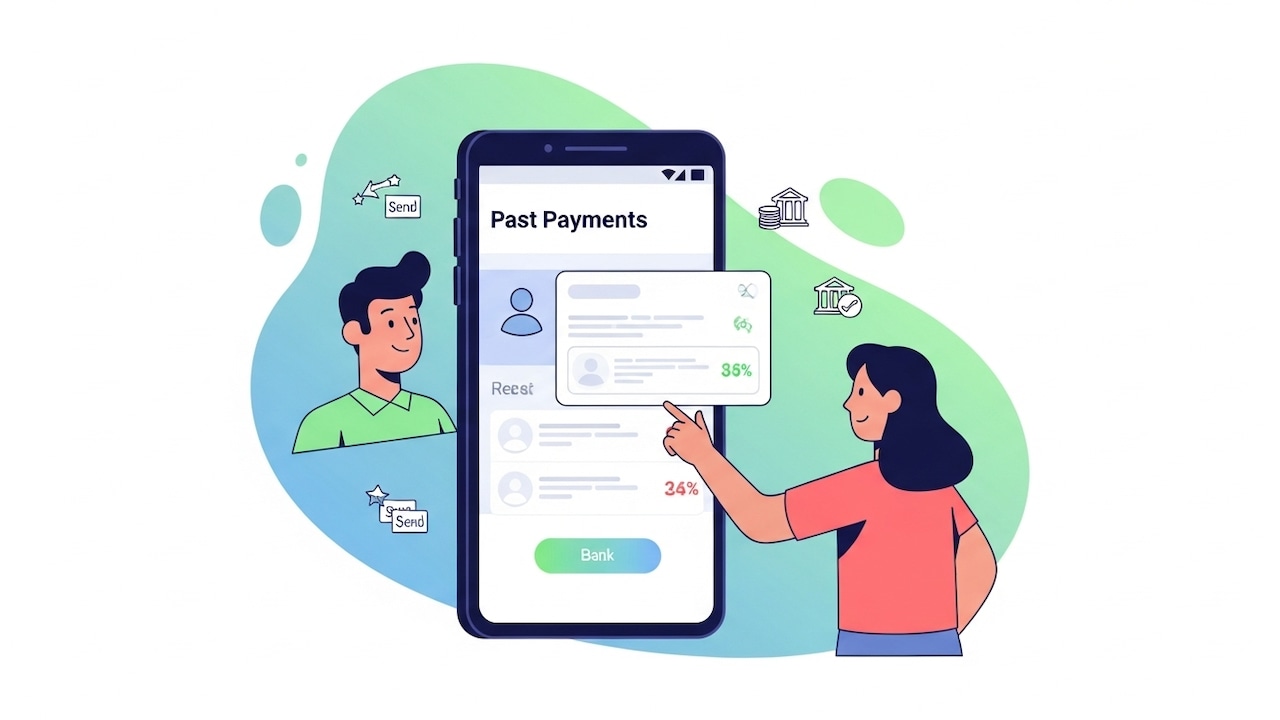
Understanding how you pay helps you manage money better.
On any given day in India, millions of small payments happen without a single coin or note changing hands. A cup of tea, a metro ticket, groceries, auto fare, most of it now moves through a simple scan of a QR code. Yet behind that familiar beep of a successful payment lies a question many users rarely stop to think about: am I paying through a digital wallet, or directly from my bank via UPI? And more importantly, does it matter?
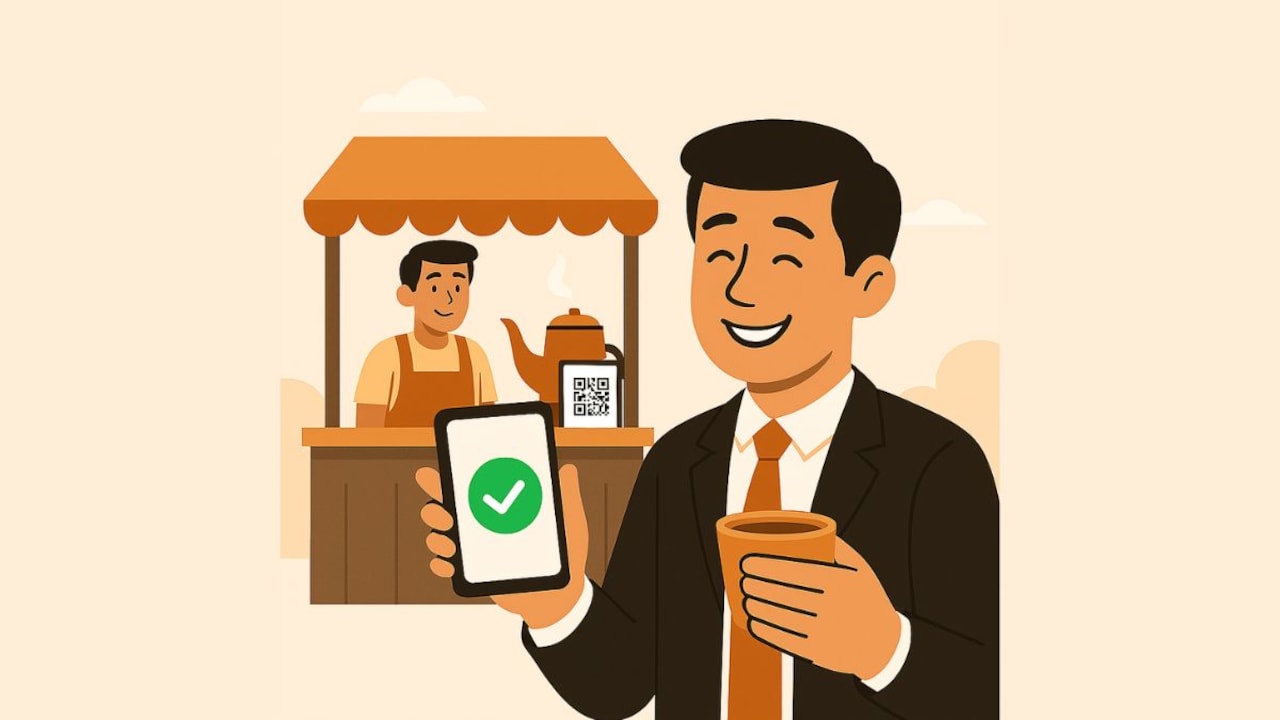
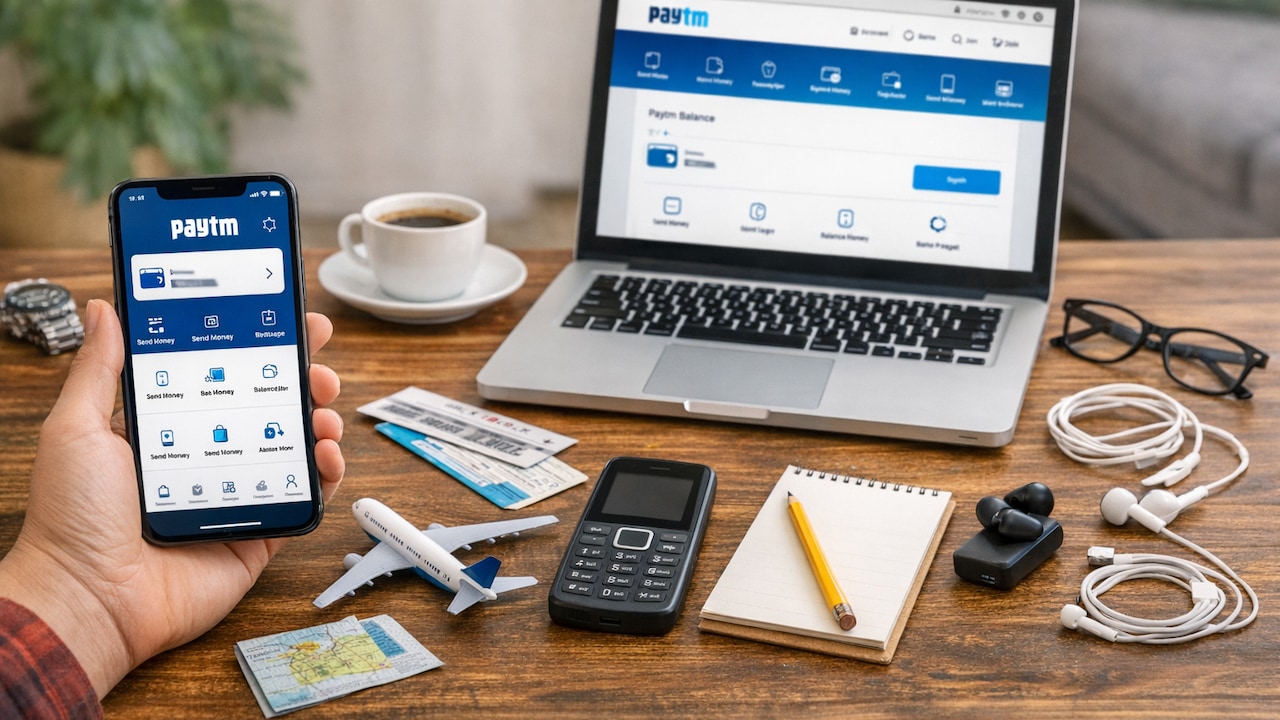
Small everyday payments and large bill payments often need different tools.
Photo Credit: Co-Pilot
The short answer is yes. While both options look similar on your phone screen, they work differently in the background and are suited to different situations. Understanding when to use a digital wallet and when to rely on a UPI app can make payments smoother, safer and better aligned with how you manage your money.
Also Read: What Is A UPI PIN? How To Create, Reset And Protect It
Upward Trends In Everyday Digital Payments
India's digital payments story is no longer about novelty. UPI has become part of daily life, used by students splitting bills, shopkeepers settling accounts, families paying utilities and businesses collecting money instantly. As per NPCI (National Payments Corporation of India) in February 2026, about 20,395 million payments were made through UPI. At the same time, digital wallets, once the entry point for many first‑time online users, continue to play a role, especially for small, frequent payments.
To the average user, both feel identical. You open an app, scan a QR code, and confirm the amount. But the similarity ends there.
What Is A UPI App?
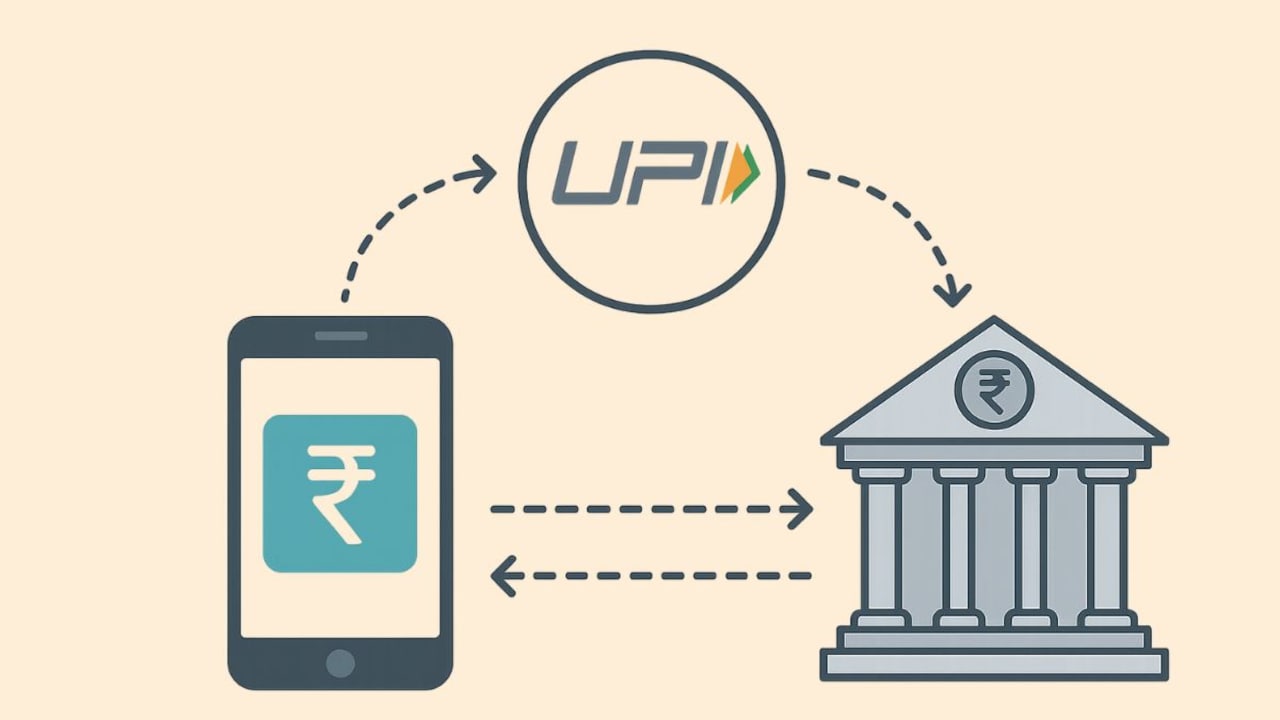
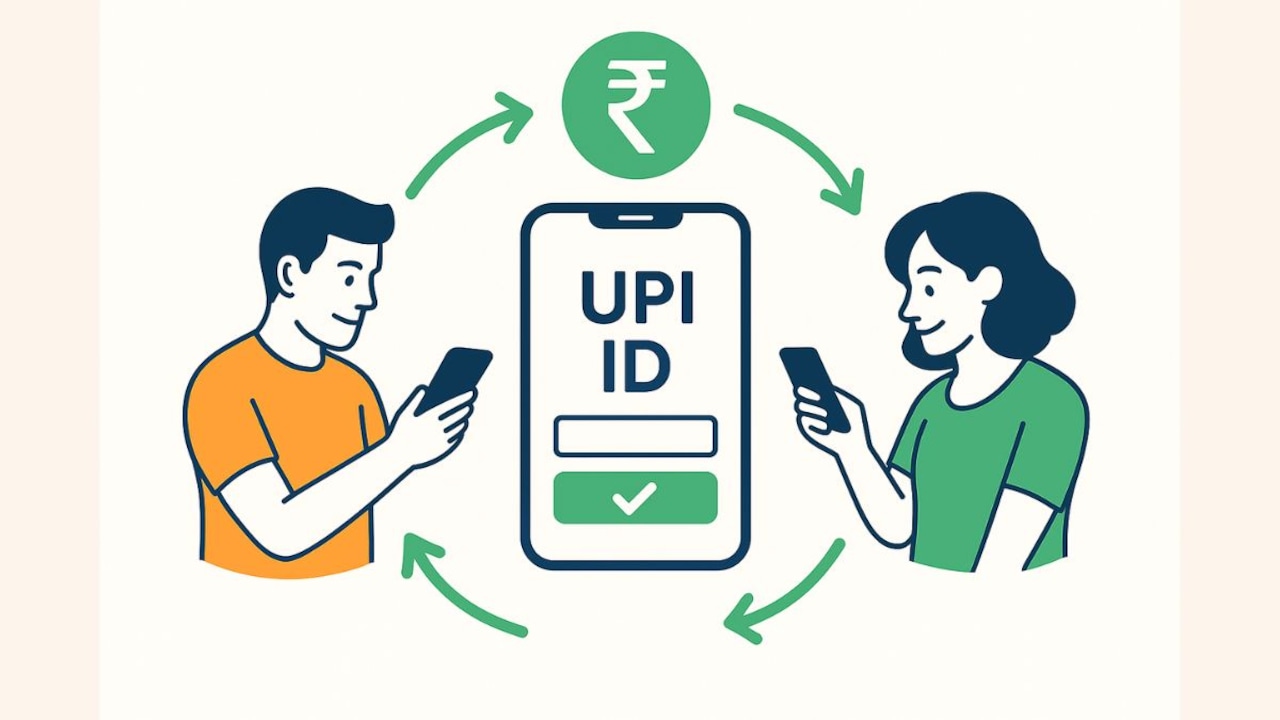
UPI sends money directly from your bank account in real time.
Photo Credit: Co-Pilot
A UPI app is essentially a bridge between your phone and your bank account. When you make a payment using UPI, the money moves directly from your bank account to the recipient's bank account in real time. There is no stored balance in the app itself.
To use UPI, you must have a bank account linked to your mobile number. Once set up, you can send or receive money at any time, day or night, using a UPI PIN. This direct bank‑to‑bank transfer is what makes UPI fast, reliable and widely accepted.
Because the money never sits inside the app, UPI is often preferred for larger payments, bill payments, rent transfers and situations where you want a clear record in your bank statement.
What Is A Digital Wallet?
A digital wallet works more like a prepaid purse on your phone. You load money into it first, through a bank transfer, card, or other permitted methods, and then spend from that stored balance.
When you pay using a wallet, the money does not move directly from your bank account to the merchant. Instead, it is deducted from your wallet balance. In practical terms, this means your bank account is only involved when you add money to the wallet, not every time you spend.
This difference makes wallets particularly useful for small, everyday expenses like paying at the food cart, tea stall, auto fares and more. Many people like keeping a limited amount in their wallet for routine spending, treating it almost like digital cash.
Why The Choice Matters
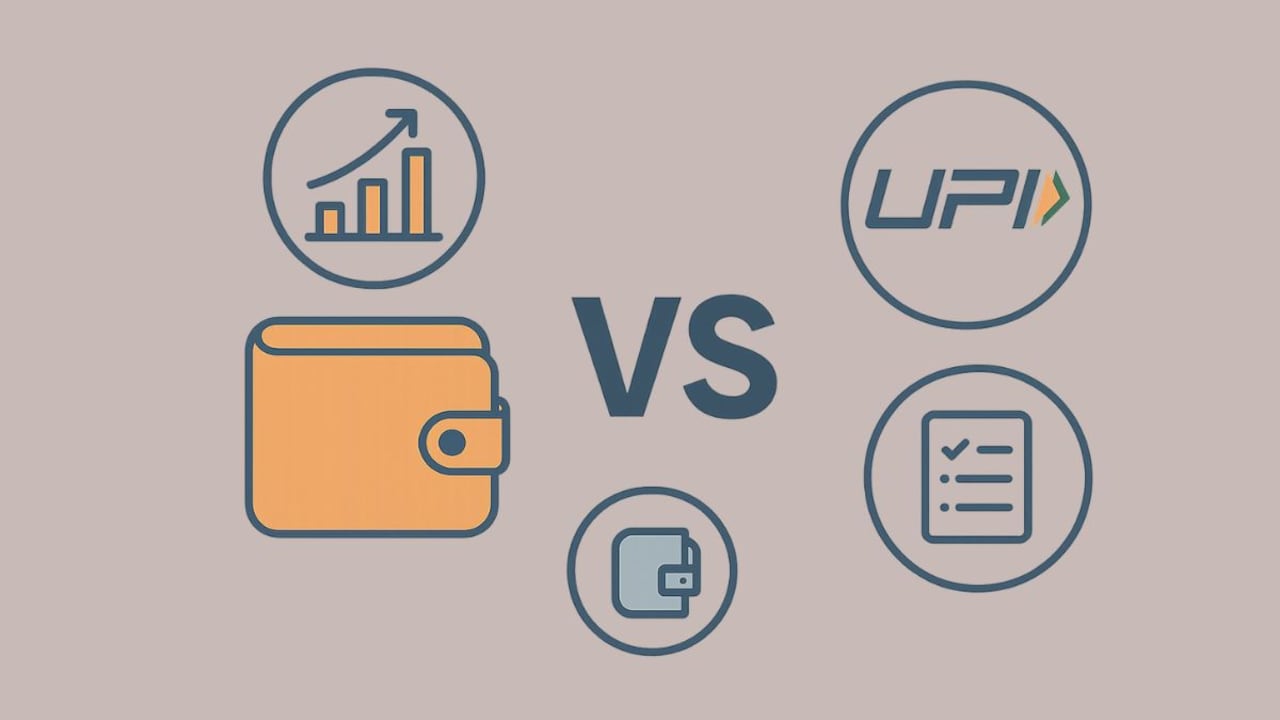
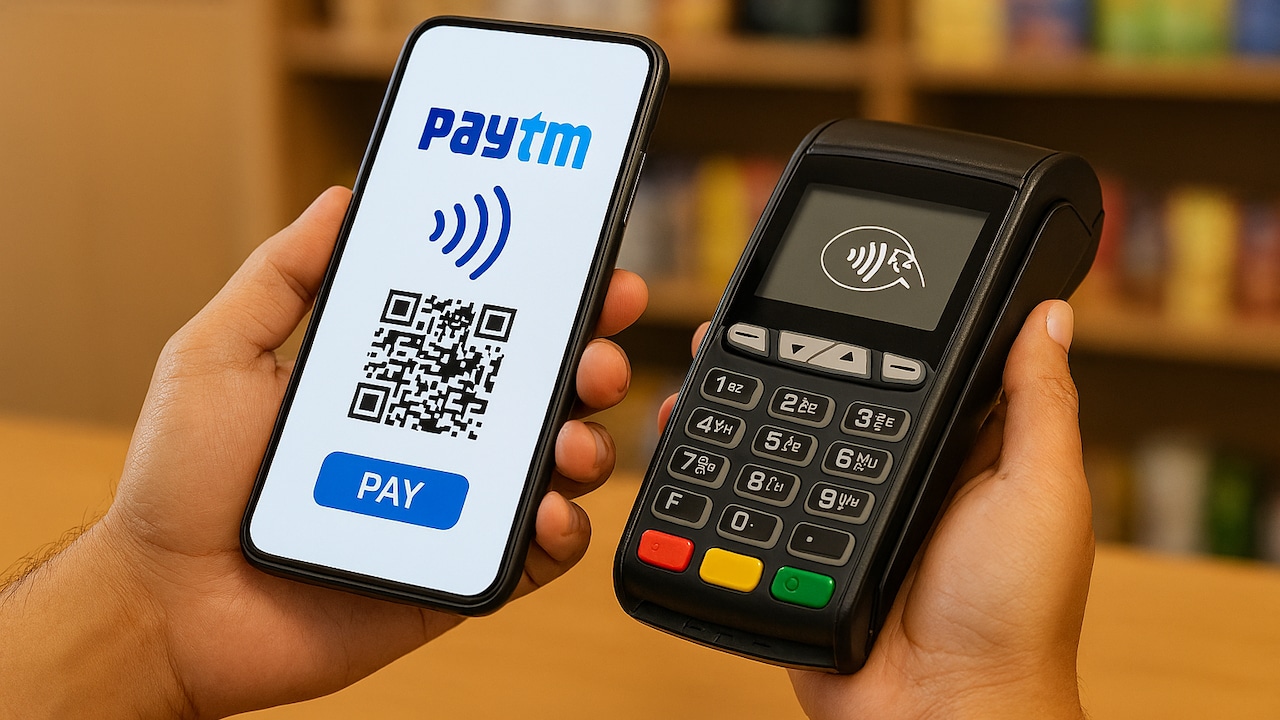
Both payment methods use QR codes but follow different routes.
Photo Credit: Co-Pilot
The distinction between wallets and UPI isn't just technical, it affects how you budget, how you track spending, and even how comfortable you feel making frequent payments.
UPI works best when:
- You want payments to go straight from your bank account
- You are paying larger amounts or recurring bills
- You want a complete transaction trail in your bank statement
- You prefer not to maintain a separate balance
Digital wallets make sense when:
- You want to cap daily spending by loading a fixed amount
- You make many small payments or sending small sums to friends and family throughout the day
- You prefer not to access your bank account repeatedly
- You want quicker, low‑friction payments for routine purchases
Many users don't realise that there is no rule saying you must choose one over the other. In fact, most people use both, often without consciously noticing when they switch.
Transactions Limits And Safety
UPI transactions typically allow higher limits because they are tied directly to your bank account. For most users, this makes UPI suitable for everything from groceries to school fees and medical bills.
Wallets, on the other hand, operate under regulatory limits depending on how much verification you've completed. Smaller wallets have lower caps, while fully verified wallets allow higher balances. This structure is intentional, it ensures safety while still offering flexibility.
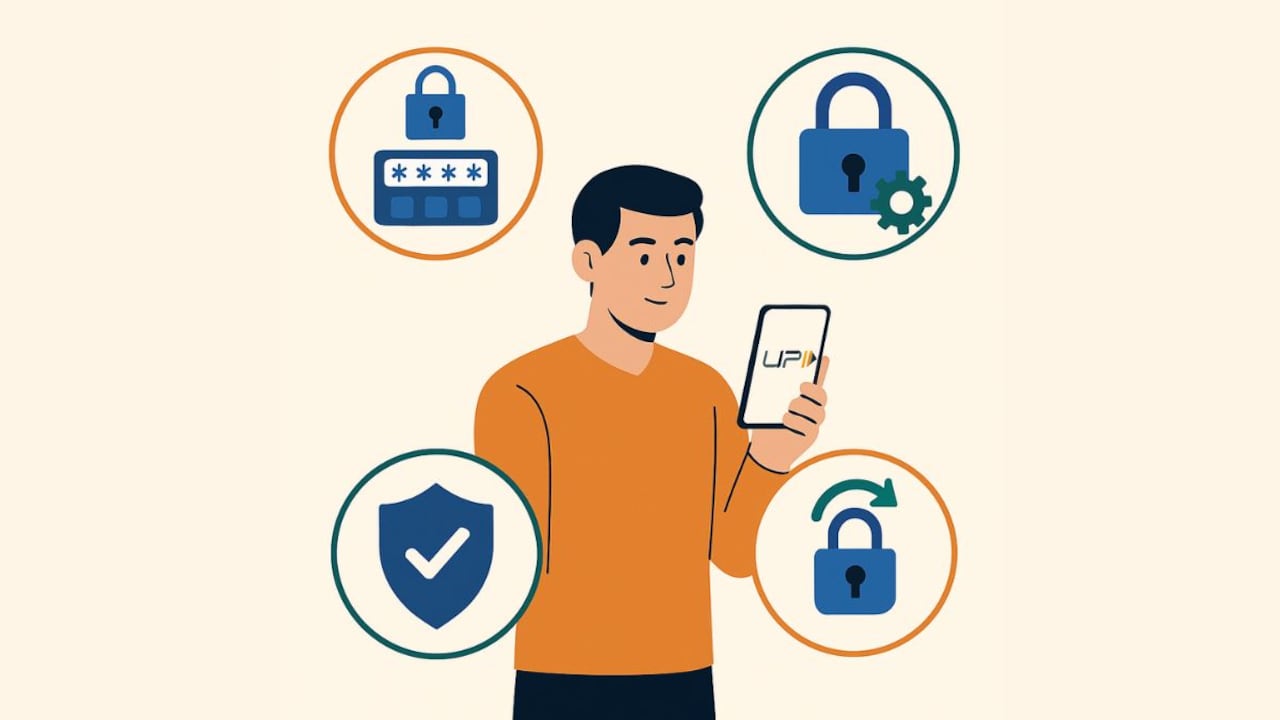
From a security point of view, both systems are robust when used correctly. UPI requires a PIN for every transaction, while wallets often rely on app‑level security such as biometrics or device authentication. In both cases, the basic rules remain the same: never share your PIN, double‑check payment requests and only use official apps.
The New Middle Ground: Smaller, Faster Payments
As digital payments evolved, one clear pattern emerged, most transactions are small. Paying for tea, snacks, local transport or quick shopping doesn't always need a full bank‑to‑bank transfer.
This is where wallet‑like features within UPI apps have gained popularity. These options allow users to make low‑value payments faster, sometimes without entering a PIN each time, while still remaining within the UPI ecosystem. For users, it offers the best of both worlds: the reliability of UPI with the ease of a wallet.
Where Paytm Fits Into This Picture
For many Indians, Paytm was their first introduction to cashless payments. Over the years, the app has evolved from being wallet‑centric to becoming a full‑fledged payments platform that supports UPI, wallets, cards and newer payment features, all in one place.
This matters because it removes the need to choose upfront. Whether a user wants to pay directly from a bank account using UPI, keep a small wallet balance for daily spends, or make faster low‑value payments, Paytm allows them to do it within a single, familiar app.
For merchants too, this flexibility has made Paytm a common sight across cities and towns. A single QR code can accept payments from multiple sources, reducing friction at the checkout and speeding up transactions.
What Should You Use?
The simplest answer is this: use what fits the moment.
Paying rent, school fees or utility bills? UPI is usually the cleanest option. Buying vegetables, paying for a cab or grabbing a quick snack? A wallet balance or a faster UPI mode may feel more convenient.
What matters most is understanding that these tools are complementary, not competing. Digital payments work best when users have the freedom to switch seamlessly between methods depending on need.
The Bigger Picture
India's digital payments ecosystem has matured enough to offer choice without complexity. You no longer need to worry about which system is “better”. Instead, the focus is on which one works best for you at a given moment.
Platforms that bring these options together, allowing users to pay how they want, when they want, are helping make digital payments less about technology and more about everyday convenience. In that sense, the real win isn't wallets versus UPI. It's having both, side by side, ready whenever you need them.
Frequently Asked Questions (FAQs)
1. What is the main difference between a digital wallet and a UPI app?
A UPI app transfers money directly from your bank account, while a digital wallet uses money that has already been loaded into the app as a stored balance.
2. Do I need a bank account to use UPI?
Yes. UPI requires an active bank account linked to your mobile number to send or receive money.
3. Can digital wallets be used without a bank account?
Some digital wallets allow limited use without linking a bank account, though spending limits and features may be restricted.
4. Which is better for small daily payments?
For frequent, low‑value payments, wallets or faster UPI modes are often more convenient, while UPI is better suited for larger or recurring payments.
5. Are UPI and digital wallets safe to use?
Both are secure when used correctly. Users should never share PINs, verify payment requests carefully and use only official apps.
(Disclaimer: This article may include references to or features of products and services made available through affiliate marketing campaigns. NDTV Convergence Limited (“NDTV”) strives to maintain editorial independence while participating in such campaigns. NDTV does not assume responsibility for the performance or claims of any featured products or services.)